Skip to Content

Attiya Ahmad

Post-Doctoral Fellow

This individual is a guest contributor. MEI is not able to assist with contact requests.

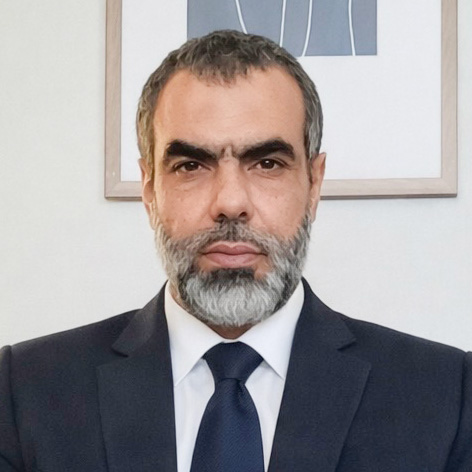
Attiya Ahmad is Georgetown University’s 2009-10 Center for International and Regional Studies Post-Doctoral Fellow. She recently completed her PhD in Cultural Anthropology at Duke University. Dr. Ahmad’s work brings together scholarship on Islamic studies, globalization, diaspora and migration studies, economic anthropology, and political economy.


The Latest from Attiya Ahmad

Filter by
9997 Results
The old rules of the game have been shattered
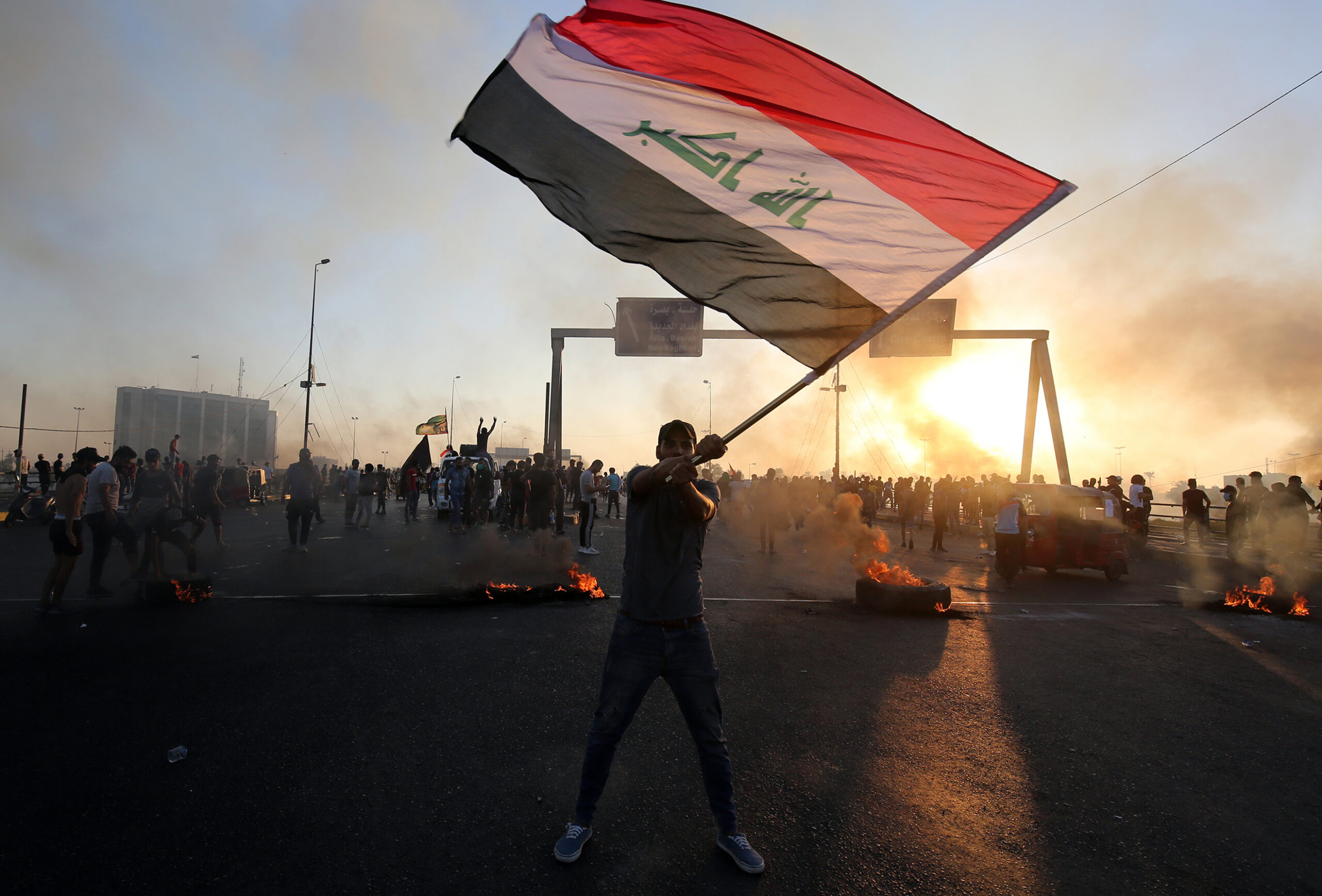
 A protester stands inside a burned checkpoint during the sit-in against deadly US airstrikes on sites of a Shiite militia in front of the US embassy. Iraqi mourners on Tuesday stormed the building of the US embassy in Baghdad's heavily fortified Green Zone.
  • Commentary
  • The old rules of the game have been shattered

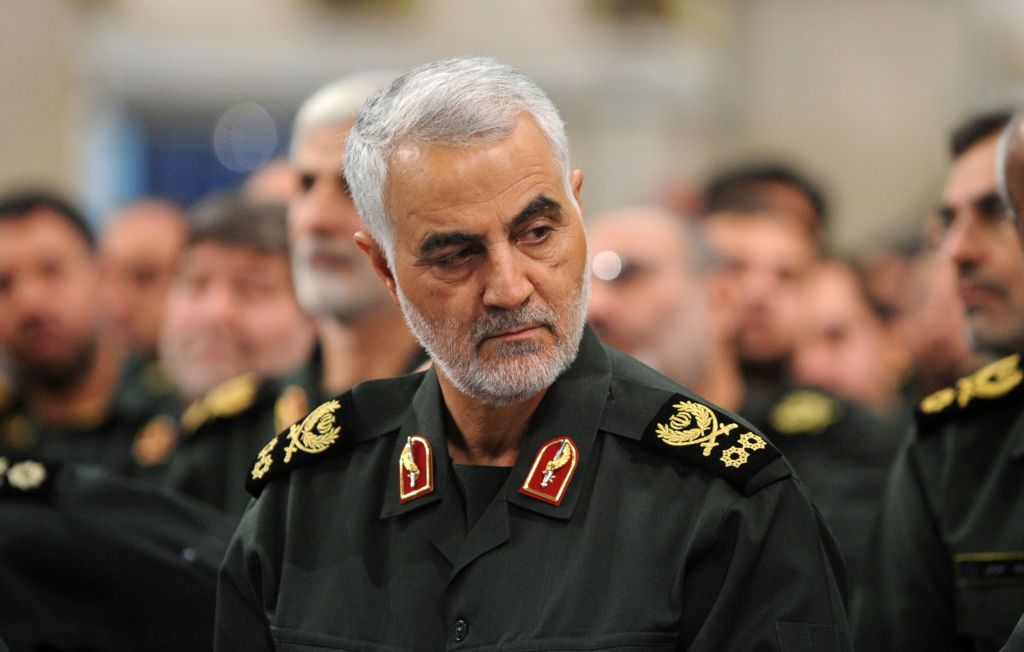
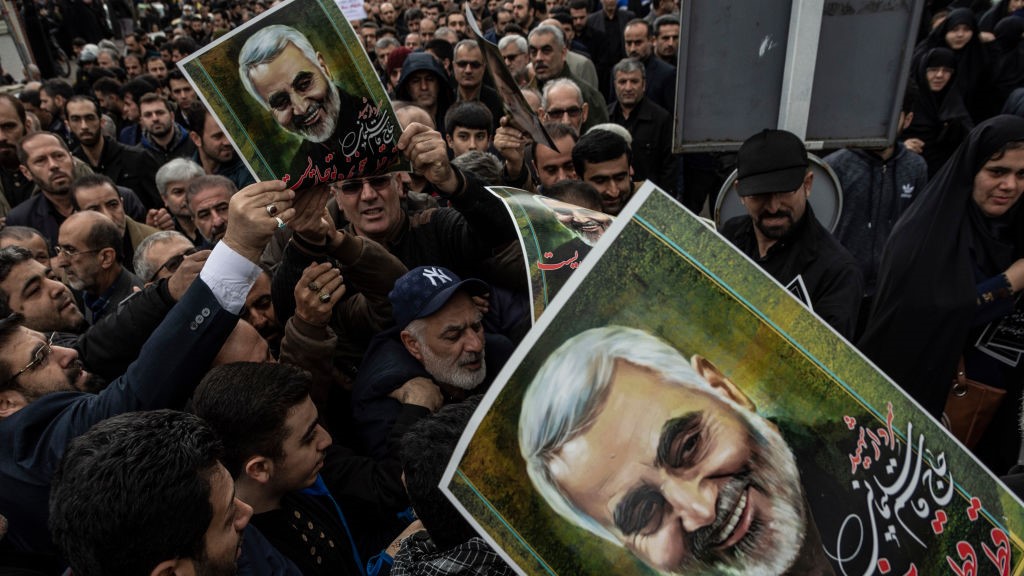
    The killing of Gen. Qassem Soleimani, head of Iran’s Revolutionary Guards Quds Force, was a major and unexpected blow to the Iranian leadership. It punctured the aura of invincibility and the hubris that have characterized Soleimani and his colleagues’ behavior.

    January 3, 2020

    Soleimani's killing: A turning point, but not necessarily a prelude to war
    Middle East Institute
  • Commentary
  • Soleimani's killing: A turning point, but not necessarily a prelude to war

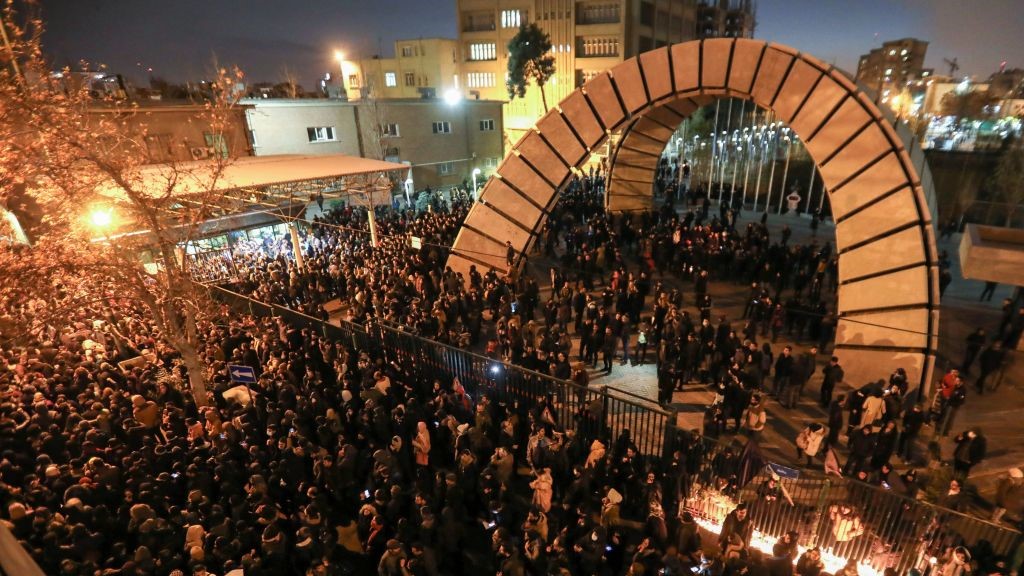
    No one in Tehran can now afford to test the limits of Donald Trump’s unpredictability. He is the man who for years lamented American interventions in the Middle East only to shock the Iranians by killing the leading symbol of Iran’s regional agenda. 

    Refugees Adrift? Responses to Crises in the MENA and Asia
    Middle East Institute
  • Analysis
  • Refugees Adrift? Responses to Crises in the MENA and Asia

    This essay series explores the human costs and policy challenges associated with the displacement crises in the Middle East and Asia.

    In 2014 the UNHCR reported that the number of people forced to flee their homes had exceeded 50 million for the first time since World War Two, and that the exponential increase in the number of those forcibly displaced had already stretched aid organisations and host countries nearly to the breaking point. 

    January 1, 2020

    Civil Society and Political Transitions in the MENA Region and Southeast Asia
    Middle East Institute
  • Analysis
  • Civil Society and Political Transitions in the MENA Region and Southeast Asia

    The MENA and Southeast Asia regions have undergone and continue to undergo massive political transitions.  Differences in the process and outcomes of their transitions can be viewed through the lens of a “civil society infrastructure” and the qualitative differences in both these regions. This essay series engages a variety of issues regarding the roles and impact of civil society organizations (CSOs) in these two regions during the transition and pre-transition periods as well as in instances where the political transition is completed.

    January 1, 2020

    What do recent successes against ISIS mean for a US withdrawal from Afghanistan?
    Member of the Islamic state ISIS militants stand alongside their weapons, as they surrendered to government in Jalalabad, Nangarhar, Afghanistan on November 17, 2019.
  • Analysis
  • What do recent successes against ISIS mean for a US withdrawal from Afghanistan?

    Afghan security forces, working in concert with U.S. airpower, have launched a series of successful attacks in eastern Afghanistan on ISIS forces, which operate locally under the banner of ISKP. Simultaneously, the Taliban has conducted its own military campaign against ISKP in the same region. These campaigns have significantly degraded ISKP’s position in eastern Afghanistan, a development that may well increase the likelihood of an eventual U.S.-Taliban peace deal.

    December 23, 2019

    The Syrian refugee crisis brings Turkey and Hungary closer together
    Turkish President Recep Tayyip Erdogan (L) poses with Hungarian Prime minister Viktor Orbán after they met for discussions on Syria and migration on November 7, 2019 in Budapest, Hungary.
  • Analysis
  • The Syrian refugee crisis brings Turkey and Hungary closer together

    Having raised eyebrows among many European officials with rhetoric targeting Syrian and other Middle Eastern/North African refugees in Hungary, Hungarian Prime Minister Viktor Orbán sees the return of Syrian refugees to their home country as serving vital Hungarian and European interests. As Hungary continues to align closely with Russia while deepening its ties with Turkey and other non-Western governments, Budapest’s foreign policy is eroding an EU consensus.

    December 23, 2019

    The rise of non-state actors in Yemen
    Houthi followers hold their guns during a tribal gathering against the continued war and blockade on October 03, 2019 in Sana'a, Yemen.
  • Commentary
  • The rise of non-state actors in Yemen

    Recent diplomatic exchanges between the Saudis and the Houthis could result in a change in the outlook for Yemen’s conflict.

    December 23, 2019

    Post-Election Sri Lanka: Inter-Communal Relations in Gotabaya Rajapaksa’s Presidency
    (Photo by Tharaka Basnayaka/NurPhoto via Getty Images)
  • Analysis
  • Post-Election Sri Lanka: Inter-Communal Relations in Gotabaya Rajapaksa’s Presidency

    Gotabaya Rajapaksa won a decisive victory in the November 16 Sri Lankan presidential election. Although this election was not as polarized as the previous one, the voting patterns demonstrate the divergence in key priorities for the country’s majority and minority communities.

    December 23, 2019

    Lebanon’s cybersecurity strategy emerges
    President of Lebanon Michel Aoun, Lebanese President Saad Hariri, Lebanese Army Commander Joseph Aoun and other ministers and officials attend Lebanon's Higher Defense Council meeting on
  • Analysis
  • Lebanon’s cybersecurity strategy emerges

    Introduced in August and subsequently delayed due to the country’s political upheaval, the National Lebanese Strategy for Cybersecurity is composed of two main sections: 1) preparation of a cybersecurity strategy and 2) establishment of a national cybersecurity agency.

    December 19, 2019

    Reviewing the Middle East in 2019
    Middle East Institute
  • Podcast
  • Reviewing the Middle East in 2019

    In our annual year in review episode, MEI experts Paul Salem, Gonul Tol, Charles Lister, Alex Vatanka, Marvin Weinbaum, and Mirette Mabrouk sit with host Alistair Taylor to discuss the key events across the region in 2019, what surprised them, and where things stand as we head into 2020.

    December 19, 2019

    Expect the expected: The new EU high representative and the MENA region
    MADRID, SPAIN - 2019/02/28: Josep Borrell, Spain's foreign minister, speaks about situation with Venezuela during a press briefing in Palacio de Viana. (Photo by Marcos del Mazo/LightRocket via Getty Images
  • Analysis
  • Expect the expected: The new EU high representative and the MENA region

    Spain’s foreign minister, Josep Borrell Fontelles, became the EU’s high representative for foreign affairs and security policy on Dec. 1. Borrell’s comments on EU foreign policy have often been controversial, and he has been highly critical of the union’s diplomatic actions in the past. What might this mean for EU-MENA affairs? What are Borrell’s views on key regional issues, such as the Israeli-Palestinian conflict, relations with Iran, the situation in Syria, and migration?

    December 18, 2019

    Three uprisings in search of a better future
    An Iraqi protester chants slogans during a demonstration against state corruption, failing public services and unemployment at Tayaran square in Baghdad on October 2, 2019.
  • Analysis
  • Three uprisings in search of a better future

    The three uprisings in Iran, Iraq, and Lebanon represent the revolt of a new generation seeking to build a better future for itself. Since 2011, there have been 11 uprisings in the Middle East and North Africa. All 11 uprisings have similar drivers: the explosive dysfunction of high demographic growth, low levels of economic development and job creation, poor government performance and services, and high levels of corruption and inequality.

    December 18, 2019

    Femicide in Turkey: What’s lacking is political will
    Women protest femicide before the trial regarding the death of Sule Cet, who was allegedly killed by being thrown off the 20th floor of a luxury building in Ankara, on November 8, 2018.
  • Analysis
  • Femicide in Turkey: What’s lacking is political will

    Women in Turkey are subjected to violence regardless of socio-economic status. Unlike many countries around the world, laws are in place to prevent and combat violence against women. But sadly, when it comes to implementing these laws, failures leave women unprotected against male violence. The government’s patriarchal approach is one of the main barriers to the implementation of legislation already on the books.

    December 18, 2019

    The intra-GCC competition over the Palestinian heart
    Palestinian President Mahmoud Abbas (L) meets Saudi Arabian King Salman bin Abdulaziz al-Saud (R) in Riyadh, Saudi Arabia on October 15, 2019.
  • Analysis
  • The intra-GCC competition over the Palestinian heart

    Since 2017 three separate blocs have emerged within the Gulf. Driven by the region’s divisions, rival power centers, and conflicting interests, the Gulf states are playing an ever-greater role in Palestinian affairs.

    December 18, 2019