Skip to Content

Attiya Ahmad

Post-Doctoral Fellow

This individual is a guest contributor. MEI is not able to assist with contact requests.

Attiya Ahmad is Georgetown University’s 2009-10 Center for International and Regional Studies Post-Doctoral Fellow. She recently completed her PhD in Cultural Anthropology at Duke University. Dr. Ahmad’s work brings together scholarship on Islamic studies, globalization, diaspora and migration studies, economic anthropology, and political economy.


The Latest from Attiya Ahmad

Filter by
9997 Results
Caesar Bill could ratchet up US sanctions on the Syrian regime and its allies
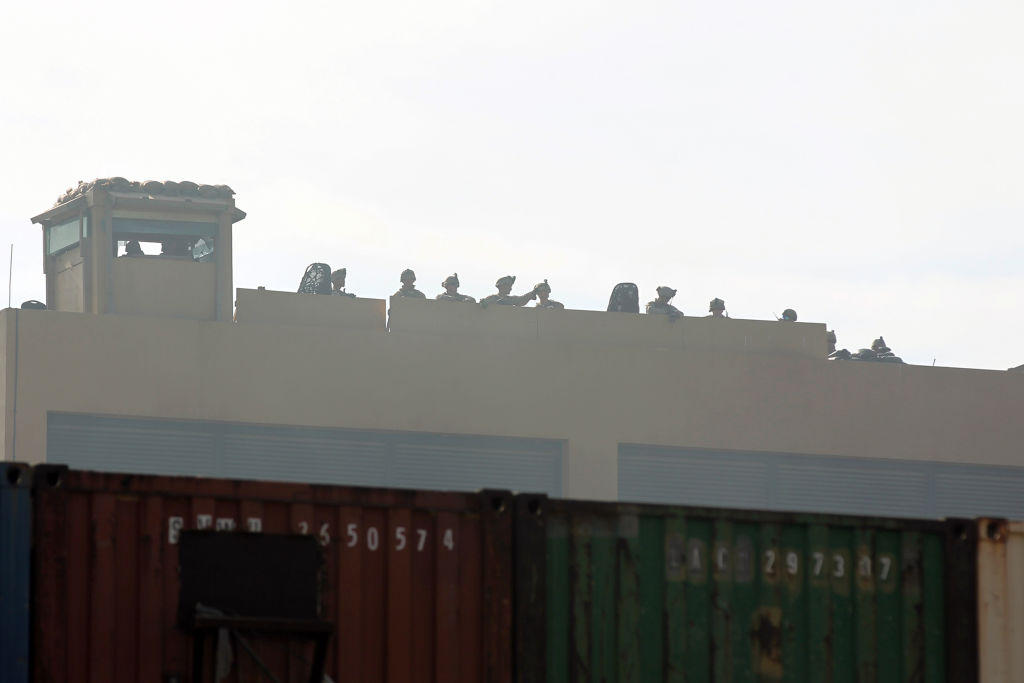
Members of the Syrian security forces gather at the border-crossing between Albu Kamal in Syria and Al-Qaim in Iraq, on the Syrian side in the eastern region of Deir Ezzor, on September 30, 2019.
  • Analysis
  • Caesar Bill could ratchet up US sanctions on the Syrian regime and its allies

    After several years of behind-the-scenes efforts, the Caesar Syria Civilian Protection Act will be signed into law in Washington. It is an extraordinarily expansive and aggressive piece of legislation, allowing for a significant expansion of sanctions against Syrian regime figures and bodies, including the Central Bank and multiple sectors of the state economy. More significantly, the “Caesar Bill” will place an expectation on the U.S. government to sanction any individual or organization anywhere in the world who provides any form of financial support to the Syrian regime that furthers its ability to repress its people.

    Myanmar’s Narratives Underlying the Rohingya Genocide Repeat Age-Old Tropes Regarding Control of Women
    (Photo by Jonas Gratzer/LightRocket via Getty Images)
  • Analysis
  • Myanmar’s Narratives Underlying the Rohingya Genocide Repeat Age-Old Tropes Regarding Control of Women

    When we remember Myanmar’s Rohingya crisis of 2017, we must closely examine the social narratives which allowed this tragedy to take place. As this article shows, access to Buddhist women — with or without consent — is a rallying cry for power among hardliners in Myanmar’s staunchly Buddhist society.

    December 17, 2019

    Iraq in 2019: Protests, politics, and a struggle for power
    An Iraqi woman raises her fist as she takes part in an anti-government march in the center of the southern city of Basra on December 2, 2019.
  • Commentary
  • Iraq in 2019: Protests, politics, and a struggle for power

    The protestors are demanding a radical change of the ethno-sectarian power-sharing system put in place after the 2003 U.S. invasion of Iraq.

    December 16, 2019

    Libya’s descent into civil war
    A fighter of Libya's UN-backed Government of National Accord (GNA) of Fayez Serraj, fires his rifle during clashes with forces of the self-styled Libyan National Army (LNA) led by Libyan strongman Khalifa Haftar, at Al-Khalla frontline.
  • Commentary
  • Libya’s descent into civil war

    The question as 2019 ends is whether foreign forces supporting the conflict will rethink their commitment to military victory and instead work to secure political solutions through compromise.

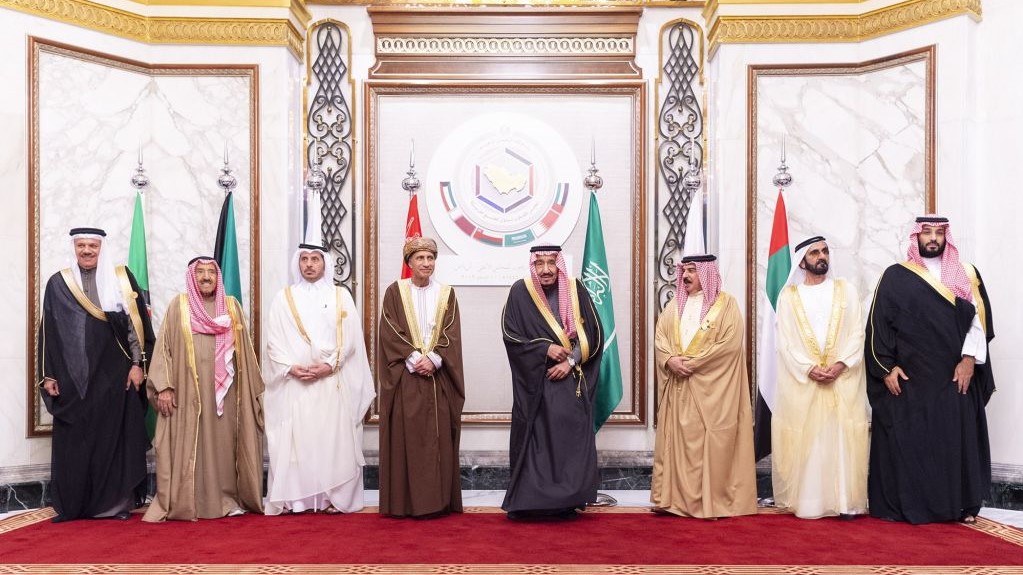
    The Gulf looks over the cliff and retreats
     Saudi Arabian King Salman bin Abdulaziz al-Saud chairs the 40th Gulf Cooperation Council (GCC) annual summit in Riyadh, Saudi Arabia on December 10, 2019.
  • Commentary
  • The Gulf looks over the cliff and retreats

    The steps the Saudis have taken in 2019 may help to ease international pressure on the kingdom’s leadership and restore its image as a constructive player in the world.

    December 16, 2019

    Algeria ends 2019 still in crisis
    An Algerian protester lifts a placard in the capital Algiers on December 13, 2019, as he takes part in a demonstration to reject the results of the presidential elections.
  • Commentary
  • Algeria ends 2019 still in crisis

    Newly elected President Abdelmadjid Tebboune and the Army leadership finish the year with doubtful legitimacy and remain at an impasse with a protest movement that has not yet developed visible, coherent leadership.

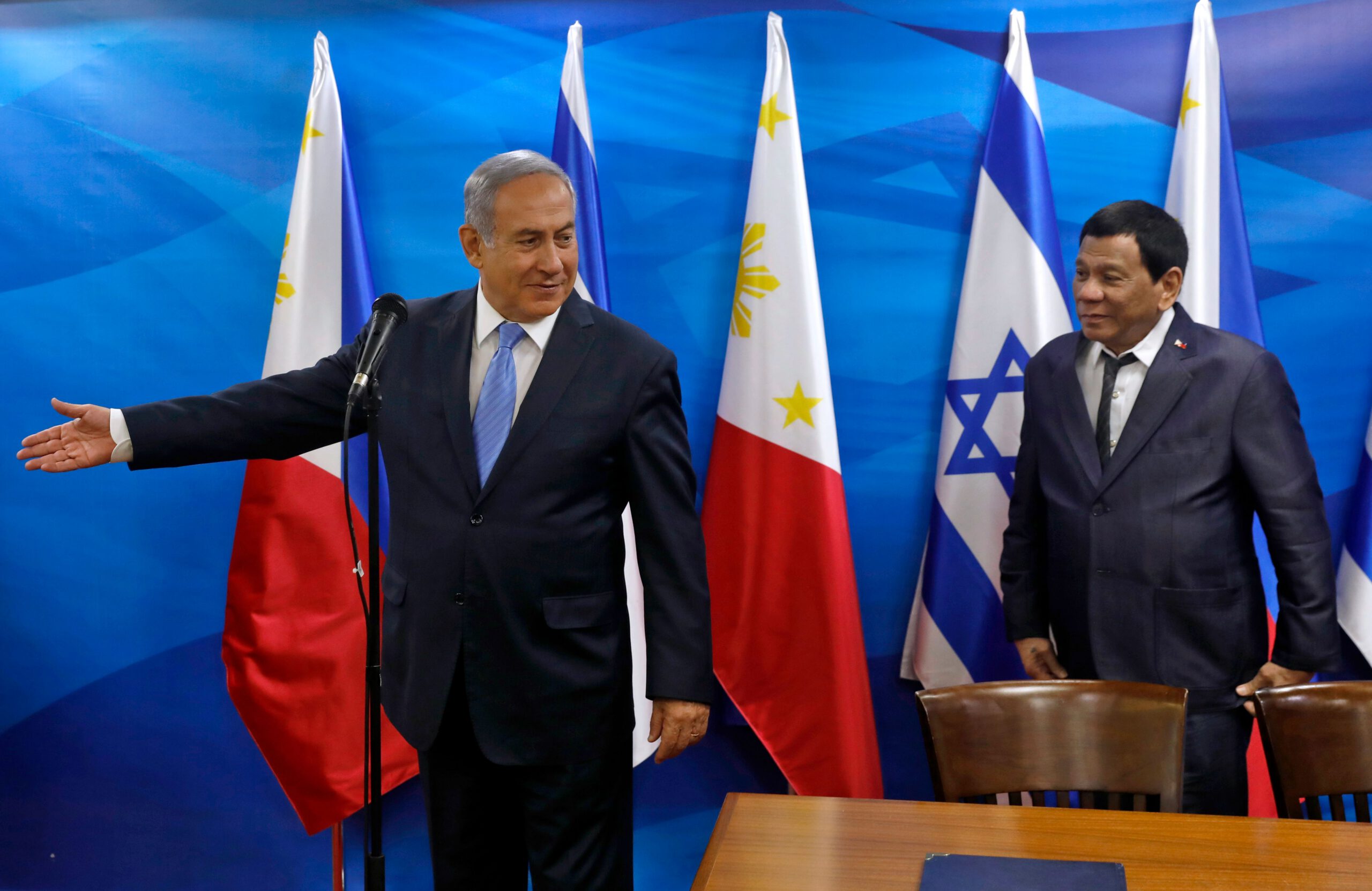
    Israel: Preoccupied by indecision
    Israeli Prime Minister Benjamin Netanyahu (C) arrives at the weekly cabinet meeting in Jerusalem December 8, 2019.
  • Commentary
  • Israel: Preoccupied by indecision

    The main — perhaps only — issue in Israeli politics now is the future of Netanyahu.

    December 16, 2019