This individual is a guest contributor. MEI is not able to assist with contact requests.
Attiya Ahmad is Georgetown University’s 2009-10 Center for International and Regional Studies Post-Doctoral Fellow. She recently completed her PhD in Cultural Anthropology at Duke University. Dr. Ahmad’s work brings together scholarship on Islamic studies, globalization, diaspora and migration studies, economic anthropology, and political economy.
Trump’s diplomatic failures with Russia cast a pall over his Middle East efforts
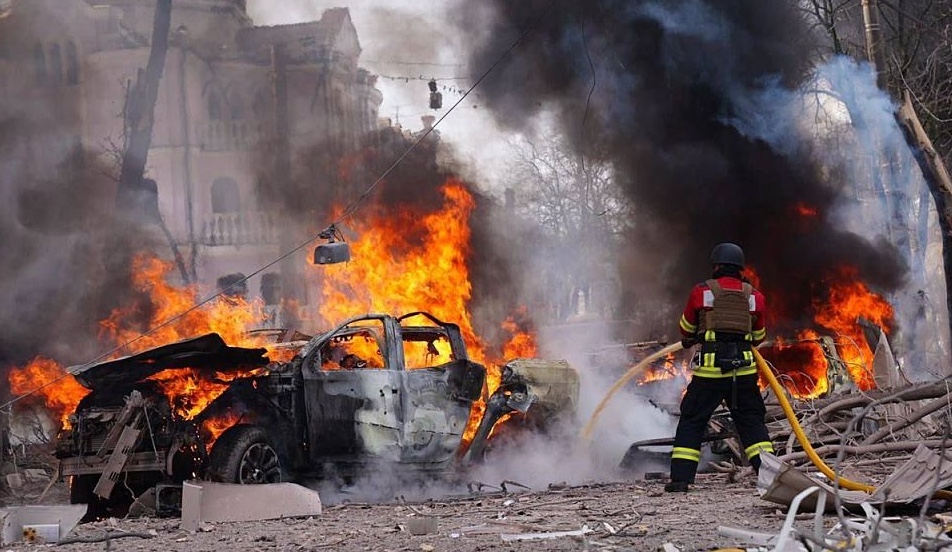
US President Donald Trump was back in his comfort zone this week, fulminating online and ranting to journalists about Russia’s continued war against Ukraine.
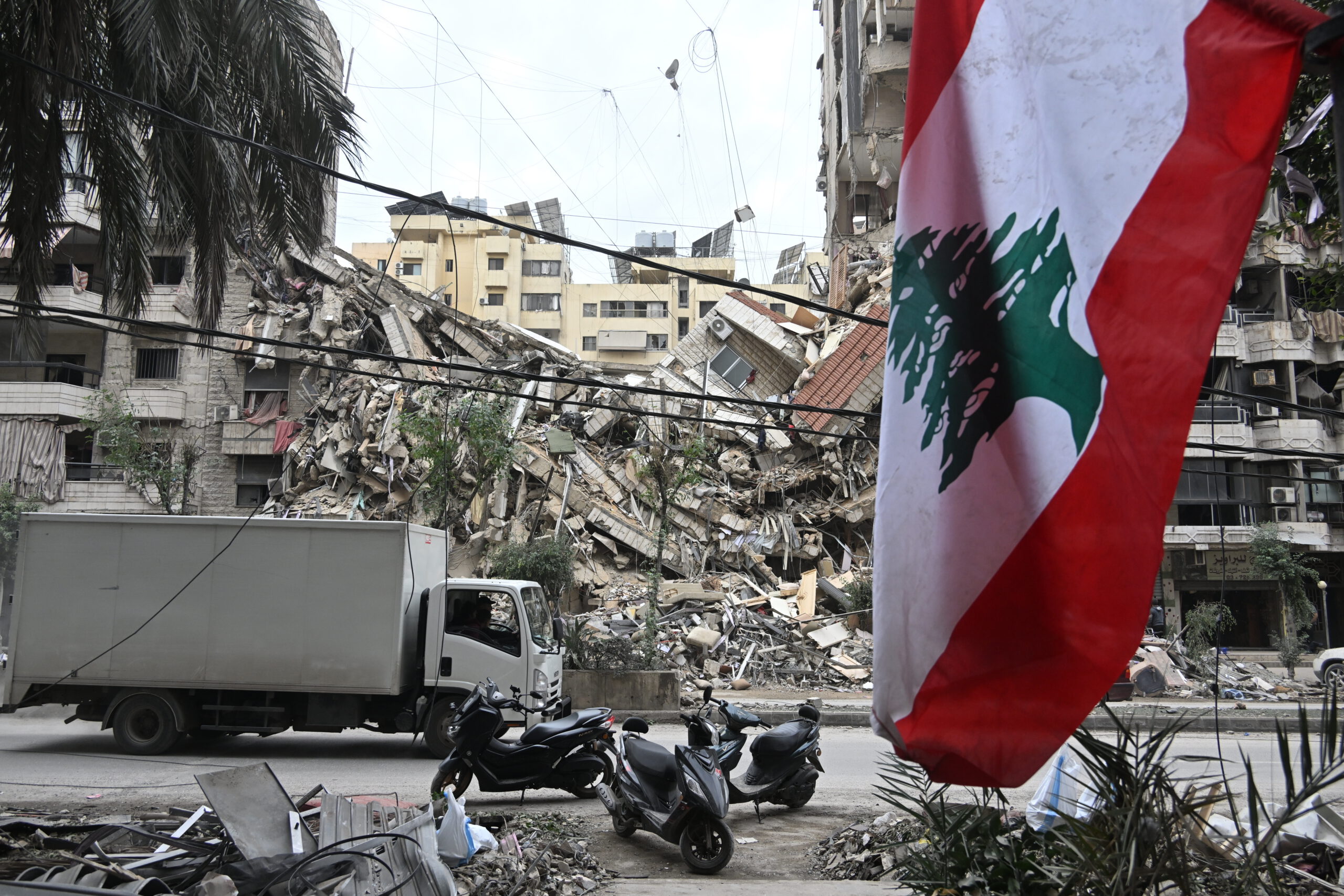
The long-term challenges of reconstruction in the Middle East
Reconstruction projects will not be able to rely solely on direct grants and loans. Recovering economies will have to create conditions to attract regional and international investment as well.
Managing Threats to Food Security: Water and Agricultural Resilience in North Africa
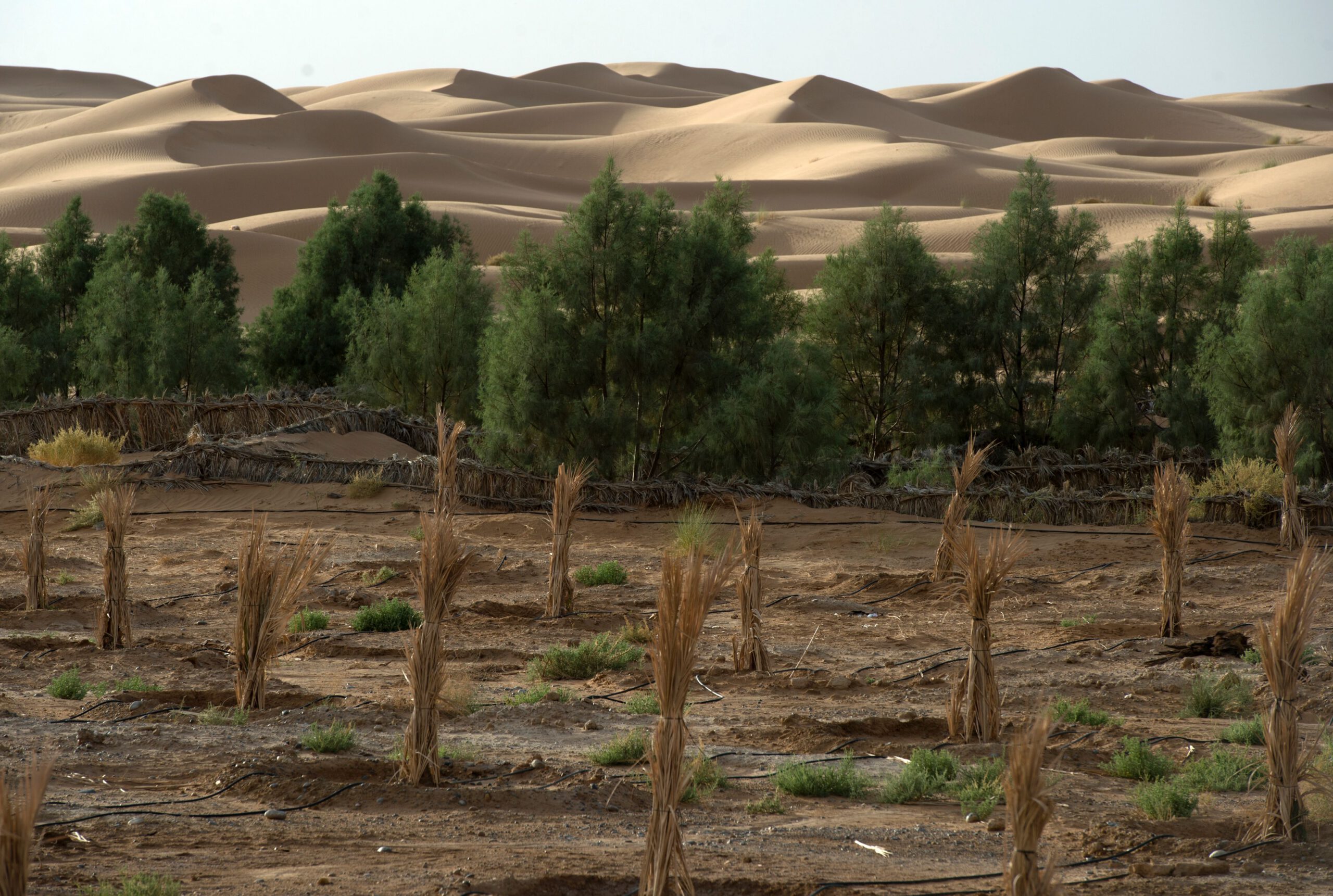
Sustaining food security in North Africa is a complex and evolving challenge, influenced by the region’s arid climate, limited water resources, and sparse arable land. In response, efforts to enhance food security by governments, farmers, and non-governmental organizations have been centered on adopting climate-resilient agricultural practices, efficient irrigation techniques, and sustainable land-management strategies. Despite these efforts, food security in North Africa remains fragile due to systemic pressures on agricultural systems from climate change, water scarcity, and increasing market demands.
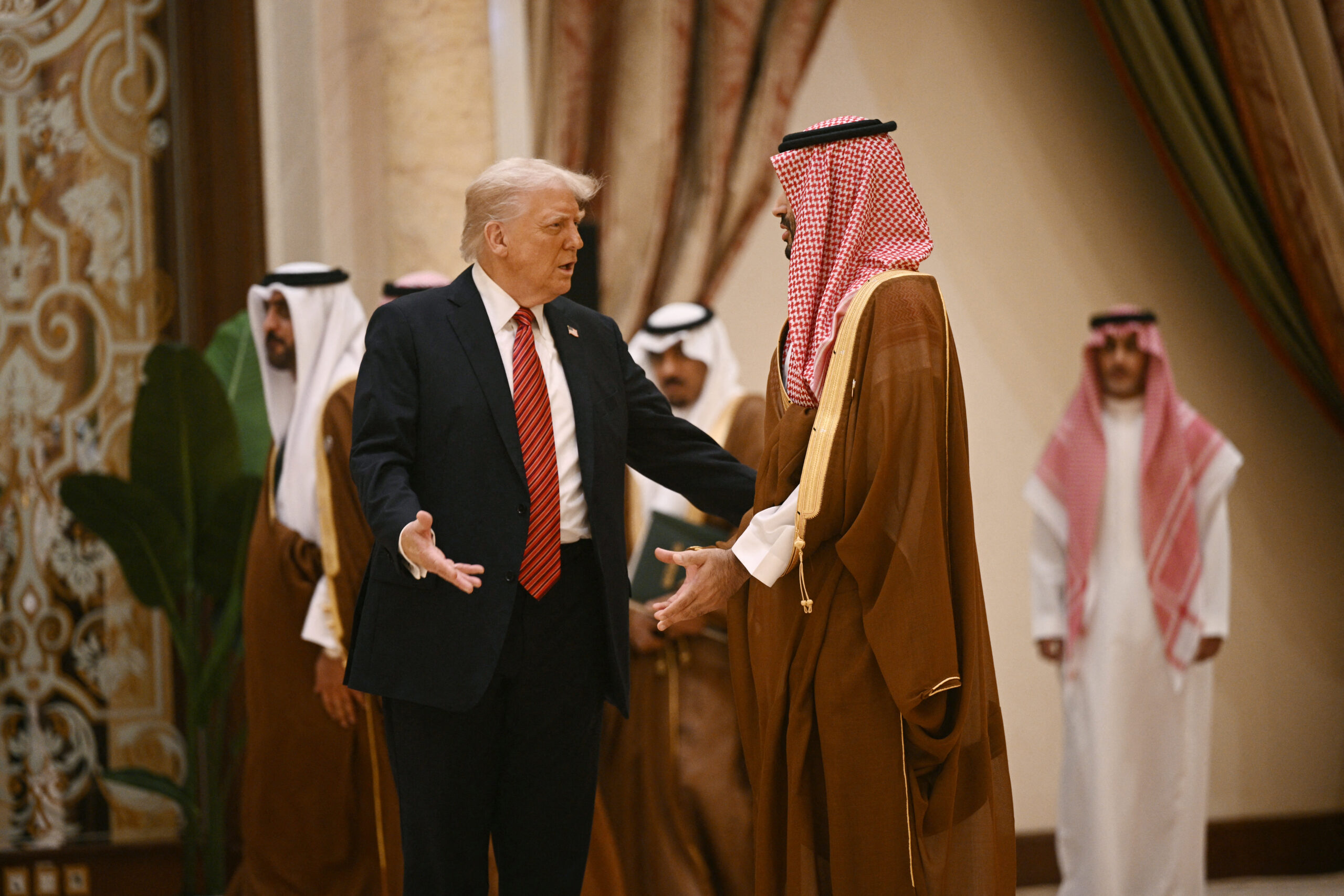
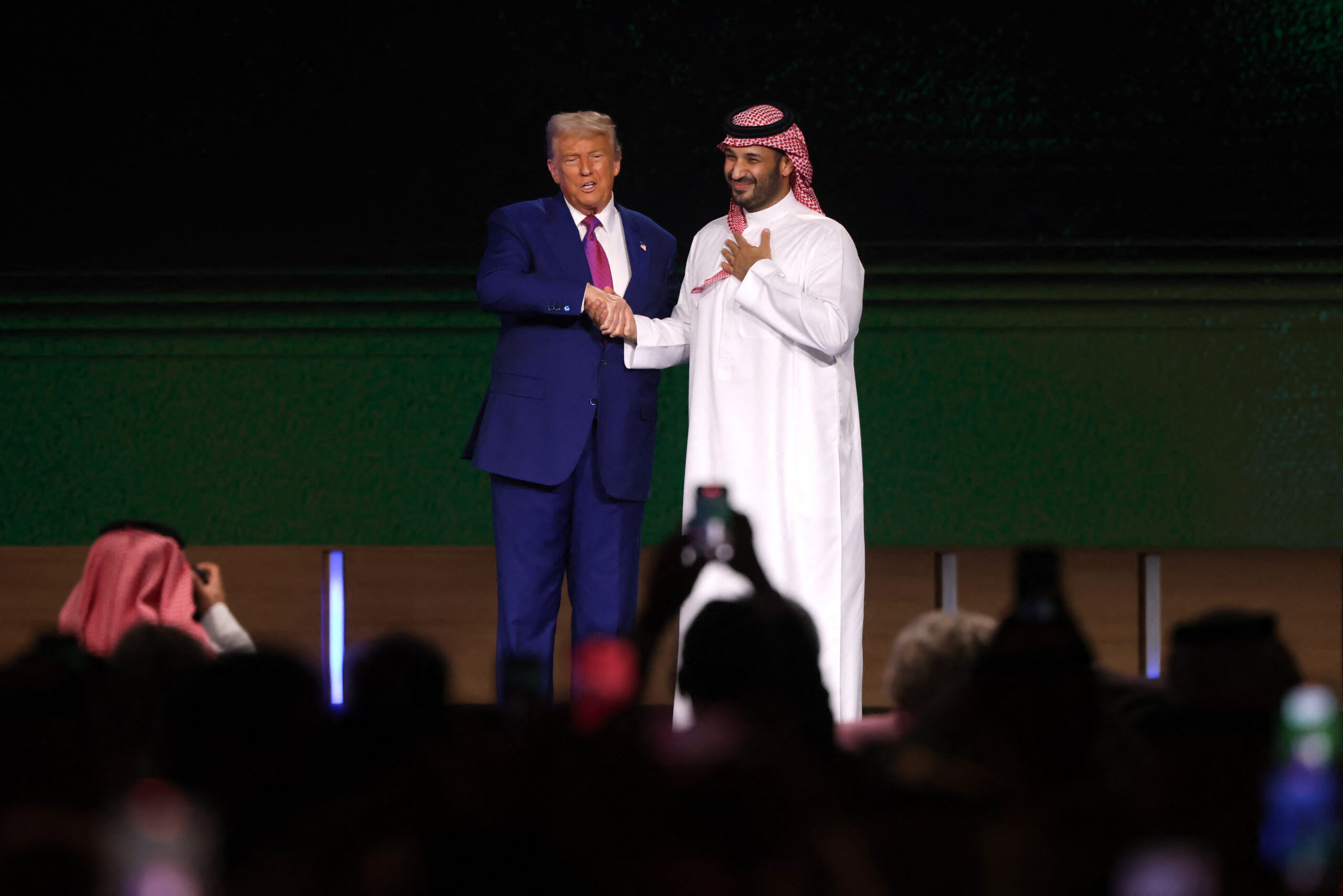
President Trump’s recent visit to the Gulf region marked a dramatic shift from the previous administration’s Middle East diplomacy. In his visit to Saudi Arabia, the UAE, and Qatar, Trump focused on securing significant investment commitments and commercial partnerships to support the region’s AI and other ambitions.
President Donald Trump’s recent visit to Saudi Arabia, Qatar, and the UAE reignited debate over U.S. ties to authoritarian regimes. But the controversy underscores a deeper question: why has democracy struggled to take root in the Arab world? In this episode of Rethinking Democracy, host Gonul Tol sits down with Dr.
Is the Two-State Solution Still Viable? Saudi Spokesperson Fahad Nazer Makes the Case.
In this episode of Taking the Edge Off the Middle East, host Brian Katulis sits down with Fahad Nazer, spokesperson for the Saudi Arabian Embassy in the US, to discuss the evolving US-Saudi relationship amid unprecedented regional volatility. Central to their conversation is the deepening crisis in Gaza, emphasizing the urgent need for sustained US-Saudi cooperation and broader international engagement to address the humanitarian catastrophe and prevent further regional escalation.
Hosts Alistair Taylor and Matthew Czekaj speak with MEI Senior Fellow Mohammed Soliman about President Donald Trump’s recent trip to Saudi Arabia, the UAE, and Qatar, which yielded a wave of major US-Gulf tech and AI deals. Soliman explains how these partnerships mark a shift in the relationship—from oil and arms to compute power and data infrastructure—and what it means for the Gulf’s strategic role in the global AI ecosystem.
Back to reality: Gravity remains in place after Trump’s trip
The harsh realities of the region’s threats and challenges, like Iran and the Gaza war, stubbornly persist following the pomp and circumstance of Trump’s “spring bling” tour, which featured eye-popping dollar figures and an offer of a luxury jumbo jet from Qatar.
Trump's Middle East Approach, the Israeli-Palestinian Conflict, and the Future of US Statecraft – with Amb. Dennis Ross
Ambassador Dennis Ross joins host Brian Katulis to break down what President Trump’s recent trip through Saudi Arabia, the UAE, and Qatar revealed about the administration’s approach to foreign policy in the Middle East—and what it means for the future of the region. They discuss the significance and substance behind the announced mega-deals, what’s really going on with Iran and the Houthi ceasefire, and how Trump is handling relations with Israel amid the ongoing war in Gaza.
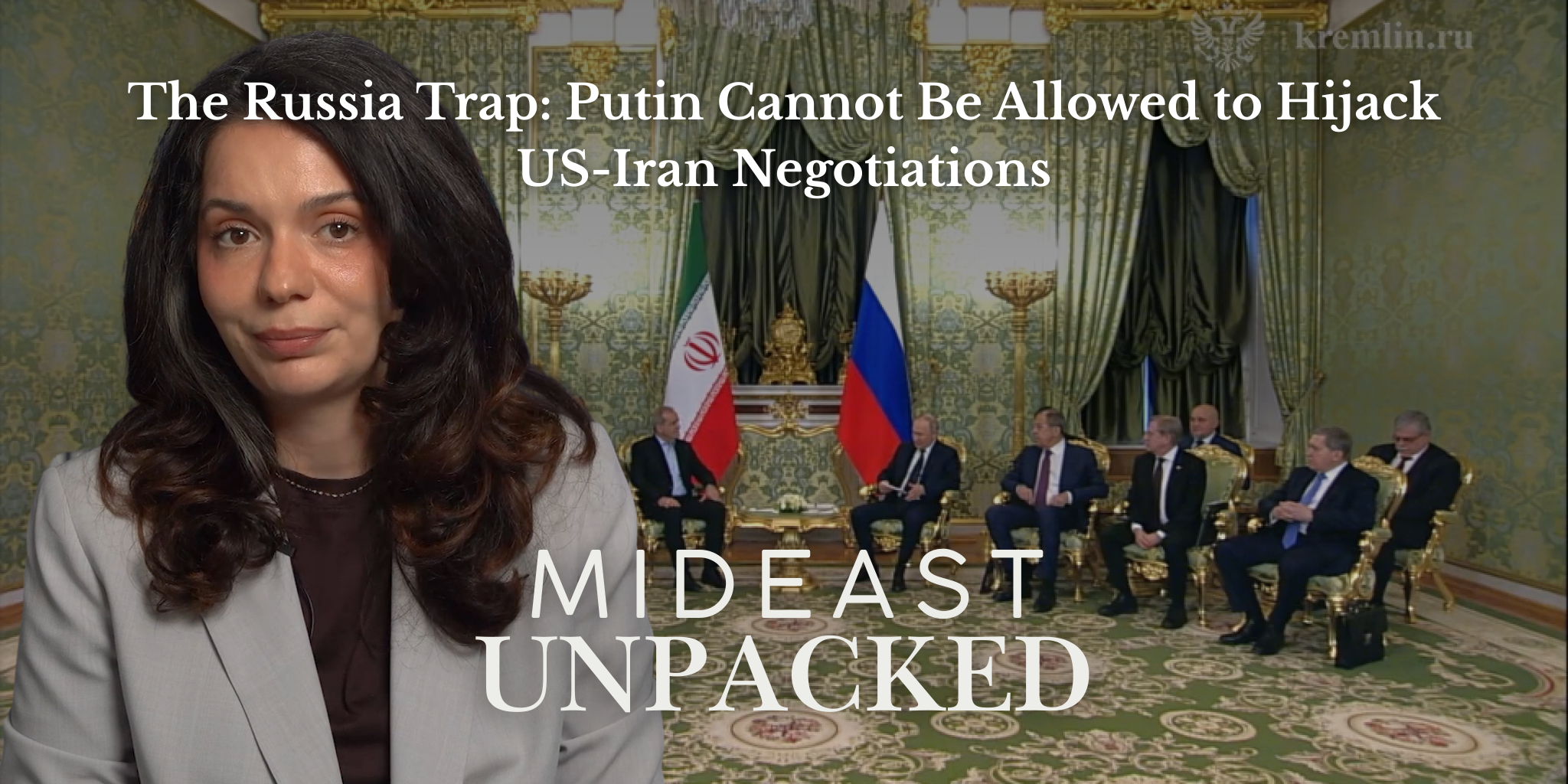
The Russia Trap: Putin Cannot Be Allowed to Hijack US-Iran Negotiations
MEI Senior Fellow Iulia Joja delivers a sharp and timely warning against Russia being offered a direct role in US-Iran negotiations. Far from acting as a neutral broker, Moscow wants to leverage this moment to reshape the balance of power in the Middle East. From meetings in Muscat to tightening alliances with Tehran and Beijing, Joja unpacks how Putin’s diplomacy is less about peace — and more about building up Russian influence against the US. Washington should be paying close attention.
How Trump's Gulf visit could transform the Middle East
In addition to the many trade and business deals, and the significant political announcements made during Donald Trump’s visit to the Gulf, the trip itself marks an important shift in the geopolitical landscape.
As a scholar of Turkey, I spent years watching President Recep Tayyip Erdoğan’s rise—and, I’ll admit, I once believed in the promise. I had reservations about his Islamist roots, but his vows to fight corruption, reduce poverty, and expand freedoms seemed like the antidote to Turkey’s democratic fragility. For a moment, it felt like real progress.
US-Houthi Ceasefire Deal & the Future of Red Sea Security
The sudden announcement of a US-Houthi ceasefire, brokered by Oman, has halted Washington’s air campaign in Yemen and raised urgent questions about the future of Red Sea security. What prompted the deal, and what are its implications for maritime shipping, regional alliances, and the trajectory of Yemen’s civil war? This episode explores the strategic motivations behind the ceasefire, the role of Iran and Saudi Arabia, and how the Houthis could leverage the pause to regroup and expand their influence across the Horn of Africa.
Trump should build on the momentum with Syria and help prevent a Turkey-Israel clash
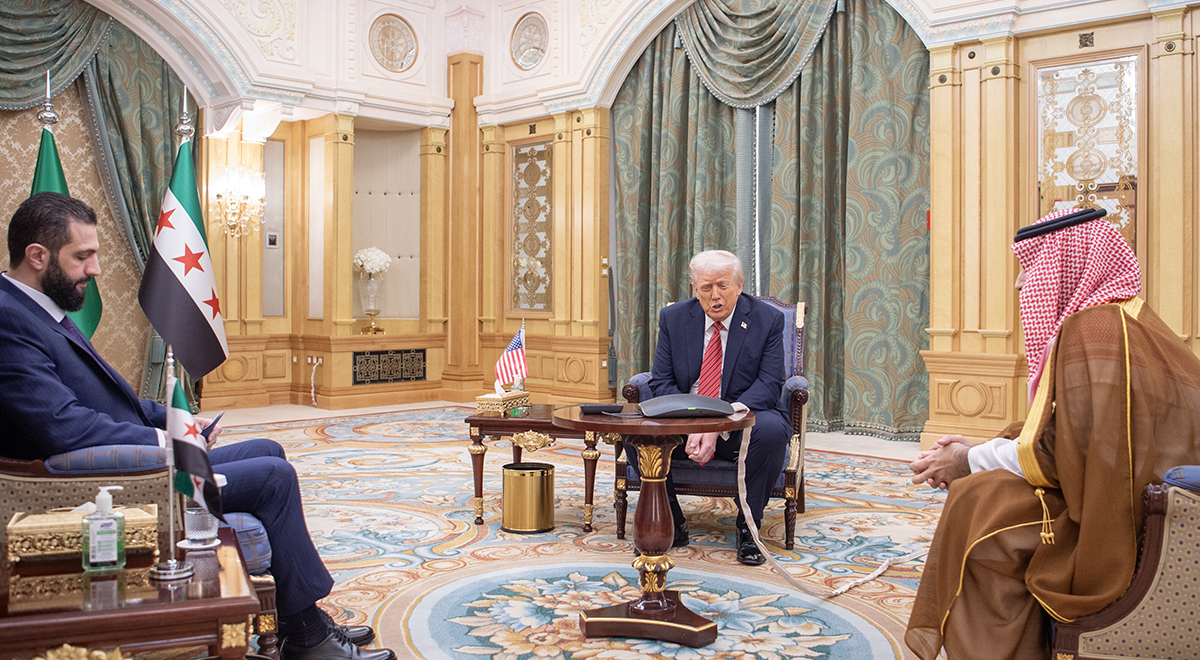
Two recent developments present the new Syrian government with a critical opportunity to stabilize the country. First, US President Donald Trump announced plans to lift sanctions on Syria. Second, the Kurdistan Workers’ Party declared it would disband and dissolve itself — a move that will help Damascus to finalize a deal with the Syrian Democratic Forces and integrate it into the new Syrian national army. President Trump should build on this momentum and seize the opportunity to address one of the most complex remaining challenges facing Syria: the risk of a military confrontation between Turkey and Israel inside the country.