Skip to Content

Attiya Ahmad

Post-Doctoral Fellow

This individual is a guest contributor. MEI is not able to assist with contact requests.

Attiya Ahmad is Georgetown University’s 2009-10 Center for International and Regional Studies Post-Doctoral Fellow. She recently completed her PhD in Cultural Anthropology at Duke University. Dr. Ahmad’s work brings together scholarship on Islamic studies, globalization, diaspora and migration studies, economic anthropology, and political economy.


The Latest from Attiya Ahmad

Filter by
9986 Results
“Gwadar is the future”: China and Pakistan’s troubled strategic port on the Arabian Sea
Photo by AAMIR QURESHI/AFP via Getty Images
  • Analysis
  • “Gwadar is the future”: China and Pakistan’s troubled strategic port on the Arabian Sea

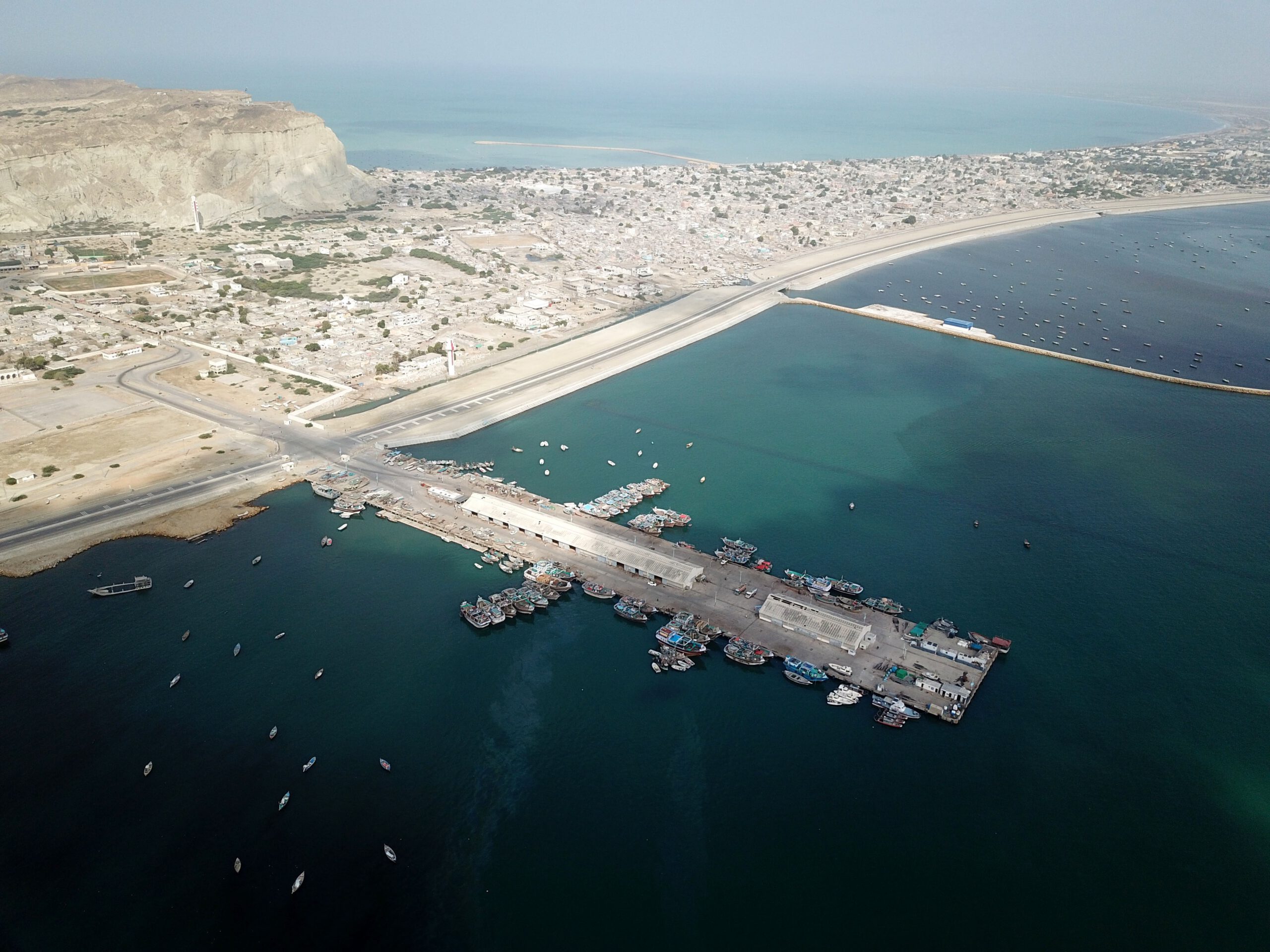
    Strategically located at the mouth of the Strait of Hormuz on the Arabian Sea, Gwadar, once a derelict port, was revitalized as part of the broader development of China-Pakistan Economic Corridor (CPEC) and declared fully operational in 2021. Can a renewed focus on the Gwadar port and the socio-economic and security situation of the surrounding region help Islamabad and Beijing rescue CPEC from failure?

    Crossroads in Idlib: HTS navigating internal divisions amid popular discontent
    Photo by OMAR HAJ KADOUR/AFP via Getty Images
  • Analysis
  • Crossroads in Idlib: HTS navigating internal divisions amid popular discontent

    As the world focuses on Israel’s war in Gaza, northwest Syria is undergoing a significant political upheaval that could lead to major instability. For the last three months, Hay’at Tahrir al-Sham, an armed Sunni Islamist group that governs more 4.5 million people in the Idlib region, has been facing widespread protests.

    May 13, 2024

    Sudan's Civil War And Its Regional Impact
  • Podcast
  • Sudan's Civil War And Its Regional Impact

    On this week’s episode, Jehanne Henry, Mirette Mabrouk, and MEI Editor-In-Chief Alistair Taylor discuss Sudan’s civil war and its regional impact. The conflict began on April 15th, 2023, when fighting broke out in Sudan’s capital of Khartoum between the Sudanese Armed Forces (SAF) under Gen. Abdel Fattah al-Burhan and the paramilitary Rapid Support Forces (RSF) under Mohamed Hamdan Dagalo (known as “Hemedti”). More than a year on, the fighting continues to rage and there seems to be no end in sight to the conflict.

    More episodes

    May 10, 2024

    Human shields or shielding Israel from accountability?
    Photo by MOHAMMED ABED/AFP via Getty Images
  • Analysis
  • Human shields or shielding Israel from accountability?

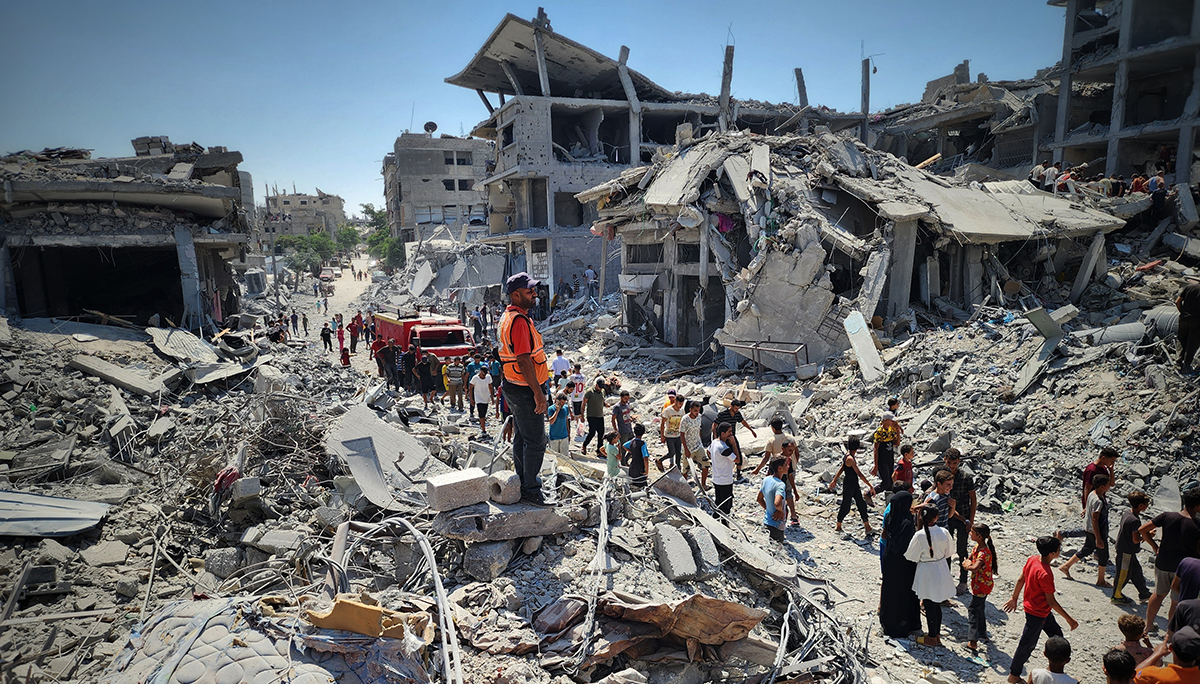
    Israeli leaders insist that the extreme destruction in the Gaza Strip is unavoidable given Hamas’ use of “human shields” and the fact that the militant group has embedded itself among the civilian population and routinely operates from civilian structures like hospitals and schools. But far from explaining the current devastation, the questionable “human shields” charge has become a way to shield Israel from legitimate scrutiny and accountability.

    May 10, 2024

    Israel in the Red Sea during the War in Gaza: Strategic insights
    Photo by Al-Joumhouriah channel via Getty Images
  • Analysis
  • Israel in the Red Sea during the War in Gaza: Strategic insights

    In recent months, Israel’s situation in the Red Sea has grown increasingly challenging in the security, economic, and diplomatic spheres. But the country is in a better position to meet these challenges and threats by leveraging the strategic regional partnerships it has developed over the past several years.

    May 10, 2024

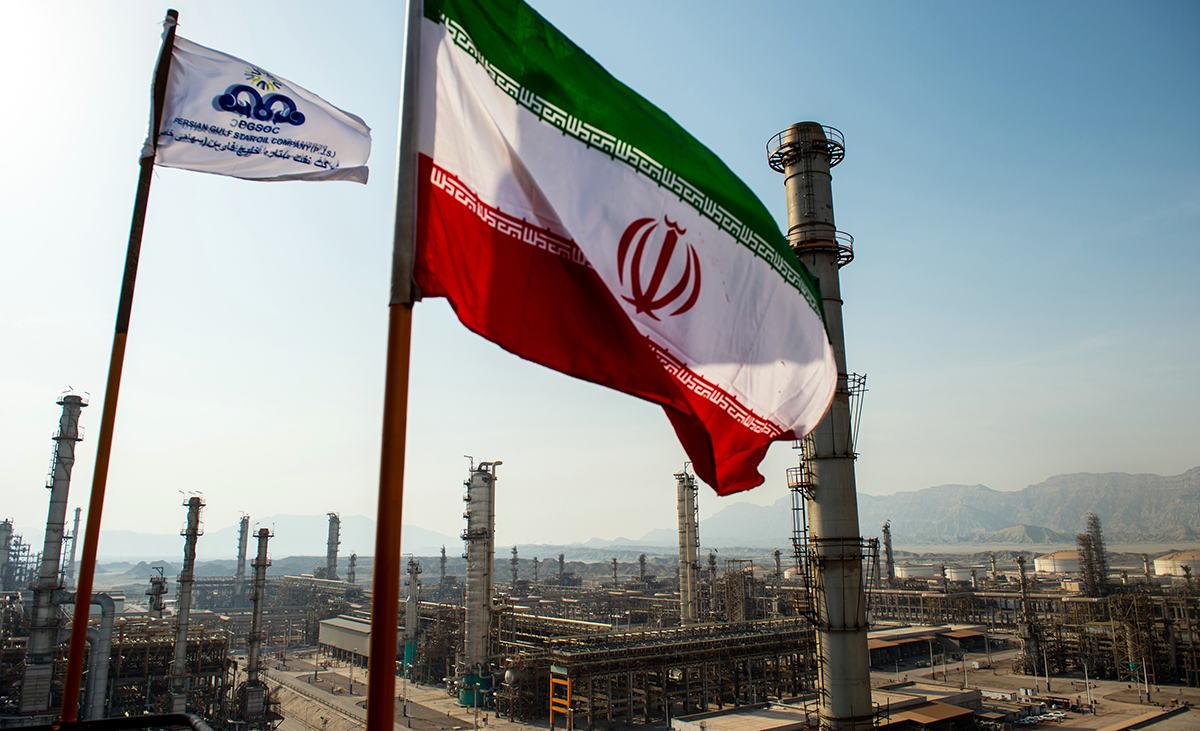
    Iran’s new nuclear policy between deterrence and pragmatism
    Photo by ATTA KENARE/AFP via Getty Images
  • Analysis
  • Iran’s new nuclear policy between deterrence and pragmatism

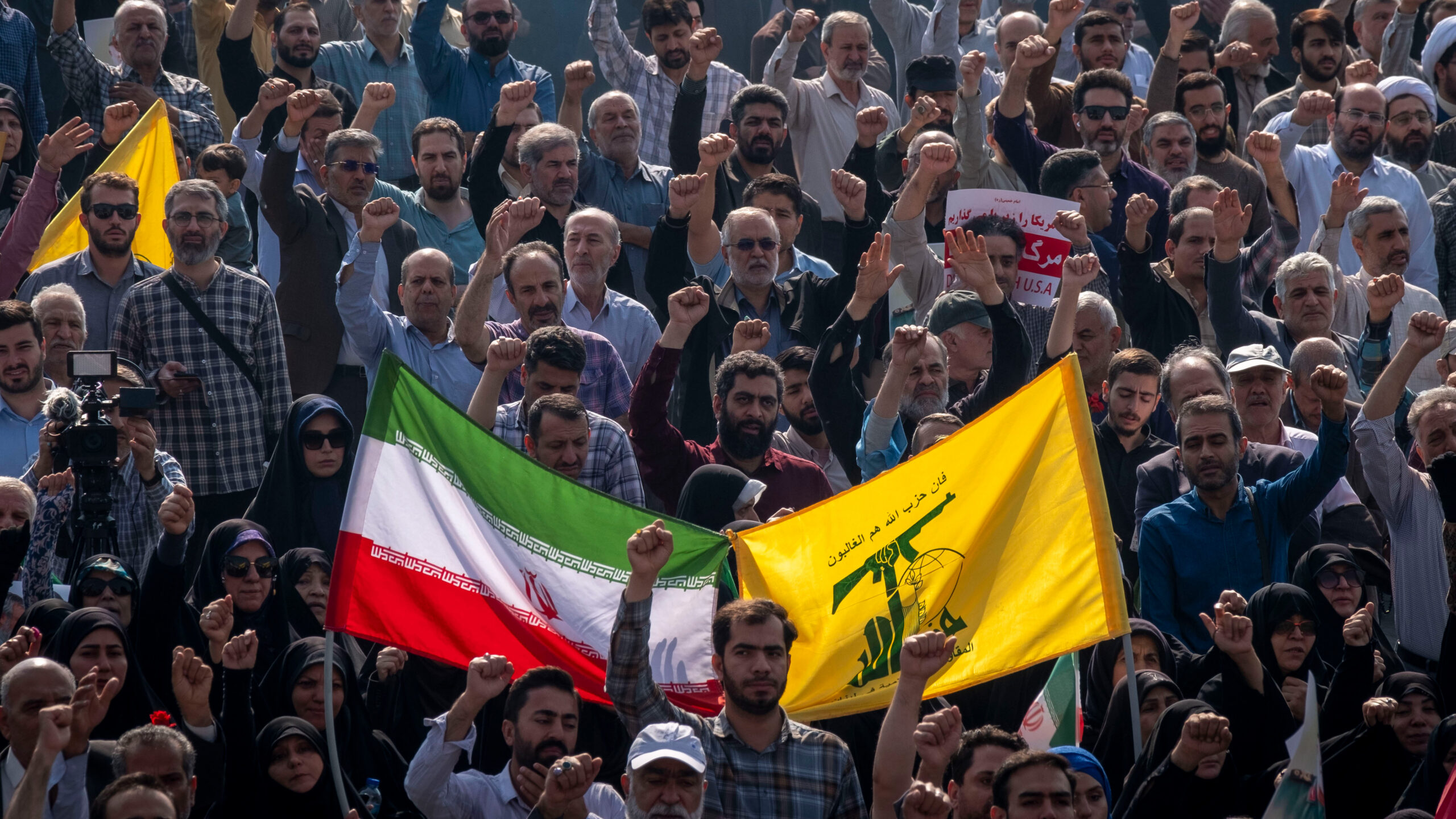
    The recent escalation in tensions between Israel and Iran has sparked concerns about a potential shift in Tehran’s strategy toward full weaponization of its nuclear program. Under the current circumstances though, maintaining its status as a threshold nuclear power is likely to be Iran’s chosen strategy, in line with its broader shift from strategic patience to active deterrence.

    May 9, 2024

    US-Saudi accords must not remain hostage to normalization with Israel
    Photo by AMER HILABI/POOL/AFP via Getty Images
  • Commentary
  • US-Saudi accords must not remain hostage to normalization with Israel

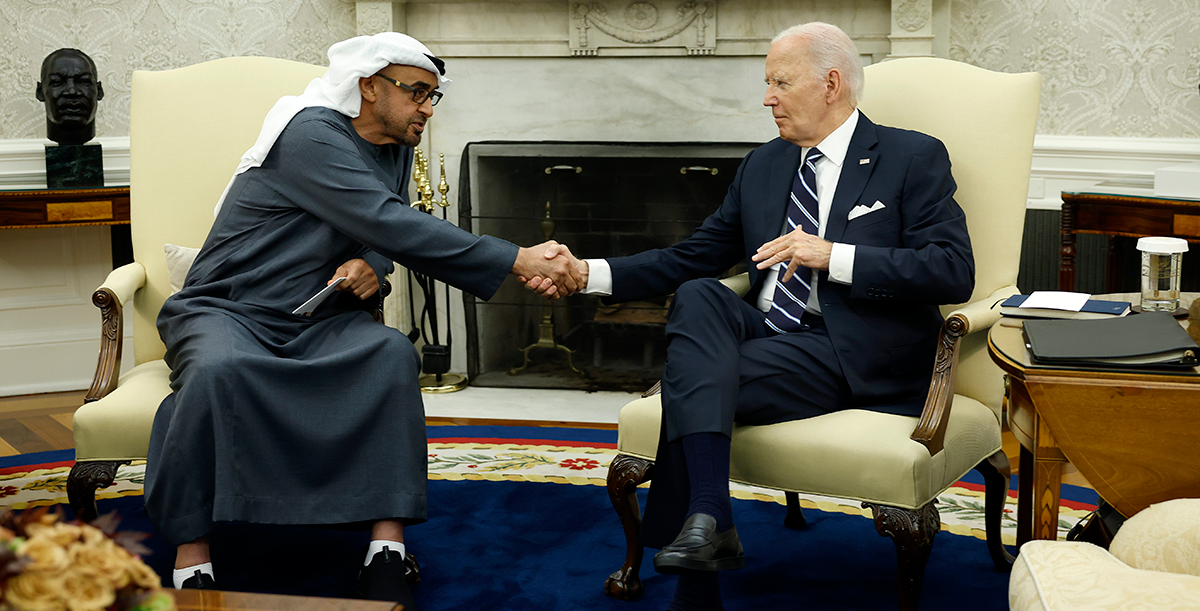
    After Hamas’s unprecedented attack against Israel on Oct. 7, the siren song of Saudi-Israeli normalization risks wrecking the US-Saudi relationship against the rocks of stubborn geopolitical realities. An interim less-for-less approach in US-Saudi negotiations that doesn’t immediately require Senate approval nor is beholden to a much less certain Israeli-Palestinian peace process could set the stage for an even more consequential “mega deal” down the line.

    Syrians turn to street justice to free relatives from Assad's prisons
    Photo by SUWAYDA 24/AFP
  • Analysis
  • Syrians turn to street justice to free relatives from Assad's prisons

    In recent weeks, the southern Syrian province of Sweida has seen a series of kidnappings targeting regime military officers. Unlike the financially motivated incidents common in the region, these abductions, which occurred on April 2 and 25, stand out because they targeted individuals based on their affiliation with the regime of Bashar al-Assad rather than their personal identities. Reports suggest that Sweida residents orchestrated the abductions as a way of negotiating the release of relatives detained by the regime.

    May 8, 2024

    As Armenia gradually reorients toward the West, Azerbaijan faces its own geopolitical choice
    Photo by Nicola Landemard/Anadolu via Getty Images
  • Analysis
  • As Armenia gradually reorients toward the West, Azerbaijan faces its own geopolitical choice

    In early April, a highly publicized trilateral meeting involving the United States, the European Union, and Armenia was widely believed to mark a turning point in Yerevan’s relationship with the West. If it comes to pass, it will present Baku with its own critical decision: whether to abandon multi-vectorism and more fully align with Russia or the West.

    May 6, 2024