Brian Katulis is a senior fellow at the Middle East Institute, specializing in US foreign policy and national security. He authors the column “Making Sense: A Regular Take on US Foreign Policy” and hosts the podcast “Taking the Edge Off the Middle East.” Katulis draws on decades of experience living and working in the Middle East, where he has forged relationships of trust and confidence across the region with top leaders in government, the private sector, media, national security, and thought leaders from a wide variety of international organizations.
As a foreign policy strategist and senior fellow, Katulis has produced influential studies that have shaped key regional policy debates and provided expert testimony to congressional committees on his findings. Prior to MEI, he was a senior fellow at the Center for American Progress (CAP), where he built the center’s Middle East program. His career also includes significant experience at the National Security Council, the US Department of State, and the US Department of Defense.
Katulis co-authored The Prosperity Agenda (2008) with Nancy Soderberg, a book that examines how America’s economic advantages can be used to positively shape global dynamics. He is also frequently quoted in leading news publications and media outlets.
He holds a Master in Public Affairs from Princeton University’s School of Public and International Affairs and a BA in History and Arab and Islamic Studies from Villanova University. He was a Fulbright Scholar in Amman, Jordan from 1994-1995, where he conducted a research project on the peace process between Israel and Jordan.
Netanyahu Must Choose: Endless War in Gaza or Biden's Remarkable Deal
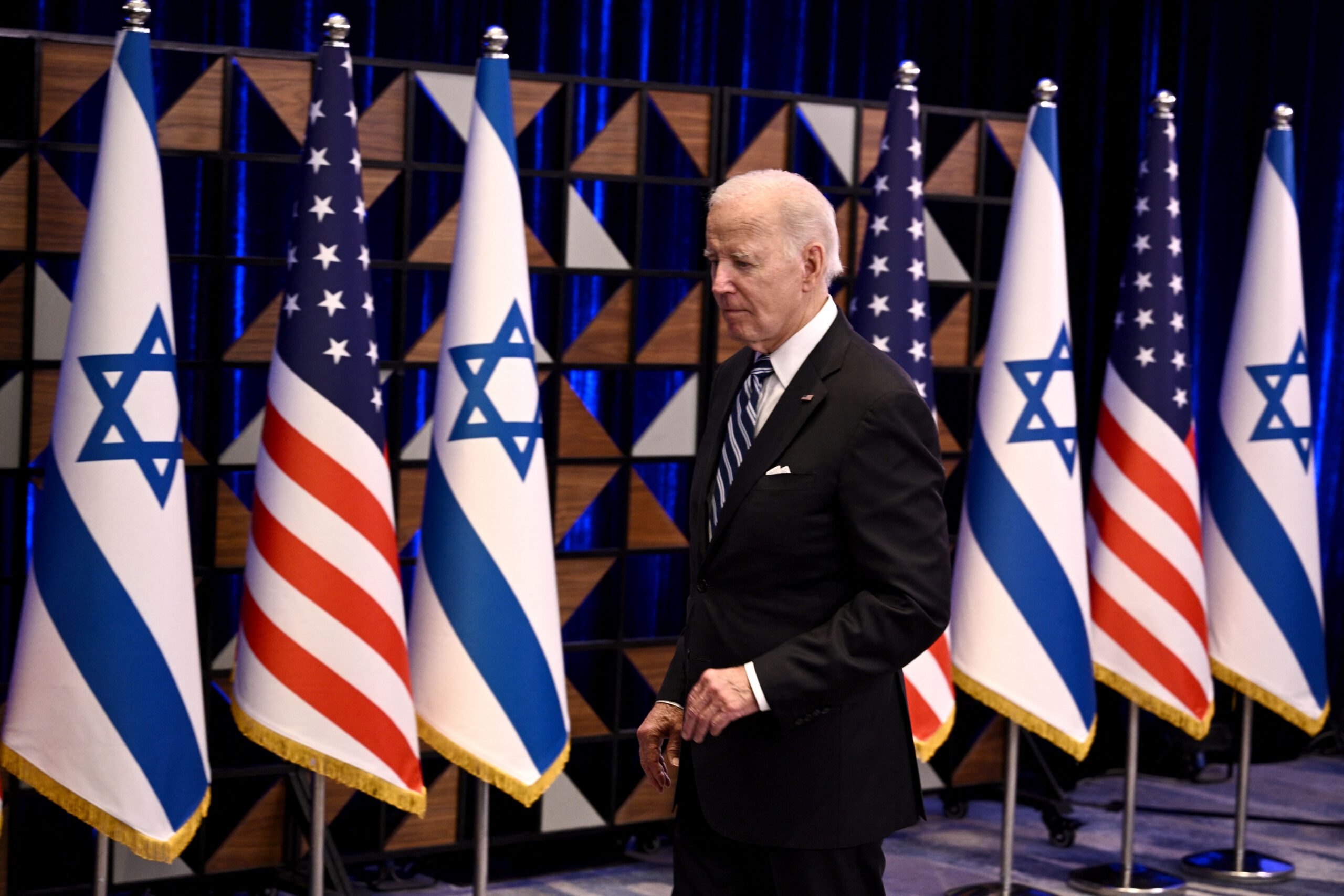
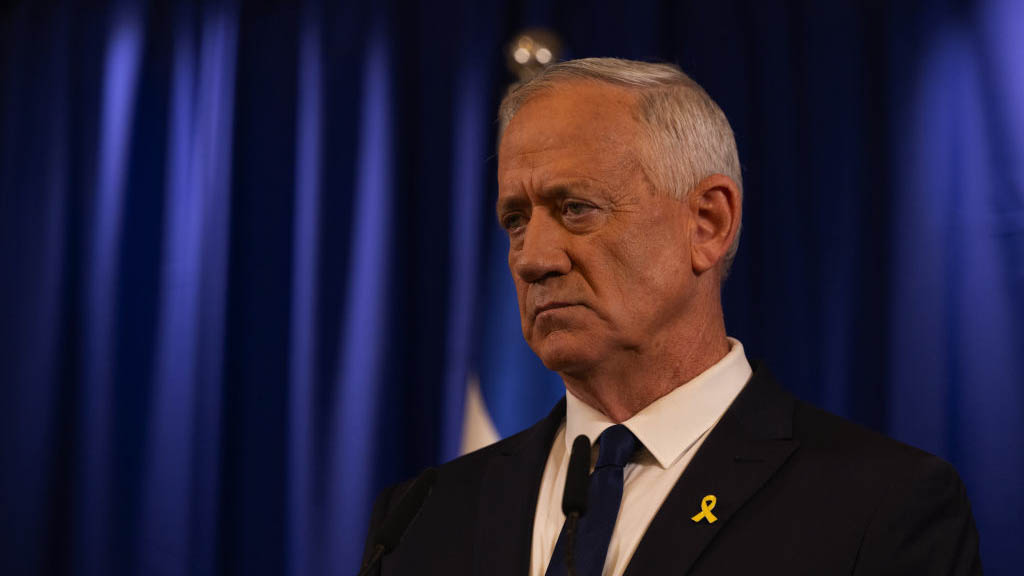
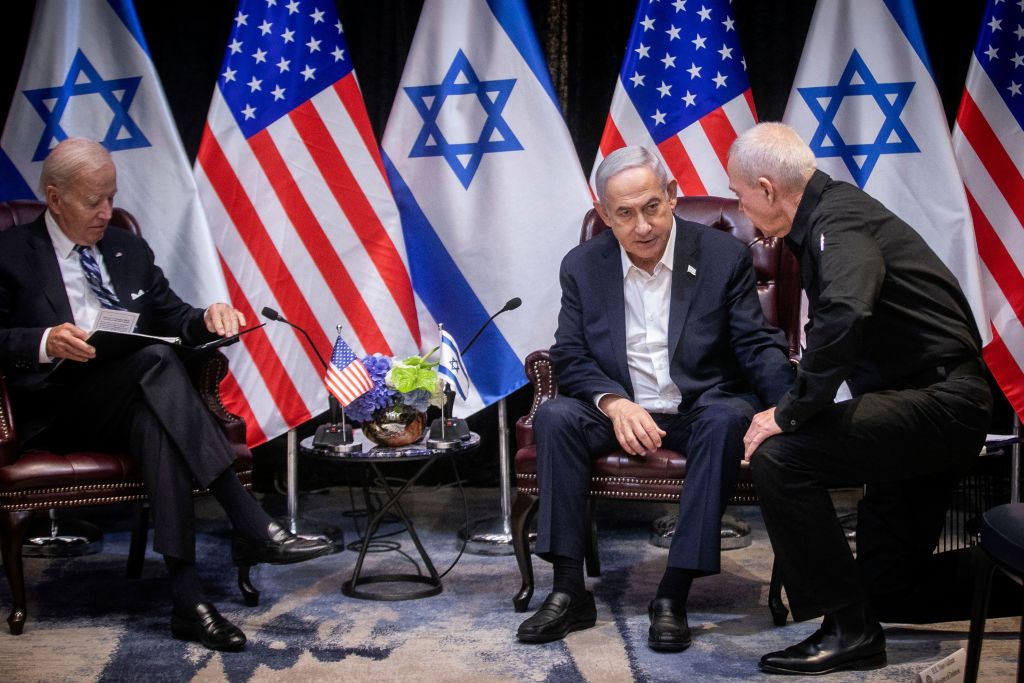
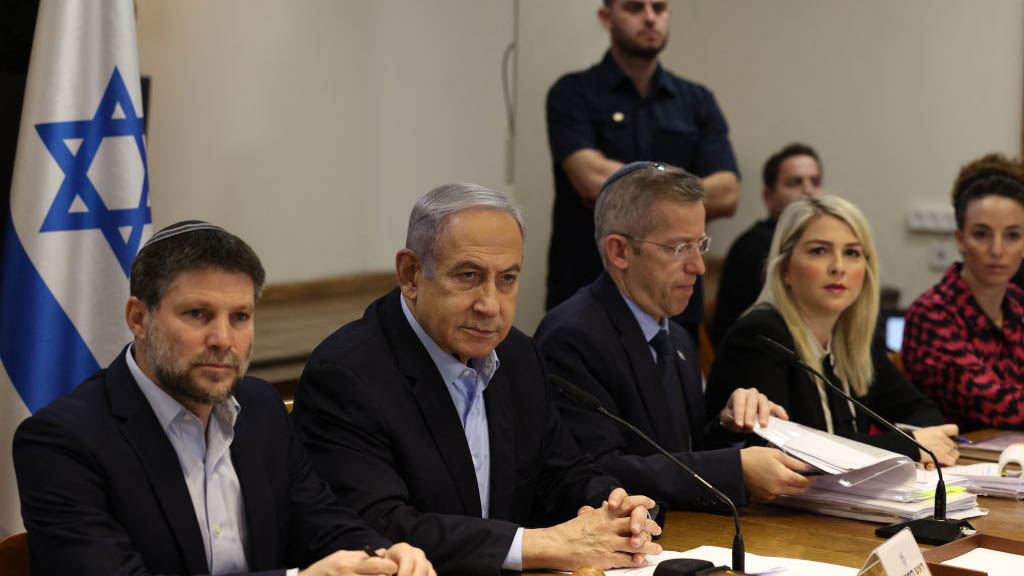
The Biden administration has presented Netanyahu a plan that could potentially defeat Hamas and cinch Saudi normalization with Israel. But Washington is growing impatient with the prime minister’s inaction which threatens to undermine America’s credibility in the region — and Israel’s very future.
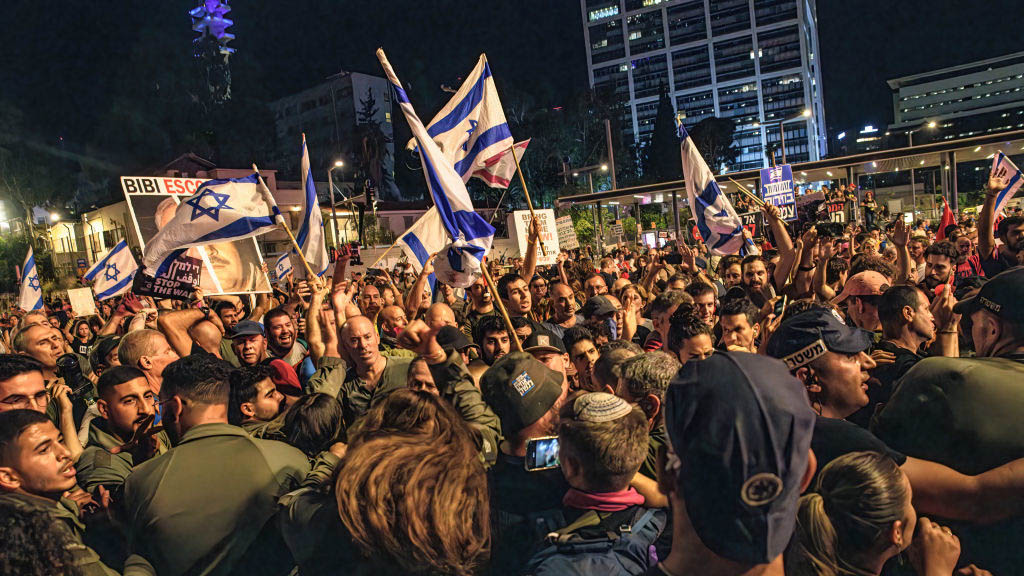
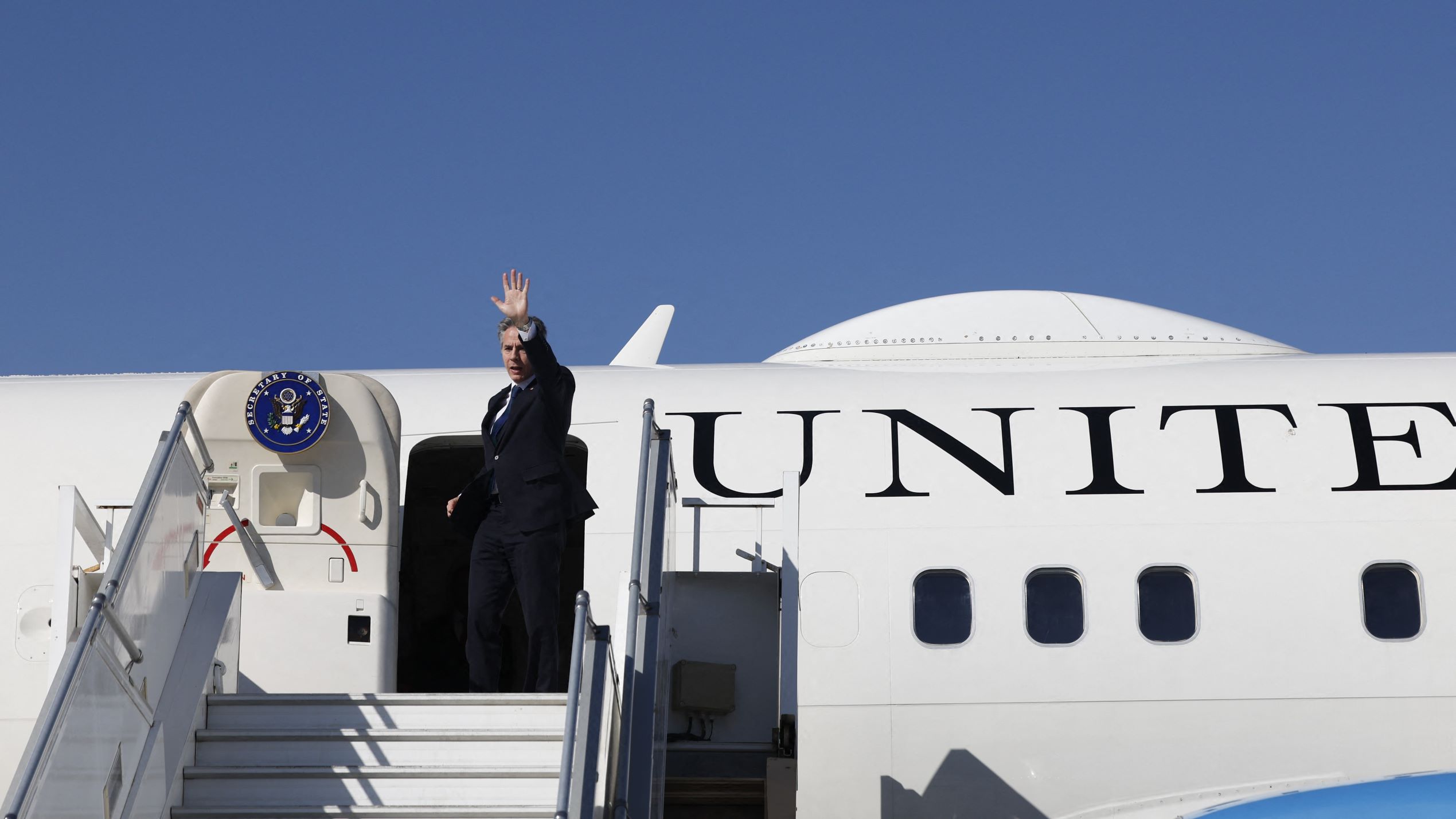
This week’s visit by Jake Sullivan, U.S. President Joe Biden’s national security advisor, came at a turbulent. uncertain time both inside Israel’s domestic politics and U.S.-Israel Relations.
Expert Views: How should we navigate the new rules of the game in the Israel-Iran conflict?
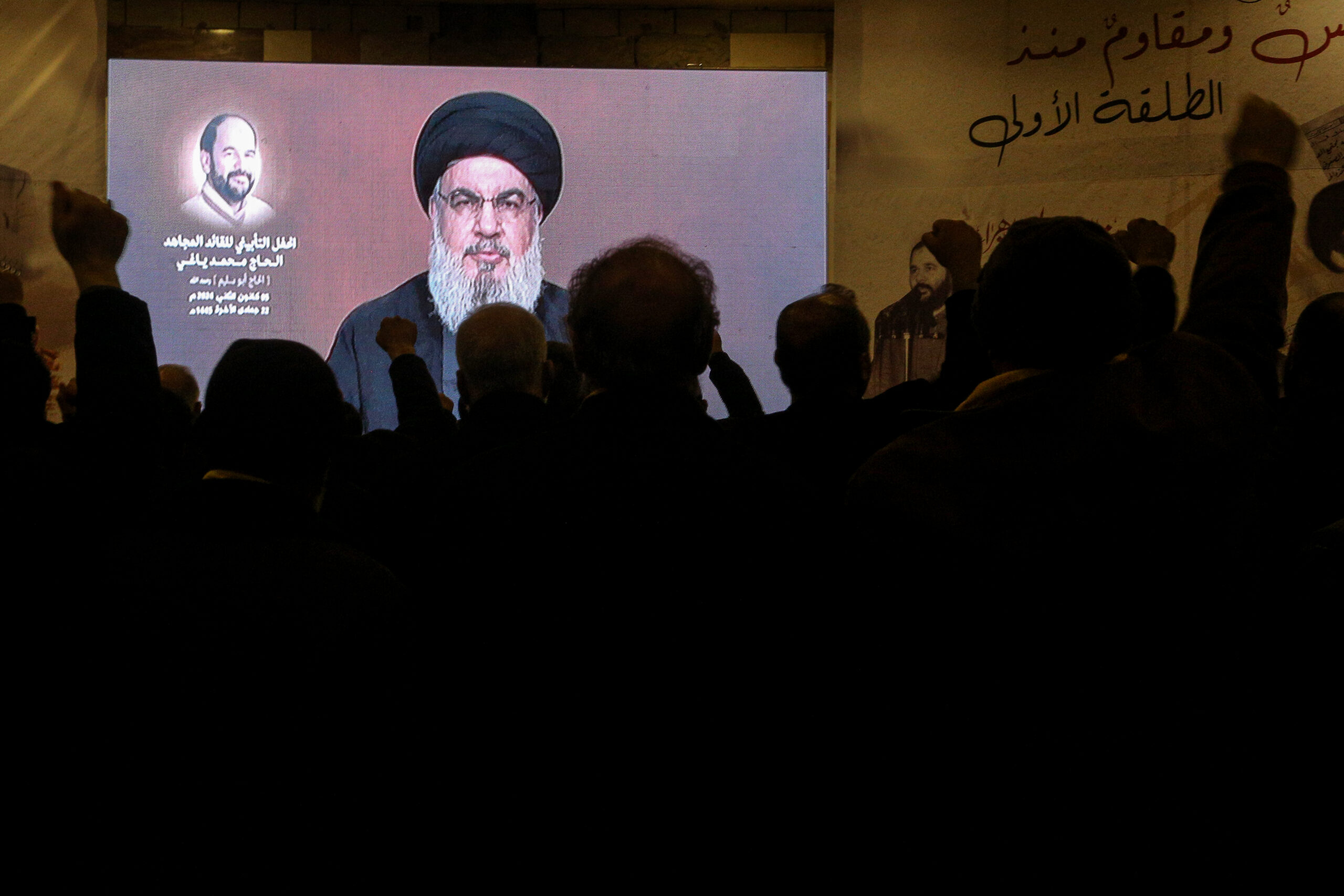
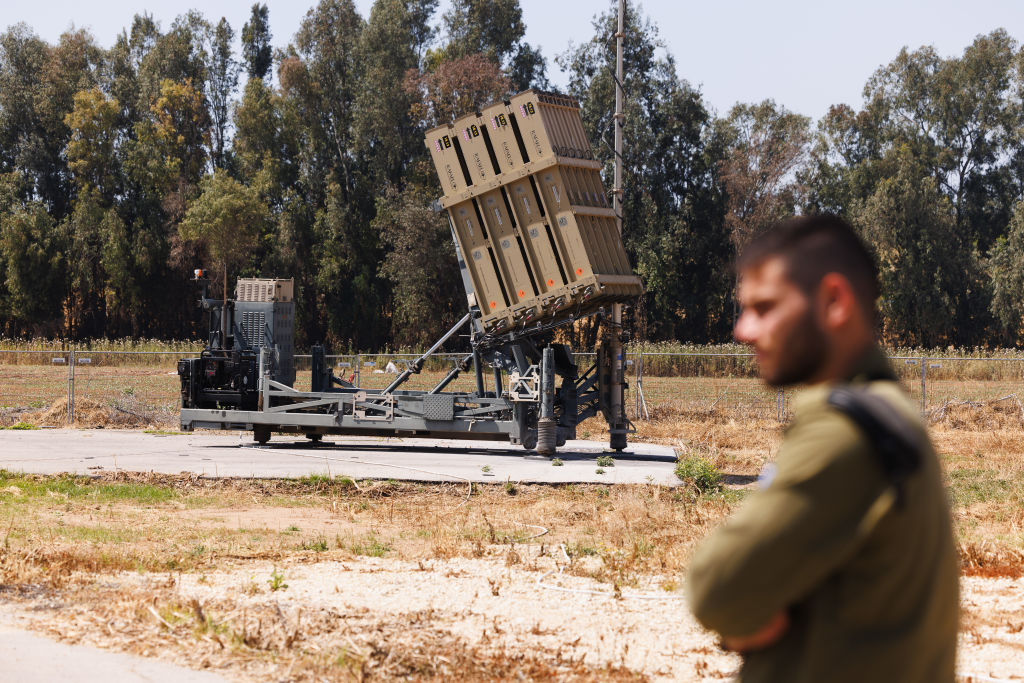
The month of April saw a series of unprecedented escalations in the long-simmering Iranian-Israeli conflict, with both countries launching missile and drone attacks against the other’s territory for the first time in history.
In the wake of these strikes, what will be the impact on the regional security and political environment going forward, what is needed to stabilize the new rules of the game, and how can US diplomacy help to facilitate that process? MEI has asked its experts to weigh in.
The Biden Administration’s Middle East Policy at a Time of War: An Assessment of US Policy Six Months Into the Israel-Hamas War
The Biden administration set forth five main objectives in reaction to the Oct. 7 Hamas attack against Israel and ensuing war in the Gaza Strip. Six months into the Israel-Hamas war, the Biden administration has not achieved enough progress toward these goals, although it has avoided some of the worst-case scenarios. Success is hampered in part by tensions stemming from the fact that some of the tactics and policy approaches are at odds with each other.