Brian Katulis is a senior fellow at the Middle East Institute, specializing in US foreign policy and national security. He authors the column “Making Sense: A Regular Take on US Foreign Policy” and hosts the podcast “Taking the Edge Off the Middle East.” Katulis draws on decades of experience living and working in the Middle East, where he has forged relationships of trust and confidence across the region with top leaders in government, the private sector, media, national security, and thought leaders from a wide variety of international organizations.
As a foreign policy strategist and senior fellow, Katulis has produced influential studies that have shaped key regional policy debates and provided expert testimony to congressional committees on his findings. Prior to MEI, he was a senior fellow at the Center for American Progress (CAP), where he built the center’s Middle East program. His career also includes significant experience at the National Security Council, the US Department of State, and the US Department of Defense.
Katulis co-authored The Prosperity Agenda (2008) with Nancy Soderberg, a book that examines how America’s economic advantages can be used to positively shape global dynamics. He is also frequently quoted in leading news publications and media outlets.
He holds a Master in Public Affairs from Princeton University’s School of Public and International Affairs and a BA in History and Arab and Islamic Studies from Villanova University. He was a Fulbright Scholar in Amman, Jordan from 1994-1995, where he conducted a research project on the peace process between Israel and Jordan.
Expert Views: How do we restart the Middle East peace process?
What would it take to start a new Israeli-Palestinian peace process that could actually have the prospect for enduring success? MEI has asked a group of regional and U.S. experts to weigh in.
Hamas Has Already Lost. Now, Who Will Win the Peace?
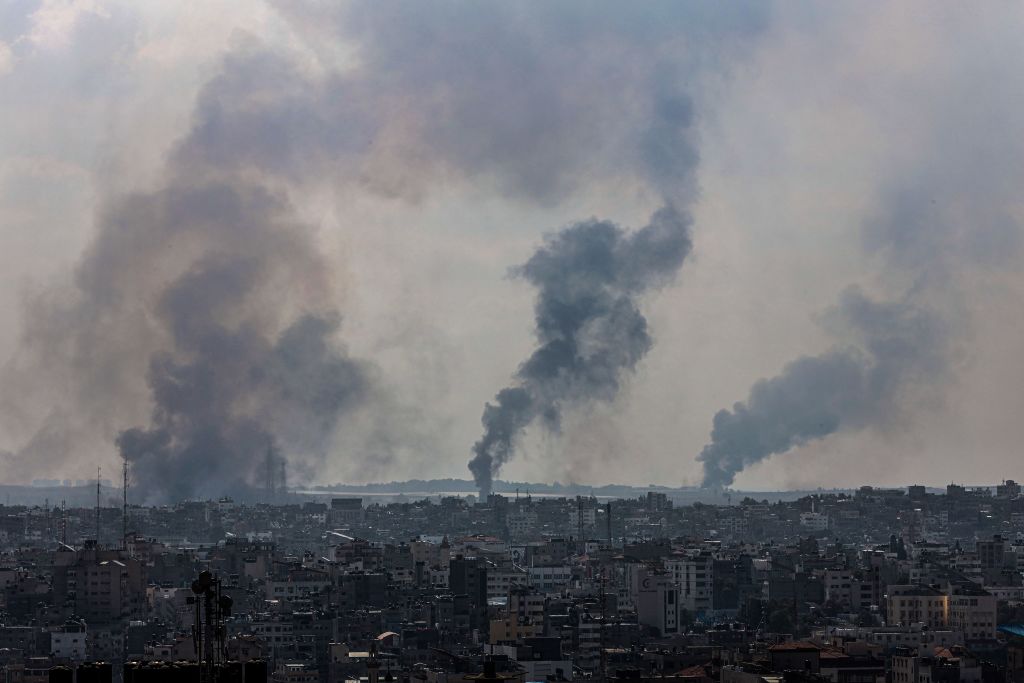
The events that began in Israel on Oct. 7 are a historical hinge. Like 9/11, as has been said, 10/7 will be remembered by most observers as a bright dividing line between “before” and “after.” What’s at stake for Israel—a fight for its survival—has echoes in other battles taking place around the world like Russia’s war against Ukraine and the Iranian regime’s continued repression of its own people. The world keeps moving toward the future, but the past and those retrograde elements that want to move the world backward still want to have a say.
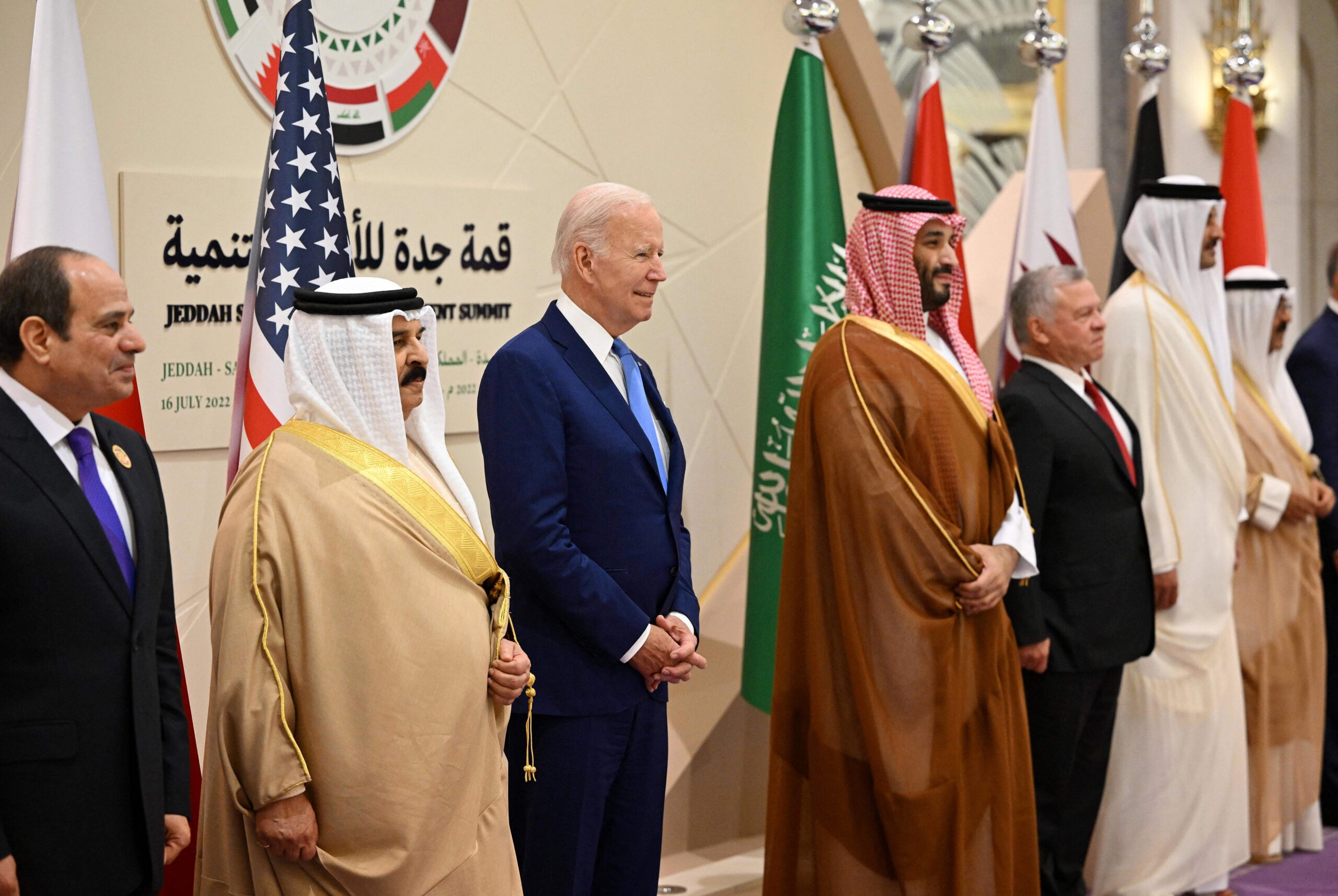
Treading Cautiously on Shifting Sands: An Assessment of Biden’s Middle East Policy Approach, 2021-2023
This report provides an interim assessment of the Biden administration’s overall Middle East strategy and examines the strategic opportunities and risks for U.S. policy in the broader region.