Brian Katulis is a senior fellow at the Middle East Institute, specializing in US foreign policy and national security. He authors the column “Making Sense: A Regular Take on US Foreign Policy” and hosts the podcast “Taking the Edge Off the Middle East.” Katulis draws on decades of experience living and working in the Middle East, where he has forged relationships of trust and confidence across the region with top leaders in government, the private sector, media, national security, and thought leaders from a wide variety of international organizations.
As a foreign policy strategist and senior fellow, Katulis has produced influential studies that have shaped key regional policy debates and provided expert testimony to congressional committees on his findings. Prior to MEI, he was a senior fellow at the Center for American Progress (CAP), where he built the center’s Middle East program. His career also includes significant experience at the National Security Council, the US Department of State, and the US Department of Defense.
Katulis co-authored The Prosperity Agenda (2008) with Nancy Soderberg, a book that examines how America’s economic advantages can be used to positively shape global dynamics. He is also frequently quoted in leading news publications and media outlets.
He holds a Master in Public Affairs from Princeton University’s School of Public and International Affairs and a BA in History and Arab and Islamic Studies from Villanova University. He was a Fulbright Scholar in Amman, Jordan from 1994-1995, where he conducted a research project on the peace process between Israel and Jordan.
Trump’s big week in the Middle East weighed down by troubles on other fronts
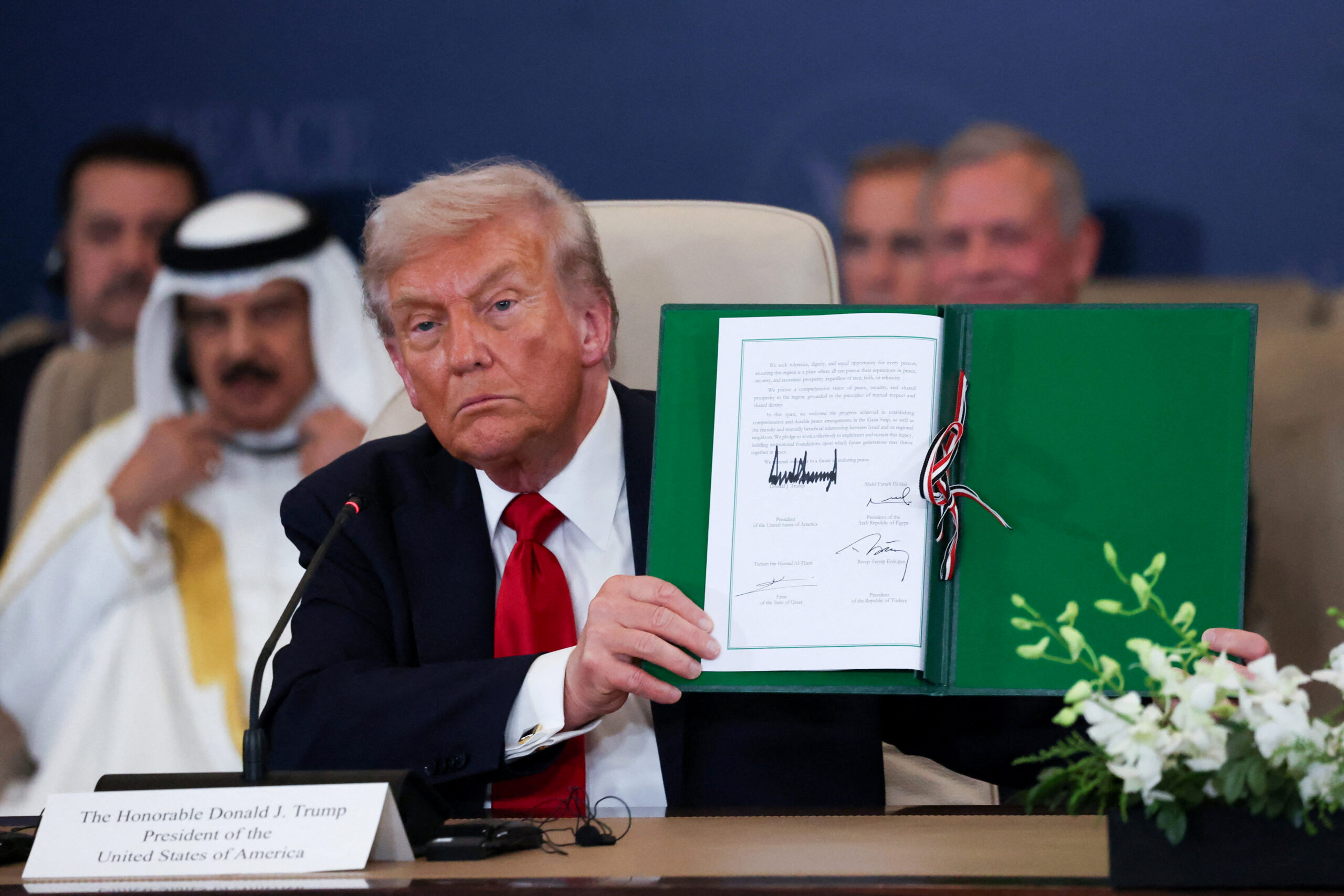
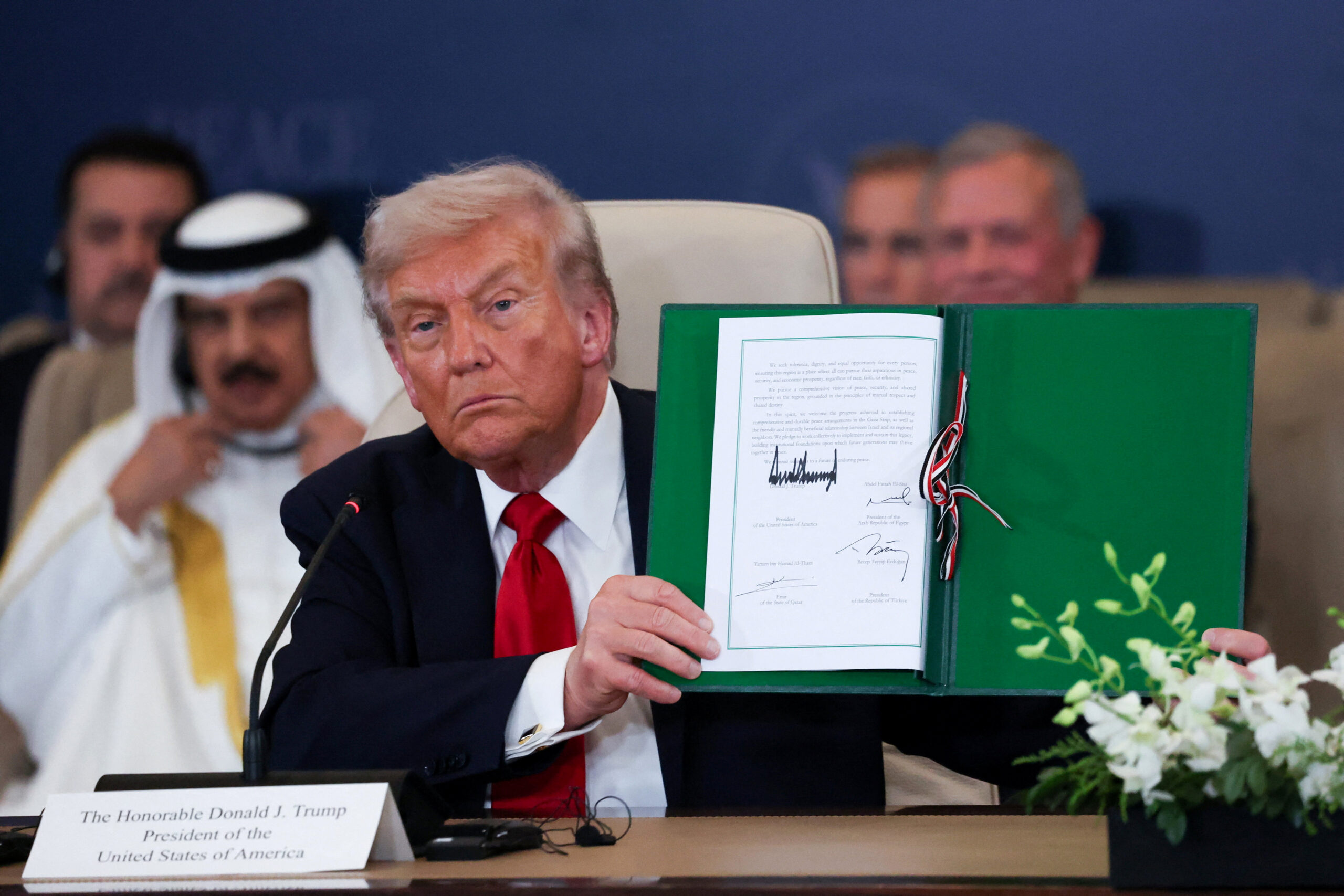
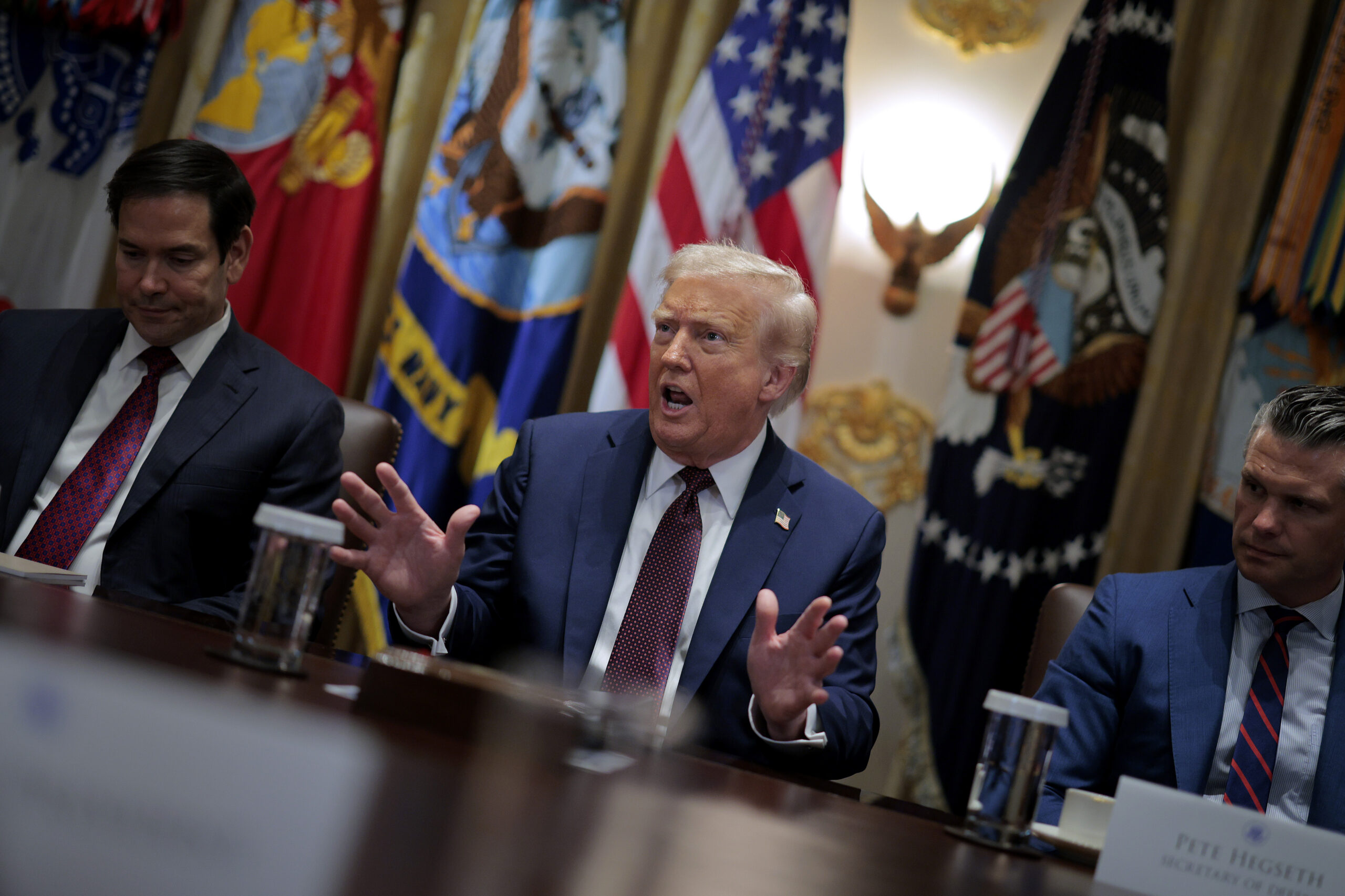
US President Donald Trump started off his week by flying to Israel and Egypt to mark the Gaza cease-fire and release of the last remaining Israeli hostages. But as these positive developments unfolded in the Middle East, the Trump administration’s overall agenda remained weighed down on other fronts.
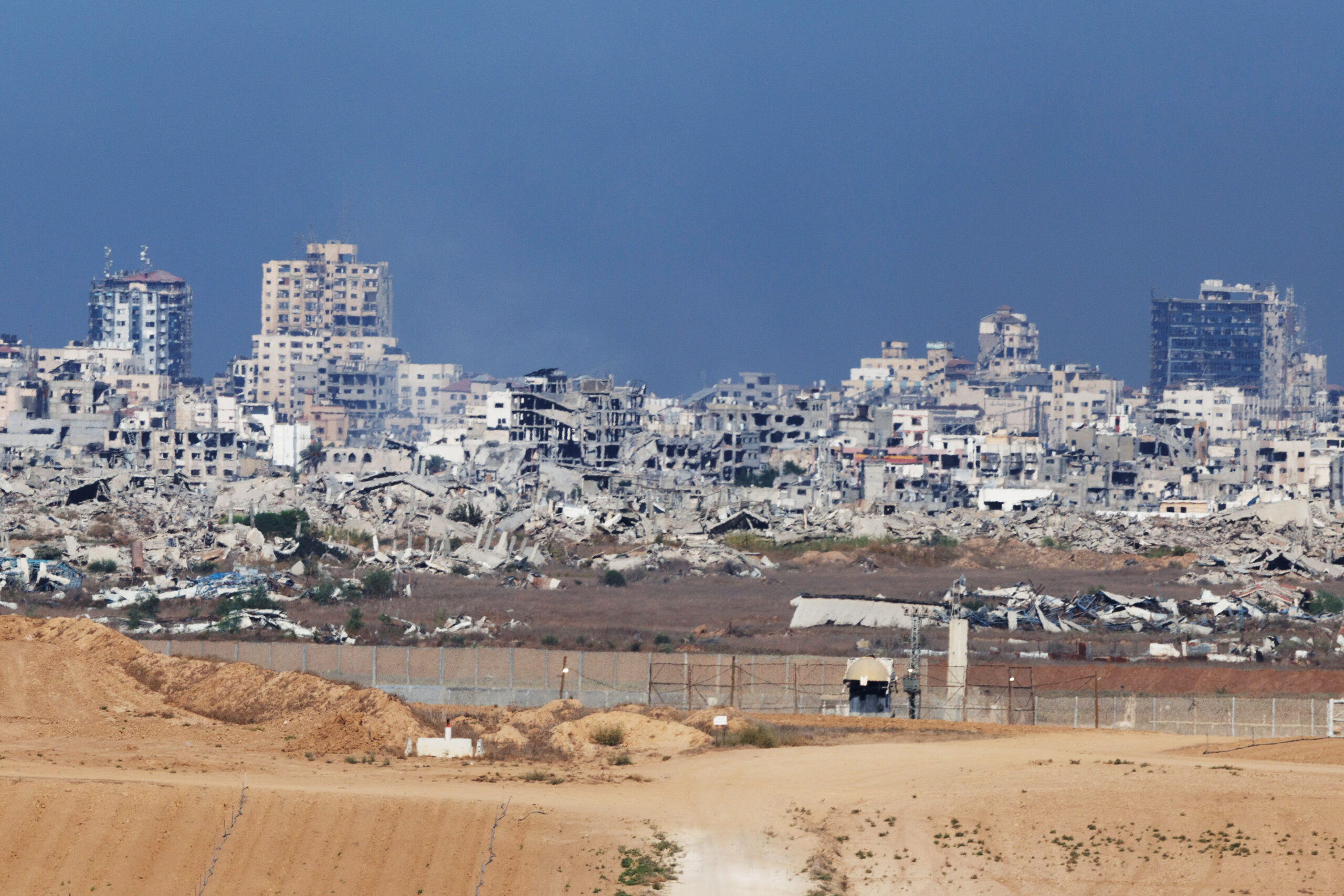
The October 2025 cease-fire and hostage-release deal that ended the Israel-Hamas conflict marks the beginning of a complicated post-war phase. In a new MEI Policy Memo, Brian Katulis breaks down why it matters for the US and the relevant policy considerations.
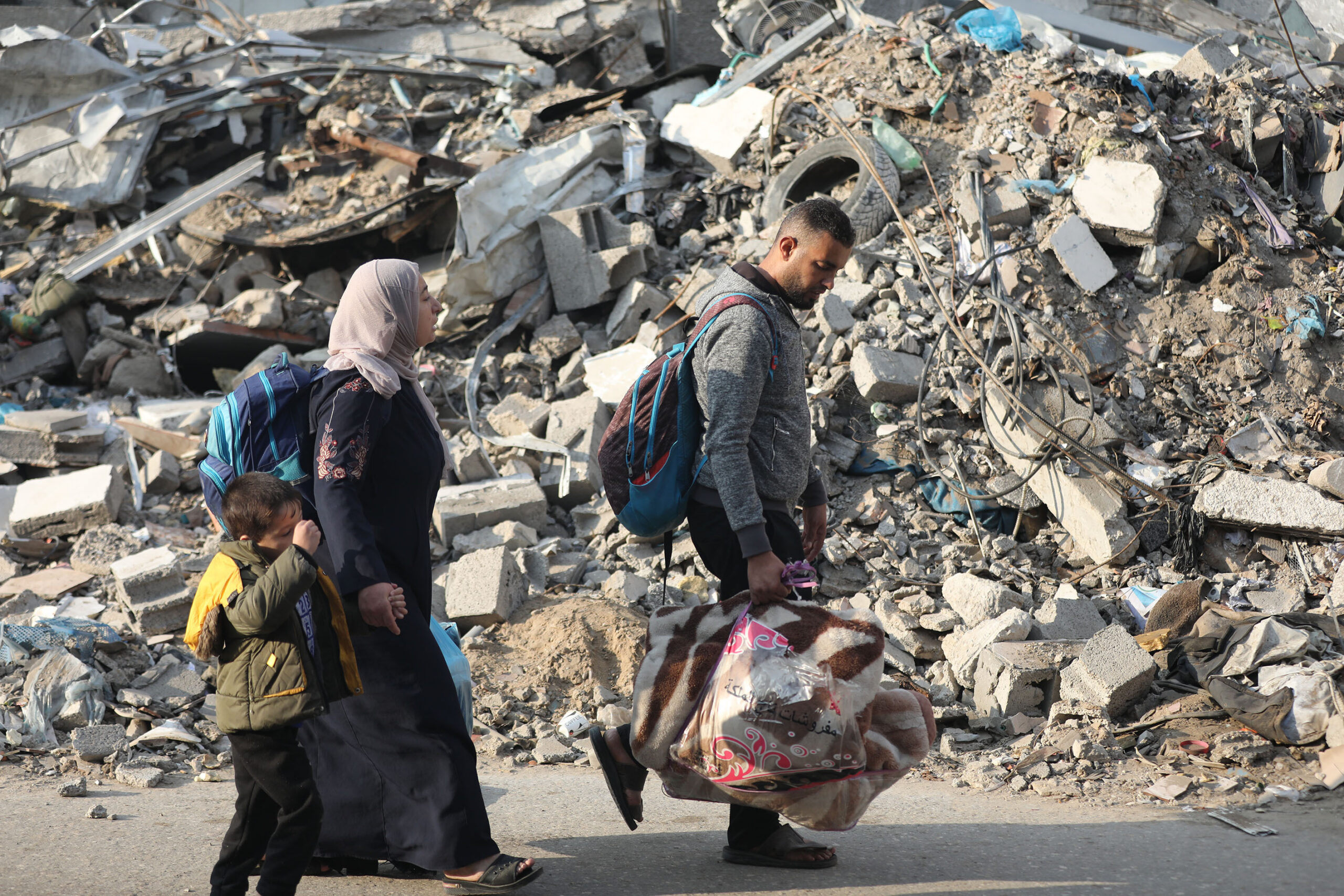
The October 2025 cease-fire and hostage-release deal that ended the Israel-Hamas conflict marks the beginning of a complicated post-war phase. The agreement has created important opportunities to advance stability in the Middle East and build a lasting and sustainable peace marked by enhanced regional security and integration, but there are considerable risks to manage. Achieving these goals will require coordinated international action along multiple lines of effort: security, rule of law, recovery and reconstruction, responsive governance, and steady and focused diplomacy to build confidence among key parties.
Gaza ceasefire takes off, but expect turbulence ahead
To use an analogy, if this Gaza ceasefire deal were an aeroplane, it is currently picking up speed on the runway and arrives at the crucial point of immediate takeoff when all hostages held in Gaza are released in exchange for 2,000 Palestinians in Israeli prisons. This moment of “takeoff” will mark the end of a war, but the beginning of what is sure to be a long and bumpy flight. Time will tell if the plane ascends to higher altitudes or comes crashing to the ground.
Light at the end of the tunnel in the Gaza war? Three questions about Trump’s 20-point plan
US President Donald Trump sent his top Middle East envoy Steve Witkoff and his son-in-law Jared Kushner to take part in Israel-Hamas talks hosted by Egypt this week aimed at ending the war in Gaza, securing the release of hostages, and producing progress toward a lasting and sustainable resolution to the conflict. Here are three things to watch for in US policy on this front in the coming days and weeks.
Veteran US foreign policy official Elliott Abrams joins Brian for a sweeping conversation on America’s role in the world amid global upheaval. With nearly 50 years of experience under Presidents Reagan, George W. Bush, and Donald Trump, Abrams offers lessons from past crises— from Ukraine to Gaza. Abrams makes his case for why he doesn’t see a two-state solution as realistic and what his alternative vision is. The discussion explores the chaotic uncertainty of Trump’s second term, Israel’s security two years after October 7, and the future of Palestinian governance and regional integration. Abrams also shares insights from his decades in government, including his work with Ariel Sharon on Gaza disengagement, his reflections on the Iraq War, and what it was like briefing presidents in the Oval Office.
Will Trump’s red line on West Bank annexation hold?
The spotlight for US policy in the Middle East will shift from the United Nations General Assembly (UNGA) meeting in New York to Washington, DC, where US President Donald Trump will meet with Israel’s Prime Minister Benjamin Netanyahu on Monday for the fourth time in eight months.
War and Peace in the Middle East: A View from Qatar
In this special bonus episode of Taking the Edge Off the Middle East, host Brian Katulis sits down with Dr. Majed Al-Ansari, adviser to the Prime Minister of Qatar and spokesman for Qatar’s Ministry of Foreign Affairs. Dr. Al-Ansari offers insights into the small country’s unique role in mediating conflicts worldwide.
Strategic drift in US Middle East policy as Trump speaks on the world stage
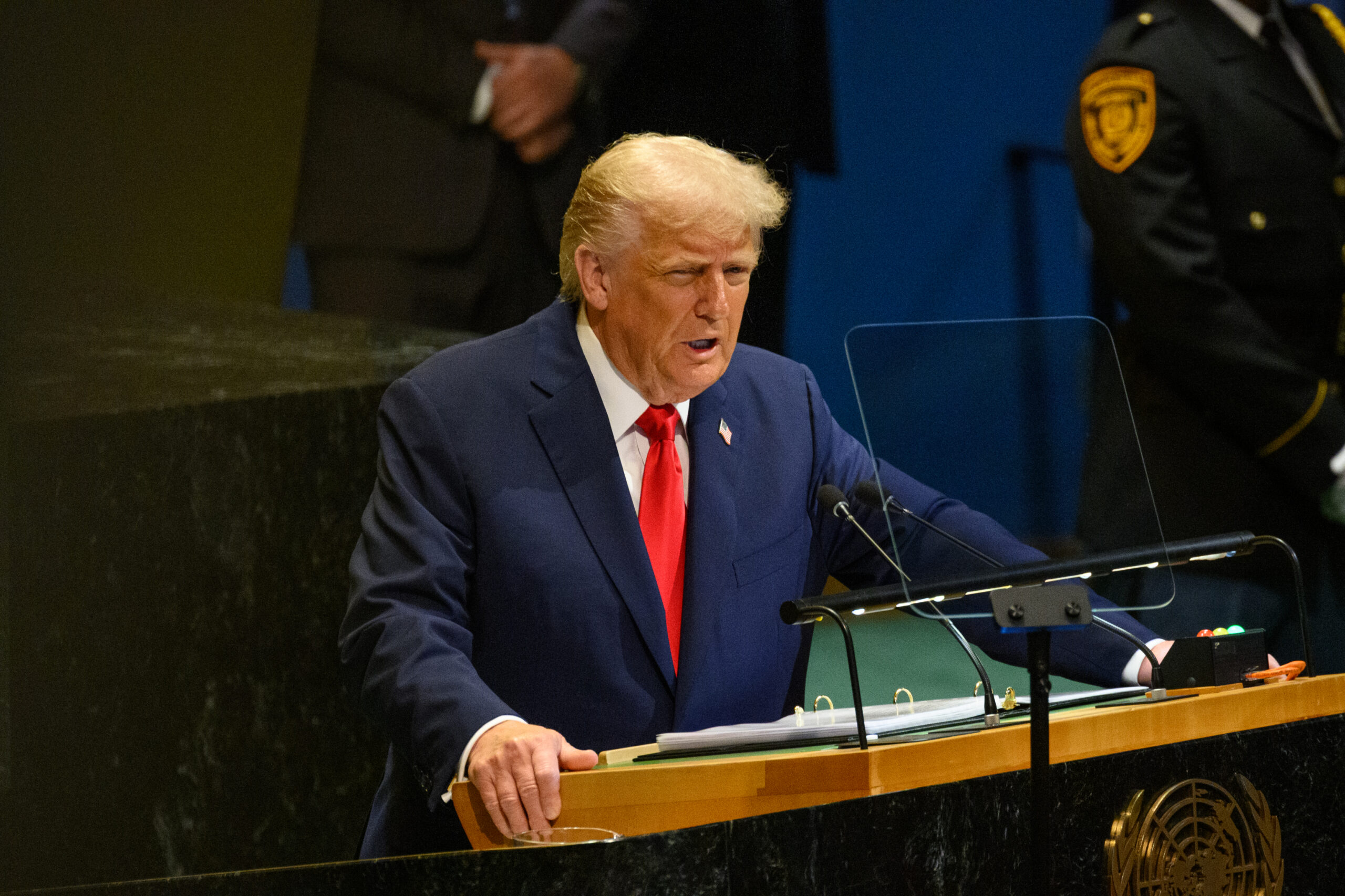
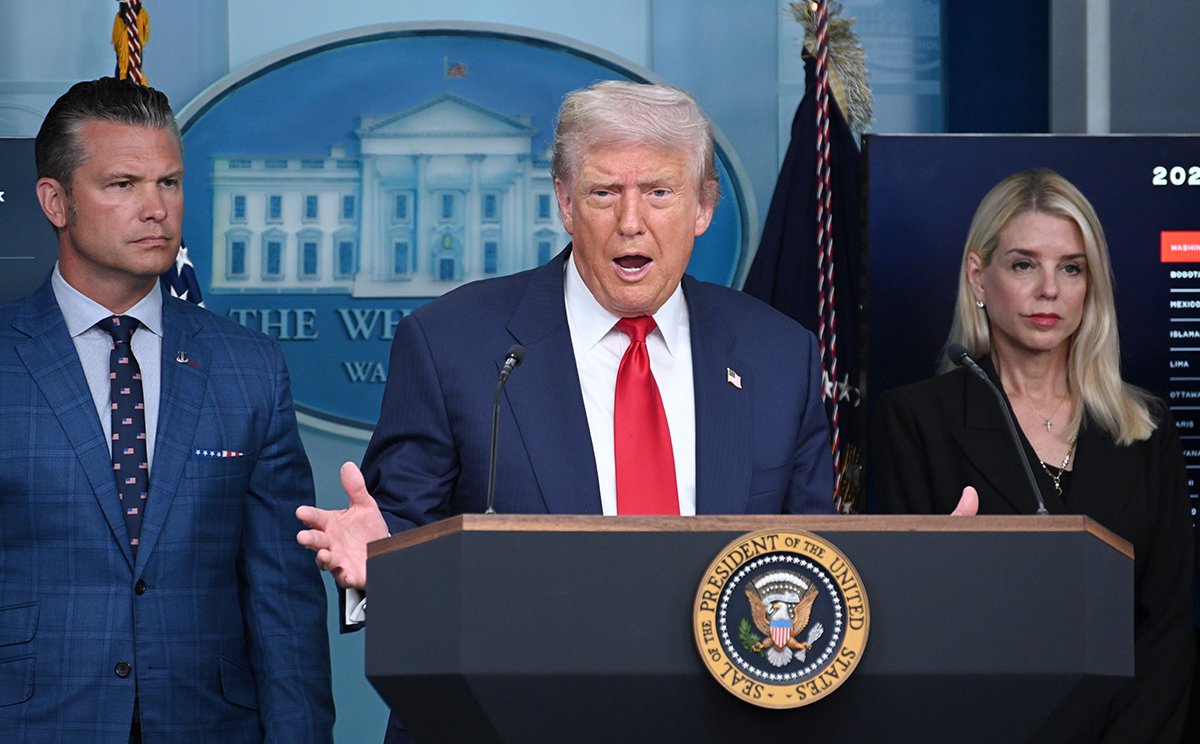
President Donald Trump used his speech this week before the United Nations General Assembly to reinforce his unique style of US foreign policy-making and levy criticisms against others, including the UN itself. But Trump did little to create a framework for crafting solutions to address problems and thorny security challenges.
Unconventional Wisdom: The Search for America’s Soul
Former Assistant Secretary of Defense for Public Affairs and longtime Democratic National Security and Communications strategist Doug Wilson joins Brian for an expansive conversation about what’s at stake in US foreign policy at a time of global upheaval. Drawing on decades of experience in government, the private sector, and political campaigns, Wilson reflects on how Trump’s second term has upended America’s role in the world — from dealing with autocrats to the collapse of US credibility abroad.
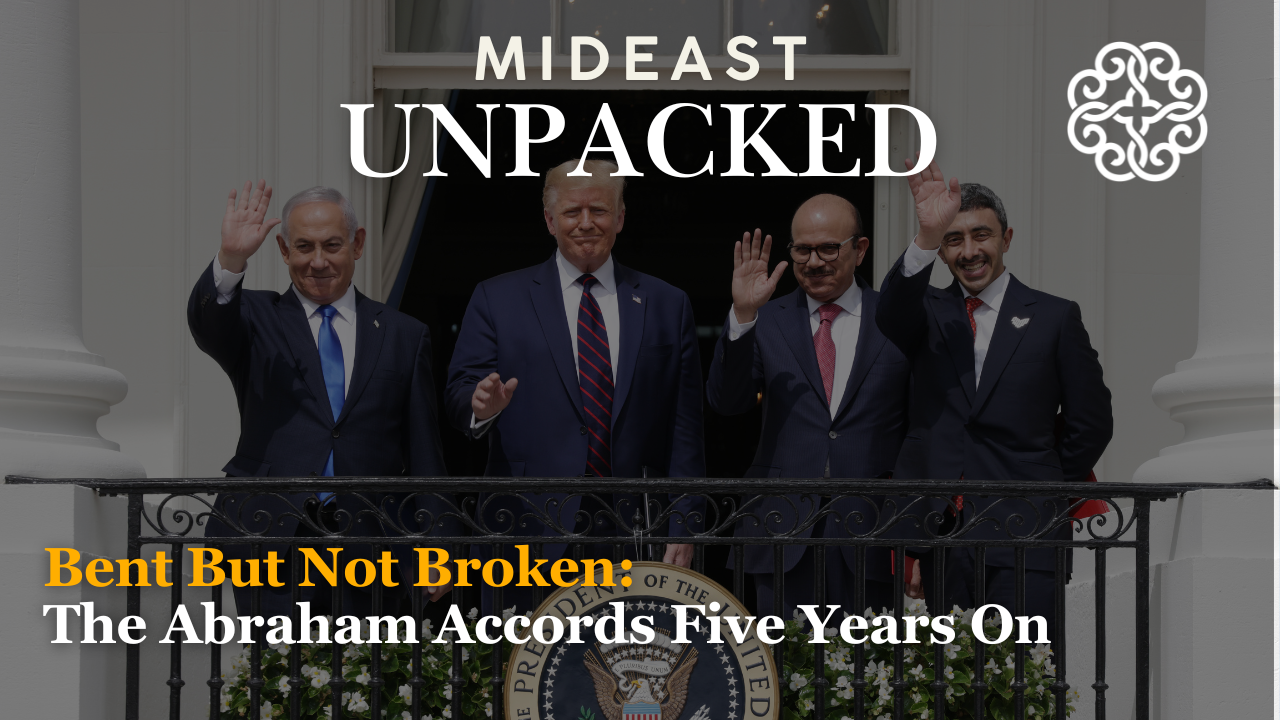
Bent But Not Broken: The Abraham Accords Five Years On
On the fifth anniversary of the Abraham Accords, MEI’s Brian Katulis reflects on their durability and future: “These Abraham Accords will not be broken. They’ll be bent, but I think they’ll stay in place. But they won’t expand in any way until there’s progress on the Palestinian question.” He unpacks the origins of the agreements, their strengths and limitations, and the key challenges that must be addressed for them to grow stronger.
Ross Harrison and Mohsen Milani—two leading experts on Iranian strategy—join Brian for a conversation about the evolution of the Islamic Republic’s foreign policy. Both draw on insights from their latest works: Harrison’s Decoding Iran’s Foreign Policy and Milani’s Iran’s Rise and Rivalry with the US in the Middle East. They unpack the fallout of the Twelve-Day War, the weakening of the “Axis of Resistance,” and the lessons Tehran might take from Vietnam’s transformation.
Trump desperate for progress in his sound and fury foreign policy
The most striking thing about Donald Trump’s foreign policy at the seven-month mark of his second administration is how it has failed to improve America’s overall strategic position in the world. It is still early days, but the Trump team’s frenetic flurry of actions, coupled with attention-seeking and often incendiary rhetoric, has served to obscure a poor record of scoring significant international wins for America.
Rana Abtar—chief correspondent for Asharq Al-Awsat and anchor of the Washington Report—joins Brian for a conversation on US policy in the Middle East, Lebanon’s struggles and resilience, and what it means to cover Washington for Arab audiences. From Trump’s Syria policy to the 2020 Beirut explosion, from life on Capitol Hill to her family’s roots in Baalbek, Rana brings together the political and the personal, sharing a unique perspective that bridges policy, culture, and humanity.
Trump’s unpredictable diplomacy of distraction mostly comes up empty
All eyes this week are on Alaska, where US President Donald Trump will hold a pivotal meeting with Russian President Vladimir Putin to discuss ending the Ukraine war. But the United States remains consumed by several domestic issues, including continued strains over policing, immigration, and checks and balances inside America’s system of government. All of this comes at a time when Trump’s domestic political standing continues to slip lower, including among members of his own party.