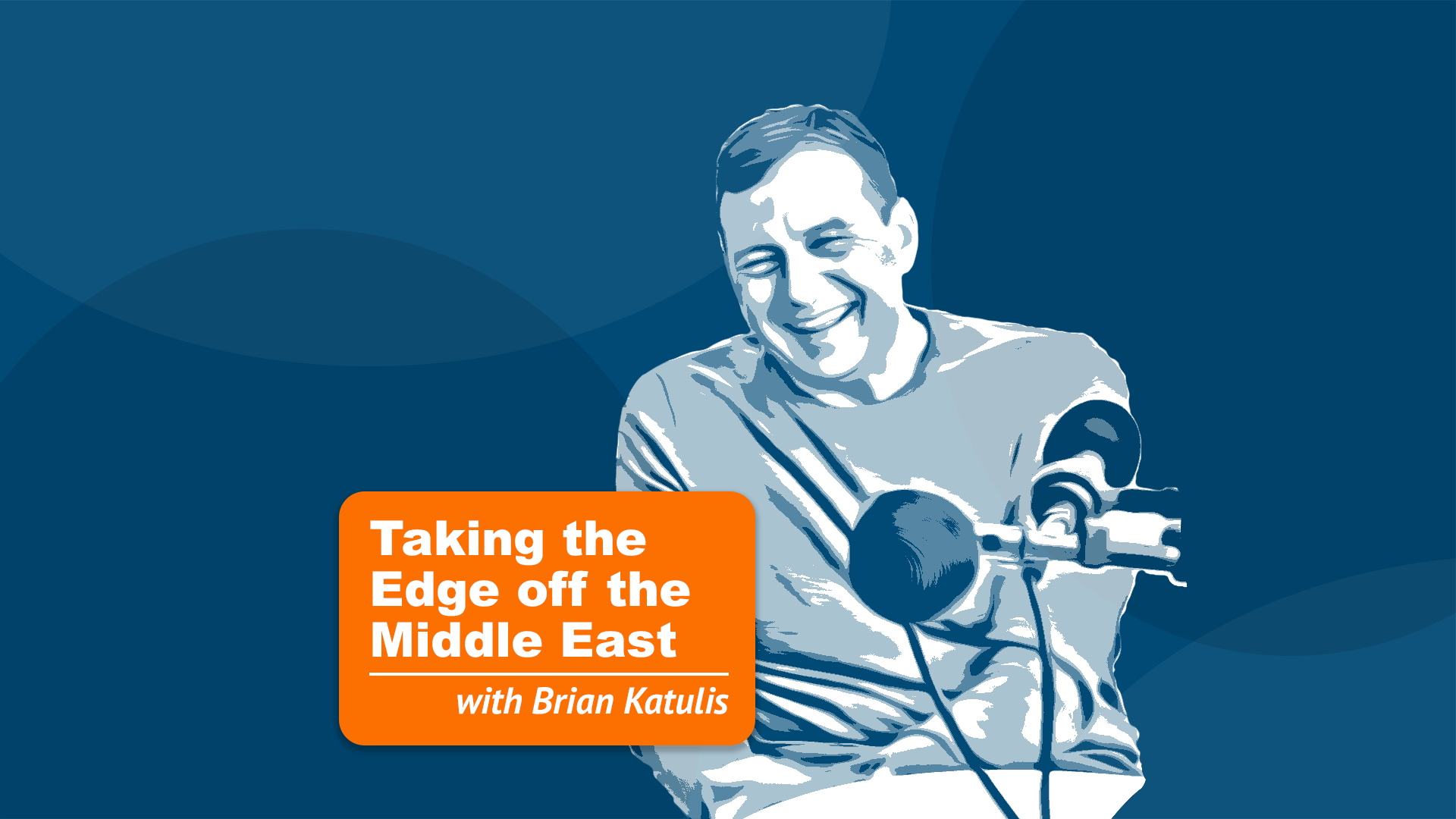
Brian Katulis is a senior fellow at the Middle East Institute, specializing in US foreign policy and national security. He authors the column “Making Sense: A Regular Take on US Foreign Policy” and hosts the podcast “Taking the Edge Off the Middle East.” Katulis draws on decades of experience living and working in the Middle East, where he has forged relationships of trust and confidence across the region with top leaders in government, the private sector, media, national security, and thought leaders from a wide variety of international organizations.
As a foreign policy strategist and senior fellow, Katulis has produced influential studies that have shaped key regional policy debates and provided expert testimony to congressional committees on his findings. Prior to MEI, he was a senior fellow at the Center for American Progress (CAP), where he built the center’s Middle East program. His career also includes significant experience at the National Security Council, the US Department of State, and the US Department of Defense.
Katulis co-authored The Prosperity Agenda (2008) with Nancy Soderberg, a book that examines how America’s economic advantages can be used to positively shape global dynamics. He is also frequently quoted in leading news publications and media outlets.
He holds a Master in Public Affairs from Princeton University’s School of Public and International Affairs and a BA in History and Arab and Islamic Studies from Villanova University. He was a Fulbright Scholar in Amman, Jordan from 1994-1995, where he conducted a research project on the peace process between Israel and Jordan.
Meeting Khamenei and Other Tales from a Life in Diplomacy
Jeffrey Feltman—former Assistant Secretary of State for Near Eastern Affairs, US Ambassador to Lebanon, and UN Under-Secretary-General for Political Affairs—joins Brian for one of the most revealing conversations yet. They trace his journey from the streets of Beirut during the Cedar Revolution to a tense, hours-long meeting inside the office of Iran’s Supreme Leader Ayatollah Ali Khamenei.
The current Israeli-Palestinian nightmare is a result of multiple failures of leadership
The unresolved crises unfolding on the Israeli-Palestinian front — a growing humanitarian disaster inside of Gaza, the horrific images of emaciated Israelis held hostage by terrorists in the coastal strip, and ongoing tensions in Jerusalem and the West Bank fueled by religious extremists of all stripes — represent one of the biggest strategic challenges to stability facing the Middle East. With Israel now openly contemplating a full occupation of Gaza, this set of issues serves as an obstacle to broader regional peace and normalization efforts.
US Policy in the Middle East: Second Quarter 2025 Report Card
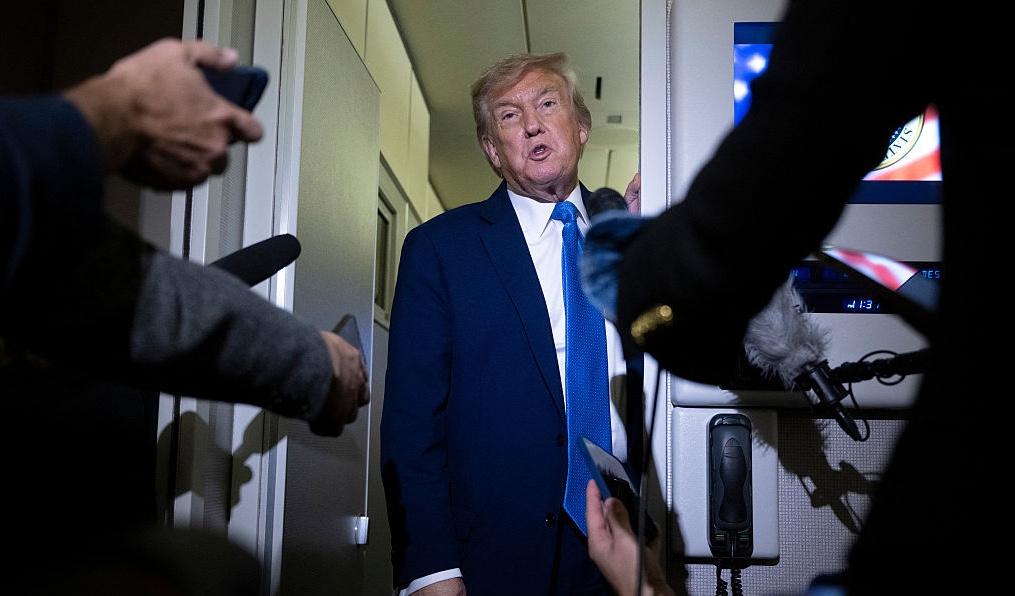
Six months into his second term, President Donald Trump remains in search of a major, concrete foreign policy win. Trump 2.0’s foreign policy is still struggling to produce a major positive outcome from its frenetic activity trying to end kinetic wars while prosecuting an unprecedented economic war with much of the rest of the world. The whirlwind of uncertainty since Trump returned to office in January has yet to improve America’s overall strategic position in the world. The following report assesses the US government’s actions over the past three months from May to mid-July 2025.
Daniel Silverberg and Elisa Ewers—two veterans of Capitol Hill and the executive branch—join Brian for a candid conversation about the shifting politics of US Middle East policy inside the Democratic Party. Drawing on decades of experience shaping national security strategy, they unpack why so many debates remain trapped in a post-Iraq War mindset, how October 7th transformed bipartisan dynamics, and what’s at stake when values, strategy, and political reality collide. From Iran and Gaza to the role of Arab partners and the rise of populism, the trio explores how America’s approach to the region must evolve—and how the next generation can lead that charge with clarity, humility, and purpose.
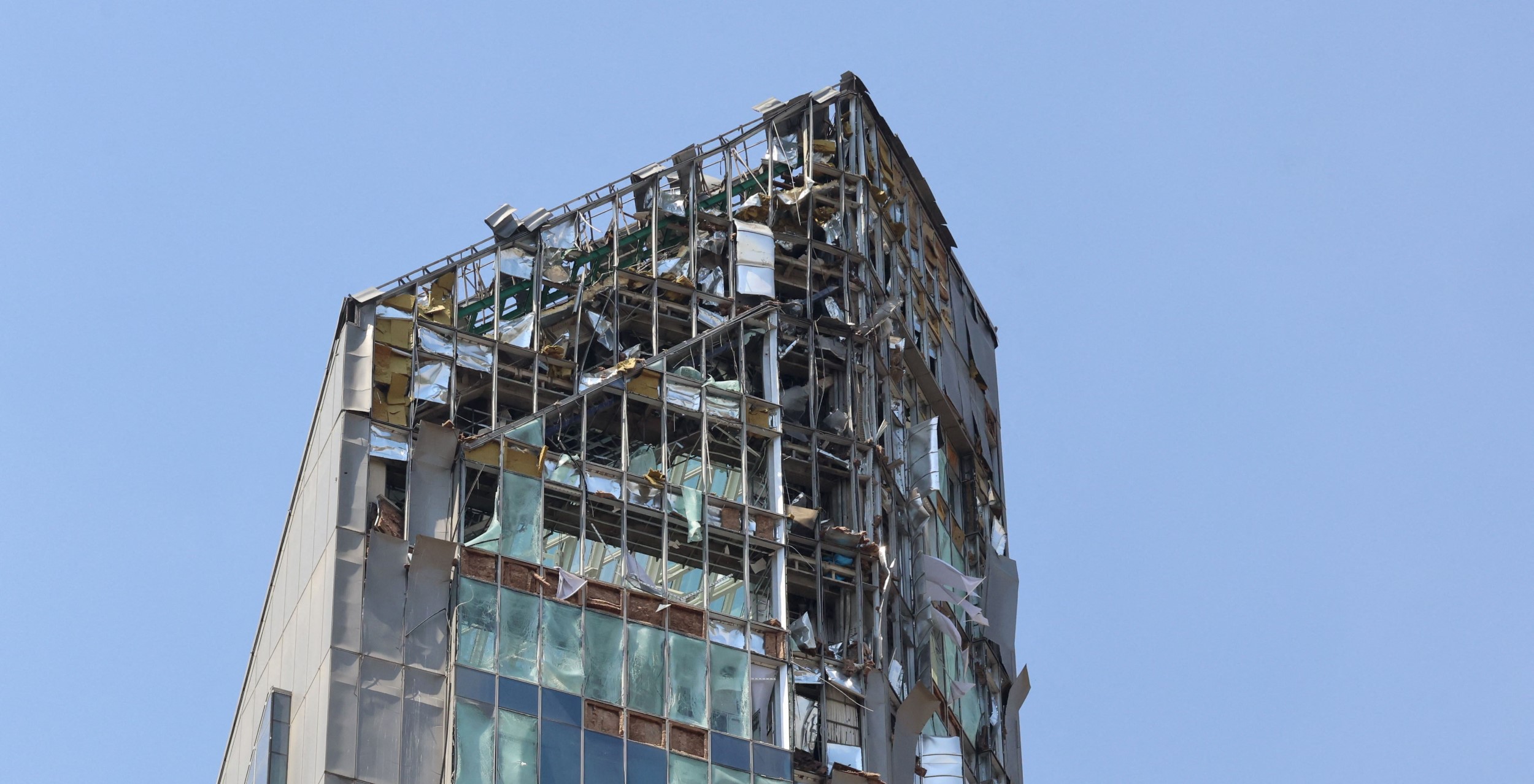
Probably few if any Middle East analysts had Israeli airstrikes targeting key government installations of the Syrian state on their summer 2025 bingo cards. And yet that is precisely what happened on Wednesday, as Israeli jets hit Syria’s military headquarters and an area near the presidential palace in Damascus.
What Would Zbig Do? Edward Luce on US Strategy Then and Now
Financial Times columnist and author Edward Luce joins Brian to discuss his new biography Zbig: The Life of Zbigniew Brzezinski—what the legendary strategist got right, where he fell short, and what his legacy means for U.S. foreign policy today. From Camp David to Tehran, Luce reflects on the pivotal moments Brzezinski helped shape in the Middle East and beyond—and what lessons today’s leaders could take from his intellectual rigor and hard strategic choices.
Trump still looking for major wins on the global stage after budget battle victory at home
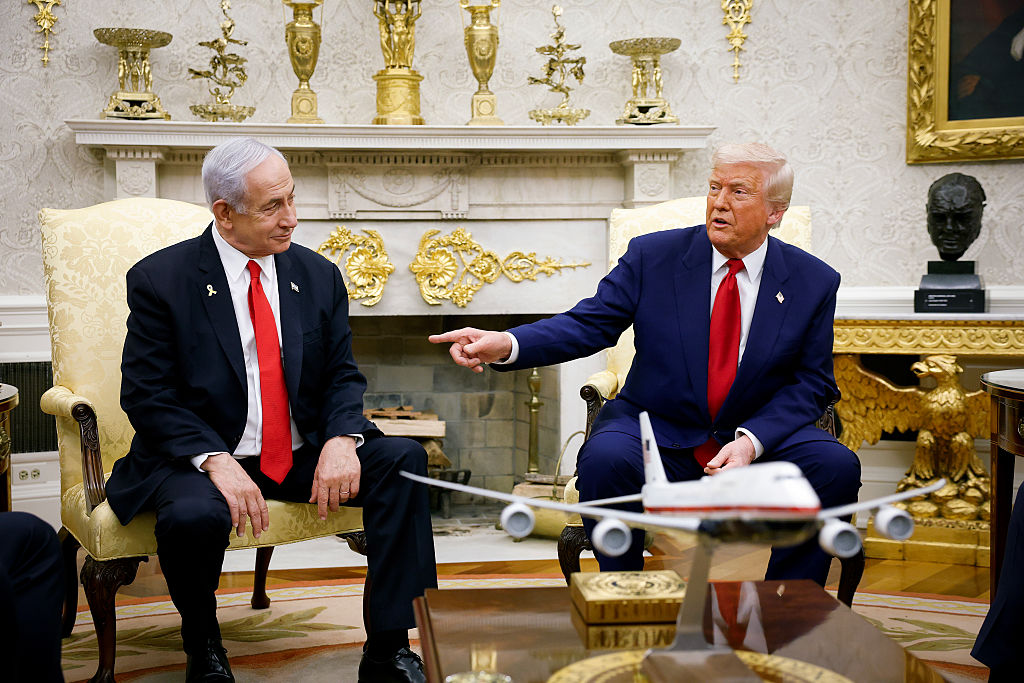
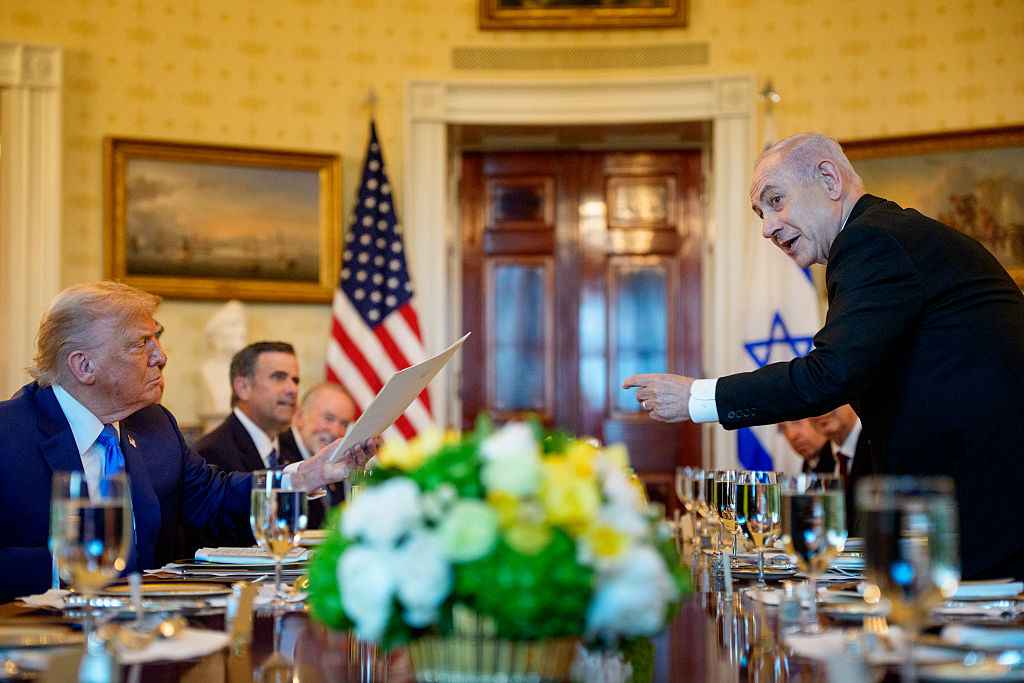
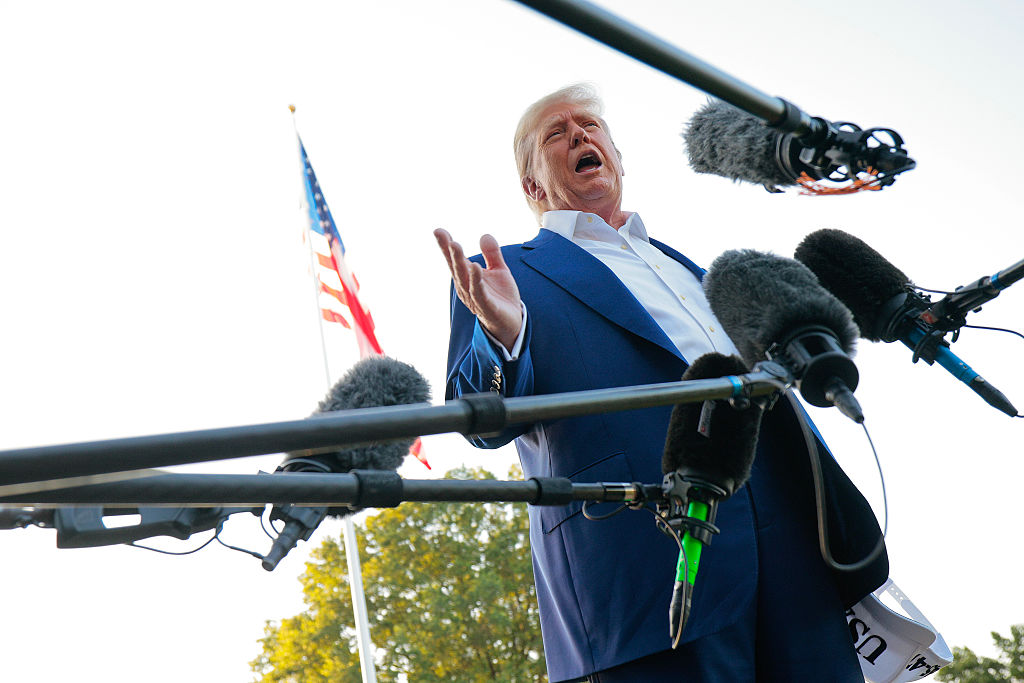
US President Donald Trump hosted Israeli Prime Minister Benjamin Netanyahu for the third time in his second term this week, shortly after securing a major victory for his domestic policy agenda in the budget bill passed by Congress.
Trump’s Middle East policy arrives at a temporary and fragile limbo
Domestic politics has taken center stage in the United States as Congress struggles to pass President Donald Trump’s proposed budget plan. But July is also shaping up as a pivotal month for Trump’s foreign policy in the Middle East and beyond.
How US Policy Is Taking Shape – From Libya To Iran
Stephanie Williams, former US diplomat and deputy head of the UN mission in Libya, sits down with Brian Katulis for a wide-ranging conversation about what’s happening in the Middle East today. They talk through the latest on Israel and Iran and assess how a second Trump administration is already shaping US policy toward the region. Williams also shares how her decades of experience—and insights from her new book, Libya Since Qaddafi: Chaos and the Search for Peace—inform the way she sees today’s unfolding dynamics.
Three essential questions to ask in the aftermath of America’s attack on Iran
This past Monday, after 12 days of war, Israel and Iran agreed to a cease-fire brokered by the US and Qatar. Three key questions presently loom over US policy on Iran and the wider Middle East.
A divided and distracted America edges towards another major Middle East war
As the world watches and waits to see whether the conflict between Israel and Iran escalates into a wider war and whether the United States gets more directly involved, Americans remain sharply divided and mostly distracted by events closer to home, for now.
This episode was originally recorded on June 9, 2025, featuring a wide-ranging conversation with Eyal Hulata—Israel’s former National Security Advisor—about the dire humanitarian situation in Gaza, his role in shaping Israeli security policy, and where he believes the conflict is headed.
In light of recent developments between Israel and Iran, we reconnected with Eyal to capture his latest analysis. The first segment of this episode was re-recorded on June 16, 2025, to reflect Eyal’s current views and predictions regarding the unfolding regional developments.
America moves closer to the brink of maximum uncertainty at home and abroad
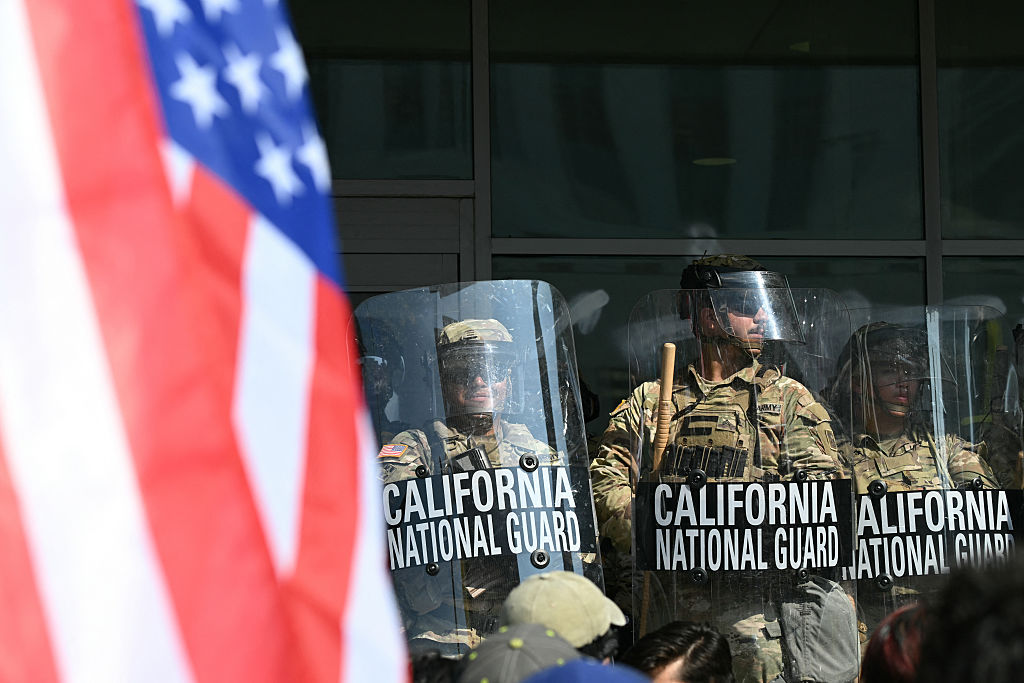
The spotlight in America this week is trained on the home front, with growing tensions inside the country over President Donald Trump’s immigration crackdown and a showdown unfolding on the streets of Los Angeles. At times like these, the rest of the world has a way of intruding, sometimes unexpectedly, and Trump 2.0’s foreign policy is still struggling to produce a major positive outcome from its frenetic activity trying to end kinetic wars while prosecuting an unprecedented economic war with much of the rest of the world.
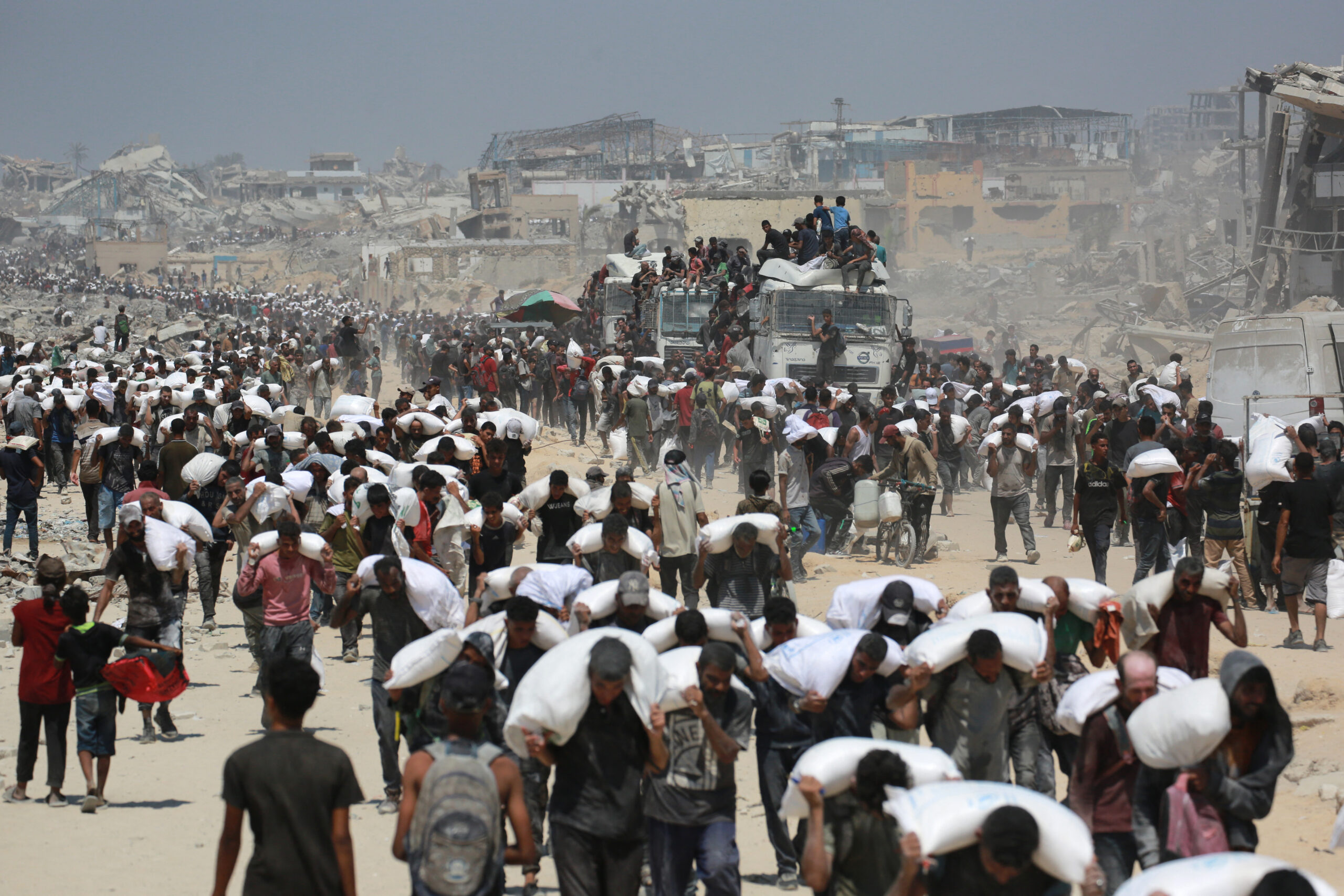
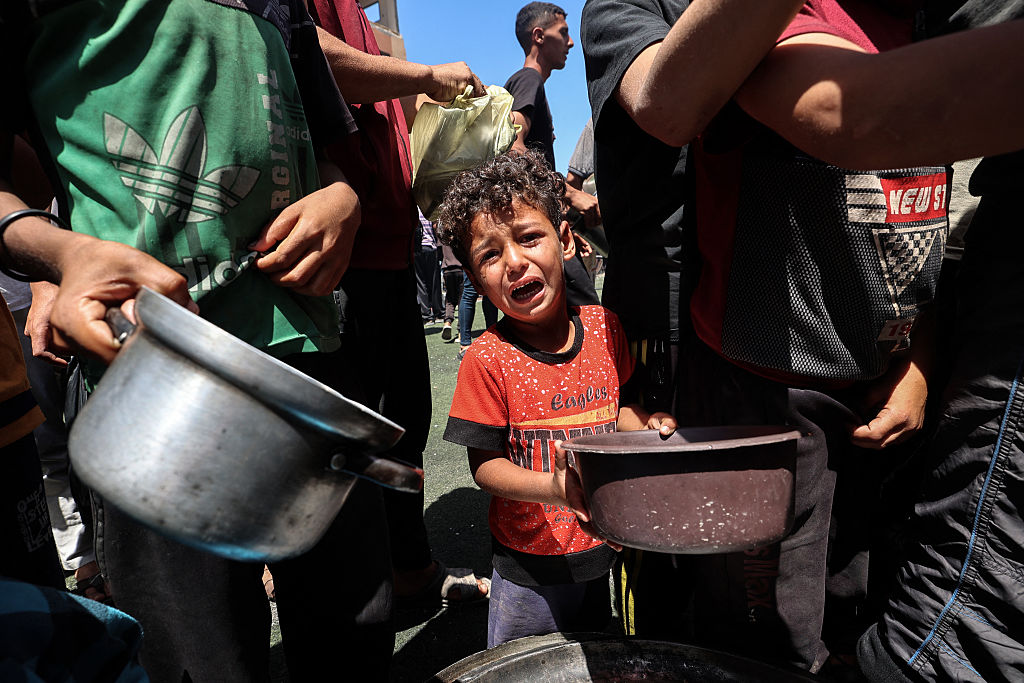
A devastating crisis for Palestinians in Gaza worsens
What has been unfolding in the Gaza Strip for millions of Palestinians is the direct consequence of the failures of political leaders who are ignoring best practices for the delivery of aid to innocent people caught in the crosshairs of a complicated war. Without a major shift in the current approach, the already dire conditions are only likely to deteriorate further going forward.