Skip to Content

Charles Lister

Senior Fellow, Syria Initiative

Charles Lister

Charles Lister is a senior fellow and the director of the Syria Initiative at the Middle East Institute (MEI), where he focuses on Syria, terrorism, and insurgency across the Levant. His work also covers broader regional security dynamics and the evolution of jihadist movements, including al-Qaeda and the Islamic State (ISIS). Mr. Lister is concurrently a Senior Consultant to the Karam Shaar Advisory; the Founder of Syria Weekly; and a consultant to the United Nations’ International, Impartial and Independent Mechanism (IIIM) for Syria. Mr. Lister also serves as an expert witness and advisor on counterterrorism for US, European, and Australian law enforcement and judicial bodies.

At MEI, Mr. Lister leads two major international initiatives. The Resolving the Detainee Crisis project, a joint effort with the International Centre for the Study of Radicalization (ICSR), brings together governments and NGOs to address the challenges of detaining thousands of terrorist fighters and their families in northeast Syria. Separately, the Syria Strategy Project, in collaboration with the Atlantic Council and the European Institute of Peace, engages over 80 experts and 25 governments and Syrian entities to shape multilateral approaches to resolving Syria’s conflict. In March 2025, the project published a report, “Reimagining Syria: A Roadmap for Peace and Prosperity Beyond Assad.”

Before joining MEI, he was a visiting fellow at the Brookings Institution in Doha and a senior consultant to the multinationally backed Syria Track II Dialogue Initiative, where he led years of direct engagement with the leadership of more than 100 Syrian armed opposition groups.

He is the author of The Syrian Jihad: Al-Qaeda, the Islamic State and the Evolution of an Insurgency (Oxford University Press, 2016), The Islamic State: A Brief Introduction (Brookings Press, 2015), and the editor of Winning the Battle, Losing the War: Addressing the Drivers of Non-State Armed Actors and Extremist Groups (MEI, 2019). His next book, also on Syria, is forthcoming from Oxford University Press.

He holds a first-class MA (Hons) in International Relations from the University of St. Andrews.

He is fluent in French.

The Latest from Charles Lister

Filter by
277 Results
In Syria’s fragile transition there’s a glimmer of a more stable Middle East
  • Commentary
  • In Syria’s fragile transition there’s a glimmer of a more stable Middle East

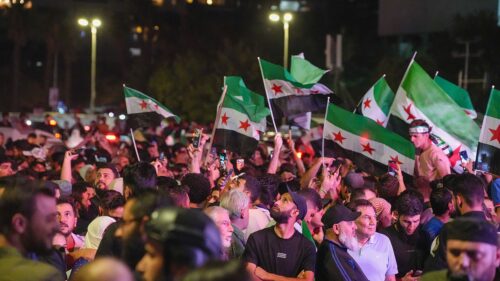
    For the better part of half a century, Syria has been an open wound in the heart of the Middle East, provoking instability, fueling conflict, and brutally suppressing its own people. Throughout Syria’s nearly fourteen-year civil crisis, a long list of destabilizing knock-on effects spilled over into neighboring countries and the world at large. The long-standing moniker of “what happens in Syria never stays in Syria” perfectly encapsulated what for most of the past decade looked to be a truly intractable crisis.

    Trump travels to a Middle East in transition
    U.S. President Donald Trump boards Air Force One on May 12, 2025, at Joint Base Andrews, Maryland. President Trump is traveling to Saudi Arabia, the first stop on his four-day Middle East visit and the first international trip of his second term. Photo by Win McNamee/Getty Images
  • Analysis
  • Trump travels to a Middle East in transition

    This week, US President Donald Trump makes his inaugural visit to the Middle East since the start of his second term, traveling to Saudi Arabia, Qatar, and the United Arab Emirates on May 13-16. Amid the heightened focus on US policy toward the Middle East, MEI’s experts take stock of Trump’s trip to the Gulf, how his administration has shaped its approach to the wider region in its first several months, and how regional actors are responding to the policies coming out of Washington.

    ISIS is on the ropes in Syria. A successful transition in Damascus could deliver a knockout blow
    Photo by HUNAR AHMAD/Middle East Images/AFP via Getty Images
  • Analysis
  • ISIS is on the ropes in Syria. A successful transition in Damascus could deliver a knockout blow

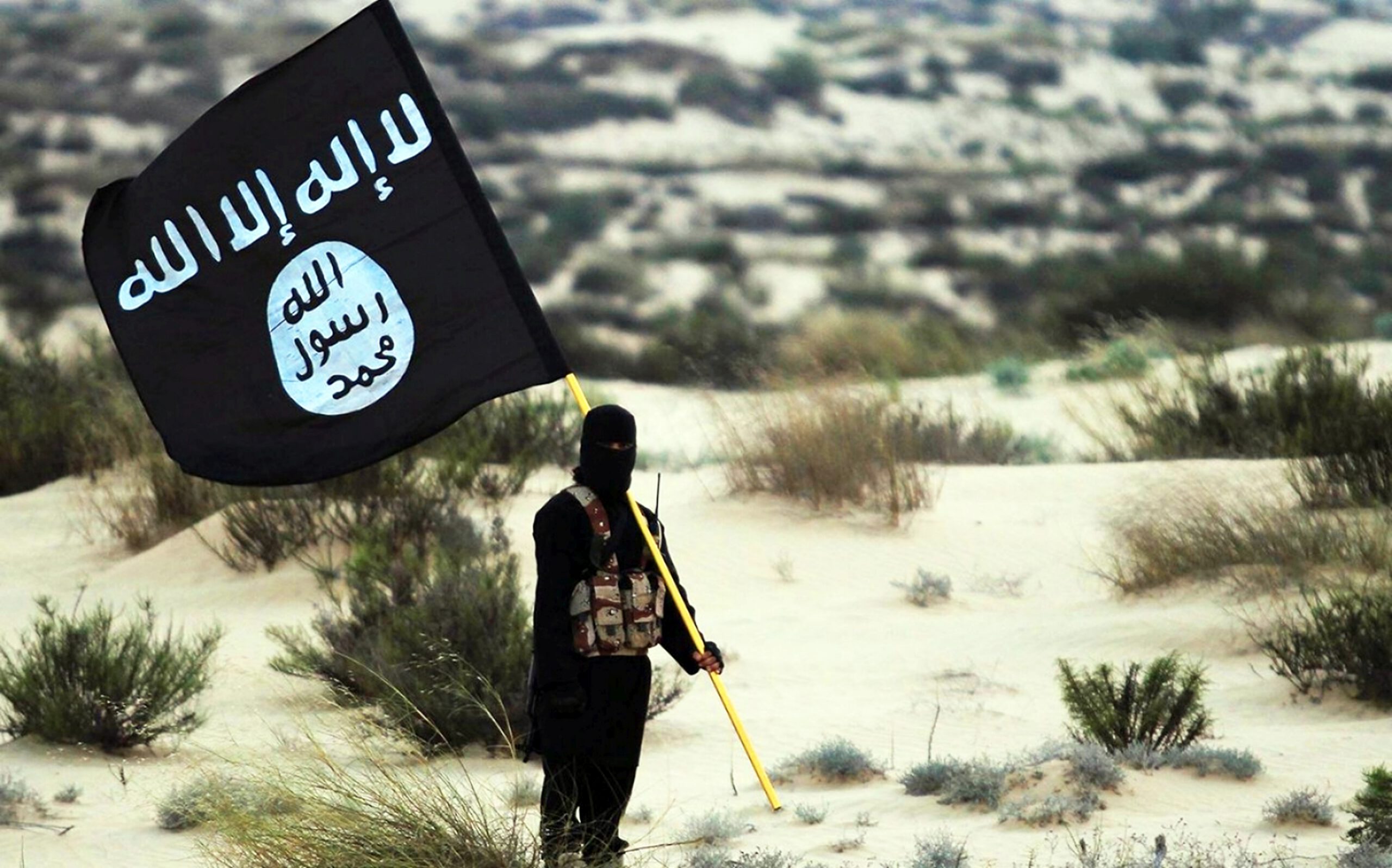
    For much of the past two decades, ISIS has enjoyed favorable conditions in Syria, but since the fall of Bashar al-Assad’s regime in December 2024, dynamics have changed. With Assad’s departure, ISIS lost its long-standing and vitally important safe haven in Syria’s central desert and its most significant driver for recruitment. The results — so far — have been dramatic.

    Israel Is Escalating Its War in Syria
  • Commentary
  • Israel Is Escalating Its War in Syria

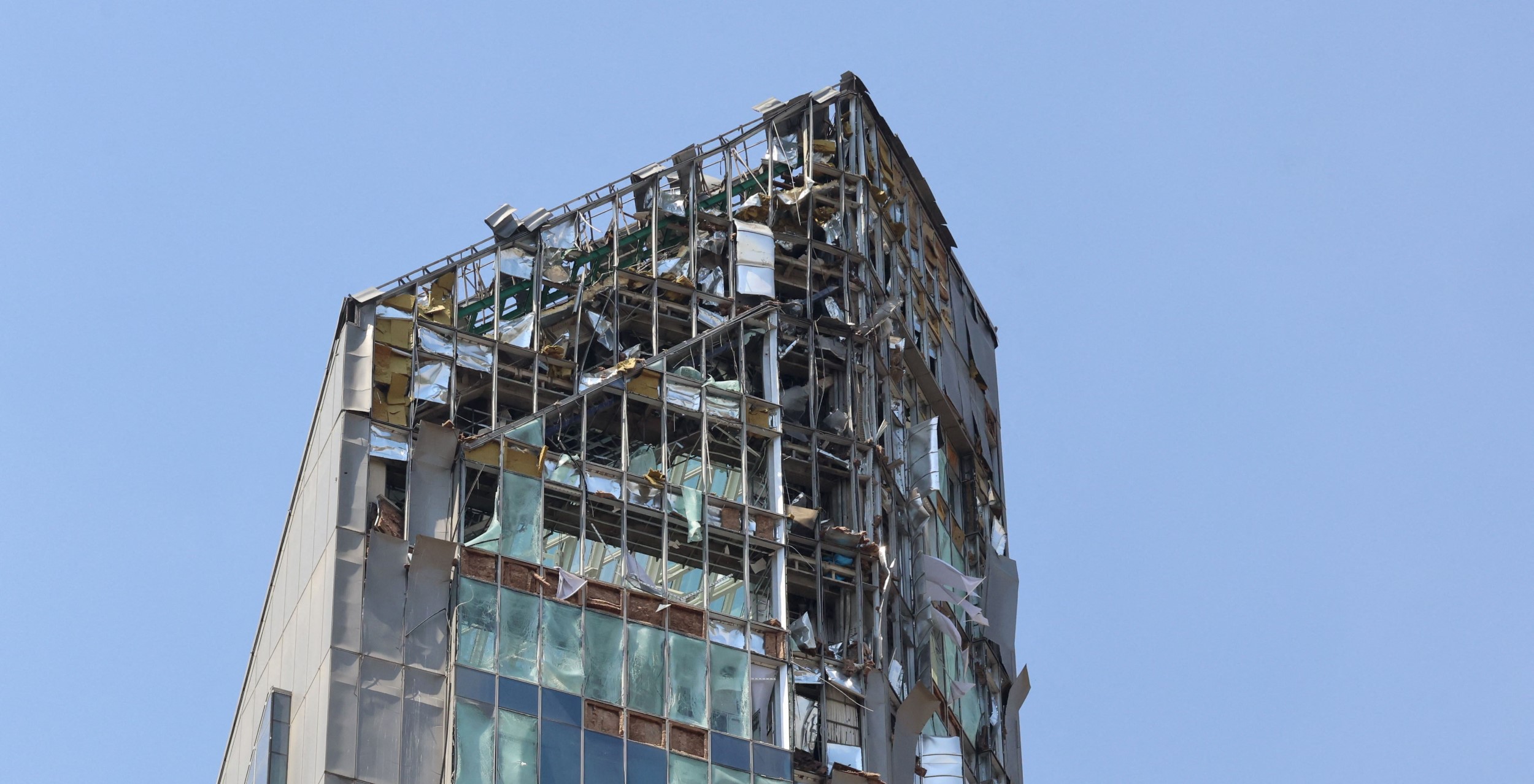
    In the past six weeks, the Israeli military has launched at least 70 ground incursions into southwestern Syria and conducted at least 31 sets of airstrikes across Syria. The intensity of Israel’s ground and air actions in Syria has sharply increased as the country’s profoundly fragile transition seeks to pull the country back together after nearly 14 years of debilitating conflict.

    It’s Time for Syria’s Kurds to Fold
  • Commentary
  • It’s Time for Syria’s Kurds to Fold


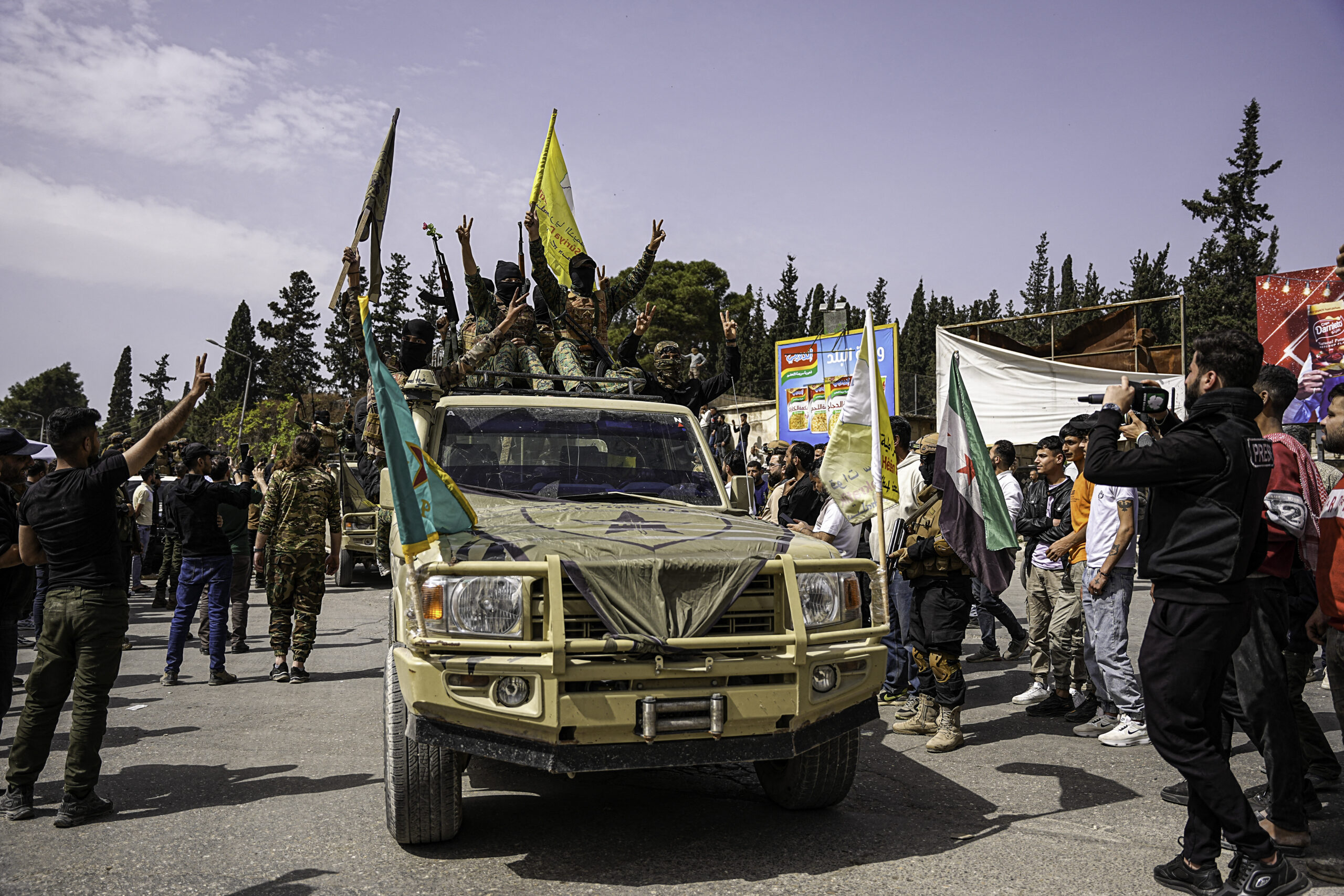
    On a recent trip that I took across Syria, one thing was palpably clear: Syrians were universally elated to be free from the iron grip of Bashar al-Assad’s regime. For now, that euphoria is inspiring and sustaining a semblance of hope and national unity that had all but vanished throughout the past 13 years of brutal civil conflict.

    With al-Assad gone, the risk of an ISIS resurgence grows
  • Commentary
  • With al-Assad gone, the risk of an ISIS resurgence grows

    This perilous moment for Syria’s future comes at a moment when American foreign policy in the region could change on a dime. President-elect Donald Trump has already stated the United States should have “nothing to do” with Syria’s future. But to do nothing would give the Islamic State a chance to surge once again.

    Assad's departure surprised Biden, US leaders. Now America must step up and seize the moment
  • Commentary
  • Assad's departure surprised Biden, US leaders. Now America must step up and seize the moment

    For nearly 14 years, Bashar al-Assad’s regime pursued a maniacal campaign of brutality against its own people, in order to suppress opposition through terror and mass killing. Beginning very early on, Assad’s military and security apparatus embraced what they called an “Assad or we burn the country” approach – but in truth, it was more Assad and we burn the country.

    How the world got Syria wrong
  • Commentary
  • How the world got Syria wrong

    On Dec. 8, President Bashar al-Assad fled Syria, bringing an end to nearly 54 years of his family’s rule and sending millions of Syrians at home and abroad into a state of euphoria and relief. Over a dramatic 12 days, an armed opposition offensive that had begun west of Aleppo on Nov. 27 triggered the precipitous crumbling of regime front lines, one after the other. As rebels began to advance south, Syrians across the country began to rise up. By the night of Dec. 7, Assad’s defeat had been sealed.

    Why Assad’s regime is collapsing so quickly
  • Commentary
  • Why Assad’s regime is collapsing so quickly

    Over the past week, the future of Bashar al-Assad’s regime has been placed squarely into question.

    A coalition of armed opposition factions has gone on the offensive in northern Syria, capturing some 250 cities, towns, and villages and more than doubling the territory under its control. Syria’s second-largest city of Aleppo was captured in 24 hours, as Syrian regime front lines collapsed one after the other. After nearly five years of territorial lines of control being frozen across the country, these are dramatic, game-changing developments.

    Weekly Briefing: Syria reignites
    Photo by AAREF WATAD/AFP via Getty Image
  • Commentary
  • Weekly Briefing: Syria reignites

    In only six days, a broad coalition of advancing opposition forces coordinated by Hayat Tahrir al-Sham has captured all of Idlib province, almost all of Aleppo province, and a sizeable stretch of northern Hama — a humiliating defeat for Bashar al-Assad and illustrative of the fragility of regime rule in Syria.

    Syria’s conflict is heating up once more
  • Commentary
  • Syria’s conflict is heating up once more

    Since March 2020, Syria’s conflict lines have been frozen, as Russia, Turkey, Iran and the United States held together a series of ceasefires and security understandings. That all changed this week, when a broad coalition of armed opposition groups launched a surprise and daring offensive west of Aleppo city.

    Don't leave Syria. The mission is far from over.
    Photo by DELIL SOULEIMAN/AFP via Getty Images
  • Commentary
  • Don't leave Syria. The mission is far from over.

    To abandon the Syria mission now would bring no meaningful benefit to the US, but it would swiftly and significantly empower America’s adversaries, like ISIS, Iran, Russia, and Assad’s regime.

    Assad and Hezbollah hunker down in Syria
    Photo by LOUAI BESHARA/AFP via Getty Images
  • Analysis
  • Assad and Hezbollah hunker down in Syria

    The Middle East has experienced an extraordinarily tumultuous year, as the ripples from Hamas’ assault on Israel on Oct. 7, 2023, continue to fuel hostilities in Palestine, Lebanon, Syria, Iraq, Yemen, and the waters of the Gulf. Amid all of this, Syria has received very little attention, despite its central role in Iran’s regional agenda. Now the Biden administration is reportedly “hopeful” that Bashar al-Assad will soon permanently block Iran’s ability to support Hezbollah in Lebanon and is postured to reward Damascus for doing so. At best, such calculations should be described as optimistic; at worst, fanciful.