Monday Briefing: As Iran’s protests spread, the regime pursues “maximum suppression”
Read MEI’s weekly briefing featuring expert analysis of key regional developments for the week ahead.
Bahrain, Gulf and Arabian Peninsula, Kuwait, Oman, Qatar, Saudi Arabia, United Arab Emirates (UAE), Yemen
This individual is a guest contributor. MEI is not able to assist with contact requests.
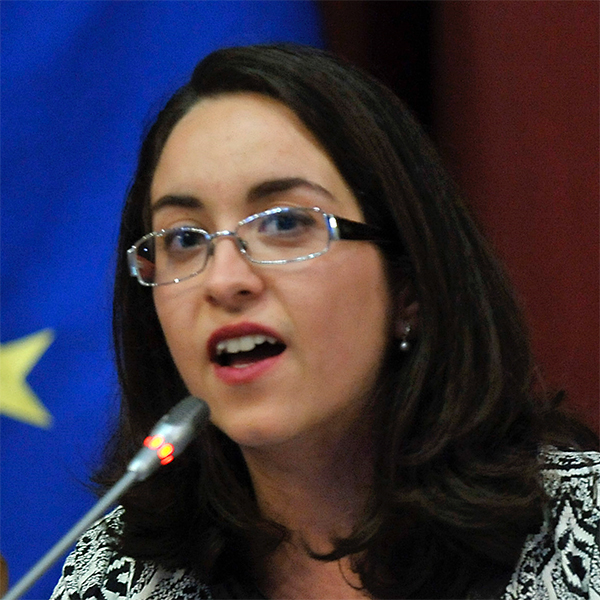
Dr. Cinzia Bianco is a research fellow at the European Council on Foreign Relations (ECFR), where she is working on political, security, and economic developments in the Arabian Peninsula and Gulf region and relations with Europe. At the ECFR she is producing analysis and policy papers on Europe’s role in a Gulf regional security architecture amid changing global geopolitics.
Additionally, she is a senior analyst at Gulf State Analytics, where she has done consultancy and advisory work for European and U.S. stakeholders since 2015. Previously, between 2013 and 2014 Bianco was a research fellow for the European Commission’s project on EU-GCC relations “Sharaka,” developing ideas on re-energizing region-to-region relations. She started writing analyses on the Gulf region in 2011, while working as an analyst for the NATO Defense College Foundation in Rome.
Bianco is fluent in Italian and English and has a working knowledge of two other European languages (Spanish and French) and Arabic. In the 10 years she has been focusing on the Arabian Peninsula, she spent time in all of the regional countries, engaging extensively with interlocutors on the ground.
Bianco authored several articles published in peer-reviewed academic and policy journals, including International Affairs, Middle East Policy and The International Spectator; book chapters and analyses for think tanks located in Europe, the US, and the Gulf; and is a regular contributor of LIMES, The Italian Review of Geopolitics. She regularly briefs European officials. She also provides commentary to international media outlets including Reuters, The Washington Post, The New York Times, Deutsche Welle, Le Figaro, La Repubblica, and El Pais.
She holds an MA degree in Middle East and Mediterranean Studies from King’s College London and a PhD in Middle East Politics from the University of Exeter in the United Kingdom, where her thesis dealt with threat perceptions in the countries of the Gulf Cooperation Council (GCC) after the 2011 Arab uprisings. She is currently producing a book on this topic.
Read MEI’s weekly briefing featuring expert analysis of key regional developments for the week ahead.
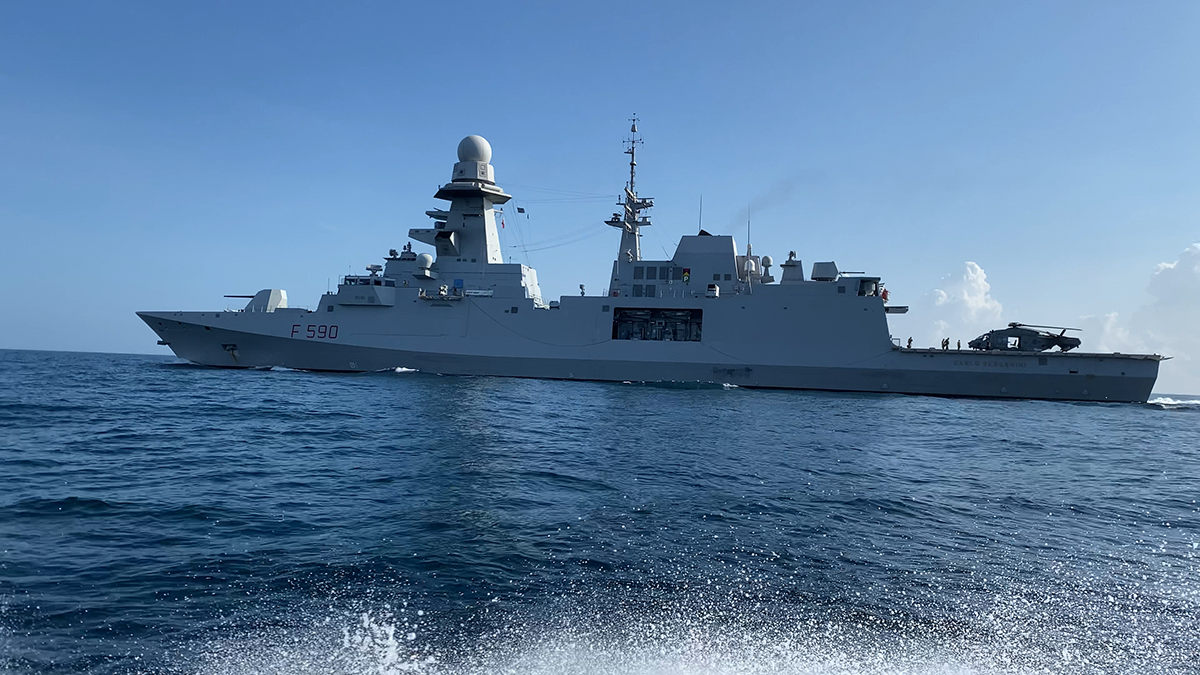
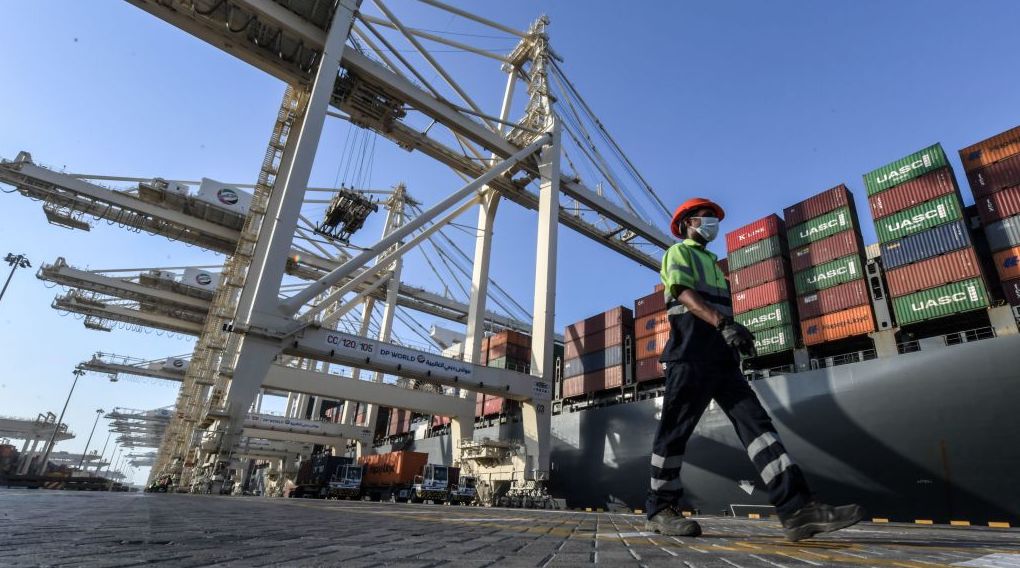
In February 2022, the Council of the European Union gathered in Brussels to discuss the extension of the Coordinated Maritime Presence (CMP) concept to the North-Western Indian Ocean. Its decisions constituted a rare consensus among E.U. member states that Gulf maritime security is a strategic interest for Europe as a whole.
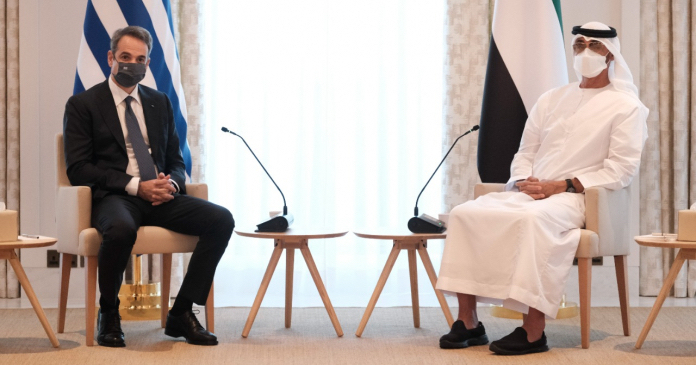
In mid-January the press reported that the United Arab Emirates (UAE) will soon participate in a joint military exercise with the United States, Canada, Slovakia, Spain, Cyprus, and Israel. While Israel’s inclusion is certainly newsworthy, it is also quite significant that the drill will take place in and be coordinated by Greece. This is just the latest step in a long process of engagement between Athens and Abu Dhabi.
The coronavirus pandemic that originated in China could not have come at a worse moment for the UAE. Indeed, before its outbreak, relations between the UAE and China were in an excellent place. Underpinned by growing economic exchange, the bilateral partnership holds the promise of turning into a geo-economic and geopolitical one. For Beijing, the UAE is first and foremost a critical hub for re-export to the wider region and ultimately, it is in the domain of maritime trade and around China’s BRI that the partnership has its greatest potential.
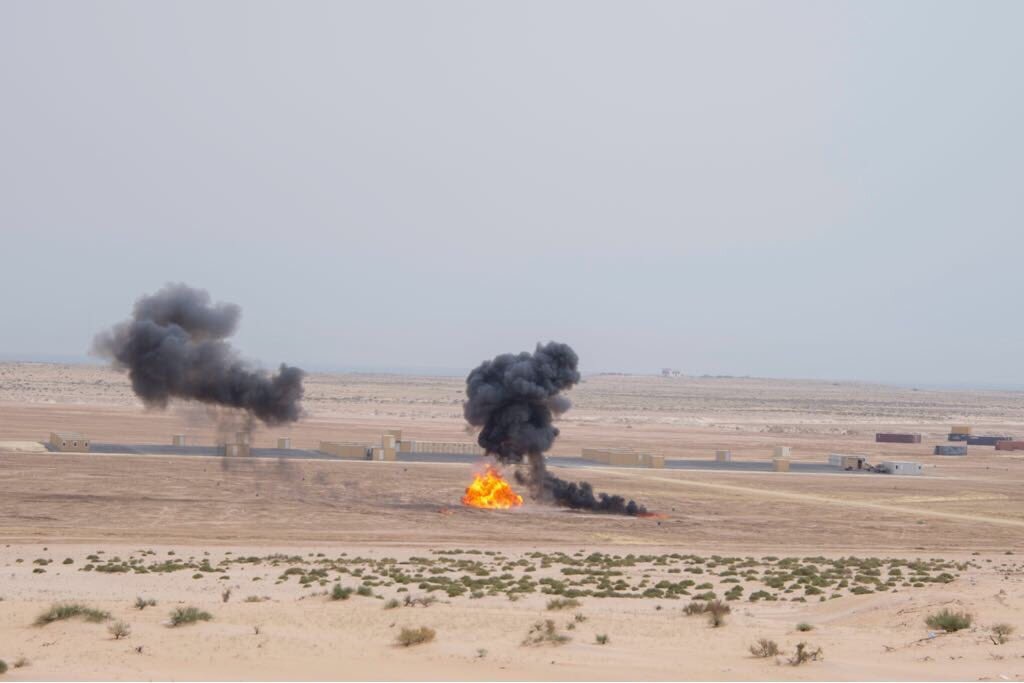
As naval, air, and ground units from Bahrain, Egypt, Jordan, Kuwait, Saudi Arabia, and the UAE conduct war games in western Egypt this month, many speculate that this could represent the birth of the so-called “Arab NATO.”
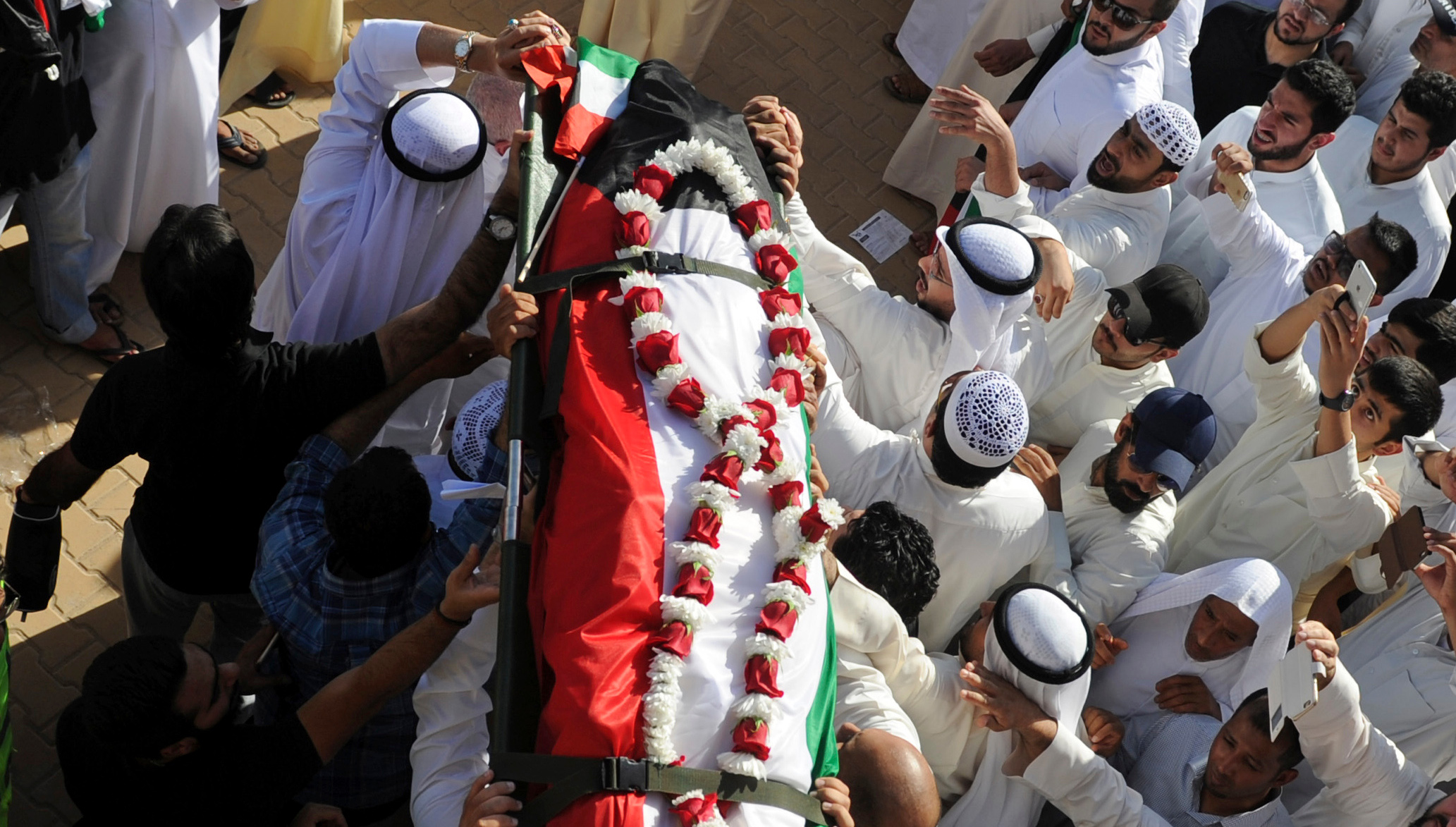
The intensifying rivalry between Saudi Arabia and Iran is raising sectarian temperatures in some smaller Gulf Cooperation Council (G.C.C.) states. Kuwait’s fractious parliament has seen growing tension and even physical confrontation between its Sunni and Shiite MPs in response to regional developments. Growing tension in Kuwait is also evident in the national media and online forums.
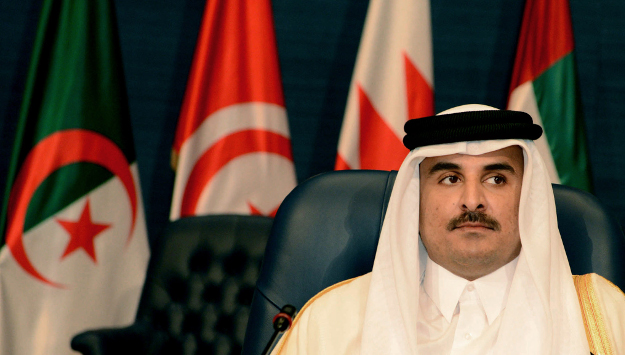
Qatar’s recent cabinet reshuffle marks the latest step in the tiny emirate’s shift away from its high-profile regional activities under former emir, Sheikh Hamad bin Khalifa al-Thani, to the more discreet role of his son and current emir, Sheikh Tamim bin Hamad al-Thani.