Iran's energy potential: domestic and regional implications
Decision-makers in Iran are in a unique position. Years of sanctions, which ostracized the country and crippled its economy, have been lifted, giving way to a deluge of foreign investment in energy, consumer goods and other key economic sectors. These two factors together have already paid political dividends for the leadership in Tehran, which has used the influx of investment to finance its military opposition to the Saudi-led Sunni bloc in Syria and Yemen and to legitimize its status as a critical regional and even global actor.
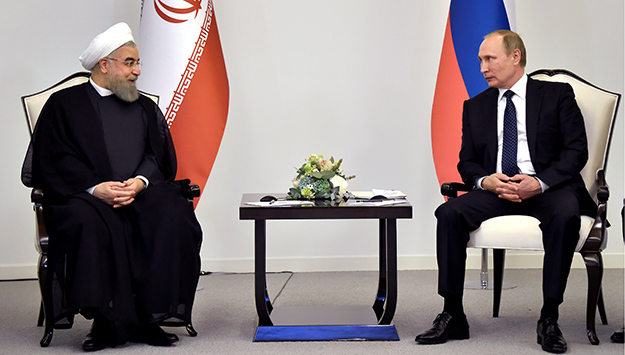
The relationship between Iran and Russia has been characterized more by competition than by cooperation in modern political history. Military incidents during the Soviet era created an atmosphere of distrust, but Russia has become an increasingly prominent economic and political partner of Iran as both countries have been targeted by Western sanctions regimes. More recently, upheaval in global energy markets and the deteriorating security situation in Syria have led to the forging of stronger commercial and political bonds between the two countries.
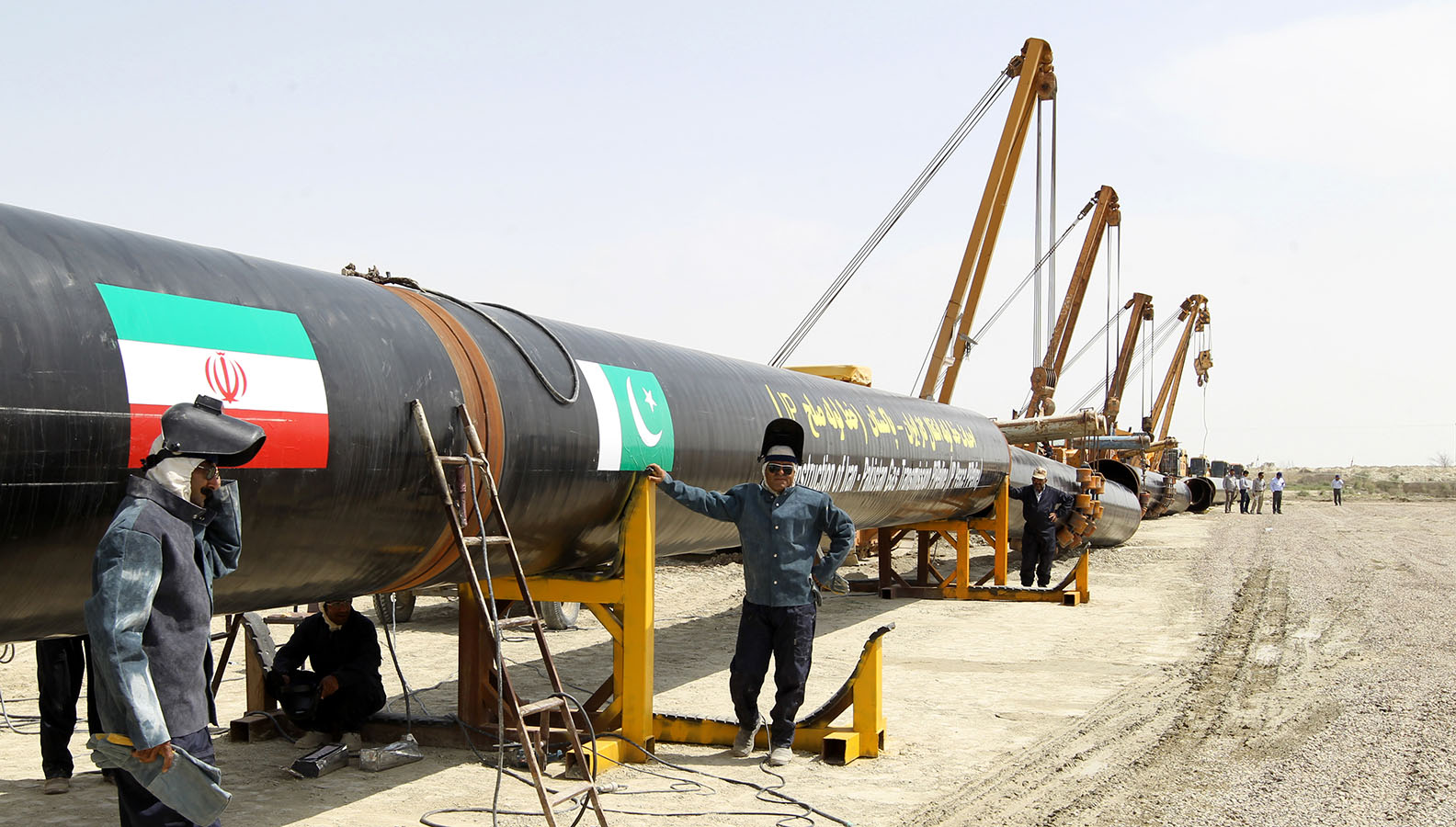
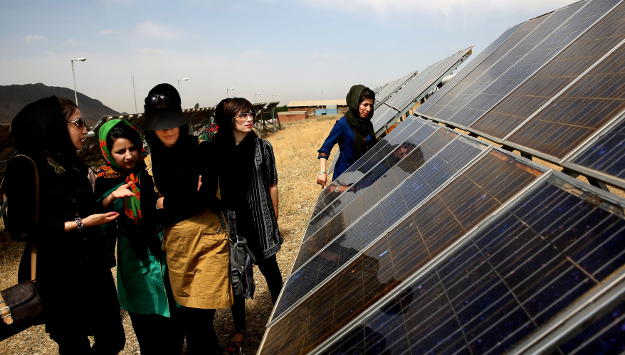
Boasting the fourth largest oil reserve and the second largest supply of natural gas in the world, Iran is a global hydrocarbons behemoth. Nevertheless, Iranian policymakers have shown great interest in renewable energy (R.E.) sources to improve energy security, reduce internal dependence on hydrocarbons, and meet its projected growth in electricity demand. The fulfillment of these objectives is not only realistic and desirable, but also probable for the Iranian government as it has an advantageous topography for renewables.