Skip to Content

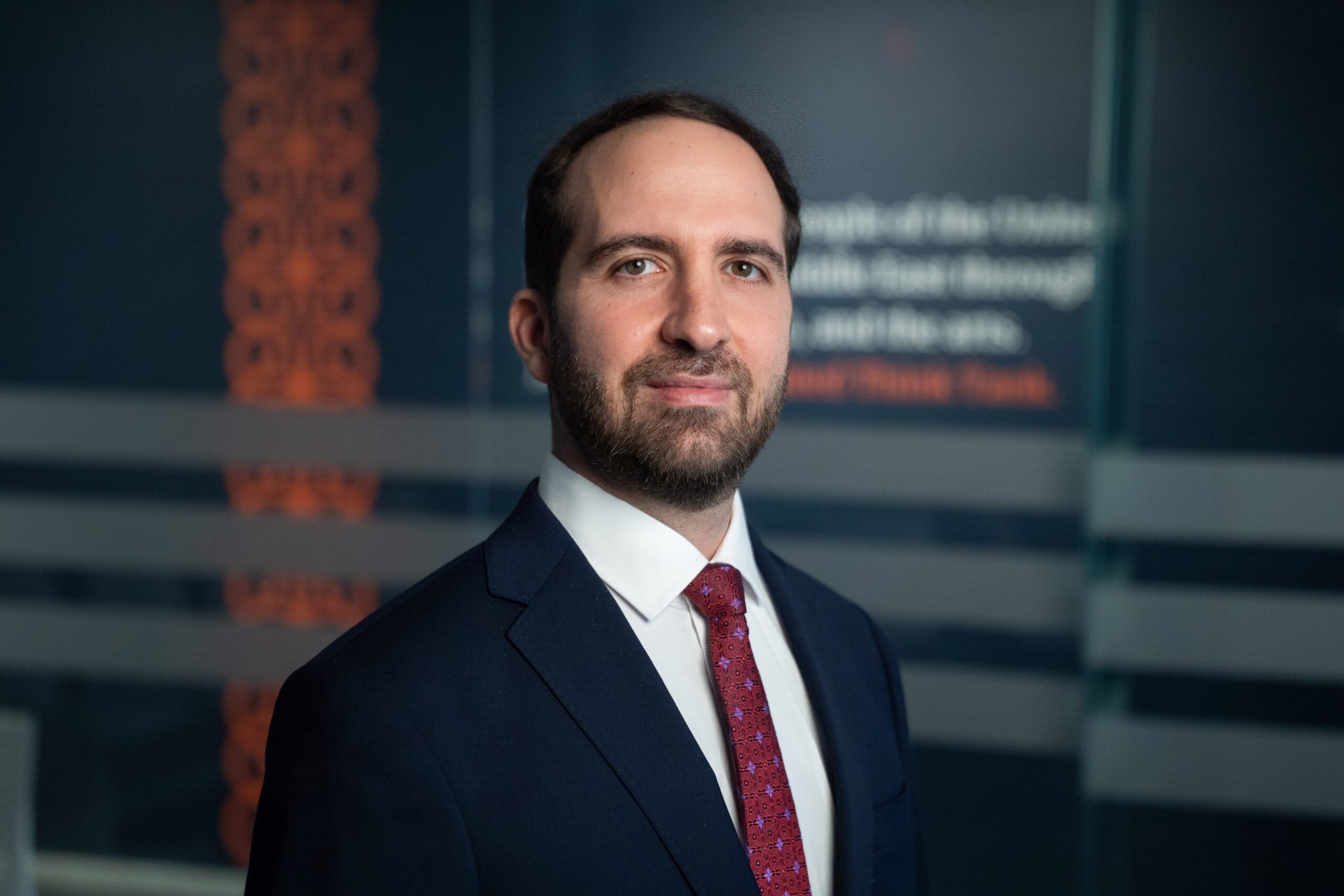
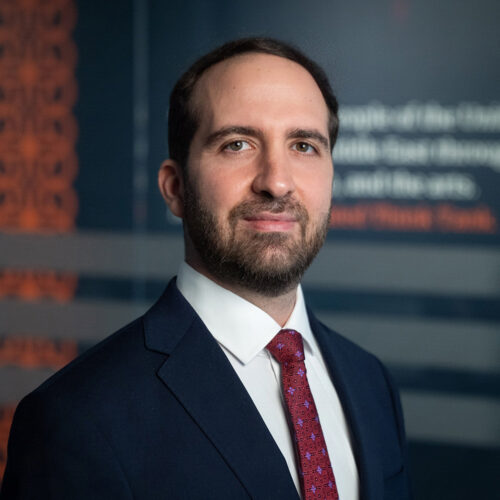
Fadi Nicholas Nassar is a Senior Fellow at the Middle East Institute specializing in US foreign policy, state capacity in fragile states, and the geopolitics of the Levant. His work focuses on how international policy, local politics, and regional power dynamics shape the survival, reform, and recovery of states under crisis.

From 2019 to 2025, he worked on the ground in Lebanon through the country’s financial collapse, the 2020 Beirut Port explosion, and the conflict between Hizballah and Israel. During this period, he directed the Institute for Social Justice and Conflict Resolution and served as assistant professor of political science and international affairs at the Lebanese American University.

Following the Beirut Port explosion, he served on the core team for the World Bank’s Beirut Rapid Damage and Needs Assessment (RDNA), the primary evidence-based study informing recovery efforts. He has also led research and policy initiatives supported by the Carnegie Corporation of New York, the United Nations Development Programme, UNICEF, and the European Union on governance, institutional reform, and resilience across the Arab world.

He is the author of UN Mediators in Syria: The Challenges and Responsibilities of Conflict Resolution (Cambridge University Press, 2024). His work on US strategy and Middle Eastern politics has appeared in academic journals and international outlets in English, Arabic, French, and Spanish.

Dr. Nassar holds a PhD from King’s College London (War Studies), an MPA from Columbia University, and a Bachelor of Foreign Service from Georgetown University.
The Latest from Fadi Nicholas Nassar

Filter by
36 Results
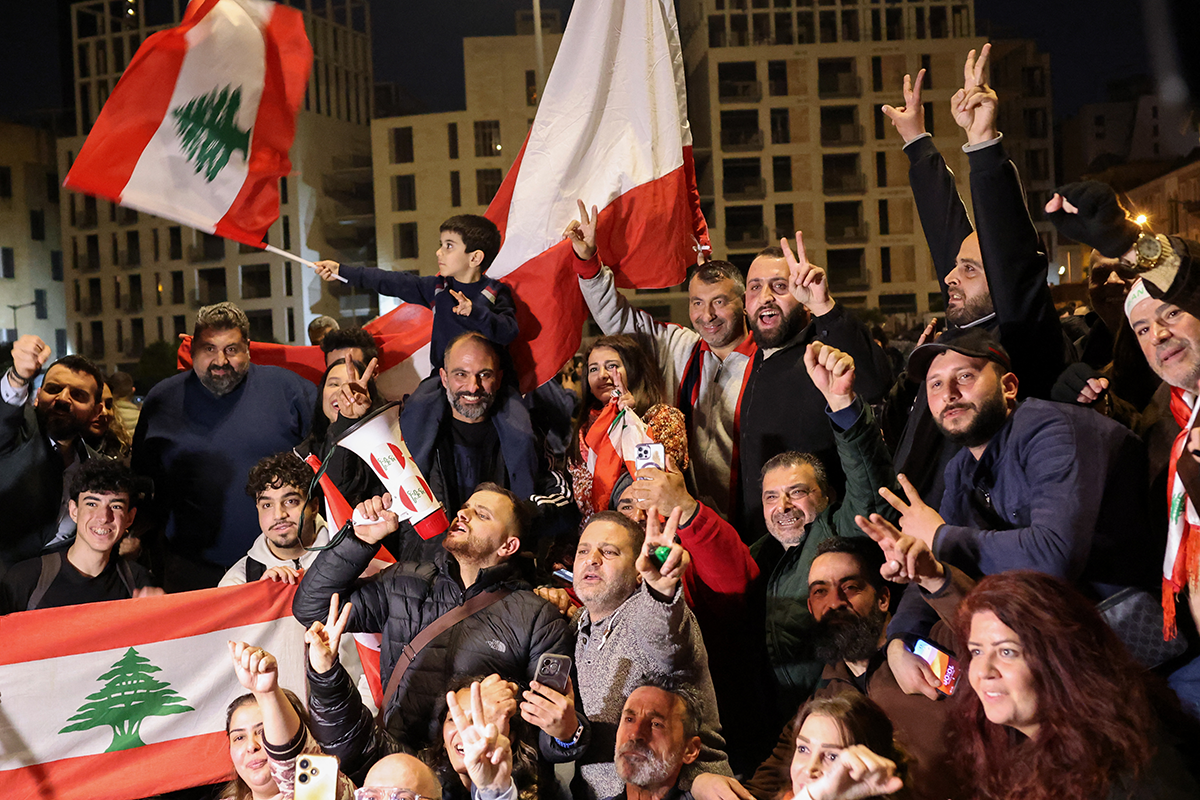
The way forward in Lebanon
Photo by ANWAR AMRO/AFP via Getty Images
  • Analysis
  • The way forward in Lebanon

    The election of President Joseph Aoun and Prime Minister Nawaf Salam is a political breakthrough in Lebanon and a harbinger of what could happen in a country long dismissed as unsalvageable. Beirut’s new leadership reflects the aspiration of a majority of the Lebanese people to live in a functioning state free from the dual drivers of its failure: political violence and pervasive corruption. Those leaders must now deliver on their commitment to establish a state committed and accountable to its people and rise to meet the responsibility that comes with holding the promise of a nation’s future.

    Weekly Briefing: Syria reignites
    Photo by AAREF WATAD/AFP via Getty Image
  • Commentary
  • Weekly Briefing: Syria reignites

    In only six days, a broad coalition of advancing opposition forces coordinated by Hayat Tahrir al-Sham has captured all of Idlib province, almost all of Aleppo province, and a sizeable stretch of northern Hama — a humiliating defeat for Bashar al-Assad and illustrative of the fragility of regime rule in Syria.

    There is no alternative to Hezbollah’s disarmament
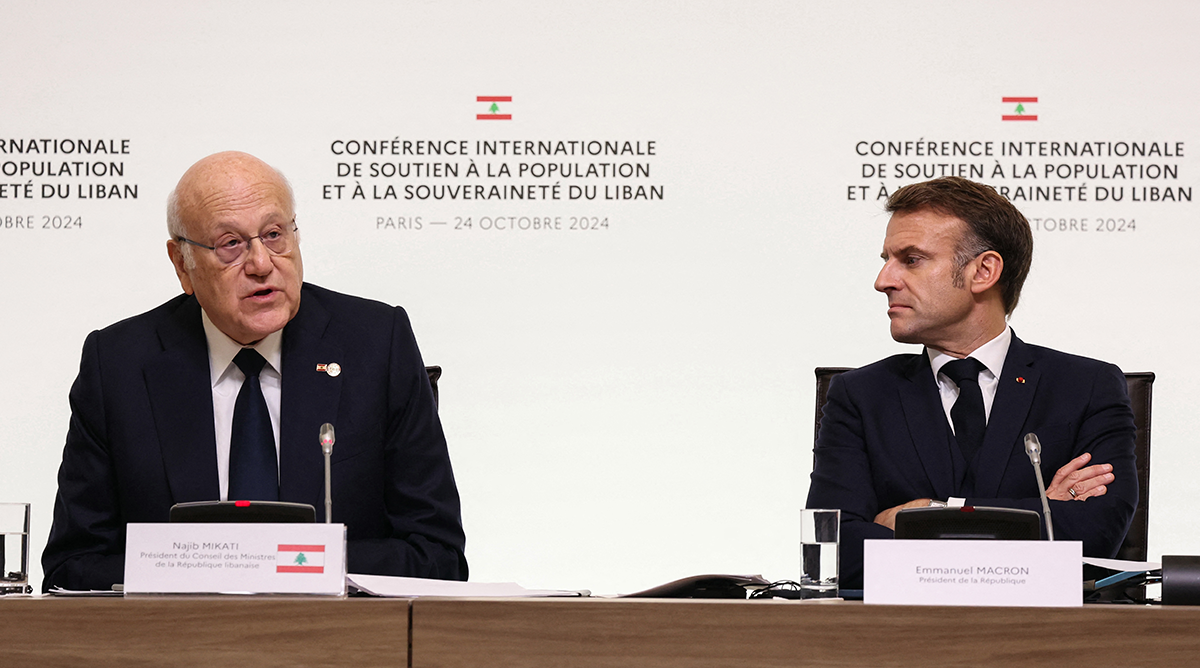
    Photo by ALAIN JOCARD/POOL/AFP via Getty Images
  • Commentary
  • There is no alternative to Hezbollah’s disarmament

    Last week, representatives from around 70 countries convened in Paris to pledge nearly $1 billion in aid for Lebanon. Moving forward, France and the US should work together to summon the political will needed to craft and implement a lasting political solution — one that can effectively safeguard against future wars between Israel and Lebanon.

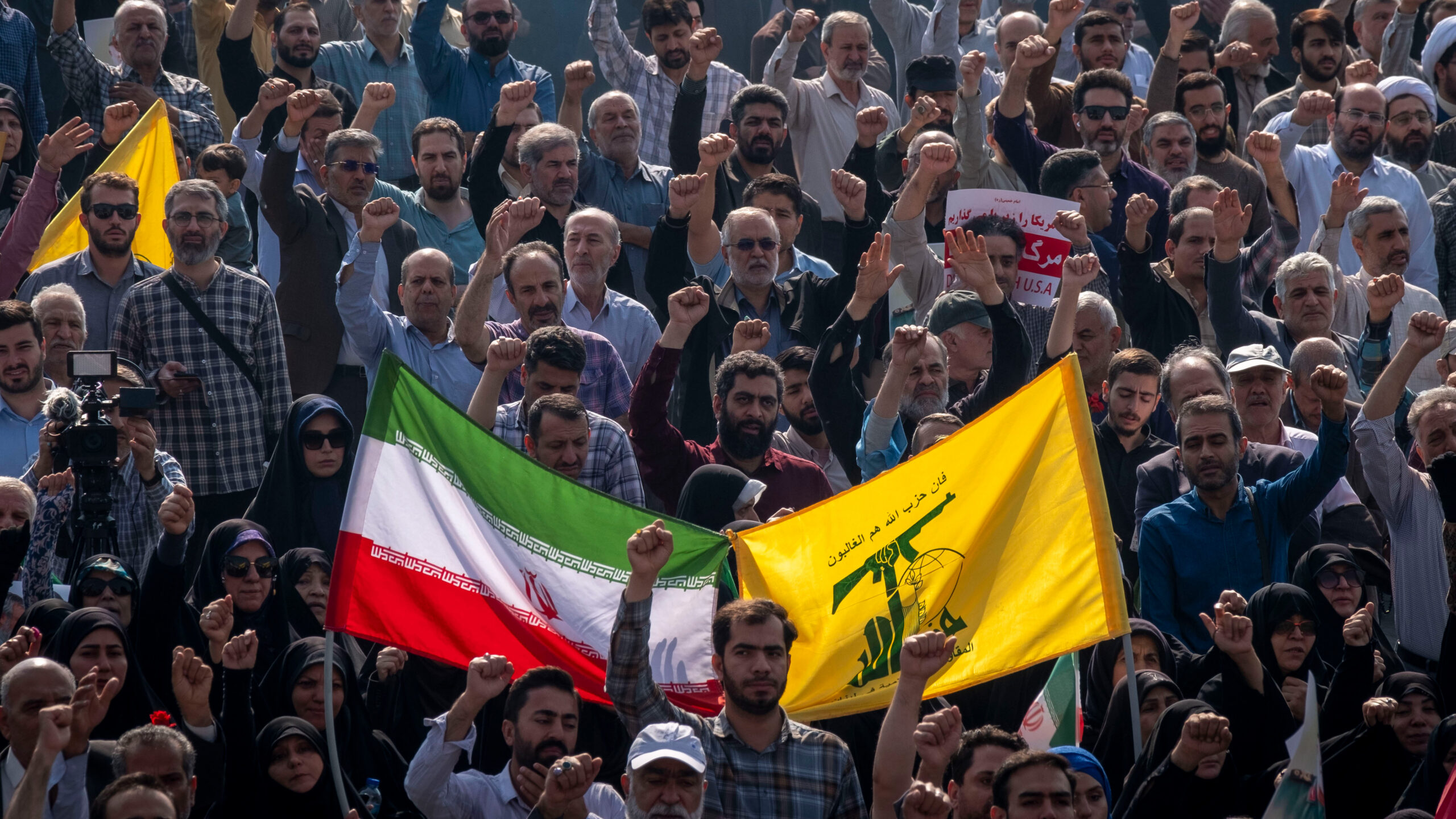
    Washington must make sure this is the last war between Israel and Lebanon
    Photo by Carl Court/Getty Images
  • Commentary
  • Washington must make sure this is the last war between Israel and Lebanon

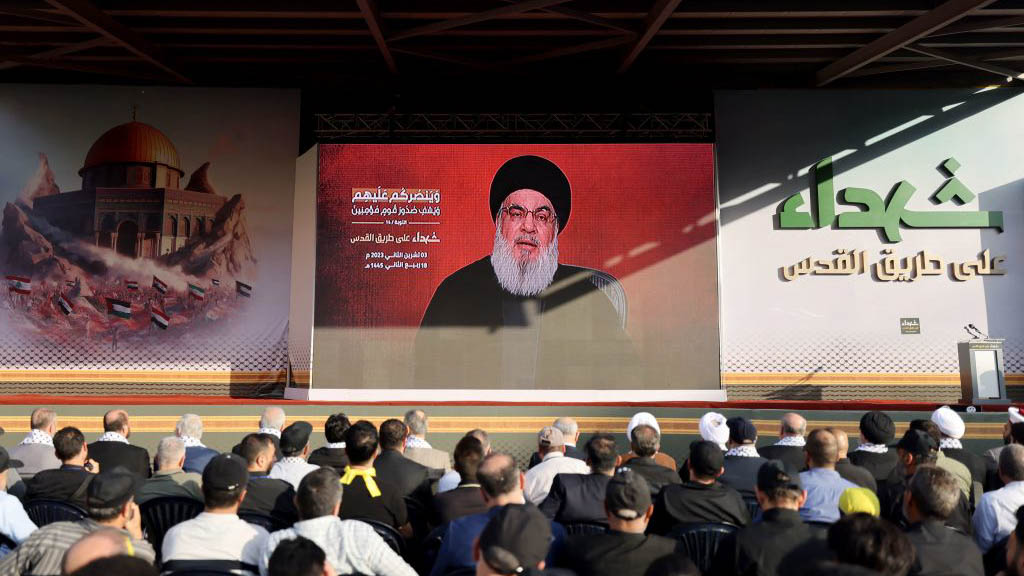
    The assassination of Hezbollah’s secretary-general, Hassan Nasrallah, marks an inflection point that will redefine the security landscape of the Middle East. His deputy, Naim Qassem, has pledged “continued resistance,” claiming Hezbollah was steadfast and will not retreat, while Israel has pressed ahead with a ground invasion of southern Lebanon. The United States must act decisively to ensure this is the last war between Israel and Lebanon.

    Robust diplomacy is Washington’s only chance to stop a Lebanon-Israel war
    Photo by Houssam Shbaro/Anadolu via Getty Images
  • Analysis
  • Robust diplomacy is Washington’s only chance to stop a Lebanon-Israel war

    In navigating the thickening fog of war, ongoing US-led mediation must actively take two critical steps to pull Lebanon and Israel back from the brink and avoid a direct US-Iran confrontation: secure credible guarantees on compliance and endorse local efforts to elect an independent president.

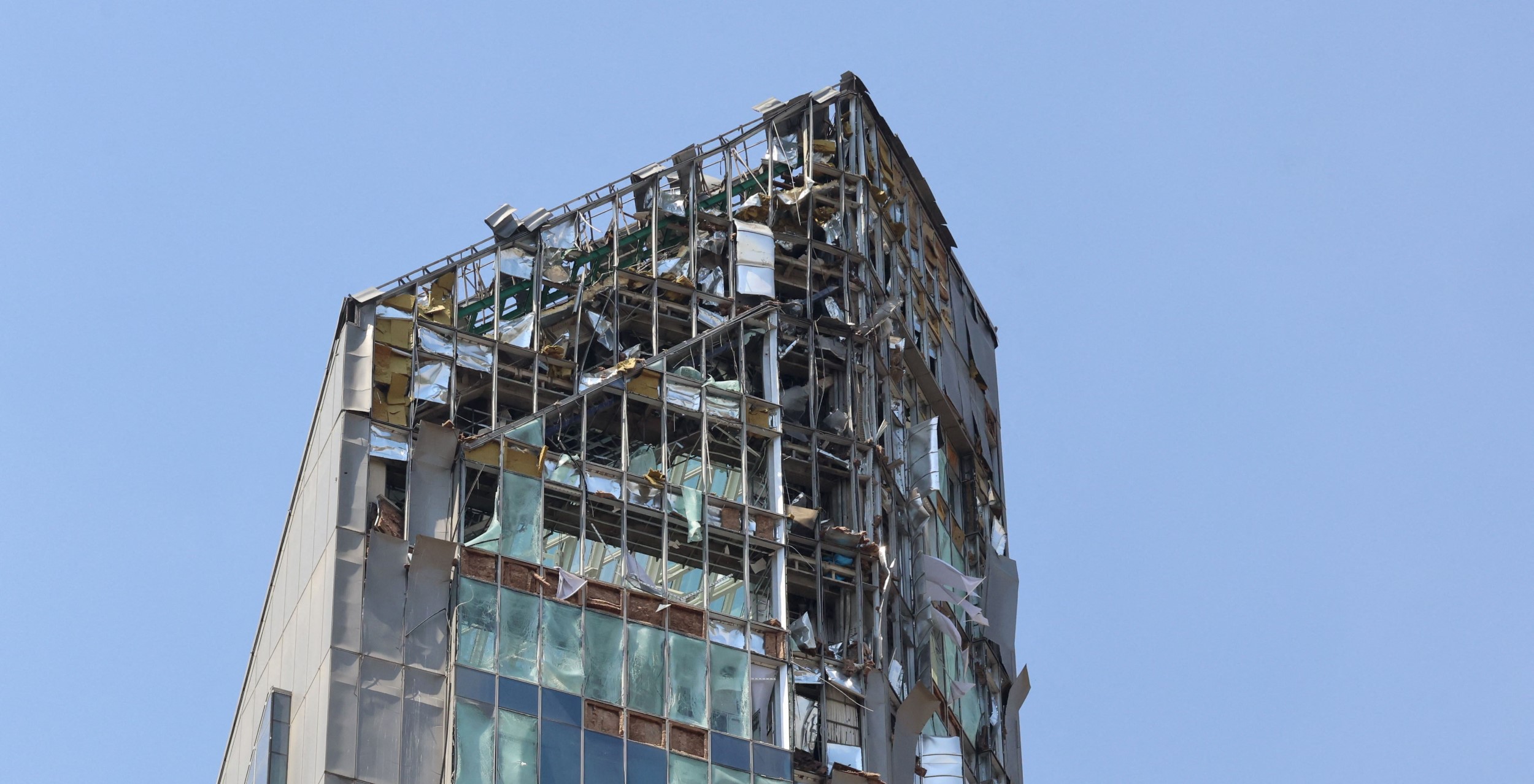
    The Beirut blast three years on: The case for international accountability
    Photo by Houssam Shbaro/Anadolu Agency via Getty Images
  • Analysis
  • The Beirut blast three years on: The case for international accountability

    Three years on from the Beirut port blast, Hezbollah, with the support of Lebanon’s political elite, has managed to obstruct and even quash the domestic judicial process for holding those responsible for the explosion accountable and delivering justice to both victims and a battered nation. The international community must uphold its responsibility toward the Lebanese people by enabling a U.N. fact-finding mission to investigate the blast, sanctioning those responsible for obstructing justice, and making ending impunity the centerpiece of international mediation on the Lebanese crisis.

    The US and France must push back on Iran to break Lebanon’s political gridlock
    Photo by Bilal Jawich/Xinhua via Getty Images
  • Analysis
  • The US and France must push back on Iran to break Lebanon’s political gridlock

    Jean-Yves Le Drian, French President Emmanuel Macron’s envoy to Lebanon, made a preliminary diplomatic visit to Beirut last week. Le Drian’s appointment marks a potential though uncertain opening to consolidate international support for Lebanon to facilitate an end to the political gridlock and leadership vacuum. A short but timely boost in robust diplomacy on the part of Washington, strengthened by clear coordination with Paris and regional partners, can play a decisive role in preventing the unraveling of another failed authoritarian state that could further destabilize the region and force even more costly engagement in the future.