This individual is a guest contributor. MEI is not able to assist with contact requests.
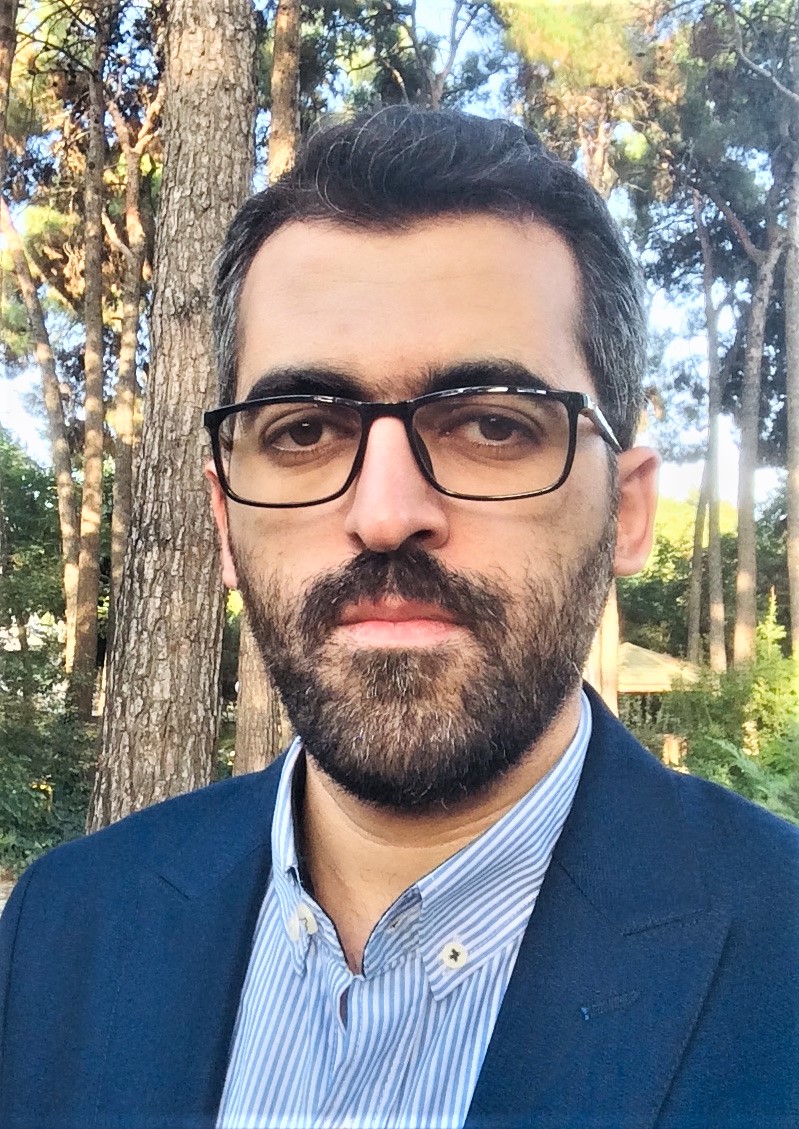
Fardin Eftekhari is a PhD candidate in the Department of Regional Studies at the University of Tehran and his thesis is titled “The Sanctions and Russian-Iranian Economic-Security Fragmegration.” He also has an MA in International Relations from Shahid Beheshti University in Tehran. Fardin’s work focuses on Iranian national security and foreign policymaking.
Russia doesn't see Israel as a preferred strategic partner over Iran
Iranian observers argue that Russia is willing to sacrifice Iranian interests when expedient, and some might even think that Russia is pivoting toward Israel in its Middle East policy. Nonetheless, the big picture of Russo-Iranian relations over the last decade reveals security cooperation between Tehran and Moscow that stands on a strong and reliable foundation, with both countries benefitting.
Moscow may be disillusioned with the new officials in Tehran
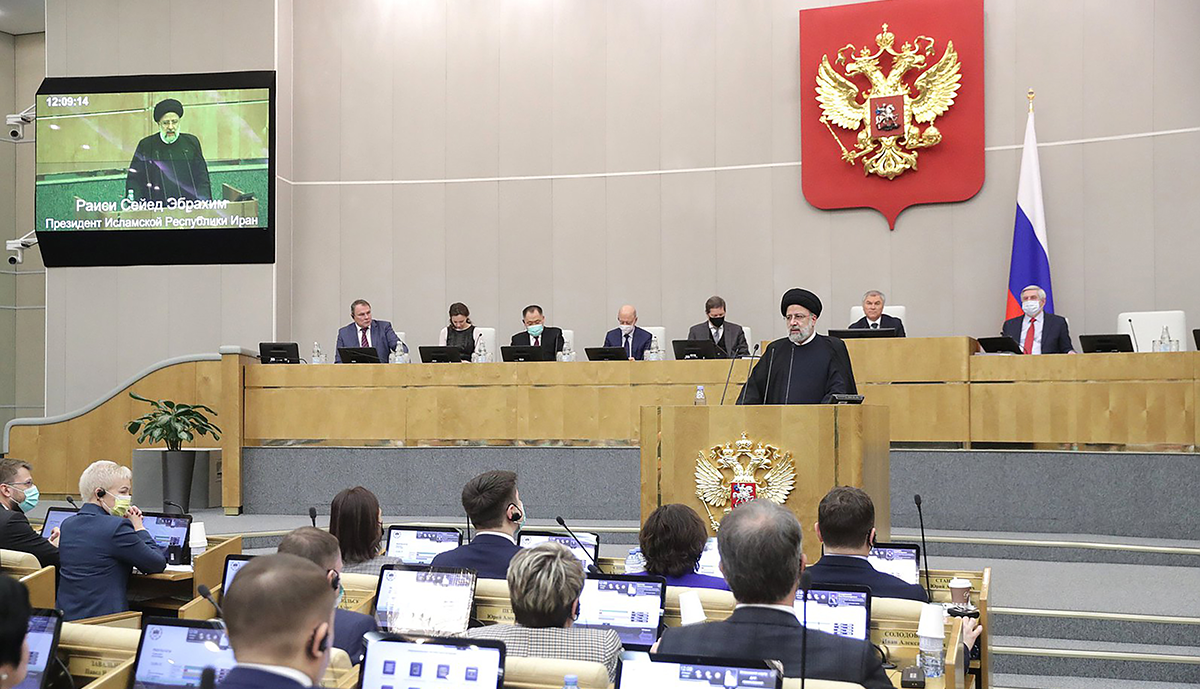
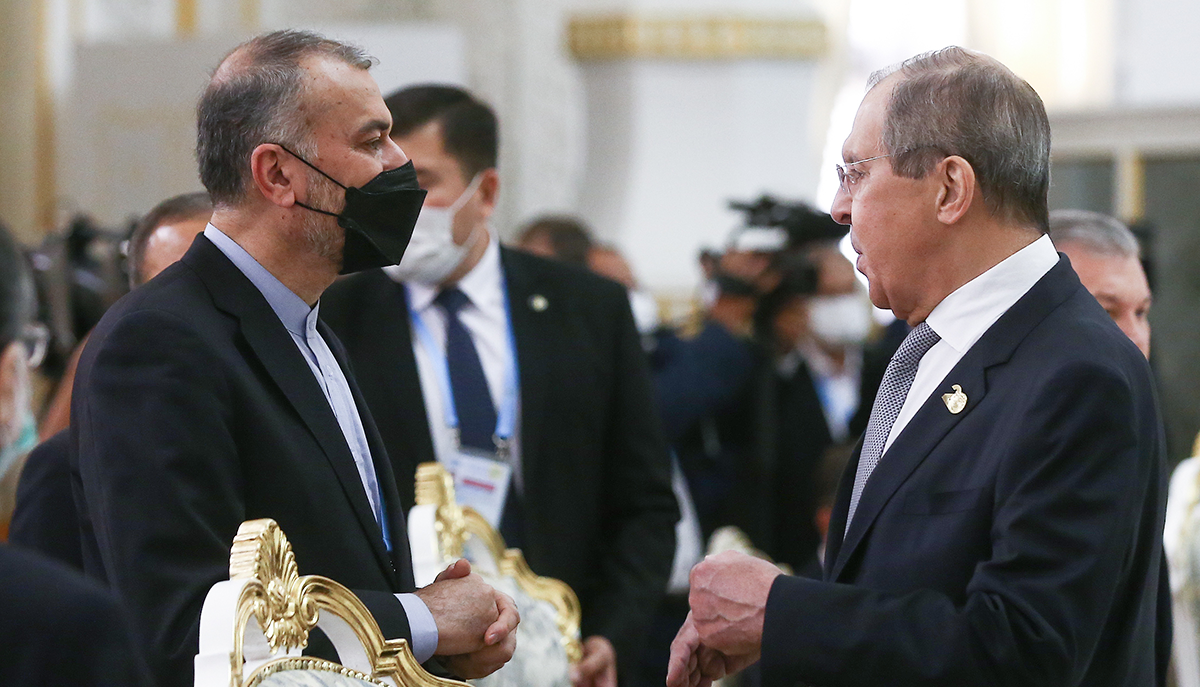
The new government of Iran, under President Ebrahim Raisi, still looks like a black box. It isn’t yet clear what policy the new officials in Tehran want to pursue in the nuclear negotiations — or even if they will negotiate at all. Hossein Amirabdollahian, Iran’s new foreign minister, shed some light on this darkness and said that “consultations are underway within the new Iranian government on how to continue the Vienna nuclear talks.” It appears the “consultations” have reached a meaningful point and the replacement of key positions has begun in the foreign policy apparatus. As a first move, Ali Bagheri Kani, a conservative close to former top nuclear negotiator Saeed Jalili, replaced Abbas Araghchi, the political deputy foreign minister. The emerging new team in Tehran looks strange not only to the U.S. and Europe, but also to Russia.
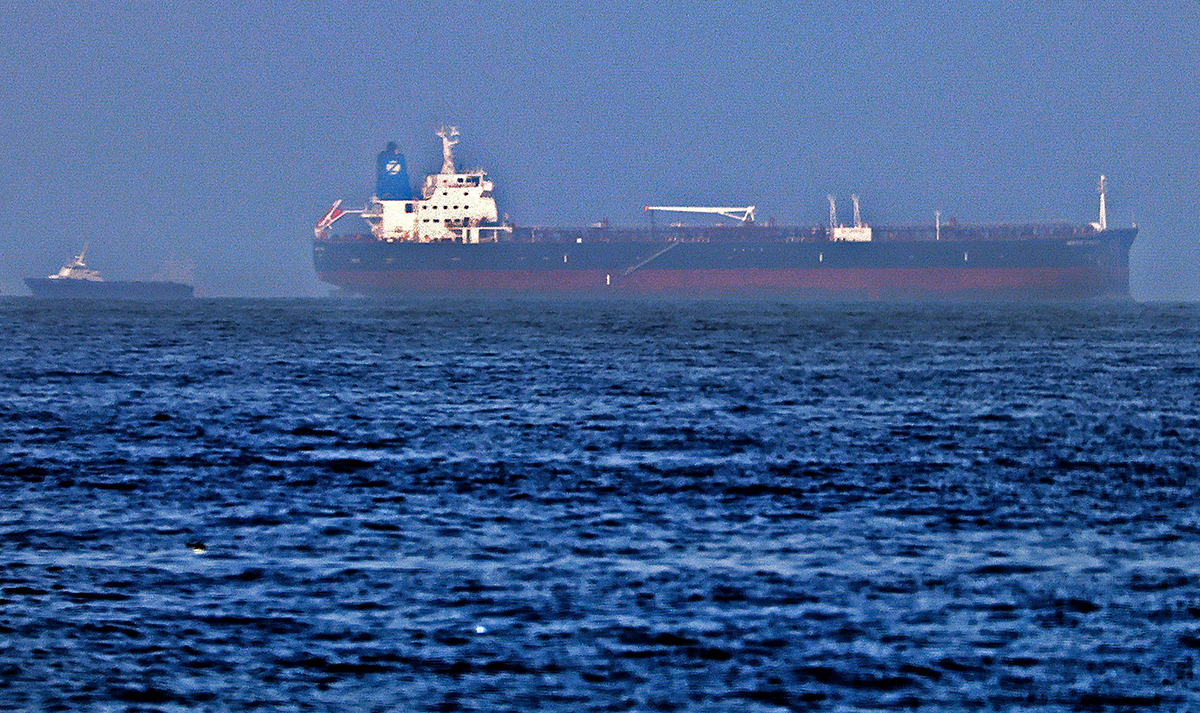
The July 29 suicide drone attack on the Israeli oil tanker Mercer Street, which left two British and Romanian crewmembers dead in the Arabian Sea, was carried out by Iran and was intended to cause human casualties and physical damage, according to the investigative report from U.S. Central Command(CENTCOM). While Tehran denied any hand in the strike, the G7 directly blamed Iran and U.S. Secretary of State Antony Blinken promised a “collective response.”
Russia’s careful calculus in supplying Iran with a high-tech satellite
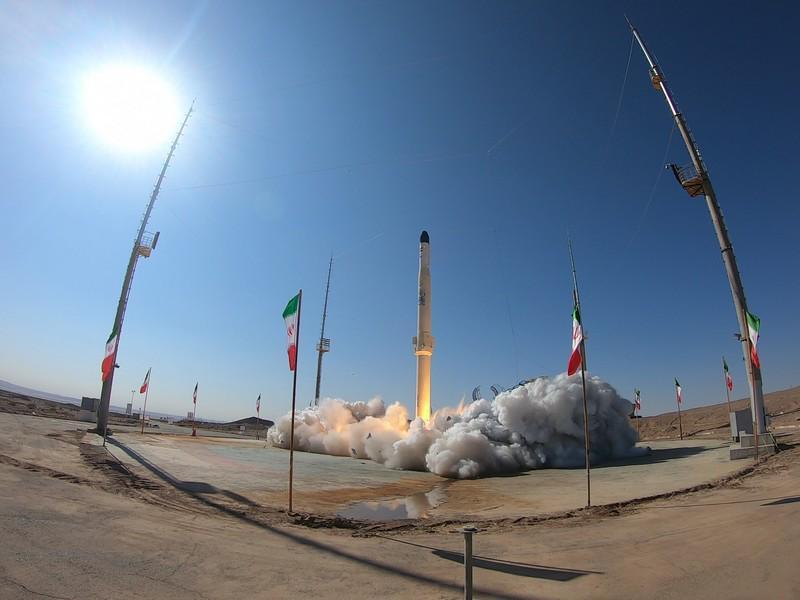
According to reporting from The Washington Post, Russia is set to provide Iran with a high-tech satellite called Kanopus-V. Russia will launch the satellite from its territory and then hand over control to an Iranian crew that received essential training in Russia. Iran will control the satellite from a newly built facility in Alborz Province, near Tehran.
At a rally in Florida, Donald Trump stated that Iran will be the first country to call to him after his reelection because the Iranians are “dying for a deal.” National Security Advisor Robert O’Brien added that “it is very difficult for Iran to refuse to negotiate” because “Iran cannot sustain economic pain much longer and… we don’t think they can hang in there for another four years.”
There is no doubt that the Trump administration’s “maximum pressure” campaign has had serious negative impacts on Iran’s economy and that the country is experiencing a crisis. But, if the past is any indication, the sanctions or economic pressure will not be the main drivers of Tehran’s decision-making if it decides to compromise with the United States. To imagine that a deal is in the offing due to Iran’s dire economic straits seems simplistic.
As Tehran looks East, can it forge stronger ties with Moscow?
Iran’s high leadership has come to a consensus on an eastward shift in its foreign policy, and Russia is a salient part of that. Recent indications suggest that, at least for now, the Russians do not want to enlarge their footprint in Iran. Yet Iran wants a more proactive Russia.