Skip to Content

Farhan Zahid

This individual is a guest contributor. MEI is not able to assist with contact requests.

Farhan Zahid

Farhan Zahid earned his PhD in Terrorism Studies from Vrije University Brussels (VUB) in Brussels, Belgium. He writes on counter-terrorism, al-Qaeda, Pakistani al- Qaeda- linked groups, ISIS, Islamist violent non-state actors in Pakistan, jihadi ideologies, and the Afghan Taliban. He authored “Roots of Islamic Violent Activism in South Asia,” (2014), “From Jihad to al-Qaeda to Islamic State,” (2015), and “The Al-Qaeda Network in Pakistan” (2015).

The Latest from Farhan Zahid

Filter by
4 Results
Jihadism in South Asia: A militant landscape in flux
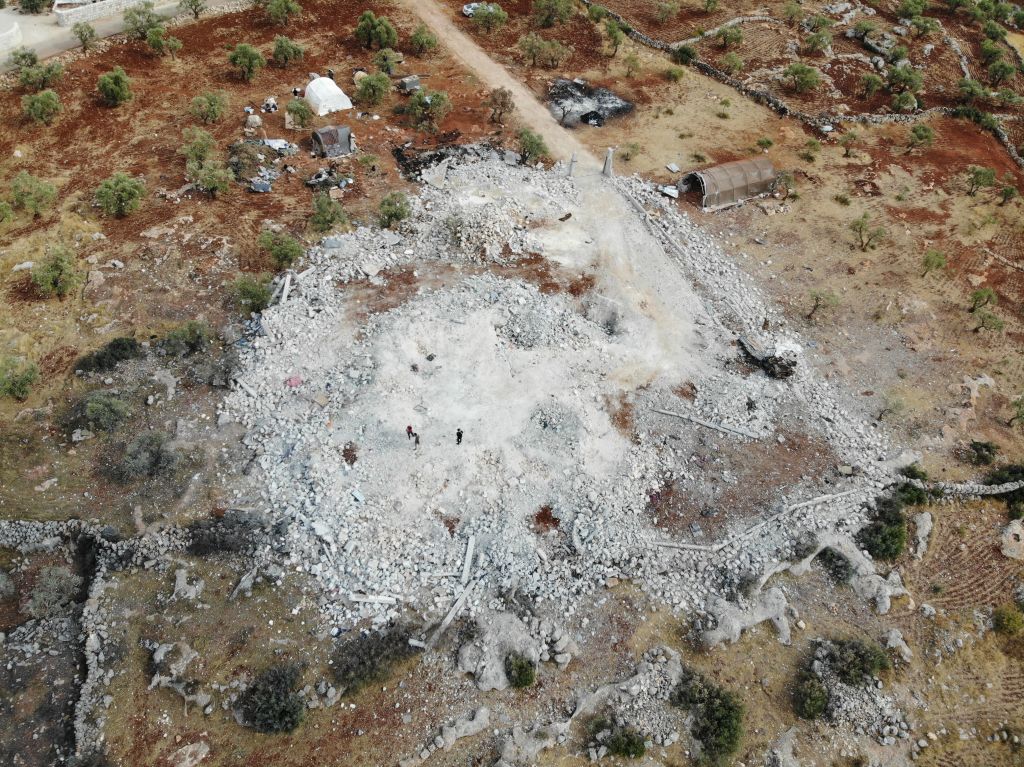
An aerial view taken on November 1, 2019, shows the site where the Islamic State group leader Abu Bakr al-Baghdadi was reportedly killed according to US president Donald Trump, in a daring nighttime raid by US special forces near the small village of Barisha in northwestern Syria.
  • Analysis
  • Jihadism in South Asia: A militant landscape in flux

    Over the past five years, the focus of U.S. counterterrorism strategists has remained on the Middle East, especially after the emergence of ISIS in 2014, while Islamist terrorist organizations operating in South Asia have been considered a secondary threat. However, the fact remains that South Asia is home to more Islamist terrorist organizations than any other region of the world. Al-Qaeda was born there, in Afghanistan, and ISIS has roots in the region. But at the turn of the decade both global jihadist groups are now facing major challenges and the critical question is whether they will manage to survive this period of crisis amid a severe leadership vacuum following the death of ISIS’s supreme leader and caliph, Abu Bakr al-Baghdadi, and the killing of al-Qaeda heir apparent Hamza bin Laden. 
    January 8, 2020

    US-Taliban talks won’t lead to lasting peace
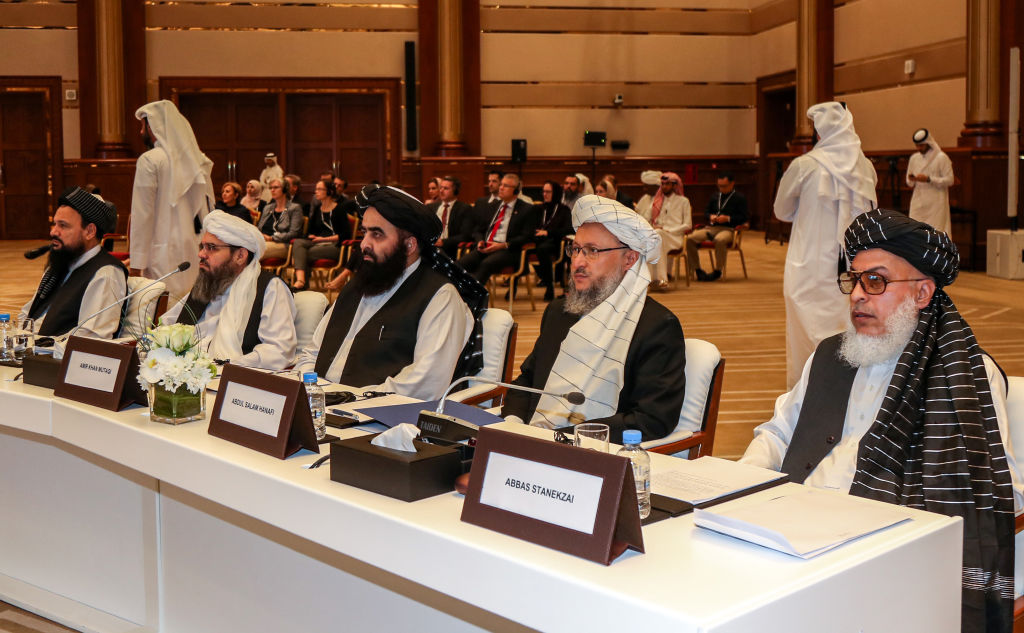
    Afghan Taliban delegation attends the Intra Afghan Dialogue talks in the Qatari capital Doha on July 7, 2019.
  • Analysis
  • US-Taliban talks won’t lead to lasting peace

    Much has been written about the ongoing direct peace talks between U.S. Special Representative Zalmay Khalilzad and an Afghan Taliban delegation headed by Mullah Sher Mohammad Abbas Stanikzai in Doha, Qatar. This article takes a closer look at the challenges to negotiating with the Afghan Taliban and lays out six reasons why the prospects for peace in Afghanistan still seem bleak.

    August 19, 2019

    The Return of Al-Qaeda to Pakistan
  • Analysis
  • The Return of Al-Qaeda to Pakistan

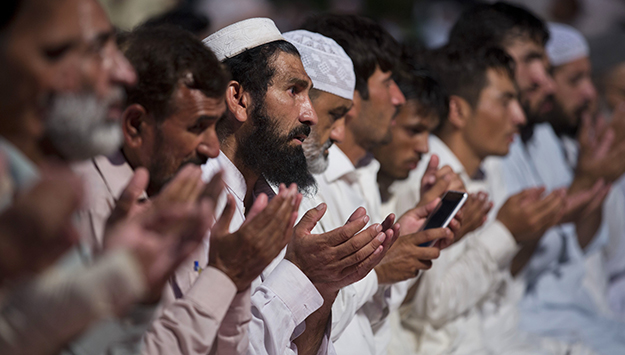
    Al-Qaeda appears set to make a comeback in Pakistan, with battle-hardened militants returning from Syria and Iraq and eyeing for the resurrection of al-Qaeda in Pakistan.[i] A new terror group, Jamaat ul Ansar al-Shariah Pakistan, surfaced in June 2017, and is comprised of fighters who have returned from the Middle East.

    August 24, 2017

    Islamist Terrorism in Pakistan: New Alignments, New Tactics
  • Analysis
  • Islamist Terrorism in Pakistan: New Alignments, New Tactics

    Much has been written on the evolution of Islamist terrorism in Pakistan, the role of military dictatorships in nurturing Islamist terrorist groups, and Islamist parties and proselytizing groups working hand in glove with terrorists. Al-Qaeda and the Afghan Taliban were born in Pakistan, in addition to the country’s own long list of local terrorist groups such as the multi-faceted Tehreek-e-Taliban Pakistan (T.T.P.). Pakistan is now going through a new phase of Islamist militancy, with new alignments and the adoption of new tactics by jihadists.

    April 12, 2017