The Biden Administration’s National Security Strategy
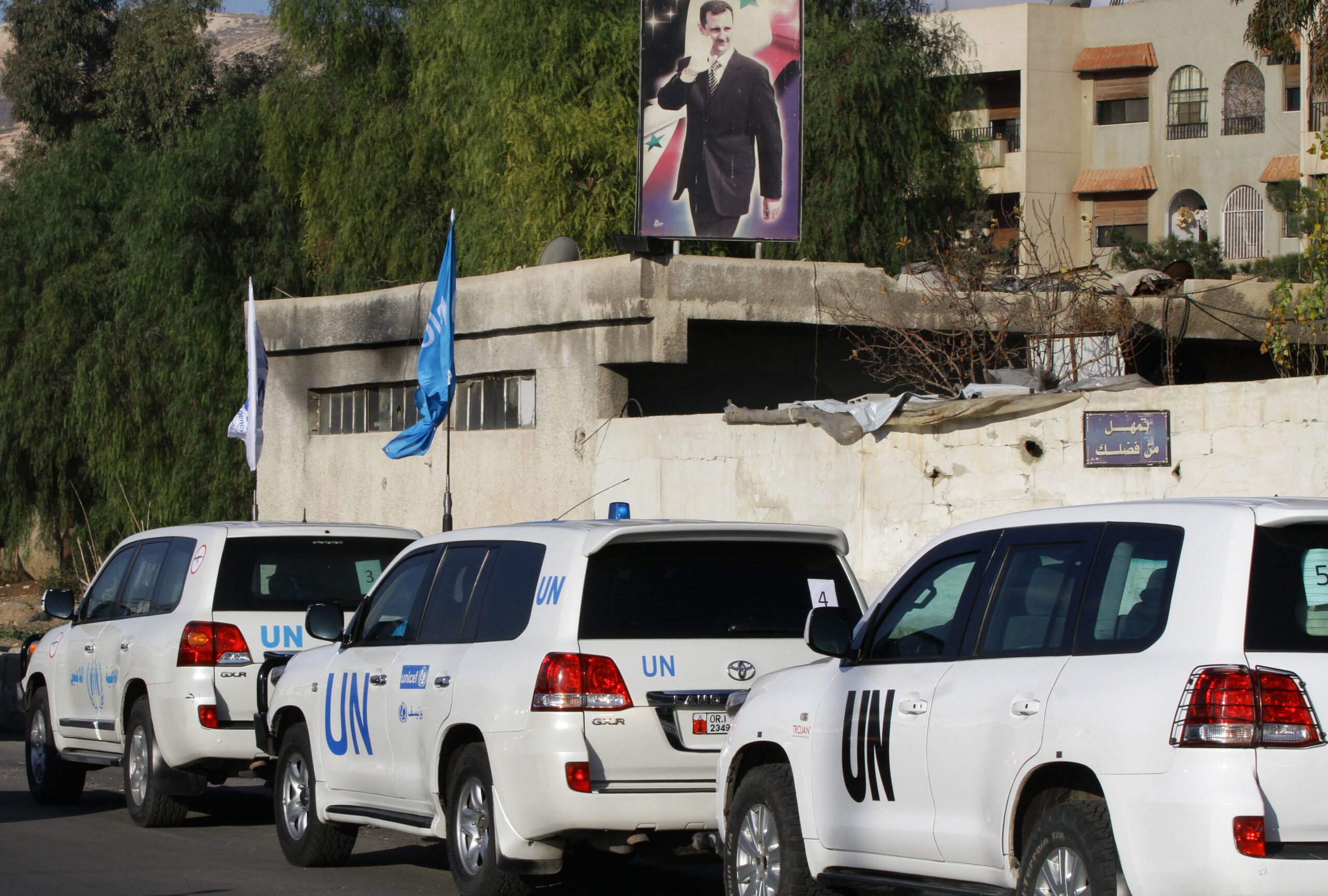
The Biden Administration’s National Security Strategy has drawn some criticism for its relatively late release, but what of its actual substance? Today, Alistair Taylor talks with four experts, each with unique insights into the context and strategy of this document with regards to the Middle East, North Africa, and American foreign policy at large.
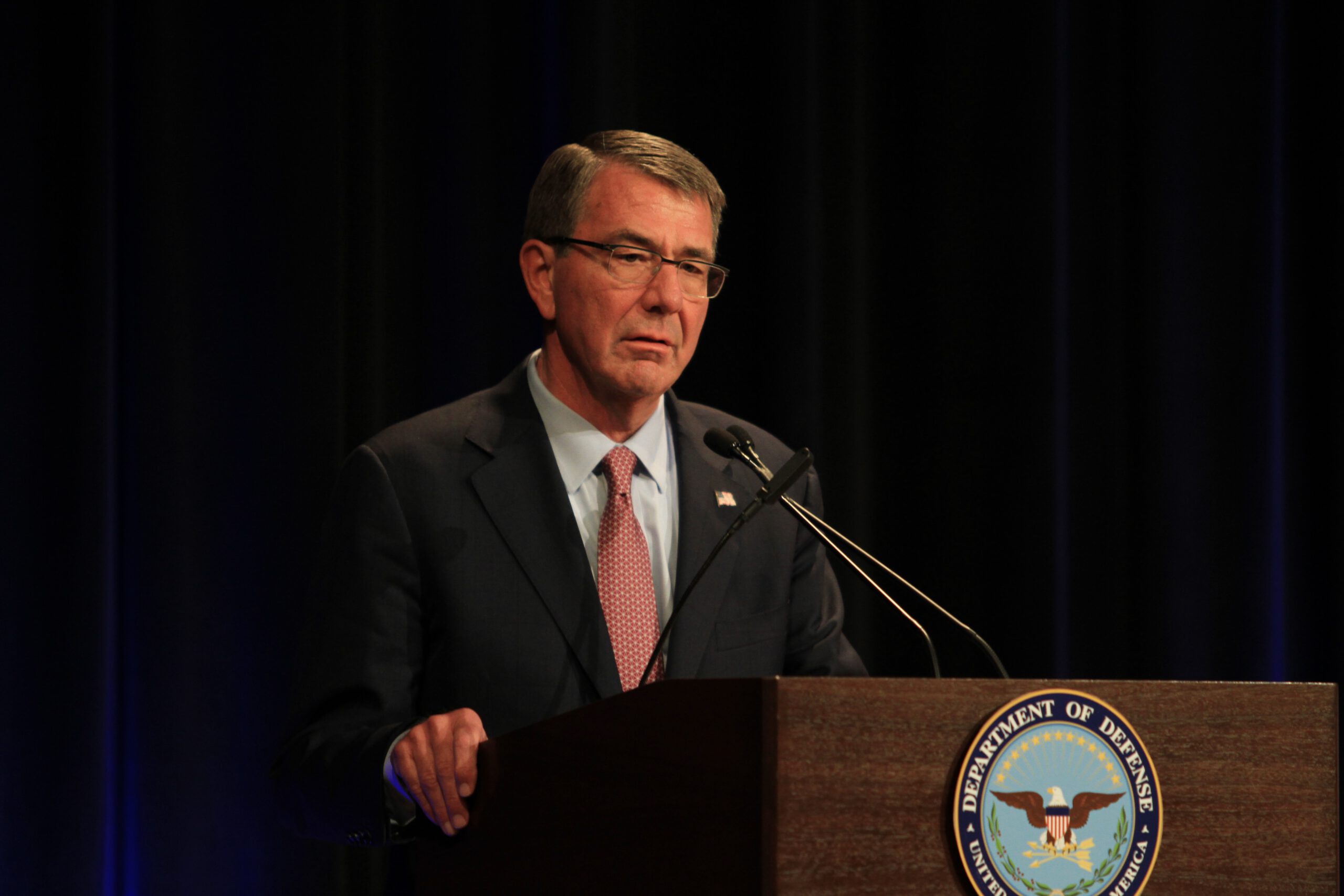
Ashton B. Carter, the 25th U.S. Secretary of Defense, who served under former President Barack Obama, passed away on October 24, 2022. MEI’s scholars react to the news and remember his rich legacy.
Since June 2015 and especially after the failed coup attempt in July 2016, the AKP has taken an increasingly nationalist and Eurasianist turn, as Erdoğan worked to consolidate power by satisfying various nationalist elements. The transition to the presidential system in mid-2018 has intensified Turkey’s existing foreign policy problems and given rise to new ones. This paper lays out the evolution of the AKP’s foreign policy, the consequences of the transition to the presidential system, the impact of Erdoğan’s coalition with the nationalists and Eurasianists, and potential pathways forward.
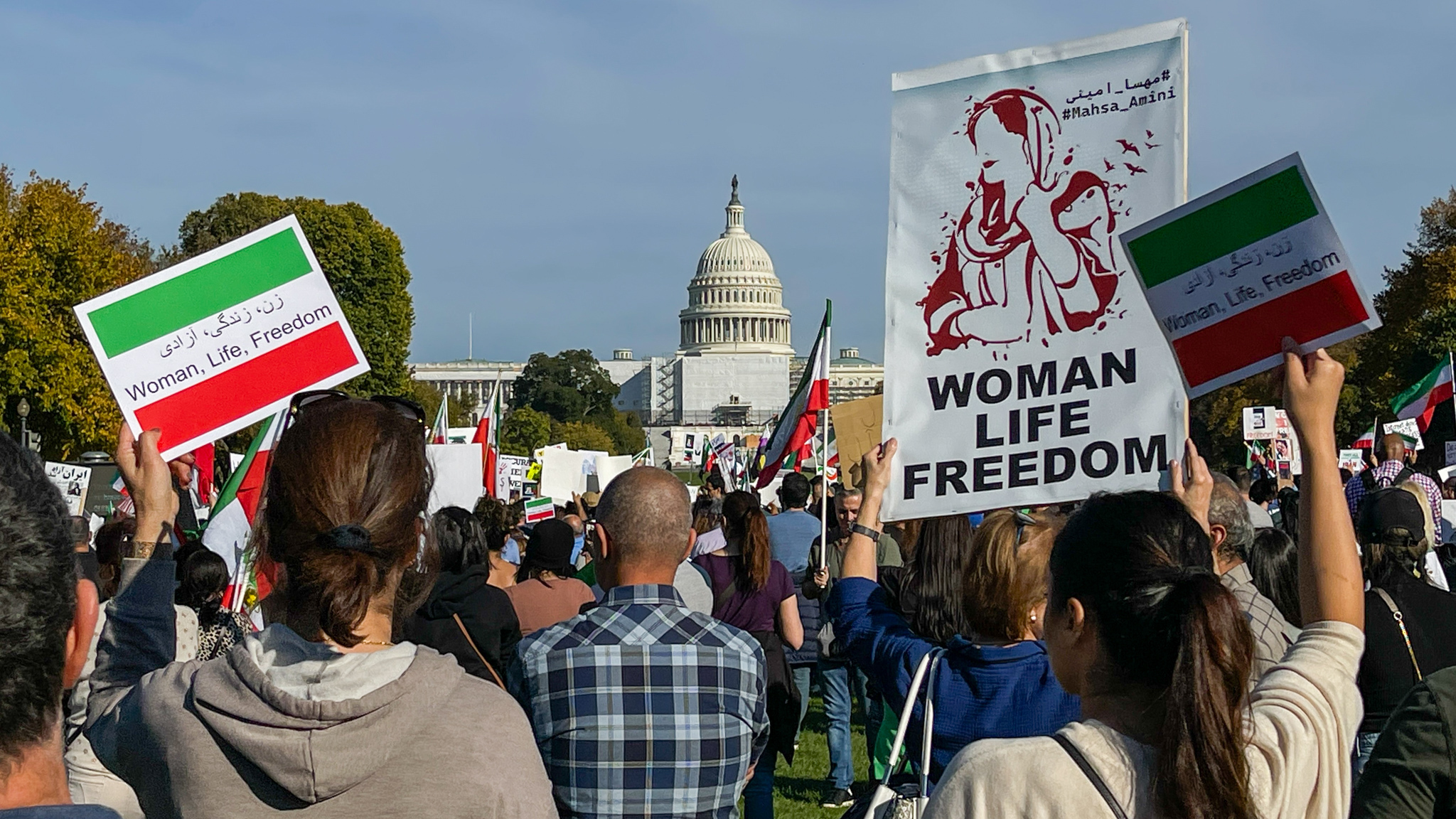
The Islamic Republic’s authorities have learned that they don’t need to take Washington’s reactions to internal oppressions very seriously. Presumably, in their view, as long as the Biden administration maintains even the slightest hope for a new nuclear deal with Tehran, it will not take any tough actions vis-à-vis Iran’s domestic policies.
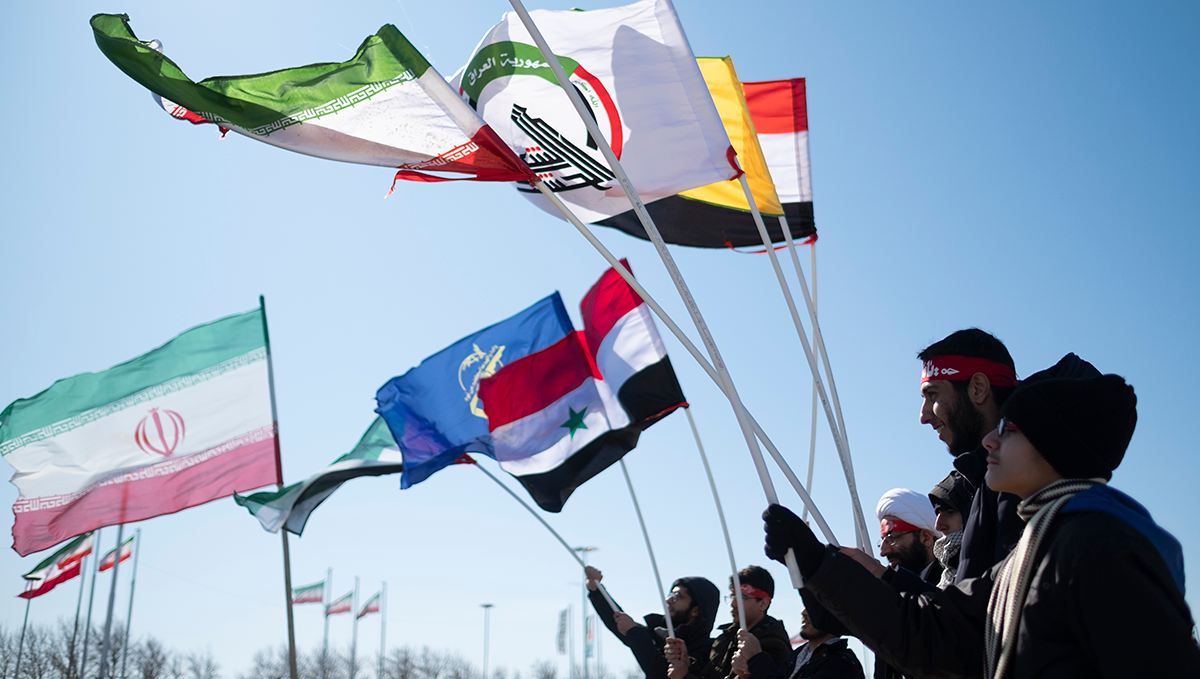
Iran’s playbook in the Arab world: Ideology or domestic politics?
Over a span of more than four decades, Iran’s foreign policy toward the United States, Israel, and the Arab world has demonstrated remarkable continuity. The ideological underpinnings of the first decade were substituted with regime security and national security exigencies in the later decades.
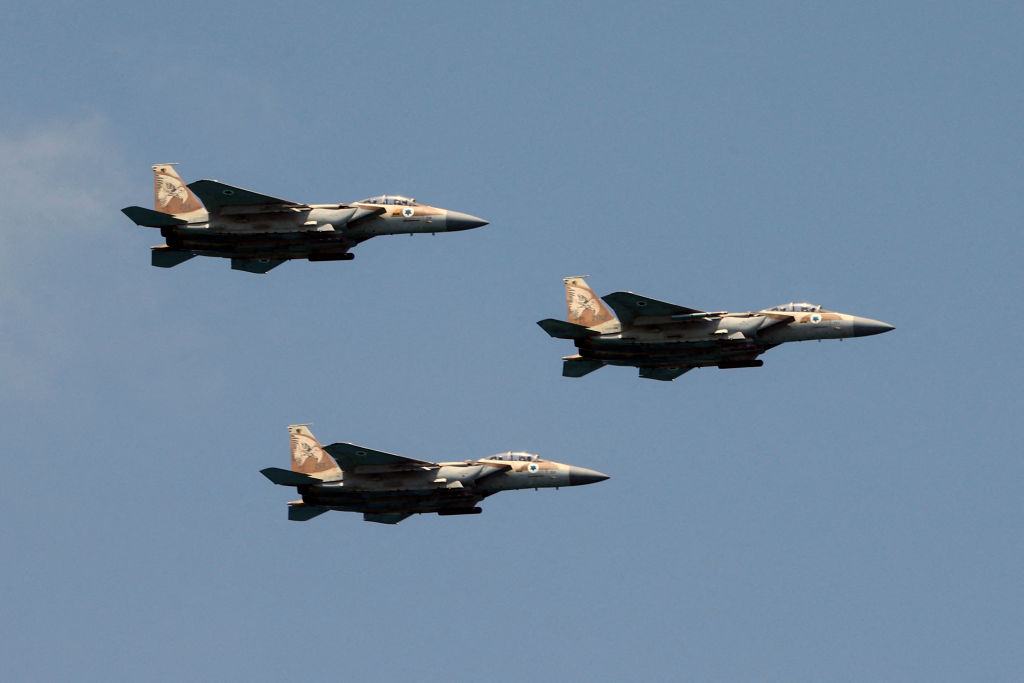
A top priority of the regional order envisioned by the Abraham Accords should be building confidence by sharing cybersecurity tools through the Negev Forum.
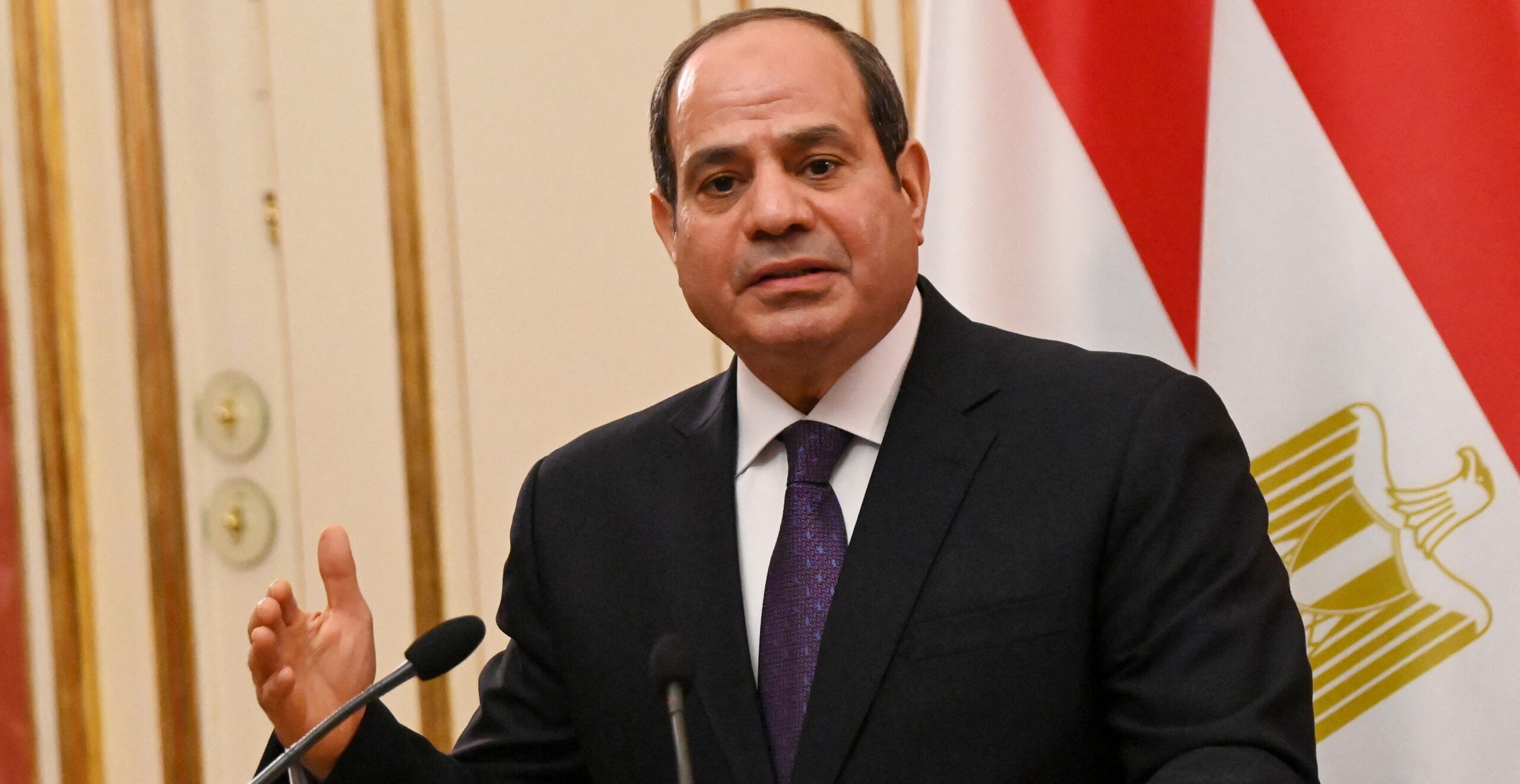
Egyptian “national dialogue” will kick off amid difficult domestic situation
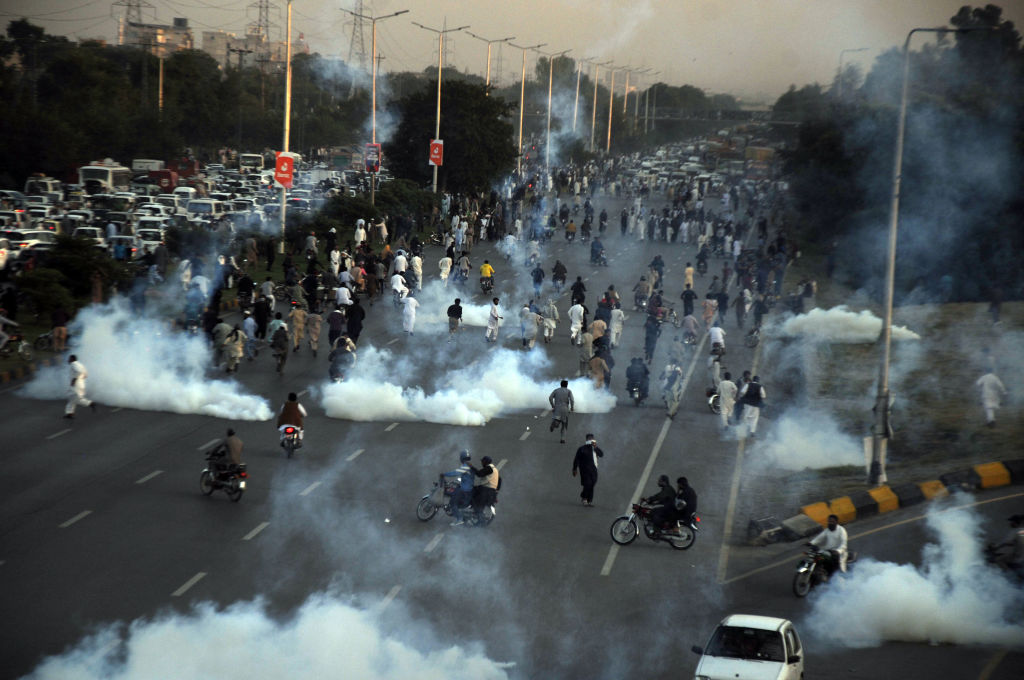
The “national dialogue” that Egyptian President Abdel-Fattah el-Sisi called for more than five months ago has nearly concluded its lengthy preparatory stage, though the official launch has repeatedly been pushed back. It will be a rare chance for opposition parties to present alternative policies to those of the president. But whether the dialogue marks a genuine change in the regime’s authoritarian policies remains to be seen.
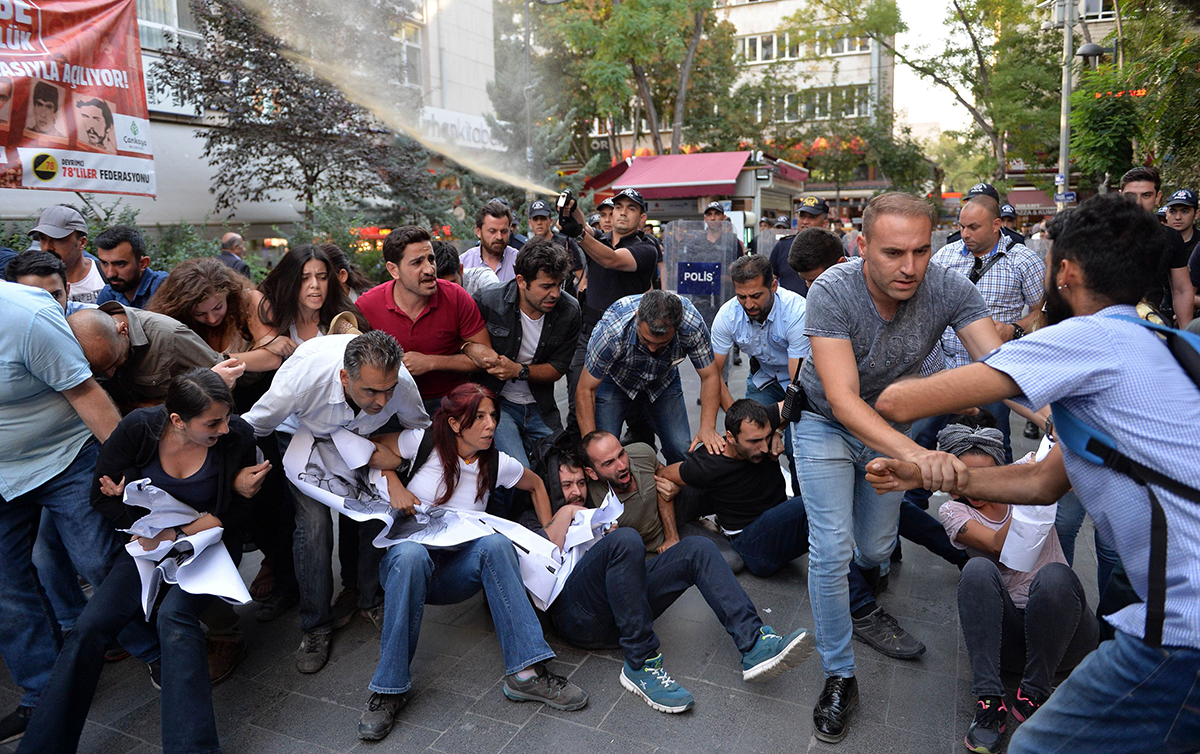
The Costs of a Presidential System: The Impact of Hyper-Centralization on Turkey’s Educational and Cultural Affairs
Turkey’s transition to a hyper-centralized presidential system has had a devastating impact on its educational and cultural affairs. The erosion of the rule of law and due process and the ensuing arbitrary rule by an all-powerful president have given rise to a growing malaise in the educational and cultural fields. The fragility of academic and media freedoms and the lack of legal and cultural norms guaranteeing freedom of speech compound the problem.
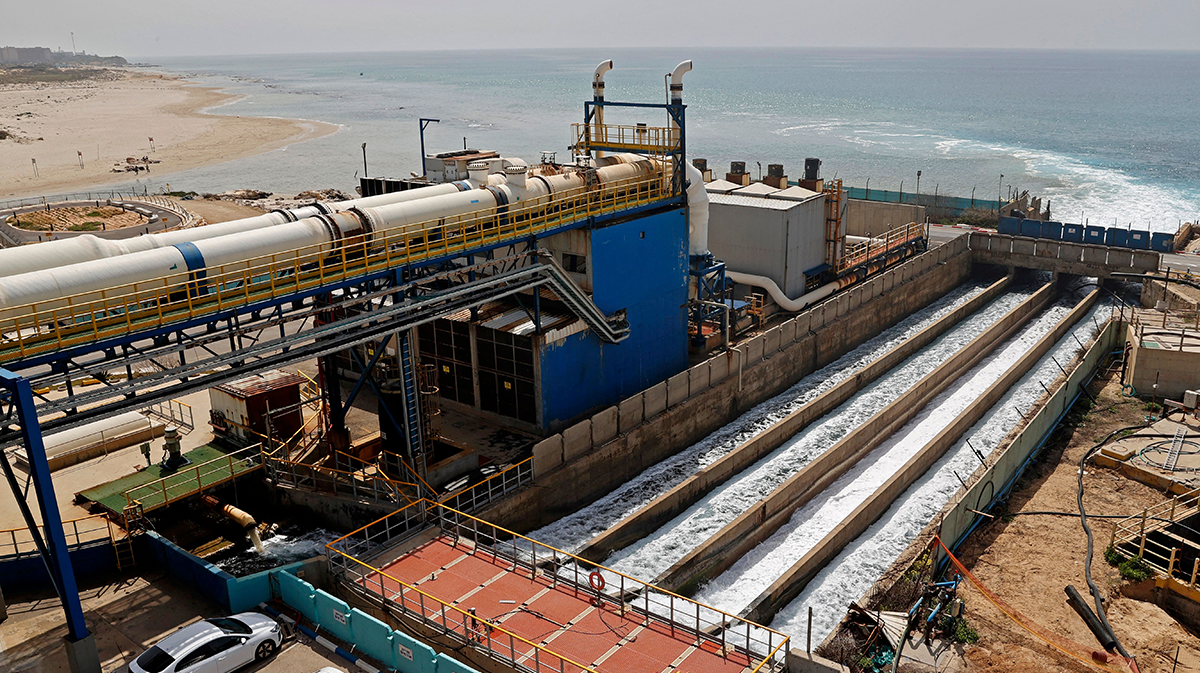
Climate change and salinity in the Eastern Mediterranean
In the Mediterranean Basin, water-starved countries from Morocco to Israel are not only expanding their reliance on desalination, they are doing so precisely because they are increasingly susceptible to the effects of climate change on global atmospheric and marine circulation. With desalination now within reach as a more viable, long-term water augmentation strategy, increased attention has been given to the detrimental effects of brine disposal on the local environment. More immediately obvious effects such as these, however, may belie greater factors at work at the nexus of salinity and climate change.
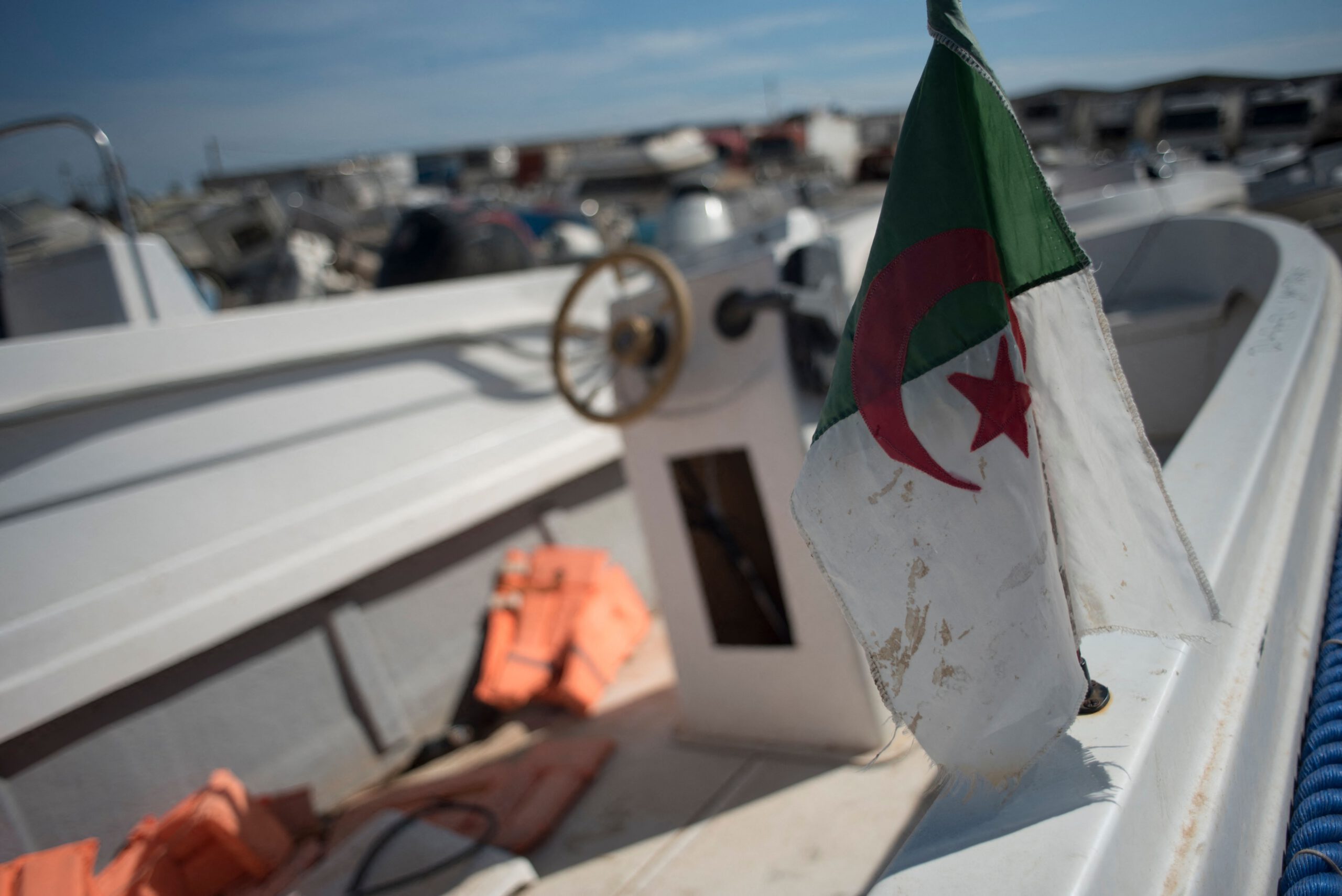
Algerians’ clandestine exodus: A complex national tragedy
The growing wave of Algerians illegally trying to reach Southern European shores while risking death is by no means a new development. But these perilous trans-maritime voyages are also a reminder of the bleak political and economic situation in which Algeria finds itself three years after the 2019 protest movement sparked hope for fundamental change.