Confronting climate change, Turkey needs “green” leadership now more than ever
Turkey, like all other countries, is facing the harsh reality of climate change. Last year, it experienced one of the hottest summers on record. Blistering heat waves led to widespread wildfires in the country’s southwest, affecting five times more land than normal during the summer. Though Turkey usually has large water surpluses, some areas experienced shortages due to extreme drought. Others suffered heavy flooding, leaving scores dead.
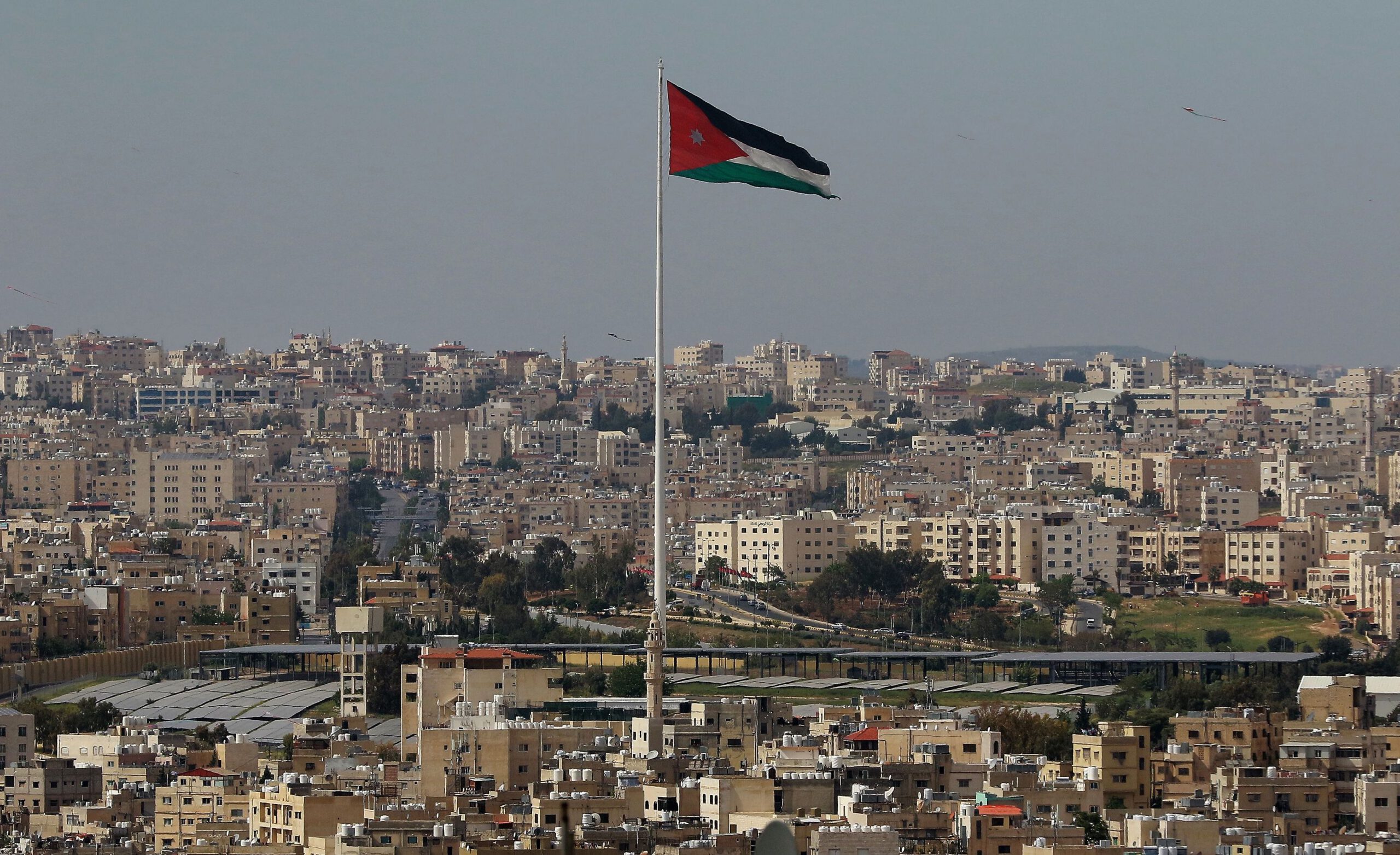
On Dec. 23, Jordanian Minister of Industry, Trade, and Supply Yousef Shamali and Russia’s Ambassador to Jordan Gleb Desyatnikov attended a ceremony to finalize a bilateral cooperation agreement on science, culture, and education. This agreement highlights Jordan’s delicate foreign policy balancing act. The government, led by King Abdullah II, will continue to work with a diverse group of countries, even those with tense relations with the West, to bolster its security and economic opportunities. Mitigating security threats and increasing business opportunities is key to political stability and the continuation of the king’s rule amid Jordan’s persistent socio-economic problems. However, the king will need to be careful not to undermine his closest allies by working with their adversaries.
Federal court ruling demonstrates limits of anti-Palestinian “lawfare”
On Jan. 6, 2022, a U.S. district court judge dismissed a lawsuit against the Palestine Liberation Organization (PLO) and the Palestinian Authority (PA) brought by the family of Ari Fuld, a dual U.S.-Israel citizen murdered in 2018 by a Palestinian teenager outside of Bethlehem in the occupied West Bank. The ruling demonstrates the strictly political nature of the lawsuit, whereby powerful interests with deep pockets use litigation and lobbying to target the PA’s finances, including foreign aid, in order to hasten its collapse, as well as the limits of this type of “lawfare” against the PA.
The attack on al-Sina Prison points to a broader ISIS resurgence
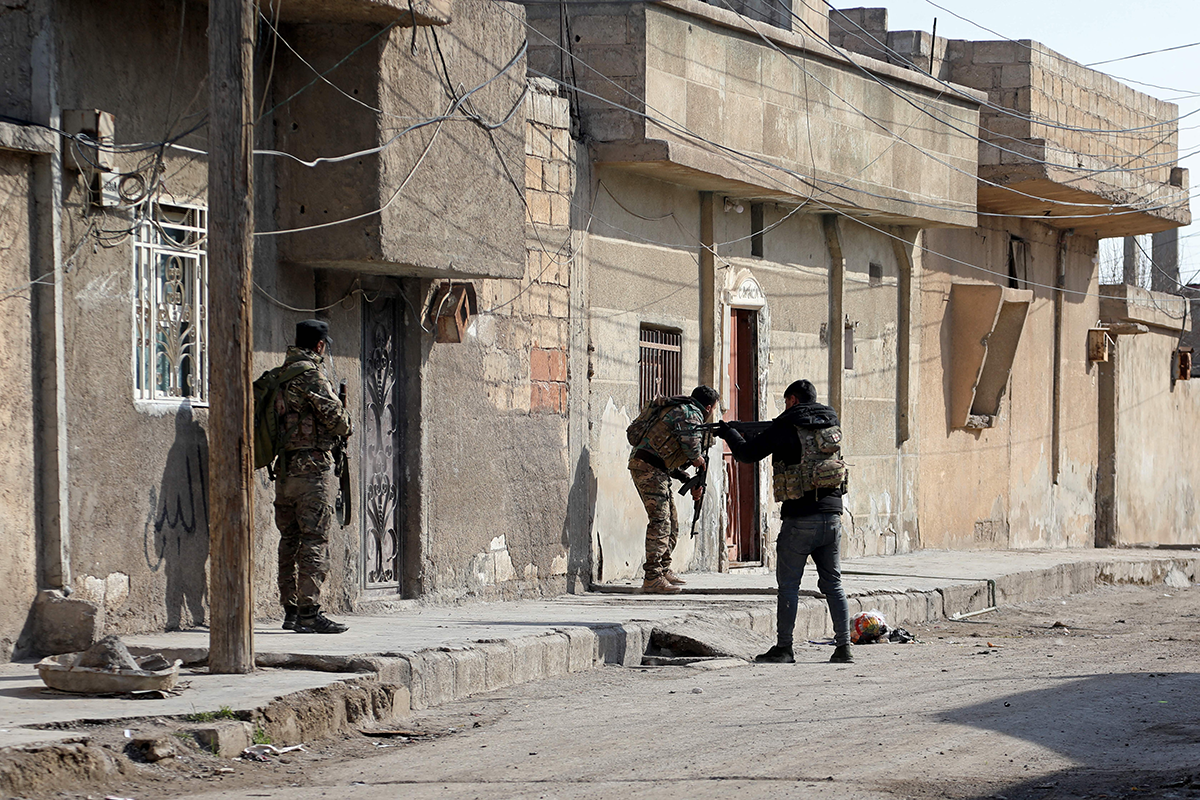
Intense fighting between the SDF and ISIS continued for the fifth day in Syria’s northeastern city of al-Hasakeh on Monday, following ISIS’s biggest attack in Syria and Iraq in three years. In the evening of Jan. 20, as many as 200 ISIS militants, many wearing suicide belts, launched a coordinated multi-axis assault on al-Sina Prison, shortly after detonating two car bombs parked along the exterior walls of its northern wing. In the chaos that ensued, SDF vehicles were seized and used to break through secure walls, clearing the way for hundreds of ISIS detainees to escape.
As Russia demands legal guarantees from the West, is Georgia on anyone’s mind?
As Russia amasses more than 100,000 troops along Ukraine’s borders, the Kremlin is holding the country at gunpoint while imposing outrageous demands on the West. NATO has never attacked Russia, while Moscow has waged wars against Georgia and Ukraine and still occupies their lands and militarizes the Black Sea.
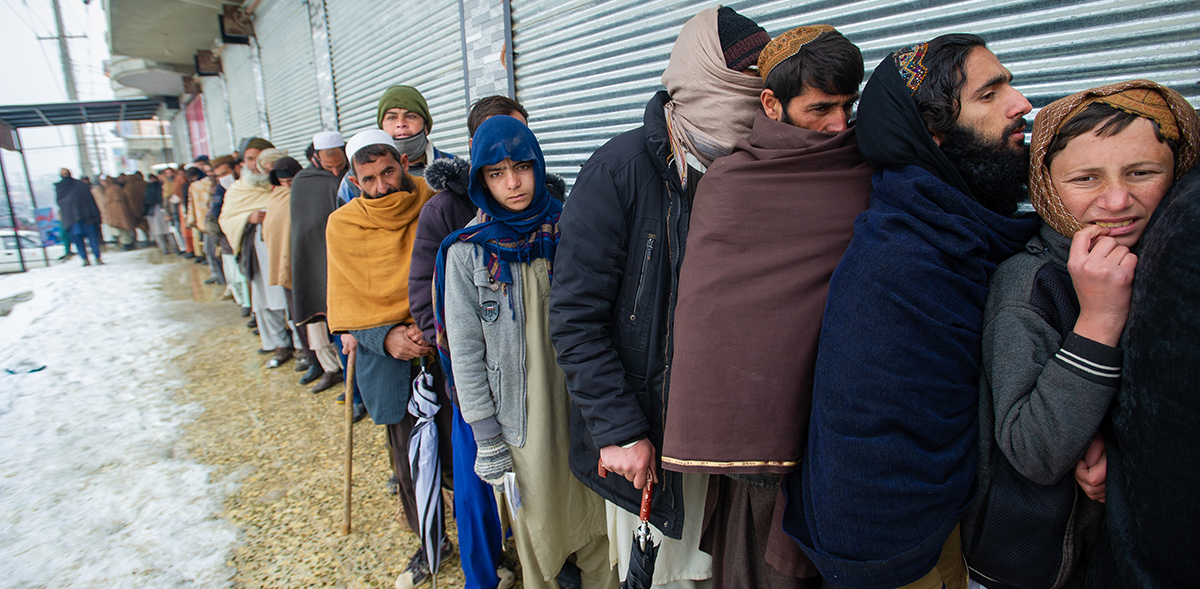
On Jan. 13, U.N. Secretary-General Antonio Guterres expressed alarm that millions of Afghans are on the “verge of death” thanks to a lethal brew of “freezing temperatures and frozen assets.” This was no idle warning. Notwithstanding the decline in fighting following the Taliban’s victory in August 2021, Afghanistan’s economy is in a deepening spiral of impoverishment and destitution.
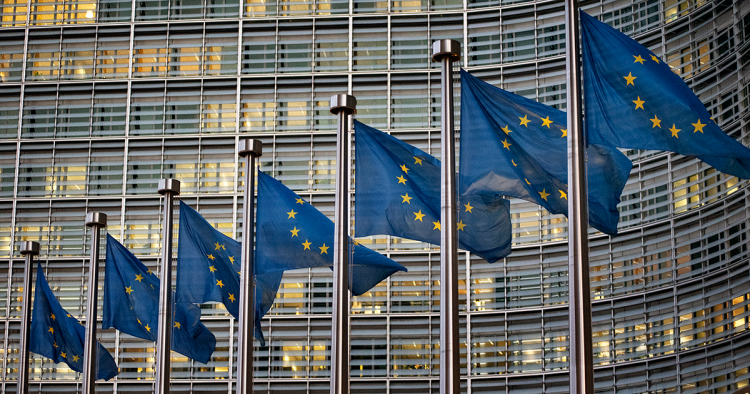
Going into 2022, many of the main issues that dominated the EU’s relations with the countries of the Middle East and North Africa (MENA), from the ongoing talks in Vienna to revive the 2015 Iran nuclear deal to the conflicts in Syria and Yemen, as well as the uncontrolled influx of migrants from the region and Turkey’s long-stalled membership bid, remain on the agenda. Is the new year likely to see a resolution of any of these issues or any other significant changes in relations between the EU and the countries of the region?
How involved was Iran in the Houthi attack on the UAE?
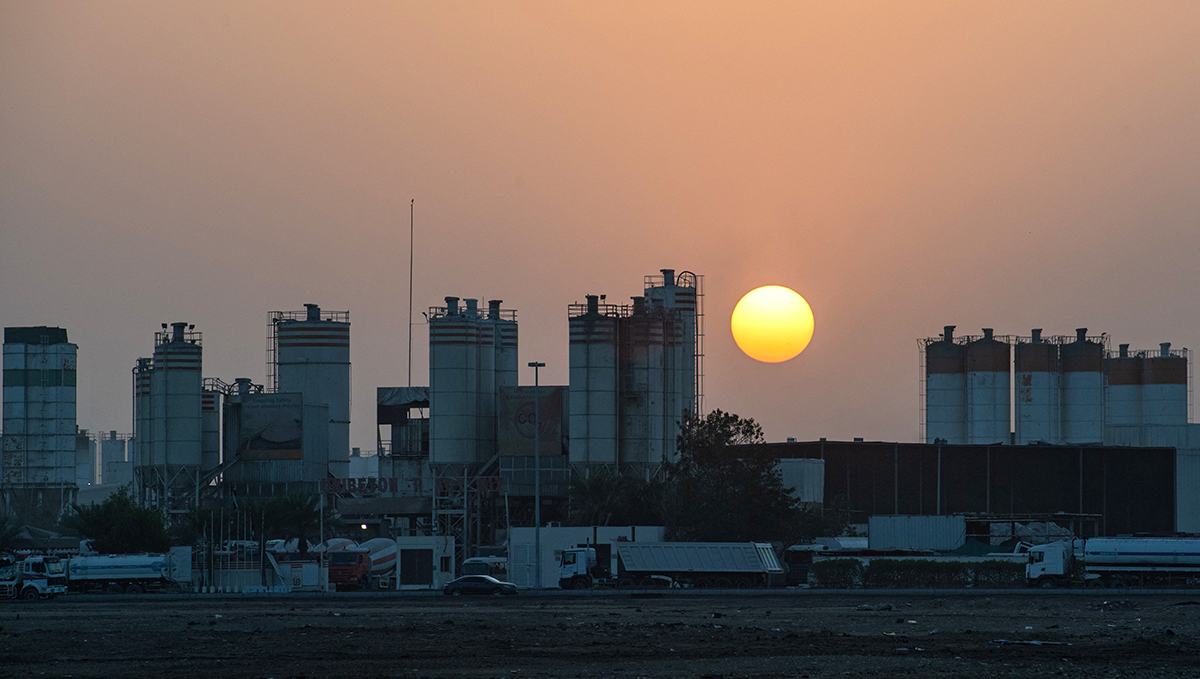
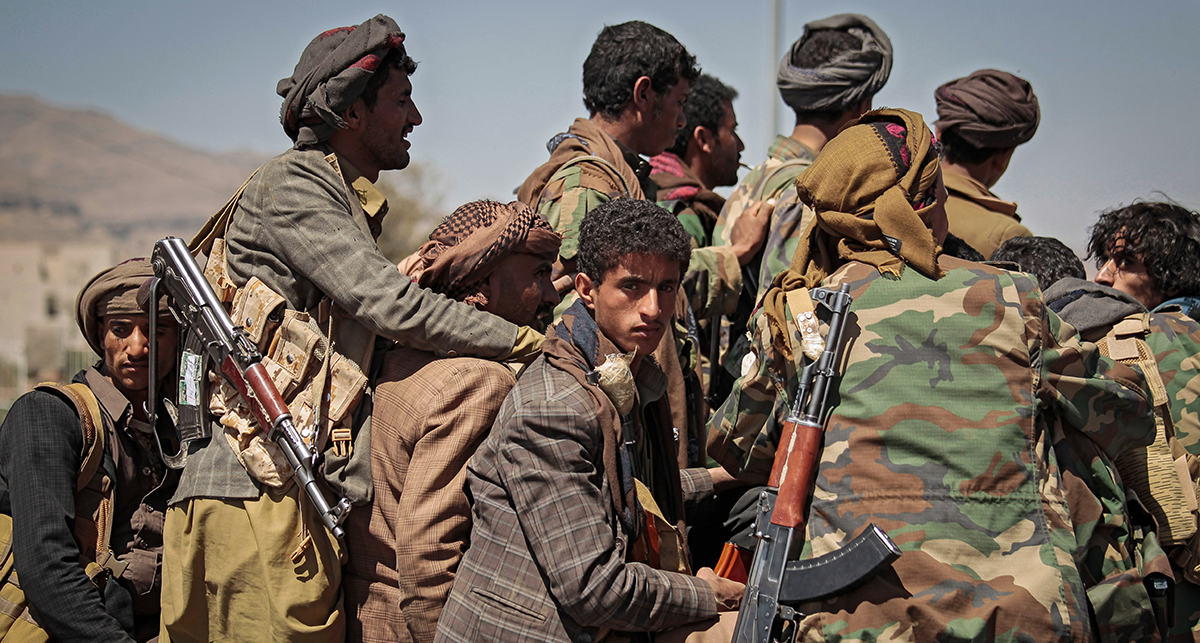
Three days have passed since the Houthi attack on the UAE, yet there’s still a lot we don’t know about what really happened. Here’s what we do know: The Houthis officially stated that they were the ones who struck Abu Dhabi, and unlike in September 2019 when they made the same claim, this time they might not be lying. Yet this is not enough to help us answer what in my opinion is the ultimate question: to what extent were the Iranians involved in this attack?
يوم 17 يناير/كانون الثاني، نفذ الحوثيون هجومًا آخر استهدف منشأة نفطية إماراتية في أبوظبي، ما أدى إلى مقتل ثلاثة وافدين، وإلحاق أضرار بالبنية التحتية. ظاهريًا، يبدو أنهم يذكَّرون الإماراتيين بمدى ضعفهم وإمكانية الإضرار بهم إذا استمرت الهجمات ضد مصالح الحوثيين في اليمن. وبحسب ما ورد، كانت وسائل الهجوم عبارة عن طائرات مسيرة، وهي أداة بسيطة غير متماثلة متاحة للكثيرين واستخدمها الحوثيون على نطاق واسع في جميع أنحاء المنطقة. لسوء الحظ فإن القصة هنا قد أصبحت مألوفة للغاية وتتطلب استجابة متسقة الآن. ففي نهاية المطاف، من المرجح أن يتم نسخ وتكرار ما أصبح روتينيًا في الخليج في مواقع أخرى.
Raisi's shrinking budget cements the Islamic Republic's "trinity"
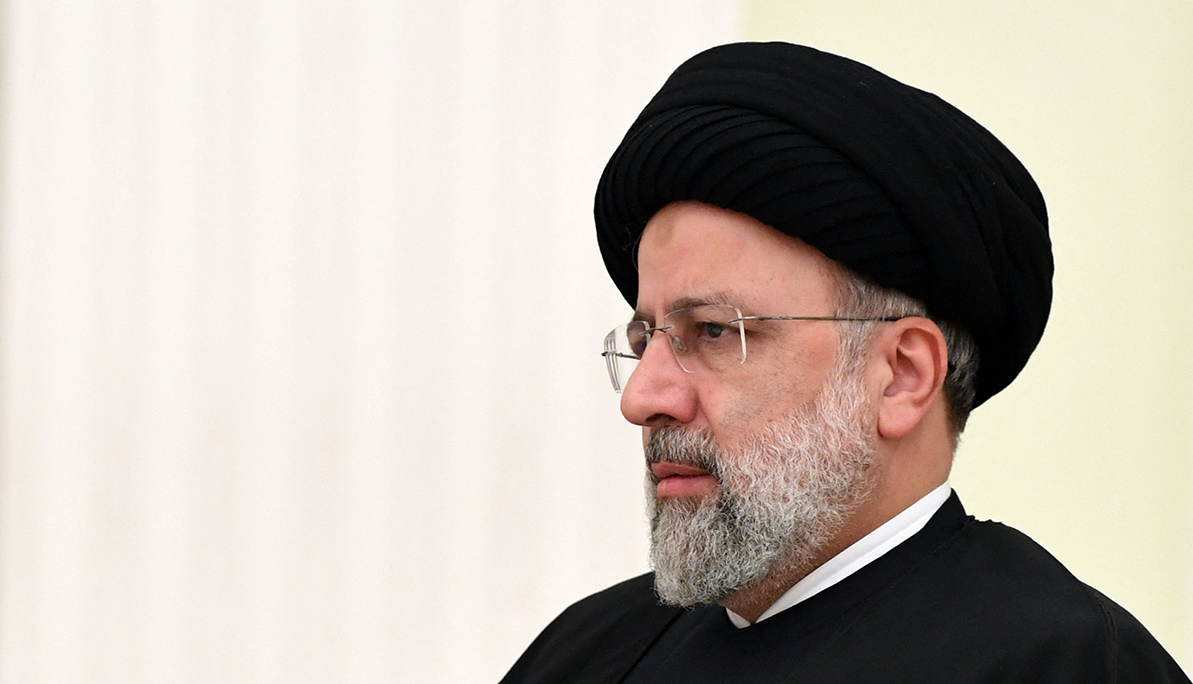
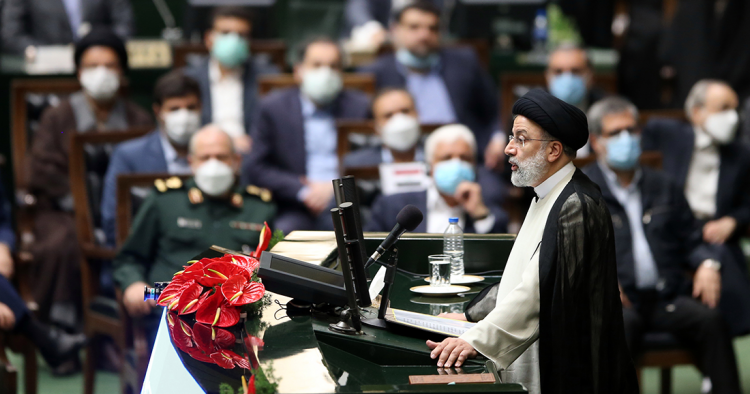
Iran’s new president, Ebrahim Raisi, has presented his first draft budget bill for the upcoming Iranian year (1401), which starts on March 21, 2022. Rather than facilitating a much-needed economic recovery, the proposed budget is designed to strengthen the regime’s power base and impose austerity while keeping society under control.
President Saied’s campaign of arrests raises troubling questions about Tunisia’s trajectory
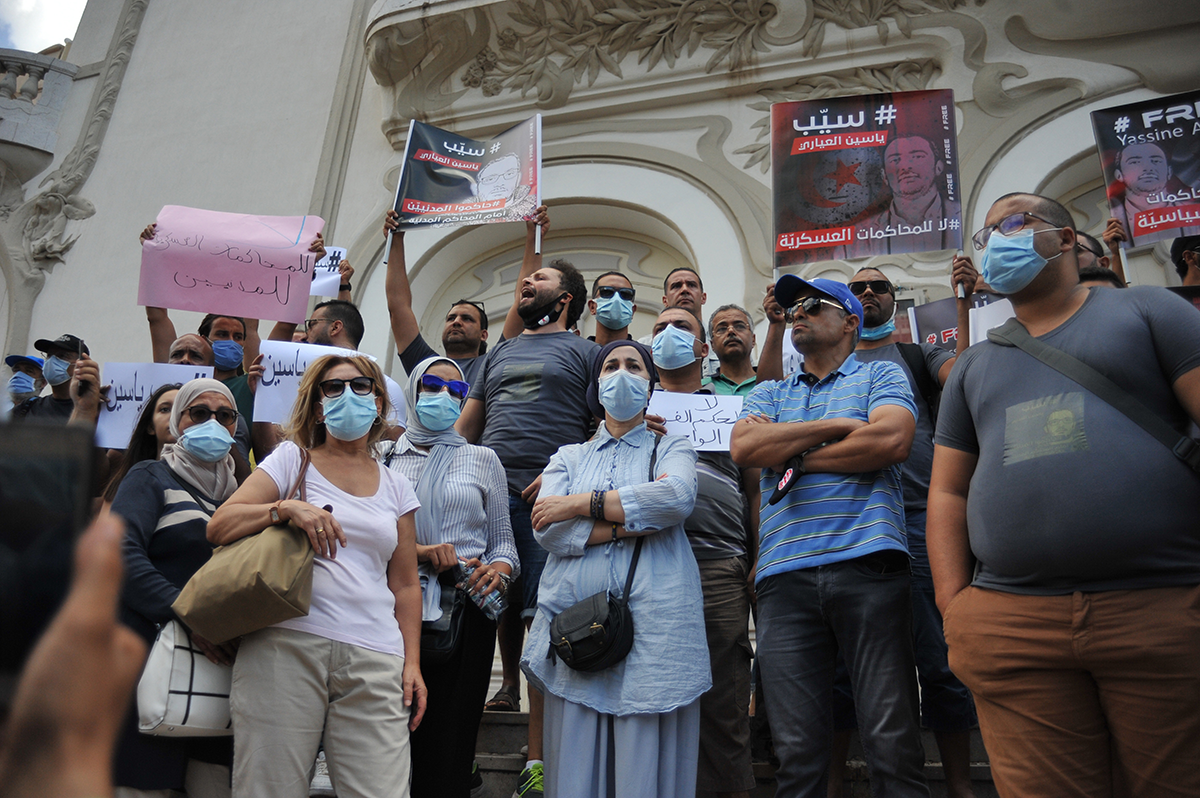
Tunisian President Kais Saied’s campaign of arrests evolves from high-profile house arrests of leading figures to convictions of ordinary people on defamation charges.
As the Houthis expand their regional aggression, will the US double down on a failing strategy?
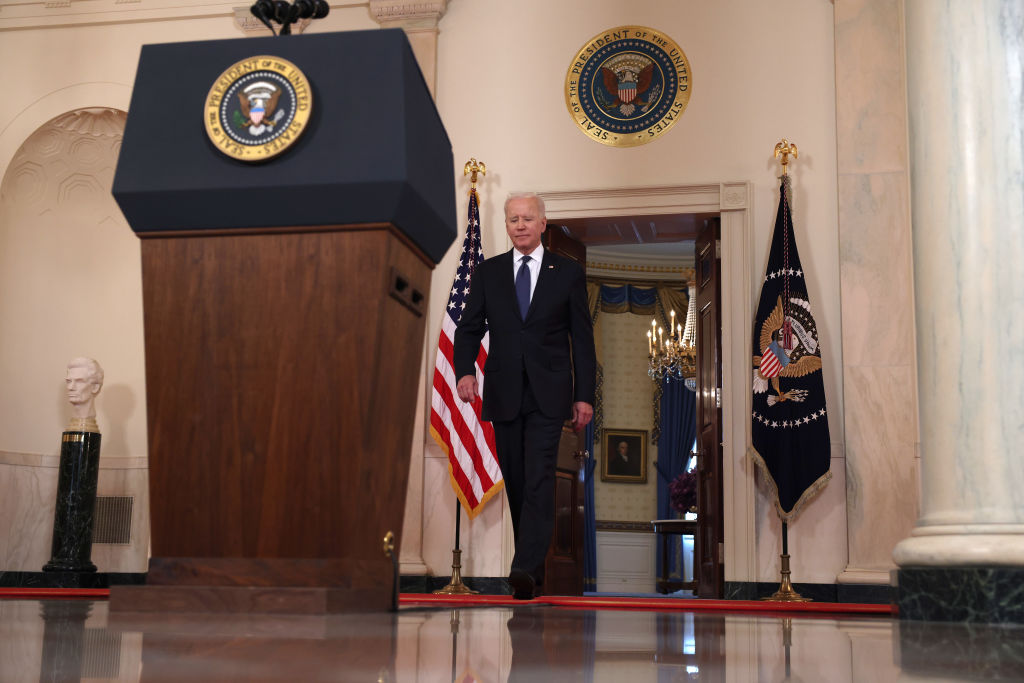
While a negotiated agreement by the parties to deescalate militarily and return to the negotiating table would be the preferred outcome, there’s little or no reason to believe that the Houthis, who have responded to their losses in Shabwa by escalating their attacks, are yet interested in talking. Rather, by issuing pleas for de-escalation, the international community risks sending the Houthis yet another message that their intransigence, which is the root cause of the humanitarian crisis afflicting Yemenis, will be rewarded by new pressure on the Saudi-led coalition to limit its response to Houthi aggression. In this regard, the Biden administration, with its international partners, risks repeating the failed strategy of 2021.