US can maximize pressure against Iran's leaders while helping its people
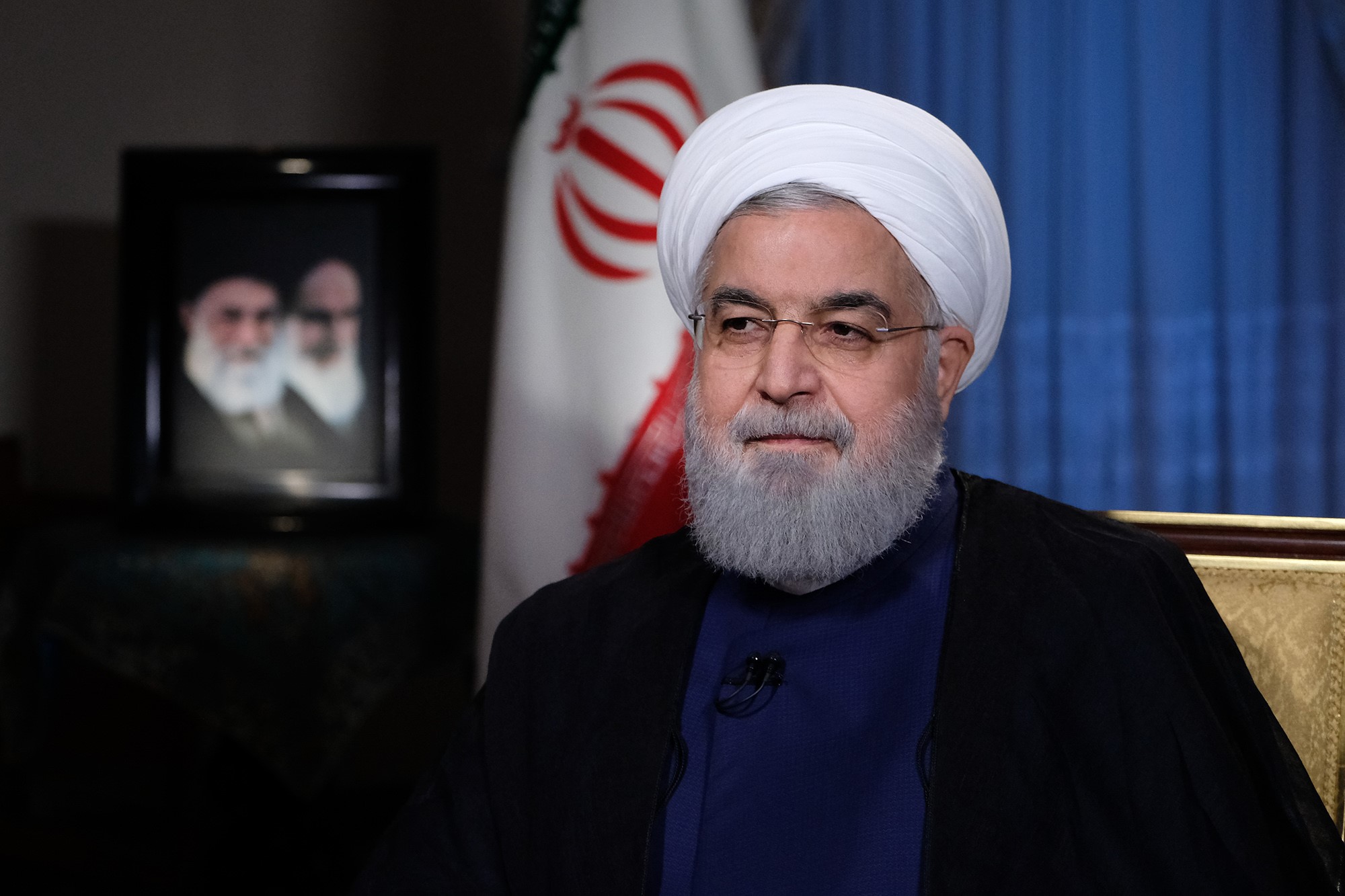
It has now been almost 18 months since Secretary of State Mike Pompeo issued 12 demands to Iran and imposed a “maximum pressure” campaign to compel Tehran to change behavior.
A crisis of confidence as Iraq’s protests continue amid violence
Only one leader has the moral standing and mass appeal to be able to move Iraq out of the deadly stalemate in which it now finds itself and which may degenerate into more violence and chaos if the status quo is not upended: Grand Ayatollah Ali al-Sistani.
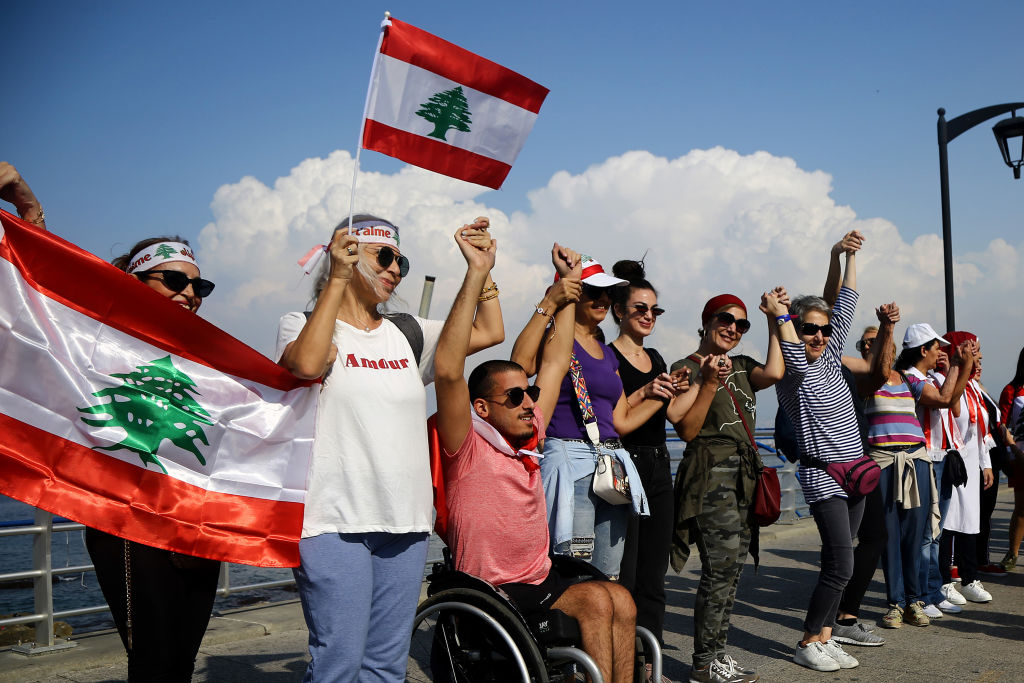
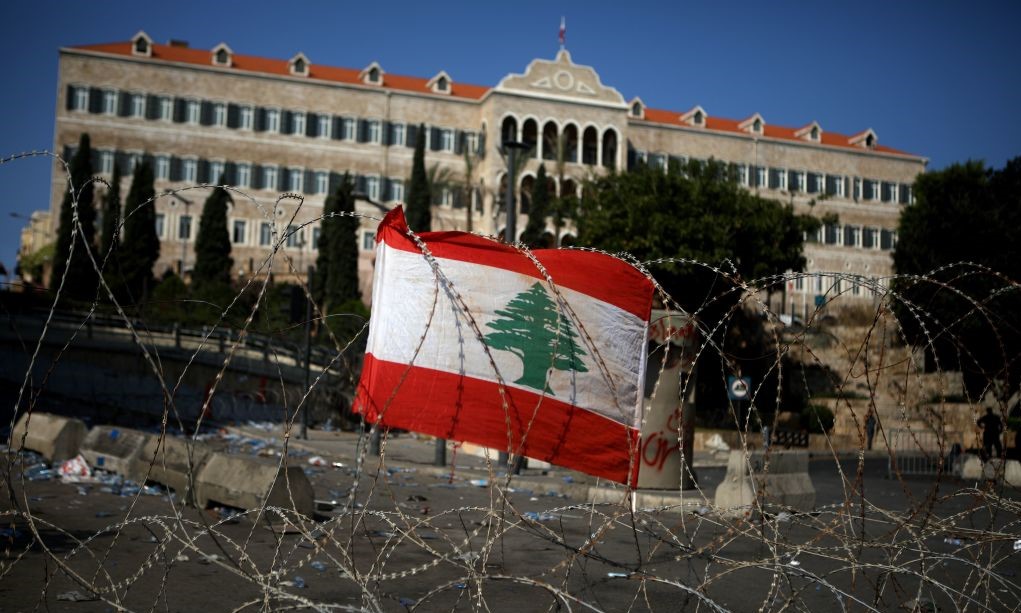
A need for mediation in Lebanon as the government and protestors reach a standstill
It remains to be seen how resilient the protest movement is and how long it can remain mobilized for, especially if political leaders refuse to change their stance.
Turkish consolidation and American improvisation in eastern Syria
Damascus’ position is marginally stronger, and it is unlikely to concede anything of substance in Geneva despite continued American control of Deir ez-Zor’s oilfields.
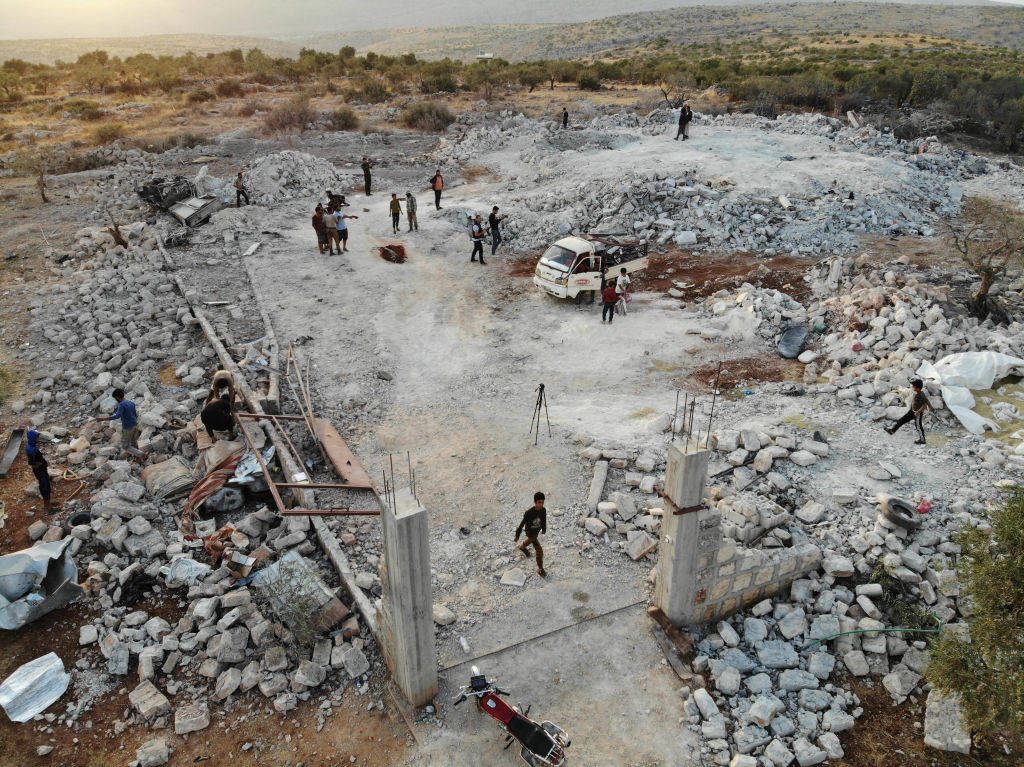
Baghdadi’s death is a major victory, but it won’t spell the end of ISIS
Had America’s posture in Syria not been so uncertain, and if President Trump had not effectively green-lighted a Turkish incursion into the northeast, we would have a much better chance of capitalizing on Baghdadi’s death.
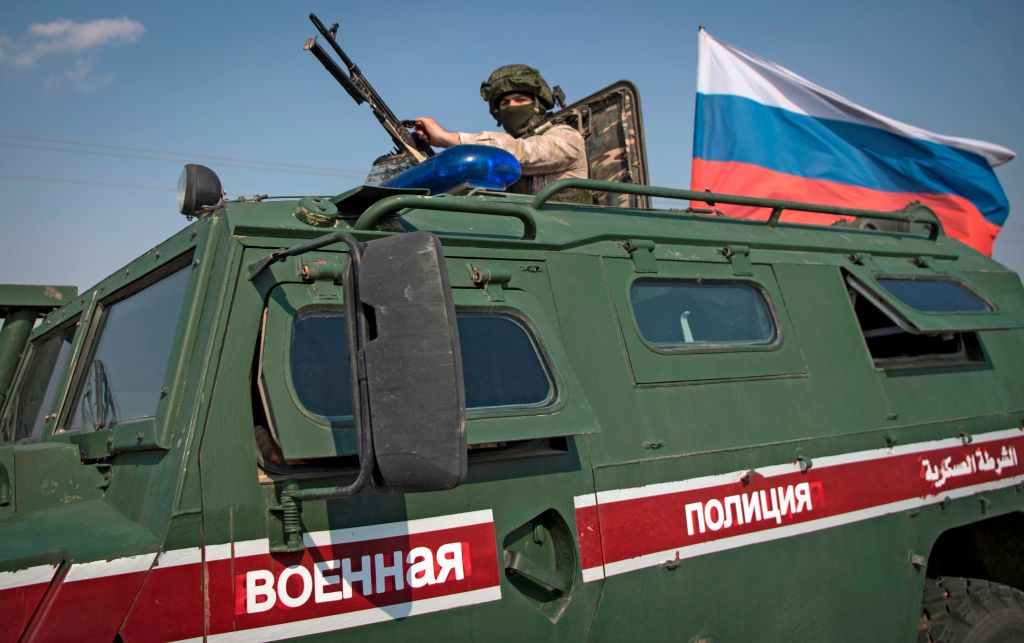
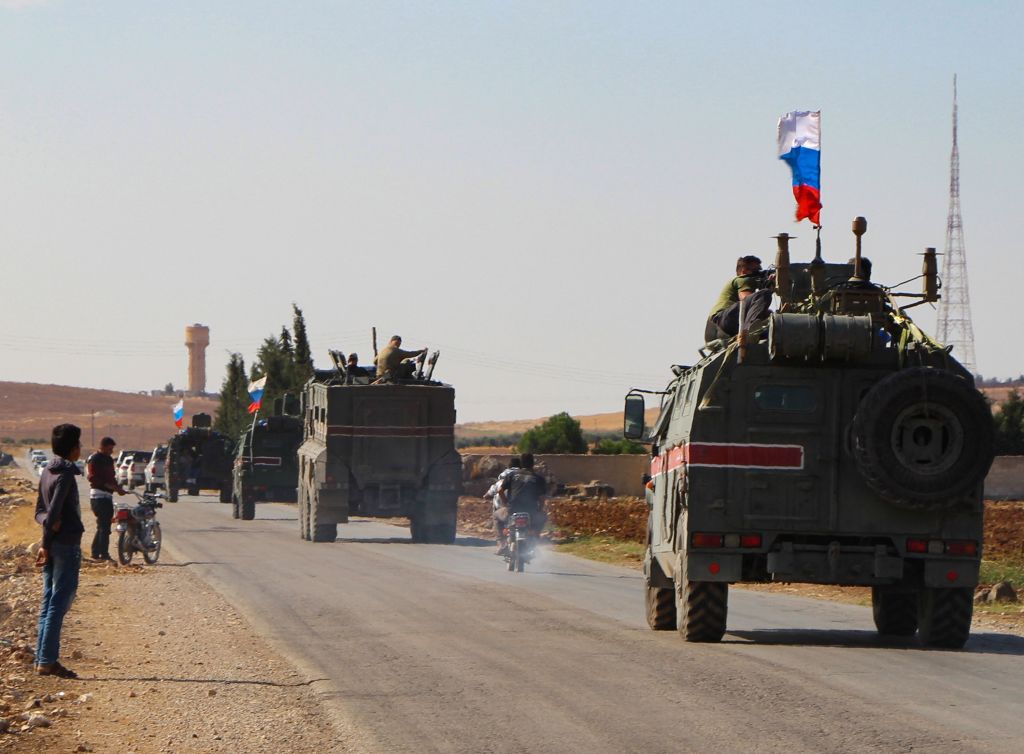
Russian-Turkish border deal on Syria holds, but the Western response is muddled
Russia is clear in its policy toward northeastern Syria: The future of the region will be determined through talks between the representatives of the Kurds, who traditionally live in the area, and Damascus.
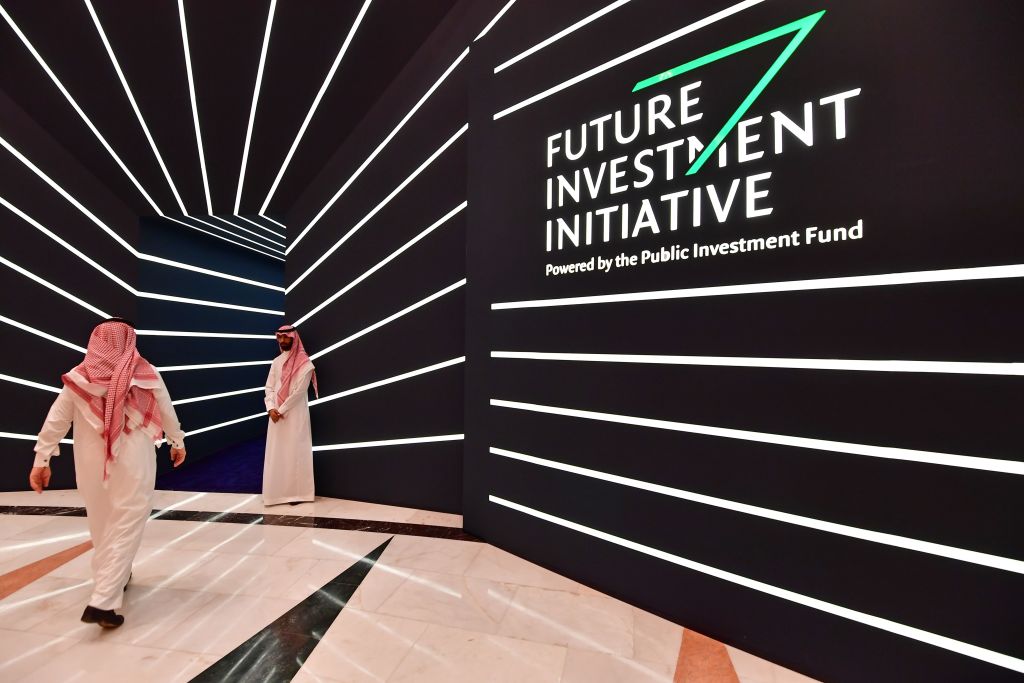
The Future Investment Initiative: A window on the kingdom’s future or a PR stunt?
The FII’s public relations bash is important in that it shows the world that the leadership of the kingdom has an ambitious and real vision to move the country forward.
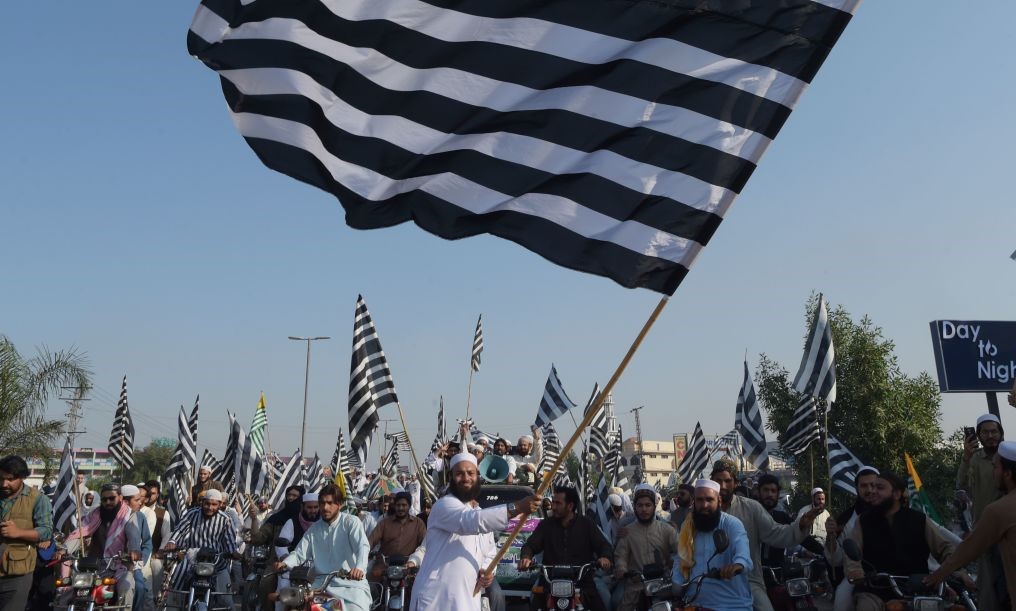
Once again, an elected Pakistani government is being pressed to resign
While there is probably zero chance Prime Minister Khan will step down, efforts will persist in trying to delegitimize those in power because this is what Pakistan’s opposition parties seem best programmed to do.
Securing the 2020 election from disinformation is going to get complicated
The increasing involvement of Iran in disinformation and attempted email hacking, in tandem with the revelation of Turla hijacking Iranian hacking infrastructure, risks muddying the waters even further with regard to attributing and countering election interference in 2020.
As protestors take to the streets across the country, Lebanon appears to be heading towards an economic meltdown with severe consequences for Lebanese citizens of all walks of life. We are concerned that failure to tackle current problems immediately and comprehensively could result in spiraling unemployment, uncontrollable inflation, more social unrest, civil strife and a severe deterioration in public health services and other basic resources.
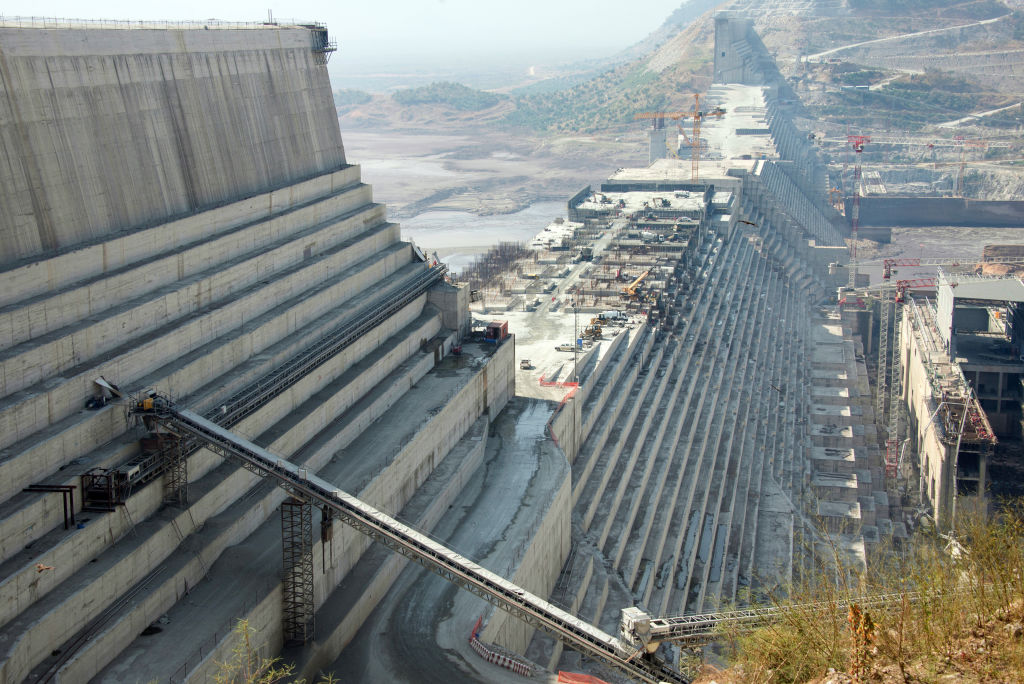
Water dispute with Ethiopia is an existential issue for Egypt
Egypt and Ethiopia remain at odds over the Great Ethiopian Renaissance Dam. Currently almost 70 percent complete, the giant upstream dam, which can hold the entire annual rainfall of the Nile, has the capacity to essentially turn the taps off on Egypt, depriving the country of the river water that supplies a mind-numbing 90 percent of its fresh water.
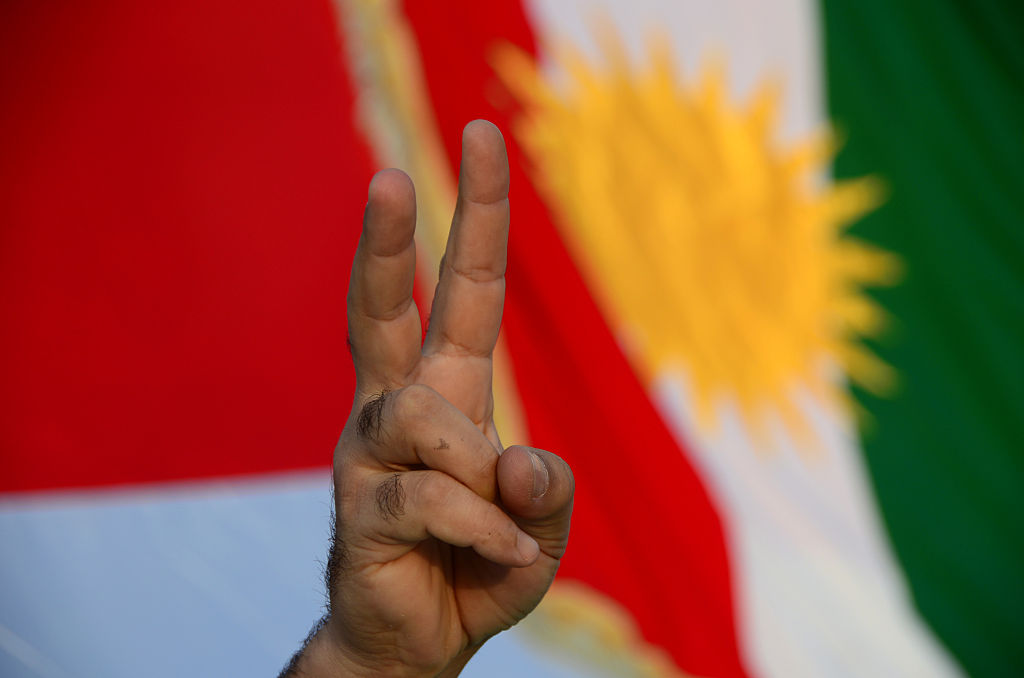
Borders Beyond Borders: The Many (Many) Kurdish Political Parties of Syria
The launch of Turkey’s military incursion into northern Syria on Oct. 9 represents an existential threat for the Autonomous Administration in Northeast Syria (AANES) and Kurdish parties in Syria as a whole, prompting Kurdish political factions, both within Syria and abroad, to reevaluate their survival strategies and alliances. This report explores the various political factions within the Kurdish coalitions in Syria as they functioned under the AANES and the major rifts between them. Even under these dire circumstances Kurdish political factions in Syria have responded to the Turkish invasion independently.
Iran may not like it, but it can live with a Turkey-Russia deal on Syria
While the Iranians would have preferred it if the Turks had not invaded Syria, it does not change their most immediate policy objective, which is the survival of the Assad regime. As long as the Russians keep the Turks away from Assad’s forces, Tehran will, at least in the short term, be able to manage the consequences of Ankara’s actions.