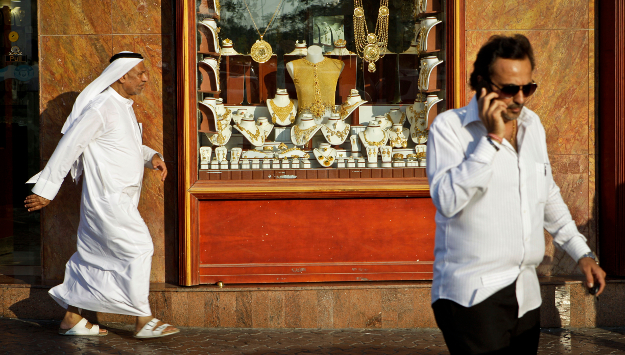
Political and security ties between Saudi Arabia and China have developed far more slowly than have their economic relations. This essay explores the security dimension of the relationship between Saudi Arabia and China, and attempts to shed light on the question of why Sino-Saudi cooperation in the security sphere has been very limited.
The demise of Sheikh Khalifa Bin Saeed al-Qassimi, the Arab ruler of the southern Persian governorate of Lingah, in the late 19th century resulted in its bustling port switching to Iranian hands.
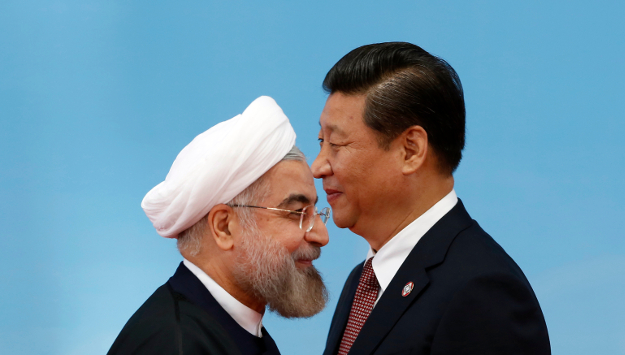
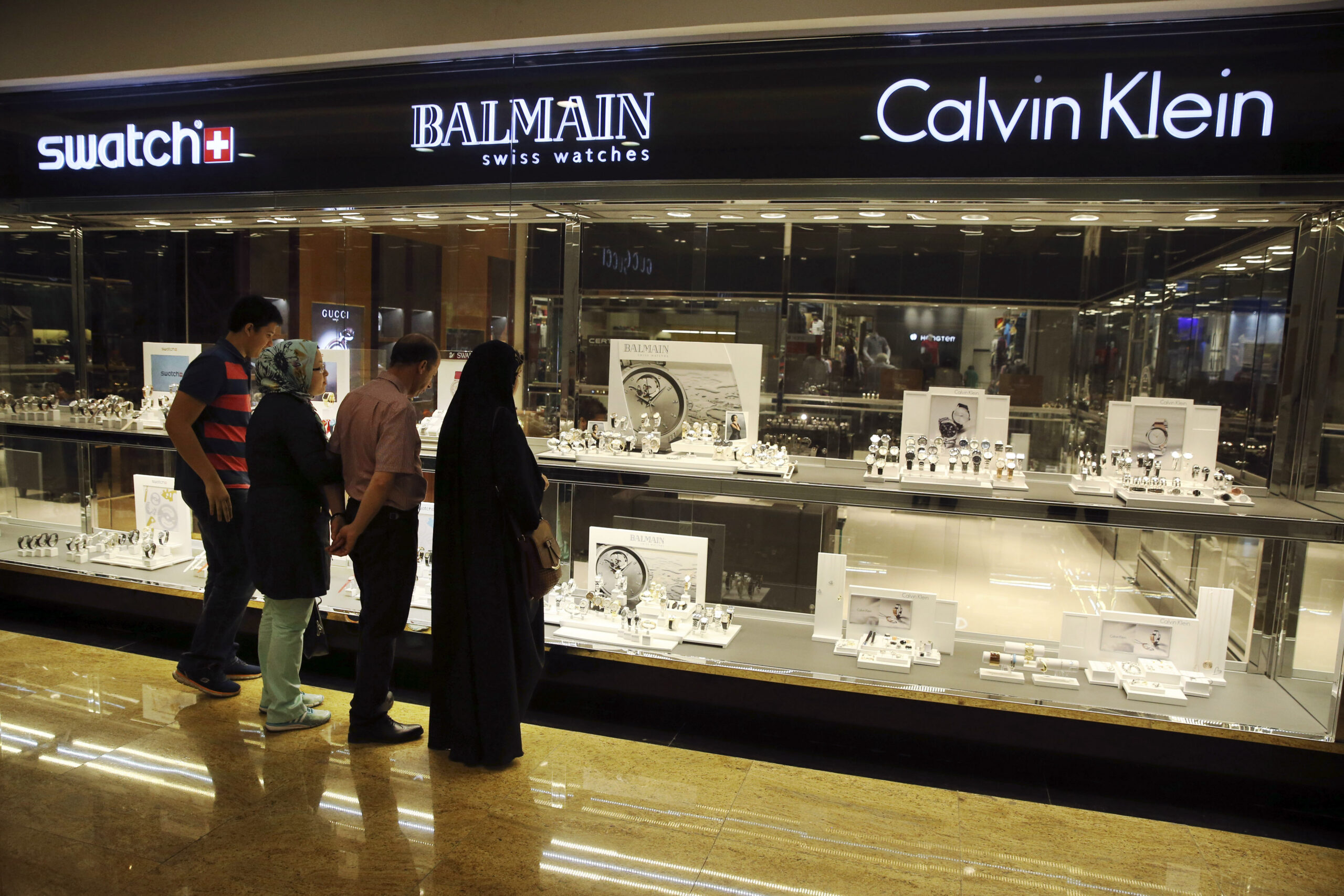
China and Iran: An Emerging Partnership Post-Sanctions
This essay is part of the series “All About China”—a journey into the history and diverse culture of China through essays that shed light on the lasting imprint of China’s past encounters with the Islamic world as well as an exploration of the increasingly vibrant and complex dynamics of contemporary Sino-Middle Eastern relations. Read more
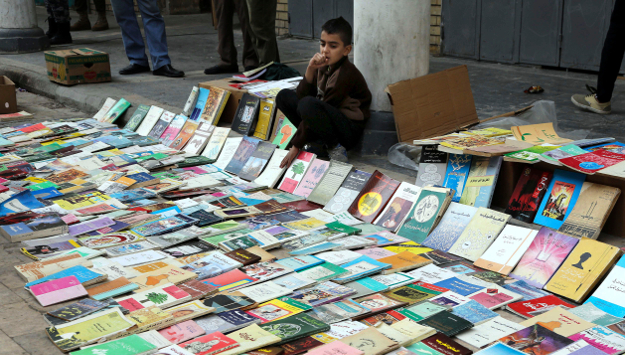
The Arab Spring’s seismic impact on the region not only shifted the political landscape, it also sparked a new wave of cultural thought. It refocused attention onto Arabic arts and literature as a prism through which various scholars sought to understand ongoing social changes.
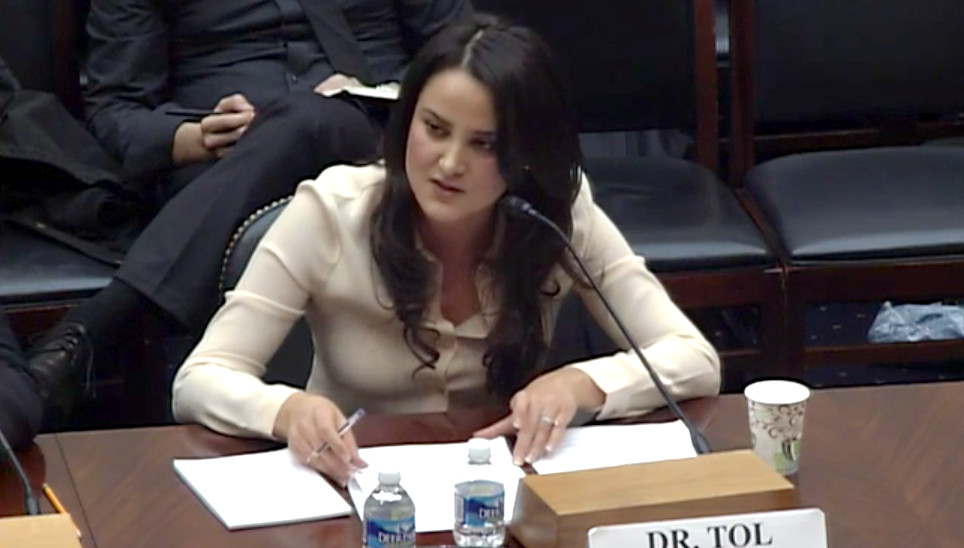
Gonul Tol, director of MEI’s Center for Turkish Studies, delivered the following testimony at a hearing of the U.S. House of Representatives’ Foreign Affairs Subcommittee on Europe, Eurasia, and Emerging Threats on February 3, 2016. Click here for video of the hearing.
Mr. Chairman, members of the Committee, it is an honor to be invited to speak with you today about the political trends in Turkey in 2016.
Fate of the Dragon in the Year of the Red Fire Monkey: China and the Middle East 2016
February 2016 marks the beginning of a new phase in the Chinese lunar calendar, drawing to a close a year marked by heightened risks and fortuitous gains in China’s efforts to secure its interests in the Middle East and North Africa (MENA) region. This essay addresses three questions: How well has China adapted to the conflict and instability that have swept the region? And as we enter the Year of the Red Fire Monkey, what are the concerns that are likely to preoccupy Chinese leaders? What, if any, policy adjustments by Beijing, can realistically be expected in light of the current circumstances and uncertain prospects for the region and for China itself?
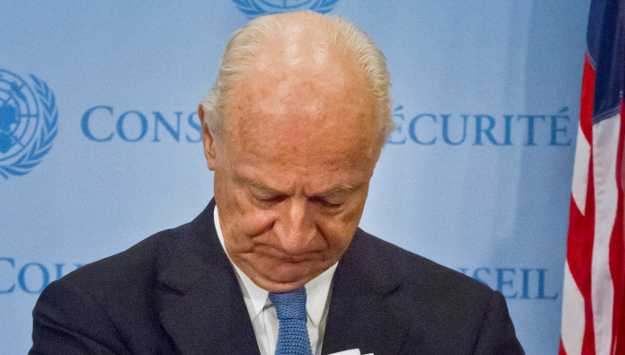
Geneva Talks Format Should be an Inclusive Roundtable
That the Syrian opposition took weeks to agree on a representative delegation hits at an essential problem with the Geneva process: its format. The Russian, American and U.N. architects of the process have retained a regime/opposition binary model that is no longer reflective of the multi-player conflict on the ground.
Outside Views on the U.S. Strategy for Iraq and Syria and the Evolution of Islamic Extremism
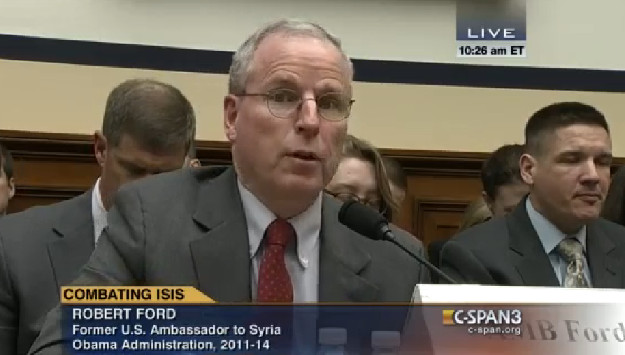
Amb. Robert Ford delivered the following prepared remarks at a hearing of the U.S. House Armed Services Committee on January 12, 2016. Click here to watch C-SPAN’s coverage of the hearing.
Mr. Chairman and members of the Committee,
It is an honor to be on this distinguished panel. Thank you for inviting me.
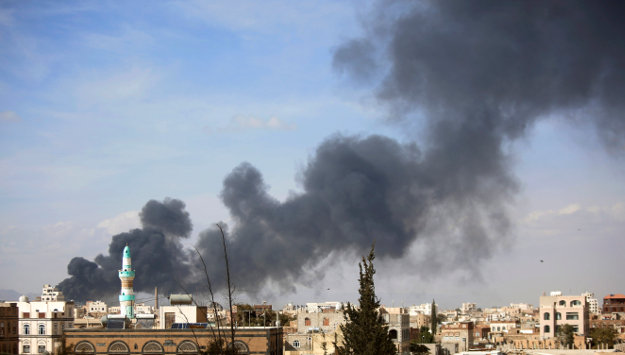
U.N. mediator to Yemen, Walid Sheikh, recently succeeded in negotiating the release of a number of political prisoners held by Houthi rebels, including a government minister, as a confidence-building measure. Despite this small success, the third round of negotiations in the Yemeni conflict appear to be floundering without a start date.
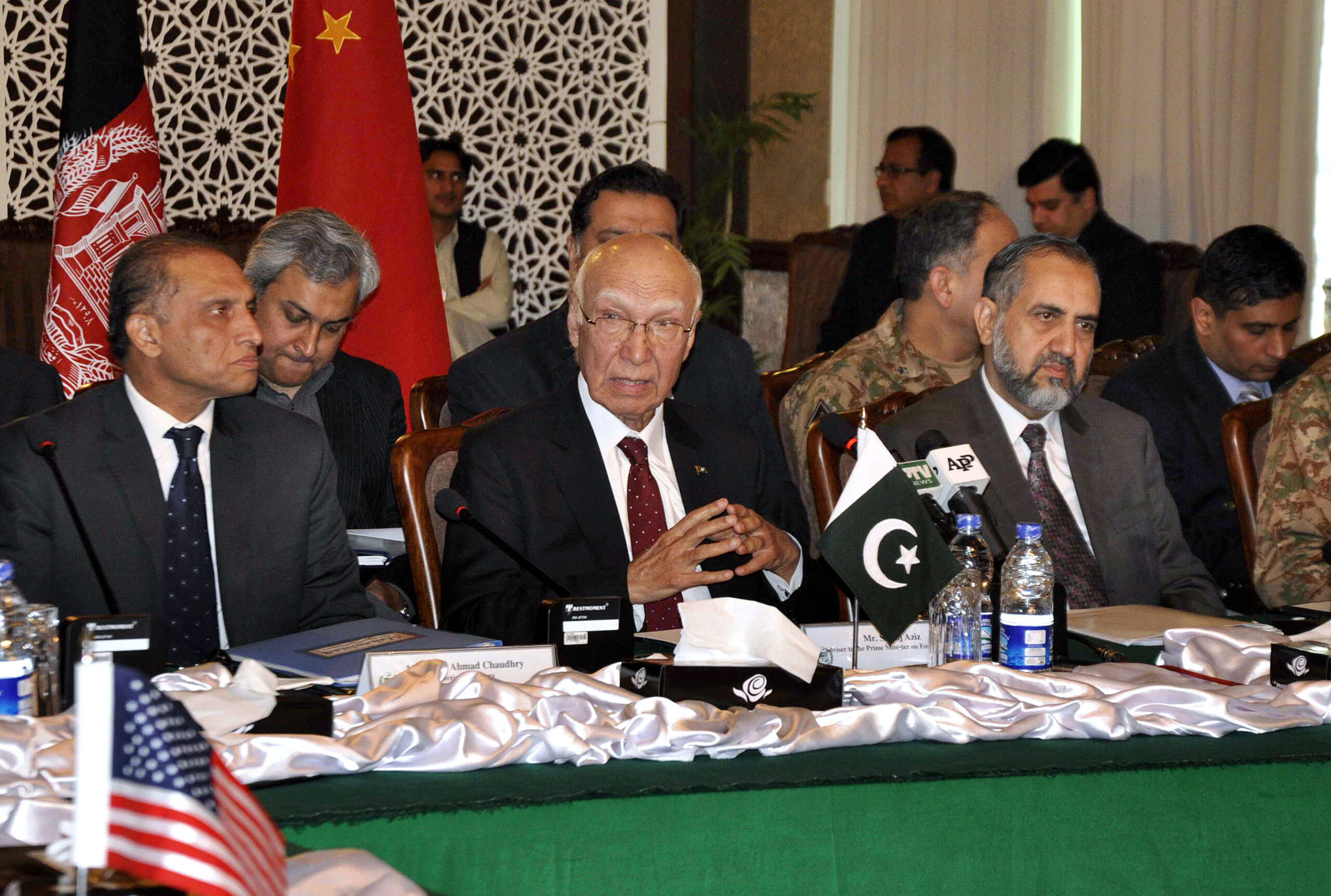
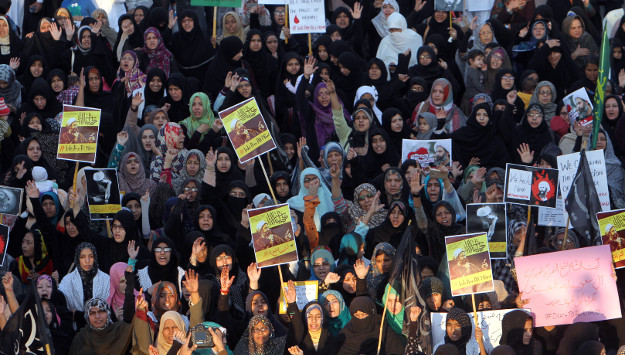
Why Pakistan Is the Biggest Winner in the Iranian-Saudi Dispute
Saudi Arabia is back, knocking on Pakistan’s door. Saudi Foreign Minister Adel al-Jubeir and King Salman bin Abdulaziz al-Saud’s son and deputy crown prince, Mohammad bin Salman, arrived separately in the early days of the new year to persuade Islamabad to join hands with Riyadh in confronting regional security threats. That is, the Saudis want Pakistan’s support against Iran.
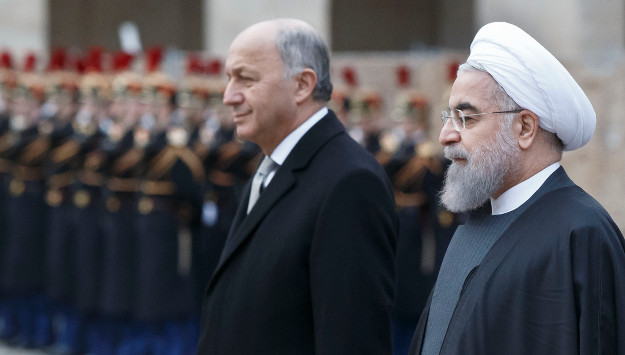
Less than two weeks after international sanctions were lifted, Iran is already cutting megadeals with Europe. The French automaker Peugeot-Citroen said Thursday it will return to Iran, while Iran appeared poised to buy at least 100 planes from Airbus.