The Latest from Fatima Sadiqi
5 Obstacles That We Must Overcome in Syria — Starting with Assad
This article was first published on The World Post.
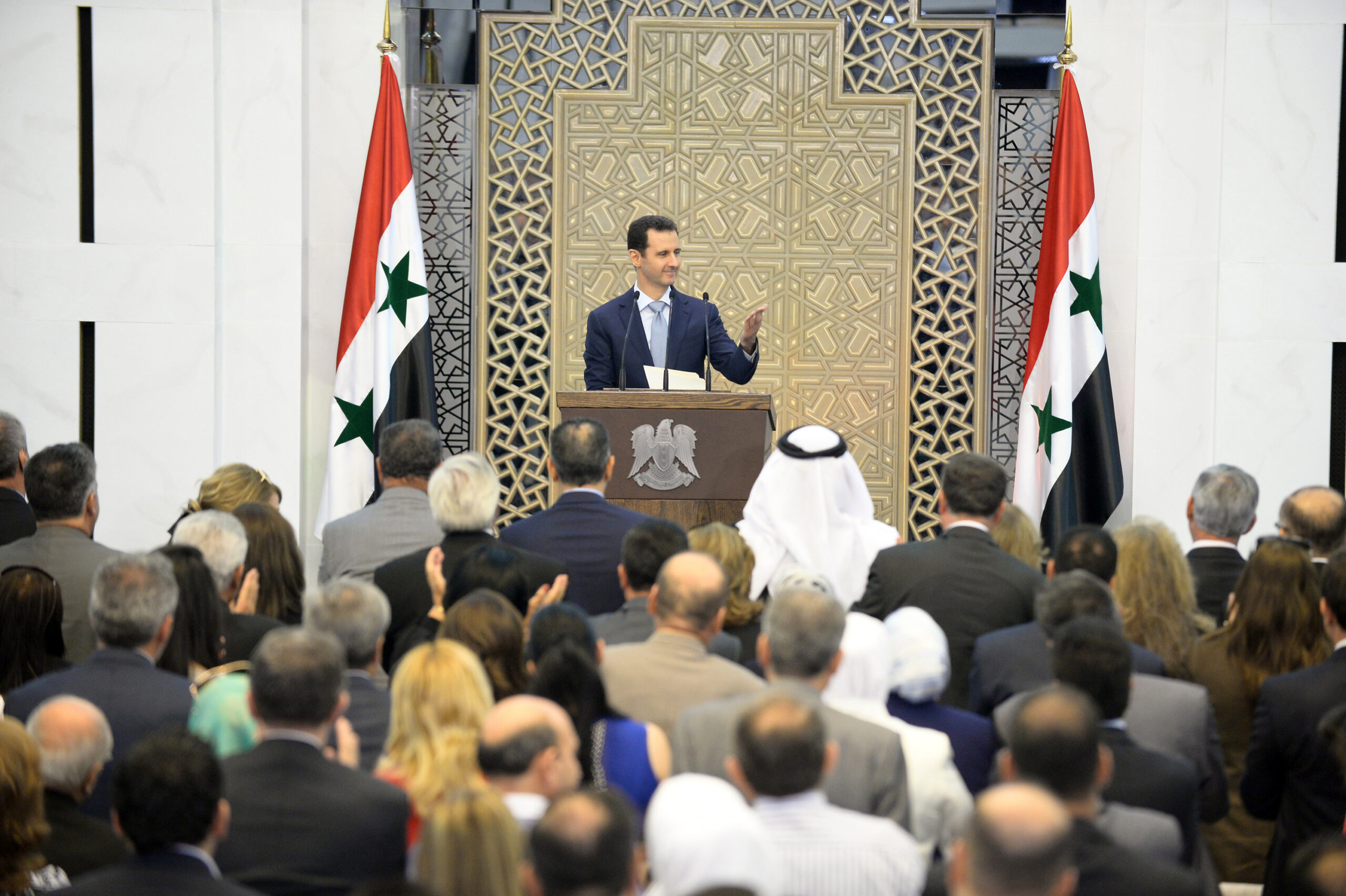
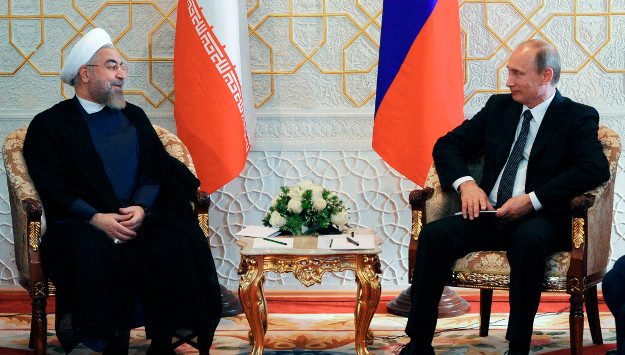
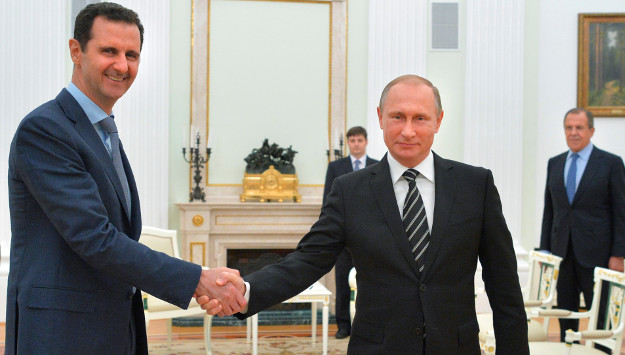
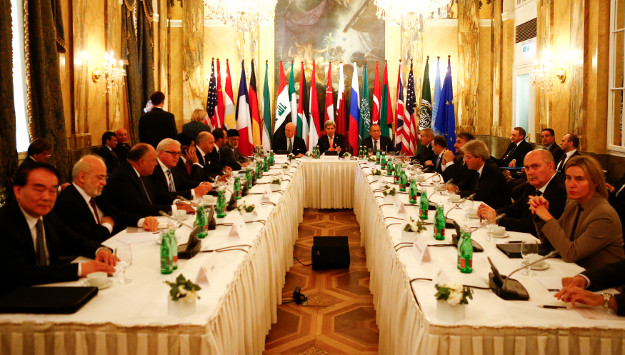
Under the pall cast by the horrific terrorist attacks in Paris, the U.S., Russia and other world powers met in Vienna Saturday and agreed on a timetable for a political process in Syria. However, the principles and steps they set conjure a sense of déjà vu.

Sectarian Backfire? Assessing Gulf Political Strategy Five Years after the Arab Uprisings
The division of citizens into confessional and other group constituencies, rather than some spontaneous outpouring of primordial hatred, was in fact a calculated survival strategy employed by frightened regimes under siege. It was and remains one premised on forestalling the emergence of cross-cutting societal factions that could challenge the political status quo, coalitions that—unlike narrow sectarian groups—could claim to represent the will of all the people and mobilize a broad base of support in pursuit of those claims. But has playing the sectarian card paid off?
The One-State Solution: Obama’s Sorry Legacy
Read the full article on Al Jazeera America.
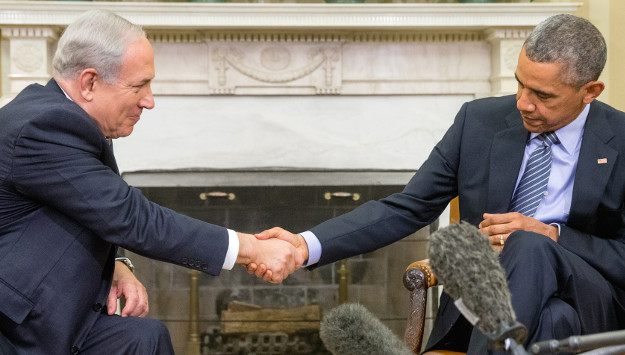
The White House recently acknowledged that it was out of ideas on how to pursue Israeli-Palestinian peace talks in the final year of Barack Obama’s presidency, raising — for the first time — the prospect that Israel’s occupation of East Jerusalem and the rest of the West Bank is permanent.
Getting from Syrian Peace Talks to Syrian Peace
This piece was co-authored by Chester Crocker, the James R. Schlesinger Professor of Strategic Studies at Georgetown University’s Walsh School of Foreign Service. Read the full article at The National Interest.
Towards Human Empowerment, Social Inclusion, and Political Order
Syrian Voices, Policy Choices: A Conversation with Syrian Activists and U.S. Policy Thinkers
Turkey, Iran, and the Gulf States: The Challenges of Rebuilding Regional Stability
Obama's Mideast Legacy and the Next Administration
The Search for Stability and Opportunity: The Middle East in 2016
Keynote by Amb. Robert Ford at MEI's 2015 Annual Awards Banquet
Immunizing Against Sectarian “Sickness”: The Case of Oman
The political culture in Oman seems to foster a pluralist intermeshing of national and sub-national identities that other diverse Arab states like Syria and Iraq were at pains to eliminate. This essay examines the Omani case to explore whether there are any lessons to be learned about sectarianism and how it can be confronted in the wider Middle East.
Debating Russia's Aims in Syria
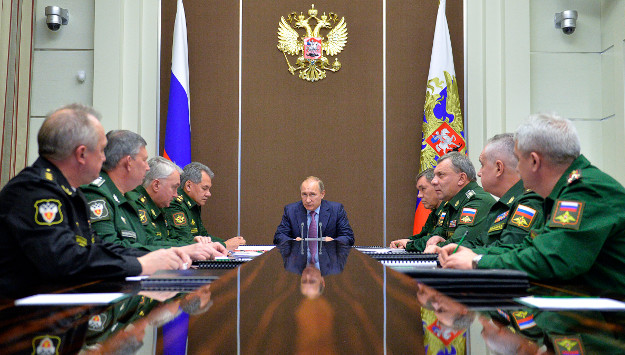
There is a debate within U.S. policy circles about Russian president Vladimir Putin’s strategy in Syria. While all agree that Putin intervened to shore up the faltering regime of Bashar al-Assad, there are at least two interpretations of what Putin’s ultimate objective is.



