U.S.-Russian Cooperation on Syria: The Fear Factor
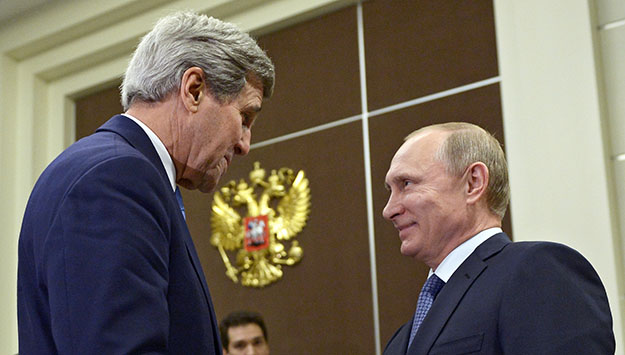
The announcement of a meeting between Vladimir Putin and John Kerry related to Syria, as well as the subsequent visit to Moscow of Daniel Rubinstein of the State Department’s Near East Bureau, may have stunned some pundits on the outside, but for those who have been following the evolution of leadership opinions on Syria in both countries, the surprise is that these official meetings have not come sooner.
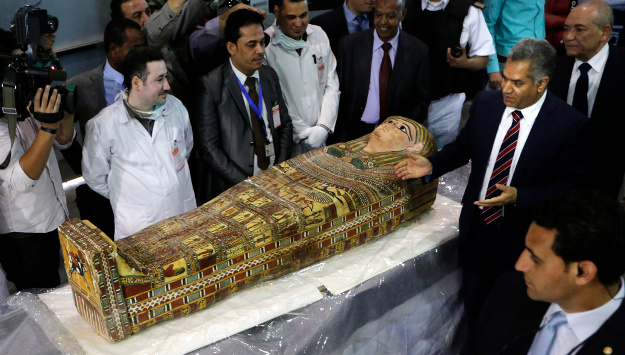
Culture Under Threat: Fighting Terrorist Financing in the Middle East
This article was first published on Huffington Post. The Antiquities Coalition and MEI are co-sponsoring a regional conference in Cairo on May 13-14 to reach an agreement on steps to combat antiquities looting.
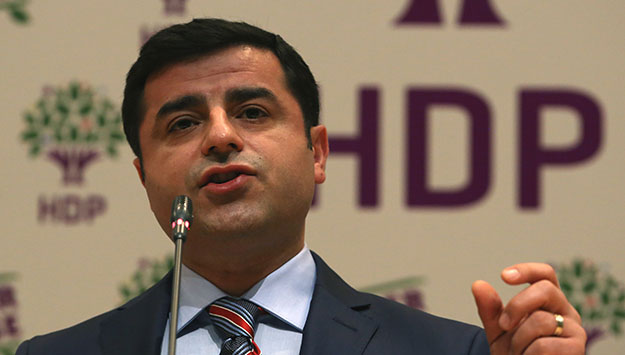
Turkey’s Pro-Kurdish People’s Democratic Party: Gaining Ground but Facing Challenges
With an ongoing peace process with the Kurds and a stumbling democracy, the stakes for Turkey’s parliamentary elections next month have not been higher. The opposition parties—the People’s Democratic Party (HDP), the Republican People’s Party (CHP), and the Nationalist Movement Party (MHP)—need all the help they can get to deny an outright victory to the Justice and Development Party (AKP), which has ruled Turkey since 2002. The growing popularity of the pro-Kurdish HDP, along with signs of declining support for the AKP, point to the possibility of a significant shift in Turkish politics.
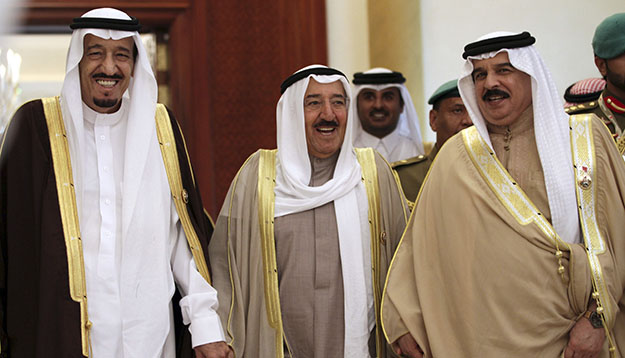
Stability in Yemen: A Matter of Gulf Collaboration
Yemen, like many other states in the region, has never conformed to the norms of an integral nation state; it has been in a state of crisis since at least the 1990s due to constant competition between the ruling state authority and various clans, tribal groups, transnational movements, and secessionists. In addition to these layers of conflict, regional players have tried to exploit domestic instability to further their own interests.
Defying Gravity: Working Toward a Regional Strategy for a Stable Middle East
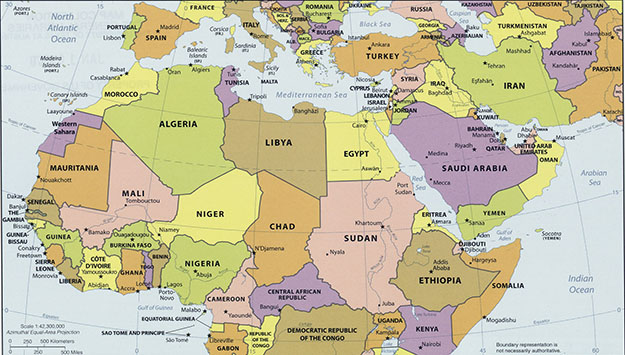
In this MEI Policy Paper, Ross Harrison asserts that a new regional order is emerging out of the conflicts of the Middle East. The relationships among the pillars of this order–Egypt, Saudi Arabia, Turkey, and Iran–are crucial, as they will largely determine “whether the future of the Middle East will be a continuation of the current chaos and destruction or a more positive transition toward stability and prosperity.” Harrison argues that global powers must concentrate on creating conditions conducive to cooperation among the pillars.
Will China Interfere in the Israeli-Palestinian Conflict?
In June 1954, the leaders of China, India, and Burma (now Myanmar) issued a joint statement affirming the Five Principles of Peaceful Coexistence―mutual respect for sovereignty and territorial integrity, mutual non-aggression, non-interference in each other’s internal affairs, equality and mutual benefit, and peaceful coexistence―as the basis for conducting international relations. Since then, China has adhered strictly to the principle of non-interference in other countries’ domestic turmoil, as displayed prominently over the past several years in Beijing’s response to the Syrian civil war.
Egypt's Deregulated Property Market: A Crisis of Affordability
What Egyptians call the azmit al-iskan—the housing crisis—is exemplified by the 1986 movie, Karakon fi-l-Shari‘a, or Prison in the Street. The film depicts a typical middle class family that, evicted from its condemned home, must resort to living in a horse-drawn caravan because a regular apartment is unaffordable. The “prison” in the title is a reference to the father’s numerous altercations with the police, who deem his attempts to make a home quasi-legal—not illegal, but also not legal.
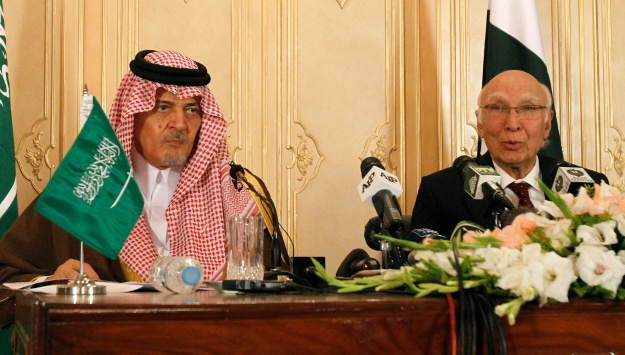
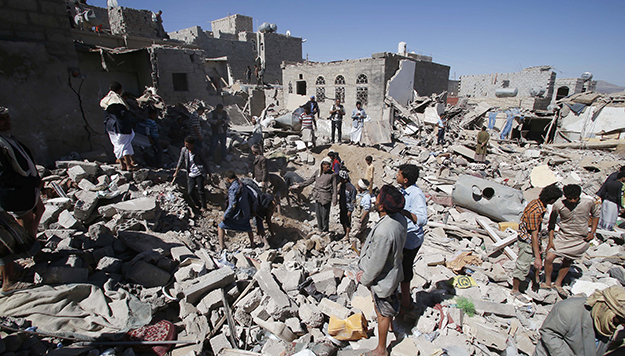
Saudi Arabia’s intervention in Yemen is not surprising given Riyadh’s past policies and current perspectives on Gulf security. Yemen has always suffered from varying degrees of chaos and civil strife. Even in the best of times, large areas of the country lacked government control, and few if any in the region saw it as a functioning nation state. Whatever Gulf Arab leaders may have said publicly, most have viewed Yemen as a loose collection of autonomous or even independent regions, held together only by the lines drawn on a map.
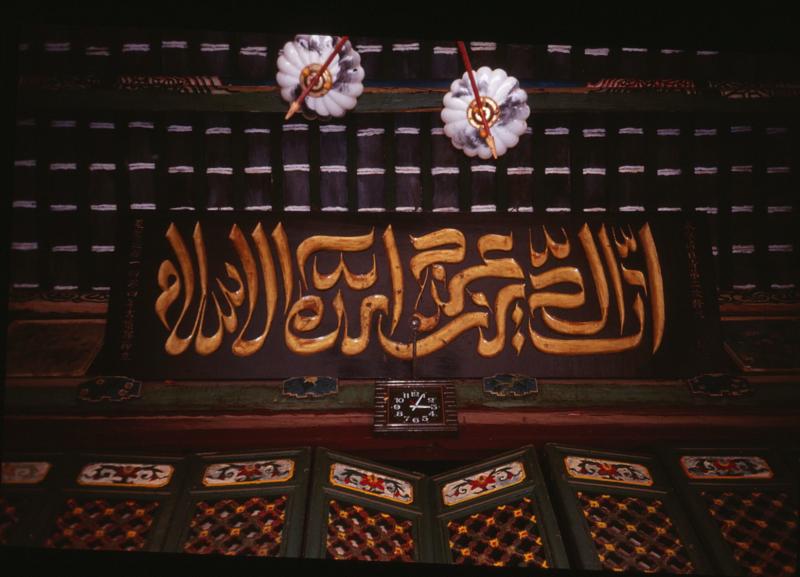
Islamic Calligraphy in China: Images and Histories
Given the prominence of calligraphy in the traditional arts of both the Islamic world and China, it is only natural that Islamic calligraphy plays an important cultural role in Chinese Muslim communities. The art form’s survival over the centuries in China, even during prolonged periods of isolation from the rest of the Islamic world, reflects the strength of Chinese Muslims’ religious traditions, as well as the critical function of the written word within these traditions.
Iran’s Failed Foreign Policy: Dealing from a Position of Weakness
In this MEI Policy Paper, Thomas Juneau examines Iran’s role in Yemen, Syria, Iraq, and the Arab-Israeli conflict to explain why Iran is not a “rising regional hegemon” but rather a “mid-sized regional power frustrated at not reaching its ambitions.”
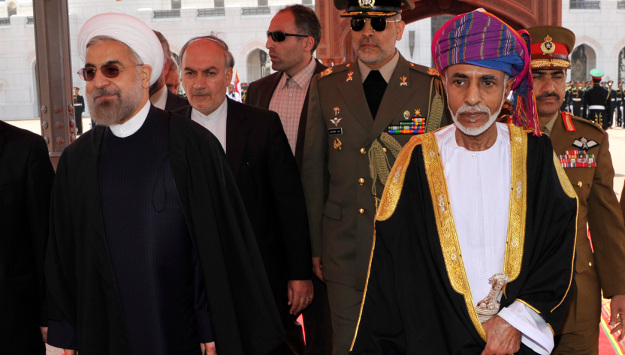
In a significant New York Timesop-ed on April 20, Iranian Foreign Minister Mohammad Javad Zarif made a pitch for regional dialogue between Iran and its neighbors.