Turkey's Engagement in Iraq: Challenges and Opportunities for US Foreign Policy
The Middle East Institute's Center for Turkish Studies is proud to host Qubad Talabani, Charles Dunne, Can Oguz, and Gonul Tol for a discussion on Turkey's engagement in Iraq and its ramifications for US policy. In the aftermath of the US withdrawal from Iraq, vital US interests – including improving regional stability, limiting Iranian influence, maintaining an independent Iraq and preventing Iraq from becoming a haven for international terrorists – are still at stake in Iraq and the region.
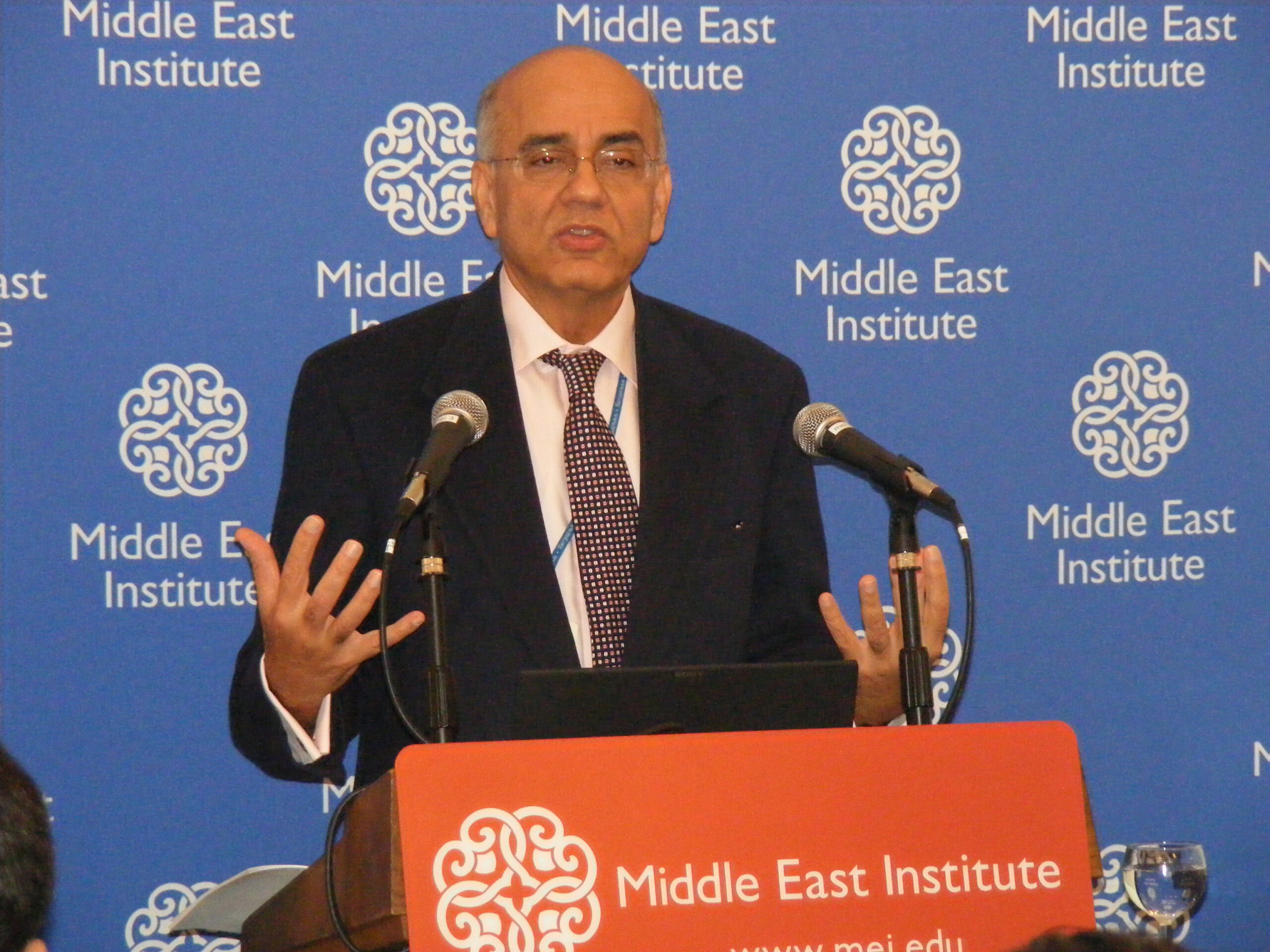
The Middle East Institute is proud to host the IMF's Masood Ahmed for a discussion about the economic prospects in the MENA region. Specifically, he will discuss the prospects for the Middle East and North Africa region in light of the global economic recovery that has begun to gain traction after the deepest downturn in recent history. The region's oil-exporting countries are benefiting from solid oil prices, and oil importers are recovering from last year's economic slowdown.
Deja Vu in the Occupied Palestinian Territories: Economic Activity; Political Despair
Amira Hass is an award-winning correspondent for the Israeli daily, Ha'aretz. In her over 20 years covering Palestinian affairs in the occupied territories for Ha'aretz, Ms. Hass has lived three years in Gaza, and thirteen in Ramallah, the West Bank. She is the author of the highly acclaimed book "Drinking the Sea at Gaza" (Henry Holt, N.Y.) and "Reporting from Ramallah: An Israeli Journalist in an Occupied Land" (Semiotext). She also wrote the foreword and afterword of "Diary of Bergen Belsen 1944–1945 by Hanna Levy Hass (Haymarket Books).
With Pakistan caught up in four wars during the past nine years — the Afghanistan war, the War on Terror, the insurgency in the tribal areas, and the wave of terrorism unleashed by the Tehrik-i-Taliban (TTP) and the Punjabi Taliban in the rest of the country — it has often been said that the country is facing an existential threat. If this was a cliché before, it is no more so after the catastrophic floods. Pakistan had been living dangerously in the past, but the wars and floods threaten to wash away its future.
Turkey's Dual Track Approach Toward the Kurdistan Regional Government
Turkey’s policy toward the Kurdistan Regional Government (KRG) in northern Iraq has undergone an important shift since 2009. Only a few years ago, Turkey did not recognize Iraq’s Kurdish Regional Government and refused to meet with its representatives in any official capacity due to its fear that recognition would embolden Turkey's own Kurdish minority to demand similar home-rule status.
*This article was first published in November 2010 by Jane's Islamic Affairs Analyst.
The second half of 2010 witnessed a flurry of interaction between Iranian diplomats and their African counterparts. Not all the buzz has been beneficial to Tehran, as was most recently demonstrated by the Republic of the Gambia’s 22 November decision to break its ties with Iran, but the overall activity nonetheless reflects the increasing emphasis Tehran is putting on closer relations with countries on the continent.
A Generation in Crisis: Lebanon's Jobless University Graduates
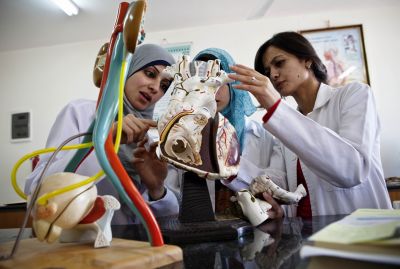
Unemployment is one of the major manifestations of the global economic crisis that began to plague many countries around the globe, beginning in 2007. Developing nations with weak economies and fragile political states were among the hardest hit. In Egypt, one can find PhDs driving taxies. No country can afford, either politically or economically, such well-educated traffic guides. Higher education graduate unemployment rates in Lebanon are high and are unlikely to be reduced soon.