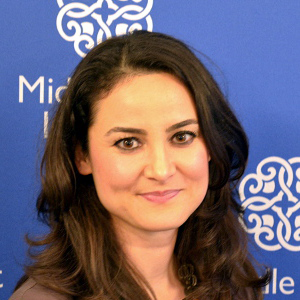
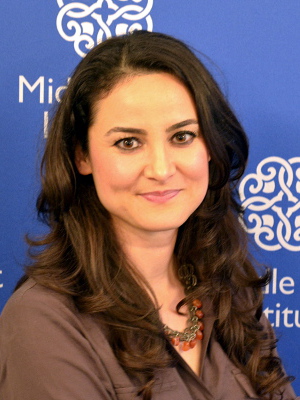
Gönül Tol is a senior fellow at the Middle East Institute (MEI), where she focuses on Turkish politics, US-Turkey relations and regional dynamics in the Middle East.
A frequent commentator, Dr. Tol has written extensively on Turkish domestic and foreign policy for publications such as Foreign Affairs, The New York Times, Foreign Policy, and TheFinancial Times. Her articles include “Turkey Is Now a Full-Blown Autocracy” in Foreign Affairs (March 2025), “The Indispensable Erdogan” in The New York Times and “Erdogan Sees Nothing But Opportunity in Syria” in TheFinancial Times (December 2024).
Le Pen vs. İmamoğlu? Why the comparison fails — and matters
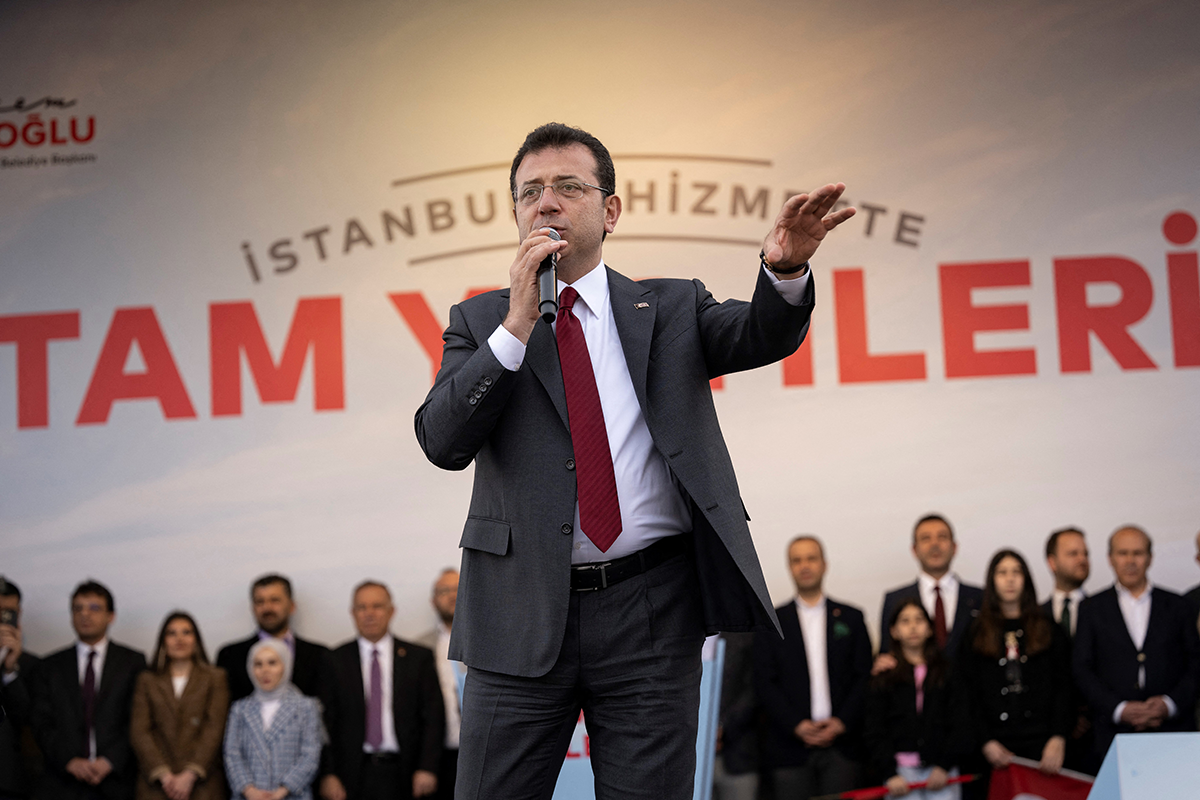
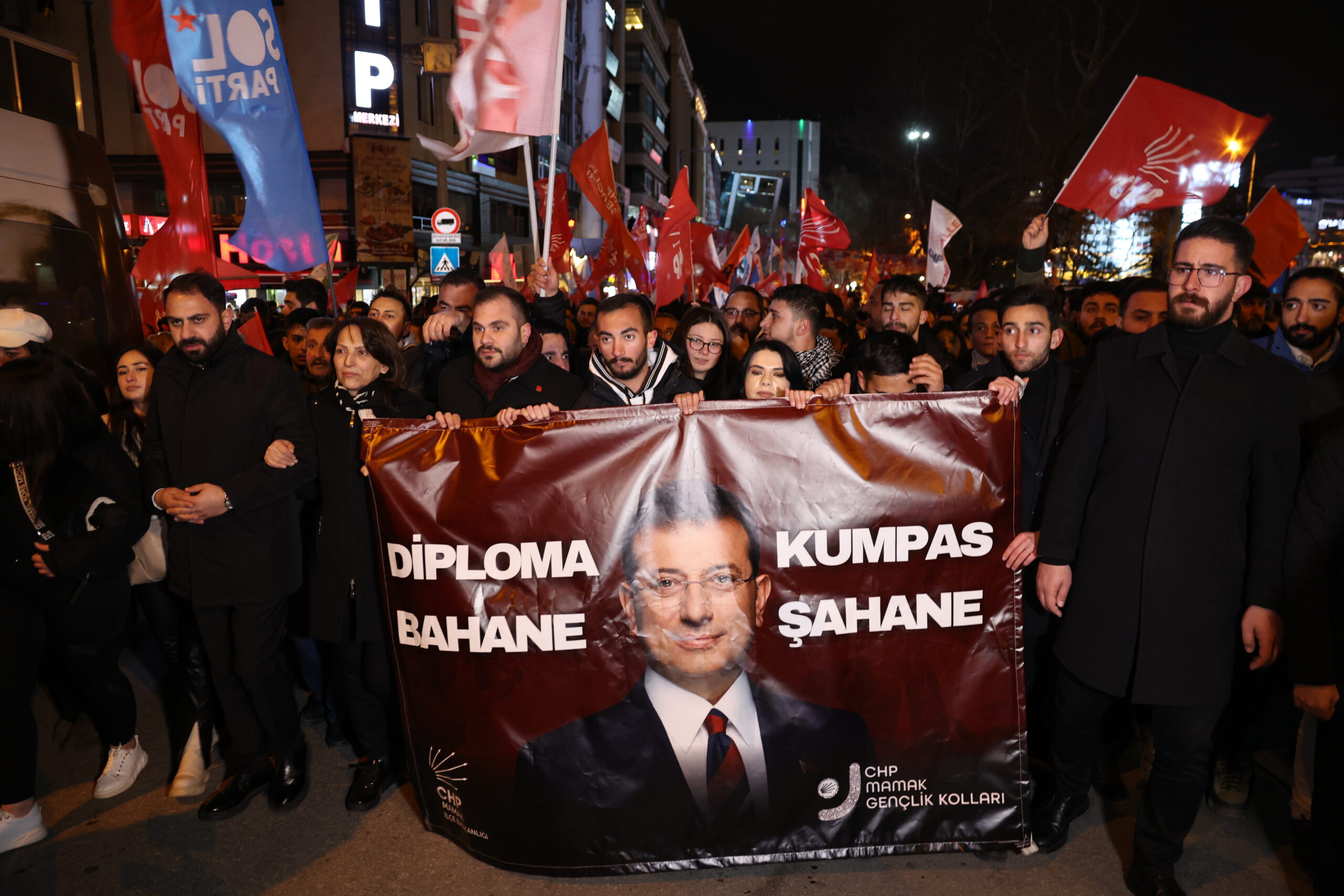
Marine Le Pen, leader of France’s far-right National Rally, was convicted of embezzling EU funds and barred from running for office for five years, effectively disqualifying her from the 2027 presidential race. Meanwhile in Turkey, Ekrem İmamoğlu, mayor of Istanbul and President Recep Tayyip Erdoğan’s most formidable rival, was arrested on corruption charges and jailed, just as he was poised to become the opposition’s presidential candidate. Both Le Pen and Turkish officials are now pointing to each other to justify their own actions.
Rethinking Democracy Ep. 7: The Protests and Political Crisis Shaping Turkey's Democratic Future
Turkey has plunged into turmoil after authorities arrested Istanbul Mayor Ekrem İmamoğlu, President Erdoğan’s strongest opponent, on charges of corruption. Mass protests, the largest in over a decade, have erupted nationwide after İmamoğlu was removed from office and jailed just hours before the opposition was set to declare him its presidential candidate.
Just days before Turkey’s main opposition party was set to select its next presidential candidate, the leading contender, Istanbul Mayor Ekrem Imamoglu, was arrested and jailed, effectively removing him from the race.
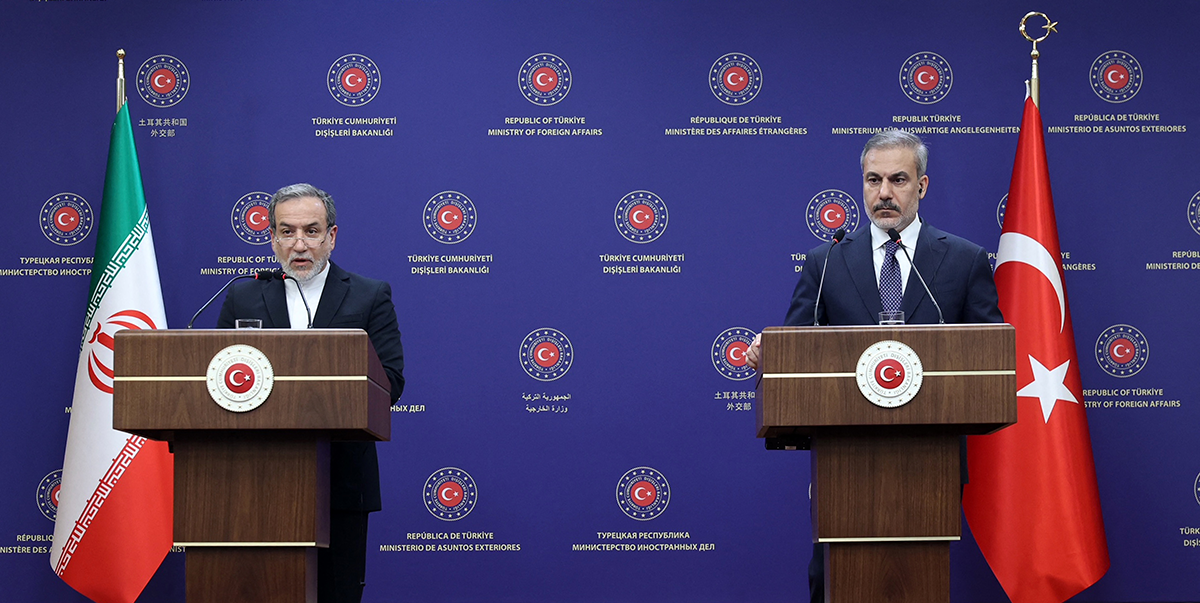
War of words as Turkey-Iran tensions escalate over Syria, Iraq
After decades of managing tensions through careful balancing, Turkey and Iran now find themselves increasingly at odds following recent shifts in the regional balance of power. With Ankara emboldened and Tehran on its back foot after the fall of the regime of Bashar al-Assad, the struggle for influence between the two neighbors and long-time rivals is escalating in both Syria and Iraq and could spread well beyond their borders.
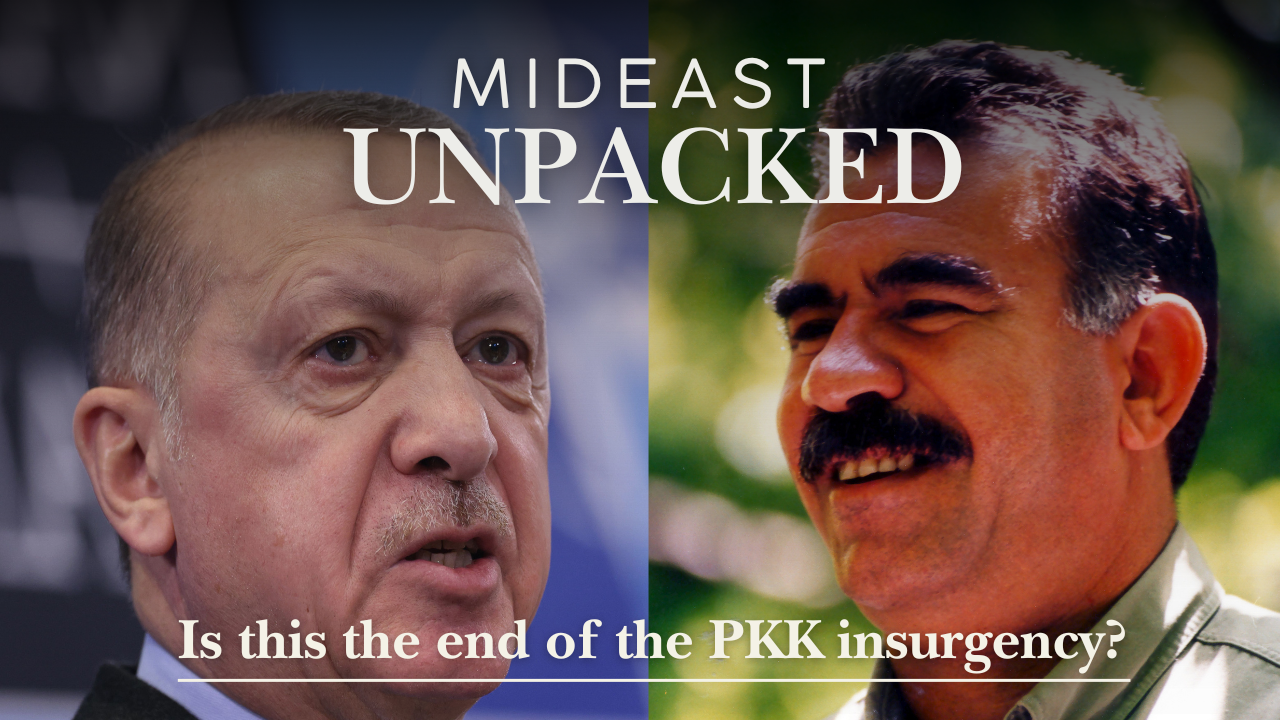
In a historic call last week, Abdullah Öcalan, the jailed Kurdish militant leader, asked fighters with his Kurdistan Workers’ party (PKK) to lay down their arms. The announcement is part of recently launched talks between Öcalan and Turkish President Recep Tayyip Erdoğan’s nationalist coalition. Ending a 40-year war that left 40,000 people dead is something to be celebrated. But consider why the PKK emerged in the first place and optimism quickly fades.
Why, then, does Öcalan think it is time for the PKK to lay down its arms?
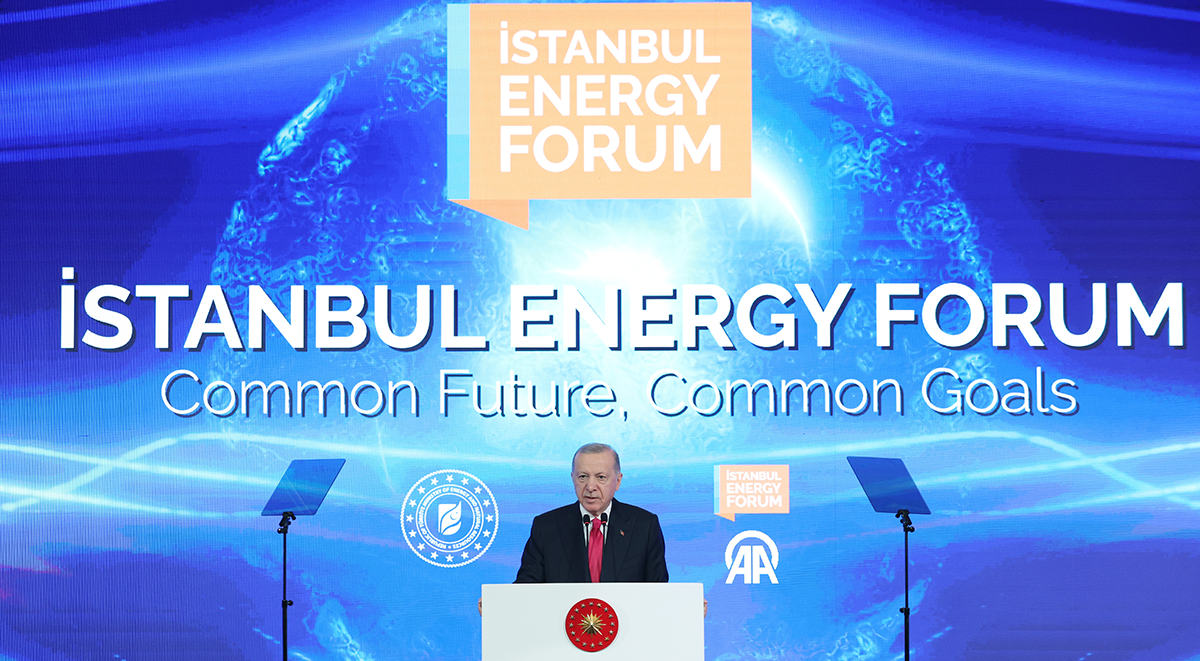
Amid regional upheaval, Turkey looks to energy to secure strategic autonomy
President Recep Tayyip Erdoğan has sought to position Turkey as an energy hub, connecting gas producers to its east and south and markets to the west. Turkey’s geographical position and infrastructure give it an advantage. But becoming an energy center also requires Ankara to dust off a long-abandoned foreign policy approach: “zero problems with neighbors” and the West. Amid changing regional dynamics, Ankara sees an opportunity to achieve that and revive its plans to become an energy hub.
A historic shift may be on the horizon, as Turkey and Kurdish militant leader Abdullah Ocalan engage in unexpected peace talks. After 40 years of insurgency and 40,000 lives lost, Ocalan is expected to call for PKK fighters to lay down their arms. However, with President Erdogan’s democratic backsliding and continued crackdown on Kurdish political rights, questions remain about whether lasting peace is possible. MEI’s Gönül Tol explains.
Rethinking Democracy Ep. 6: Shariah, Democracy, and the Future of Governance in Syria
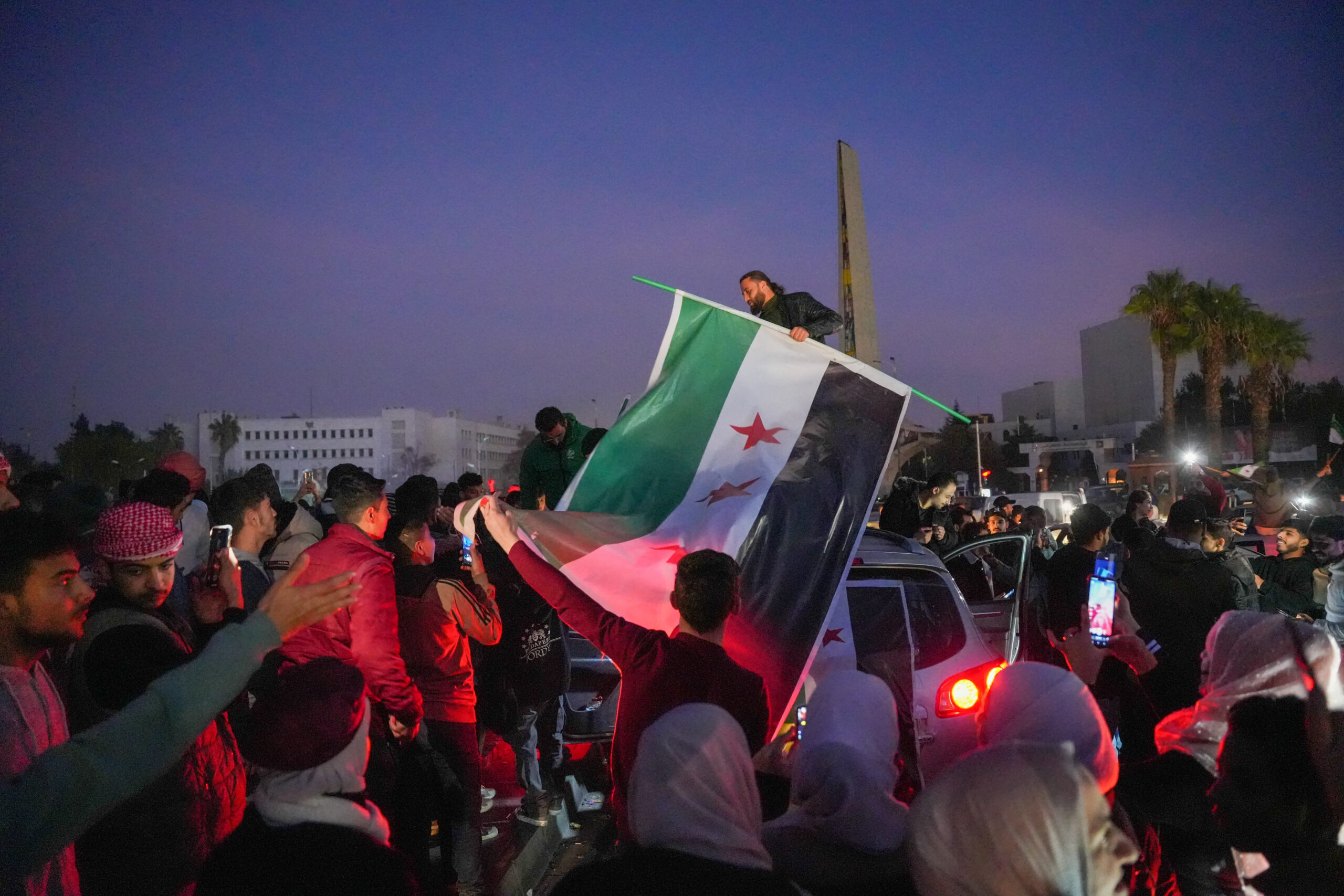
For the first time in decades, the question of how Syria will be governed is wide open. The fall of Bashar al-Assad’s regime at the hands of Hayat Tahrir al-Sham, an armed Islamist group with former ties to al-Qaeda, has left Syria in uncharted territory. Its de facto leader, Ahmed Al Shaara, has pledged a vision of a pluralistic Syria governed by civil institutions rather than dictatorship or ideology.
Half a century of rule by the Assad family in Syria collapsed astonishingly quickly after insurgents burst out of a rebel-held enclave and took Damascus in a matter of days. For Turkish president Recep Tayyip Erdoğan, however, it was not fast enough. He has been waiting for this moment since the Syrian uprising in 2011 and is determined to reap the benefits of Bashar al-Assad’s ousting ahead of Turkey’s 2028 elections.
In most capitals across the Middle East, the news of Syrian President Bashar al-Assad’s fall sparked immense anxiety. Ankara is not one of them. Rather than worrying about Syria’s prospects after more than a decade of conflict, Turkish President Recep Tayyip Erdogan sees opportunity in a post-Assad future. His optimism is well founded: out of all the region’s major players, Ankara has the strongest channels of communication and history of working with the Islamist group now in charge in Damascus, positioning it to reap the benefits of the Assad regime’s demise.
Rethinking Democracy Ep. 5: Impact of Donald Trump’s Election on American Democracy and the World with Ruth Ben-Ghiat and Larry Diamond
Last month, the US electorate voted President-Elect Donald Trump back into the White House. His victory was seen by some experts as part of a global trend and a move towards anti-incumbency attitudes and populism. How will Trump’s rhetoric impact the United States domestically and internationally? Will he govern as a strongman during his second term? What can we expect to be different from his first term?
Erdoğan has big plans, but the Kurdish problem keeps getting in the way
Gunmen armed with explosives and assault rifles assailed the headquarters of Turkey’s state-run aerospace company near Ankara on October 23, in a terrorist attack claimed by the outlawed Kurdistan Workers’ party (PKK). The incident complicates President Recep Tayyip Erdoğan’s efforts to exploit the regional chaos that followed Hamas’s attack on Israel a year ago to advance his domestic and regional goals.