The Latest from Guita Hourani
Minor protests in Egypt attract more international than domestic attention
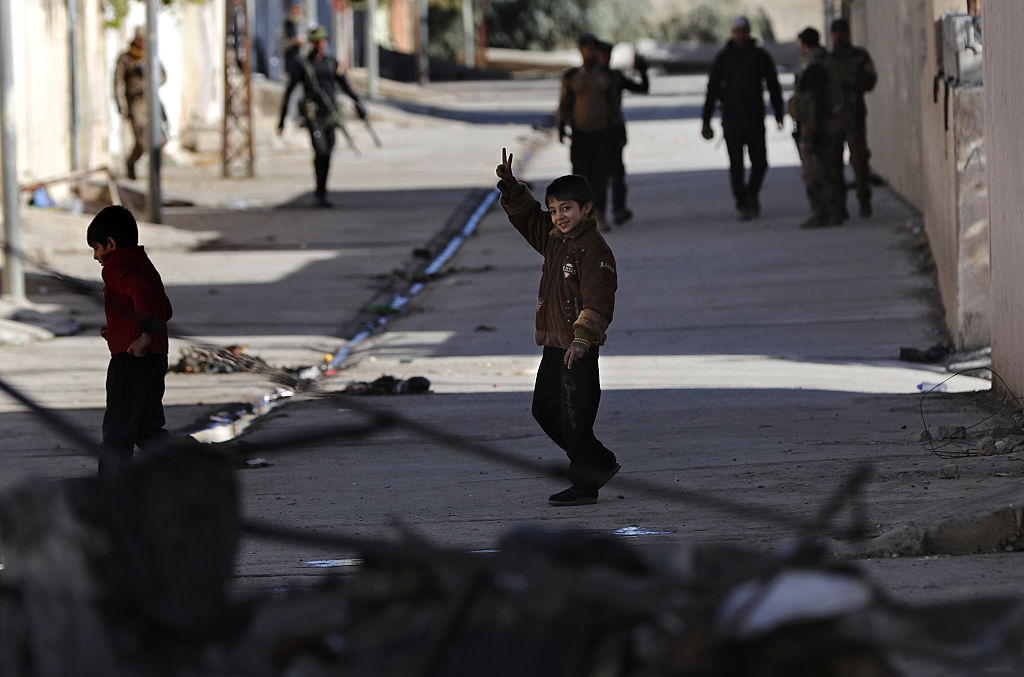
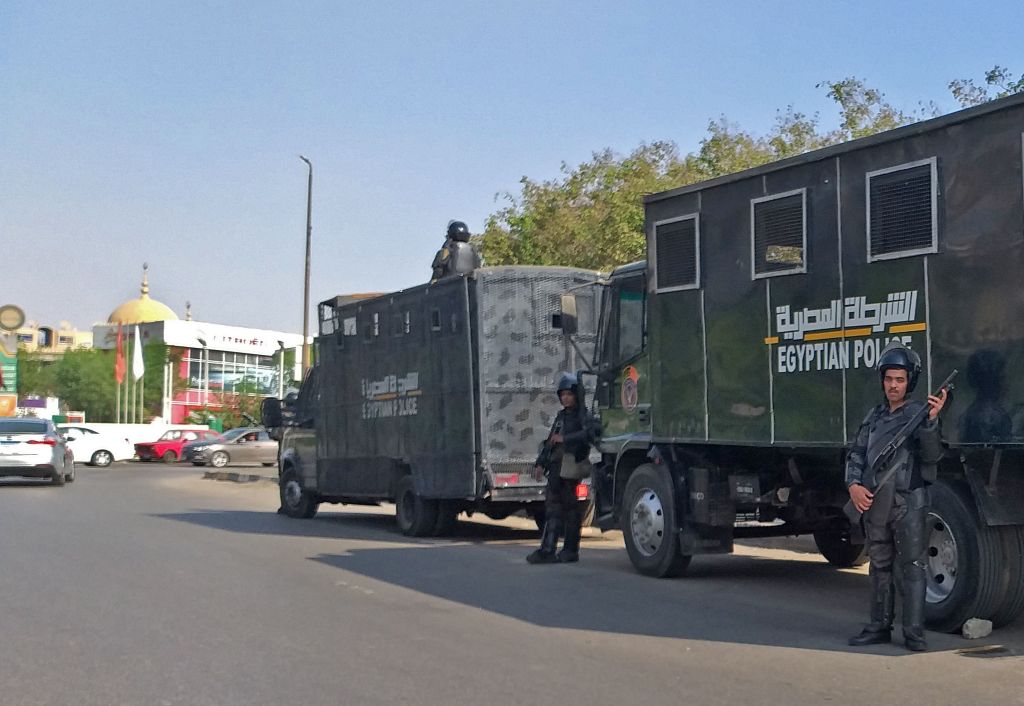
The weekend of the 23rd saw small demonstrations in approximately five governorates that had the twitterverse in an uproar and rekindled mostly moribund international interest in democracy in Egypt.
The Mass Rape of Rohingya Muslim Women: An All-Out War Against All Women
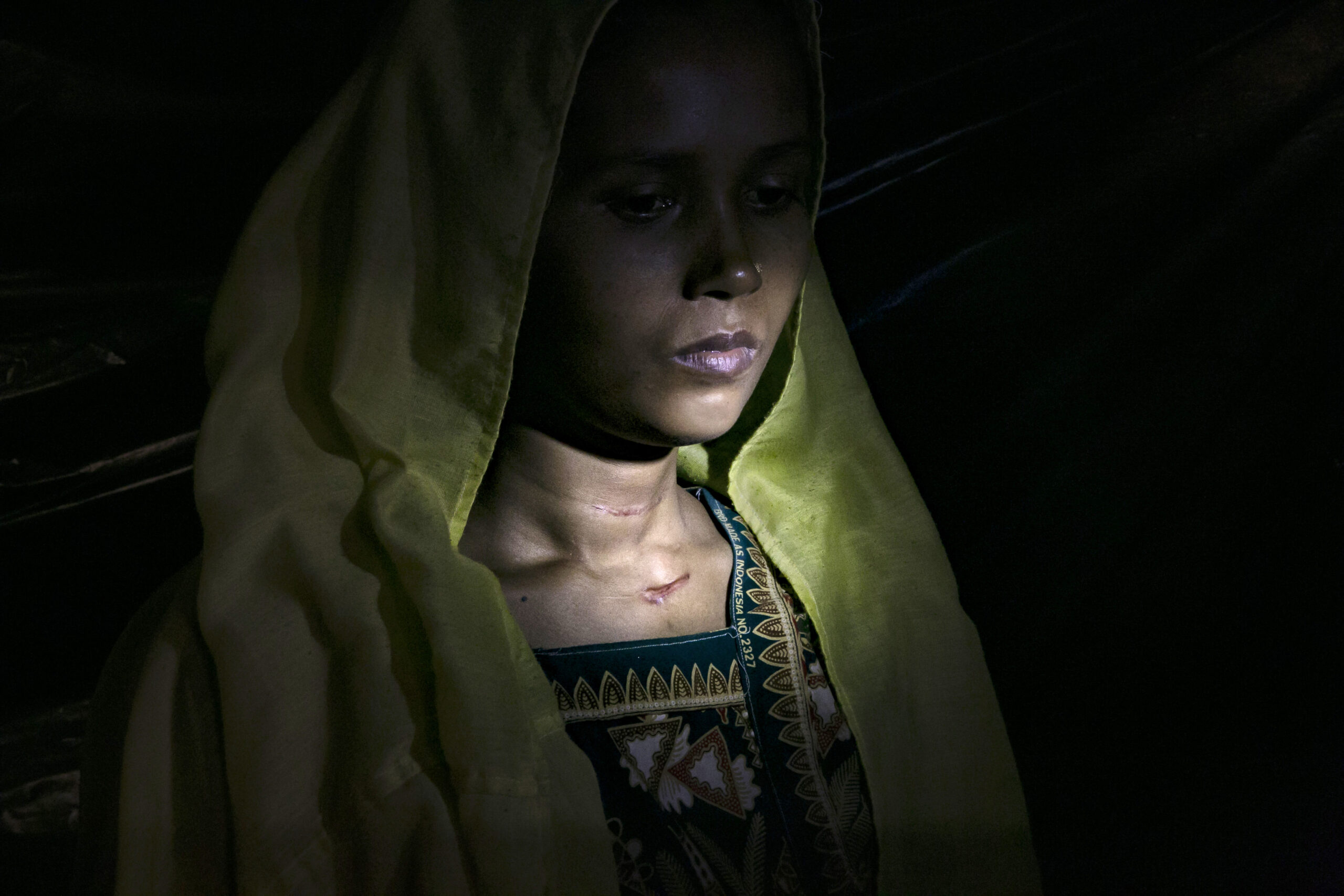
Rape has been a central component of the genocidal campaign waged by Myanmar’s military and security forces against the Rohingya ethnic minority, in which Rohingya Muslim women and girls have suffered unspeakable sexual violence. Yet, there has been little accountability, as those responsible for what the UN, U.S. elected officials, the government of Canada and other governments have called genocide, have gone largely unpunished.
Are the Kremlin’s gains in the Middle East sustainable?
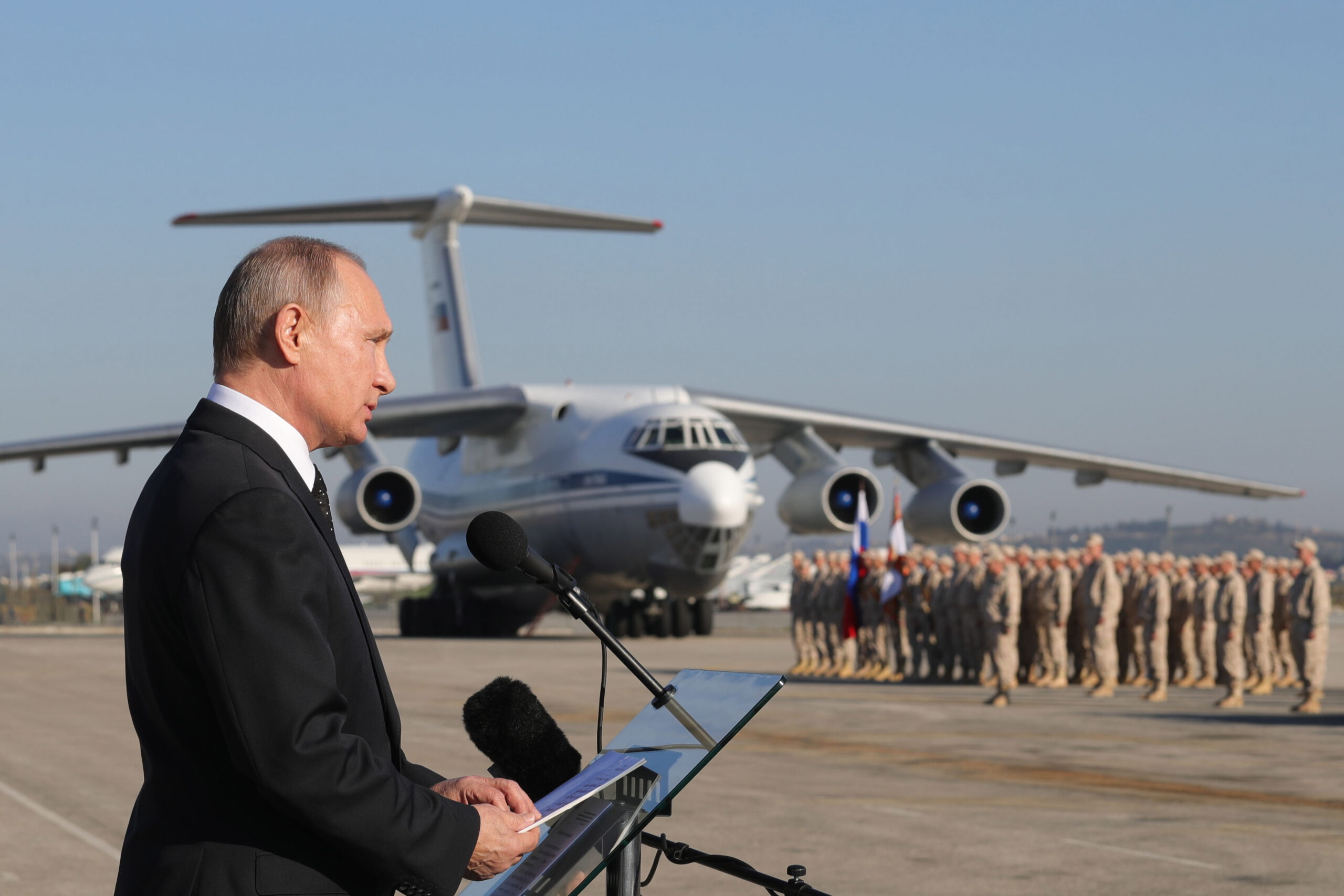
The military campaign in Syria marked a turning point for Russia’s reemergence as a power in the Middle East. Taking advantage of the opportunities presented by Western failures, the Kremlin’s tactical approach has seen it make gains across the region, although these may be more limited and reversible — and Moscow more vulnerable — than is often thought.

Iraq: Key signs of progress amid ongoing challenges
MEI senior fellows Randa Slim and Robert Ford join host Alistair Taylor to discuss observations from their recent trip to Baghdad and Erbil, where they met with senior Iraqi government officials and policy experts and witnessed numerous positive developments as the country emerges from a long-standing climate of violent conflict.
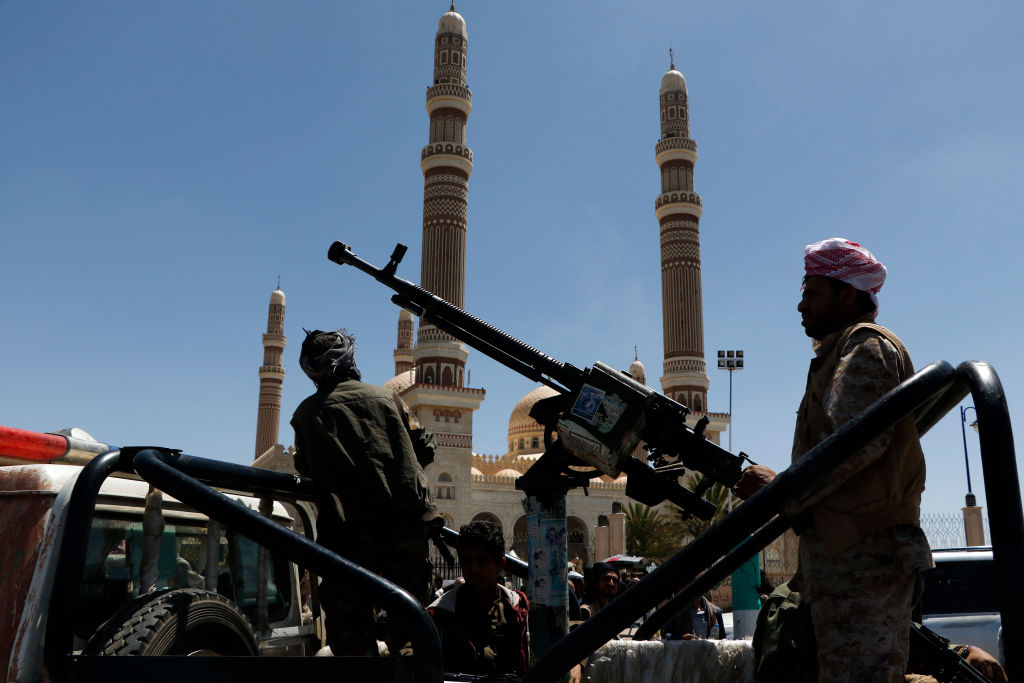
The war in Yemen is a homegrown affair
Many international commentators continue to present the war in Yemen through the lens of Saudi Arabian intervention or sectarian conflict. This narrative has even influenced the US Congress, where some members have passed legislation that rests on the assumption that the war is between the Houthis and Saudi Arabia, rather than against their fellow Yemenis. While the Saudis have intervened in the conflict and the Houthis have often played the sectarian card, neither narrative accurately reflects the current conflict between the Houthis and the UN-recognized government of Abd Rabo Mansour Hadi.
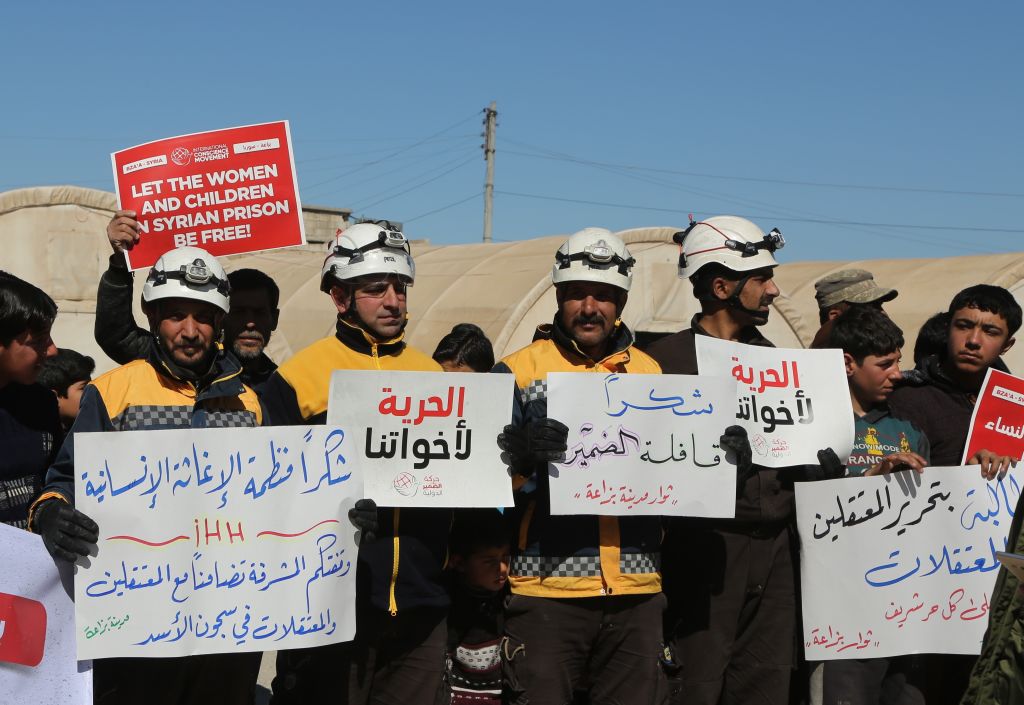
War Crimes in Syria: Identifying Perpetrators and Seeking Justice
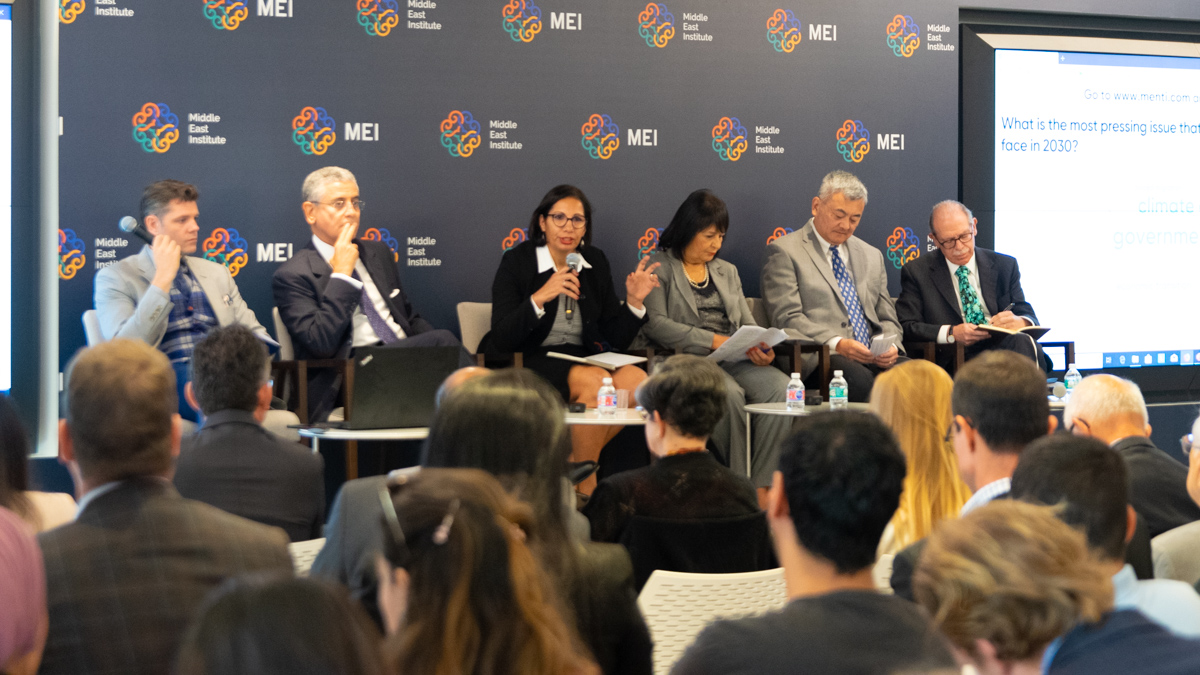
MEI Futures Conference paints challenging picture for the Middle East
As part of our Grand Opening week, MEI hosted a conference intended to identify and, if possible, address the critical challenges confronting the Middle East through the year 2030. The aim was to explore some of the bounds of strategic foresight about our topic: the Middle East and North Africa (MENA) region over the period 2020-30.
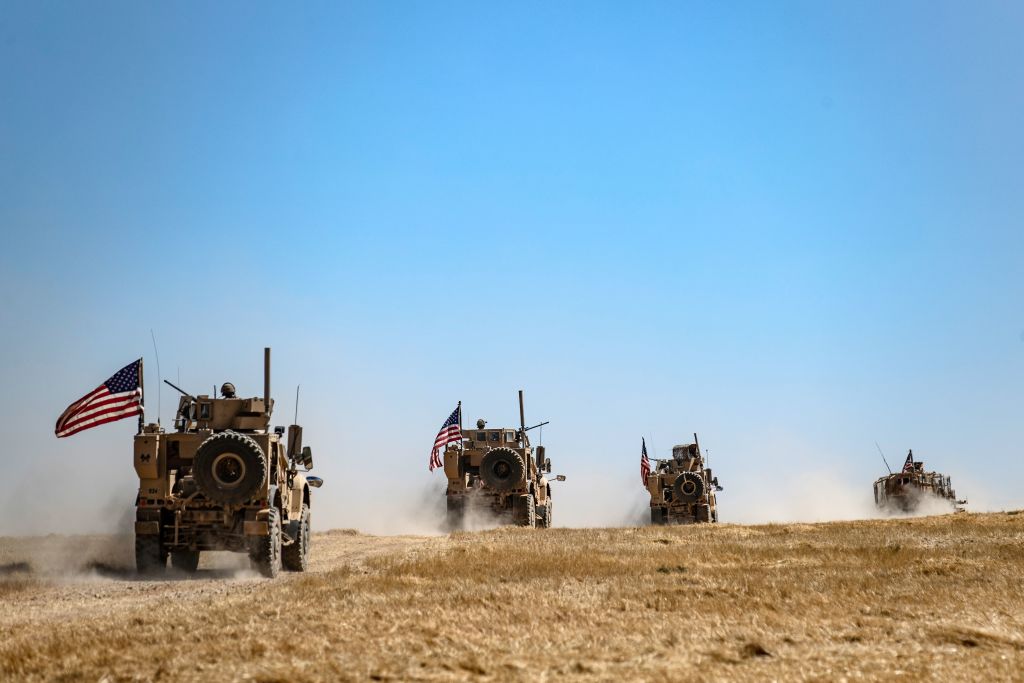
The Syria Study Group gets the problem right, but falls short on solutions
In its final report, the congressionally-mandated Syria Study Group (SSG) provided a bleak but wholly realistic assessment of the state of the crisis in Syria. When it comes to policy prescriptions, however, the SSG falls short. Despite clearly identifying the “means and ends” gap as one of two core problems with U.S. policy in Syria, the “recommendations” suggested by the SSG differ little, if at all, from those already in place.
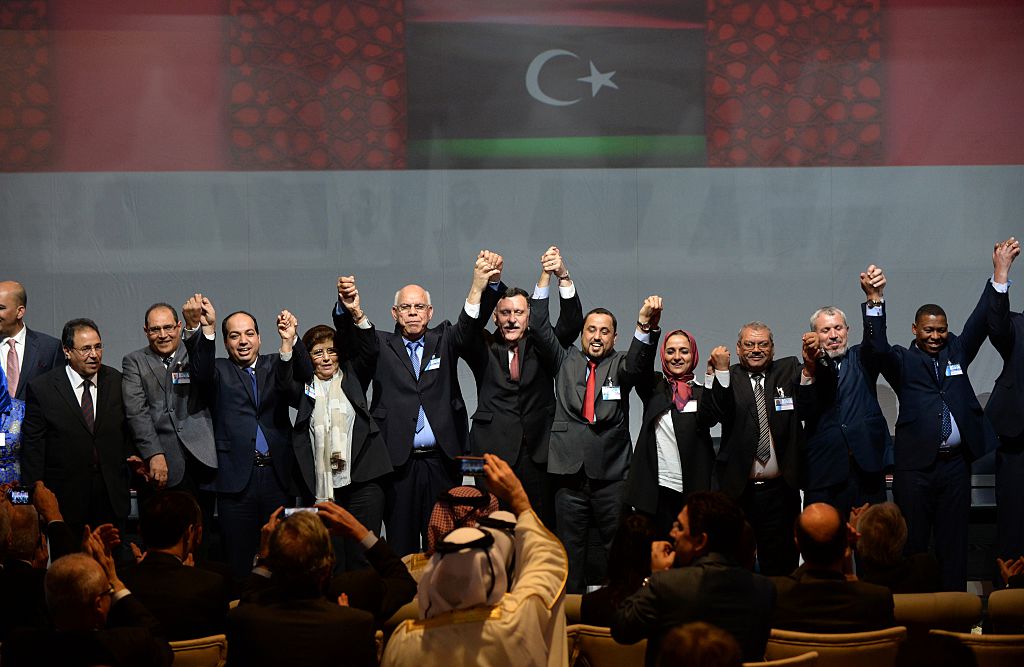
The UN deliberately (albeit mistakenly) accorded sovereignty to post-Gadhafi Libya’s economic institutions
The crux of today’s Libya problem in international foreign policy lies in an underappreciated UN misstep in the most important international treaty concerning Libya, the 2015 Skhirat Agreement, and the decision to vest sovereignty in the heads of independent and semi-independent sub-state institutions like the Central Bank of Libya. The negative implications of this decision must now be addressed and it is time to move onto something new, after Skhirat.
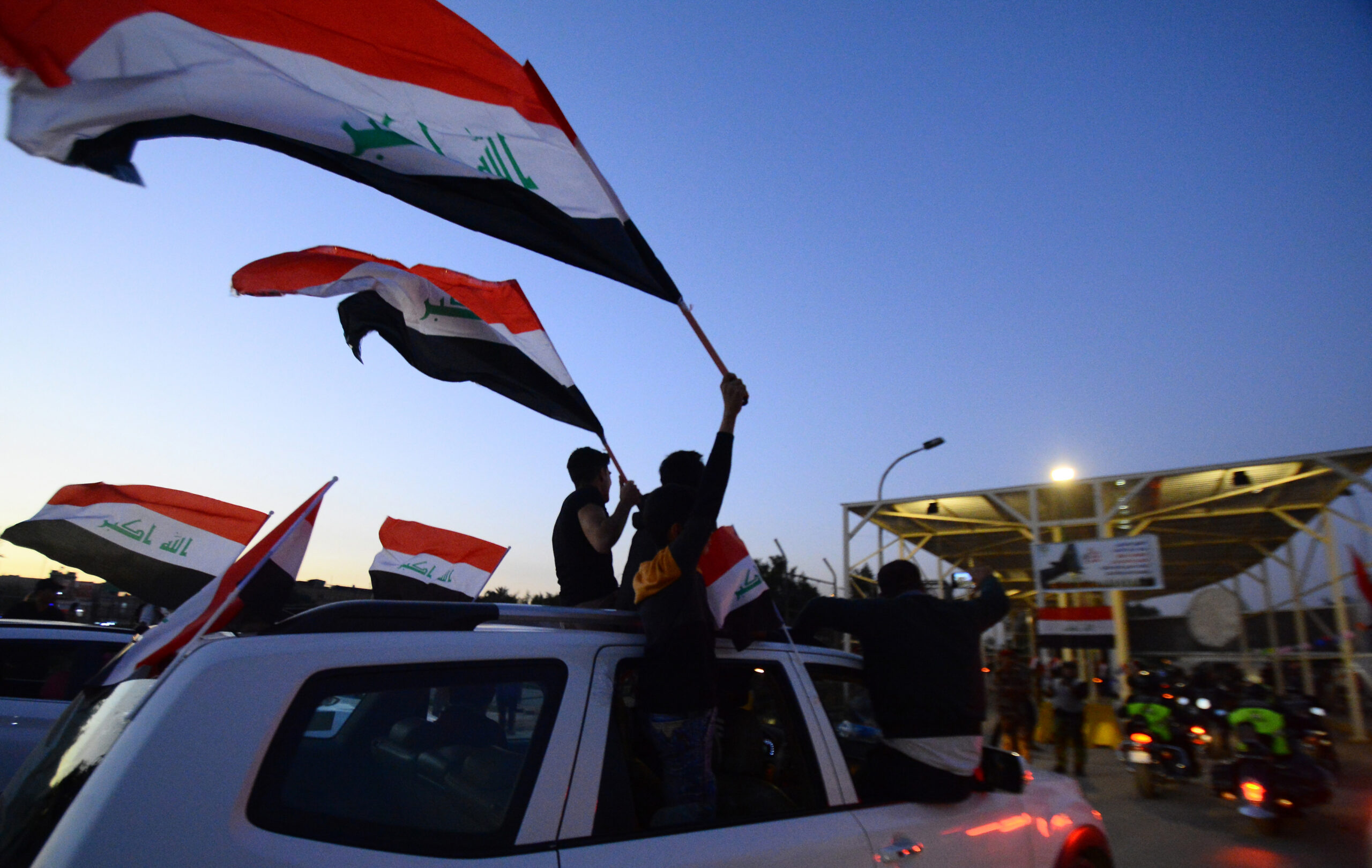
Decentralization and its Discontents in Iraq
Iraq’s current public service regime is struggling to deliver on desperately needed services in part due to the issue of establishing a functioning federal state system across the country. Far more attention needs to be devoted to institutions and how those operating within them can deliver those services. One way to do this is to decentralize service provision to the governorates not incorporated into a region. However, this process has been hampered by administration, fiscal, and political issues. Identifying these and seeking solutions to resolve them will be key. This paper addresses the decentralization process, specifically focusing on the issues surrounding the governorates not incorporated into a region, as per Law 21.
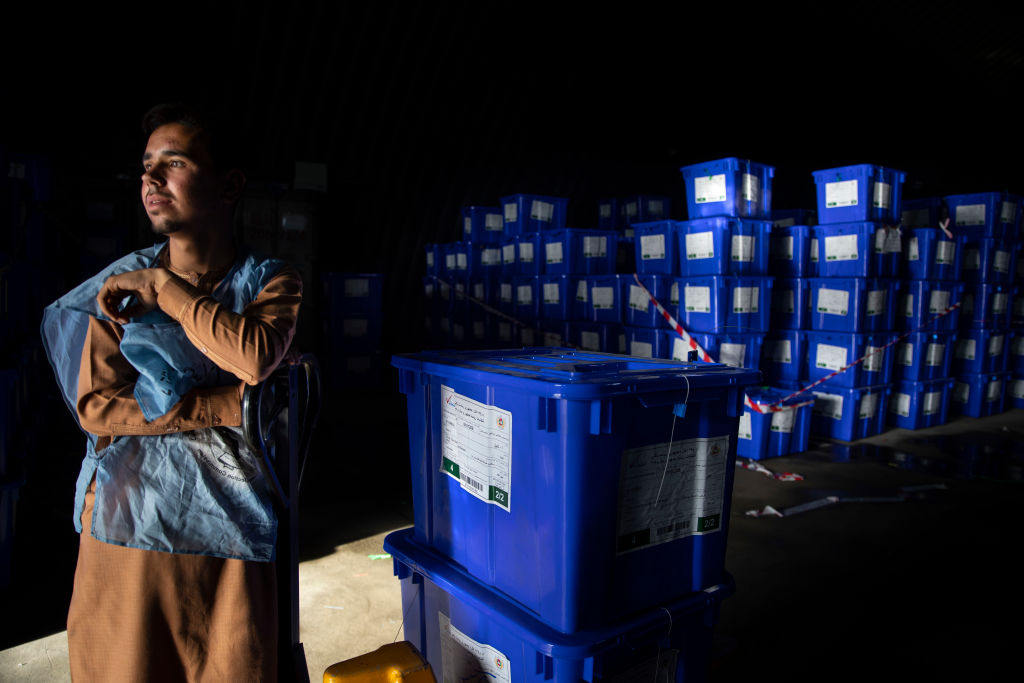
What’s next after the sudden death of the Afghan peace process?
In the end, it all fell apart rather quickly. Instead of a long-awaited announcement about the details of a U.S.-Afghan Taliban peace deal, on Sept. 7 President Donald Trump tweeted that the talks were off, adding shortly afterwards that the Afghan peace process was “dead.” Only days earlier, Washington’s special representative for Afghanistan, Zalmay Khalilzad, had announced a draft agreement had been reached after nine rounds of gruelling negotiations.
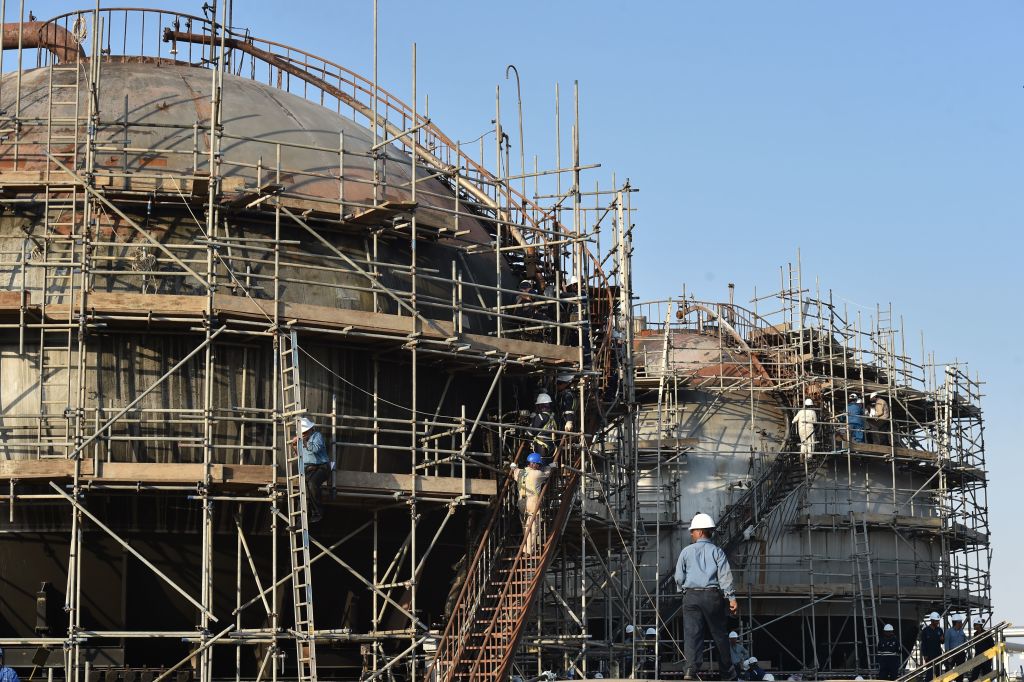
What does the Saudi oil facility attack mean for Russia?
The Sept. 14 attack on key Saudi oil facilities, which knocked out over half of the kingdom’s oil production, has signaled a significant change in approach toward regional and global security. It’s clear that things won’t be the same again. But what does it mean for Russia?
The attack reduced Saudi oil production by 5.7 million barrels per day (bpd), leading to a sharp rise in global oil prices of nearly 20%. Although this was a very important development from an energy and economic perspective, we should not underestimate the political and security ramifications either. The entire paradigm of a secure Gulf under the protection of the U.S. military umbrella has been undermined.
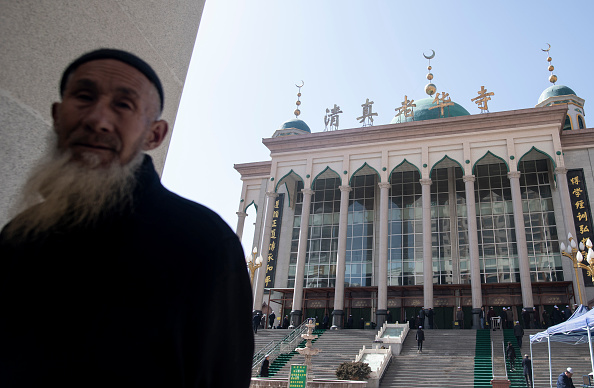
The de-Islamification of Public Space and Sinicization of Ethnic Politics in Xi’s China
Over the past two years, local law enforcement in Hui communities throughout China have made efforts to remove Islamic identity from public spaces. This article shows that these restrictions are part of a broader centralizing effort by the Chinese party-state to emphasize conformity with a vision of Chineseness centered on Han culture, and scrutiny of those ethnic or religious practices that might be deemed “threatening.”
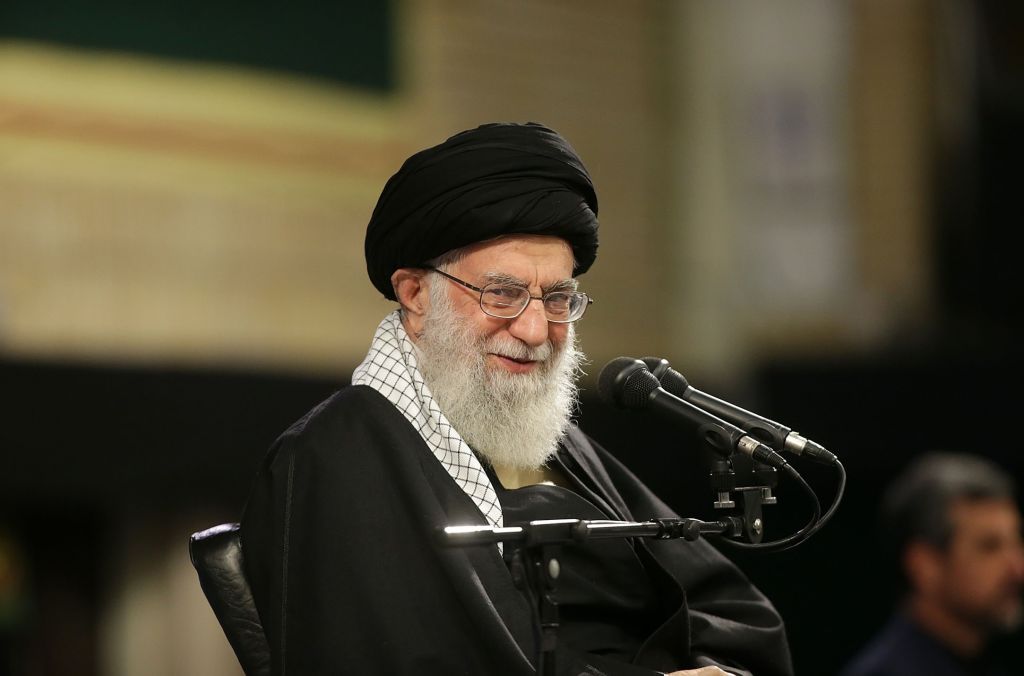
Why Iran’s leadership is opposed to US negotiations despite pressure
The unprecedented attack on critical Saudi oil infrastructure in Abqaiq and Khurais on Sept. 14 came just days after U.S. President Donald Trump’s dismissal of hawkish National Security Advisor John Bolton had opened a narrow window of diplomacy for Iran-U.S. negotiations to deescalate spiraling tensions.



