U.S. Forces in Sinai Ripe Pickings for Islamic State
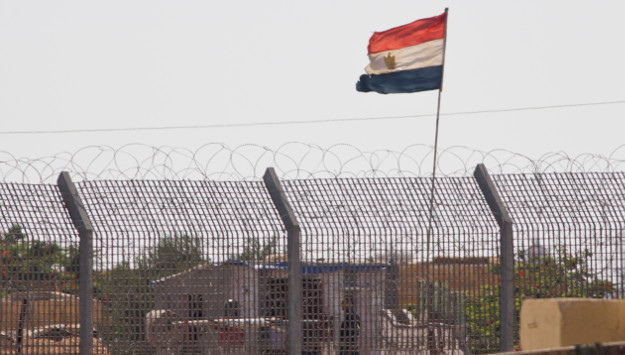
Despite its preferences, the United States is quietly increasing and modifying its military deployment in Egypt’s Sinai Peninsula in response to the growing threat posed by ISIS.
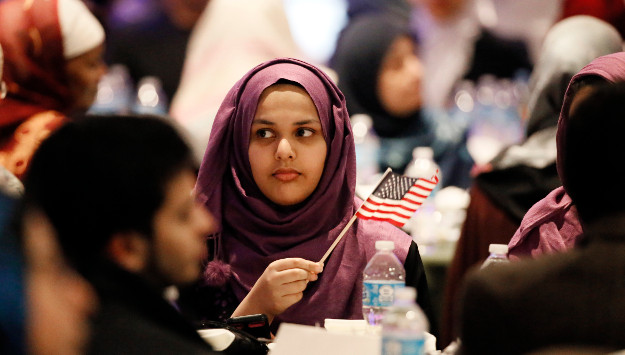
America has long served as a powerful role model for the world, based largely on its commitment to its core principles of freedom, equality, and respect for diversity of opinion and religion. The recent call by Donald Trump to ban all Muslims from entering the United States is an affront to these values, and a threat to America’s domestic tranquility and its standing in the world. In an age where words travel instantaneously across the globe, hate speech can have the same force as actions and policies in shaping opinions abroad. It cannot be ignored.
Protest against Industrial Air Pollution: A Case from Hangzhou City, China
Air pollution has become one of the biggest environment problems in China, causing severe health risks. Residents, especially those living in big cities, are battling air pollution. Their demands for clean air have forced authorities in many Chinese cities to make a decision—shut down the industrial plants responsible for the pollution, or permit them to continue operating to sustain GDP growth. This essay seeks to shed light on how community residents take action to ensure healthy urban habitats through examining the “Warm Home” community’s protest against industrial air pollution in the city of Hangzhou.
On Syrian Talks and Ceasefires: An Open Letter to Secretary Kerry
Mr. Secretary,
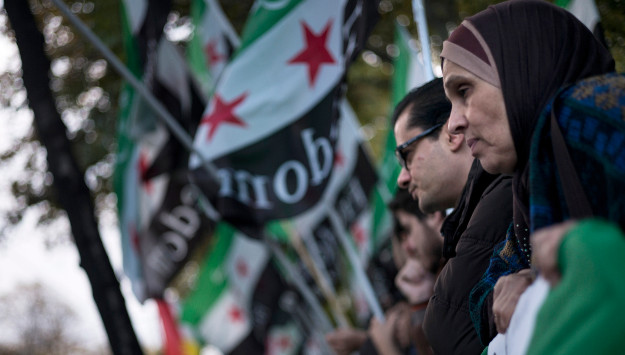
No one has worked harder than you to find a way to bring all sides together to stop the Syrian civil war and muster more international action against the Islamic State. But as a former colleague, let me caution that without some major adjustments in its approach to the Syrian peace talks in Vienna, the Obama administration is headed down another dead end.
Filling the Gap or Digging a Void? The Role of NGO-initiated CBOs in Service Delivery in Dhaka, Bangladesh
This essay offers preliminary observations from nine months of fieldwork in Dhaka. It focuses in particular on one organization, a collection of NGO-initiated CBOs across Dhaka—Nogor Bostibashi Unnyan Sangstha (NBUS), or Urban Slum Development Agency—to highlight the complexities of NGO-initiated CBO service provision and encourage debate about how to move forward.
This article was first published in The Hoover Institution’s The Caravan.
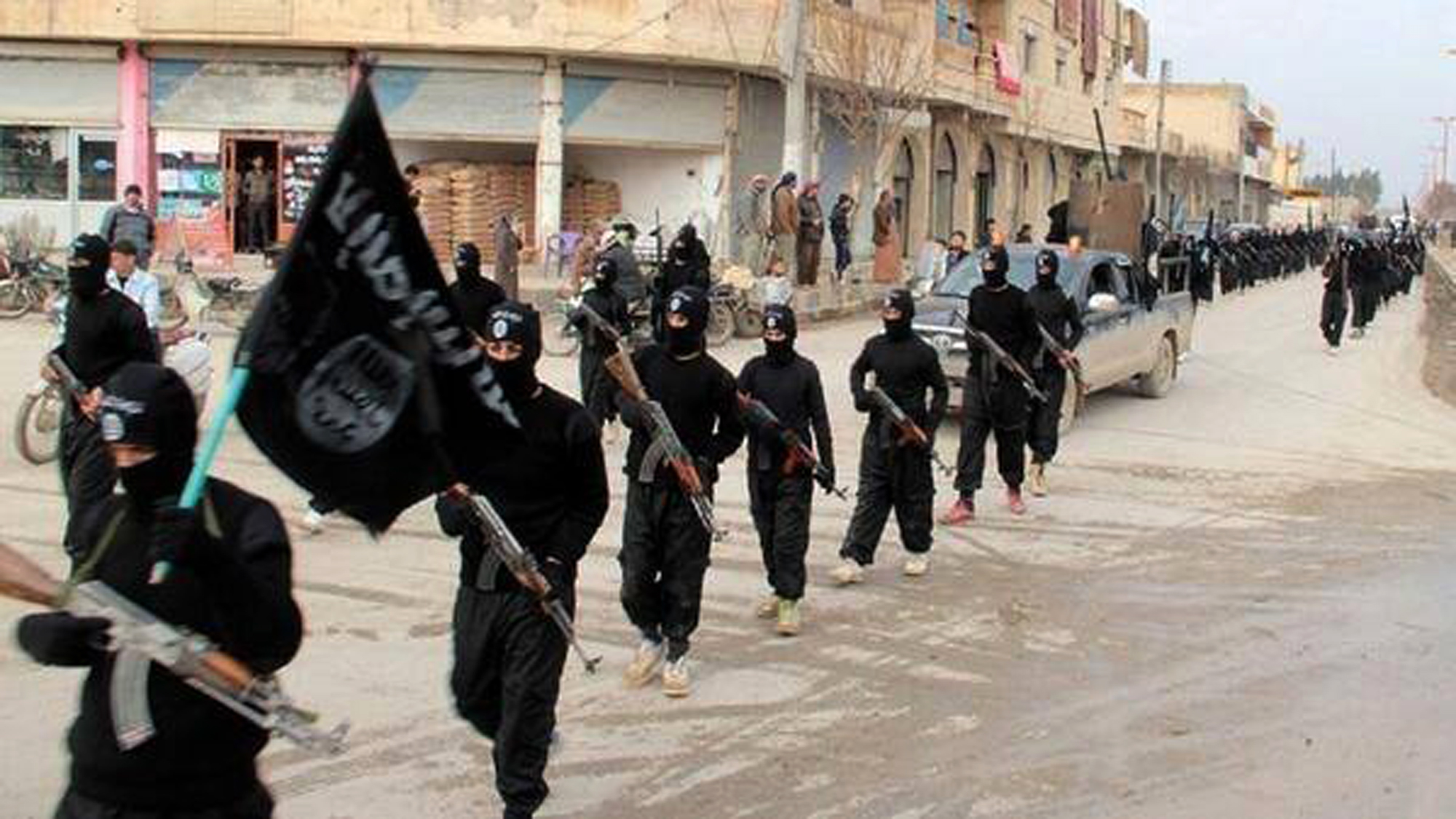
Daesh or ISIS does not represent an existential threat to any state except Syria and Iraq. It occupies and controls ungoverned space in the region between Iraq and Syria and in parts of northern Africa; and its self-proclaimed Caliphate has benefited from the seizure of some income producing assets in these areas. Daesh depends on the dynamism of success and expansion, both of which have been in short supply of late.
In 2009 the State Council approved the city’s urban-rural master plan, which includes housing projects that can integrate rural-urban migrants with the urban-registered population, in line with the plan to increase China’s urban population and its domestic consumer market. Minxin Jiayuan (MX) was the first of 21 planned public-rental housing projects in Chongqing to be built. This essay discusses the system of governance and ‘self-management’ that obtains in this complex and others.
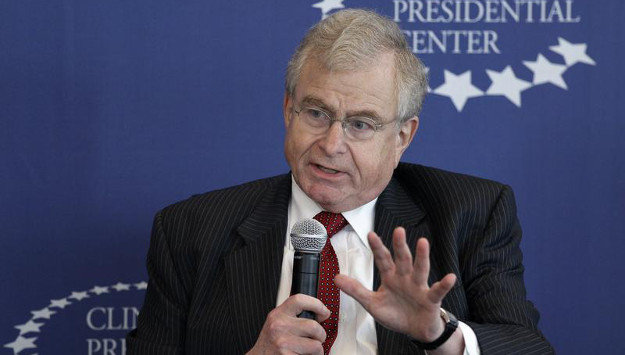
The Middle East Institute (MEI) is saddened to learn of the passing of Sandy Berger, who died today at age 70. Berger was among the nation’s most distinguished public servants, serving as National Security Advisor to President Clinton from 1997-2001. He was also a member of MEI’s International Advisory Committee.
Mega Projects and the Limits of Urban Planning in Megacities: The Case of Istanbul in the AKP Era
This essay examines the politics of the Istanbul Master Plan, which was created by the Istanbul Metropolitan Planning and Urban Design Center (IMP), focusing on the role of non-governmental organizations. The essay addresses three main questions. First, to what have NGOs been involved in the formulation, implementation, and oversight of the Istanbul Master Plan? Second, what form has their activism taken and what has been the response of the AKP government? And third, what are the prospects for achieving the balance between conservation and development originally envisioned by the Istanbul Master Plan?
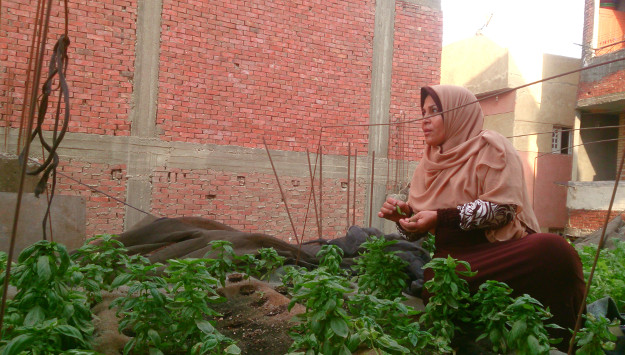
On the rooftop of a three-story brick building tucked inside a dusty alley of ‘Izbat al-Nasr, a poor and informal neighborhood southeast of Cairo, Leila Hussein crouches, tending to the basil and rocket she grows. The incessant cackling of geese, chickens, and pigeons emanating from the roof of a similarly run-down, red brick structure opposite the street gives an eerie, rural soundtrack to her meticulous work.
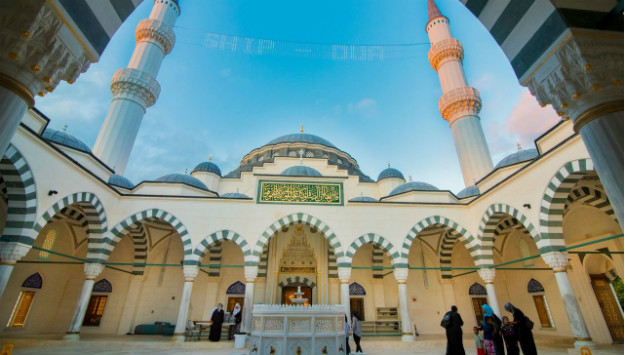
A Mosque Grows in Lanham: New Institutions Seek to Rebrand Islam in America
Something is different about Greater Washington’s new Islamic center in Lanham, Maryland, which recently opened after several years of construction. It boasts an aquatics hall complete with a swimming pool for doing laps and a traditional Turkish bathhouse with separate sections for men and women. It has outdoor tennis courts, a chess club, and several guest villas inspired by 16th century Ottoman architecture. A female chaplain is already on staff, ready to issue fatwas alongside her male colleagues.