Skip to Content

Guita Hourani

This individual is a guest contributor. MEI is not able to assist with contact requests.

The Latest from Guita Hourani

Filter by
10042 Results
The Contemporary Islamic State of Indonesia: Threats and Challenges
Middle East Institute
  • Analysis
  • The Contemporary Islamic State of Indonesia: Threats and Challenges

    The Islamic State (ISIS) currently poses a serious security threat to Indonesia. The group has already recruited hundreds of young fighters and jihadi volunteers from various parts of the country. Its battlefield successes and its call for the establishment of a caliphate in Indonesia have resonated with, mobilized, and united jihadi groups that had previously been fractured and weakened. This essay examines past efforts to establish an Islamic state in Indonesia and discusses how veterans of past conflicts―from the war in Afghanistan in the 1980s to the religious conflicts in Poso and Maluku―seeded Indonesia’s jihadi movement, spawning new networks and organizations. The current global jihad battlefield in Syria and Iraq is the training ground for the next generation of jihadi returnees to Indonesia and the Southeast Asian region.
    January 14, 2015

    Time for Pakistan to Get Tough on Terrorism
  • Analysis
  • Time for Pakistan to Get Tough on Terrorism

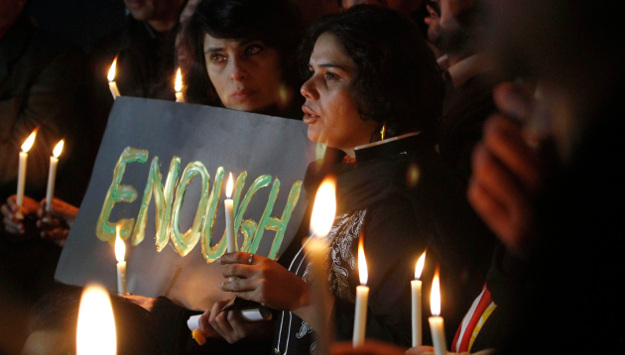
    This article, co-written by James P. Farwell, was first published by The National Interest.

    Shot in both legs, Shahruh Khan survived the Taliban attack on the Army Public School in Peshawar, Pakistan. “The man with big boots,” Al Jazeera quoted Khan as saying, “kept on looking for students and pumping bullets into their bodies.”

    Vulnerabilities and Resistance to Islamist Radicalization in India
  • Analysis
  • Vulnerabilities and Resistance to Islamist Radicalization in India

    India has long remained an enigma within the discourse on the Islamist extremism and terrorism that have afflicted widening areas of the world. The emergence of the Islamic State (ISIS) and its appeal to significant numbers of radicalized Muslims have highlighted ambiguities surrounding the role of these ideologies in India. Fighters from at least 82 countries are said to have joined ISIS. Western countries with tiny Muslim populations and long-standing programs intended to counter the trends toward radicalization of Muslims have found that scores—even hundreds—of their citizens are involved in the fighting in Iraq and Syria. By comparison, India, with a Muslim population of about 176 million (well over twice the total population of Europe), has seen an estimated 18 radicalized Muslims join ISIS in Iraq-Syria.

    January 12, 2015

    How ISIS Charmed the New Generation of Indonesian Militants
    Middle East Institute
  • Analysis
  • How ISIS Charmed the New Generation of Indonesian Militants

    The Islamic State’s (ISIS) media wing, Al-Hayat Media Center, recently released a video entitled “Join the Ranks” that features a group of Indonesian foreign fighters in Syria. In the video, the charismatic Indonesian militant Bahrumsyah calls on his fellow Indonesian Muslims to migrate to the land of the “caliphate.” It is estimated that 100 to 300 Indonesian militants have gone to fight in Syria. While some are spread across al-Qa‘ida (AQ)-affiliated groups such as Ahrar Sham, this essay focuses specifically on links between Indonesian militants and ISIS. Indonesians and Malaysians fighting for ISIS appear to have formed their own military unit, the Katibah Nusantara. Meanwhile, 2,000 people across the Indonesian archipelago pledged allegiance to ISIS earlier this year.

    January 9, 2015

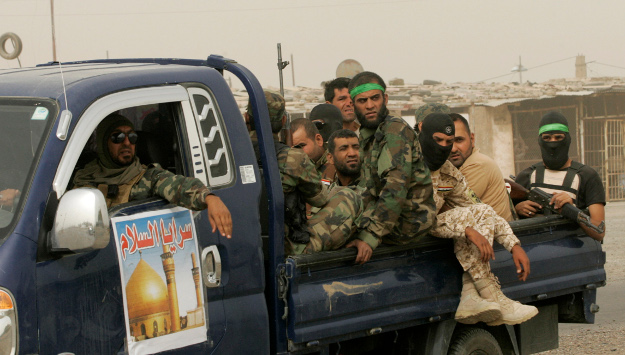
    Forget ISIS: Shia Militias Are the Real Threat to Kurdistan
  • Analysis
  • Forget ISIS: Shia Militias Are the Real Threat to Kurdistan

    This article first appeared in The National Interest.

    In Iraq, the Islamic State (ISIS) is no longer on the offensive. That is particularly true on the Kurdish front in the north where the ISIS onslaught is now contained.

    The Iraqi Kurdish military, the Peshmerga, proved to have the capability to repel the extremist Sunni fighters from ISIS and to hang on to recaptured territory. They have done so largely without many resources or support from West.

    Cold Lessons from the Balmy Euphoria of the “Arab Spring”
  • Analysis
  • Cold Lessons from the Balmy Euphoria of the “Arab Spring”

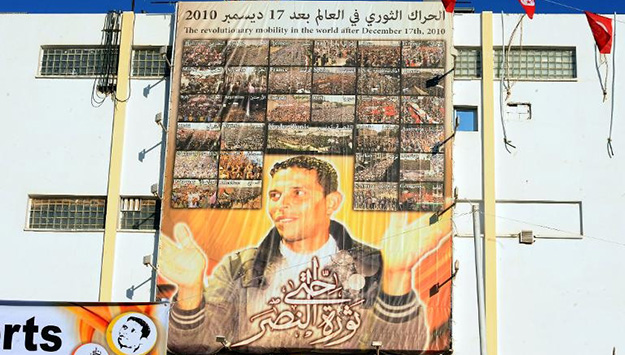
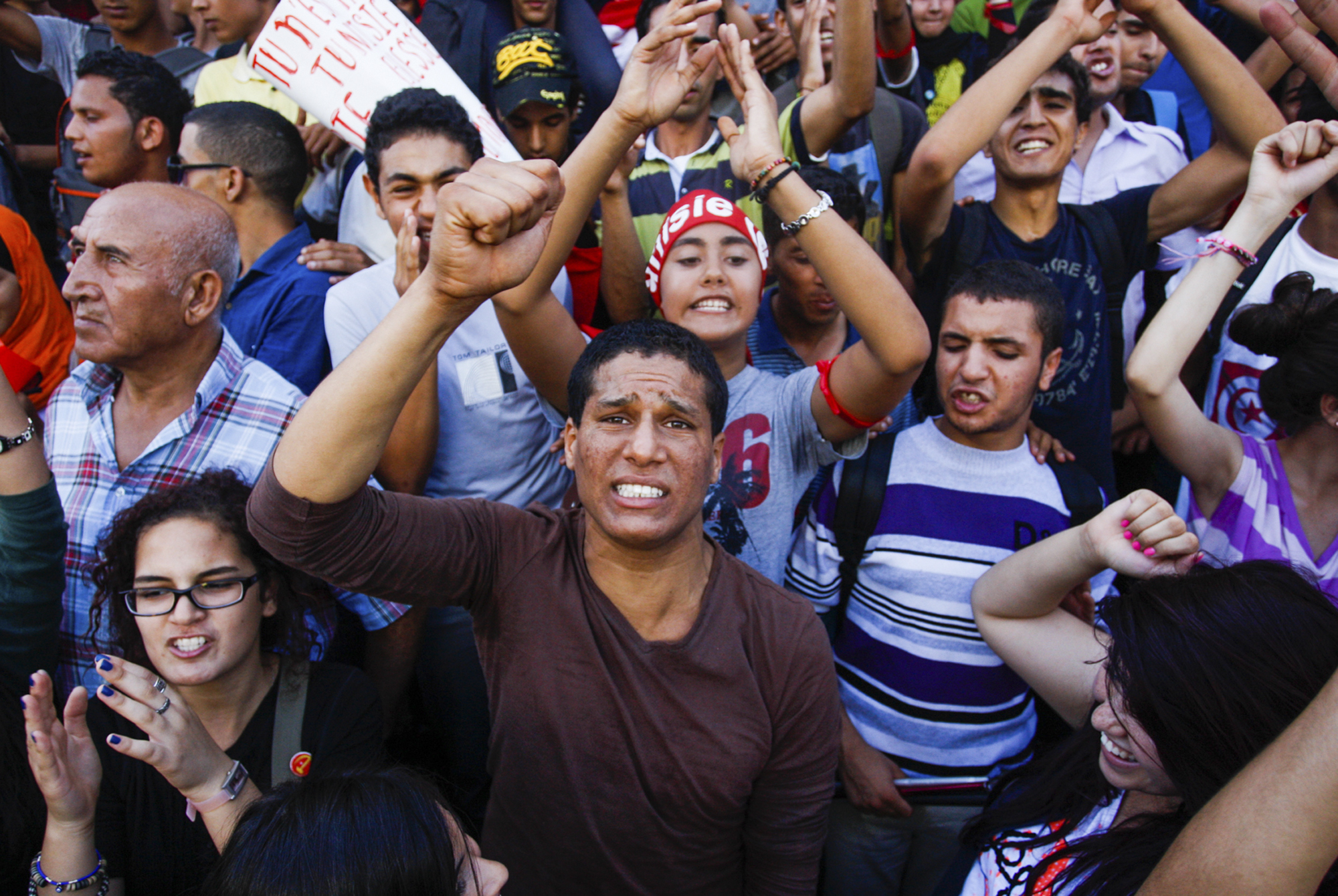
    A desperate Tunisian fruit and vegetable vendor immolated himself on December 17, 2010, setting off a chain of demands for dignity and a better life. The past four years in the Arab world have seen vast turmoil, and the end is not yet clear. The Arab countries of the Middle East and North Africa are passing through their most abrupt and historic experience since decolonization and independence following World War II.

    January 7, 2015

    Gulf Charitable Organizations in Southeast Asia
    Middle East Institute
  • Analysis
  • Gulf Charitable Organizations in Southeast Asia

    While there have been studies on the development of Islamic philanthropic organizations in fostering social welfare in Southeast Asian countries such as Indonesia and Malaysia, the role of international Islamic aid agencies, including those from Gulf countries, in their dealings with Southeast Asian domestic welfare issues remains unexplored. This essay discusses the growth of Gulf charitable organizations operating in Southeast Asia, particularly the reasons for this phenomenon and the types of activities in which these organizations are engaged, and then takes an in-depth look at two Gulf charities that are active in Indonesia, namely the United Arab Emirates’ (UAE) Asian Muslim Charity Foundation (AMCF) and Qatar Charity.

    December 25, 2014

    Bahrain’s Elections and the Opposition
  • Analysis
  • Bahrain’s Elections and the Opposition

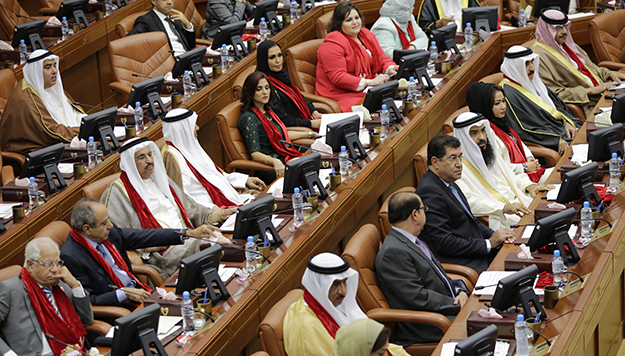
    As Bahrain’s newly elected parliament convened for the first time last week, the island nation stands divided. The Shi‘a-dominated opposition boycotted last month’s elections and will be outside the political system for the foreseeable future, leaving little prospect for the community’s political advancement. Meanwhile, the predominantly Sunni electorate participated strongly in the polls and will move forward alone on a series of reforms and priorities that are most important to their community.

    December 24, 2014

    Yemen’s Houthi Takeover
  • Analysis
  • Yemen’s Houthi Takeover

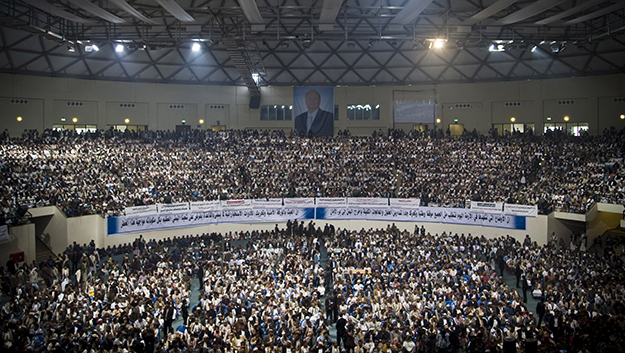
    Once touted as a relative success story among Arab uprisings, the internationally backed transition process in Yemen has unravelled in the wake of the September 21 Houthi takeover of Sana. Nominally there is still a political process in place, but events on the ground are moving in a different direction and the country appears poised for yet another round of upheaval, possibly more transformative than the events of 2011.

    December 23, 2014

    Why Should Iran Accept U.S. Presence in Afghanistan?
    Middle East Institute
  • Analysis
  • Why Should Iran Accept U.S. Presence in Afghanistan?

    Read the full article on Al-Monitor. 

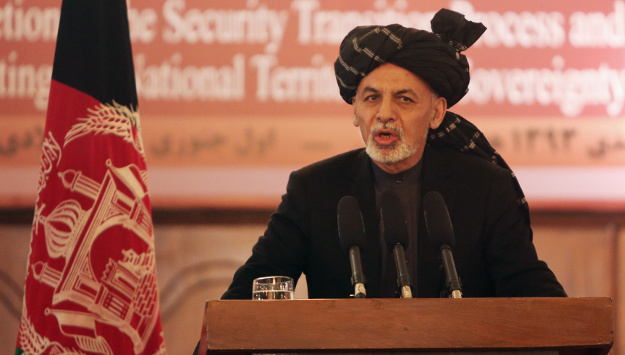
    At first glance, Iran appears to be unconvinced about Afghanistan’s new President Ashraf Ghani, and the feeling is probably mutual. Ghani chose Saudi Arabia, China and then Pakistan as the first countries to visit as president, and has yet to visit Tehran. 

    Pulling Libya Back from the Brink
  • Analysis
  • Pulling Libya Back from the Brink

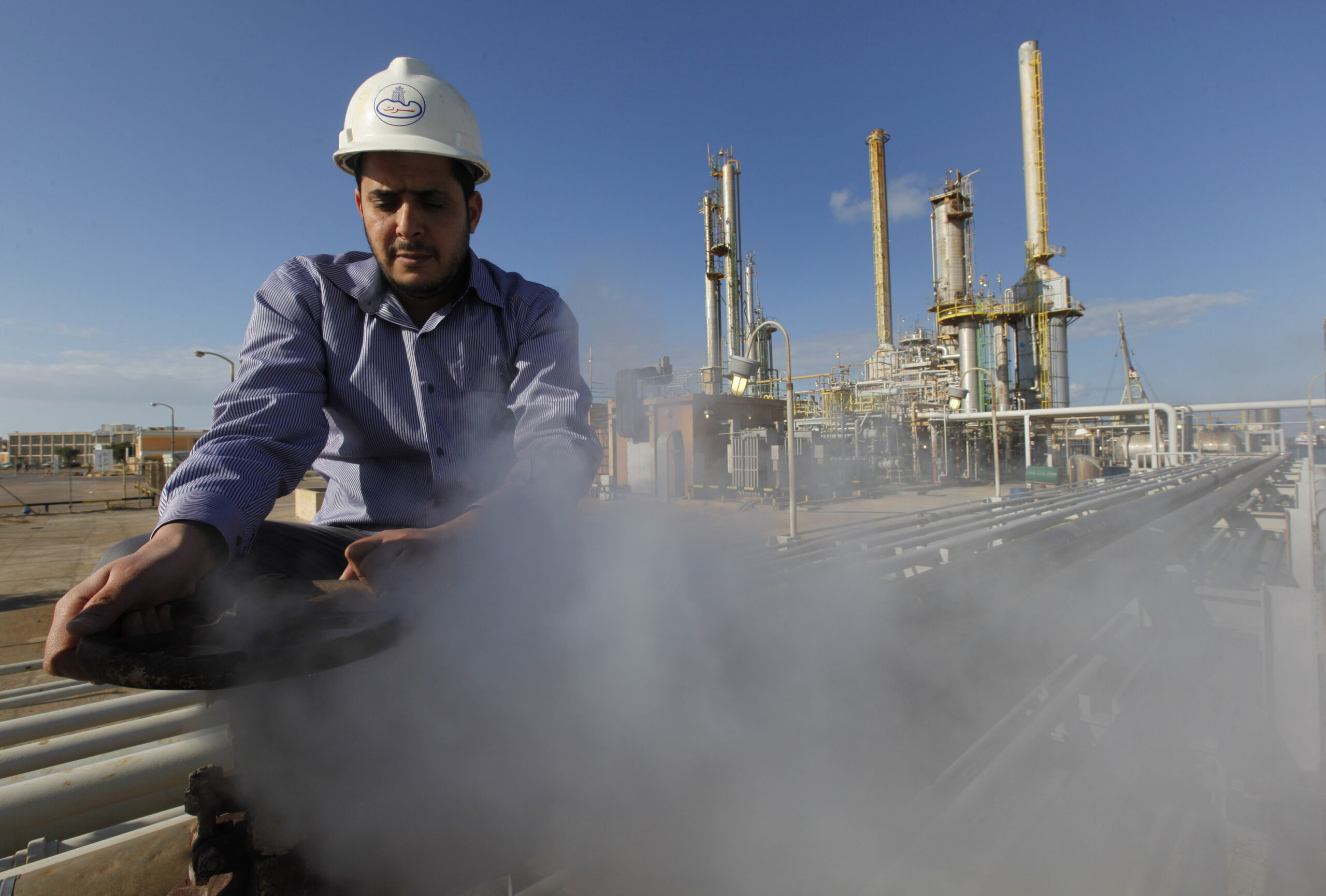
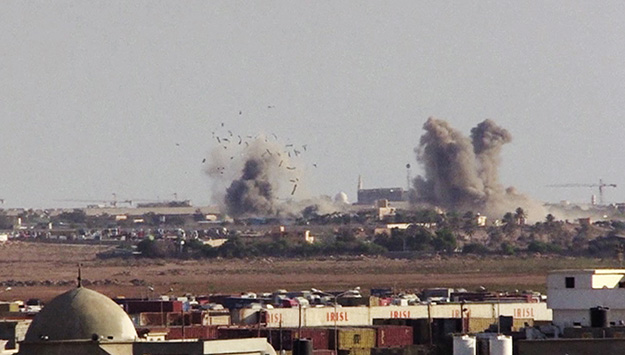
    Despite an encouraging communiqué by the UN Support Mission in Libya (UNSMIL) this week praising the commitment of the various Libyan parties to a dialogue, the continued postponement of the so-called Ghadames II peace talks does not bode well. Backed by external supporters, Libya’s warring factions appear to favor a military solution to the situation, rendering the crisis increasingly beyond repair.

    December 19, 2014

    The New Suez Canal Project and Egypt’s Economic Future
  • Analysis
  • The New Suez Canal Project and Egypt’s Economic Future

    During a televised speech on August 5, 2014, President Abdul-Fattah el-Sisi announced a “surprise” he’d planned for the Egyptian people: the launch of the New Suez Canal mega-project, involving an expansion of the existing canal and the development of its environs into a global trade hub. The project is making waves in Egypt and worldwide, mobilizing equipment, contracts, and finance. But the plan to widen and deepen the existing canal to permit passage to the world’s largest container ships and to dig a parallel waterway to allow for two-way traffic was not new.

    December 19, 2014

    Today's Middle East: A Snapshot of Regional Attitudes

    Today's Middle East: A Snapshot of Regional Attitudes

    December 18 – January 1, 1970, December 18 - 2:30 PM – 12:00 AM
    January 1 - 2:30 PM – 12:00 AM

    The Carnegie Endowment for International Peace, 1779 Massachusetts Avenue NW, Washington, District of Columbia 20036