According to multiple media reports, Taliban anti-narcotics units have managed to effect a drastic reduction in opium cultivation in Afghanistan. Assisted by armed Taliban soldiers, stick-wielding personnel are hopping from one opium-growing field to another, destroying standing crops in a large number of provinces. Overseen by international media, such operations may have resulted in an almost 80 percent reduction in opium cultivation this year in the country, which not long ago accounted for 85 percent of the world’s opium.
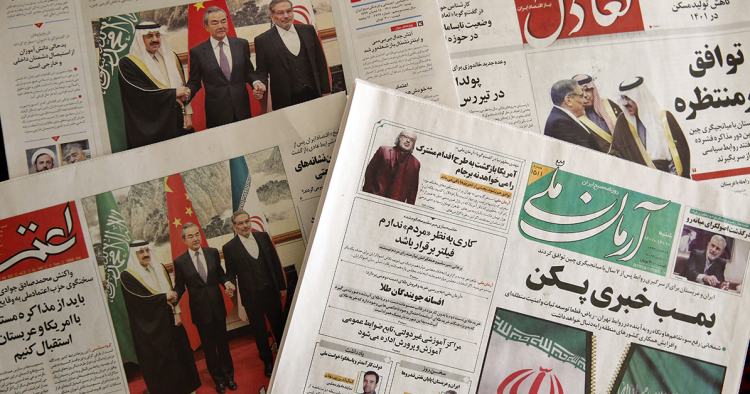
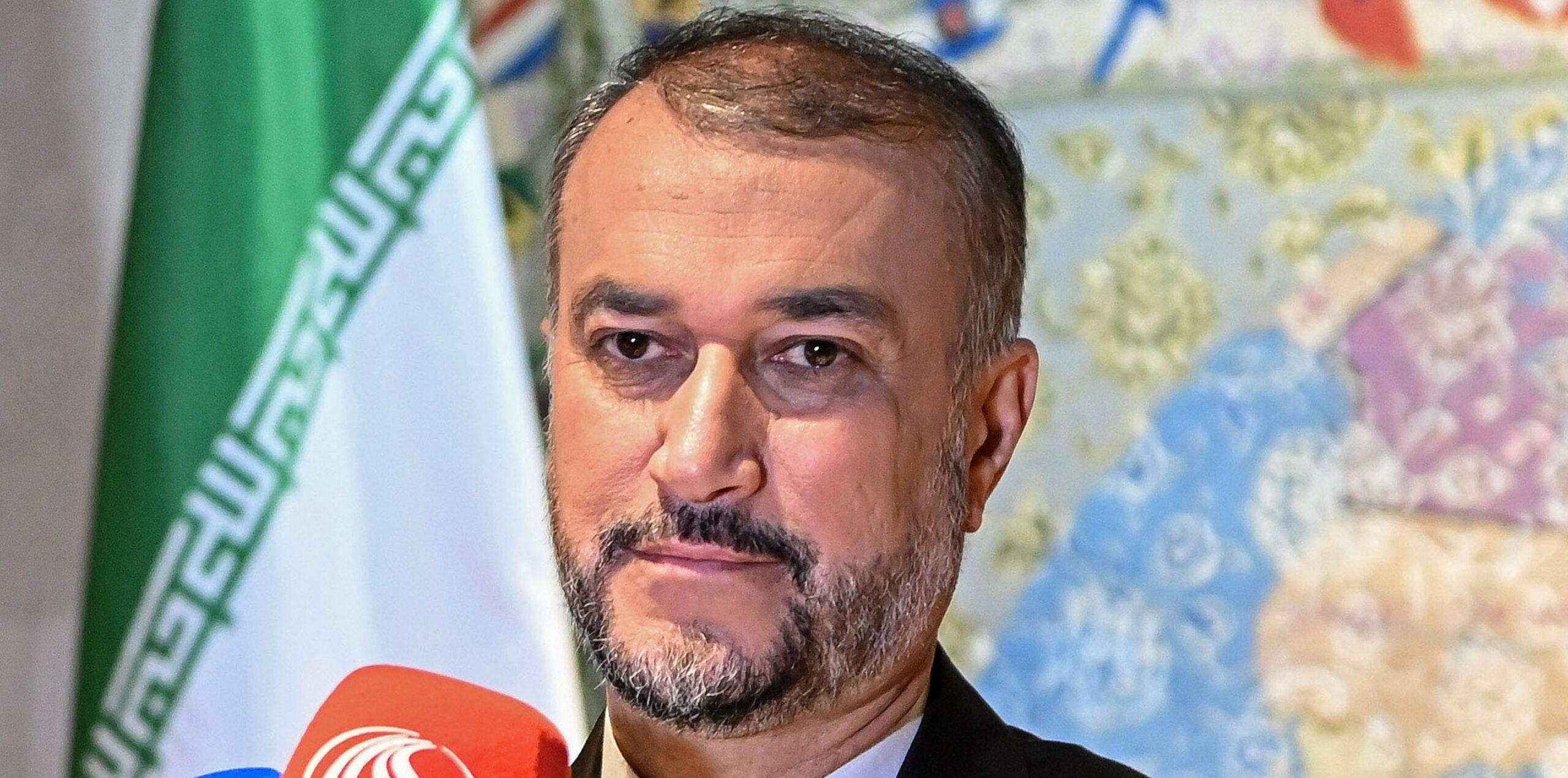
Several foreign ministers gathered in an Asian capital to negotiate an end to regional turmoil. One of the countries represented at the meeting brokered an agreement to end hostilities between the others.
Lessons from Syria's aid response: The case for continued cross-border operations
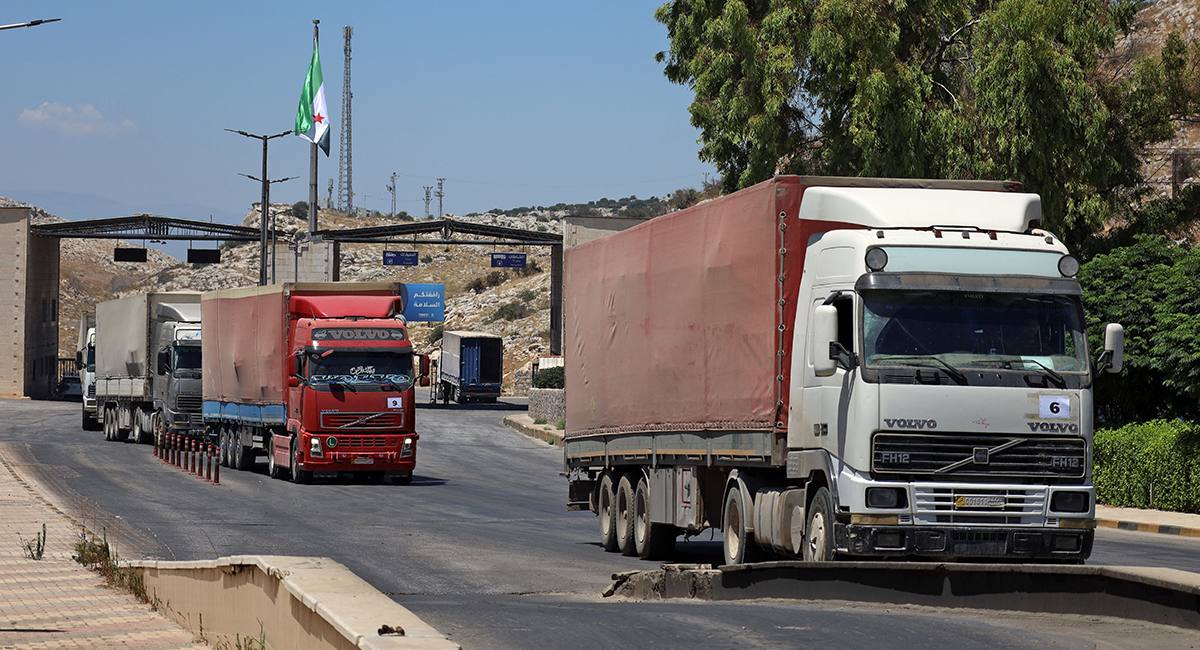
Another United Nations Security Council (UNSC) vote on continuing the resolution that allows Syria’s cross-border aid delivery is due in July, but the regime’s use of “consent” to allow an extra two crossings from Turkey into the area could be used to undermine the resolution’s necessity, which would risk destabilizing the conflict along with it. Twelve years of hard-won lessons show that until there is a broader political agreement with clear guardrails and guarantees, only a UNSC resolution that permits unimpeded humanitarian access to northwest Syria can secure the critical and consistent operational space required to meet the region’s growing needs as articulated by the NGOs working in the area.
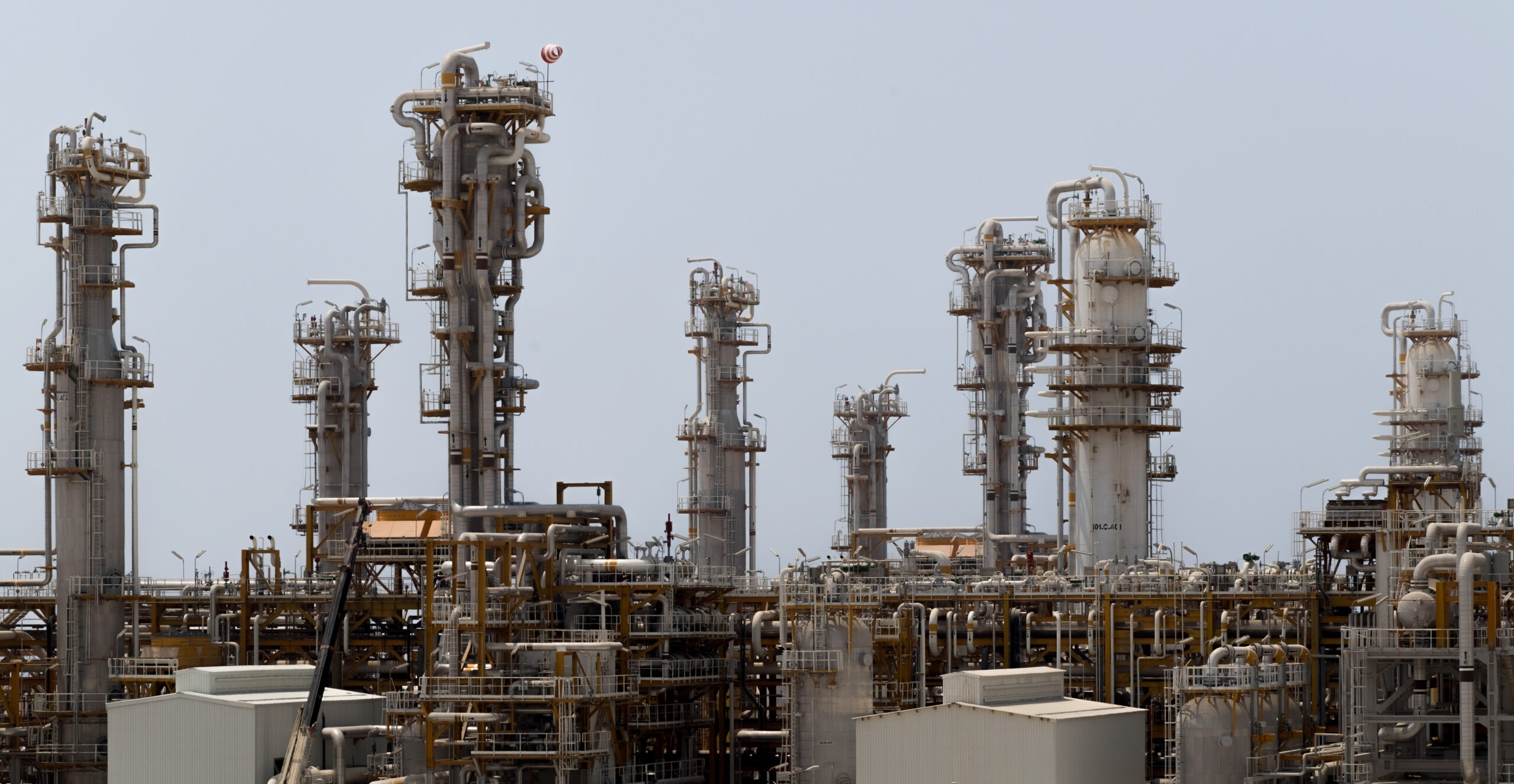
Saudi LNG exports: Overcoming challenges to commercial success
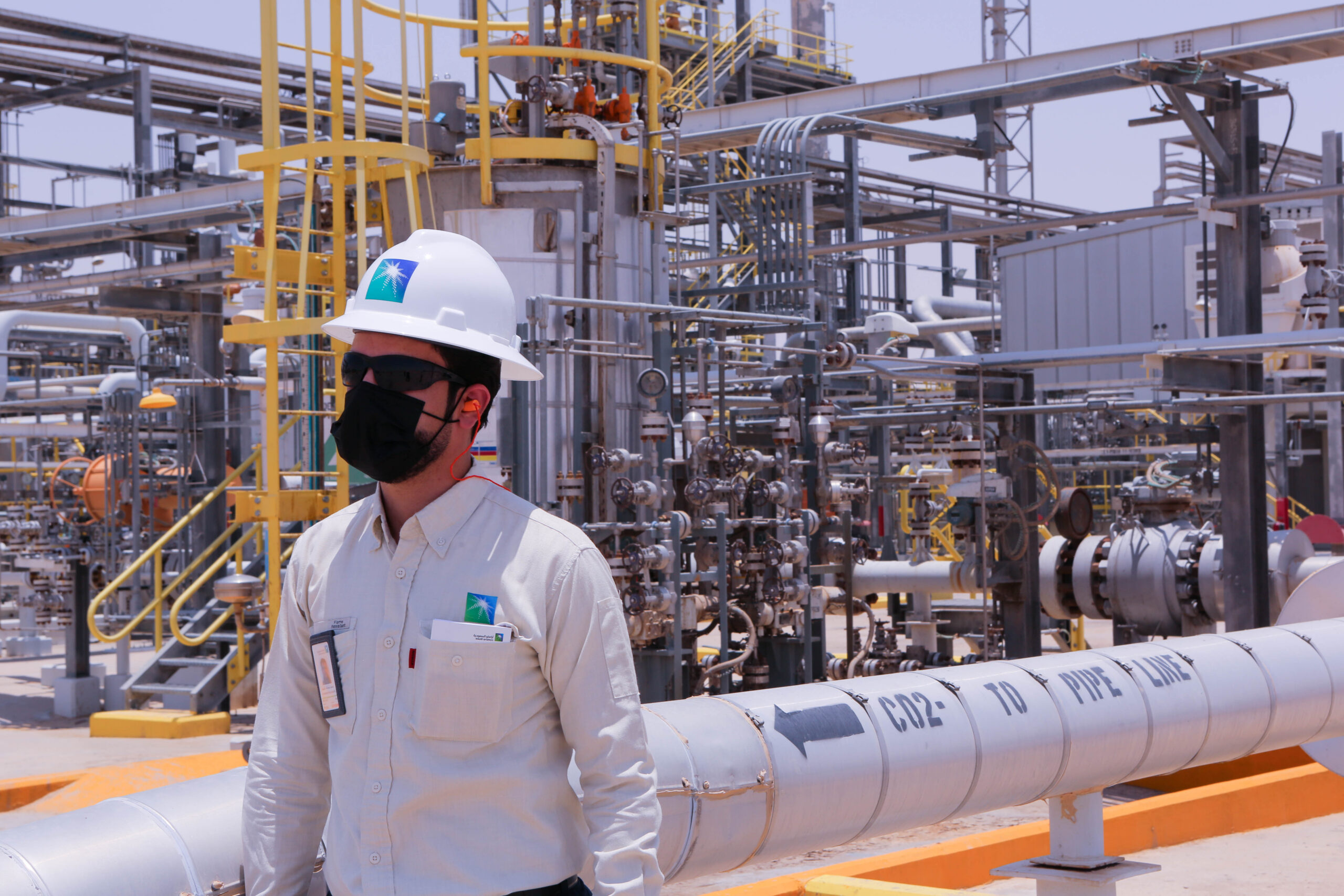
After issuing positive statements around greenfield blue hydrogen projects in late 2022, the company, Bloomberg now reports, may be migrating away from the hydrogen scheme and toward LNG exports. Both would require significant capital investment. Assuming the company decides to pursue an LNG export project, it will face many potentially value-erosive challenges and risks that must be overcome before achieving economic success.
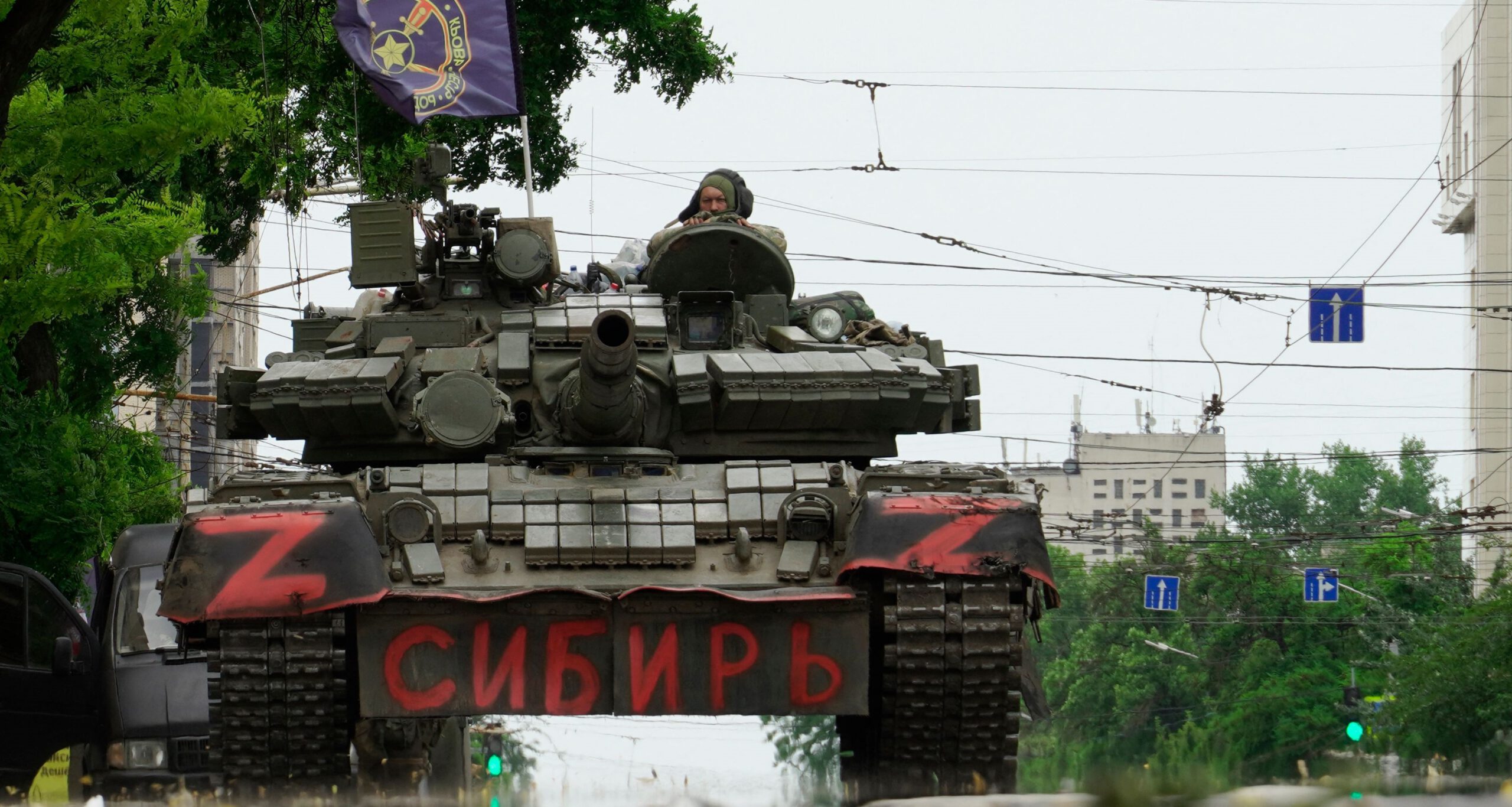
How the rumble in Russia reverberates around the Middle East
It is too early to tell whether the Wagner “uprising” is a one-off or foreshadows further cracks and the eventual collapse of Putin’s presidency, but the latter outcome would have lasting consequences in the MENA region.
Libya’s ongoing debate over the role of political parties
Libya’s political players have grappled with how to build a political party culture since the country held its first post-Gadhafi elections in 2012. Under Moammar Gadhafi, political organizing was banned. Decades of regime propaganda against outlawed opposition movements made Libyans suspicious of political groups and parties.
Obstacles and opportunities for closer Iranian-Chinese economic cooperation
Despite a substantial growth in trade between China and Iran, especially when it comes to Chinese exports to Iran and purchases of Iranian oil, the same cannot be said for Beijing’s investments in the Iranian economy, which have remained anemic, particularly in the critical energy sector.
Egyptian Engineers’ Syndicate vote sends another warning to government
For the second time in three months, Egyptians have expressed their dissatisfaction — albeit largely symbolically and on a limited scale — with the government’s tight control over nearly all public freedoms. The Engineers’ Syndicate’s vote against a government-selected candidate to head the organization may be pointing to growing public dissatisfaction with the authorities’ policies, both on the economic and political fronts.
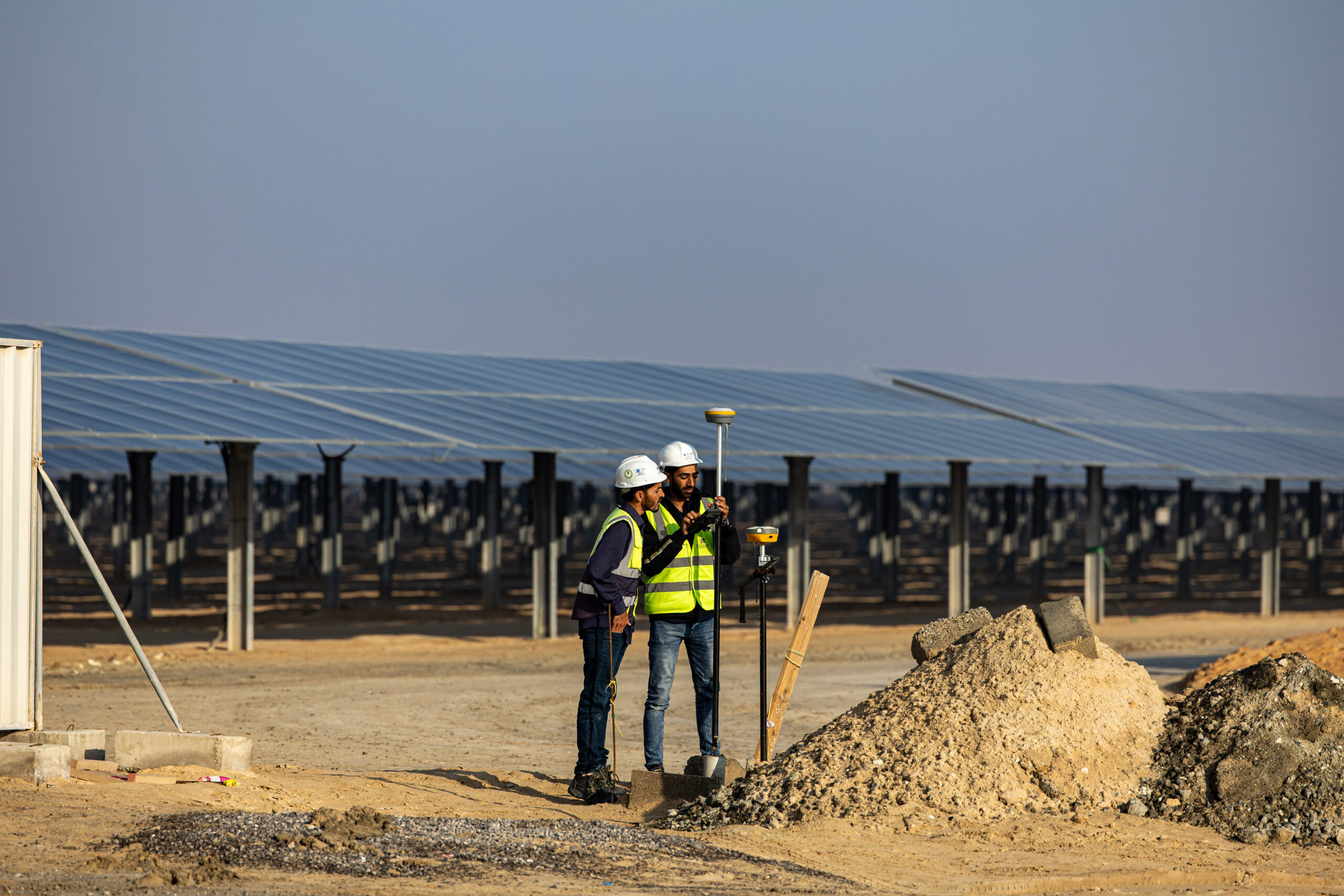
Measure, verify, certify: How to future-proof Gulf companies in the energy transition
Several Gulf states have introduced renewable energy certificates into their low-carbon energy eco-system. What are RECs and how can they help companies navigate the energy transition?
Brookings’ Distinguished Fellow on Foreign Policy Itamar Rabinovich discusses his new book – “Middle Eastern Maze: Israel, the Arabs, and the Region” – as well as contemporary Israeli politics with MEI’s VP for Policy Brian Katulis.
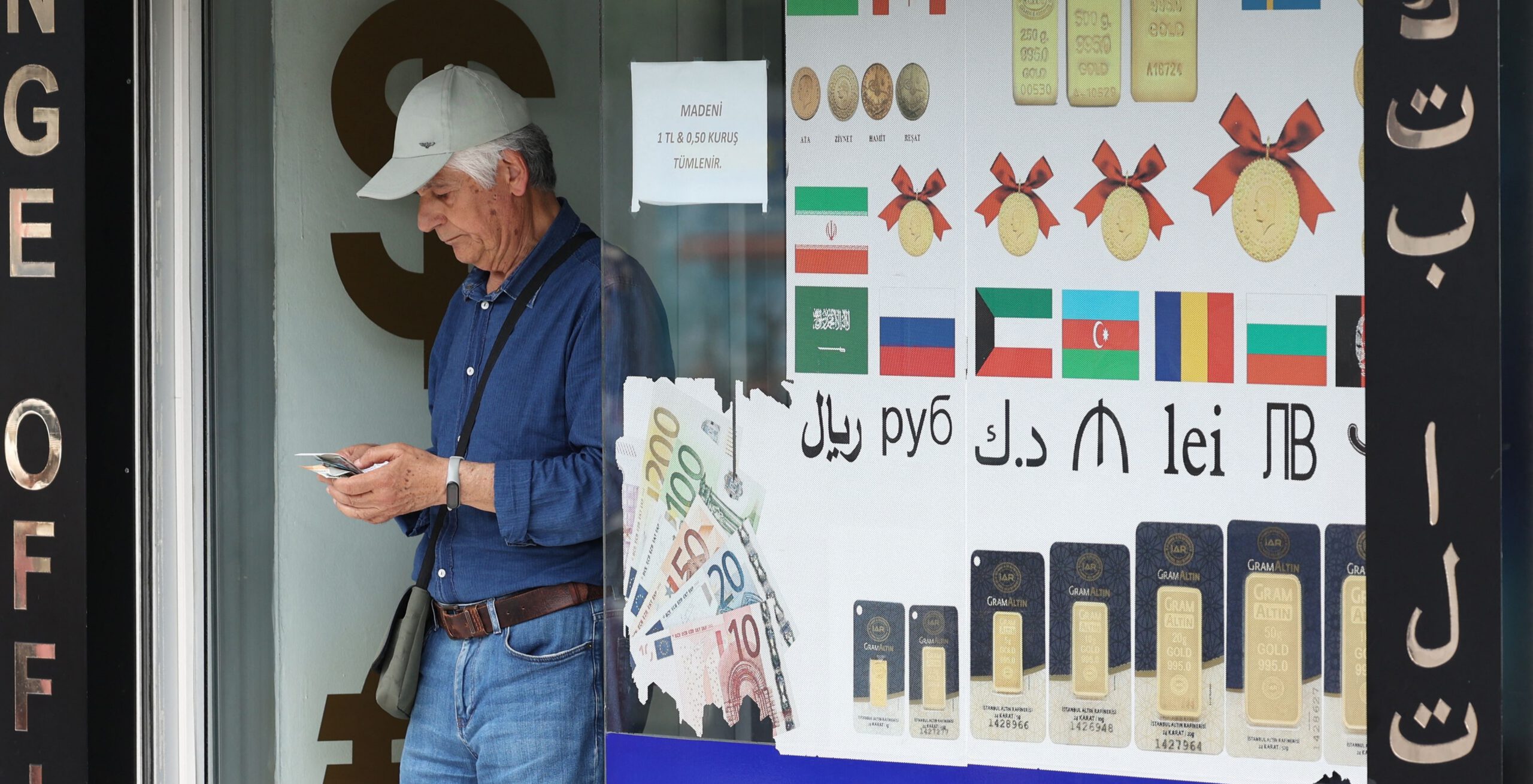
Turkey’s new economic team may take a more hawkish tone when it comes to tackling inflation and preserving financial stability through fiscal and monetary measures. However, investors and policymakers should not be naïve, as this approach will only be temporary or partial, aimed at winning the upcoming local elections.
Iran and the GCC connectivity agenda: Implication for Washington’s Iran policy
The prevailing political spirit in the Gulf region is presently one of de-escalation. In the case of the UAE and Iran, a number of existing connections could help hasten the process of de-escalation and enable it to happen faster than anywhere else in the region.The outcome should be of interest not only to the UAE and Iran but also to the U.S. given the latter’s long-standing efforts to shape Iranian policies.
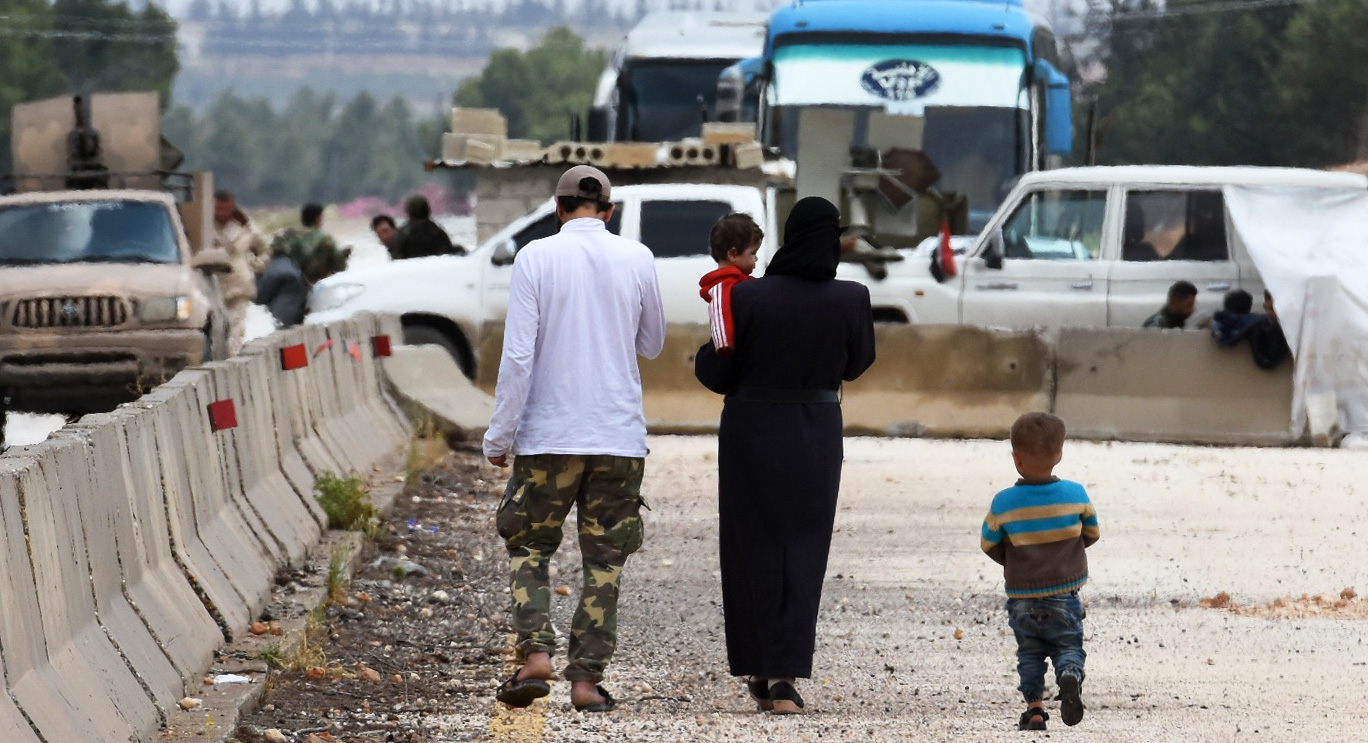
Amid calls for refugee returns, Assad’s property grab continues
While calls for the immediate return of Syrian refugees have increased at the regional and international levels, it is imperative to closely examine the direct link between the regime’s policy of property confiscation and the possibility of refugee returns. Property confiscation does not only impact the direct owners and their immediate families’ livelihoods but also hinders the ability of thousands of displaced Syrians to return while leading those who still reside under regime rule to consider migration.