Jason H. Campbell is senior fellow at the Middle East Institute (MEI), where he focuses on international security, geopolitics, and foreign policy. Prior to joining MEI, he was a senior policy researcher at RAND, covering an array of defense and national security issues. From June 2016 through September 2018, he served as country director for Afghanistan in the Office of the Secretary of Defense for Policy. In this role Campbell managed the NATO portfolio in support of Resolute Support Mission, represented the Department of Defense (DoD) on interagency delegations discussing the prospects of a Taliban peace process with international stakeholders, and helped draft DoD’s contribution to the 2017 South Asia strategy review.
Campbell holds a PhD in War Studies from King’s College London, an MA in International Affairs from Catholic University, and a BA in Political Science from Amherst College.
Unfinished business will drive the Mideast agenda in 2026
Following another year of pivotal developments and transformational change, the Middle East could be poised to turn the page on many of its long-running conflicts and sources of instability. But lasting fruits of the processes begun in 2025 will require a determined, intentional focus by regional actors and the United States. Given current trends, MEI experts weigh in on where the region may be headed in 2026.
A Middle East NATO? Regional Security Options After Doha
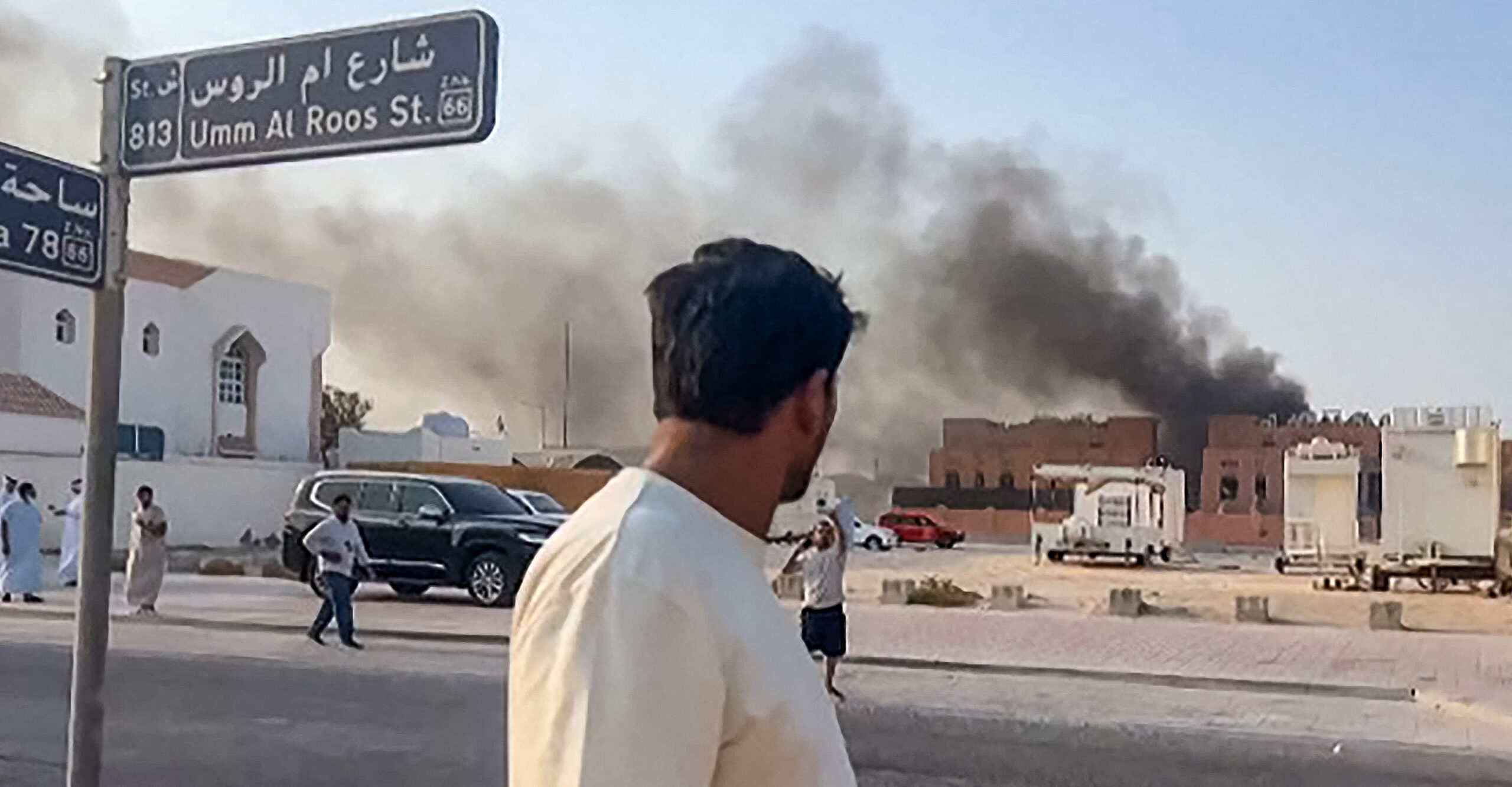
Israel’s September 9 strike on Hamas leaders in Doha rattled Gulf capitals and revived a decades-old debate over whether the region needs a NATO-style defensive alliance. MEI Senior Fellow Jason Campbell joins hosts Alistair Taylor and Matthew Czekaj to unpack why past attempts at collective defense have fallen short, whether this moment is different, and what the crisis means for US security strategy in the Middle East.
Israel’s Doha strike could further destabilize region, undermine US security partnerships
The reverberations of Israel’s strike on the Hamas negotiating team in Doha yesterday are still rippling across the globe and will continue to for the foreseeable future. Its ramifications are profound and will alter the geopolitical landscape not just in the Middle East but likely on a global scale.