Jason H. Campbell is senior fellow at the Middle East Institute (MEI), where he focuses on international security, geopolitics, and foreign policy. Prior to joining MEI, he was a senior policy researcher at RAND, covering an array of defense and national security issues. From June 2016 through September 2018, he served as country director for Afghanistan in the Office of the Secretary of Defense for Policy. In this role Campbell managed the NATO portfolio in support of Resolute Support Mission, represented the Department of Defense (DoD) on interagency delegations discussing the prospects of a Taliban peace process with international stakeholders, and helped draft DoD’s contribution to the 2017 South Asia strategy review.
Campbell holds a PhD in War Studies from King’s College London, an MA in International Affairs from Catholic University, and a BA in Political Science from Amherst College.
A Middle East NATO? Regional Security Options After Doha
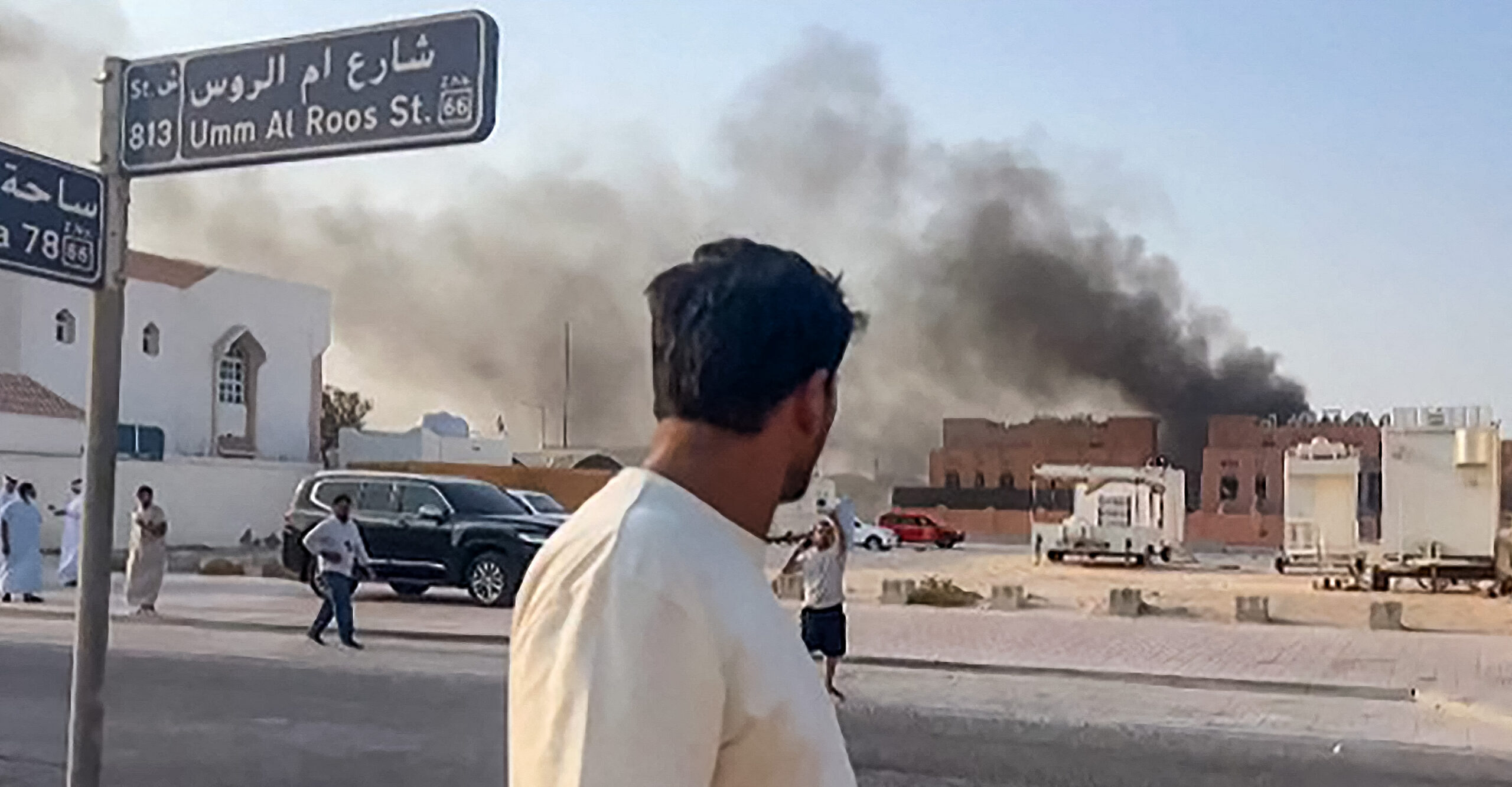
Israel’s September 9 strike on Hamas leaders in Doha rattled Gulf capitals and revived a decades-old debate over whether the region needs a NATO-style defensive alliance. MEI Senior Fellow Jason Campbell joins hosts Alistair Taylor and Matthew Czekaj to unpack why past attempts at collective defense have fallen short, whether this moment is different, and what the crisis means for US security strategy in the Middle East.
ضربة إسرائيل لدوحة قد تزيد من زعزعة استقرار المنطقة وتقوض شراكات الأمن الأمريكية
لا تزال تداعيات الضربة الإسرائيلية التي استهدفت فريق التفاوض التابع لحركة حماس في الدوحة أمس تتردد أصداؤها في جميع أنحاء العالم، وستستمر في ذلك في المستقبل المنظور. وتداعياتها عميقة وستغير المشهد الجيوسياسي ليس فقط في الشرق الأوسط، بل على نطاق عالمي على الأرجح.