Tragedy and farce in Libya
Last week Libya witnessed one of the oldest tricks in the book: unilaterally declare a cease-fire at exactly the moment when your opponents are poised to gain territory.
This individual is a guest contributor. MEI is not able to assist with contact requests.
Jason Pack is a former non-resident scholar at MEI, author of Libya and the Global Enduring Disorder, and the president of Libya-Analysis LLC. He is the Director of the NATO & THE GLOBAL ENDURING DISORDER Project and a Senior Analyst for Emerging Challenges at the NATO Defense College Foundation.
His publications and events at MEI have focused on presenting a systematic view of Libya’s economic structures as well as the ongoing patterns of foreign interference in the country. Libya and the Global Enduring Disorder (Hurst, October 2021) is a ‘cross-over’ academic book that explores what Libya’s dysfunctional economic structures and its ongoing civil war reveal about broader patterns undergirding 21st century geopolitics. Jason’s concept (that we no longer inhabit the post-Cold War world order but have entered a new era — the ‘Enduring Disorder’) was conceived to convey the withdrawal of American leadership and the ensuing collective action failures that have come to define international politics. In a series of upcoming articles and media, he will be applying this concept to climate change, tax havens, and the crises in Ukraine, Syria, and Afghanistan.
Mr. Pack is a consultant, author, and commentator with over two decades of experience living in and working on, the Middle East. In 2004, he was a Fulbright Scholar in Syria and in 2008, he moved to Tripoli to assist Western businesses in reentering Libya during the late Gadhafi-era. In 2011, Jason created Libya-Analysis LLC — a consultancy organization producing evidence-based analysis, forecasting, business intelligence, and commercial research on Libya. Jason founded Eye on ISIS, a non-profit 501c3 in 2015, subsequently launching the organization’s flagship project the Libya Security Monitor (LSM) in 2021. The LSM is an incident tracking service tracing security developments in Libya, ISIS activity, its interactions with other jihadi actors, and Western actions toward the group.
In addition to academic and policy writing focused on Libya, he publishes on oil markets, U.S. politics, wine tasting, and travel. His articles have appeared in The New York Times, The Wall Street Journal, The Spectator, The Financial Times, The Petroleum Economist, The Guardian, Foreign Policy, and Foreign Affairs. He was the 2018 World Champion of Doubles Backgammon and is the CEO of Birthplace of Wine Experience.
Mr. Pack holds an MSt. in Global and Imperial History from St Antony’s College, Oxford University. His interrupted History PhD at St Catharine’s College, Cambridge University is entitled The British Military Administration of Libya (1942-51) and the Anglo-Sanussi Relationship (1882-1969).
Last week Libya witnessed one of the oldest tricks in the book: unilaterally declare a cease-fire at exactly the moment when your opponents are poised to gain territory.
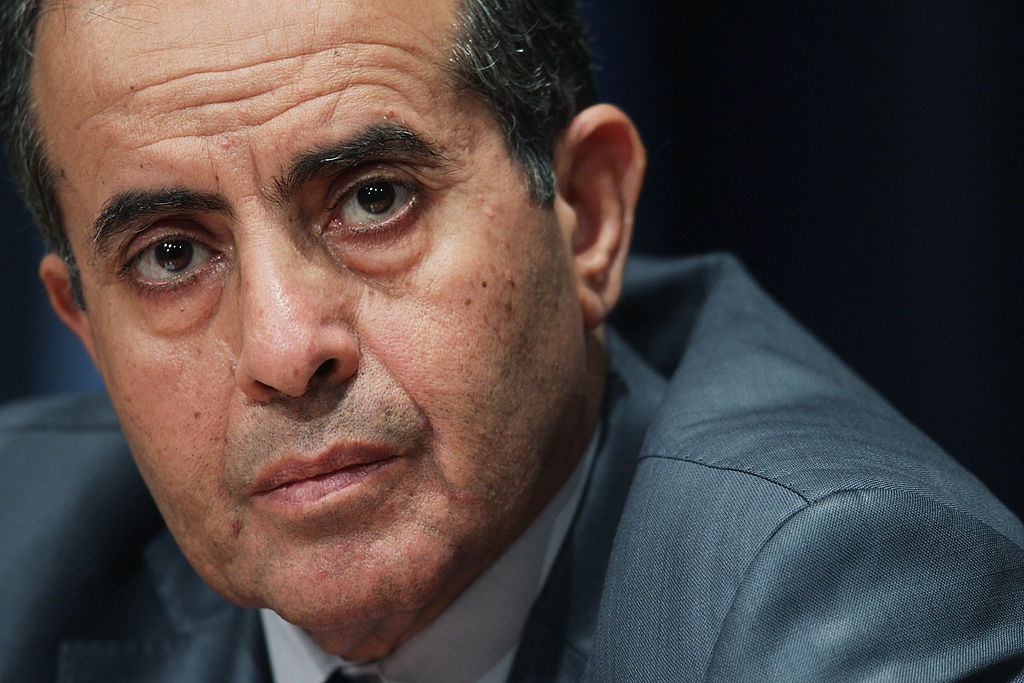
Last Sunday, the pandemic claimed the life of the most internationally prominent face of the Arab Spring in Libya. The tragic death of former Libyan Prime Minister Mahmoud Jibril in a Cairo hospital, at just 68 years of age, is in fact a fitting metaphor for the many stillborn aspects of Libya’s attempted political rebirth.
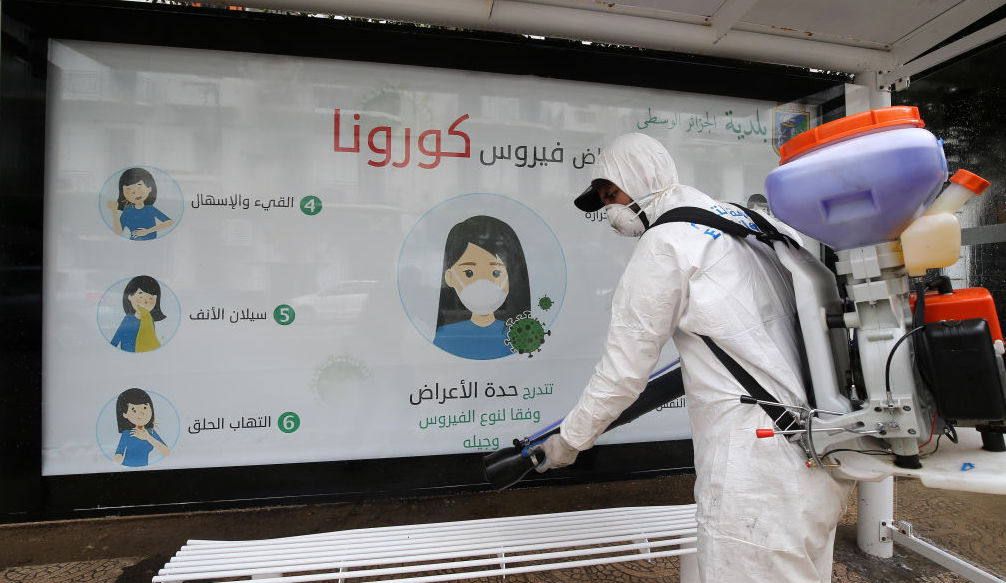
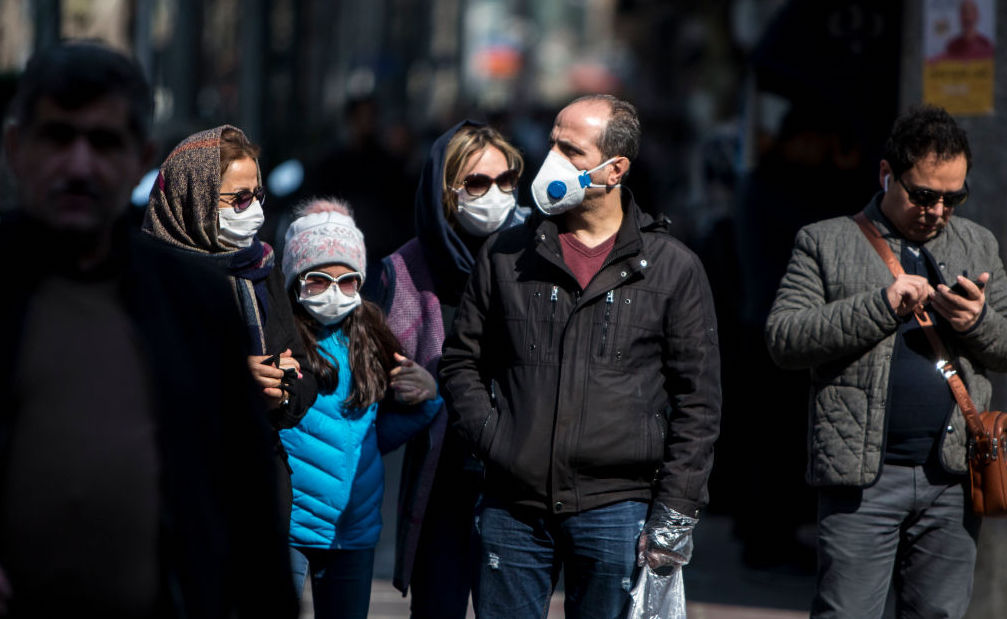
No part of the world will emerge unscathed from the fallout of the coronavirus pandemic of 2020. Just because China and Italy were the first to be severely hit, does not imply, that when all is said and done, that they will have sustained the brunt of the damage. North Africa is a region dependent on global commodities prices, tourism, and political and monetary support from Europe and the Gulf, where regime brittleness, youth unemployment, and Islamic radicalism all intersect.
From Morocco to Afghanistan, the scholars and experts at MEI take a closer look at how the COVID-19 coronavirus pandemic is affecting the Middle East.
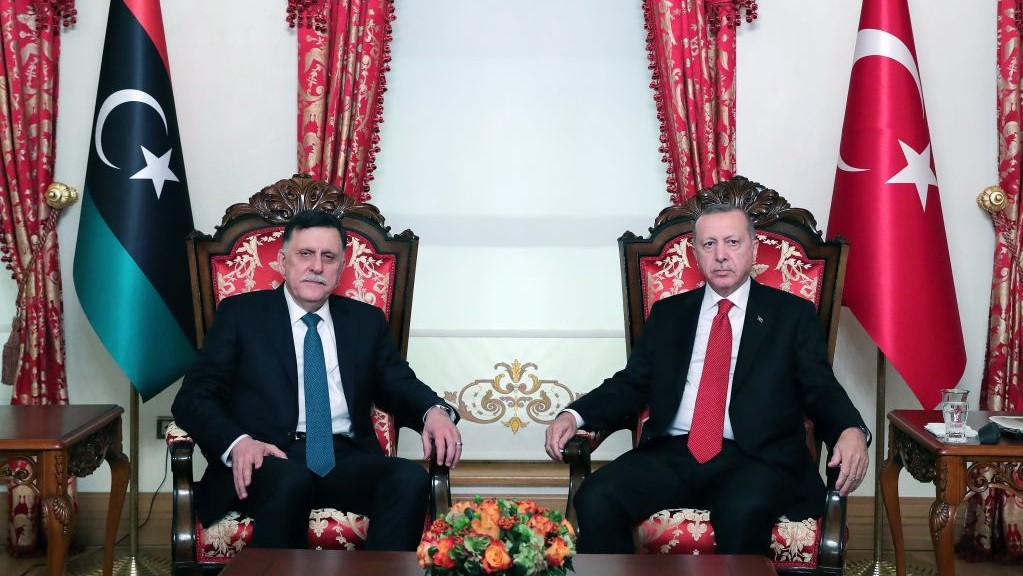
On Nov. 27 the GNA signed an MoU with Turkey seeking to create a shared maritime boundary in the Mediterranean Sea between southwestern Turkey and northeastern Libya. In an overt quid pro quo, this maritime agreement was signed along with a separate MoU to expand security and military cooperation. Thus, it seems clear that Turkey was only able to persuade the GNA to agree to the maritime deal in exchange for increased security support for the GNA-aligned forces fighting the self-styled LNA in Tripoli.
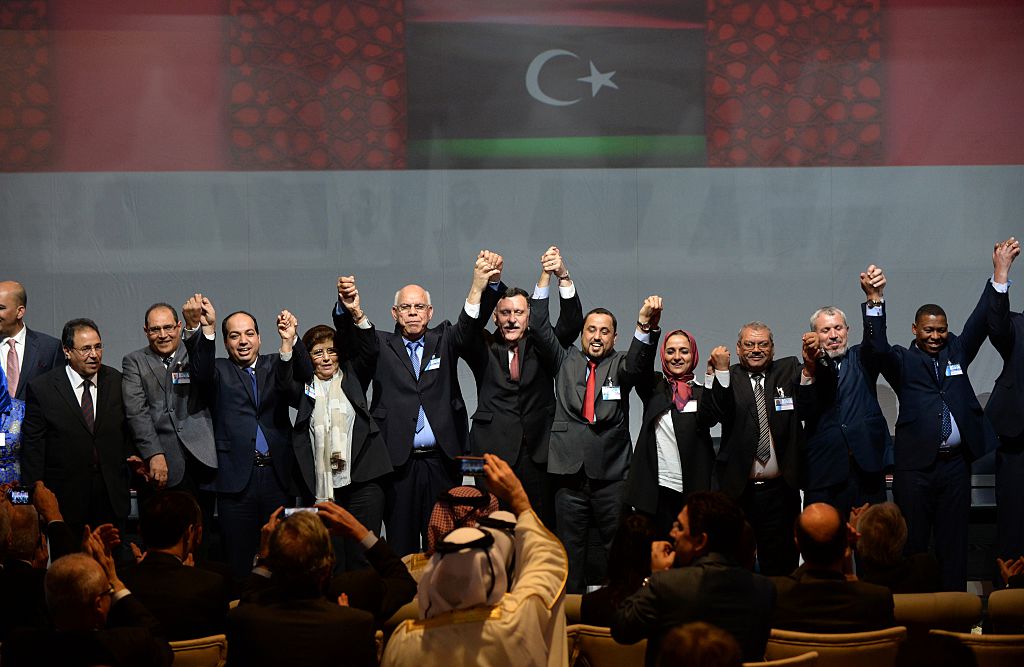
The crux of today’s Libya problem in international foreign policy lies in an underappreciated UN misstep in the most important international treaty concerning Libya, the 2015 Skhirat Agreement, and the decision to vest sovereignty in the heads of independent and semi-independent sub-state institutions like the Central Bank of Libya. The negative implications of this decision must now be addressed and it is time to move onto something new, after Skhirat.
Largely overlooked in international policymaking toward Libya’s current conflict is the role of corruption as a key driver of violence, as opposed to merely its byproduct. The high-level debate on Libya at the UN General Assembly (UNGA) in late September and the proposed follow-on international conference to be hosted by Germany in October or November are the perfect opportunities to correct this oversight.