Skip to Content

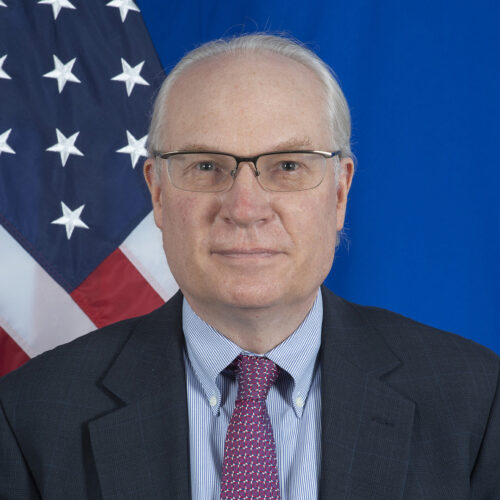
Jason Pack

This individual is a guest contributor. MEI is not able to assist with contact requests.

Jason Pack

Jason Pack is a former non-resident scholar at MEI, author of Libya and the Global Enduring Disorder, and the president of Libya-Analysis LLC. He is the Director of the NATO & THE GLOBAL ENDURING DISORDER Project and a Senior Analyst for Emerging Challenges at the NATO Defense College Foundation.

His publications and events at MEI have focused on presenting a systematic view of Libya’s economic structures as well as the ongoing patterns of foreign interference in the country. Libya and the Global Enduring Disorder (Hurst, October 2021) is a ‘cross-over’ academic book that explores what Libya’s dysfunctional economic structures and its ongoing civil war reveal about broader patterns undergirding 21st century geopolitics. Jason’s concept (that we no longer inhabit the post-Cold War world order but have entered a new era — the ‘Enduring Disorder’) was conceived to convey the withdrawal of American leadership and the ensuing collective action failures that have come to define international politics. In a series of upcoming articles and media, he will be applying this concept to climate change, tax havens, and the crises in Ukraine, Syria, and Afghanistan.

Mr. Pack is a consultant, author, and commentator with over two decades of experience living in and working on, the Middle East. In 2004, he was a Fulbright Scholar in Syria and in 2008, he moved to Tripoli to assist Western businesses in reentering Libya during the late Gadhafi-era. In 2011, Jason created Libya-Analysis LLC — a consultancy organization producing evidence-based analysis, forecasting, business intelligence, and commercial research on Libya. Jason founded Eye on ISIS, a non-profit 501c3 in 2015, subsequently launching the organization’s flagship project the Libya Security Monitor (LSM) in 2021. The LSM is an incident tracking service tracing security developments in Libya, ISIS activity, its interactions with other jihadi actors, and Western actions toward the group.

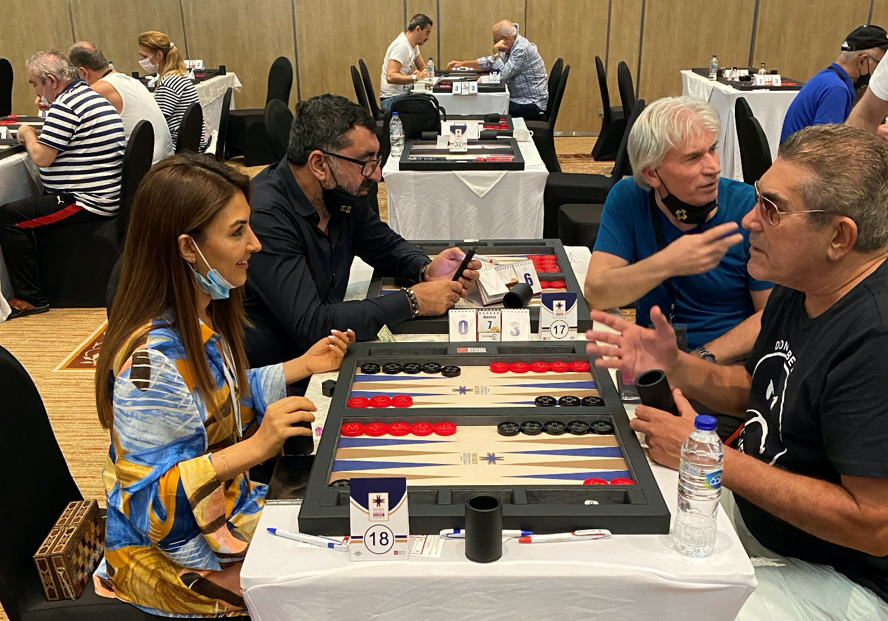
In addition to academic and policy writing focused on Libya, he publishes on oil markets, U.S. politics, wine tasting, and travel. His articles have appeared in The New York Times, The Wall Street Journal, The Spectator, The Financial Times, The Petroleum Economist, The Guardian, Foreign Policy, and Foreign Affairs. He was the 2018 World Champion of Doubles Backgammon and is the CEO of Birthplace of Wine Experience.

Mr. Pack holds an MSt. in Global and Imperial History from St Antony’s College, Oxford University. His interrupted History PhD at St Catharine’s College, Cambridge University is entitled The British Military Administration of Libya (1942-51) and the Anglo-Sanussi Relationship (1882-1969).
The Latest from Jason Pack

Filter by
22 Results
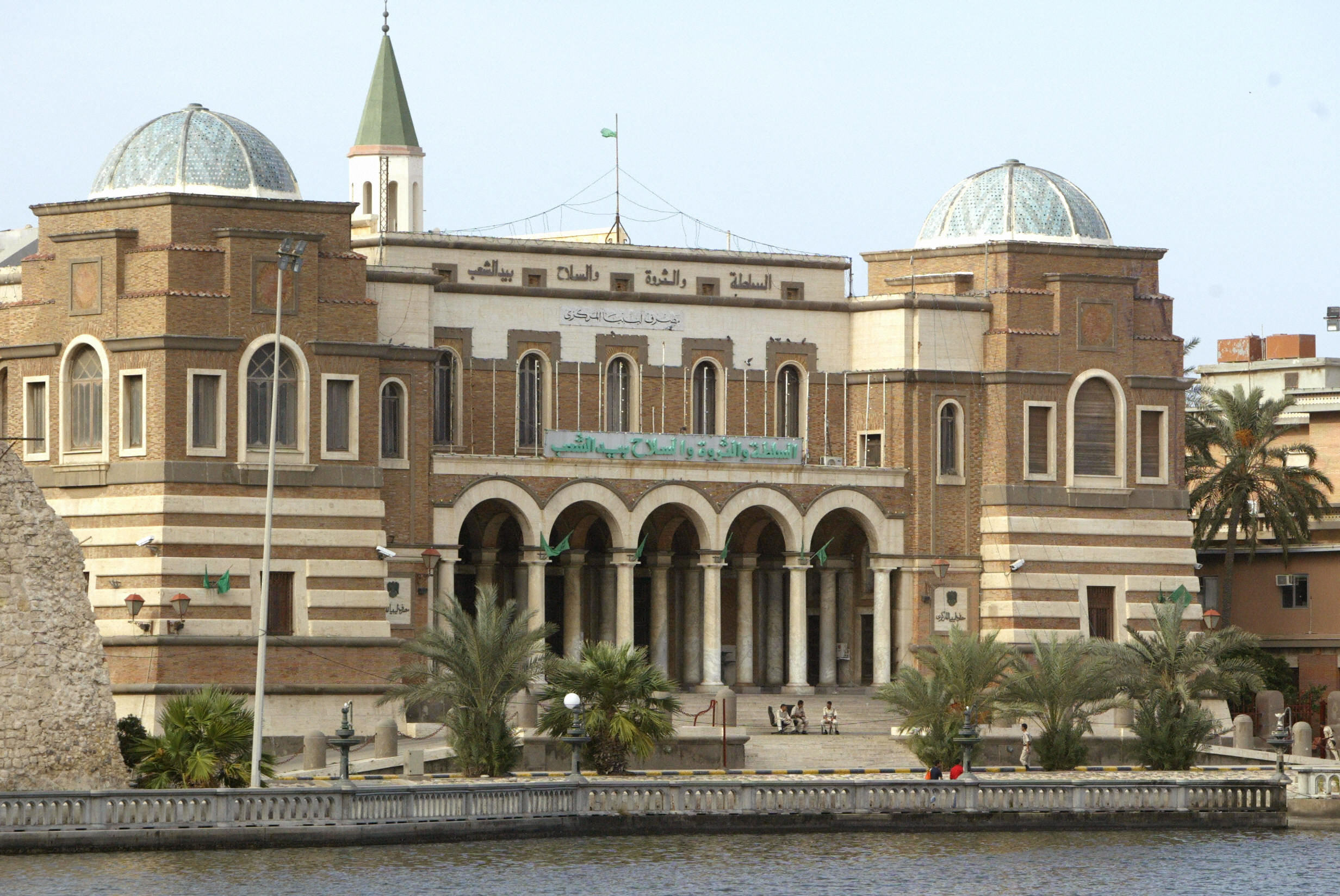
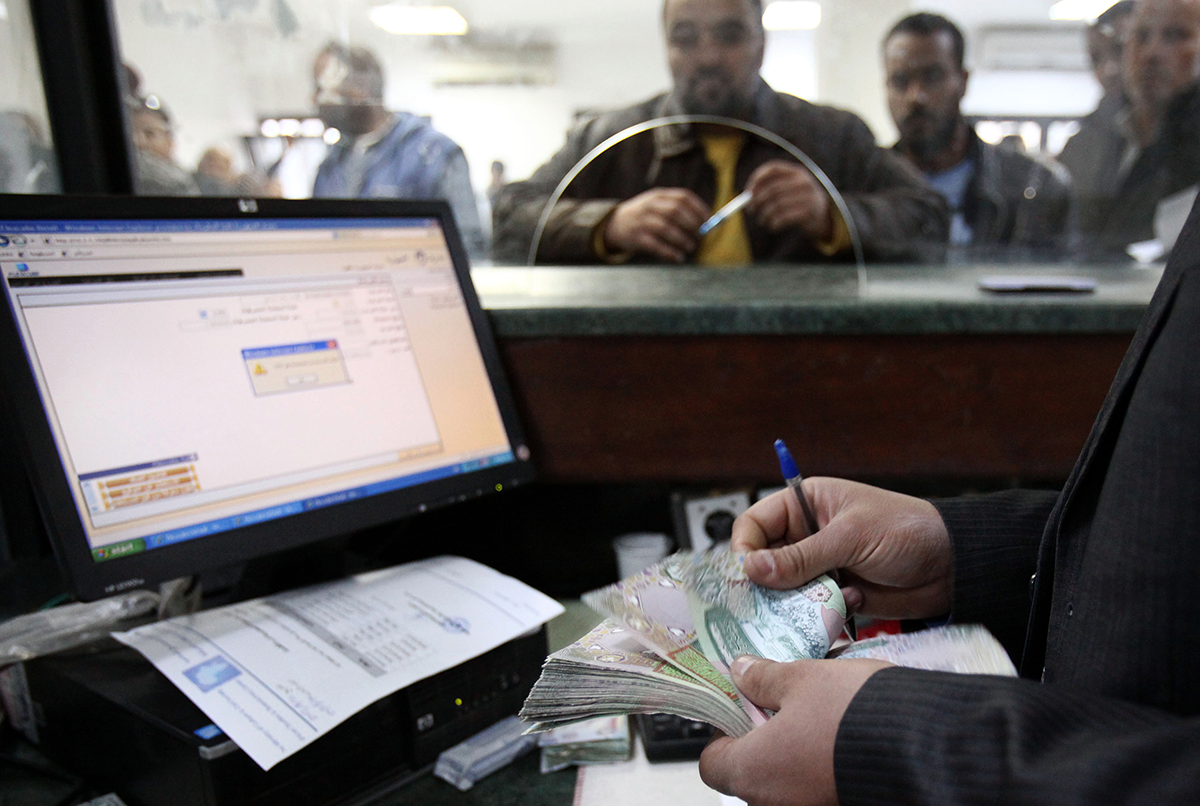
The Libyan Banking Sector: A Microcosm of Global Enduring Disorder
Photo by MAHMUD TURKIA/AFP via Getty Images.
  • Analysis
  • The Libyan Banking Sector: A Microcosm of Global Enduring Disorder

    This paper investigates the ongoing Libya conflict through the Enduring Disorder paradigm, focusing on the financial and banking sectors, honing in on stakeholder perceptions of the Central Bank of Libya (CBL), its transparency/opacity, and the “narrative wars” over who is to blame for, and who benefits from, Libya’s economic dysfunction, the lack of an annual budget, and the current lack of a quorum on the CBL board.

    March 13, 2023

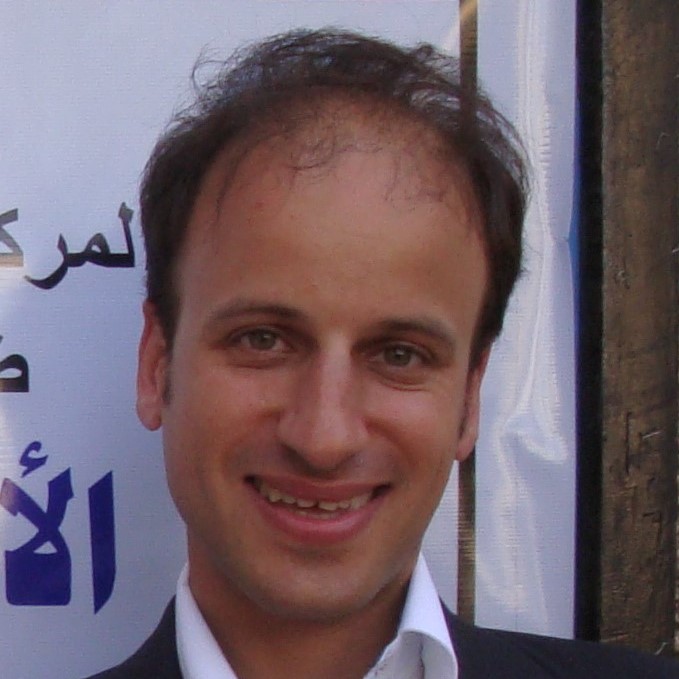
    رئيس جديد للحكومة الليبية، ولكن تاريخ عائلته زاخر بالغموض والتعقيدات كمثل حال البلد نفسه
  • Commentary
  • رئيس جديد للحكومة الليبية، ولكن تاريخ عائلته زاخر بالغموض والتعقيدات كمثل حال البلد نفسه

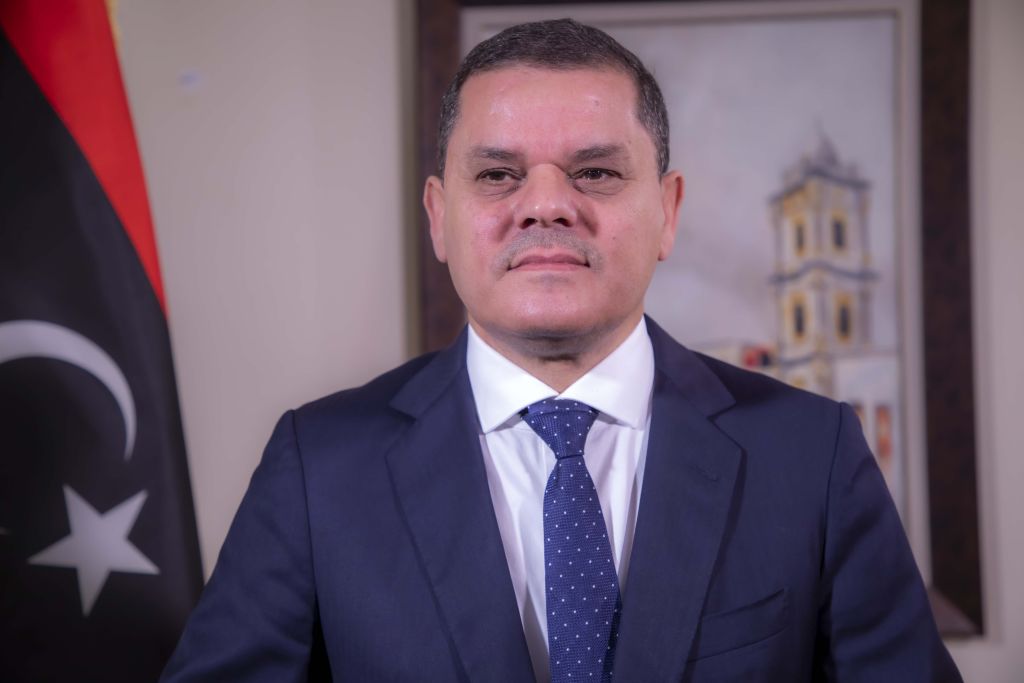
    “يَدعي عبد الحميد الدبيبة أنه شعبوي وصل لمنصب سياسي لأنه أتى من خارج الأوساط السياسية، وأن مؤهلاته هي وعوده القائمة على ما أسماه تجفيف مستنقع الفساد. ولكن الحقيقة أن هذه مجرد شعارات.

    February 8, 2021

    Our Shared Humanity, Middle Eastern Hospitality, and Authentic Georgian Wine Reinterpreted for Our Covid Christmas
  • Analysis
  • Our Shared Humanity, Middle Eastern Hospitality, and Authentic Georgian Wine Reinterpreted for Our Covid Christmas

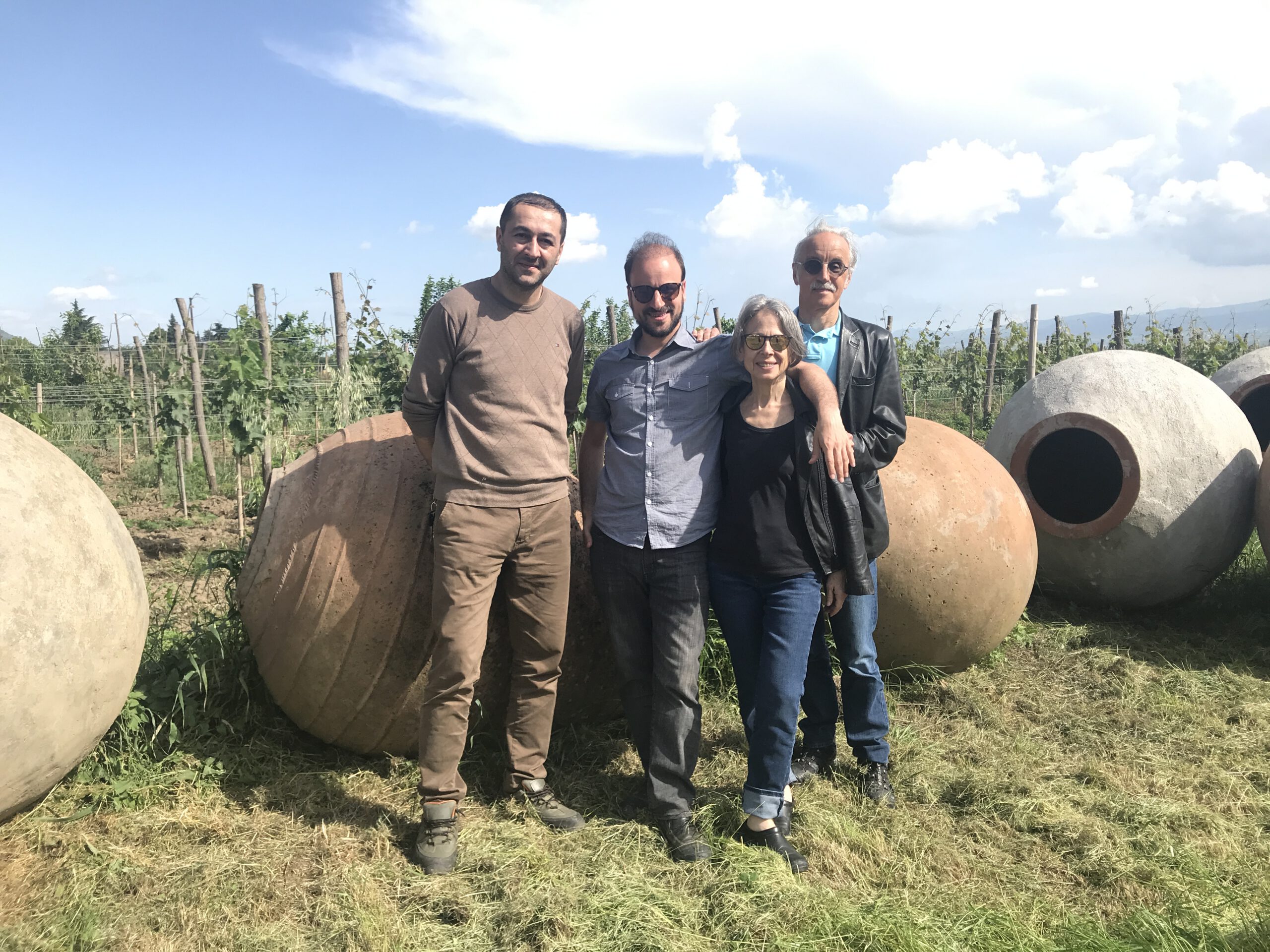
    Therefore, this holiday season – dear reader – might I suggest a return to the essentials? The greater Middle East is the birthplace of Christianity, Judaism, and wine. This year, why not return to basics with some Georgian wine at the holiday table? Wine is central to Judeo-Christian rituals. It is a requirement for the Eucharist – as well as for Shabbat and Passover. A more secular property of wine is its ability to encapsulate a sense of place and epitomize the traditions of a culture.

    December 15, 2020

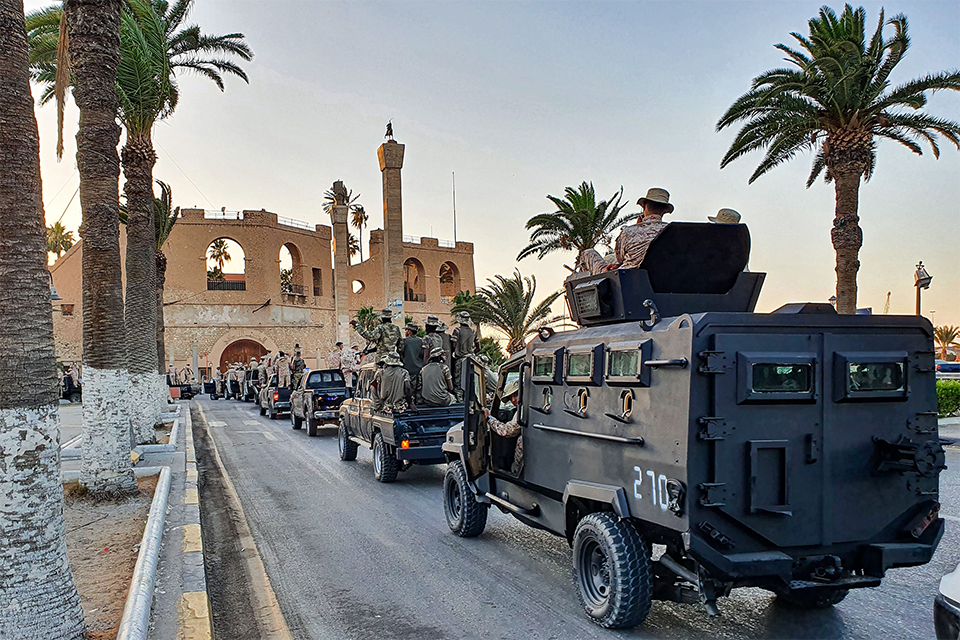
    Turning the Tide: How Turkey Won the War for Tripoli
  • Analysis
  • Turning the Tide: How Turkey Won the War for Tripoli

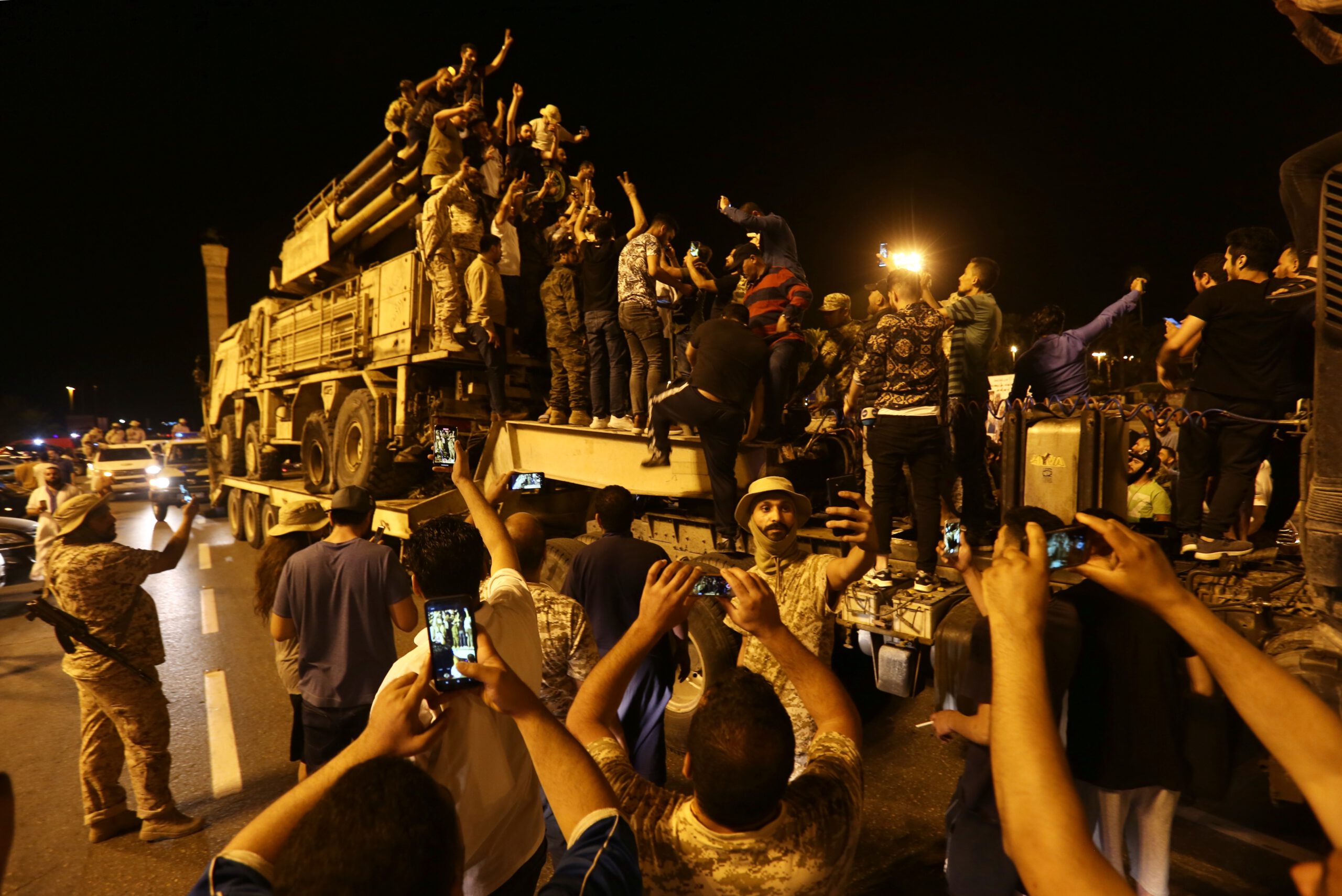
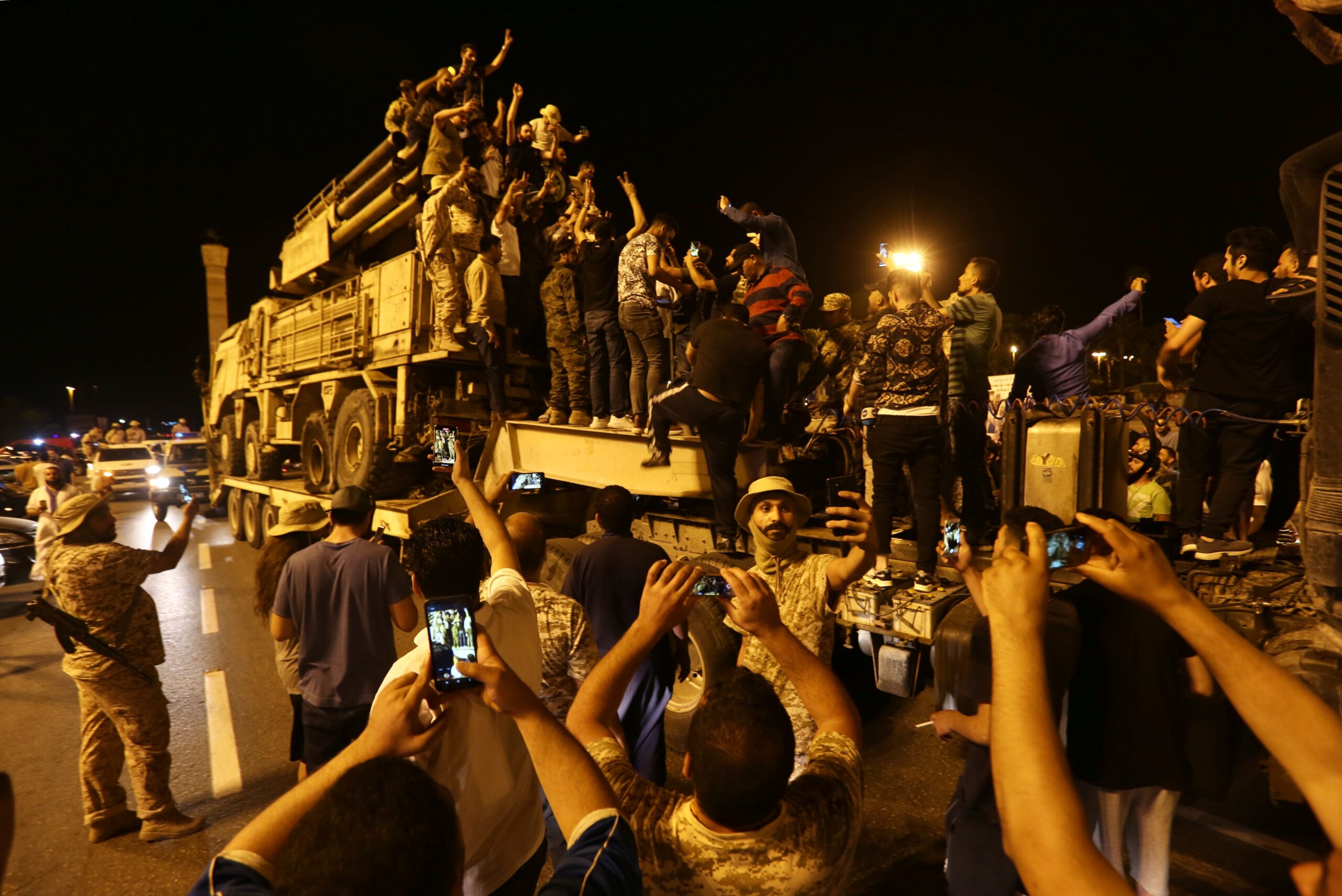
    The War for Tripoli, launched by Gen. Khalifa Hifter in April 2019, came to an abrupt end in June 2020 after extensive Turkish military capabilities were introduced to the theater at the beginning of the year. This research paper seeks to drill down into the military, logistical, and technological aspects of the war, highlighting the unique role of drones, soft-kill and hard-kill air defense technologies, private military contractors, and extraterritorial military professionals in determining its final outcome. 

    November 10, 2020

    An International Financial Commission is Libya’s Last Hope
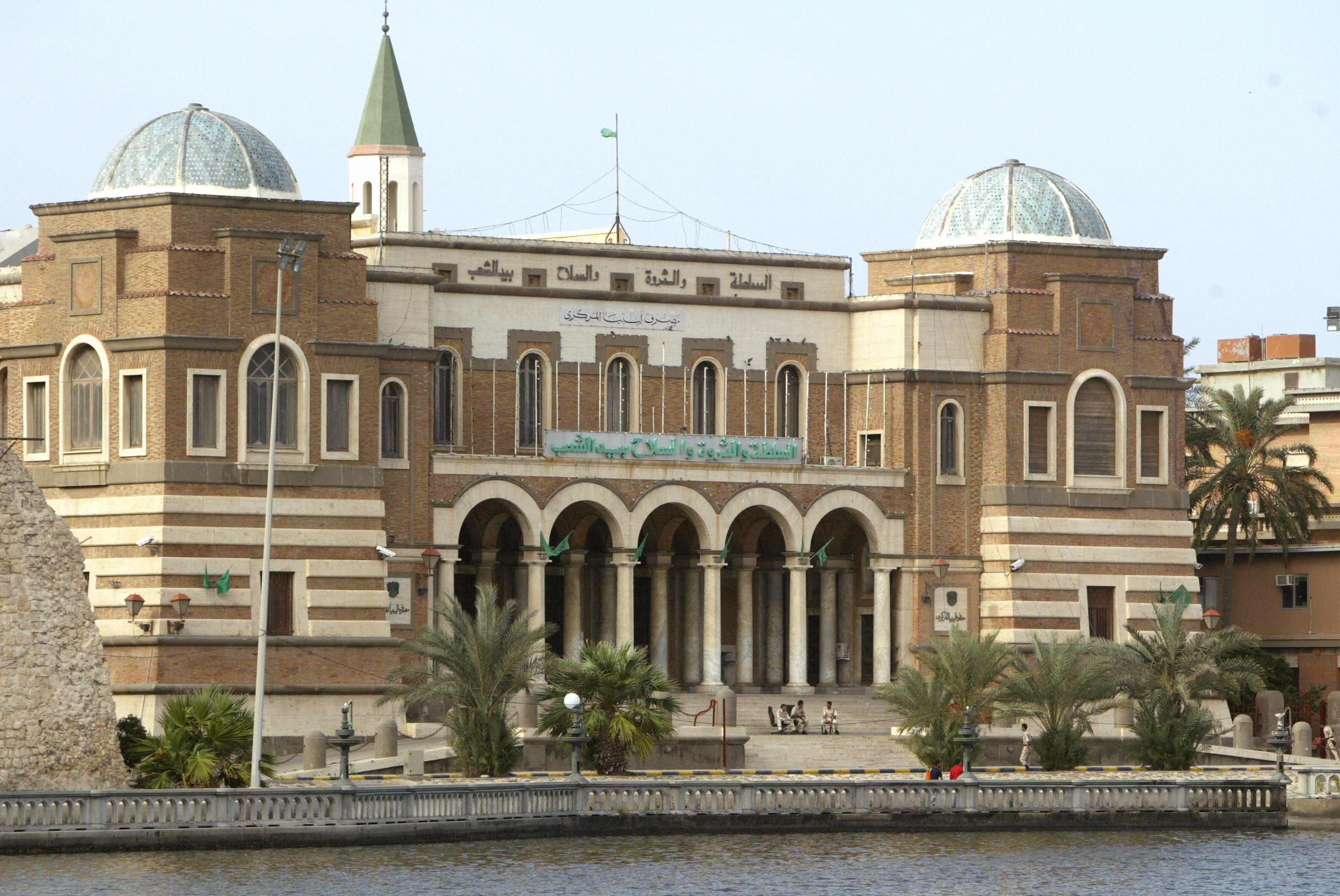
    View of the headquarters of Libya's Central Bank in Tripoli.
  • Analysis
  • An International Financial Commission is Libya’s Last Hope

    For the last five years, the international community has tried a range of different approaches to mediating the Libyan civil war. All have failed. Most nations not actively fueling the war with weapons, money, training, and mercenaries now see that halting these destructive flows is critical to bringing the rival militias to the negotiating table. However, this will not be enough to solve the conflict. Once militias are cut off from external sources of support, the core economic issues that gave rise to the conflict will still remain. Only a new approach empowering Libyan economic reformers and reworking the economic system can fix the dysfunction. To achieve this, international actors need to facilitate the establishment of a Libyan-led International Financial Commission with the authority to restructure the economy.

    September 14, 2020

    Economic transparency and structural reform remain Libya’s last hope
    Photo by MAHMUD TURKIA/AFP via Getty Images
  • Analysis
  • Economic transparency and structural reform remain Libya’s last hope

    Since 2011 Libya’s seemingly endless Wars of Post-Gadhafi Succession have not fundamentally been fought over the control of territory, but rather over the control of economic institutions, patronage networks, and the amorphous optics of legitimacy and international support. The most recent battle, the 2019-20 “War for Tripoli,” was about gaining access to the fonts of both legitimate and corrupt enrichment: letters of credit, smuggling networks, subsidized petrol, and control of those myriad institutions to which Libya’s sui generis economic system grants the ability to exert de facto fiscal, financial, and legal power. Therefore, although Hifter and his allies have been wholesale evicted from western Libya, the grievances they highlighted, preyed upon, and took advantage of remain unchanged.

    September 14, 2020