This individual is a guest contributor. MEI is not able to assist with contact requests.
Jean-Pierre Cassarino holds a professorship at the Robert Schuman Center for Advanced Studies (RSCAS/European University Institute, Florence) where he directs the Return migration and Development Platform (http://rsc.eui.eu/RDP/). He is also research associate at the Tunis-based Institut de Recherche sur le Maghreb Contemporain (IRMC). Since the mid-1990s, he has published extensively on international migration, particularly on return migration and has carried out numerous field surveys investigating returnees’ manifold patterns of reintegration. Selected publications include: (ed.) Unbalanced Reciprocities: Cooperation on Readmission in the Euro-Mediterranean Area, The Middle East Institute Press, Washington, 2010; (ed.) “Conditions of Modern Return Migrants”, International Journal on Multicultural Societies, Vol. 10, Issue 2, UNESCO, Paris, 2008; (ed.) Return Migrants to the Maghreb Countries: Reintegration and development challenges, RSCAS, European University Institute, Florence, 2008; Tunisian New Entrepreneurs and their Past Experiences of Migration in Europe: Networks, Resource Mobilisation, and Hidden Disaffection. Ashgate Publishers, Aldershot, 2000. Email: [email protected]
Sam Dagher, Danny Makki and Karam Shaar join guest host Charles Lister to discuss the recent deterioration of Syria’s economy and what it means for the country, the Assad regime, and the rest of the region moving forward. As aggressive new US economic sanctions targeting the regime are set to go into effect in a few days, 85% of Syrians are in poverty and the country faces a wheat supply crisis.
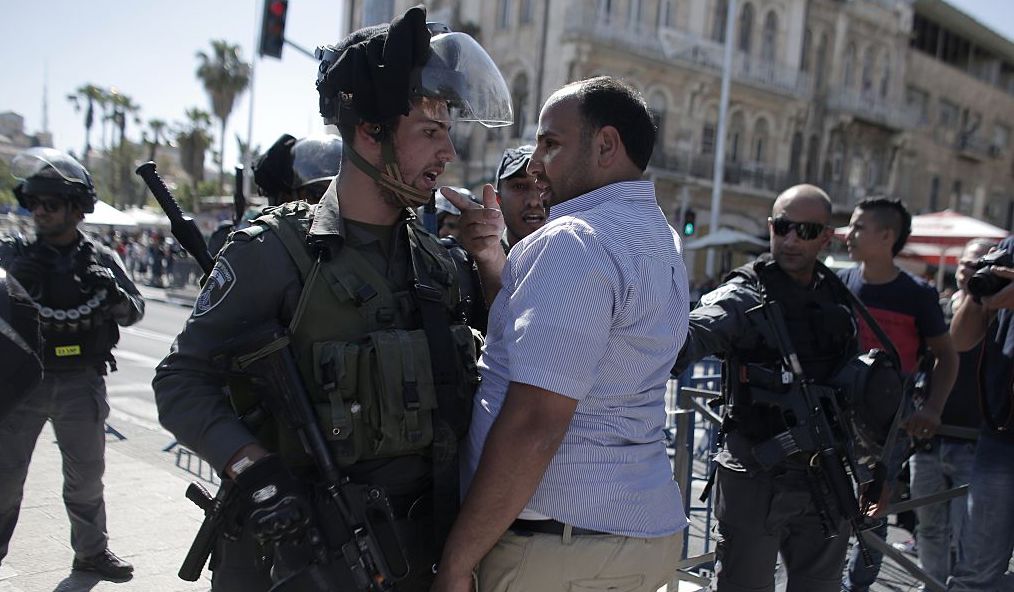
Why aren’t mainstream Israelis and American Jews supporting Palestinians?
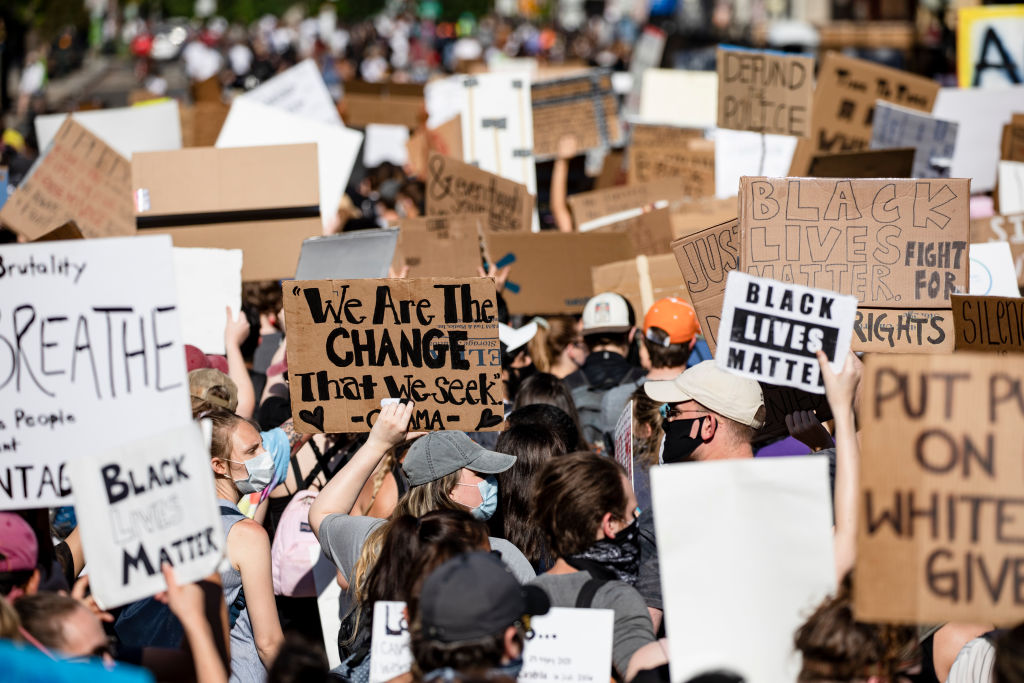
When the video emerged of a Minneapolis policeman pressing his knee on the neck of George Floyd as he lay on the ground, Palestinians were surprised by the image — the technique was all too familiar. But while hundreds of thousands of people have taken to the streets to protest the killing of George Floyd, an African-American male, by police across the U.S. and around the world, the response among Israelis and American Jews to violence against Palestinians is quite different. Many liberal Jewish leaders and thinkers who have spoken out forcefully against the killing of Floyd are silent when it comes to the atrocities committed by Israeli soldiers.
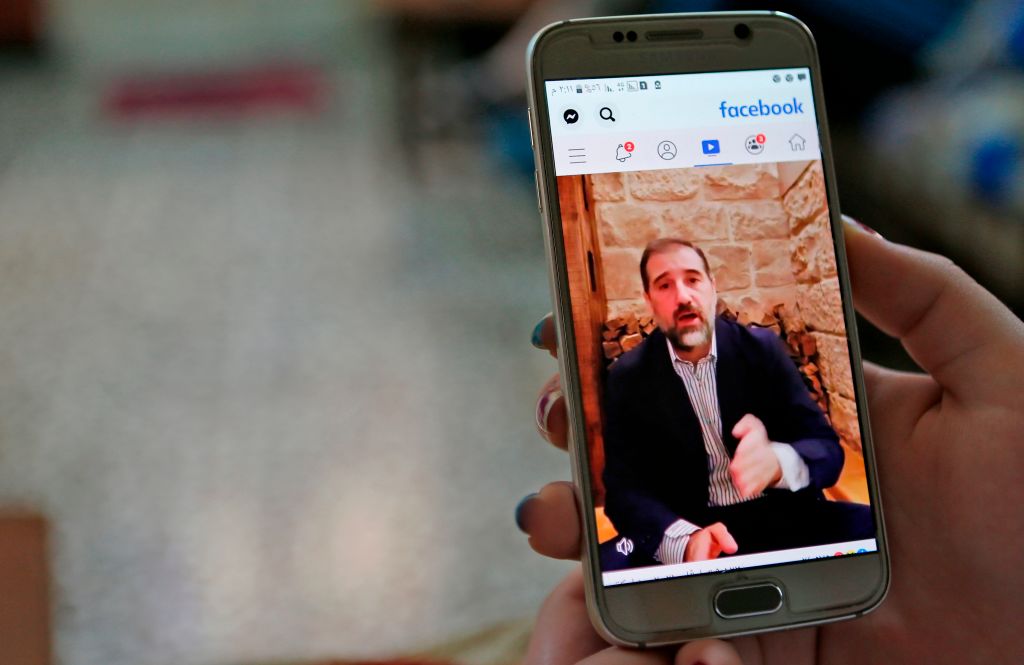
The Assad-Makhlouf spat: A complicated family affair
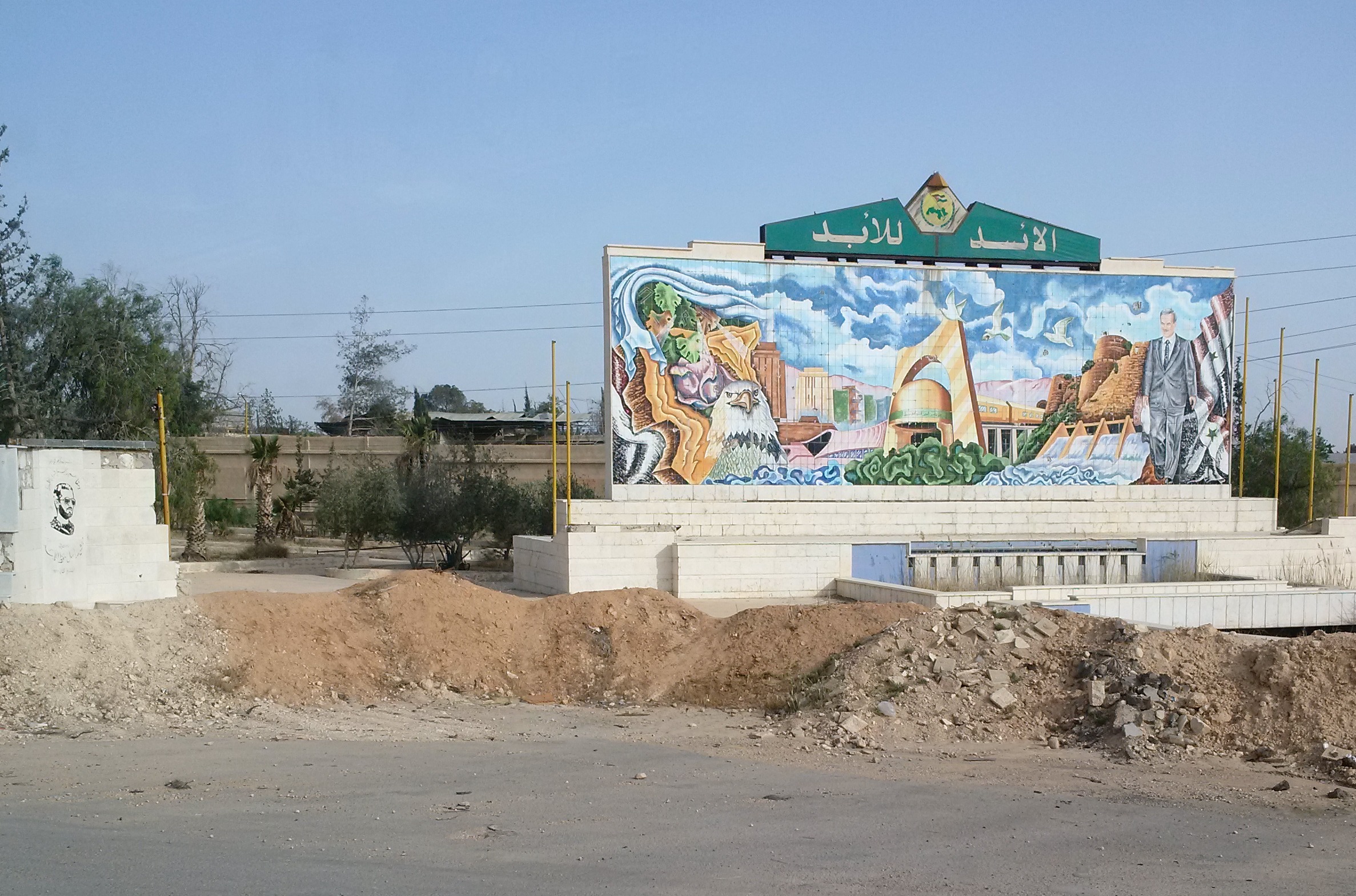
When Bashar’s father Hafez al-Assad started his regime, the Makhloufs became key allies. This alliance deepened with Bashar’s rise to power, and the Makhloufs became increasingly entrenched in the system until they became its economic pillar. The house of Assad was the political arm of the regime while the house of Makhlouf was the economic and financial arm. But then it all fell apart.
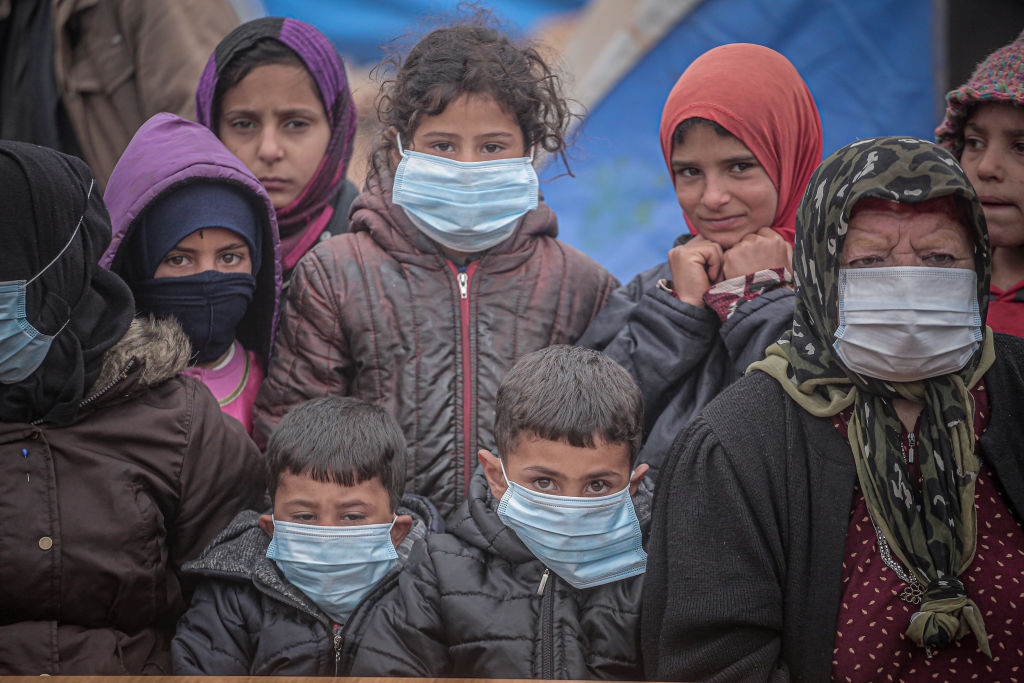
The gendered impact of COVID-19 in the Middle East
The COVID-19 pandemic has challenged the normative structures and behaviors of almost every country around the world. The fallout has put pressure on even the most developed countries and its effects across the Middle East have been significant and varied.
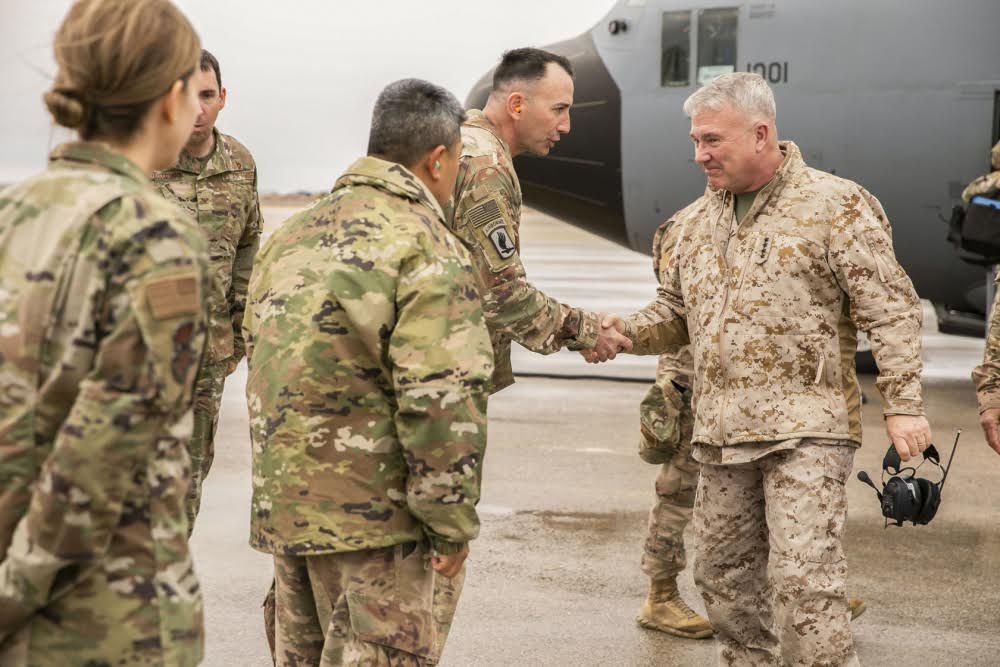
The U.S.-Iraq Strategic Dialogue that will be launched this week provides an opportunity for the two sides to put their relations, as Iraqi President Dr. Barham Salih said last April, “in the right context.”
Geopolitical and Geoeconomic Challenges to China’s Silk Road Strategy in the Middle East
Despite Beijing’s increasing engagement in the Middle East, it lacks a clear, consistent, and comprehensive strategy for the successful implementation of the new Silk Road. Although China’s Belt and Road Initiative (BRI) framework for cooperation with the Middle Eastern states is marked by strategic flexibility and maximizing opportunities, that may prove insufficient. As China and the countries of the region become more integrated, they will also share risks and face near-term geopolitical and geoeconomic challenges.
Like so many of you, I was horrified by the killing of George Floyd, and I share this message to reflect on the meaning of this crisis and what has become a pivotal moment for the United States in the world. Many of you have been deeply shaken by recent events, and spurred to action. This crisis heralds the need — and opportunity — for positive change.
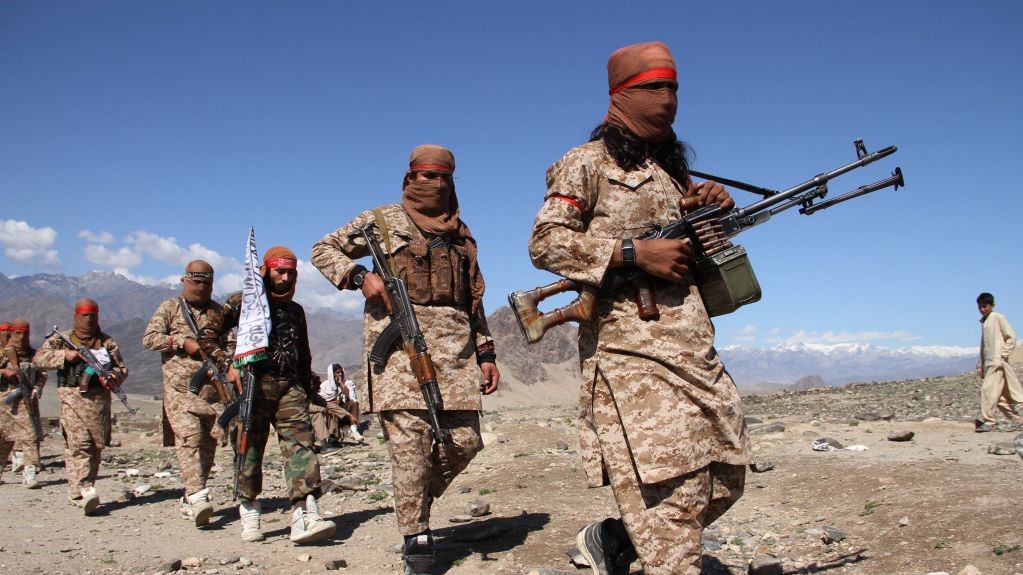
The Taliban’s military and diplomatic strategies are intended to work in tandem, one leveraging the other. Each has as its ultimate goal the Taliban’s recovery of an emirate lost in 2001.
Battle of the Syrian charity giants: Asma al-Assad versus Rami Makhlouf
Charities are useful fronts for all sorts of activities in Syria, but above all perhaps, they are vehicles of control. The Assads have long understood that the biggest danger to their rule comes from within, from a civil society that rejects their governance — never more so than today.
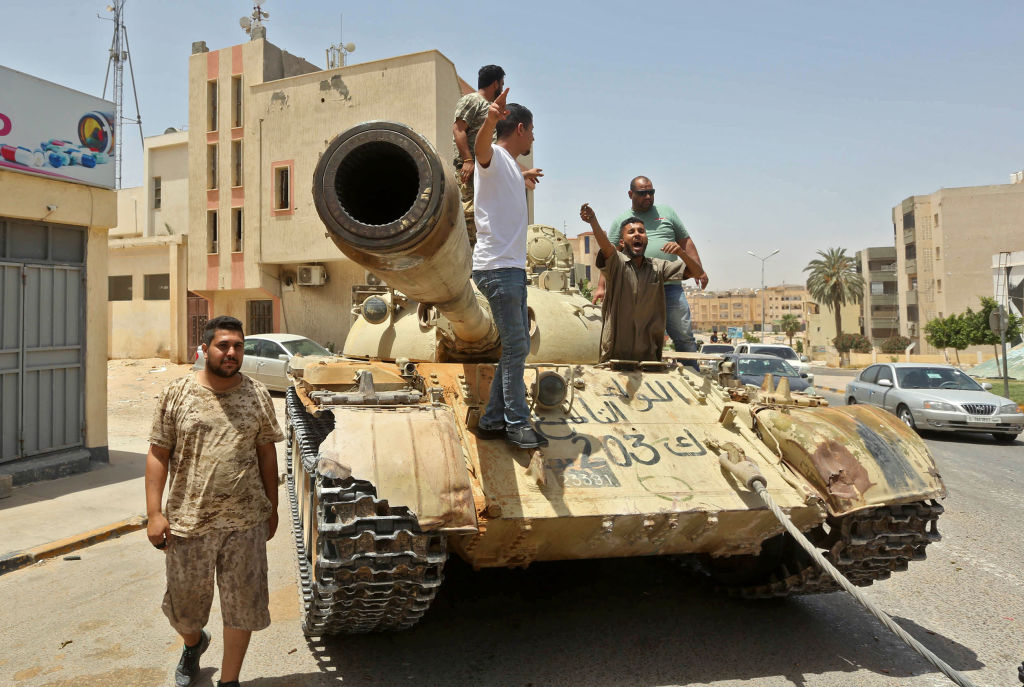
Steven Kenney and Ross Harrison join host Alistair Taylor to discuss their recent policy paper, “Conflict in the Middle East and COVID-19 — A View from 2025.” The COVID-19 crisis is disrupting the status quo on nearly everything, including regional conflict. How will that disruption worsen — or possibly improve — the trendlines of regional conflicts as we head toward 2025?