Skip to Content

Jean-Pierre Cassarino

Professor

Expertise

North Africa

This individual is a guest contributor. MEI is not able to assist with contact requests.

Jean-Pierre Cassarino holds a professorship at the Robert Schuman Center for Advanced Studies (RSCAS/European University Institute, Florence) where he directs the Return migration and Development Platform (http://rsc.eui.eu/RDP/). He is also research associate at the Tunis-based Institut de Recherche sur le Maghreb Contemporain (IRMC). Since the mid-1990s, he has published extensively on international migration, particularly on return migration and has carried out numerous field surveys investigating returnees’ manifold patterns of reintegration. Selected publications include: (ed.) Unbalanced Reciprocities: Cooperation on Readmission in the Euro-Mediterranean Area, The Middle East Institute Press, Washington, 2010; (ed.) “Conditions of Modern Return Migrants”, International Journal on Multicultural Societies, Vol. 10, Issue 2, UNESCO, Paris, 2008; (ed.) Return Migrants to the Maghreb Countries: Reintegration and development challenges, RSCAS, European University Institute, Florence, 2008; Tunisian New Entrepreneurs and their Past Experiences of Migration in Europe: Networks, Resource Mobilisation, and Hidden Disaffection. Ashgate Publishers, Aldershot, 2000. Email: [email protected]

The Latest from Jean-Pierre Cassarino

Filter by
10065 Results
The Ongoing Divide: Palestinian Participation in Israeli Elections
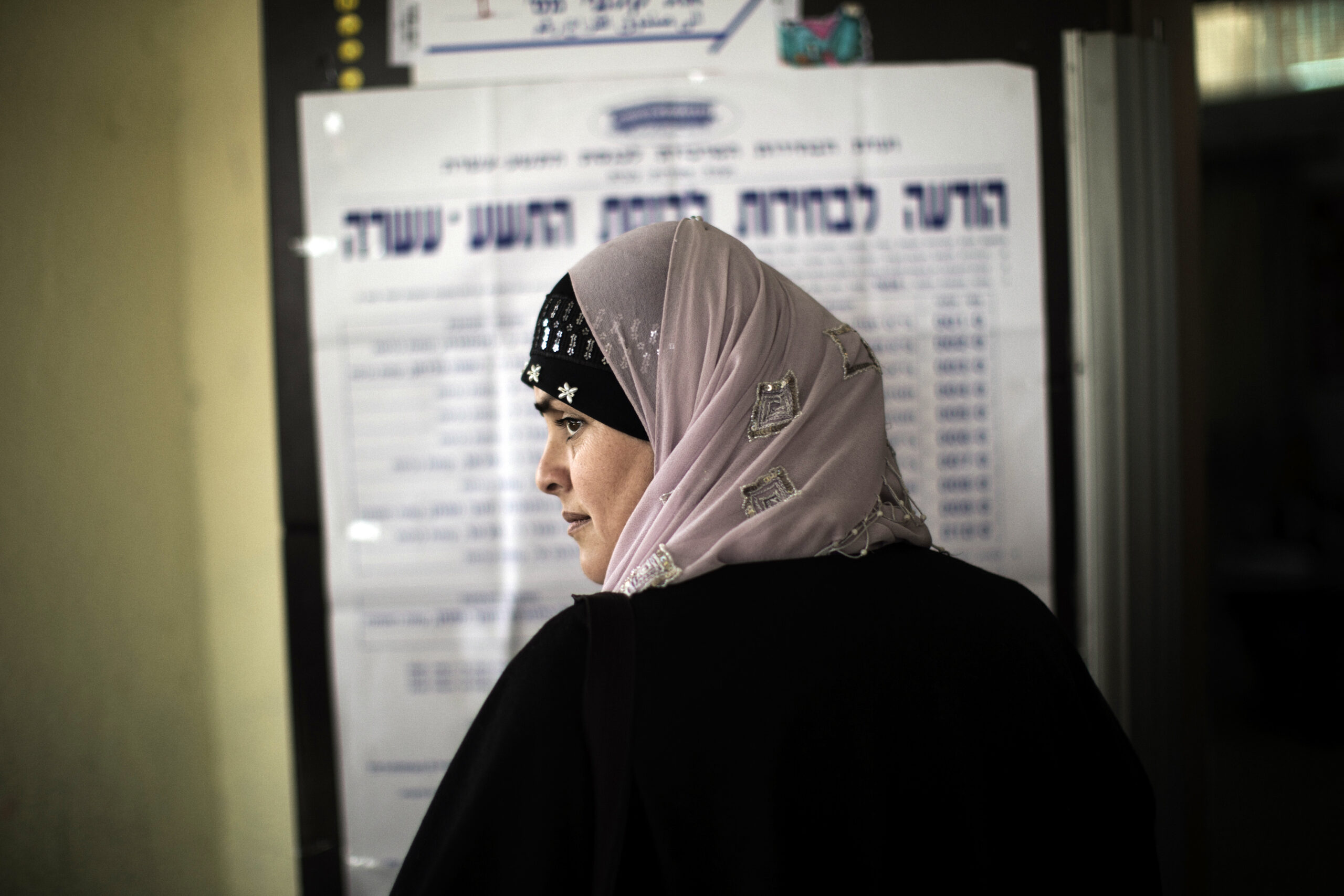
An Arab-Israeli woman waits in line before voting in the northern Israeli village of Maghar January 22, 2013.
  • Analysis
  • The Ongoing Divide: Palestinian Participation in Israeli Elections

    Despite constituting about 20 percent of the Israeli population, Israel’s Palestinian minority does not wield significant political power; throughout Israeli history Palestinian parties have played the role of the permanent opposition. While low Israeli-Palestinian electoral participation and the resulting disproportionate parliamentary representation have hampered political influence, these factors are merely one part of a multi-faceted and multi-causal picture. This report seeks to provide a comprehensive analysis of the exogenous and endogenous drivers of reduced Palestinian political engagement. It is concerned with the structural obstacles –– primarily put in place and sustained by the Israeli right wing –– that seek to impede Palestinian influence at the polls and in the Knesset.
    September 16, 2019

    Monday Briefing: Attack on Saudi oil facilities has an impact far beyond the kingdom
  • Analysis
  • Monday Briefing: Attack on Saudi oil facilities has an impact far beyond the kingdom

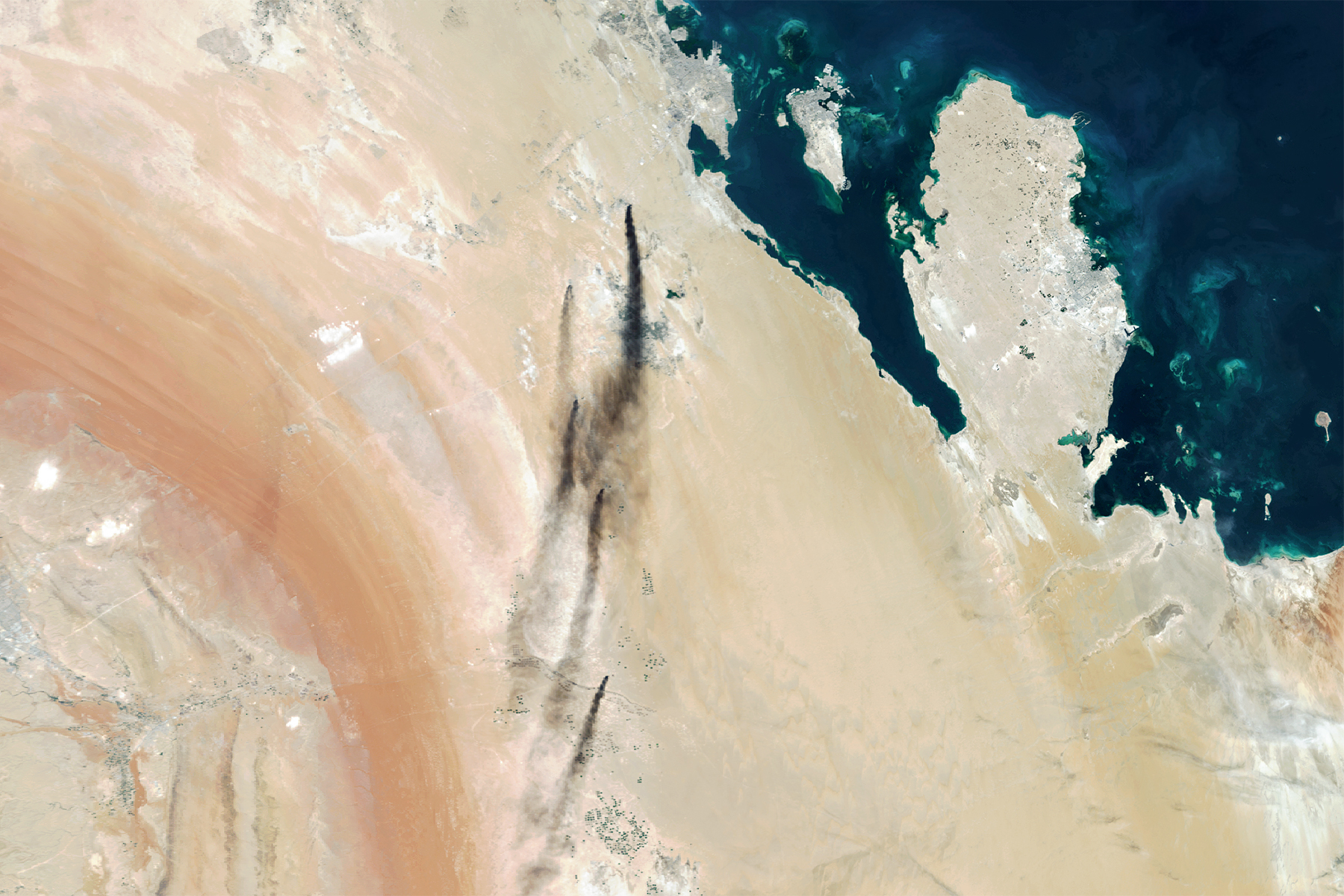
    This week’s briefing on recent news and upcoming events in the region featuring Ruba Husari, Paul Salem, Gerald Feierstein, Amal Kandeel, Grace Wermenbol, Robert S. Ford, Charles Lister, and Gonul Tol.

    September 16, 2019

    Art All Night at the MEI Art Gallery
  • Arts & Culture
  • Art All Night at the MEI Art Gallery

    September 14, 2019, 7:00 PM – 12:00 AM

    Middle East Institute, 1763 N Street NW, Washington, District of Columbia 20036

    Cybersecurity in the Middle East
    Middle East Institute
  • Podcast
  • Cybersecurity in the Middle East

    Michael Sexton and Eliza Campbell, co-directors of MEI’s new Cybersecurity initiative, join host Alistair Taylor to discuss the how the sudden rise of cyber threats has impacted the region, and the legal and technological challenges the international community must continue to grapple with in the years ahead.

    September 13, 2019

    Israeli elections: Sound and fury — signifying little
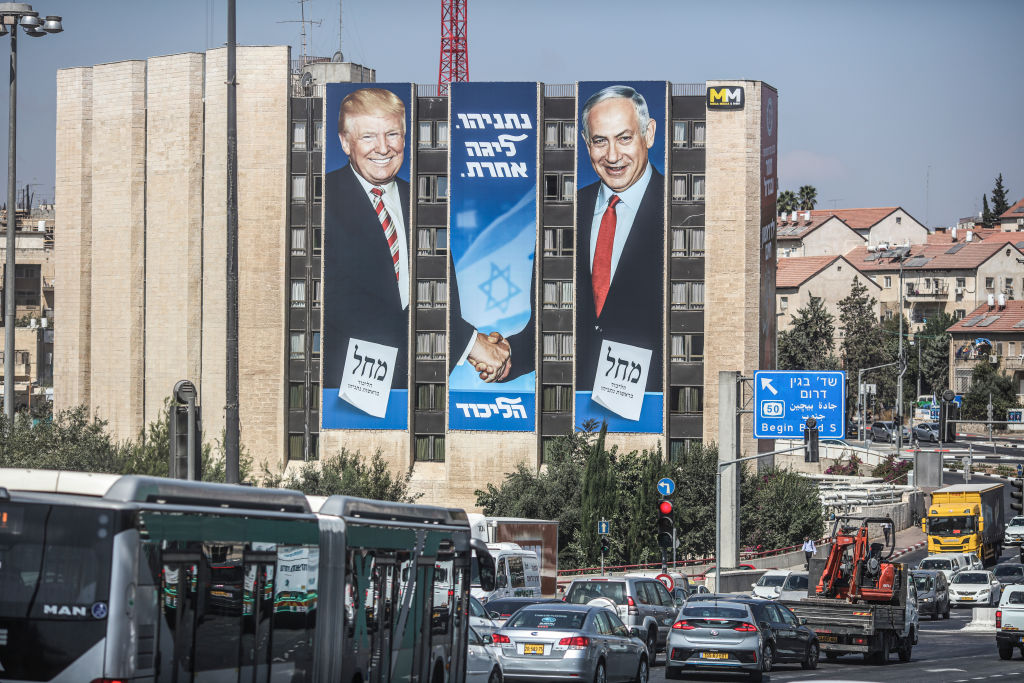
    A general view of an election campaign banner depicting Israeli Prime Minister Benjamin Netanyahu (R), head of the Likud Party, shaking hands with US President Donald Trump, ahead of the snap Israeli legislative election, scheduled to take place on 17 September 2019
  • Analysis
  • Israeli elections: Sound and fury — signifying little

    Israel’s upcoming election, set for Sept. 17, dragged on through the summer and looked set to be a repeat of its predecessor on April 9, when Prime Minister Benjamin Netanyahu failed by a single Knesset vote to put together a majority coalition. It has indeed been a largely sleepy affair, with the centrist Blue-White party dueling with the Likud for the crucial top spot and most other parties barely budging in the polls. This somnolence ended explosively the week before the election with a series of events whose impact is still unclear.

    September 12, 2019

    Russia, Iran, and the competition to shape Syria’s future
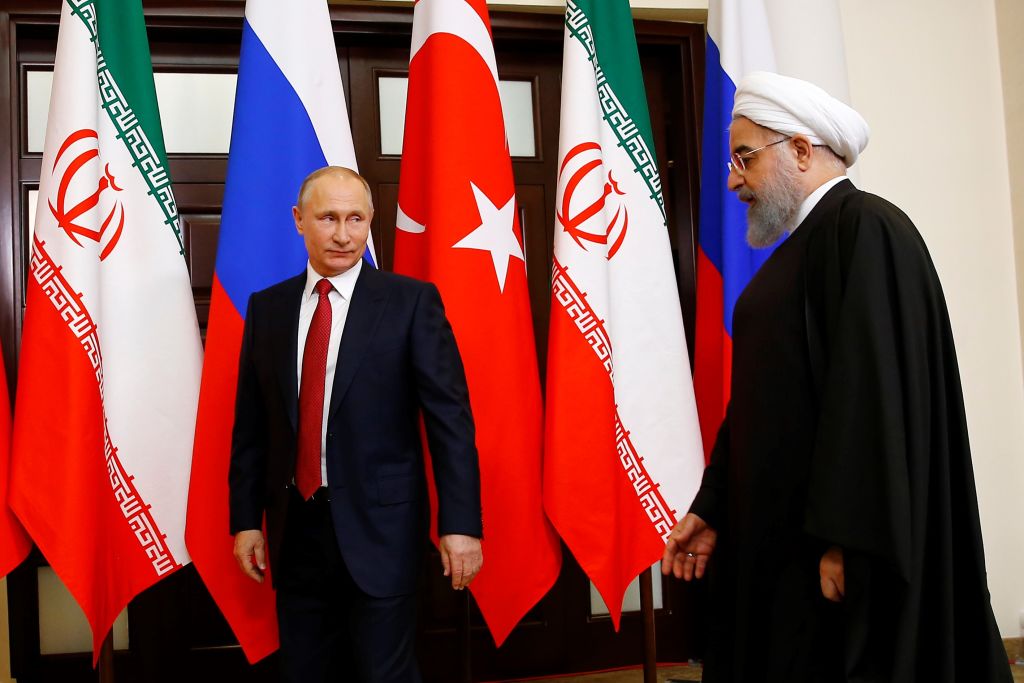
    Russian President Vladimir Putin (L) and Iranian President Hassan Rouhani (R) attend the trilateral summit to discuss progress on Syria, between the Presidents of Turkey, Russia and Iran on November 22, 2017 in Sochi, Russia.
  • Analysis
  • Russia, Iran, and the competition to shape Syria’s future

    One important dynamic that is not acknowledged enough is the intensifying competition between Russia and Iran to determine the future shape of Syria and their position in it. While the very real competitive dynamic between Moscow and Tehran will never transition to hostility, it is beginning to have a very real effect on the evolution of major aspects of the crisis — from active conflict theaters, to the structures of the state, control over resources, and the prospect of intra-state conflict on Syrian soil.

    Israel’s upcoming elections: Much ado about nothing?
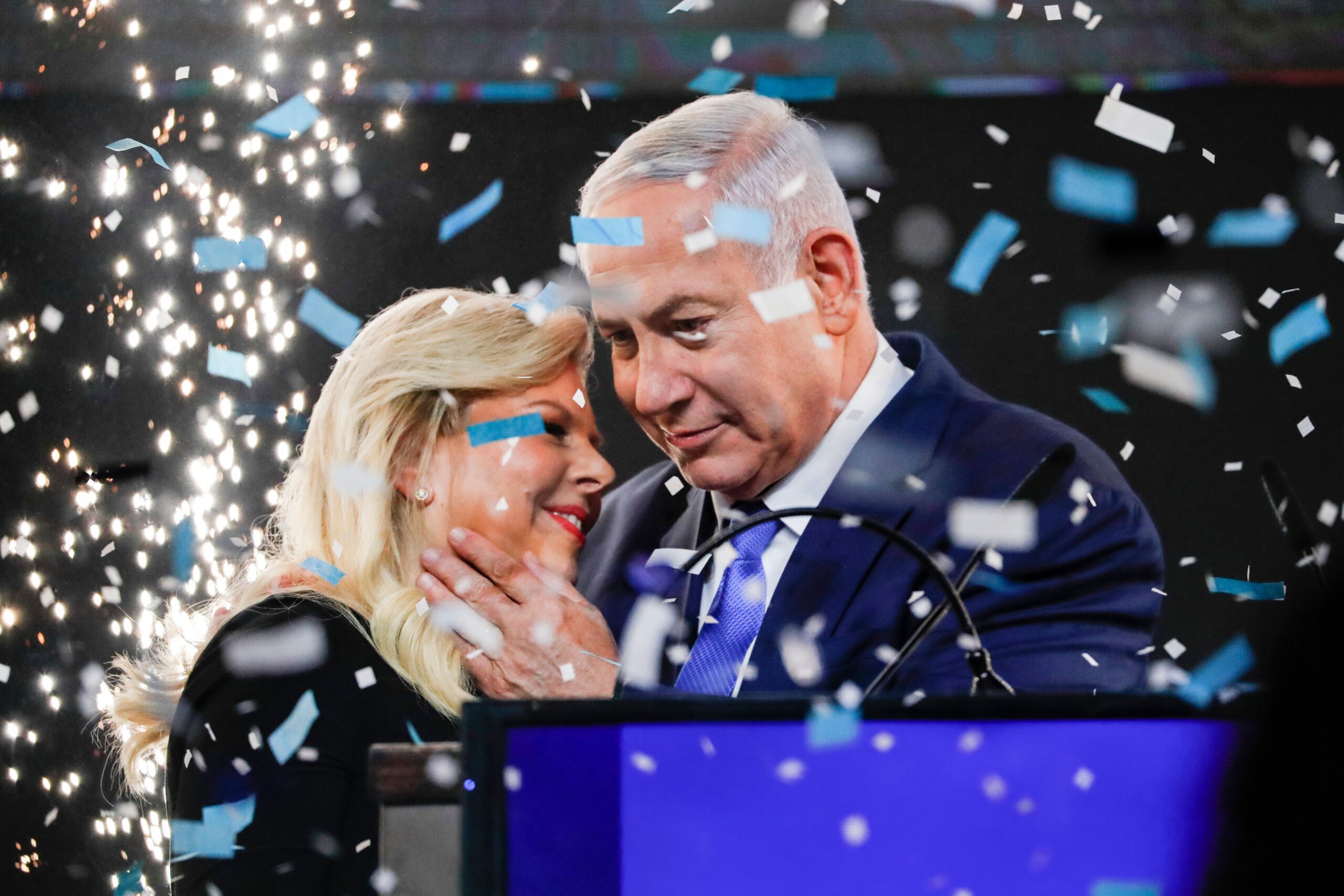
    TOPSHOT - Israeli Prime Minister Benjamin Netanyahu embraces his wife Sara as confetti and fireworks are blown during his appearance before supporters at his Likud Party headquarters in the Israeli coastal city of Tel Aviv on election night early on April 10, 2019. (Photo by Thomas COEX / AFP) (Photo credit should read THOMAS COEX/AFP/Getty Images)
  • Analysis
  • Israel’s upcoming elections: Much ado about nothing?

    Prime Minister Benjamin Netanyahu won a fifth term in April, the first such victory for an Israeli politician. In May, he failed to form a governing coalition, a first for an Israeli politician as well. Snap elections are scheduled for Sept. 17 and, true to form, rivals and observers are saying that surely his era may be nearing an end. Notwithstanding the possible changes that could be witnessed on the local political scene, skeptics are hard-pressed to see how the elections could bring about drastic change for either Israel or the region.

    September 10, 2019

    The end of an era: Trump invites China to police the Gulf
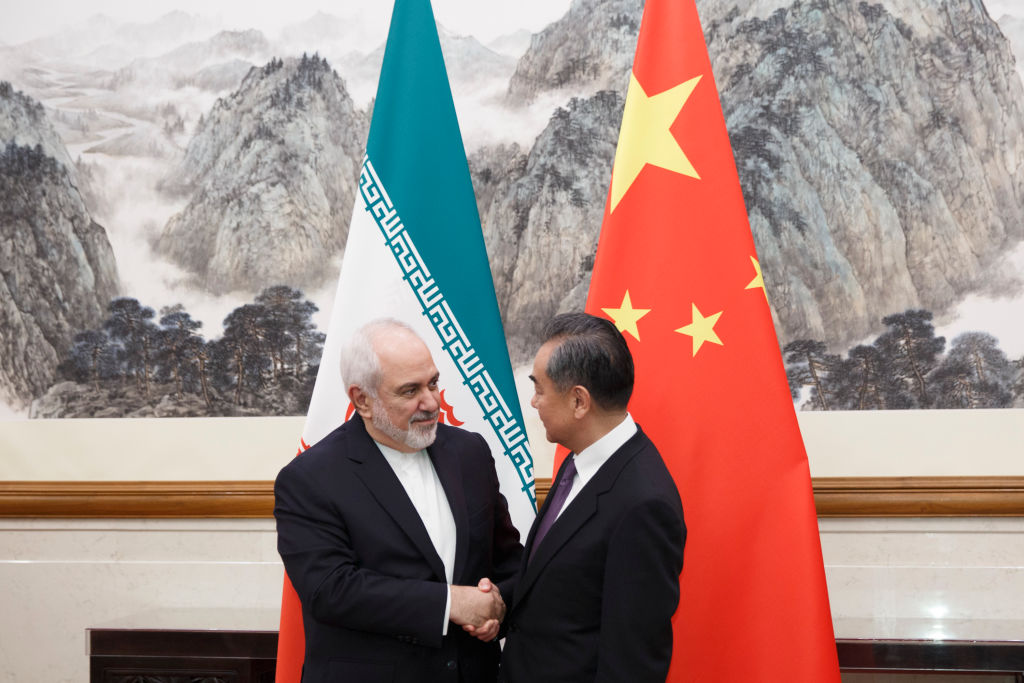
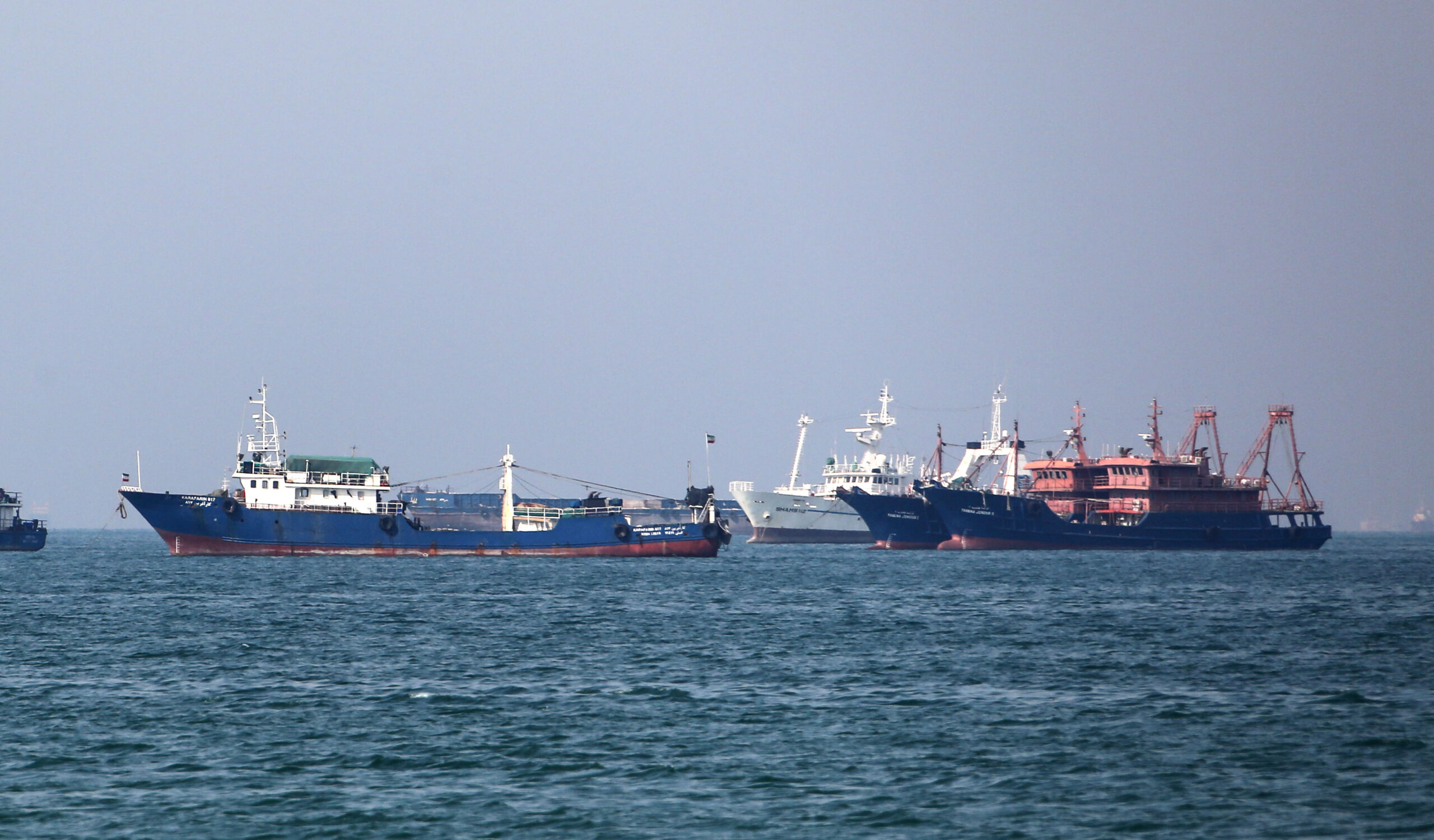
    Cargo ships sail in the Gulf off the Iranian port city of Bandar Abbas, which is the main base of the Islamic republic's navy and has a strategic position on the Strait of Hormuz, on April 29, 2019. - Eight countries were initially given six-month reprieves after the United States reimposed sanctions on Iran in November, following President Donald Trump's decision to withdraw from a 2015 nuclear accord. Iran's Foreign Minister Mohammad Javad Zarif has said leaving the nuclear Non-Proliferation Treaty is one
  • Analysis
  • The end of an era: Trump invites China to police the Gulf

    What was President Donald Trump thinking when, on June 24, when he announced a historic revision of U.S. security policy in the Gulf?

    As Washington slept, Trump tweeted that “China gets 91% of its Oil from the Straight, Japan 62%, & many other countries likewise. So why are we protecting the shipping lanes for other countries (many years) for zero compensation. All of these countries should be protecting their own ships on what has always been a dangerous journey. We don’t even need to be there in that the U.S. has just become (by far) the largest producer of Energy anywhere in the world!”

    September 9, 2019

    Is it too late to save Lebanon from financial collapse?
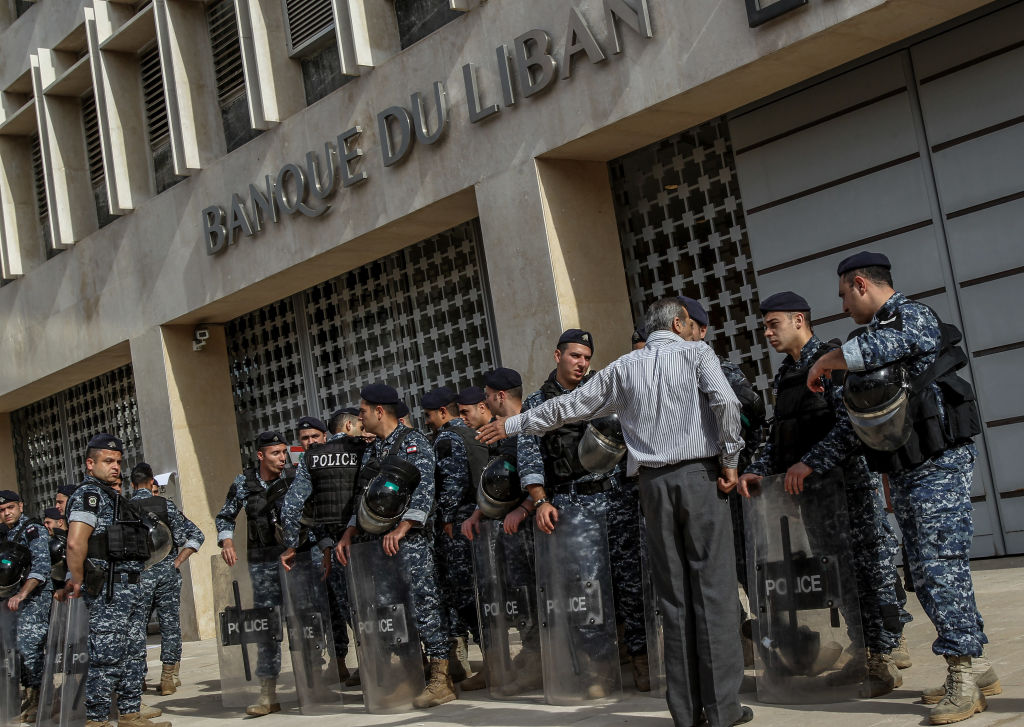
    A demonstrator argues with riot police guarding the entrance of the Lebanese Central Bank during a protest by retired Lebanese army and security personnel as part of a preemptive strike against austerity measures in the 2019 draft state budget that might affect their retirement wages.
  • Analysis
  • Is it too late to save Lebanon from financial collapse?

    Things seem to be going from bad to worse for Lebanon’s economy. On Aug. 23 Fitch downgraded its credit rating to CCC, meaning both it and Moody’s now rate the country’s bonds as junk. Ten days later, on Sept. 2, Lebanon’s top officials and bankers declared the country was in a state of economic emergency and said emergency measures would be taken.

    September 6, 2019

    US negotiations with the Taliban: The cases for hope and skepticism
    Middle East Institute
  • Podcast
  • US negotiations with the Taliban: The cases for hope and skepticism

    Amb. Robin Raphel and MEI’s Marvin Weinbaum join guest host Jerry Feierstein to discuss the latest round of negotiations between the US and the Taliban and lay out their competing views on whether there is greater cause for optimism or pessimism as the US seeks to withdraw its troops after nearly twenty years in Afghanistan.

    September 6, 2019

    Pakistan on Kashmir: “They have colonized the territory”
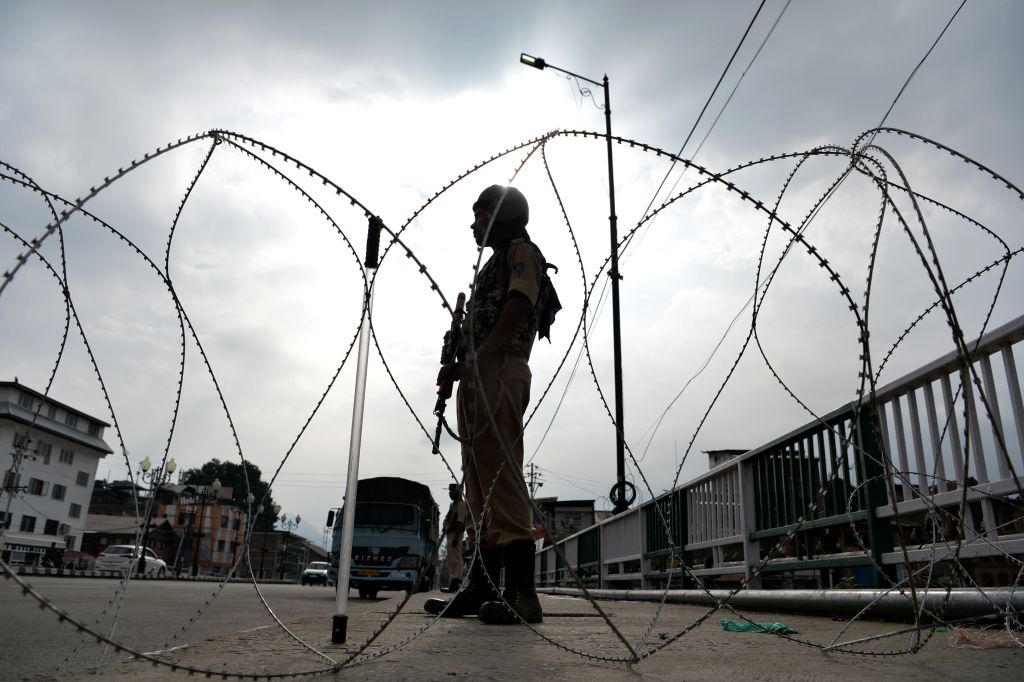
    A security personnel stands guard on a street during a lockdown in Srinagar on August 11, 2019, after the Indian government stripped Jammu and Kashmir of its autonomy.
  • Analysis
  • Pakistan on Kashmir: “They have colonized the territory”

    MEI scholar Lawrence Pintak speaks to Sardar Masood Khan, the president of Pakistani-administered Kashmir, about India’s early August annexation of the semi-autonomous territory of Jammu and Kashmir.

    September 5, 2019

    Does a brighter chapter await Sudan?
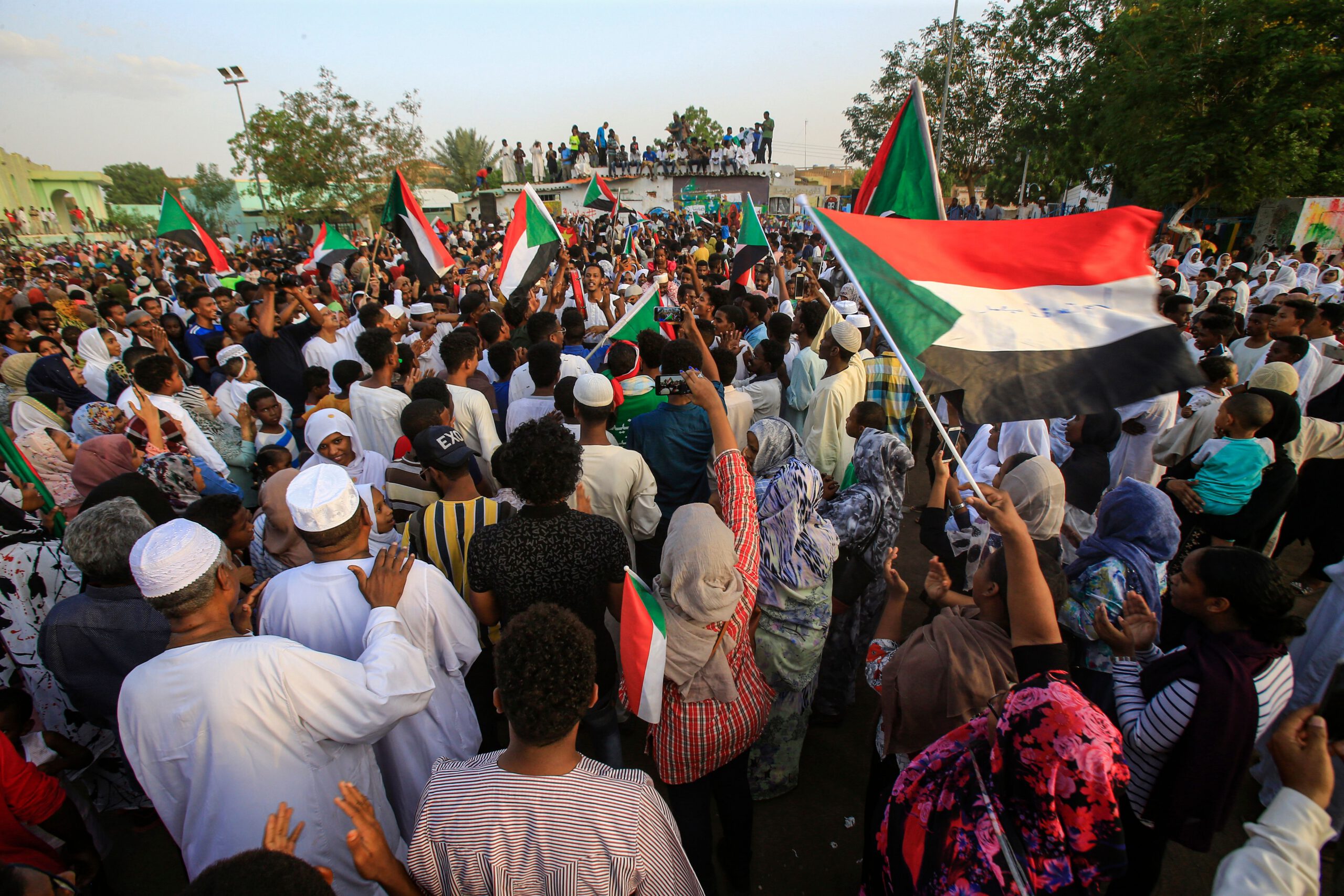
    Sudanese people chant slogans and wave national flags as they celebrate after protest leaders struck a deal with the ruling generals on a new governing body, in the capital Khartoum's eastern district of Burri on July 5, 2019, - The deal, reached in the early hours of July 5 after two days of hard-won talks brokered by Ethiopian and African Union mediators, provides for the interim governing body to have a rotating presidency, as a compromise between the positions of the generals and the protesters. The blu
  • Analysis
  • Does a brighter chapter await Sudan?

    The celebratory scenes in Khartoum last month were a marked contrast from the bloodshed in Sudan’s capital earlier this year. After eight months of unrest following the ouster of former Sudanese President Omar al-Bashir in April, Sudan’s military council and the Alliance for Freedom and Change — represented by Ahmed al-Rabie — signed a power-sharing agreement on Aug. 17. This deal offers hope that Sudan can complete a peaceful transition to civilian rule.

    September 5, 2019

    A shifting development paradigm for the Middle East and North Africa
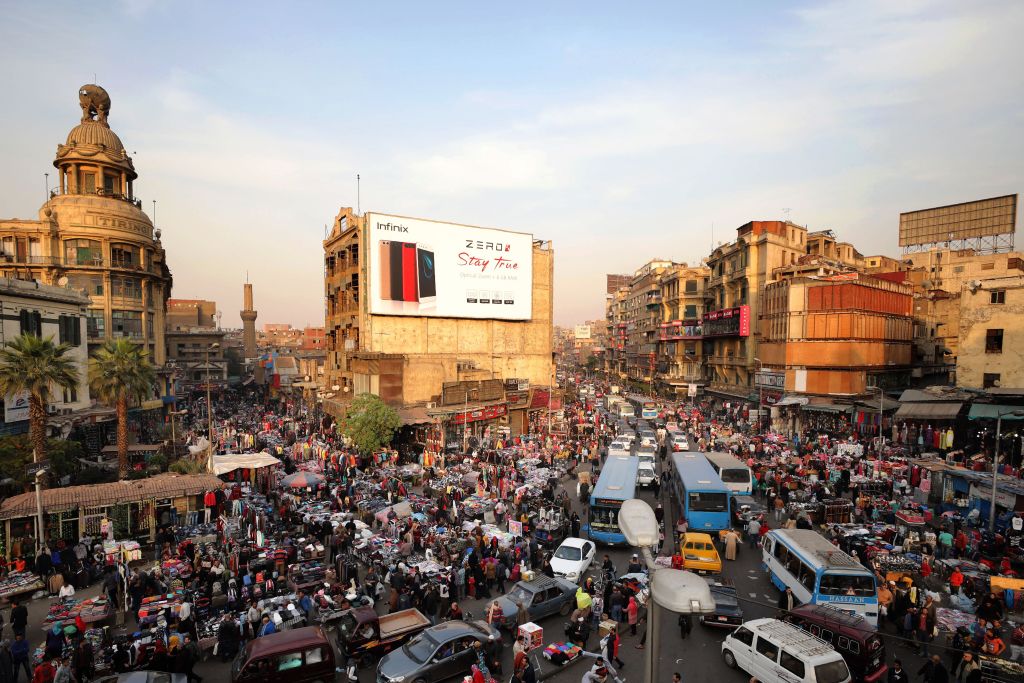
    A picture taken on December 12, 2017 shows an elevated view of al-Attaba district on the edge of downtown Cairo, Egypt.
  • Analysis
  • A shifting development paradigm for the Middle East and North Africa

    Economic development paradigms have shifted focus over past decades: from minimizing imports to encouraging exports as the path to prosperity. Individual countries in the Middle East and North Africa (MENA) have had little success under either paradigm — the result being stagnant economies and high unemployment, especially among young people. Perhaps now is the time for MENA countries to follow a different path and focus on harnessing the power of their collective domestic demand to foster economic development.

    September 5, 2019