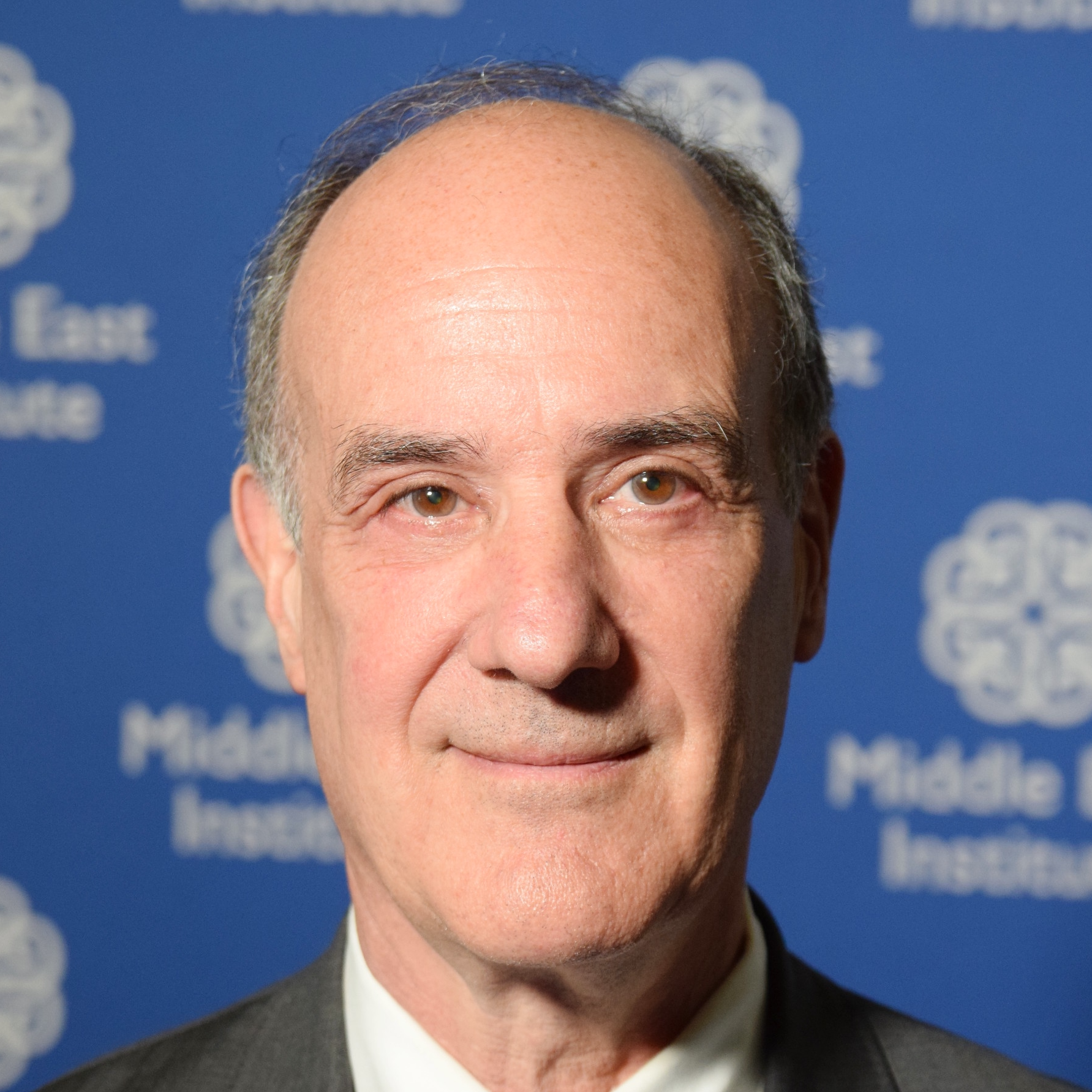
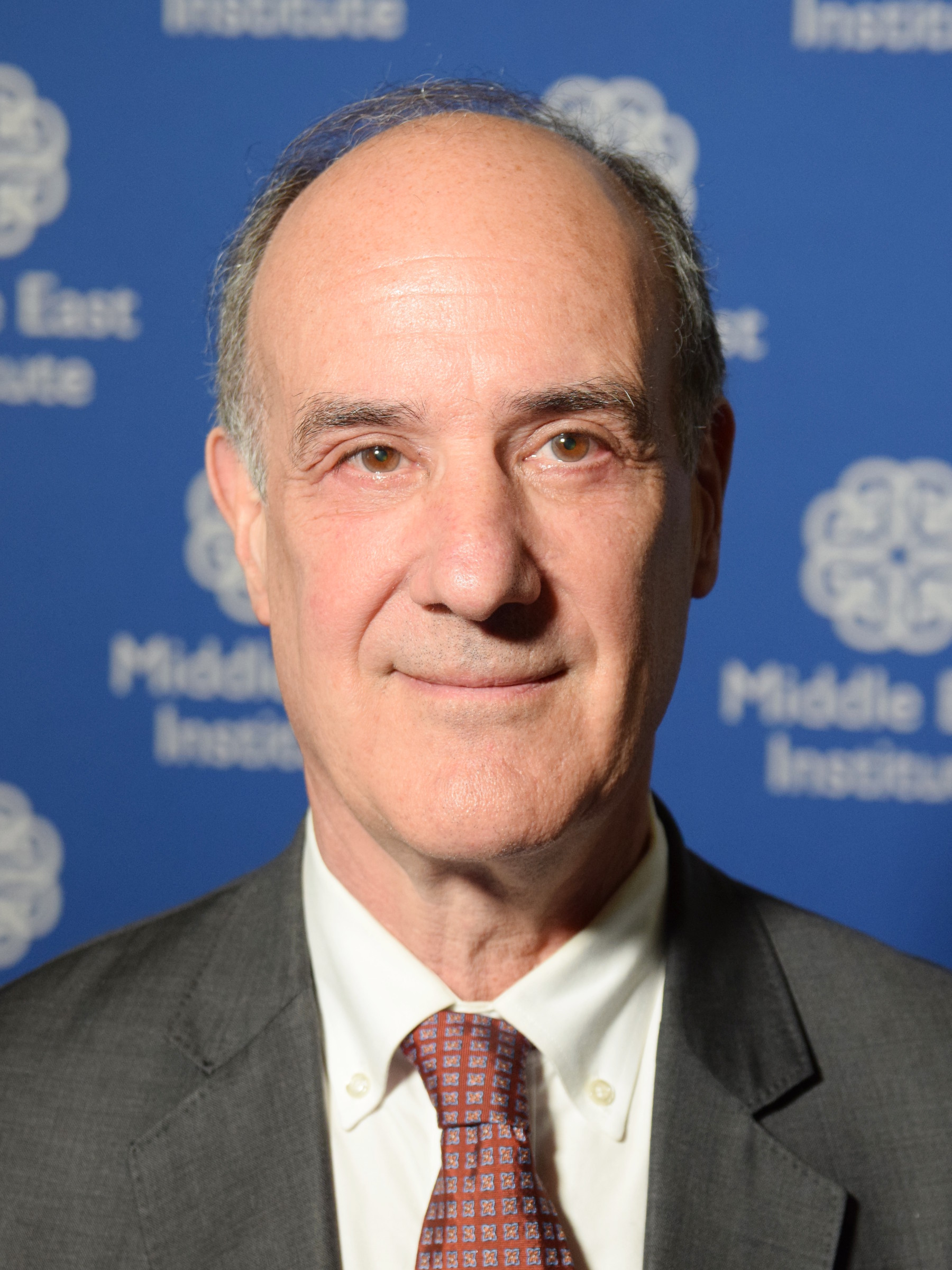
Jonathan M. Winer has been the United States Special Envoy for Libya, the deputy assistant secretary of state for international law enforcement, and counsel to United States Senator John Kerry. He has written and lectured widely on US Middle East policy, counter-terrorism, international money laundering, illicit networks, corruption, and US-Russia issues.
In 2016, Winer received the highest award granted by the Secretary of State, for “extraordinary service to the US government” in avoiding the massacre of over 3,000 members of an Iranian dissident group in Iraq, and for leading US policy in Libya “from a major foreign policy embarrassment to a fragile but democratic, internationally recognized government.” In 1999, he received the Department’s second highest award, for having “created the capacity of the Department and the US government to deal with international crime and criminal justice as important foreign policy functions.” The award stated that “the scope and significance of his achievements are virtually unprecedented for any single official.”
Education:
BA from Yale University, 1976; JD from New York University School of Law, 1981
Countries of Expertise:
Libya, North Africa
Issues of Expertise:
US Foreign Policy, Counter-terrorism, Governance, Economics and Energy, Migration
The UN’s “Plan B” for Libya needs a security solution, too
The UN has undertaken a series of steps to push Libya beyond the uneasy stability imposed by the militias. Together with Plan B, an economic-military-political package could provide the means to do so.
In this week’s Monday Briefing, MEI experts Jonathan M. Winer, Robert S. Ford, and Alex Vatanka provide analysis on recent and upcoming events including political turmoil in Libya, the meeting between Turkey and Russia to discuss the fate of Idlib province, and Iran’s attempts to forge new relationships to offset U.S. sanctions.
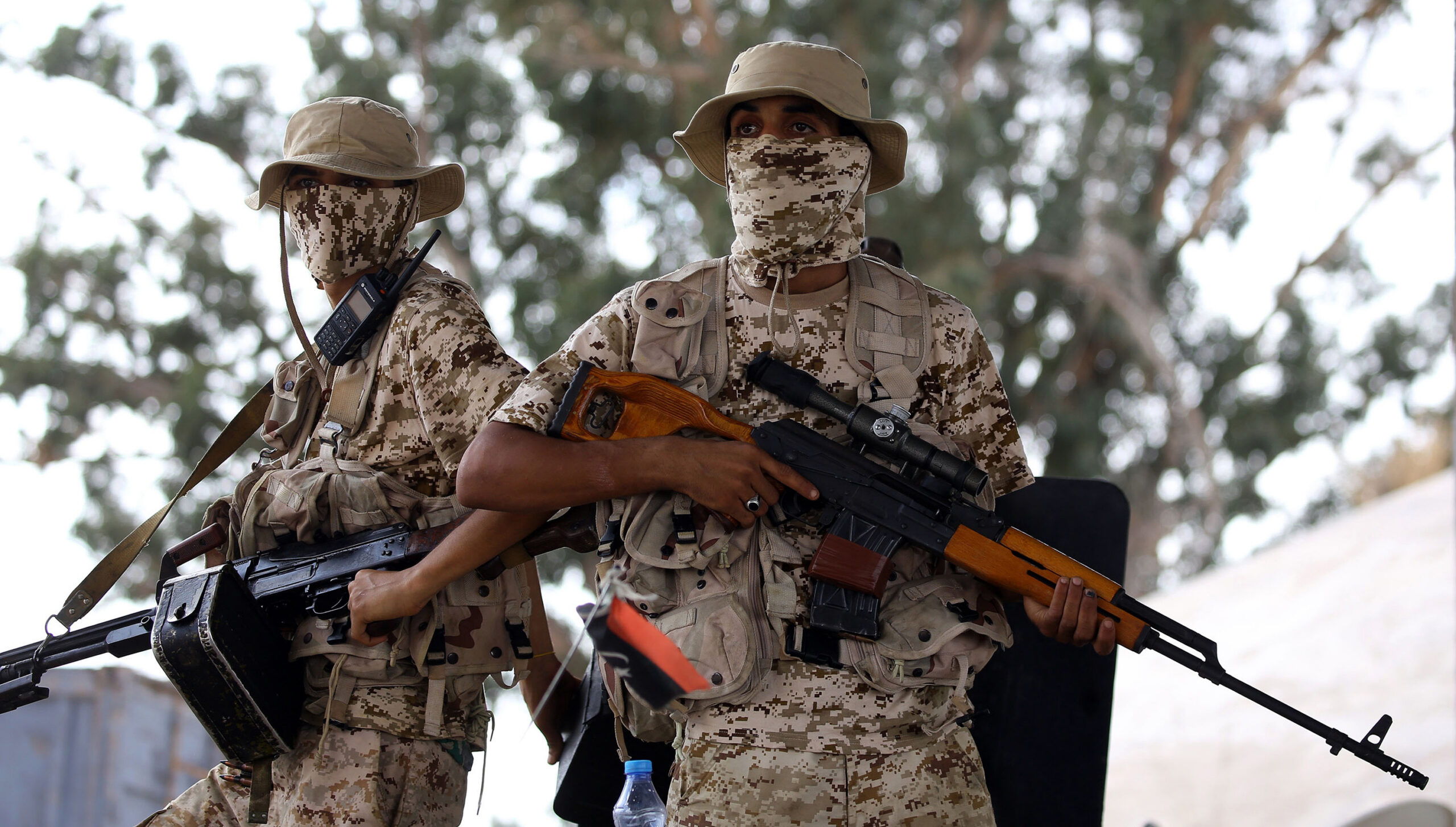
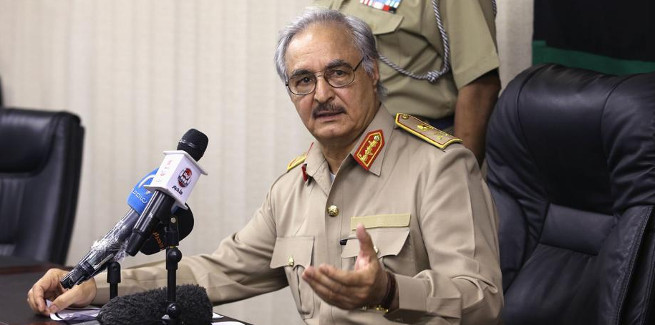
The issue for Libya is not whether 75-year-old Gen. Khalifa Hifter returns to normal health following the medical crisis that led to his hospitalization in Paris. No matter what happens to Hifter, the country must find ways to build an inclusive government in which integrated security forces at the national level are under the command of civilian, elected leaders.
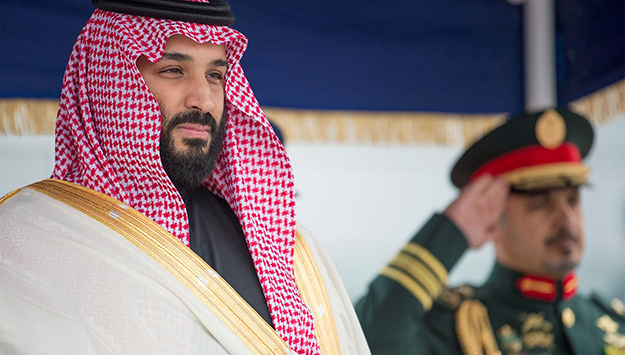
Monday Briefing: Mohammed bin Salman’s American charm offensive
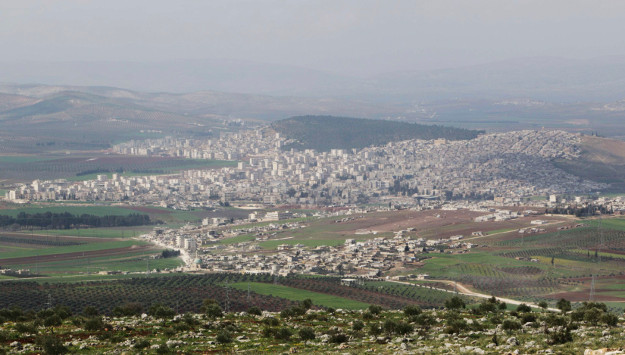
In this week’s Monday Briefing, MEI experts Gerald Feierstein, Paul Salem, Charles Lister, Jean-François Seznec, and Jonathan M. Winer provide analysis on recent and upcoming events including the shaping of U.S.-Saudi relations, Pompeo’s appointment to secretary of state, Turkey’s capture of Afrin, the future of Saudi energy, and Egypt’s efforts to unite the Libyan military.
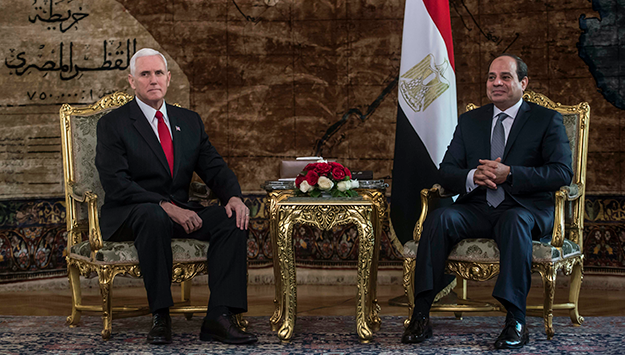
Pence’s pointless peregrination in the Mideast | Monday Briefing
In this week’s Monday Briefing, MEI experts Paul Salem, Robert S. Ford, Randa Slim, and Jonathan M. Winer provide analysis on recent and upcoming events including Vice President Mike Pence’s trip to the Middle East, Turkey’s assault on Afrin, Iraq’s upcoming elections, and the U.N. humanitarian aid plan for Libya.
In place of this week’s Monday Briefing we asked over a dozen MEI scholars to discuss their expectations for key trends, events, and policies across the region in 2018.
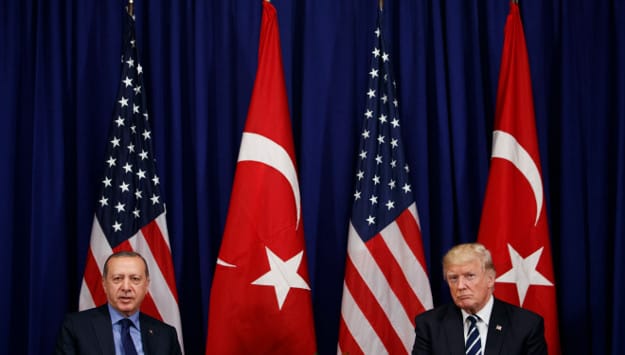
U.S.-Turkey Relations Hit All-Time Low | Weekly Briefing
In this week’s Monday Briefing, MEI experts Gonul Tol, Ibrahim al-Assil, Amal Kandeel, and Jonathan M. Winer provide analysis on recent and upcoming events including the diplomatic row between Turkey and the United States, the arrival of Turkish troops in Idlib, Morocco’s establishment of a national water security strategy amid climate concerns, and the resumption of talks on the Libya Political Agreement in Tunis.
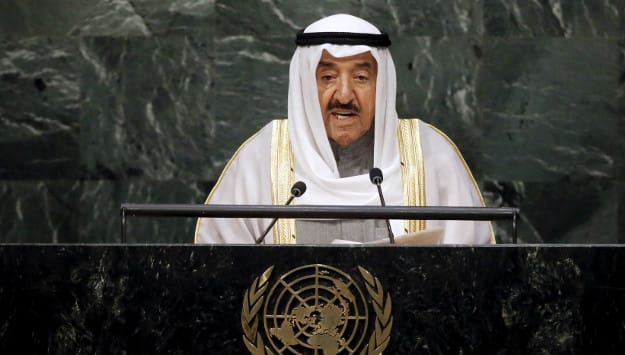
Qatar to Top Agenda of Kuwaiti Emir’s Washington Visit | Weekly Briefing
In this week’s briefing, MEI experts Gerald Feierstein, Charles Schmitz, Jonathan M. Winer, and Yousef Munayyer provide analysis on recent and upcoming events including Kuwaiti Emir Sheikh Sabah al-Sabah’s upcoming visit to Washington, recent clashes in Yemen, the French Foreign Minister’s trip to Libya, and the U.N. Human Rights Council’s discussion on Israel/Palestine.
Monday Briefing | Is the Middle East Tilting toward De-Escalation?
In this week’s Monday Briefing, MEI experts Paul Salem, Gonul Tol, Alex Vatanka, and Jonathan M. Winer provide analysis on recent and upcoming events including Saudi Arabia’s diplomatic engagements in the region, Turkey’s consideration of military operations in northern Syria, Iranian President Rouhani’s centrist cabinet nominations, and Libyan leaders’ decision between greater cooperation or renewed confrontation.
Libya Still Seeking Grand Bargains, But Facing Range of Spoilers
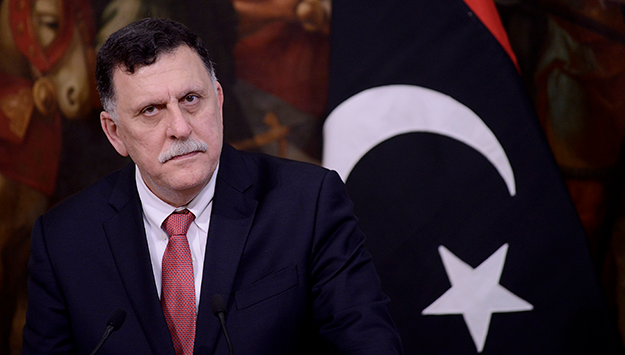
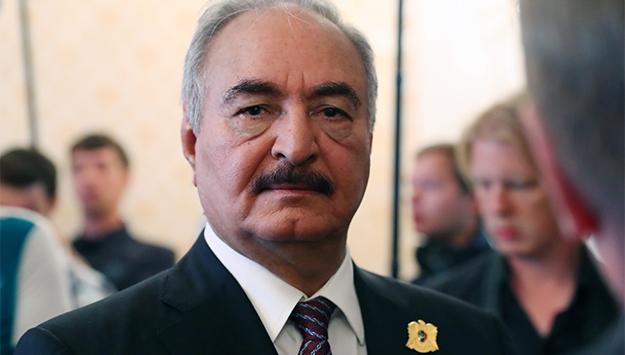
The hopeful scene in Paris July 25 was a familiar one. Libyan leaders, in this case General Khalifa Haftar and Prime Minister Fayez al-Sarraj, meet under the umbrella of another world leader, in this case, French Prime Minister Emmanuel Macron, and announce progress on a deal to put Libya back together and hold new elections.
It was a scene that had last played on May 2 in Abu Dhabi, under Emirati guidance with the same Libyan players, and one I and others had sought to put together a full year ago when I was serving as U.S. Special Envoy for Libya.
Foreign Powers Should Push for Compromise in Libya
Whenever power is contested in a country—any country—the political fight over who will ascend to the helm provides opportunities for foreign powers to intervene, and in some cases, influence the outcome of the political process.
Such behavior can carry short-term rewards when a new leader, put into power with the help of the foreign government, tilts favorably toward the sponsor; but it also can be counterproductive.
Monday Briefing: Chances for MidEast Peace Remote under Trump
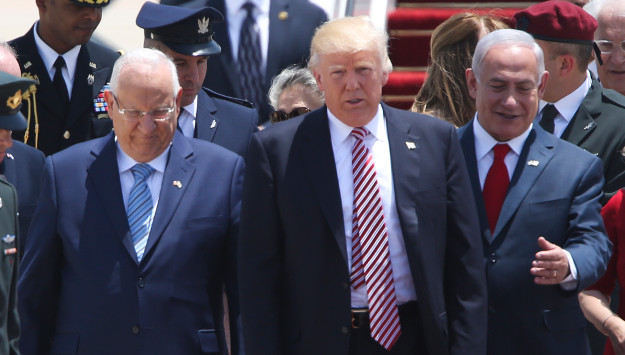
In this week’s Monday Briefing, MEI experts Yousef Munayyer, Alex Vatanka, Jonathan M. Winer, and Marvin G. Weinbaum provide analysis on recent and upcoming events including President Trump’s trip to Israel and the prospects for a peace process, the reelection of Iranian President Hassan Rouhani, Russia’s planned naval drill off the coast of Libya this week, and the Afghan Taliban’s decision to reject peace talks.
Russia Seeks U.S. Support for Syria Plan | Monday Briefing
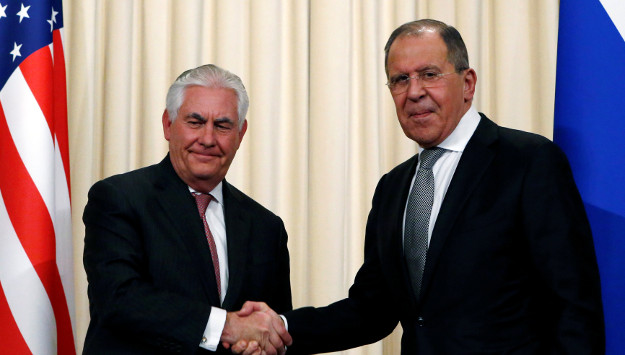
In this week’s Monday Briefing, MEI experts Charles Lister, Alex Vatanka, and Jonathan M. Winer provide analysis on recent and upcoming events including the meeting between Russian Foreign Minister Lavrov and Secretary of State Tillerson, Iranian President Rouhani’s battle for re-election, and the efforts to strike a deal for the future of the Libyan state.