Remembering Ash Carter (1954-2022)
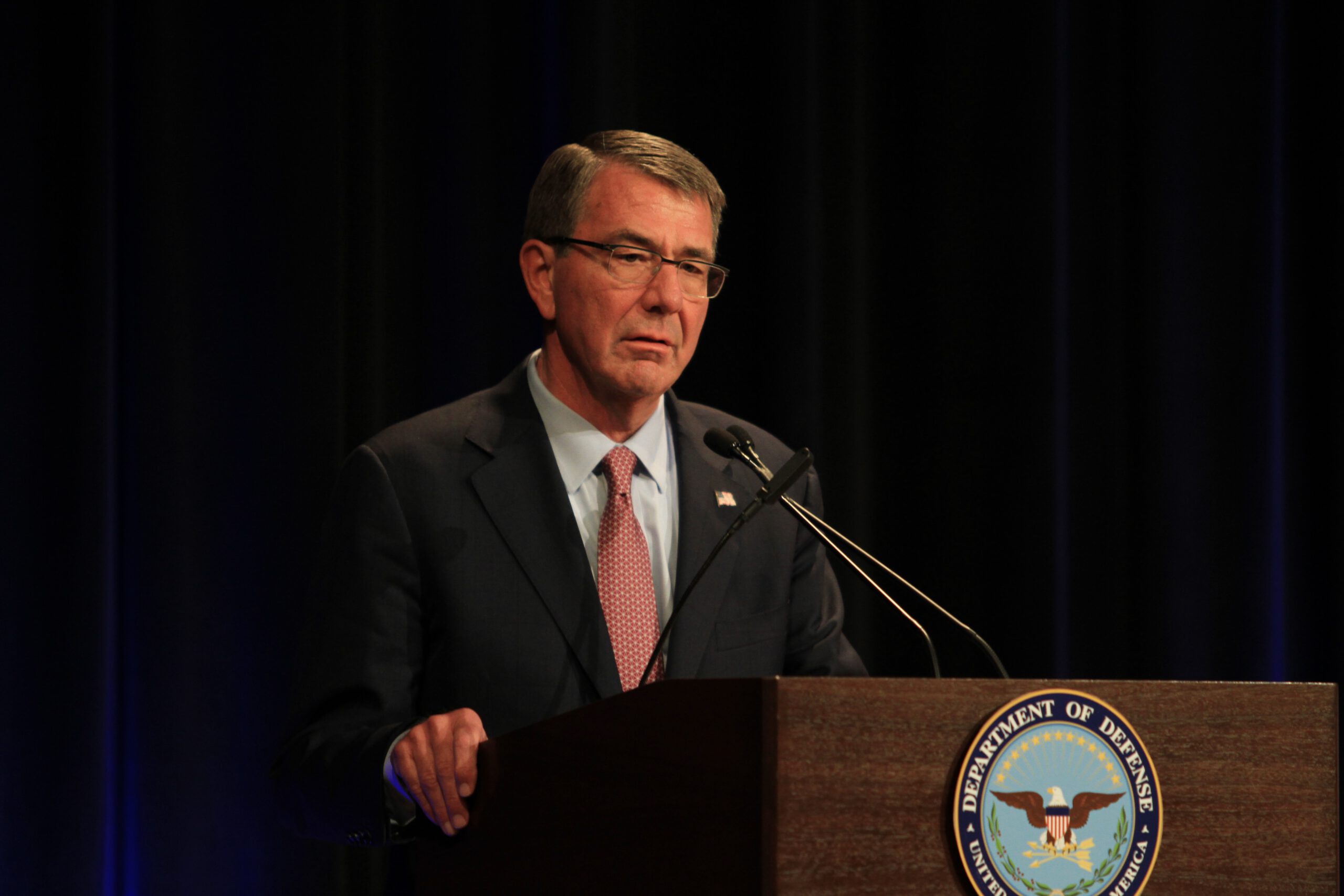
Ashton B. Carter, the 25th U.S. Secretary of Defense, who served under former President Barack Obama, passed away on October 24, 2022. MEI’s scholars react to the news and remember his rich legacy.
Press inquiries: [email protected]
General (ret.) Joseph L. Votel is a Distinguished Military Fellow at MEI. He retired as a four-star general in the United States Army after a nearly 40-year career, during which he held a variety of commands in positions of leadership, including most recently as commander of U.S. Central Command (CENTCOM) from March 2016 to March 2019.
In his role at CENTCOM, Gen. Votel oversaw military operations across the region, including the campaign against ISIS in Iraq and Syria. Before CENTCOM he was the commander of the U.S. Special Operations Command (SOCOM) and the Joint Special Operations Command (JSOC). He was the commander of the 75th Ranger Regiment when they deployed to Afghanistan in 2001 and to Iraq in 2003. While assigned to the Pentagon, he organized the original IED Task Force that eventually grew into the Joint Improvised-Threat Defeat Organization (JIDO).
During his military career, Gen. Votel gained extensive operational experience across the Middle East, Levant, Central and South Asia, Northern Africa, and the Horn of Africa. He was awarded numerous medals of service including three Defense Distinguished Service Medals, an Army Distinguished Service Medal, three Defense Superior Service Medals, two Legion of Merit medals, and four Bronze Star Medals.
Education
Gen. Votel is a graduate of the Infantry Officer Basic and Advanced Courses, United States Army Command and General Staff College, and the United States Army War College.
Countries/regions of expertise
Middle East, Levant, Central and South Asia, North Africa, and the Horn of Africa.
Issues of expertise
National security, defense, military affairs, counter-terrorism, U.S. Middle East policy, U.S. security policy, counter-insurgency.

Ashton B. Carter, the 25th U.S. Secretary of Defense, who served under former President Barack Obama, passed away on October 24, 2022. MEI’s scholars react to the news and remember his rich legacy.
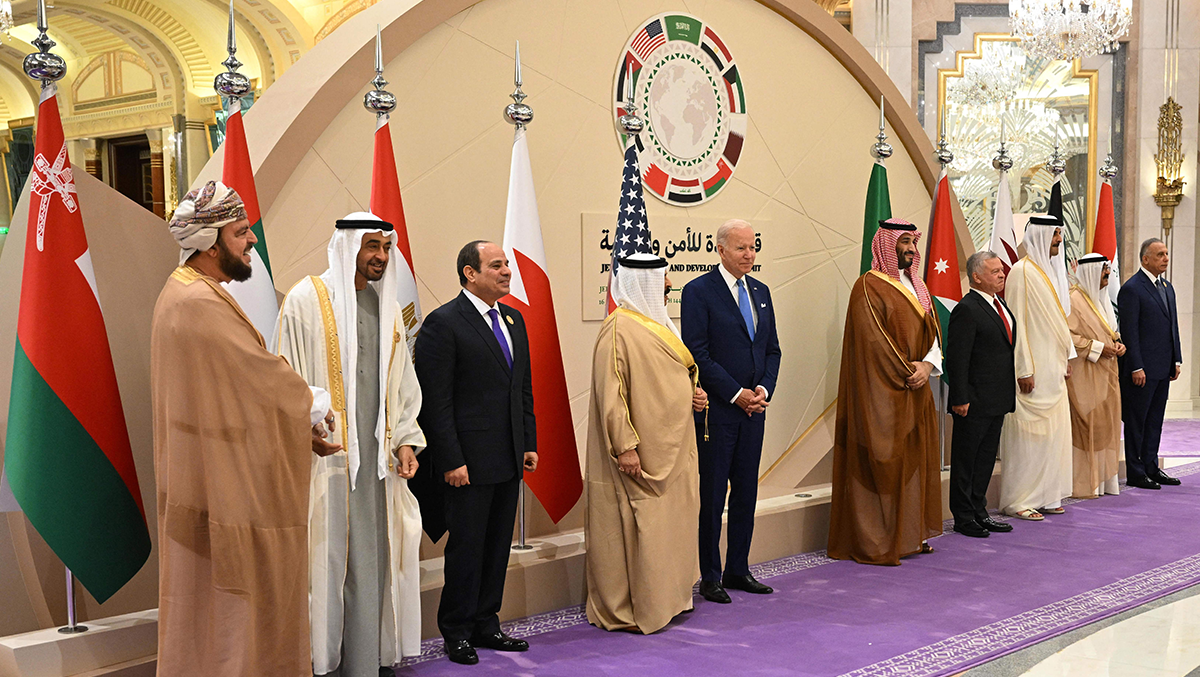
The main objective of President Joe Biden’s trip to the Middle East last week was to signal to both partners and adversaries that the United States was serious about restoring its strategic position in the region, which has taken considerable hits in recent years.
في 24 يناير/كانون الأول، أصدرت القيادة المركزية الأمريكية (CENTCOM) بيانًا أكدت فيه أن “القوات الأمريكية في قاعدة الظفرة الجوية، بالقرب من أبو ظبي في دولة الإمارات العربية المتحدة، اعترضت صاروخيين متجهين للداخل بالاستعانة بعدة صواريخ باتريوت اعتراضية بالتزامن مع جهود القوات المسلحة الإماراتية في الساعات الأولى من صباح 24 يناير 2022. نجحت الجهود المشتركة في منع كلا الصاروخين من إصابة القاعدة.
What these attacks and many others in the region have in common is Iran’s irrefutable involvement. They may have different local contexts and their perpetrators, all loyal to Iran, may have different motivations, but every single one of those attacks was possible only because Iran provided either the weapons or the know-how to assemble and use them.
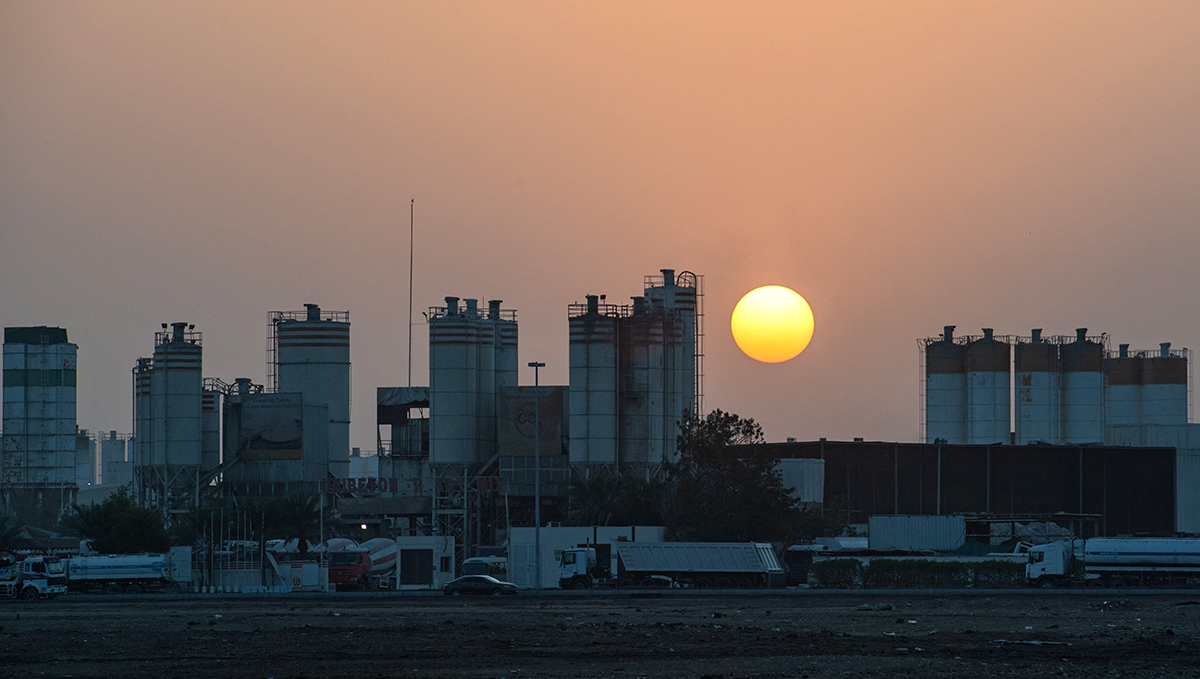
يوم 17 يناير/كانون الثاني، نفذ الحوثيون هجومًا آخر استهدف منشأة نفطية إماراتية في أبوظبي، ما أدى إلى مقتل ثلاثة وافدين، وإلحاق أضرار بالبنية التحتية. ظاهريًا، يبدو أنهم يذكَّرون الإماراتيين بمدى ضعفهم وإمكانية الإضرار بهم إذا استمرت الهجمات ضد مصالح الحوثيين في اليمن. وبحسب ما ورد، كانت وسائل الهجوم عبارة عن طائرات مسيرة، وهي أداة بسيطة غير متماثلة متاحة للكثيرين واستخدمها الحوثيون على نطاق واسع في جميع أنحاء المنطقة. لسوء الحظ فإن القصة هنا قد أصبحت مألوفة للغاية وتتطلب استجابة متسقة الآن. ففي نهاية المطاف، من المرجح أن يتم نسخ وتكرار ما أصبح روتينيًا في الخليج في مواقع أخرى.
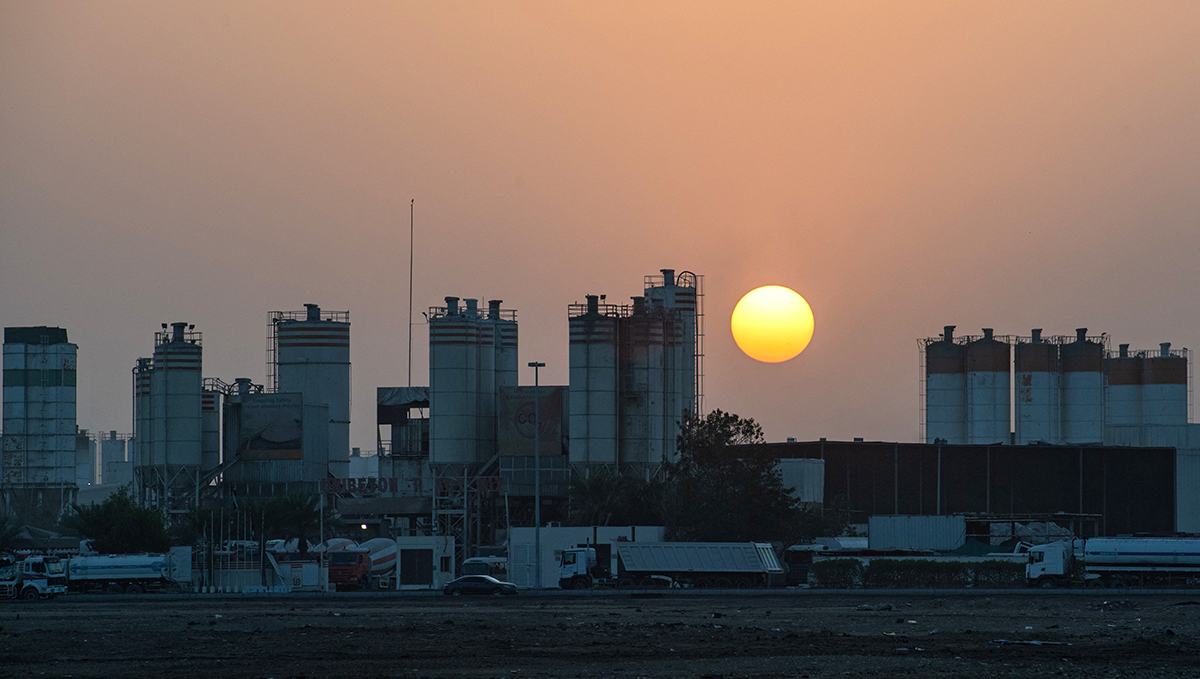
On Jan. 17, the Houthis perpetrated another attack, targeting an Emirati oil facility in Abu Dhabi, killing three international citizens, and damaging infrastructure. The story here is unfortunately all too familiar and begs a coherent response now. After all, what is becoming routine in the Gulf will likely be copied and repeated in other locations.
The Department of Defense’s new overarching principle, U.S. strategic competition, will likely replace great power competition in the next National Defense Strategy, set to be released in 2022. In the latest installment of the Defense Rapid Reaction series, experts from MEI’s Defense & Security Program weigh in with their thoughts on what strategic competition means for the U.S. and how it should go about implementing it in practice.
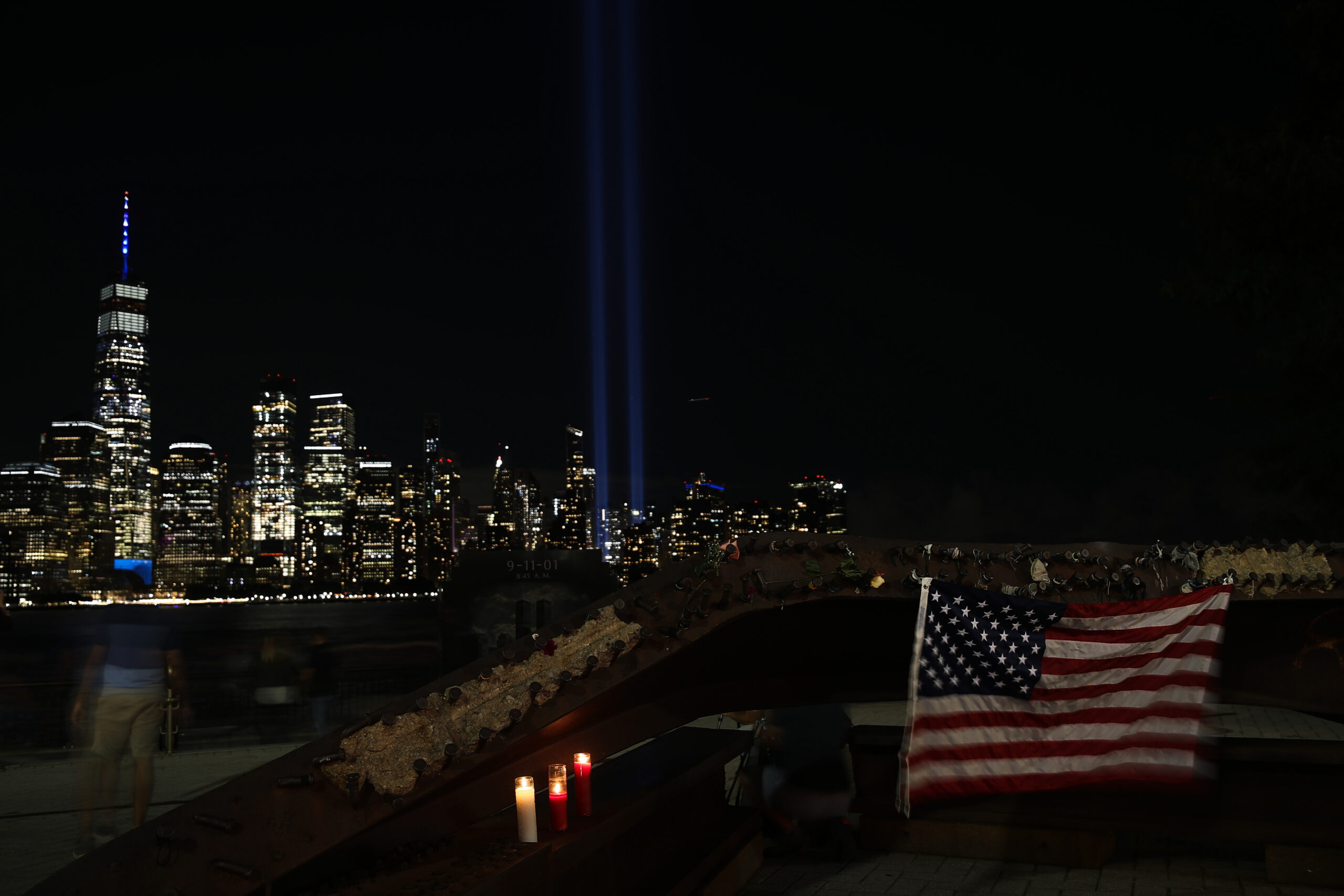
Twenty years ago, on September 11, 2001, al-Qaeda attacked New York and Washington, killing nearly 3,000 people. The terrorist attacks and their aftermath transformed U.S. policy, giving rise to the war on terror and the military intervention in Afghanistan. On the 20th anniversary of 9/11, scholars and Advisory Council members of MEI’s Countering Terrorism and Extremism Program offer their reflections.
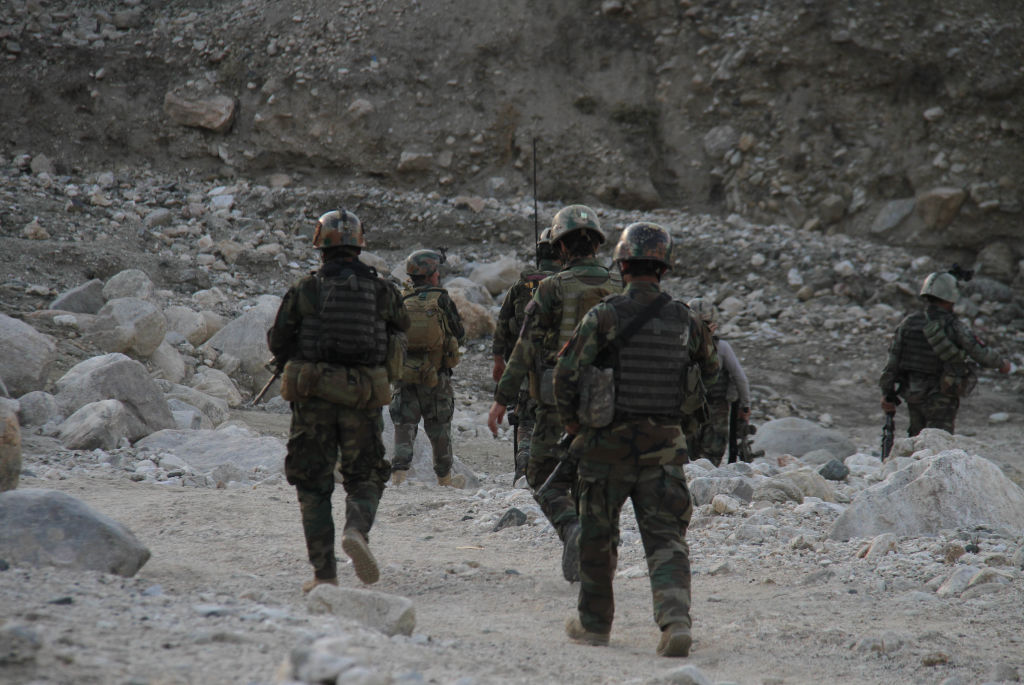
The Cipher Brief: Did you ever envision that the U.S. would pull out so quickly or completely leaving the Afghan military on its own without U.S. air support?
General Votel: I did not anticipate this during my time – but once the President sets a hard departure date – then a fast withdrawal is inevitable. No Commander wants to accept unnecessary risk with troops on the ground when you are up against a clearly articulated departure date.
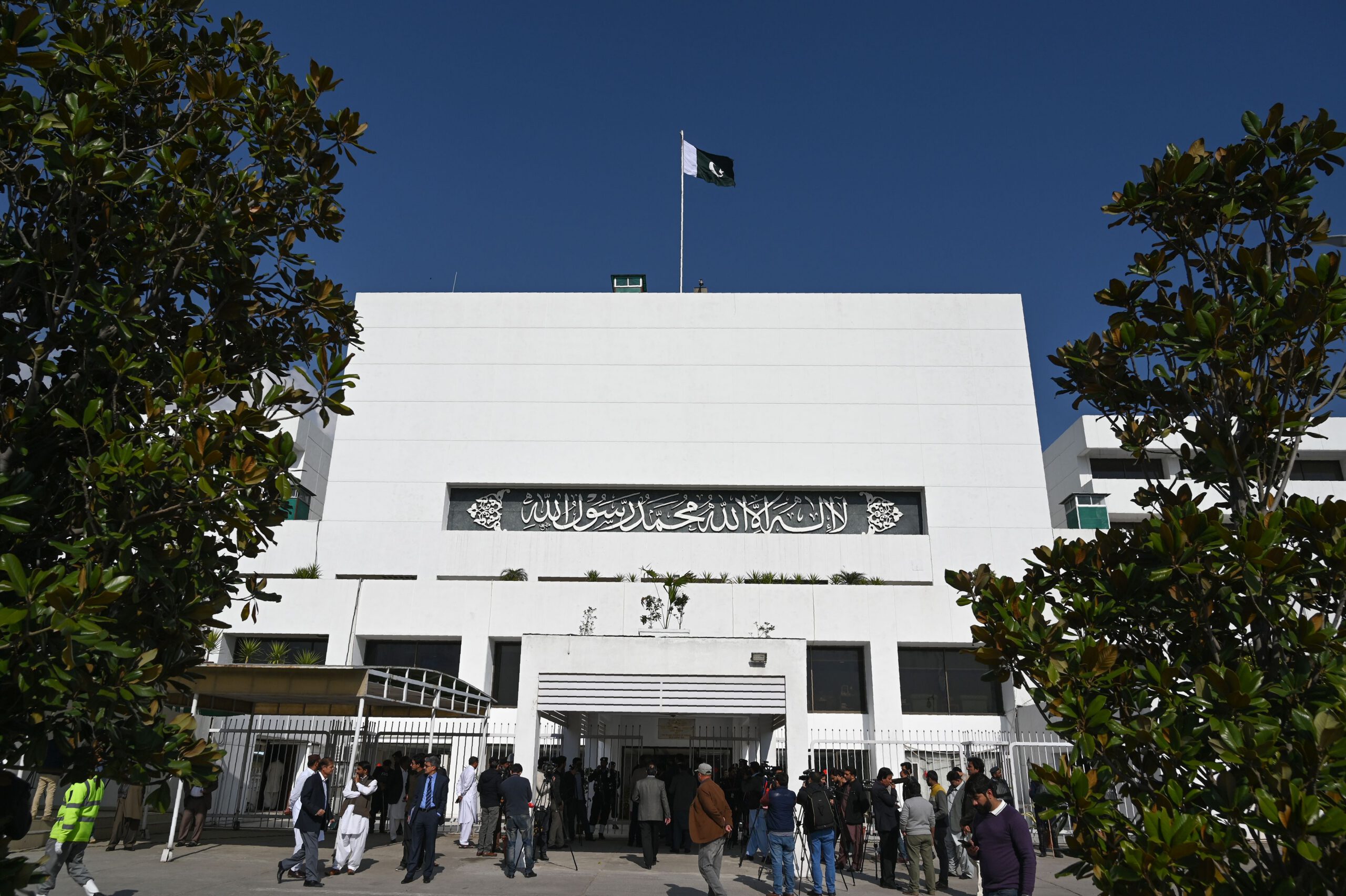
The United States and Pakistan have had a complex and often disappointing “love-hate” relationship since 1947 — one severely tested during the 20-year U.S.-led intervention in Afghanistan. We believe the time has come for serious policy consideration of whether and how both nations can achieve a more strategically beneficial and sustainable post-intervention relationship between the American and Pakistani governments and their populations
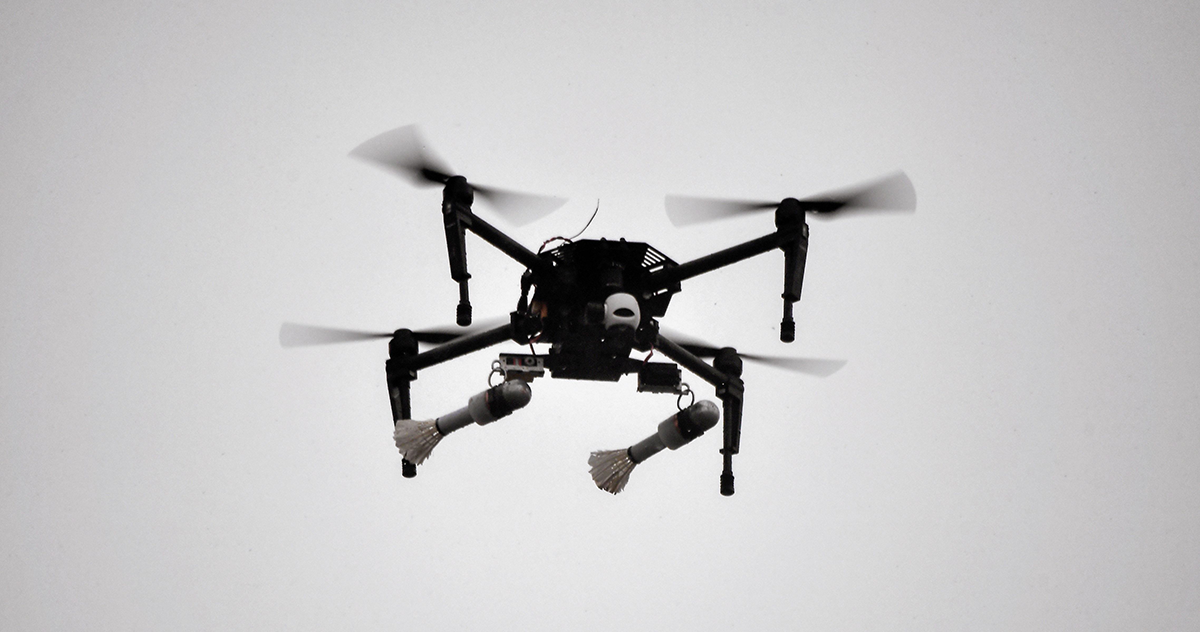
As unmanned aerial vehicle (UAV) technology becomes ever cheaper and more accessible, the threat of armed and GPS-guided drones is becoming a serious problem for U.S. forces in theater. In the past few months, Iranian-backed Iraqi militias have used small drones armed with explosives to attack Iraqi military bases housing U.S. forces several times, and the threat posed by such UAVs is only likely to grow in the months and years to come. Experts from MEI’s Defense & Security Program weigh in with their thoughts on how the U.S. should respond to this emerging threat, as part of the new Defense Rapid Reaction series.
With U.S. forces on track to complete their withdrawal from Afghanistan by mid-July, two months ahead of the September deadline set by President Joe Biden, the thousands of Afghans who have worked with U.S. personnel as interpreters to further American policy objectives in Afghanistan are now in harm’s way. As part of the new Defense Rapid Reaction series, experts from MEI’s Defense & Security Program weigh in with their thoughts on how the U.S. should respond to this pressing issue.
Read MEI’s weekly briefing featuring expert analysis of key regional developments for the week ahead.
In a new policy briefing book, entitled The Biden Administration and the Middle East: Policy Recommendations for a Sustainable Way Forward, MEI scholars tackle a large number of country-specific and region-wide issue areas, laying out both the abiding U.S. interests and specific recommendations for Biden administration policies that can further U.S. interests amid a region in turmoil.