
Skip to Content

Kristian Alexander

This individual is a guest contributor. MEI is not able to assist with contact requests.

Kristian Alexander

Dr. Kristian Alexander is a Senior Fellow at TRENDS Research & Advisory in Abu Dhabi, where he is the Director of the International Security & Terrorism Program. He is also an adviser at Gulf State Analytics (GSA), a Washington-based geopolitical risk consultancy.

The Latest from Kristian Alexander

Filter by
3 Results
Beyond the Bedouin path: The evolution of Emirati national identity
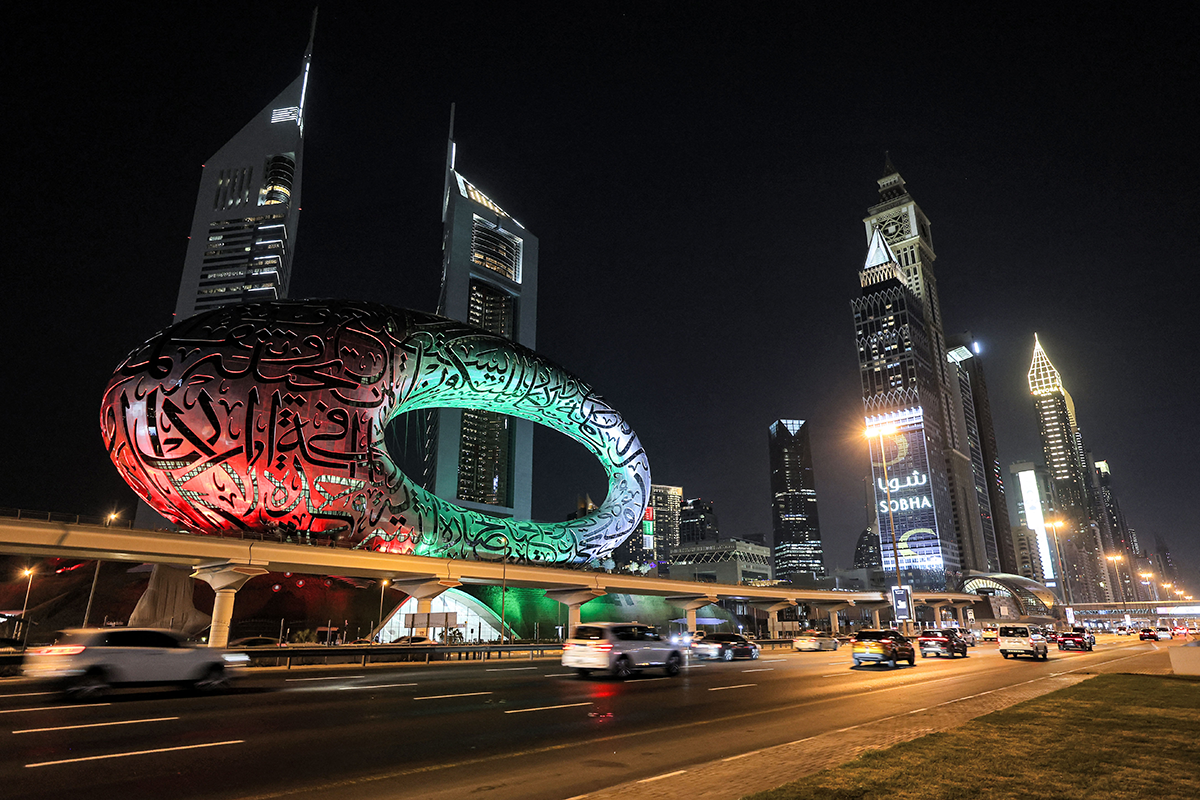
Photo by GIUSEPPE CACACE/AFP via Getty Images
  • Analysis
  • Beyond the Bedouin path: The evolution of Emirati national identity

    The UAE will celebrate the 50th anniversary of the qiyam al-dawla (establishment of the state) and qiyam al-ittihad (establishment of the federation of seven emirates) on Dec. 2. Since 1971, the Emirati political elite has addressed the complex responsibilities of building a functional bureaucratic apparatus while shaping the nation’s identity. An oil-based model informed this state-building process and the expectations of citizens for decades, but the country now faces a more complex environment. New challenges such as the growing youth population, the drive toward sustainability, and changing patterns within the global economy affect the current Emirati political agenda; however, the UAE leadership must balance the urgent search for innovative strategies with Emirati haweeya al-watani (national identity) and turath (heritage).
    December 1, 2021

    Breaking the citizenship taboo in the UAE
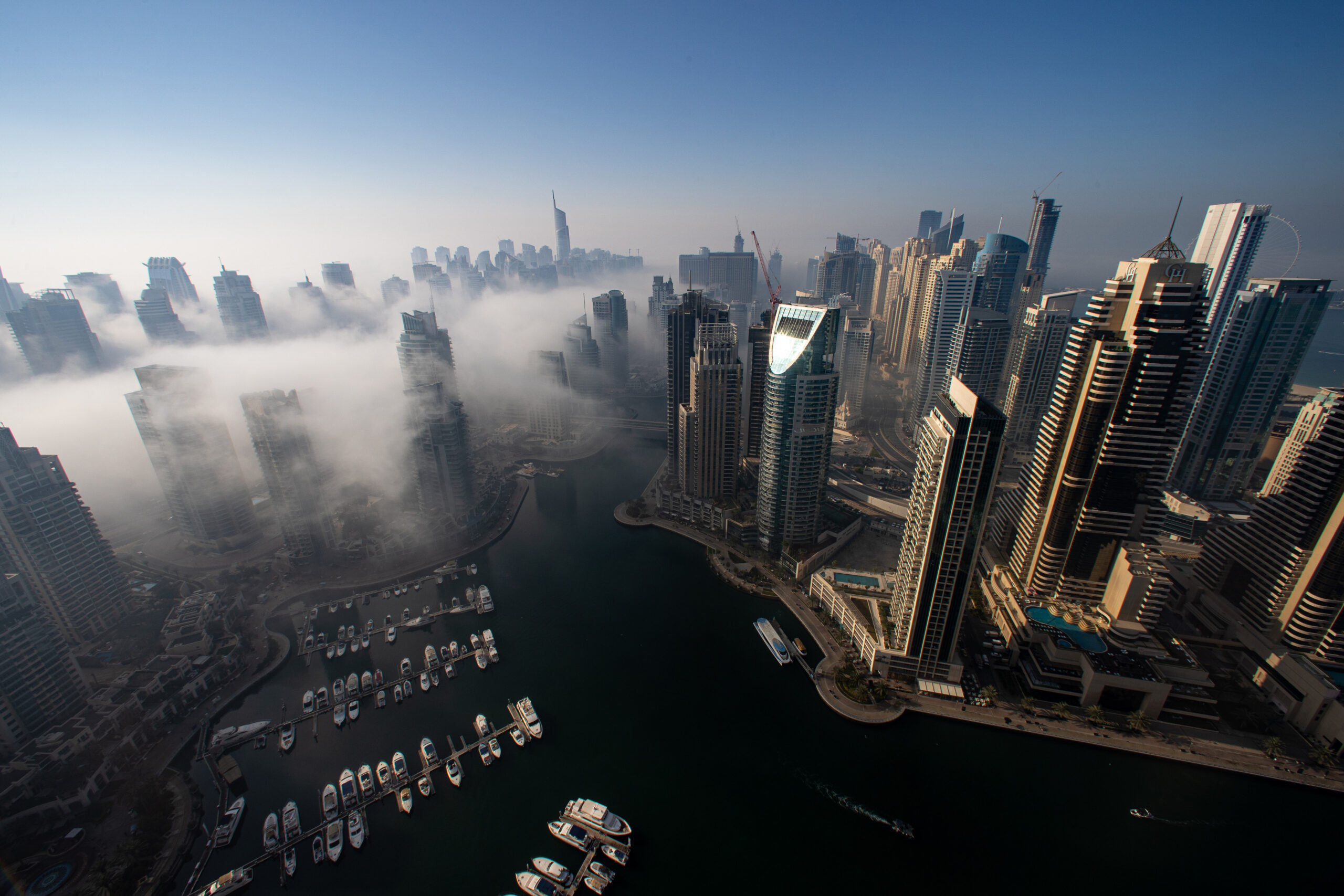
    Christopher Pike/Bloomberg via Getty Images
  • Analysis
  • Breaking the citizenship taboo in the UAE

    For many years, the United Arab Emirates (UAE) has thrived as a result of its ability to attract talent from abroad. On Jan. 30, 2021, Sheikh Mohammed bin Rashid al-Maktoum, the vice-president and prime minister of the UAE and ruler of Dubai, announced on Twitter[1] an amendment to the law that is designed to entice and retain foreigners by permitting a select group of expatriates to become Emirati citizens without giving up their original nationality.

    April 7, 2021

    Qatar’s soft power sports diplomacy
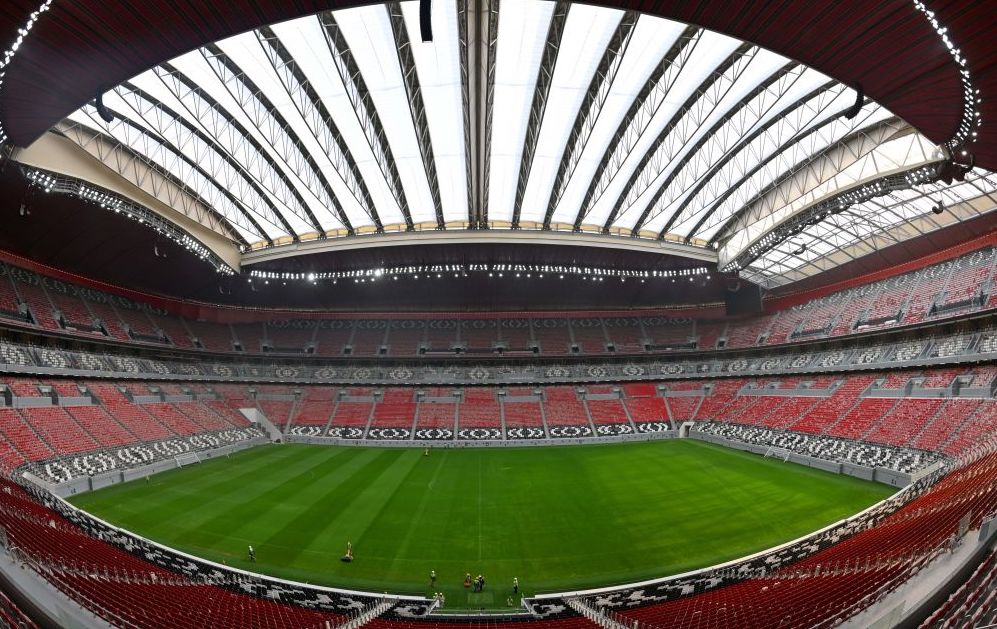
    This picture taken with a fish-eye lens on December 17, 2019 shows a view inside Qatar's new al-Bayt Stadium in the capital Doha, which will host matches of the FIFA football World Cup 2022. (Photo by GIUSEPPE CACACE / AFP) (Photo by GIUSEPPE CACACE/AFP via Getty Images)
  • Analysis
  • Qatar’s soft power sports diplomacy

    Sports diplomacy is the deliberate, strategic use of sporting events by states to create a favorable international image — the “continuation of policy by other means,” whereby sports, nationalism, commerce, and diplomacy are inextricably linked.

    March 9, 2020



