This individual is a guest contributor. MEI is not able to assist with contact requests.
Luke Coffey is the director of the Douglas and Sarah Allison Center for Foreign Policy at the Heritage Foundation, where he oversees research on nations stretching from South America to the Middle East. Coffey is responsible for directing policy research for the Middle East, Africa, Russia and the former Soviet Union, the Western Hemisphere, and the Arctic region. He was previously Heritage’s Margaret Thatcher fellow, focusing on relations between the United States and the United Kingdom and on the role of NATO and the European Union in transatlantic and Eurasian security.
Before joining the think tank’s Margaret Thatcher Center for Freedom in 2012, Coffey served at the UK Ministry of Defence as senior special adviser to then-British Defence Secretary Liam Fox. Coffey, a U.S. Army veteran, was the first non-UK citizen appointed by Prime Minister David Cameron to provide advice to senior British ministers. Among his duties was helping shape British defense policy in relation to transatlantic security, NATO, the European Union, and Afghanistan.
Coffey previously worked in the House of Commons as an adviser on defense and security issues for the Conservative Party. He helped develop and implement policy initiatives on security and defense matters, in particular drafting the defense section of the party’s 2010 election manifesto.
Coffey’s work in British politics followed his service to the United States as a commissioned officer in the Army. He spent his entire time on active duty overseas and was stationed in Italy with the Army’s Southern European Task Force.
The 3+3 format in the South Caucasus doesn’t add up
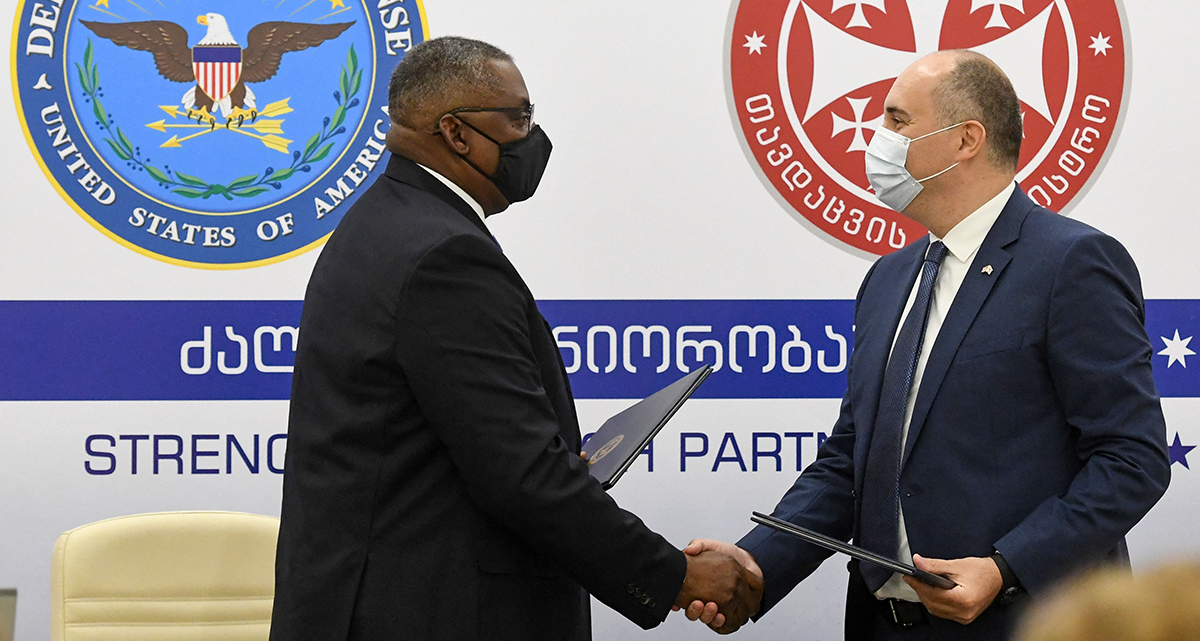
During his recent visit to Tbilisi, U.S. Defense Secretary Lloyd Austin poured cold water on the idea of American support for a so-called “3+3 format” in the South Caucasus. When asked about the proposal, he said, “I would just say that Russia, which currently occupies 20% of Georgia’s territory, should focus on honoring its 2008 cease-fire commitments before promoting any new discussion platforms.”
Vision, creativity, leadership: Charting Georgia's path to NATO
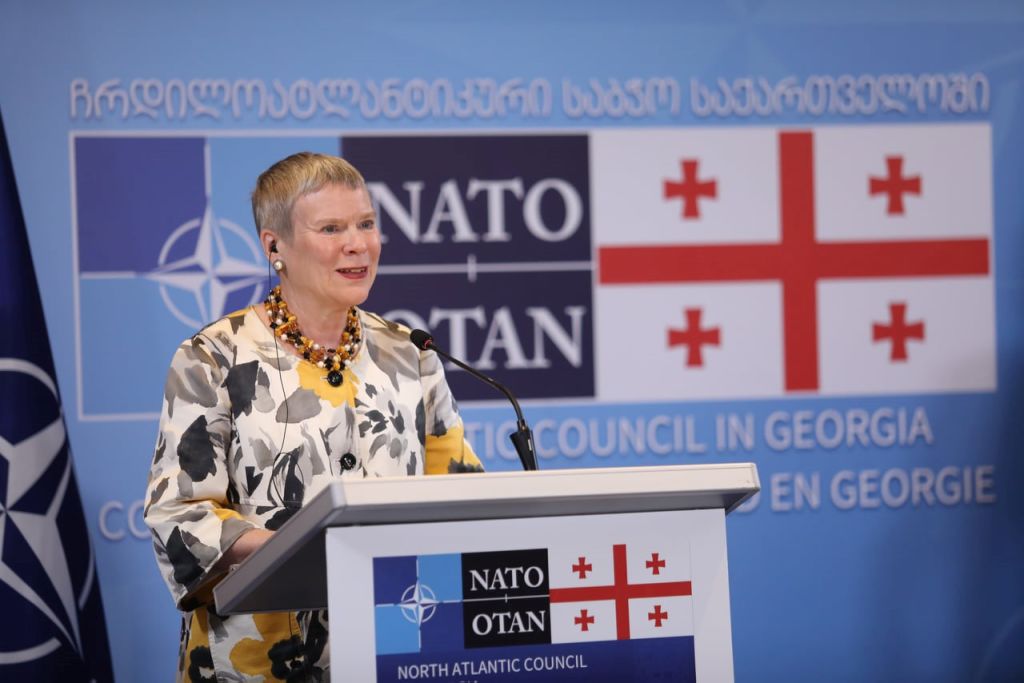
It has been more than a decade since Georgia was promised eventual membership in the North Atlantic Treaty Organization (NATO) at the 2008 Bucharest Summit. At the time, NATO did not act decisively on granting Georgia a Membership Action Plan (MAP). A few months after the Summit, Russia invaded Georgia and continues to occupy Abkhazia and the Tskhinvali region (more commonly known as South Ossetia). After years of economic, governance, and military reforms, this partial occupation remains the primary roadblock to meaningful progress on Georgia’s NATO aspirations. Other NATO members do not want to risk a confrontation with Russia by inviting Georgia to join the Alliance.
The U.S. must ensure NATO’s door remains open to Georgia and Ukraine
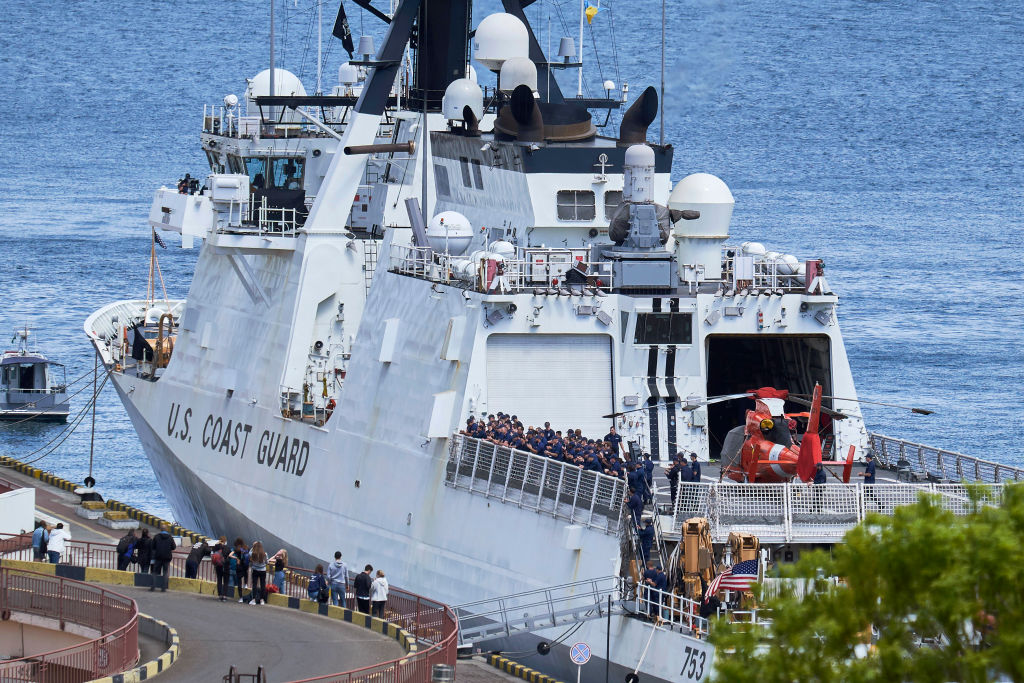
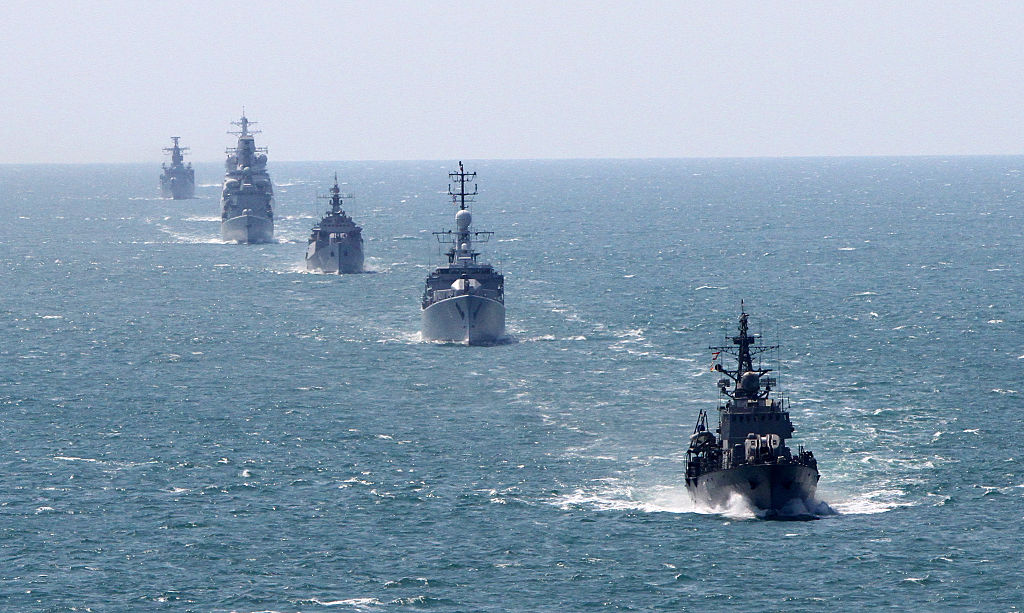
The USCGC Hamilton recently completed a visit around the Black Sea. This visit was notable for a couple of reasons. First, this was the first time the United States Coast Guard has operated in the Black Sea since 2008 when Russia invaded Georgia. Second, this U.S. deployment to the Black Sea came on the heels of a sizable Russian military buildup in the region.
The Autonomous Territorial Unit of Gagauzia: A new focal point for Russo-Turkish competition?
Although many policymakers and commentators in the West tend to see Turkish President Recep Tayyip Erdoğan and Russian President Vladimir Putin as often working together, history shows us that the natural state of affairs between Russia and Turkey is one of competition, confrontation, and even conflict.
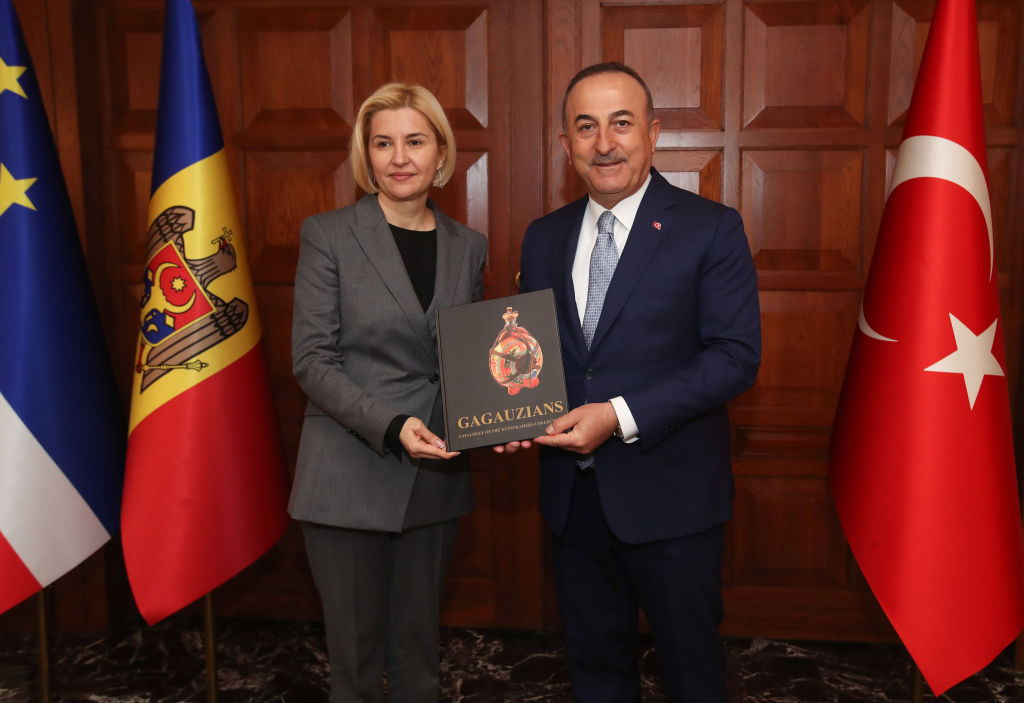
Recent geopolitical events remind us of this. However, there is another area to keep an eye on that serves as a historical and cultural fault line of Turkish and Russian geopolitical rivalry: the Autonomous Territorial Unit of Gagauzia located in southern Moldova.
Georgia should not fear new transit routes in the South Caucasus
For years, Georgia has played a vital role in East-West trade through the South Caucasus. With tensions high in Nagorno-Karabakh, Georgia was the only show in town when it came to stable, secure, and predictable transport linking Azerbaijan with Turkey. Therefore, it is not surprising that some in Georgia are concerned that new transit corridors passing through the Nakhchivan Autonomous Republic, Armenia (Syunik province), and Azerbaijan might take away from Georgia’s strategic importance. However, this is unlikely to be the case.
Europe’s energy independence: Opportunities for the Biden Administration
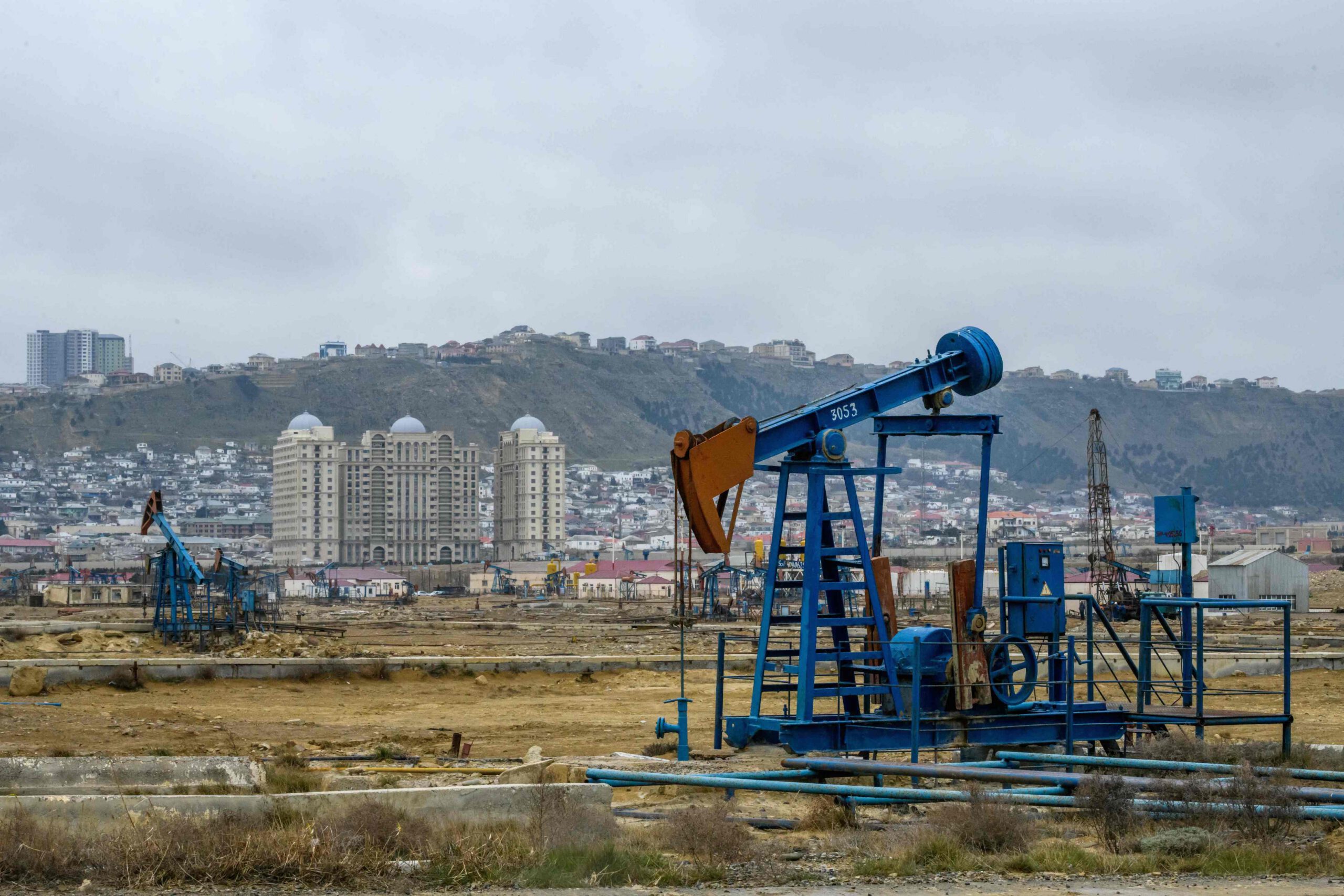
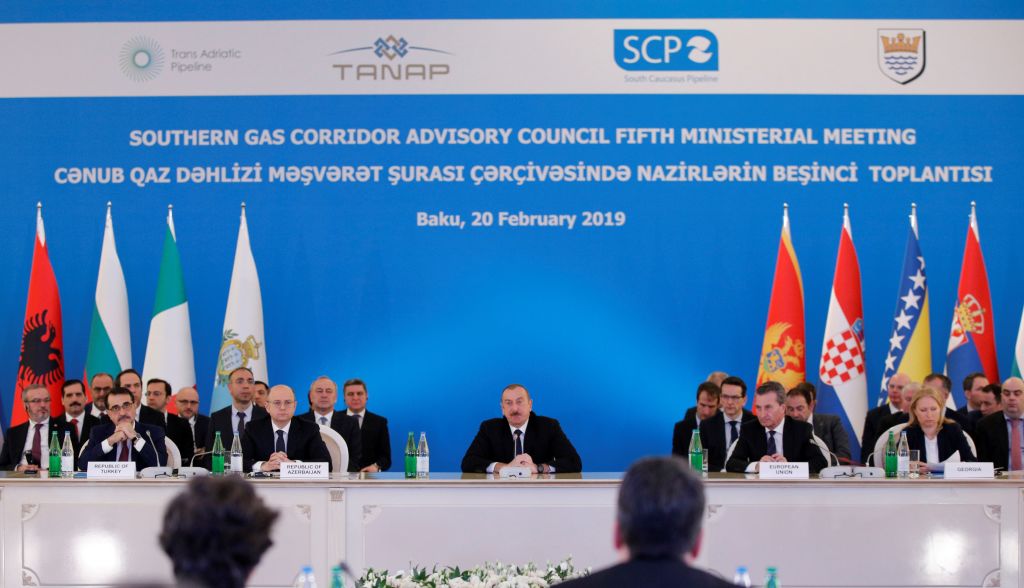
In 1906, the South Caucasus’ first energy pipeline was completed, connecting Baku on the Caspian Sea with Batumi on the Black Sea. More than 115 years later, this pipeline, measuring a mere eight inches in diameter and transporting kerosene, has been replaced with a modern network of natural gas and oil pipelines connecting the heart of Asia with Europe. With proper investment and the correct policies, even more oil, gas, and other goods will be flowing from the Caspian region to Europe and global markets.
The geopolitics of Crimea are important, but we mustn't overlook the persecution of Crimean Tatars
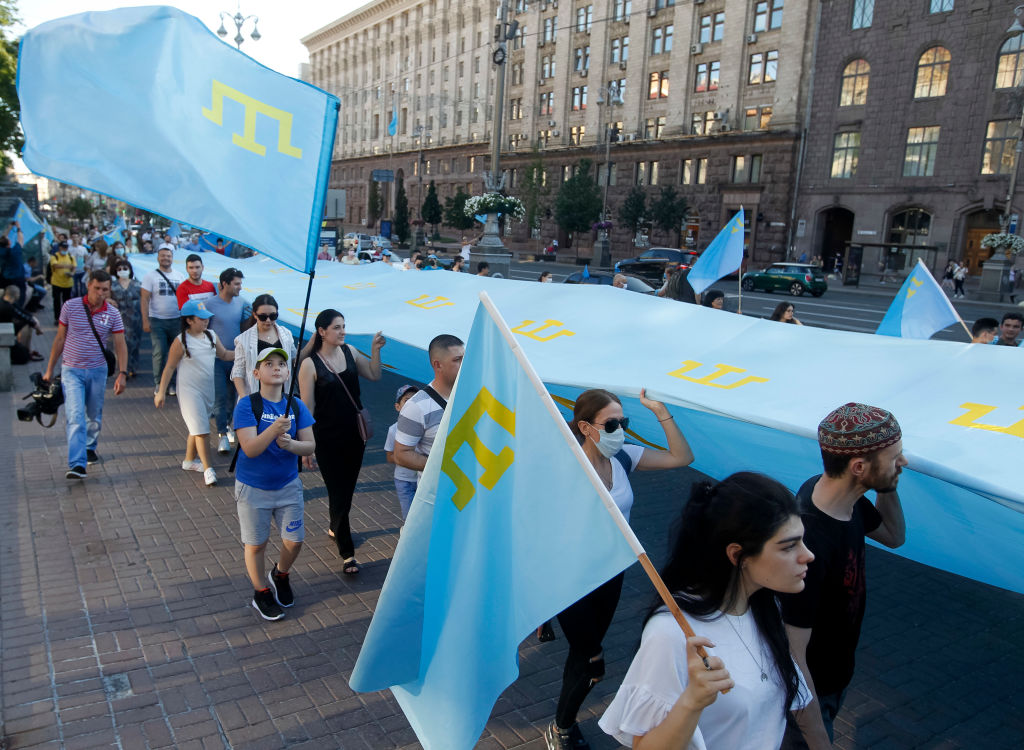
When commentators and policymakers discuss Russia’s illegal annexation of Crimea in 2014, the focus is often placed on geo-politics and Black Sea security. This is understandable. While the geo-politics of Crimea are important, one should not overlook the tragedy taking place to many of the people living there. This is especially true with the Crimean Tatar community – an ethnically Turkic and religiously Sunni Islam minority population which has faced decades of religious and political persecution under Russian domination.
It has now been more than two weeks since fighting flared up along the frontlines of the Nagorno-Karabakh conflict. Far from being a small skirmish like the fighting was in July, the current fighting is taking place along the entire frontline. The Republic of Georgia is located right in the middle of this current storm. One only has to look at a map to see Georgia’s predicament.
Russian dominance in the Black Sea: The Sea of Azov
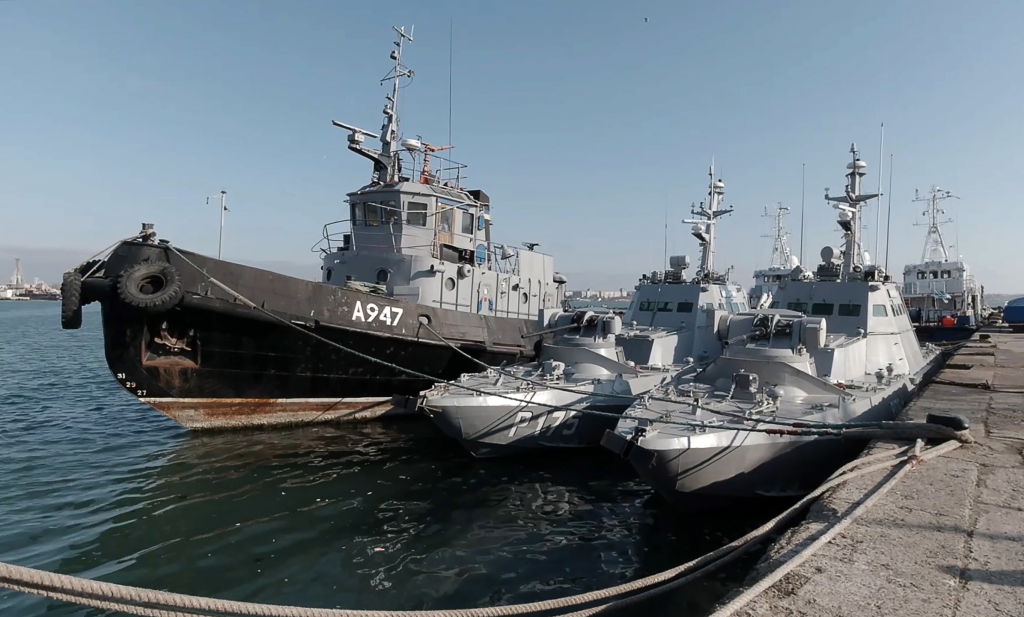
Since its annexation of Crimea, Russia has spent the past few years militarizing the peninsula. But one aspect of Russia’s control of Crimea is less discussed in Western policy circles—the importance of the Sea of Azov to Russia’s Black Sea ambitions. Russian control of Crimea does not only bring the goal of turning the Black Sea into a Russian lake closer, control over Crimea gives Russia dominance over the Sea of Azov.
America must stay focused on Georgia's de-occupation and transatlantic path
This week marks the 12th anniversary of Russia’s wonton invasion of Georgia. While the world was fixated on the Summer Olympics in Beijing, an invasion force comprised of hundreds of Russian tanks and armored vehicles passed through the Roki tunnel on the Russian–Georgian border.
While the US is not a Black Sea country, it needs to be a Black Sea power
For many policymakers the Black Sea is a secondary consideration when it comes to transatlantic security. A lack of resources by NATO members meant that initiatives taken to bolster territorial defense were limited geographically after Russia’s invasion of Ukraine. At the time, Baltics were seen as the most pressing priority. Instead of bolstering NATO’s frontline from the Baltic to the Black Sea, the alliance instead focused most of its energy and resources on northeastern Europe.
The Black Sea sits at an important economic and civilizational crossroads on the Eurasian landmass. The region contains oil and gas resources, key energy pipelines, shipping lanes, and fiber-optic cables. For Russia, the Black Sea is of particular importance for economic and geostrategic reasons.
For an organization whose primary mission is collective security in the North Atlantic area, the Black Sea is a very important region for the North Atlantic Security Organization (NATO). This region forms the southeastern frontier of NATO’s area of responsibility. Thanks to Russia’s actions in the region, there are more miles of coastline under illegal military occupation along the Black Sea than in any other place in the world.
Europe has a vested interest in a safe, secure, and prosperous Black Sea
The European Union’s interest in the Black Sea is based mainly on the fact that two of its members, Romania and Bulgaria, are littoral states. However, the organization is also closely linked with other non-EU Black Sea states, be it economically or politically. Ukraine and Georgia aspire to be EU members while Russia and Turkey both have their own unique and difficult relationships with the EU.
The Black Sea is a very important region for NATO, and has not received the attention it deserves; a separate focused NATO strategy and support for countries in the Black Sea would send a message that the Alliance takes the region seriously.