Skip to Content

Michaël Tanchum

Associate Fellow

Press inquiries: [email protected]

Michaël Tanchum

Prof. Michaël Tanchum teaches international relations and political economy of the Middle East and North Africa at Universidad de Navarra, Spain. He is also senior fellow at the Austrian Institute for European and Security Policy (AIES).  

Prof. Tanchum researches newly emerging patterns in Middle East and North African commercial connectivity.  With a special emphasis on the ‘gatekeeper’ nations of Morocco, Algeria, and Egypt, he analyzes the nexus of energy, strategic resources, and manufacturing value chains that connect the Middle East with Africa and Europe. Examining the partnerships of the North African nations with the European Union, China, Russia, Turkey, and the Arab Gulf states in the development of Euro-Africa and Euro-Middle East corridors, Prof. Tanchum assesses the strategic implications of the new connectivity on the evolving security architectures of the Mediterranean basin, North Africa/Sahel, the Horn of Africa, and the wider Middle East. 

His recent publications include: “Turkey’s Maghreb-West Africa Economic Architecture: Opportunities And Challenges” (Berlin – Stiftung Wissenschaft und Politik, 2021); “Europe–Africa Connectivity Outlook 2021: Post-Covid-19 Challenges and Strategic Opportunities” (Rome – Istituto Affari Internazionale, 2021); “Greece’s Rise as a Trans-Mediterranean Power: Greece’s Eastern Mediterranean strategic shift to Europe-to-Africa and Europe-to-Middle East connectivity” (Athens – ELIAMEP, 2021); “Libya, Energy, and the Mediterranean’s New ‘Great Game’” (Madrid – Real Instituto Elcano, 2020).  

He is a regular contributor to Foreign Policy magazine on Middle Eastern and Mediterranean affairs.  His articles have also appeared in The New York Times, Foreign Affairs, and various policy journals. 

Prof. Tanchum holds a Ph.D. from Harvard University and was a Fellow at Harvard’s Olin Institute for Strategic Studies and its Weatherhead Center for International Affairs. He is also an affiliated scholar at the Centre for Strategic Policy Implementation (Başkent-SAM) at Başkent University, Ankara and the Truman Research Institute for the Advancement of Peace at the Hebrew University.
The Latest from Michaël Tanchum

Filter by
31 Results
Rome’s Economic Rebalancing in the Maghreb
  • Commentary
  • Rome’s Economic Rebalancing in the Maghreb

    For the past ten years, Italy and Morocco have been two of the most economically dynamic countries in the Mediterranean basin. Morocco’s rise as a manufacturing and distribution hub for companies seeking to nearshore operations close to mature European end-markets, as well as emerging African end-markets, has created new potential synergies for a deeper Italy-Morocco commercial partnership.

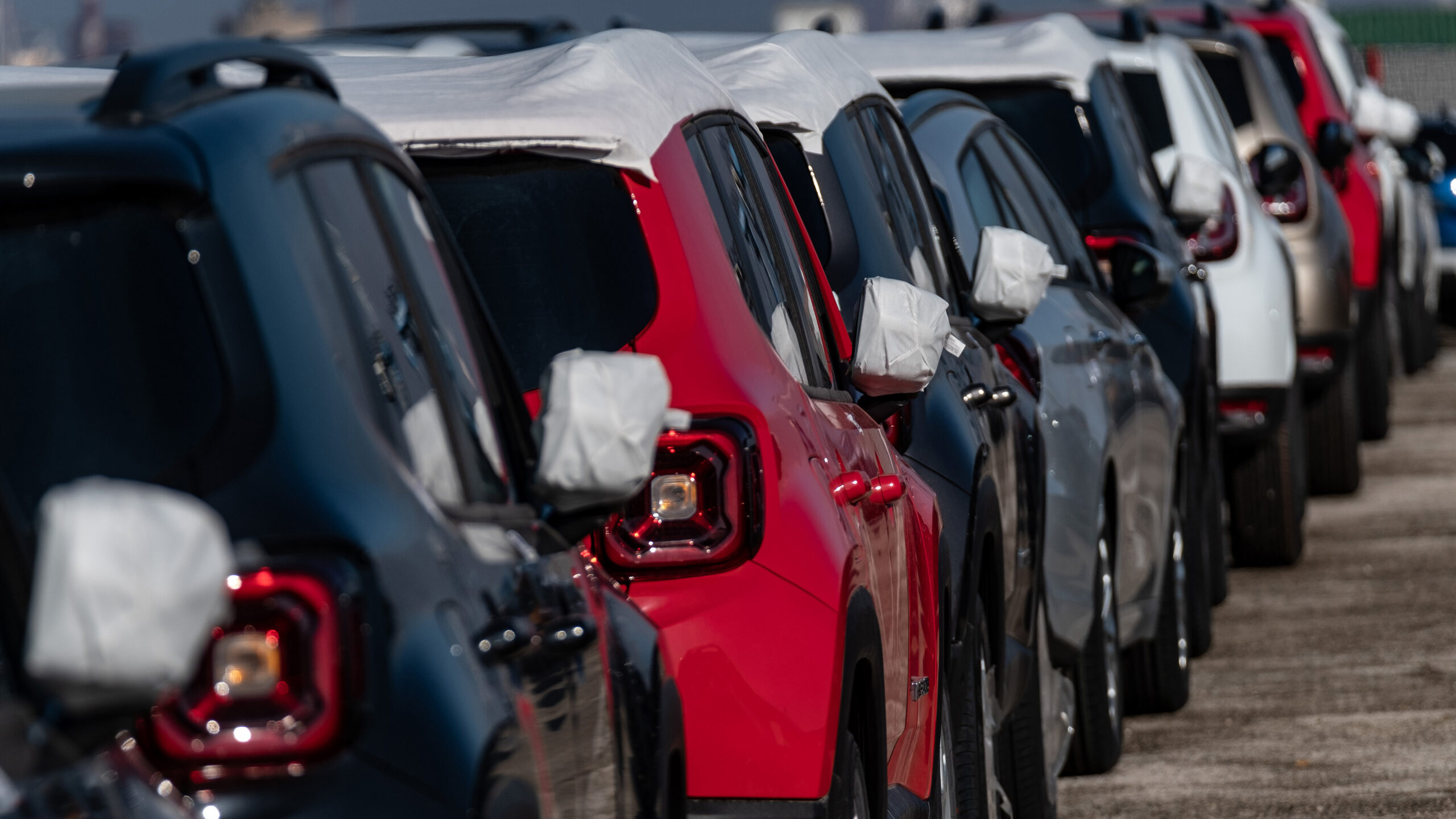
    Morocco’s green mobility revolution: The geo-economic factors driving its rise as an electric vehicle manufacturing hub
    Photo by BALINT PORNECZI/Bloomberg via Getty Images
  • Analysis
  • Morocco’s green mobility revolution: The geo-economic factors driving its rise as an electric vehicle manufacturing hub

    Rabat’s recent announcement that it would soon sign an agreement for the construction of a “gigafactory” to make electric vehicle (EV) batteries has placed Morocco in pole position to become a green mobility leader in the Middle East and North Africa.

    Germany’s Expanding Partnership with Morocco: Strengthening Supply Chain Resilience is the Driving Factor
  • Commentary
  • Germany’s Expanding Partnership with Morocco: Strengthening Supply Chain Resilience is the Driving Factor

    The deepening partnership between Germany and Morocco has been driven by the private sector, providing an enduring foundation for cooperation. During the 2021 diplomatic crisis over Berlin’s position toward Rabat’s autonomy plan for the Sahara region, German-Moroccan business-to-business relationships remained largely unaffected. The fraying of global supply chains is bringing now Germany and Morocco into a closer economic partnership. The sudden supply shocks caused by Russia’s war against Ukraine have accelerated that process. In the years just prior to the COVID-19 pandemic, global supply chains were already shortening as companies and countries in Europe placed greater emphasis on resilience rather than on just-in-time inventories serviced by distant Asian suppliers. This structural transformation meant bringing sourcing and manufacturing closer to European end-markets. The drive to “nearshore” while maintaining a competitive advantage has provided an impetus to German and other international firms to locate manufacturing facilities in Morocco, which has focused on cultivating an appropriate business ecosystem.

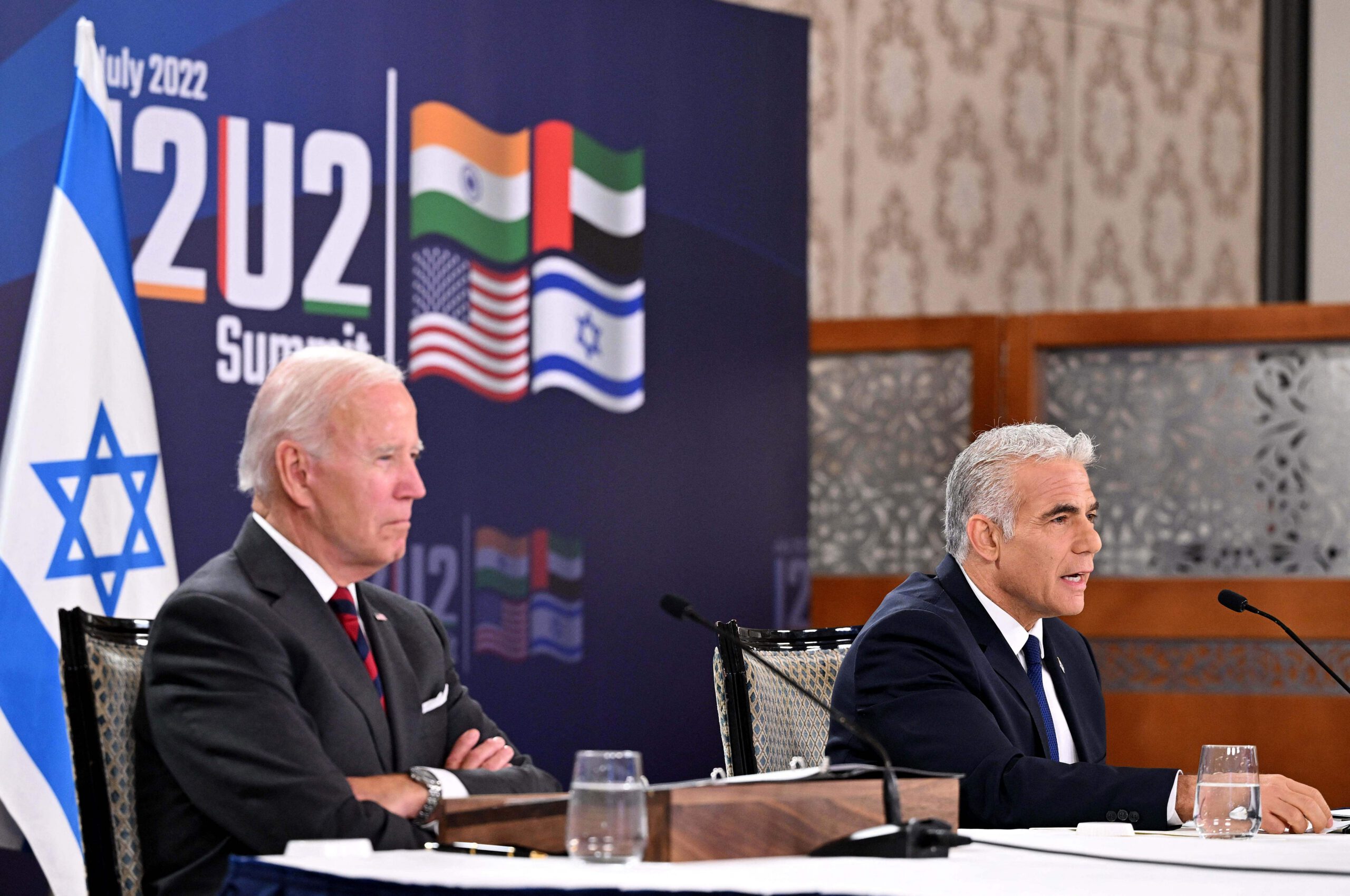
    The India-Middle East Food Corridor: How the UAE, Israel, and India are forging a new inter-regional supply chain
    Photo by MANDEL NGAN/AFP via Getty Images
  • Analysis
  • The India-Middle East Food Corridor: How the UAE, Israel, and India are forging a new inter-regional supply chain

    The India-Middle East Food Corridor developed organically among the three Asian countries themselves, through private sector, joint venture investments carefully cultivated via bilateral public-private partnerships. The United States’ participation in the corridor could prove beneficial as the U.S. seeks to bolster its presence in the strategic architecture of the Indo-Pacific.

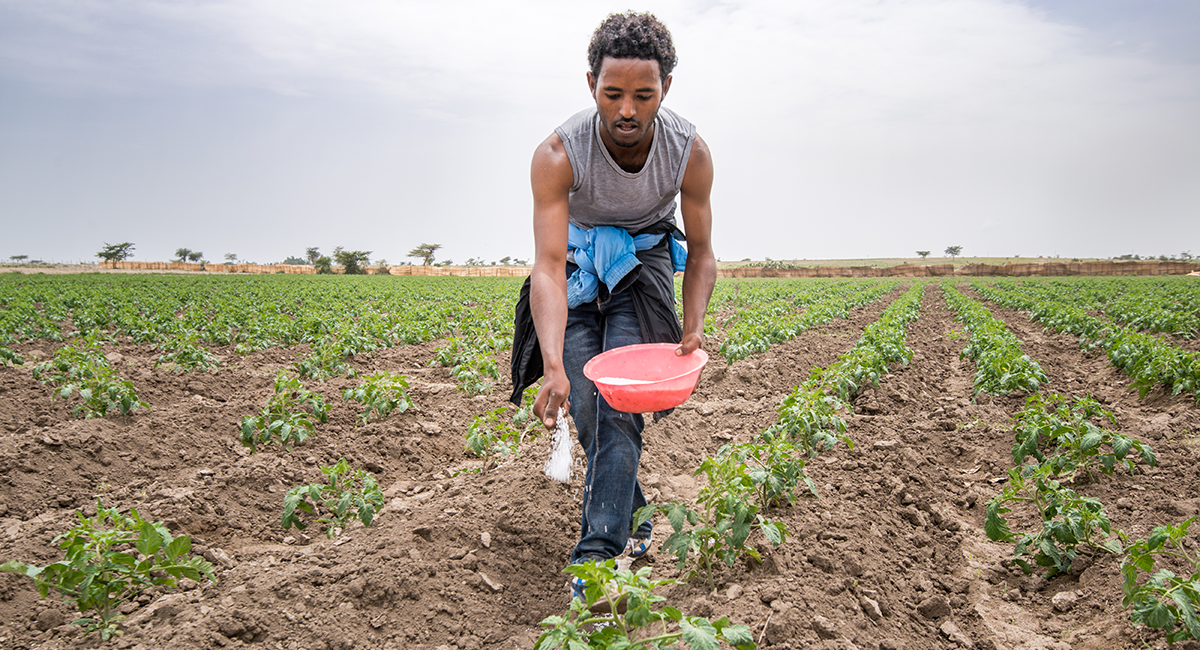
    Morocco counters Russia’s weaponization of the food-energy nexus
    Photo by Edwin Remsberg/VWPics/Universal Images Group via Getty Images
  • Analysis
  • Morocco counters Russia’s weaponization of the food-energy nexus

    After 100 days of war in Ukraine on Europe’s eastern flank, a critical new front has opened on Europe’s southern flank with the food crisis in Africa. As Europe faces a two-front, geo-economic war of attrition with Russia, Morocco’s plan to increase its fertilizer output by nearly 70% changes the strategic equation by countering Moscow’s ability to weaponize the food-energy nexus. In so doing, Morocco has demonstrated its increasing importance as a geopolitical partner for Europe and the United States in Sub-Saharan Africa.

    New Turkey-Uzbekistan Strategic Partnership Accelerates Turkey’s Rise as a Eurasian Agenda-Setter
  • Commentary
  • New Turkey-Uzbekistan Strategic Partnership Accelerates Turkey’s Rise as a Eurasian Agenda-Setter

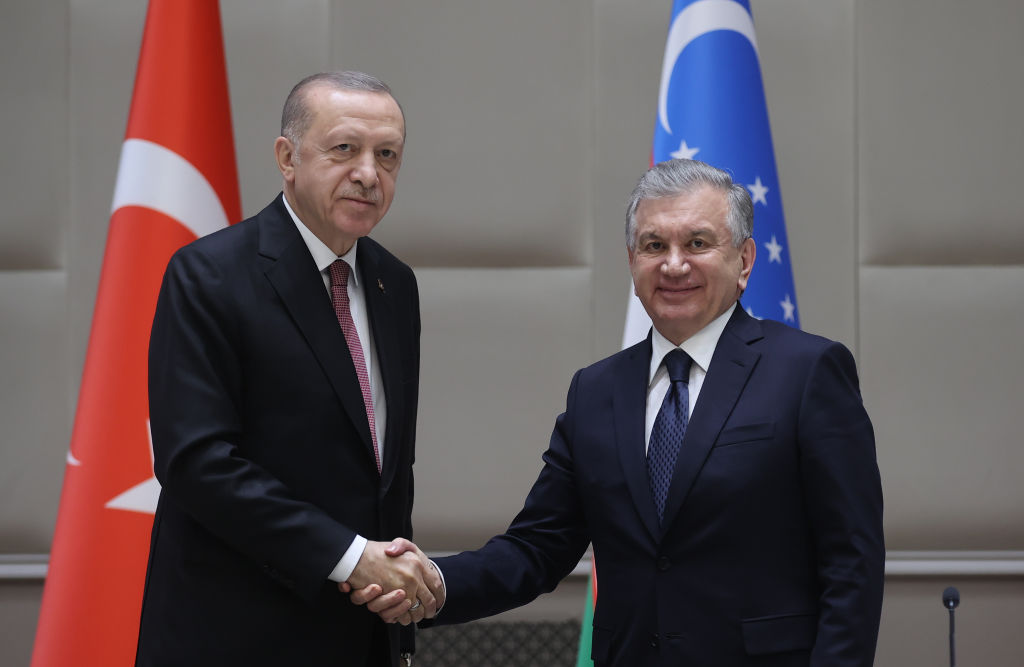
    The March 2022 elevation of the Turkey-Uzbekistan relationship to a “Comprehensive Strategic Partnership” provides the Ankara-led Organization of Turkic States with a new geopolitical heft. To preserve its autonomy in the face of Beijing’s growing regional dominance, Tashkent has turned to Ankara to act as a countervailing force in both economic and security affairs. Combined with the expanding Turkey-Pakistan strategic partnership, this makes Turkey a rising Eurasian agenda setter that will impact the strategic calculus of both Beijing and Washington.

    The UAE's food-security plans have made it a global market player
    Photo by AFP via Getty Images
  • Commentary
  • The UAE's food-security plans have made it a global market player

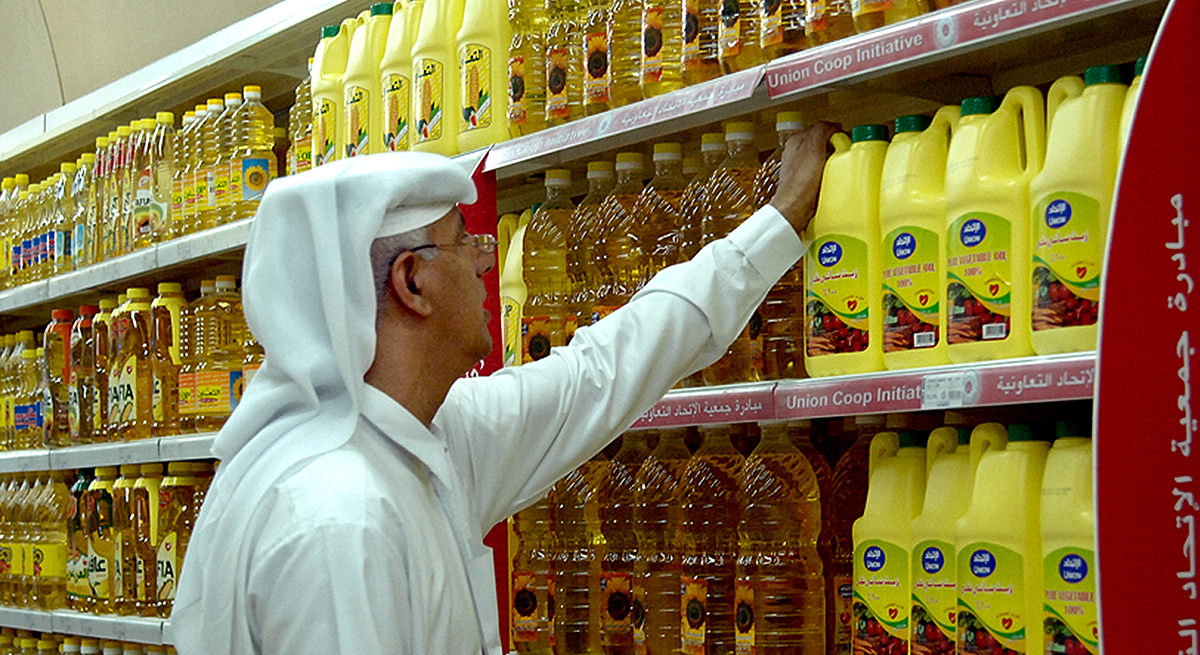
    The two-month war between Russia and Ukraine has disrupted global food supplies, exposing the fragile state of food security across much of the Middle East and North Africa. Unlike those Mena nations struggling to secure cargoes of wheat and other staples, the UAE is in a better position, even though it currently imports 80 to 90 per cent of its food, thanks to its forward-looking food strategy during the past several years.

    Egypt’s Synergy Between Natural Gas and Green Energy Transition: Cairo’s Advances in LNG and Green Hydrogen are Shaping the COP 27 Agenda
    Photo by Oliver Weiken/picture alliance via Getty Images.
  • Analysis
  • Egypt’s Synergy Between Natural Gas and Green Energy Transition: Cairo’s Advances in LNG and Green Hydrogen are Shaping the COP 27 Agenda

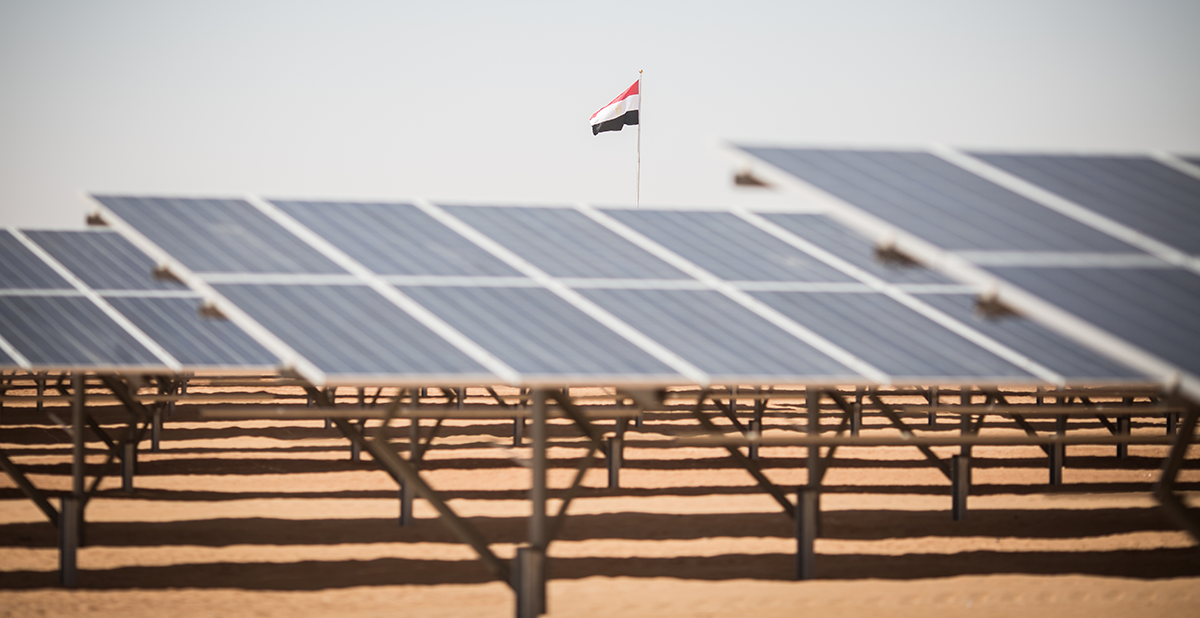
    Egypt’s energy policy is helping to change the terms of the global debate on climate change by demonstrating that there is a basic compatibility between developing domestic natural gas resources and developing renewable energy sources. Disproving the dogma that natural gas and renewables are in a zero-sum competition, Egypt is advancing as a leader in renewable energy development while also increasing its offshore natural gas production capacity.

    Lebanon is running out of time to avert starvation
  • Commentary
  • Lebanon is running out of time to avert starvation

    As Russia’s two-week-old war against Ukraine has brought Lebanon’s wheat imports from the besieged Black Sea nation to a complete standstill, the government in Beirut is racing against the clock to avert a catastrophic food crisis.

    The Russia-Ukraine War has Turned Egypt's Food Crisis into an Existential Threat to the Economy
    Photo by Shawn Baldwin/Bloomberg via Getty Images.
  • Analysis
  • The Russia-Ukraine War has Turned Egypt's Food Crisis into an Existential Threat to the Economy

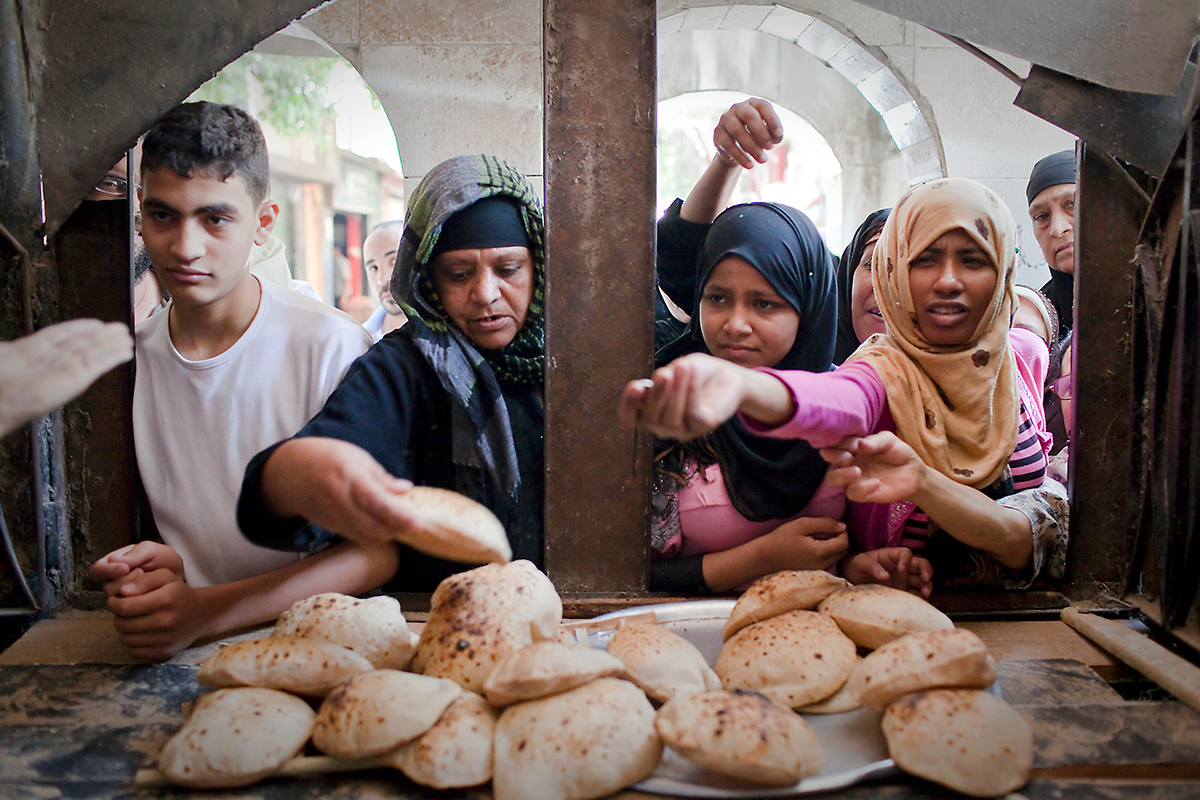
    With the outbreak of the Russia-Ukraine war on Feb. 24, 2022, Egypt’s food security crisis now poses an existential threat to its economy. The fragile state of Egypt’s food security stems from the agricultural sector’s inability to produce enough cereal grains, especially wheat, and oilseeds to meet even half of the country’s domestic demand.

    Morocco’s New Challenges as a Gatekeeper of the World’s Food Supply: The Geopolitics, Economics, and Sustainability of OCP’s Global Fertilizer Exports
    Photo by FADEL SENNA/AFP via Getty Images
  • Analysis
  • Morocco’s New Challenges as a Gatekeeper of the World’s Food Supply: The Geopolitics, Economics, and Sustainability of OCP’s Global Fertilizer Exports

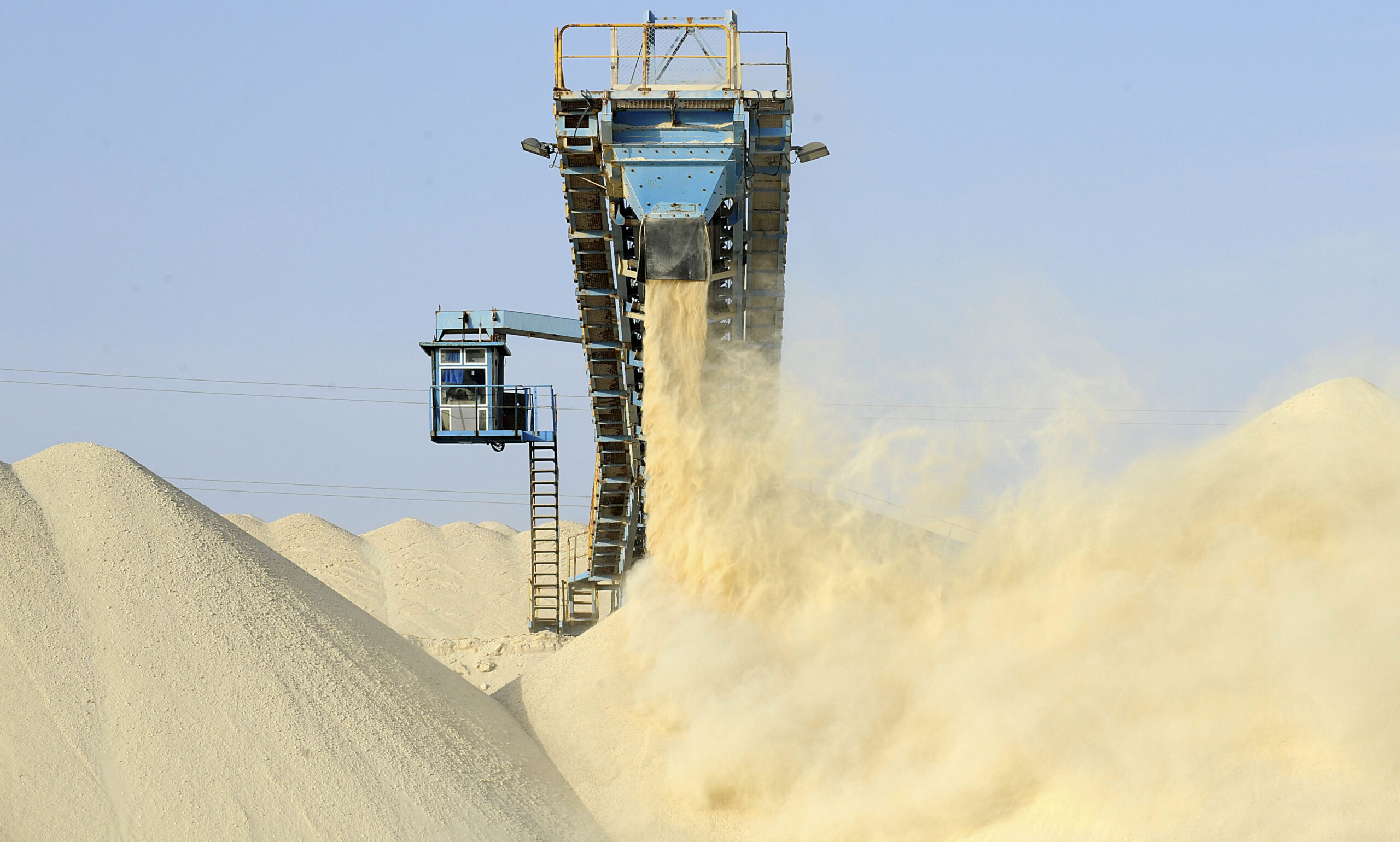
    Morocco’s phosphorus fertilizer industry, with its massive production capacity and international reach, has transformed the kingdom into a gatekeeper of global food supply chains. Morocco’s centrality to global food security rests with the fact that all food crops, indeed all plant life, require the element phosphorus to grow and Morocco possesses over 70% of the world’s phosphate rock reserves, from which the phosphorus used in fertilizers is derived. By becoming one of the world’s leading fertilizer exporters, instead of continuing to just export the raw material, Morocco has enriched its economy and elevated its international standing. In Sub-Saharan Africa in particular, the kingdom’s combination of joint venture partnerships in local fertilizer production and deft direct outreach to farmers has resulted in a remarkable boost in African agricultural yields and the notable expansion of Morocco’s soft power influence across the continent.

    The Fragile State of Food Security in the Maghreb: Implication of the 2021 Cereal Grains Crisis in Tunisia, Algeria, and Morocco
    Photo by FADEL SENNA/AFP via Getty Images.
  • Analysis
  • The Fragile State of Food Security in the Maghreb: Implication of the 2021 Cereal Grains Crisis in Tunisia, Algeria, and Morocco

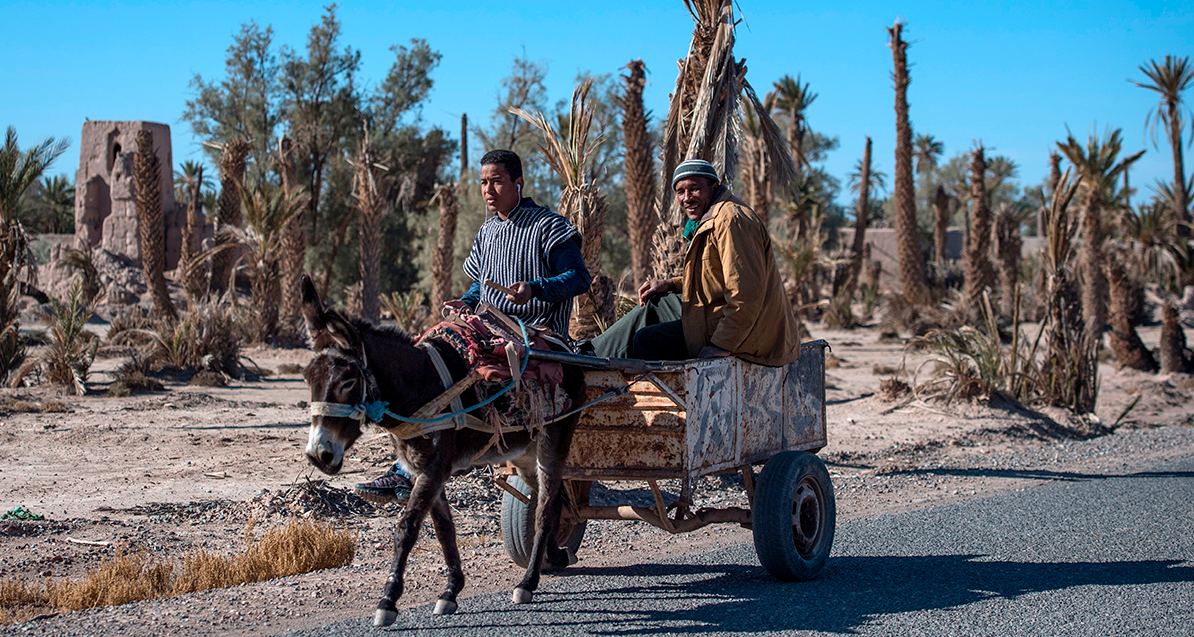
    North Africa has entered a food security crisis. Tunisia, Algeria, and Morocco are witnessing food inflation levels not seen since the civil unrest of the Arab Spring a decade ago. Although the Maghreb’s current food crisis was precipitated by the local and global economic shocks brought on by the onset of the COVID-19 pandemic in 2020 and its 2021 aftermath, the structural fragility of the food systems in Tunisia, Algeria, and Morocco is responsible for severity of the problem. At the core of this fragility is the failure to implement adequate measures to address the impact of increased water scarcity and debilitating climate change.

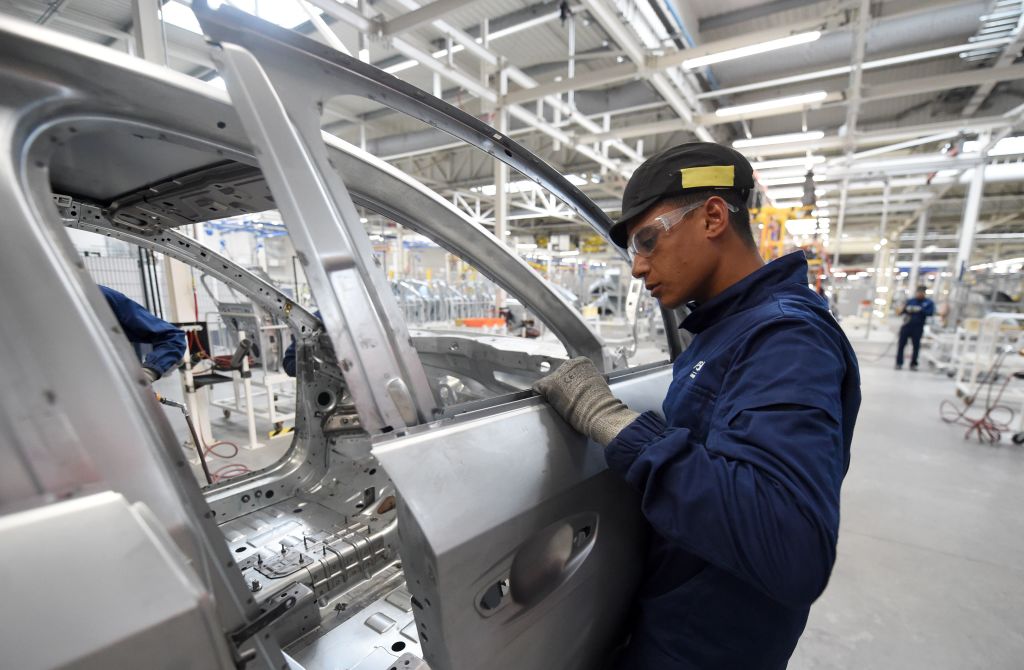
    Morocco's “first in North Africa” electric car production is a European manufacturing gain over China
    Photo by FADEL SENNA/AFP via Getty Images
  • Analysis
  • Morocco's “first in North Africa” electric car production is a European manufacturing gain over China

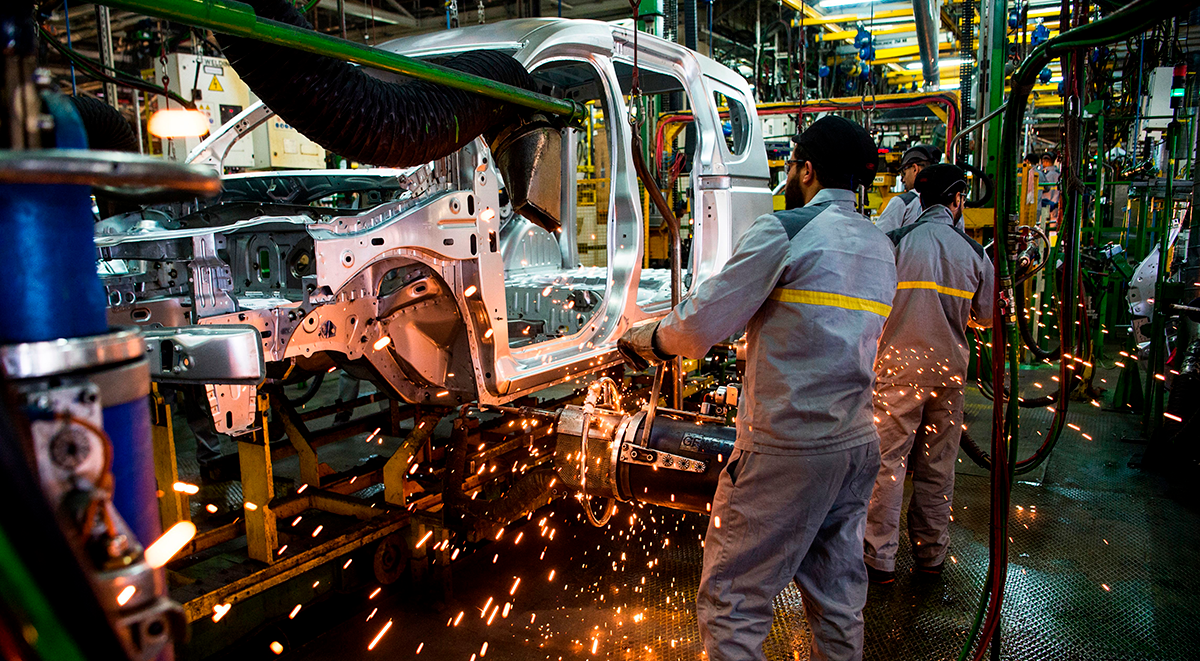
    In an automotive first for North Africa, German automaker Opel will soon begin producing electric cars in Morocco. Opel’s electric car manufacturing in Kénitra leapfrogs China’s plan to build electric cars in Egypt, giving Morocco’s automotive industry an important first-mover advantage. The move also represents a strategic gain for European automotive manufacturing over China. As a gateway to West Africa, Morocco provides Opel and its parent company Stellantis a nearby production base for the eventual cost-effective export of electric vehicles to rapidly expanding markets in Sub-Saharan Africa.

    The race to reset the Middle East's maritime map
    Photo by Xinhua/Wu Lu via Getty Images
  • Analysis
  • The race to reset the Middle East's maritime map

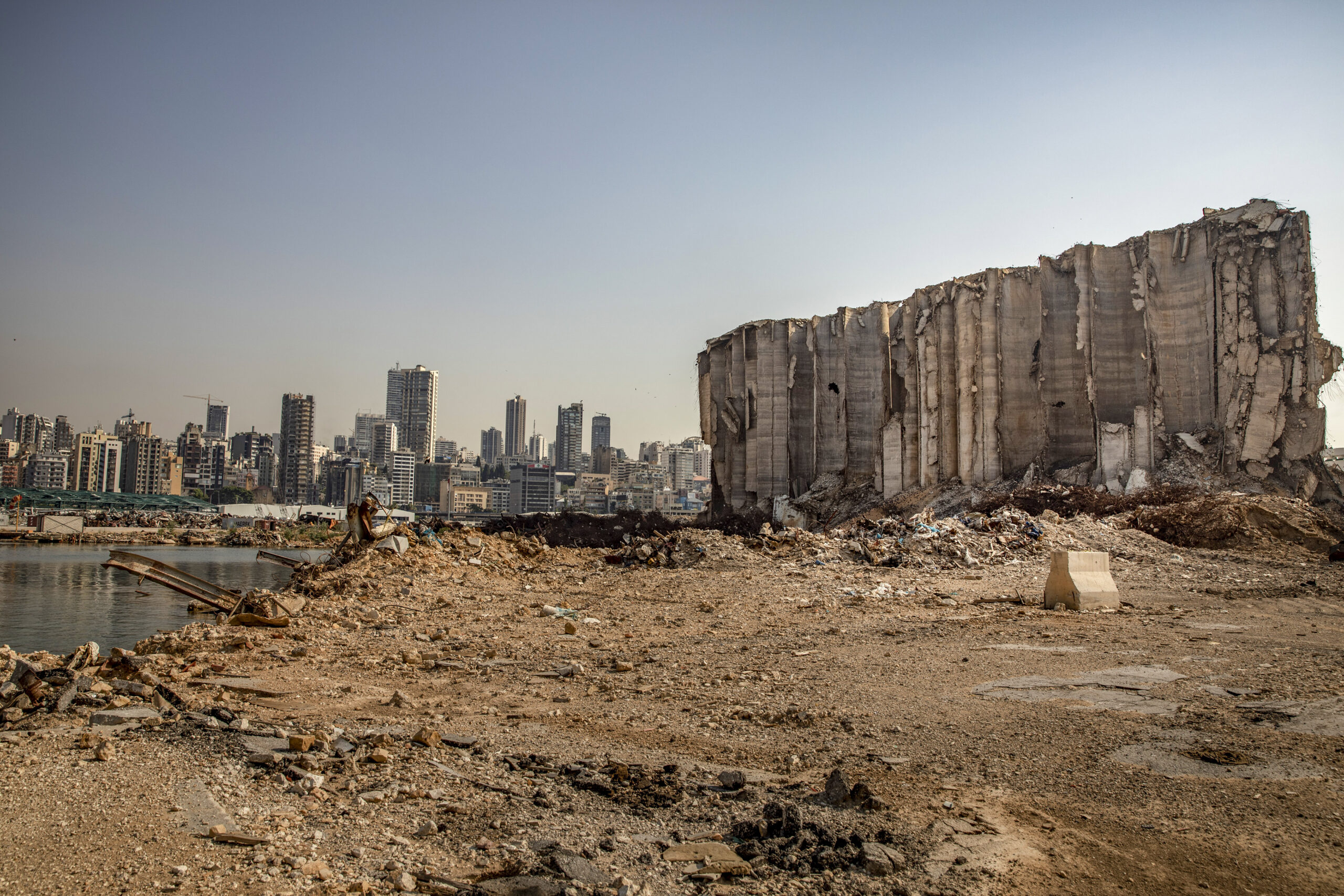
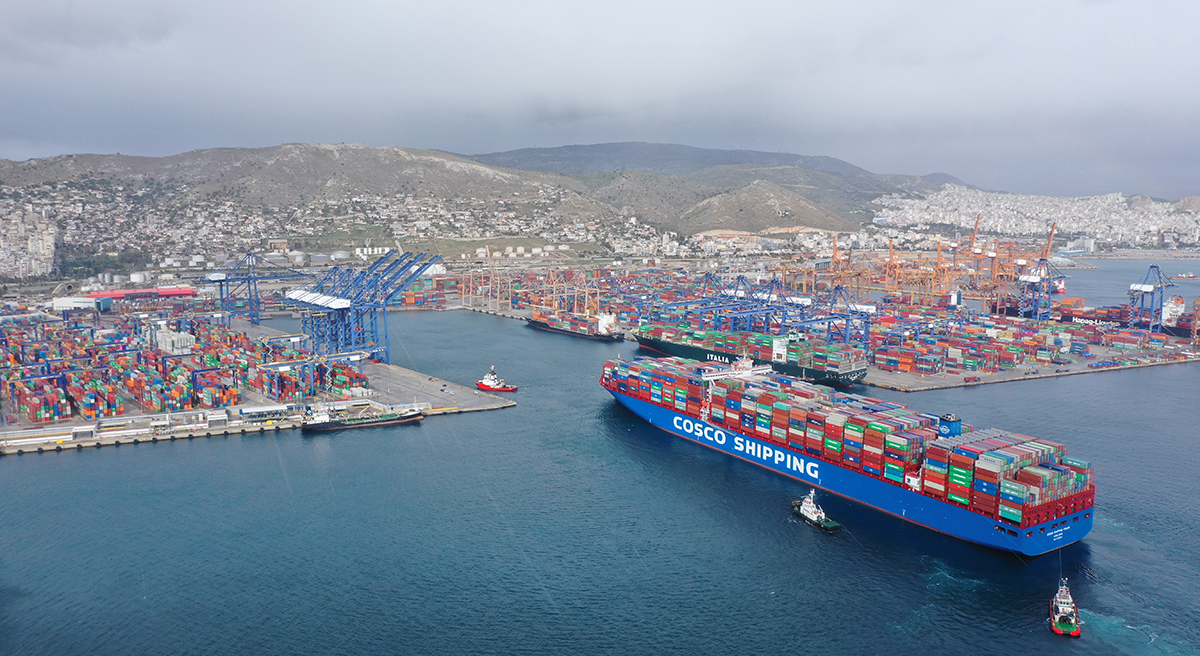
    One of the most consequential changes in the Middle East’s geopolitical map is happening at the water’s edge. Along the entire eastern rim of the Mediterranean basin, global and regional actors are engaging in a spate of port capacity expansions, new private port construction, and the sell-off of major state-owned ports that will determine who sits atop the region’s global trade flows for decades to come. The international competition to rebuild Beirut’s port is one key puzzle piece in this larger process that is reconfiguring the Levant’s maritime commercial architecture and, as a consequence, the geopolitical contours of the Middle East.

    The possibility that the Lebanese government could opt for China to reconstruct Beirut’s port has raised alarm in Washington and European capitals given China’s already outsized commercial port presence in Egypt, Israel, and Greece. Increased Chinese involvement in Lebanon’s port operations could consolidate Beijing’s hold over the commercial connectivity architecture of the Levant. Re-orienting global commercial flows between Europe, the Middle East, and Asia according to Beijing’s priorities would make China’s Belt and Road Initiative a dominant organizing principle in the international relations of the Middle East. The most effective way to offset China’s ambition may be to facilitate Mediterranean rivals France and Turkey to jointly rebuild Beirut’s port.