Skip to Content

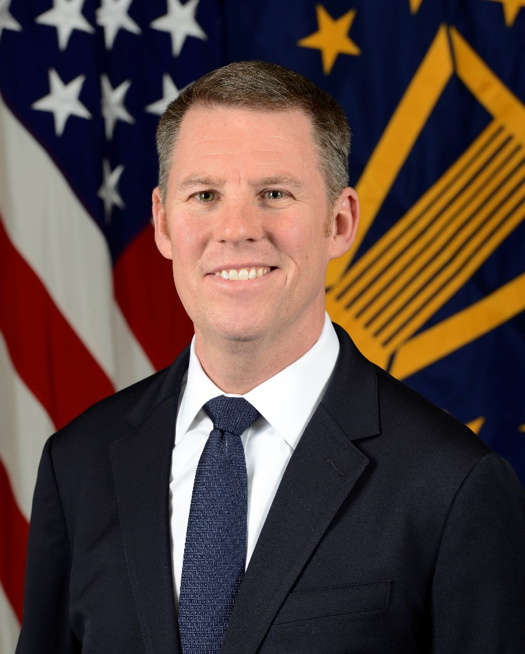
Mick Mulroy

Distinguished Military Fellow

Mulroy

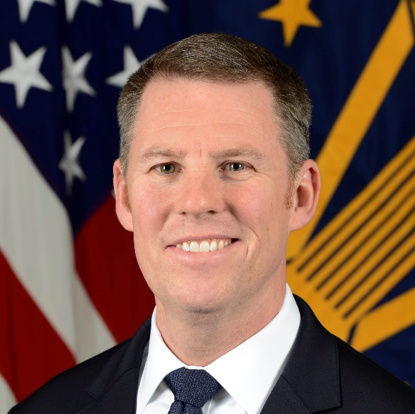
Michael “Mick” Patrick Mulroy is the former Deputy Assistant Secretary of Defense (DASD) for the Middle East. As the DASD, he was responsible for defense policy for 15 countries and represented the Department of Defense of national policy in that area. He is also a retired CIA Paramilitary Operations Officer in the Special Activities Center and a United States Marine. He is a Distinguished Military Fellow for the Middle East Institute, an ABC News National Security Analyst, and a Co-founder of Lobo Institute.

He is on the board of directors for Grassroots Reconciliation Group, a group that seeks to assist and rehabilitate children forced to be soldiers in the Lord’s Resistance Army (LRA). He is the Co-founder of End Child Soldiering, a group that seeks to end the use of children as soldiers worldwide and rehabilitate those forced to fight. He is also the Co-creator of a documentary called “My Star in the Sky,” which portrays the true story of two child soldiers in the LRA.

Mick is also a volunteer for the Third Option Foundation and with various veterans organizations. He is married to Mary Beth Mulroy, the father of a son, a U.S. Marine, a daughter, four goddaughters, and three godsons. Mick is also a leading proponent of the U.S. military incorporating the Stoicism philosophy into their ethical and resiliency efforts officially. Mick is also on the board of advisors for Plato’s Academy in Athens, Greece.

Education
Bachelor’s from Augusta University; Law degree from Samford University

Issues of Expertise
US Military, Defense & Security

Countries of Expertise
Bahrain, Egypt, Israel, Iran, Iraq, Jordan, Kuwait, Lebanon, Oman, Palestine, Qatar, Saudi Arabia, Syria, United Arab Emirates and Yemen
The Latest from Mick Mulroy

Filter by
53 Results
Biden Must Keep U.S. Operatives in Afghanistan To Enable the Counterterrorism Mission
  • Commentary
  • Biden Must Keep U.S. Operatives in Afghanistan To Enable the Counterterrorism Mission

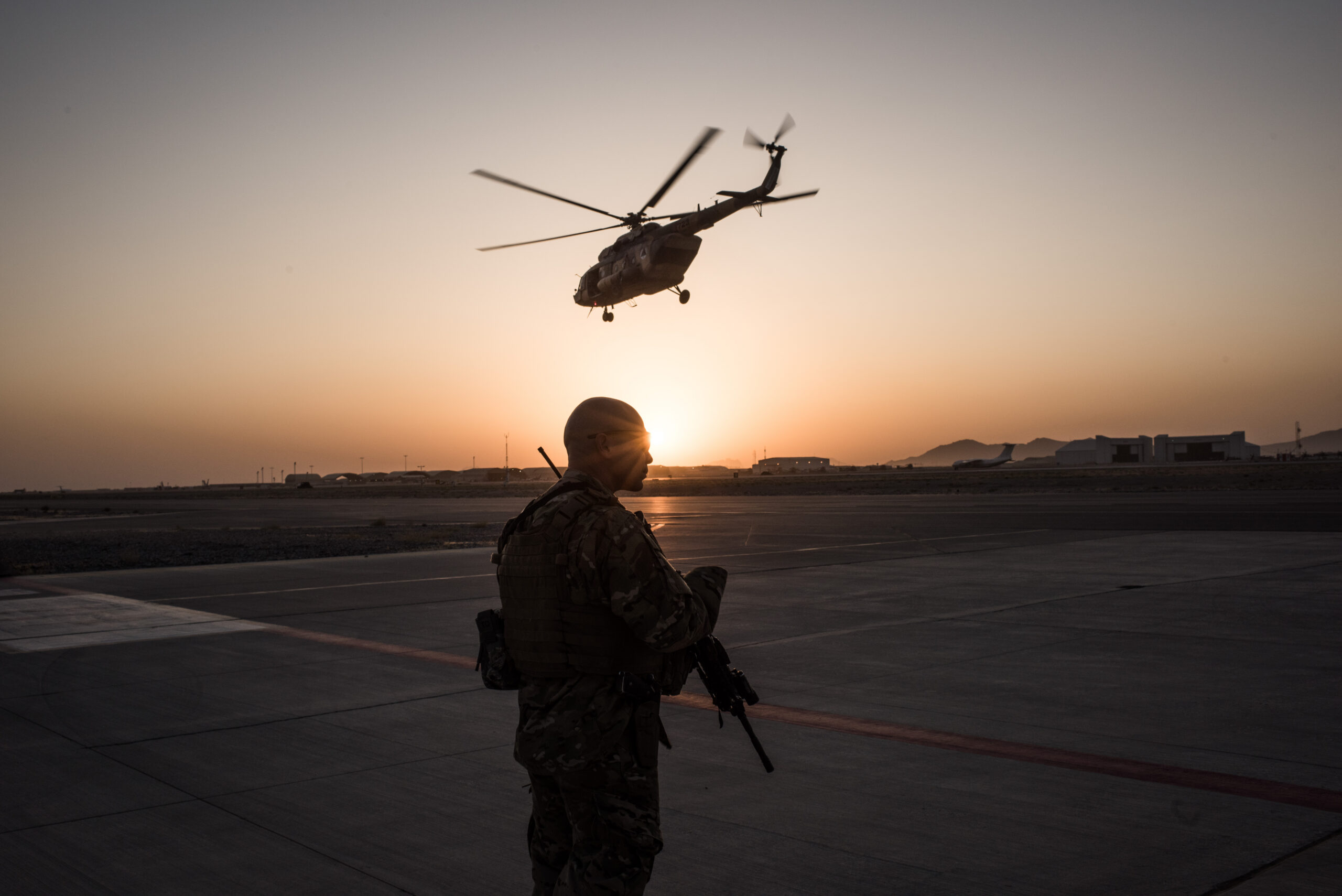
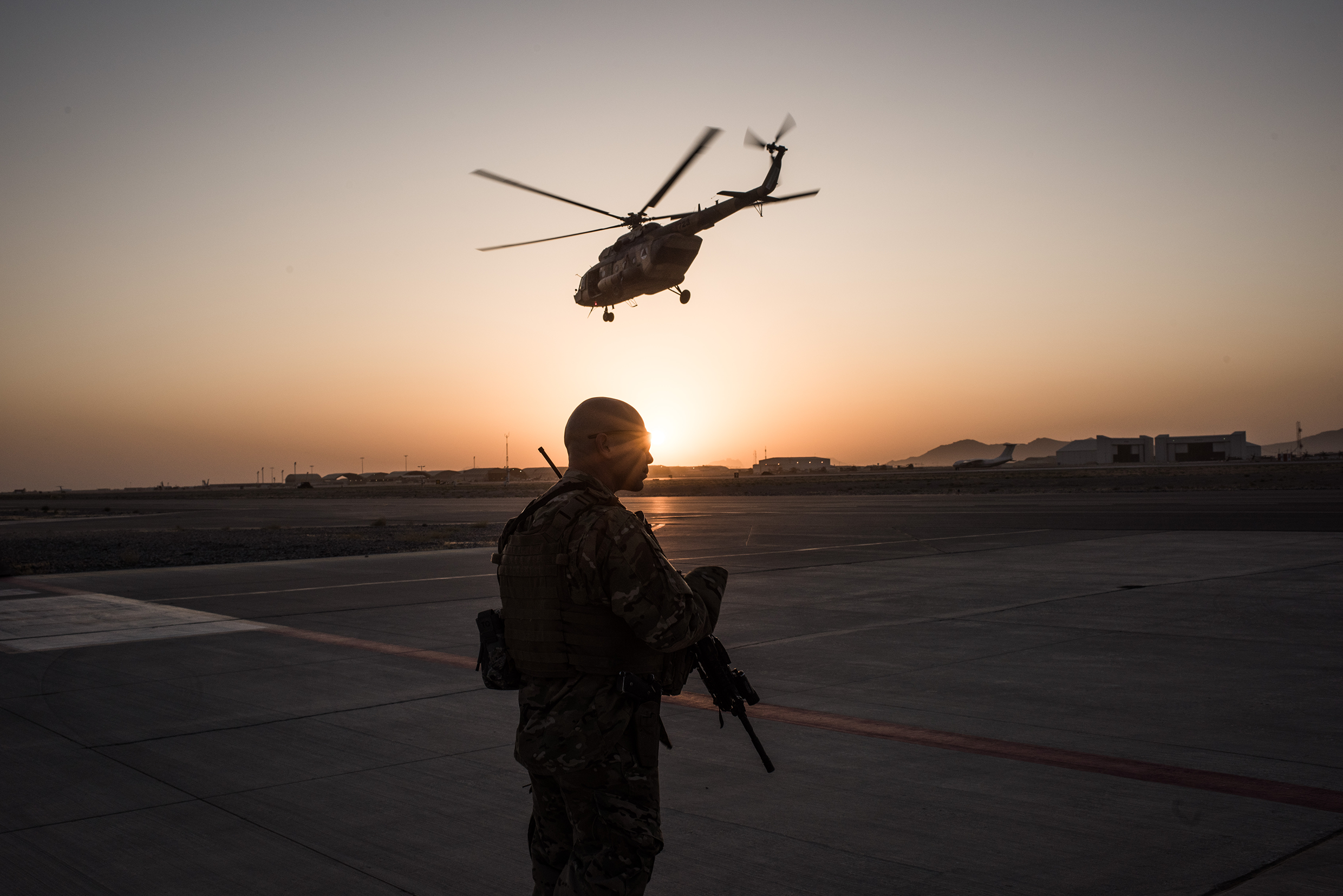
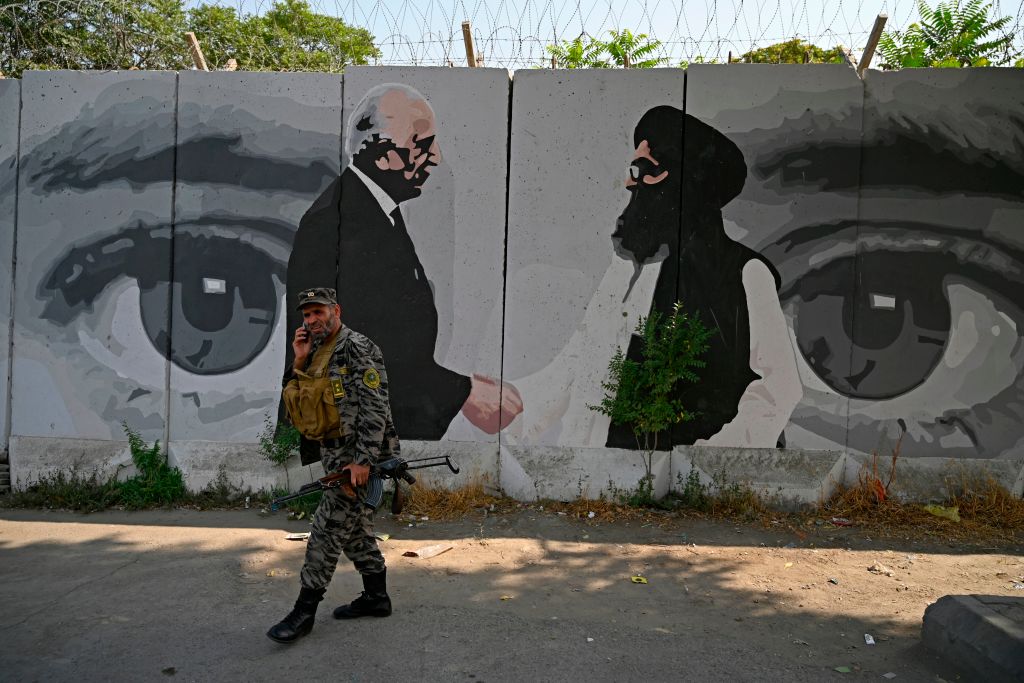
    We can and must provide that assistance not to help defeat the Taliban, fix Afghanistan, or remove our moral stain, but to achieve a much more limited objective, one that’s stated by the President himself, which is to ensure that no major attack against the U.S. or U.S. strategic interests is launched from Afghanistan.

    Expert Views: The crisis in Afghanistan
    Photo by Paula Bronstein/Getty Images
  • Analysis
  • Expert Views: The crisis in Afghanistan

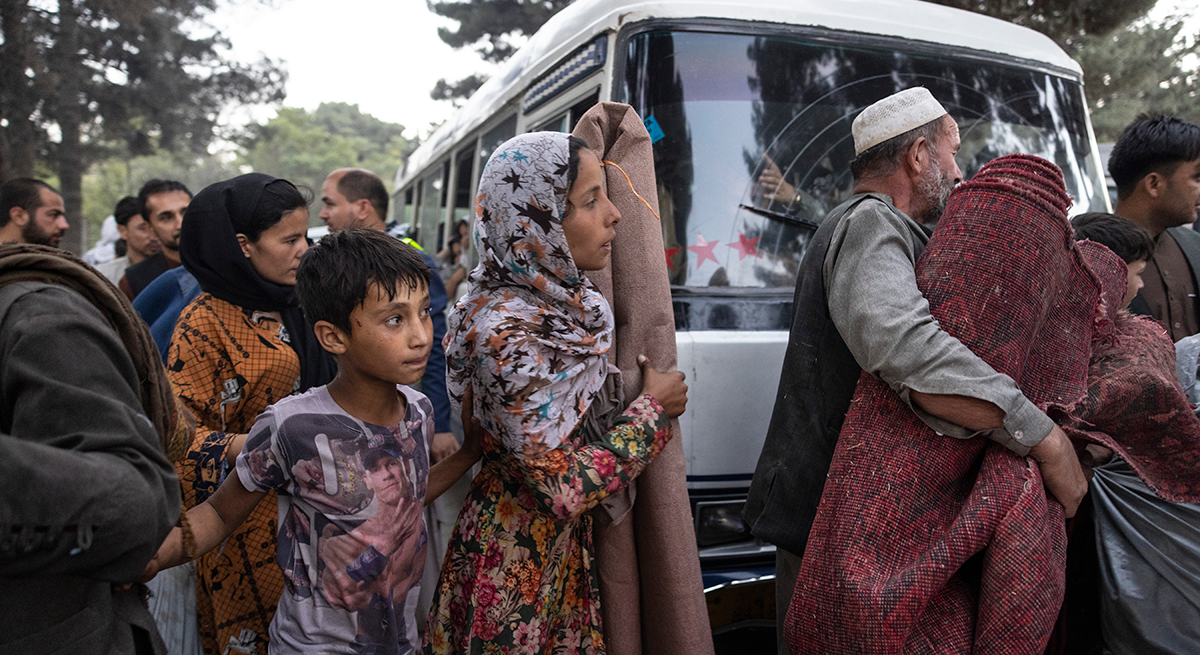
    Weeks before the official U.S. military withdrawal, Afghanistan is unraveling rapidly as the Taliban continue their swift military advance. They now control more than two-thirds of the country and half of the provincial capitals. With the government’s hold on Kabul in doubt, the Biden administration has dispatched troops to evacuate U.S. citizens from the country. We asked experts and scholars from across MEI to weigh in with their thoughts on the situation and what it means for the country, the wider region, and key international players.

    Now is the time for difficult conversations on Afghanistan
    Photo by Andrew Renneisen/Getty Images
  • Commentary
  • Now is the time for difficult conversations on Afghanistan

    The debate about whether Afghanistan was worth thousands of U.S. lives and a trillion U.S. taxpayer dollars should have occurred before those lives were lost and the money was spent. The decision to pull out our remaining 2,500 troops was made after all of that was done. That minimal number of troops preserved everything we fought for in the last two decades. We had significantly reduced the risk to our forces and the expense to the U.S. taxpayer. 

    Irregular Warfare: A Case Study in CIA and US Army Special Forces Operations in Northern Iraq, 2002-03
    Photo Patrick Barth/Getty Images
  • Analysis
  • Irregular Warfare: A Case Study in CIA and US Army Special Forces Operations in Northern Iraq, 2002-03

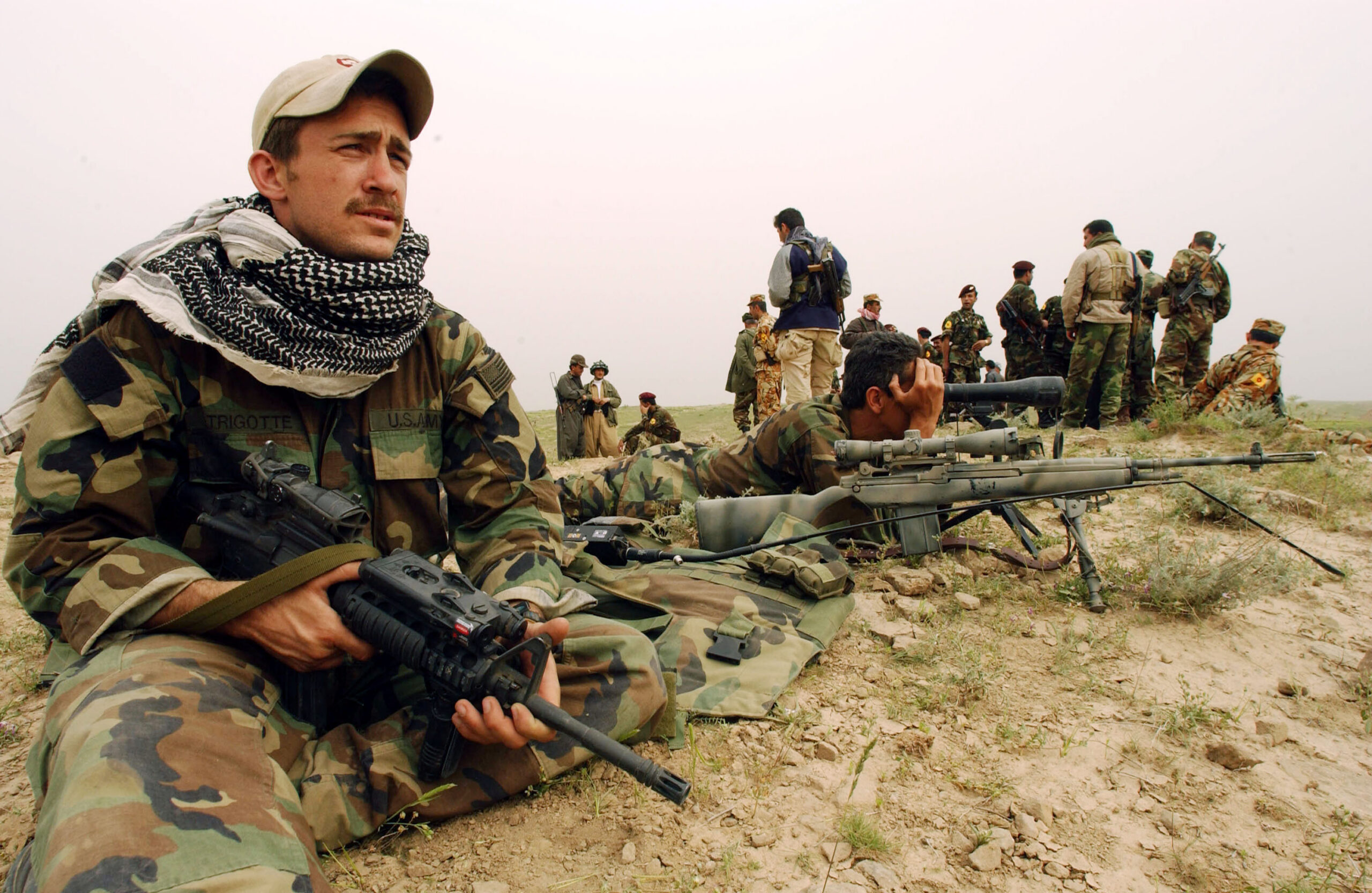
    Irregular warfare (IW) is increasingly common in the 21st century and the U.S. must learn from its successful experiences with it and apply those lessons to great power competition. For the past two decades the CIA and Army Special Forces have demonstrated how to leverage interagency relationships and apply complementary capabilities to achieve successful IW outcomes. The CIA/Army Special Forces partnership in Northern Iraq during the invasion of Iraq demonstrates the value of this interagency team and provides lessons and a model for the conduct of IW in the future.

    Defense Rapid Reaction: The threat of armed drones
    Photo by ARIS MESSINIS/AFP via Getty Images
  • Analysis
  • Defense Rapid Reaction: The threat of armed drones

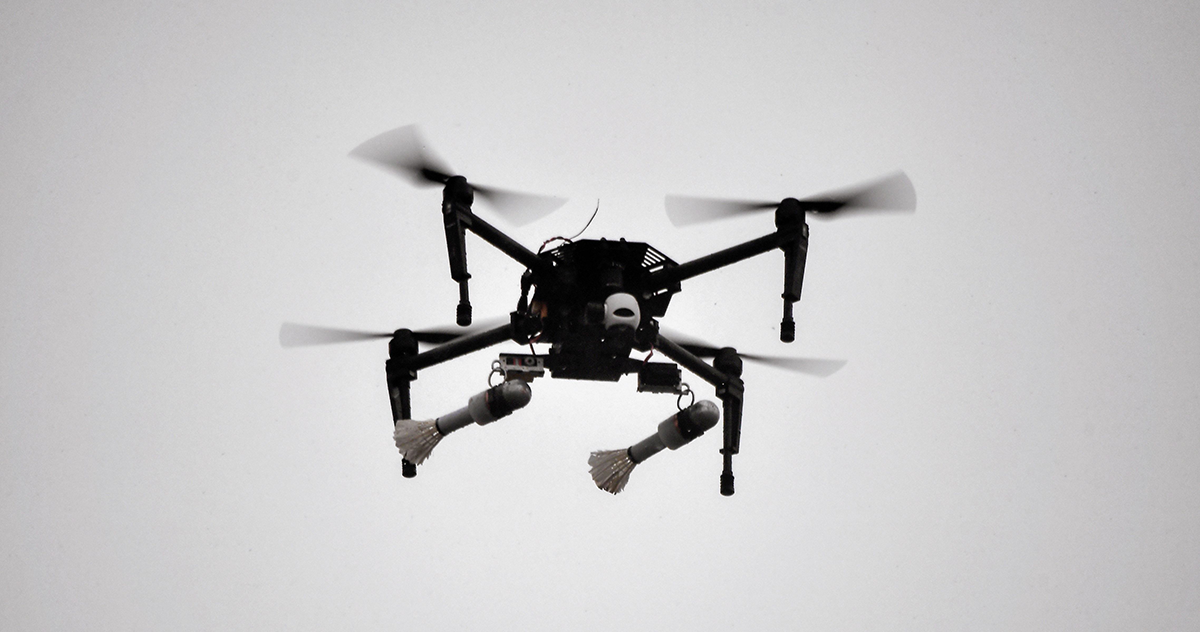
    As unmanned aerial vehicle (UAV) technology becomes ever cheaper and more accessible, the threat of armed and GPS-guided drones is becoming a serious problem for U.S. forces in theater. In the past few months, Iranian-backed Iraqi militias have used small drones armed with explosives to attack Iraqi military bases housing U.S. forces several times, and the threat posed by such UAVs is only likely to grow in the months and years to come. Experts from MEI’s Defense & Security Program weigh in with their thoughts on how the U.S. should respond to this emerging threat, as part of the new Defense Rapid Reaction series.

    Defense Rapid Reaction: Evacuating Afghan interpreters
  • Analysis
  • Defense Rapid Reaction: Evacuating Afghan interpreters

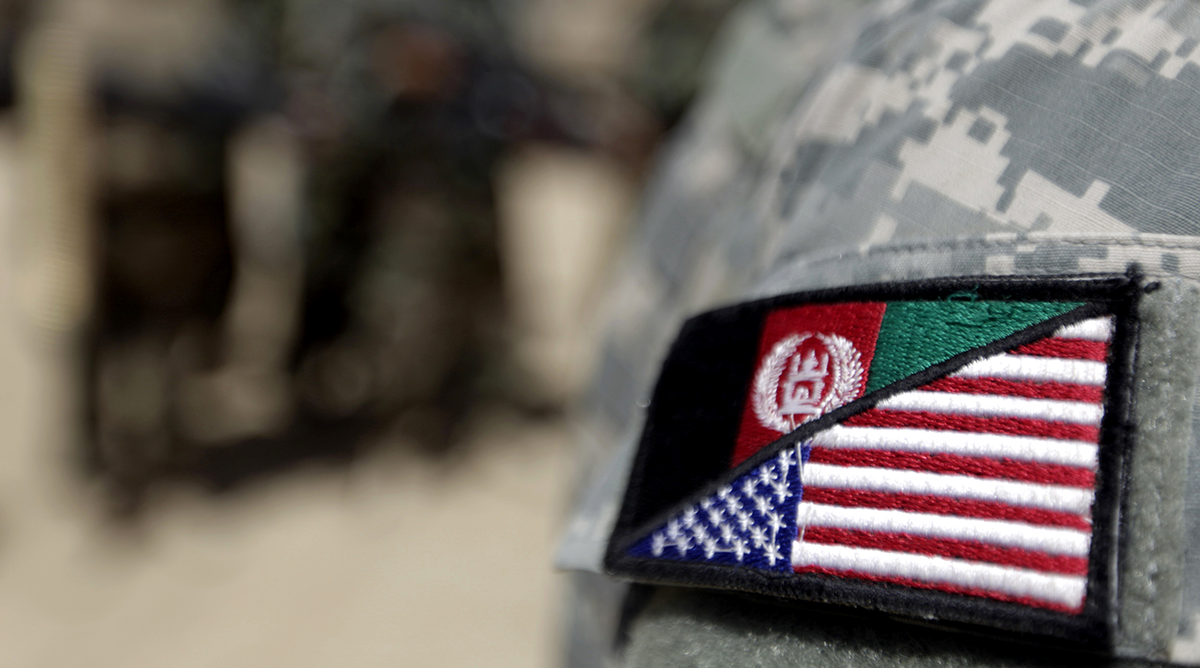
    With U.S. forces on track to complete their withdrawal from Afghanistan by mid-July, two months ahead of the September deadline set by President Joe Biden, the thousands of Afghans who have worked with U.S. personnel as interpreters to further American policy objectives in Afghanistan are now in harm’s way. As part of the new Defense Rapid Reaction series, experts from MEI’s Defense & Security Program weigh in with their thoughts on how the U.S. should respond to this pressing issue.

    Expert Views: The Biden administration and the Middle East: Reflecting on the first 100 days
    Photo by Chip Somodevilla/Getty Images
  • Analysis
  • Expert Views: The Biden administration and the Middle East: Reflecting on the first 100 days

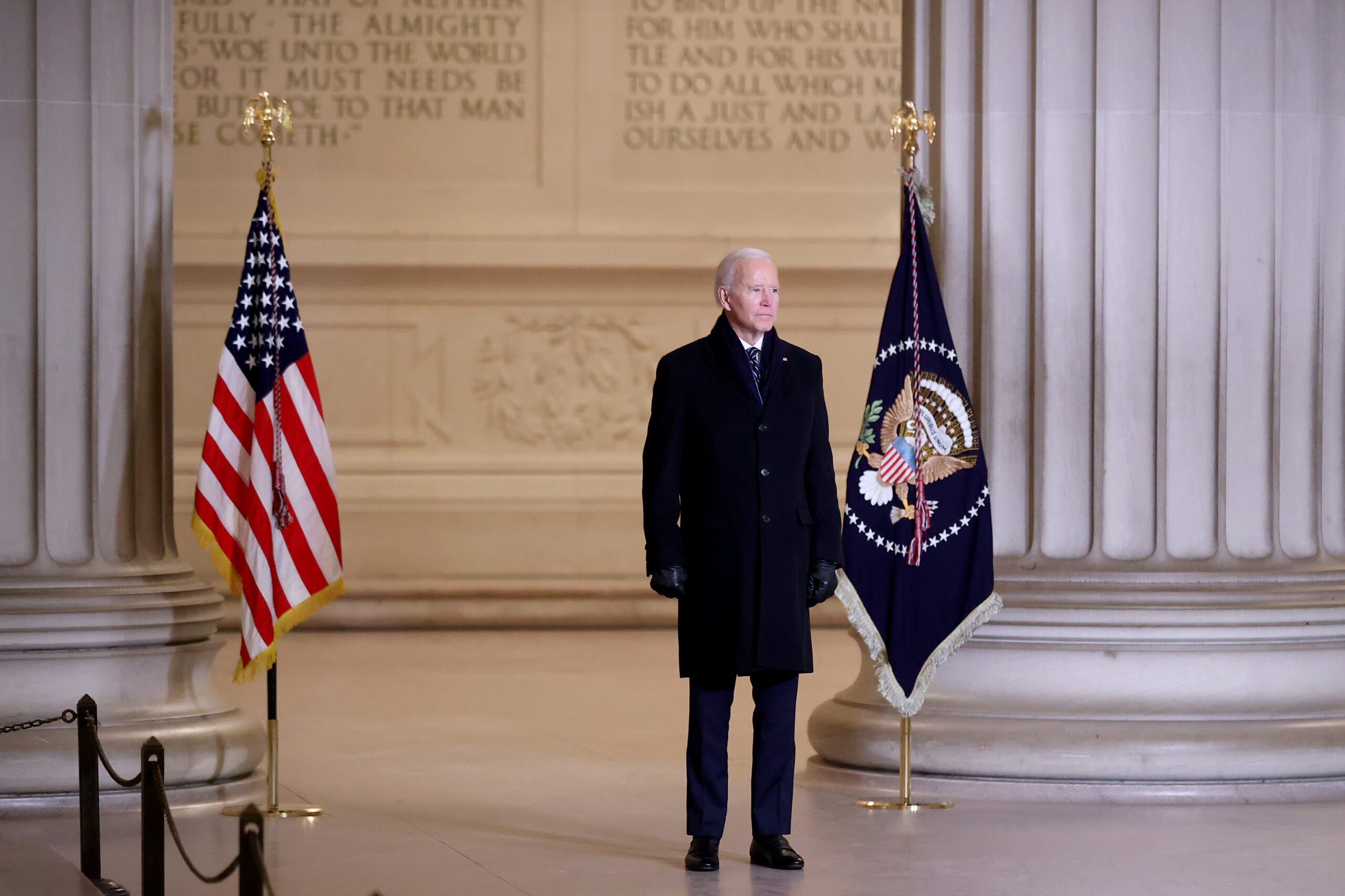
    At the end of Joe Biden’s first 100 days as president of the United States, where do things stand when it comes to U.S. policy toward the Middle East and North Africa? We asked experts and scholars from across MEI to weigh in with their thoughts on the changes we’ve seen so far, the new challenges that have emerged, and what we know about the administration’s key priorities for the region. 

    Political risk vs. risk to force: How policy decisions impact risk and capability in partner operations
    Photo by BULENT KILIC/AFP via Getty Images
  • Analysis
  • Political risk vs. risk to force: How policy decisions impact risk and capability in partner operations

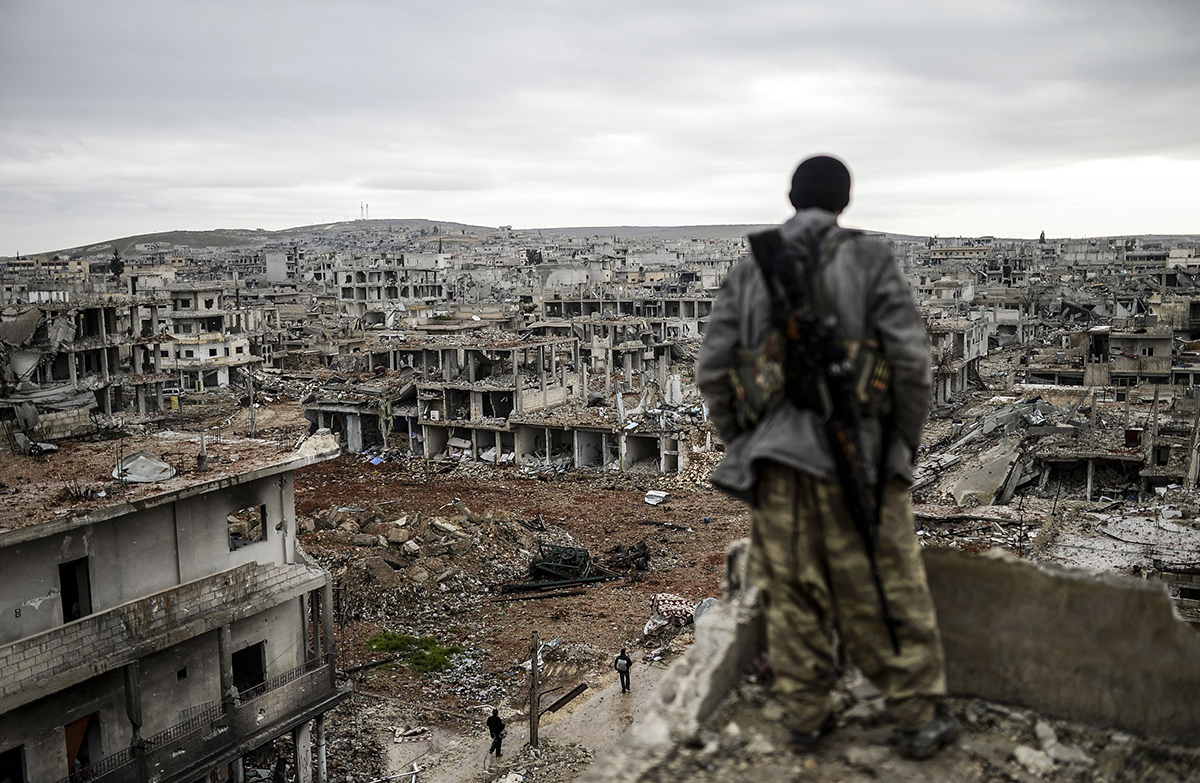
    Operation Inherent Resolve (OIR) is the U.S. military’s name for the international intervention to defeat ISIS in Syria and Iraq starting in 2014. While OIR has been a success, it has necessarily been imperfect. Throughout the campaign, cost-benefit calculations made by policymakers led to missed opportunities and possibly a longer conflict. These decisions will have lasting repercussions that could undermine the hard-won victory against ISIS, as well as the ability to partner in future interventions. In particular, the United States mishandled its partner relationships in the war to defeat ISIS. Political considerations apparently won out against supporting and sustaining the SDF, our military partner forces.

    Can US CENTCOM afford Israel?
  • Commentary
  • Can US CENTCOM afford Israel?

    With the UAE, Bahrain, Sudan and Morocco signing normalisation agreements with Israel last year, the road to Israel’s integration into Centcom was paved.

    COVID-19 & Conflict in the Middle East
  • Analysis
  • COVID-19 & Conflict in the Middle East

    The Middle East is in turmoil, with civil wars raging in Syria, Iraq, Yemen, and Libya. COVID-19 is now an additional factor on top of the violence and monumental international support tasks, all of which require a sustained commitment. The effects of the deadly COVID-19 pandemic highlight the need for more robust international stabilization efforts to achieve long-term peace and self-sufficiency in the Middle East.