Skip to Content

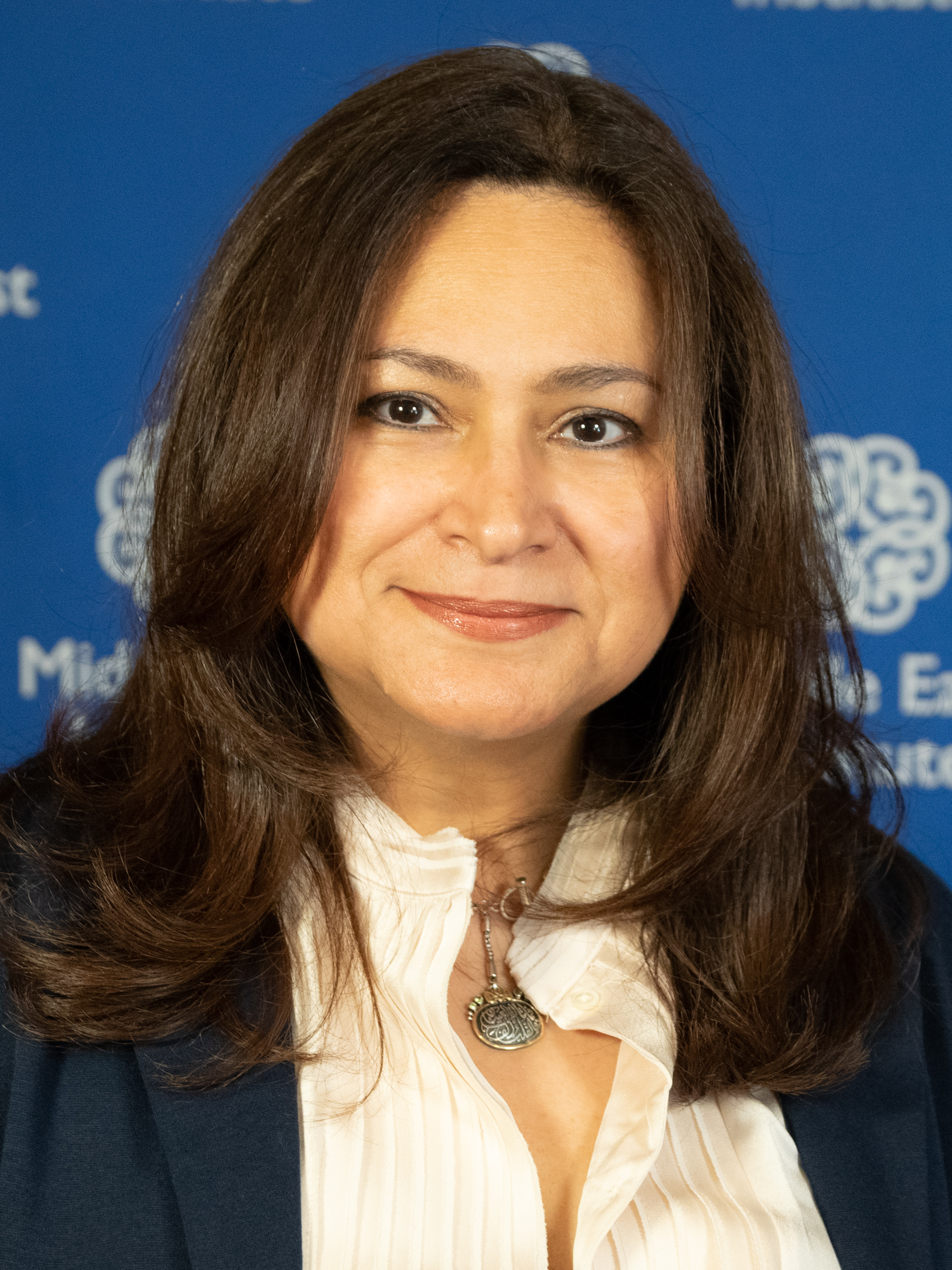
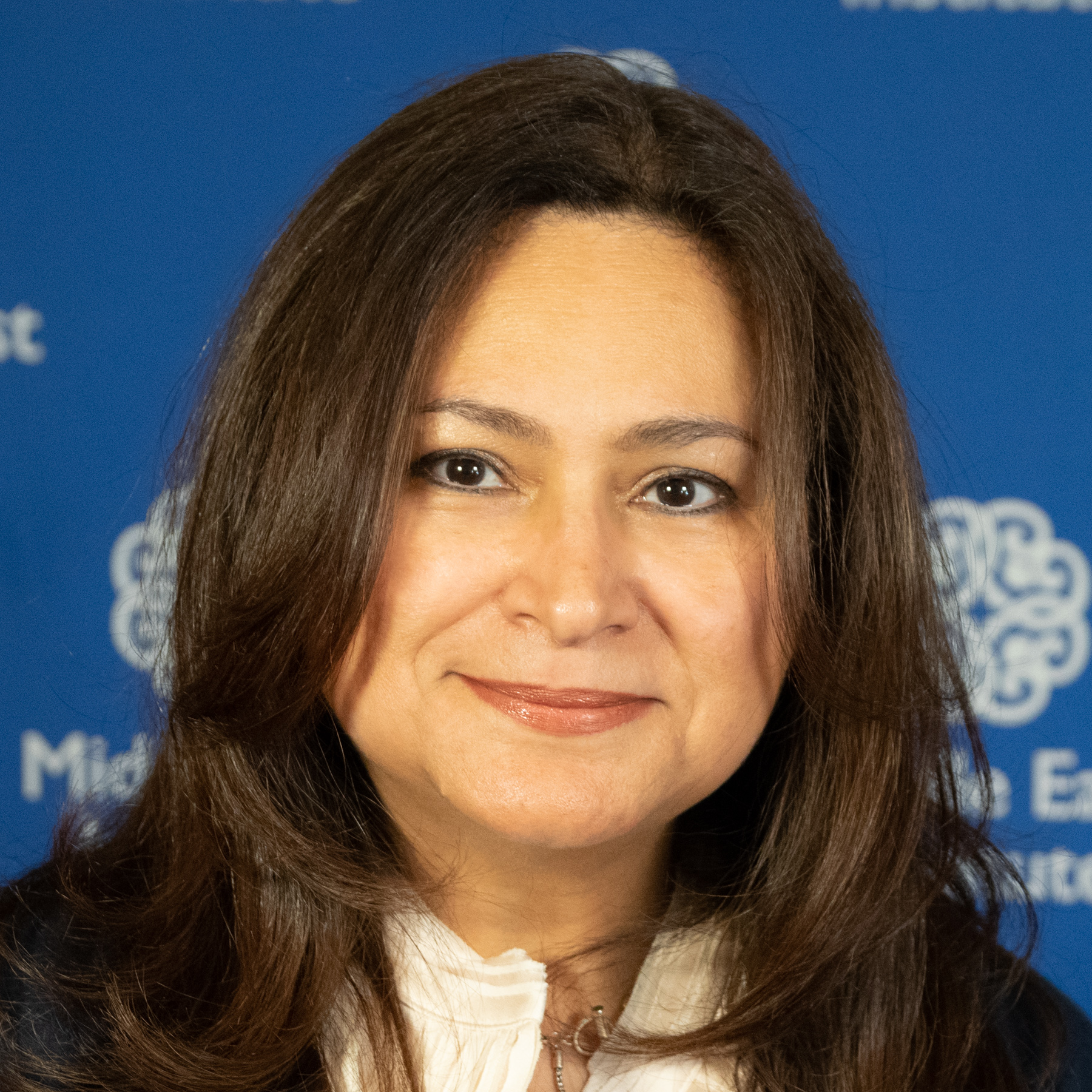
Mirette F. Mabrouk is a senior fellow at the Middle East Institute (MEI), where she focuses on economic development, regional security, and sustainable development issues in the Middle East and North Africa.

Prior to joining MEI, Ms. Mabrouk served as the deputy director and director for research and programs at the Rafik Hariri Center for the Middle East at the Atlantic Council. She was also a fellow at the Project for US Relations with the Middle East at the Brookings Institution and was based in Cairo, where she was the director of communications for the Economic Research Forum (ERF).

Ms. Mabrouk comes from a long career in journalism, including over 20 years in print and television. She is the founding publisher of The Daily Star Egypt (now The Daily News Egypt), the country’s only independent English-language daily newspaper at the time. She also served as the publishing director for IBA Media, which produces the region’s leading English-language magazines.

Her work has appeared in prominent publications such as Foreign Policy, The Hill, and HuffPost, and she has been quoted or appeared on major media outlets including the BBC, VOA, Sky News, and The Wall Street Journal. She is the author of the book chapter “And Now for Something Completely Different: Arab Media’s Own Little Revolution” from Reconstructing the Middle East (Routledge, 2017), as well as the editor of the report Rethinking Egypt’s Economy (Middle East Institute, 2020).

She holds an MA in Broadcast Journalism and a BA in Mass Communication from the American University in Cairo.
The Latest from Mirette F. Mabrouk

Filter by
145 Results
Monday Briefing: The Middle East is the closest it has ever been to an all-out war
  • Commentary
  • Monday Briefing: The Middle East is the closest it has ever been to an all-out war

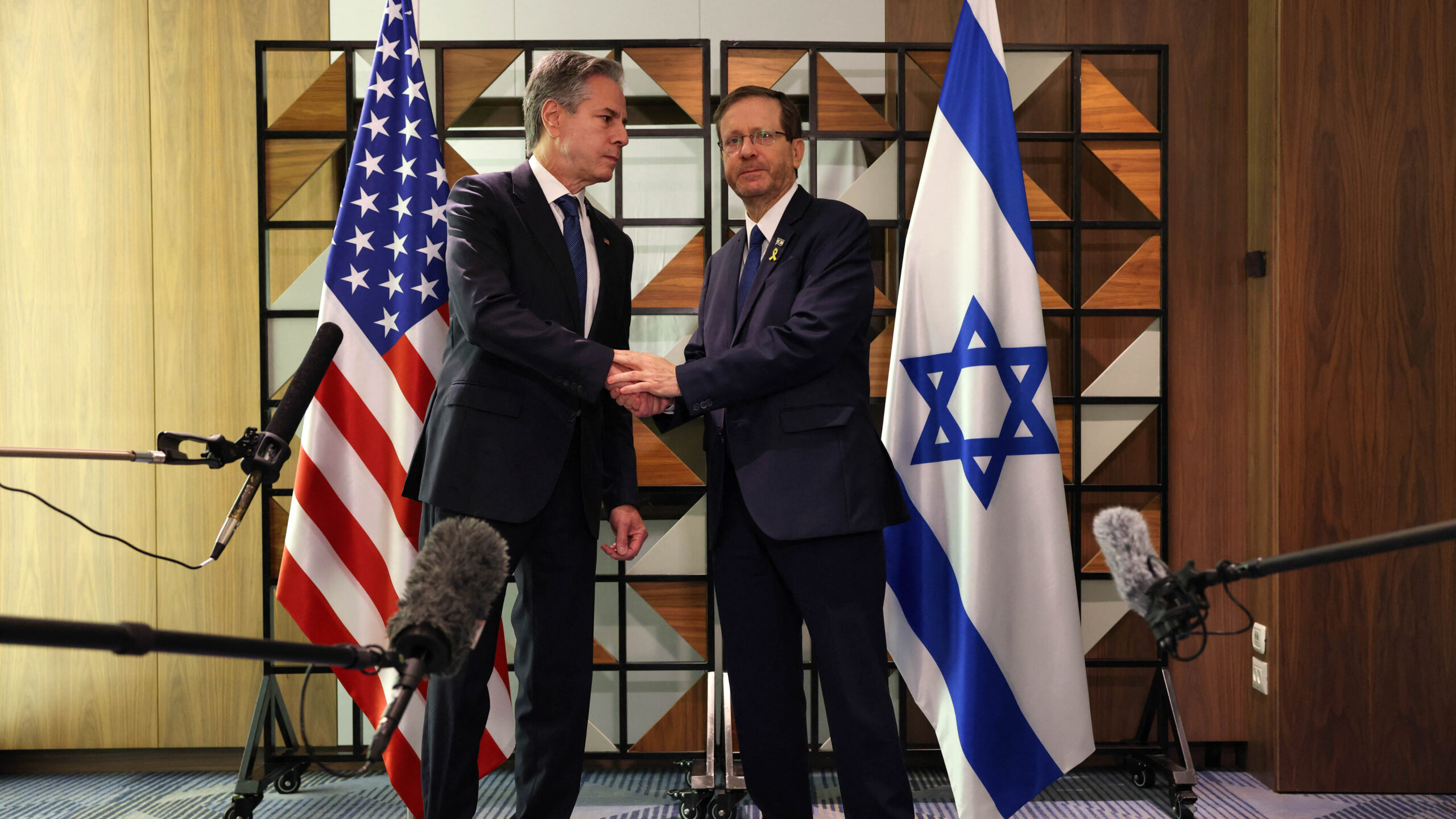
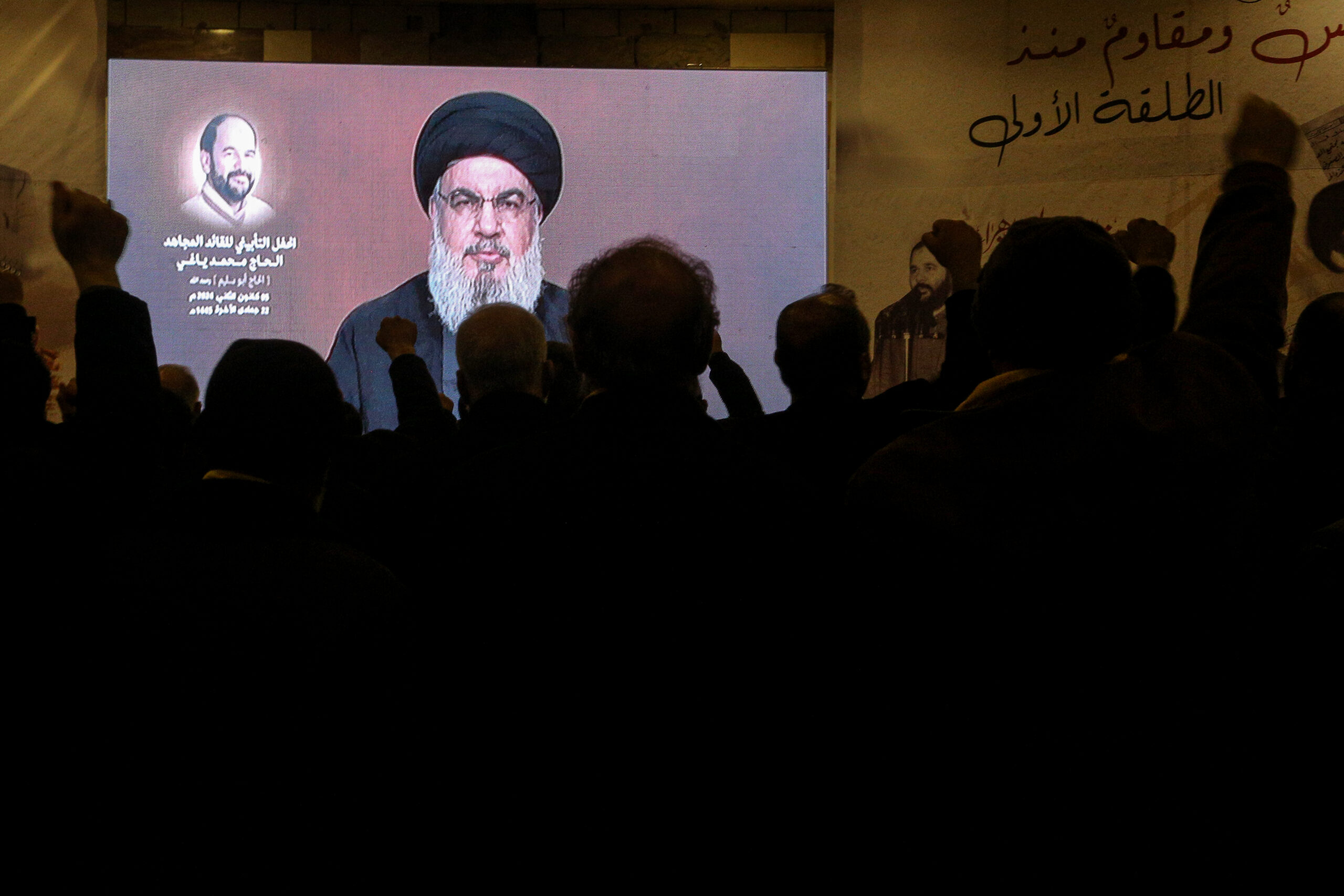
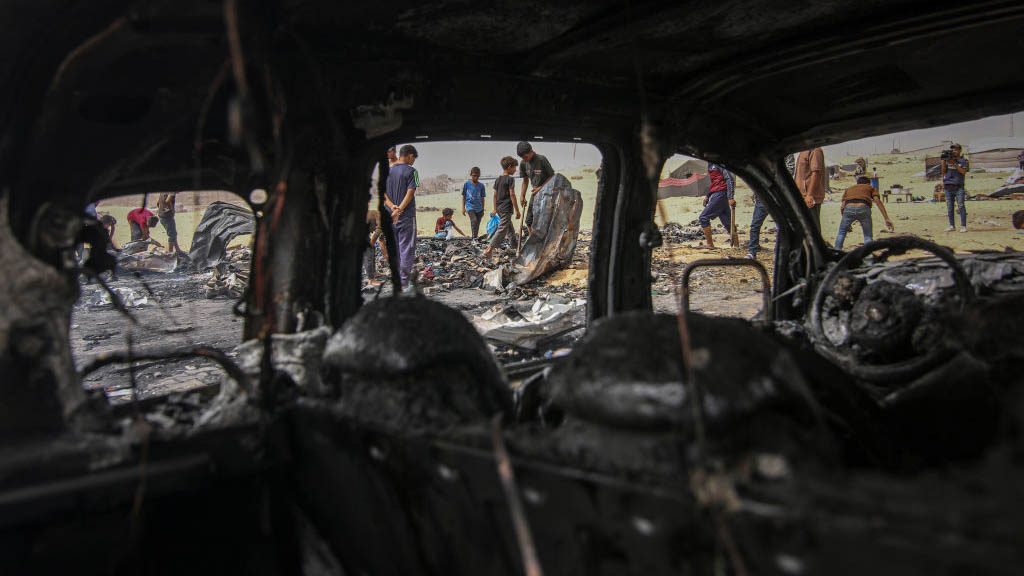
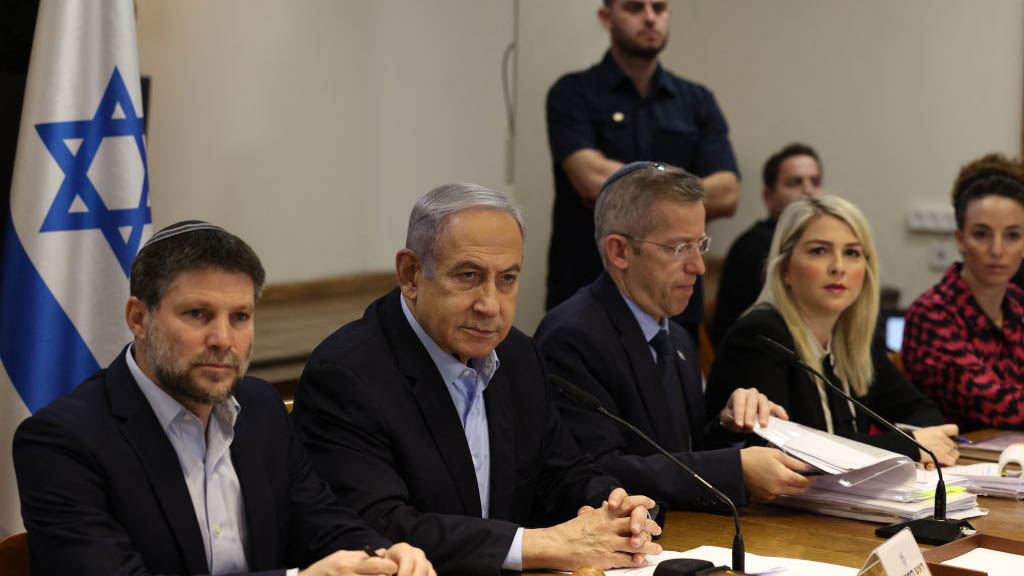
    After 10 months of Israel’s war on Gaza, the US administration has lost control over its ally and the fear of its opponents. As a result, Washington has only limited, if any, impact on the cost-benefit escalation calculus of the fighting sides. The Middle East is today the closest it has ever been to an all-out multi-front regional war.

    New EU aid and investment in Egypt linked to migration control
    Photo by DIRK WAEM/BELGA MAG/AFP via Getty Images
  • Analysis
  • New EU aid and investment in Egypt linked to migration control

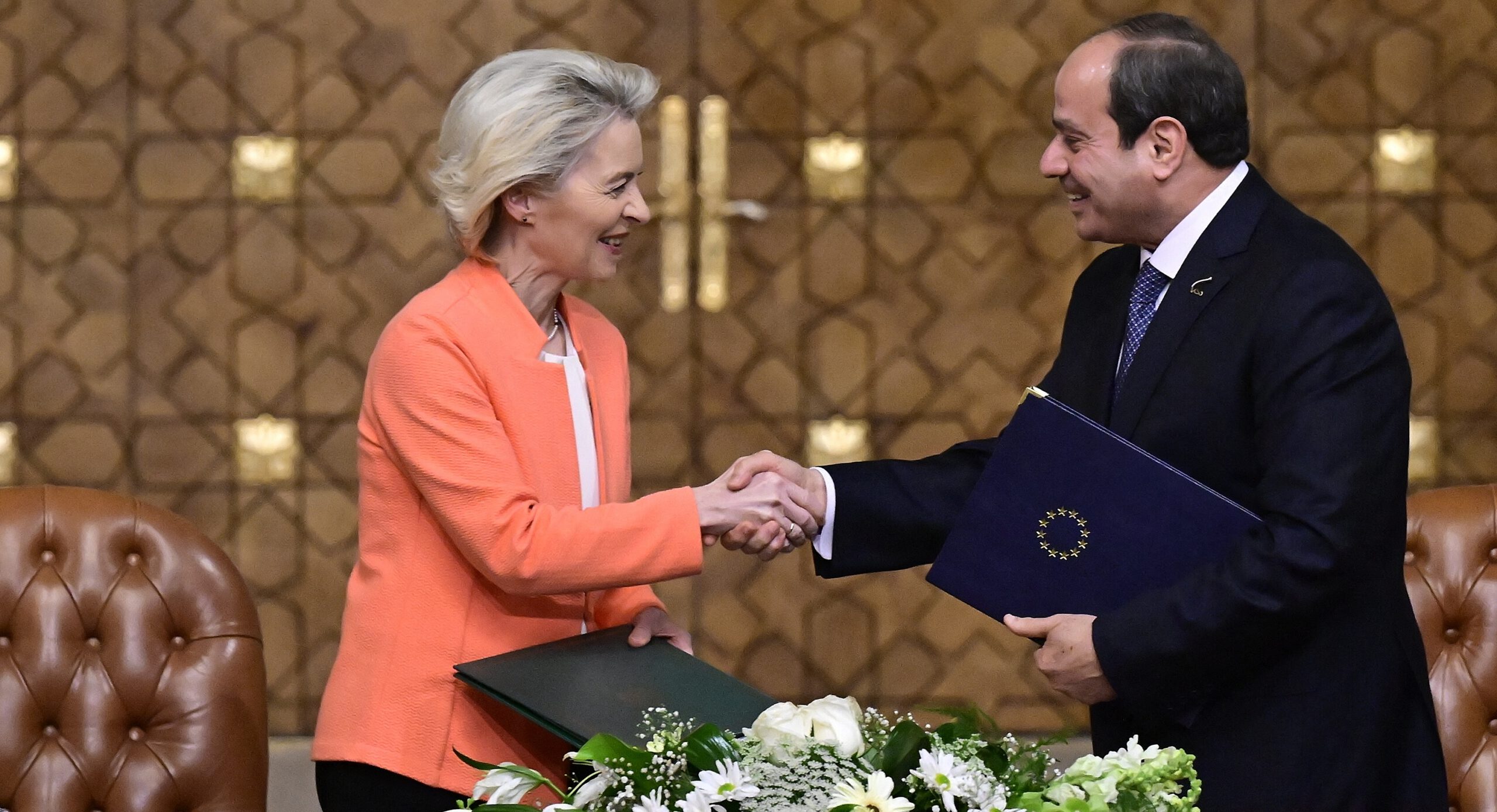
    On June 29, at an aid and investment conference in Cairo, Egypt and the EU reached a €1 billion investment deal, and over 20 MoUs, collectively worth approximately €40 billion in private investment, were signed on the sidelines. Little mention has been made of migration in the new European agreement with Egypt, but there is little doubt that it is a pivotal factor.

    Expert Views: What is needed to end the war in Gaza?
    Photo by Ahmad Hasaballah/Getty Images
  • Analysis
  • Expert Views: What is needed to end the war in Gaza?

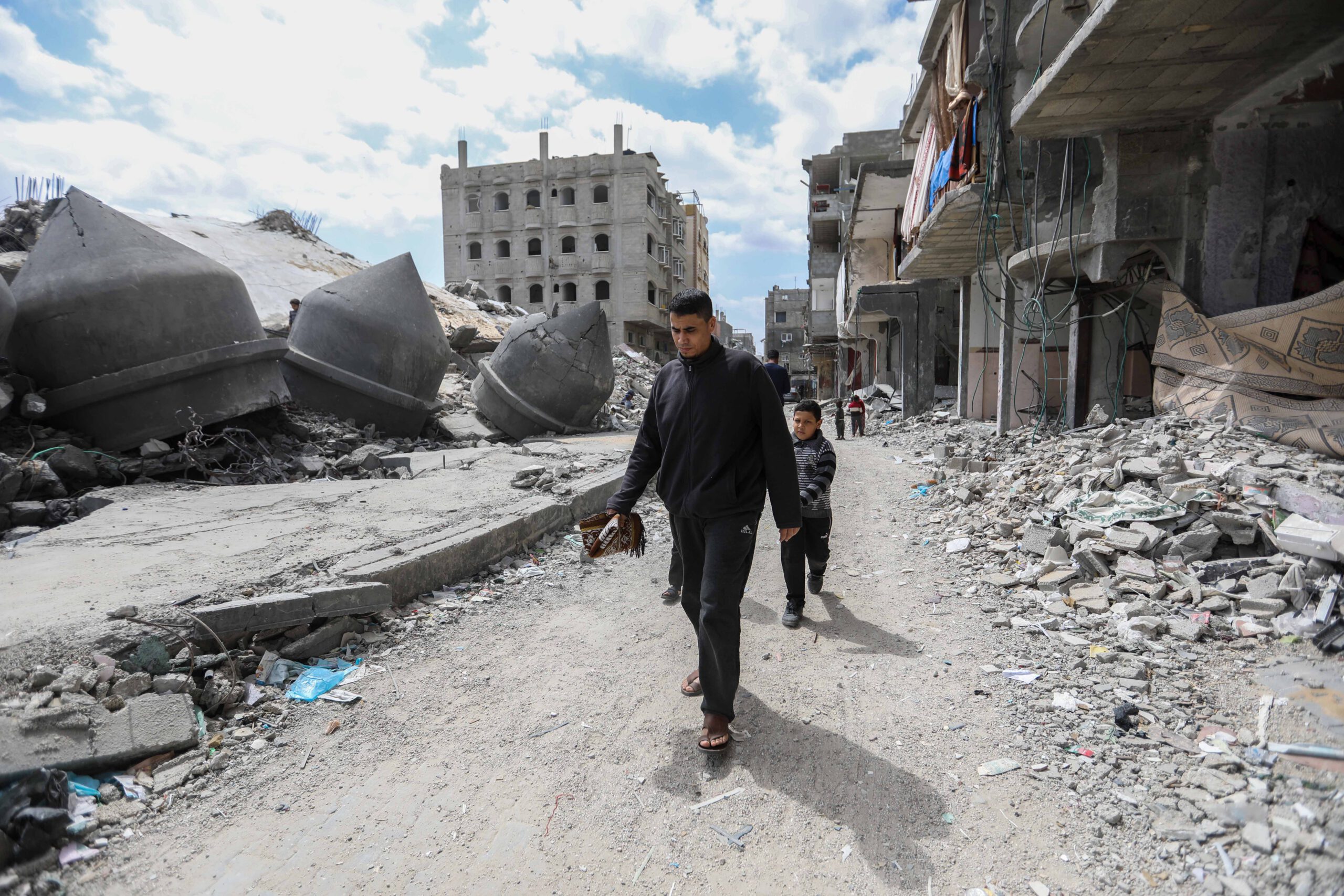
    Six months since the October 7 Hamas attacks on Israel and subsequent outbreak of war in Gaza, the deadly and devastating conflict looks no closer to concluding. Is it still possible to achieve a sustainable cessation of hostilities and restart the conflict-resolution process? To get there, what are the incentives and disincentives that could be constructed for the two main combatants, Israel and Hamas?

    Egypt’s Economy: Missed Opportunities and Flawed Priorities
  • Commentary
  • Egypt’s Economy: Missed Opportunities and Flawed Priorities

    For the past several decades, successive Egyptian governments have practised the economic equivalent of riding a skateboard without a helmet; risky but manageable in the short run as long as one doesn’t encounter any obstacles. However, the inevitable has happened. Egypt’s economy smashed into not one, but two, major obstacles; a pandemic, which it just managed to stagger away from (World Bank, 2021), followed by the full-scale Russian invasion of Ukraine.