Monday Briefing: The situation in Gaza threatens to spin dangerously out of control
Read MEI’s weekly briefing featuring expert analysis of key regional developments for the week ahead.
Climate, Defense and Security, Energy, Governance, Reform, and State Capacity, Great Powers in the Middle East, Egypt, Israel, Palestine, Sudan
Press inquiries: [email protected]
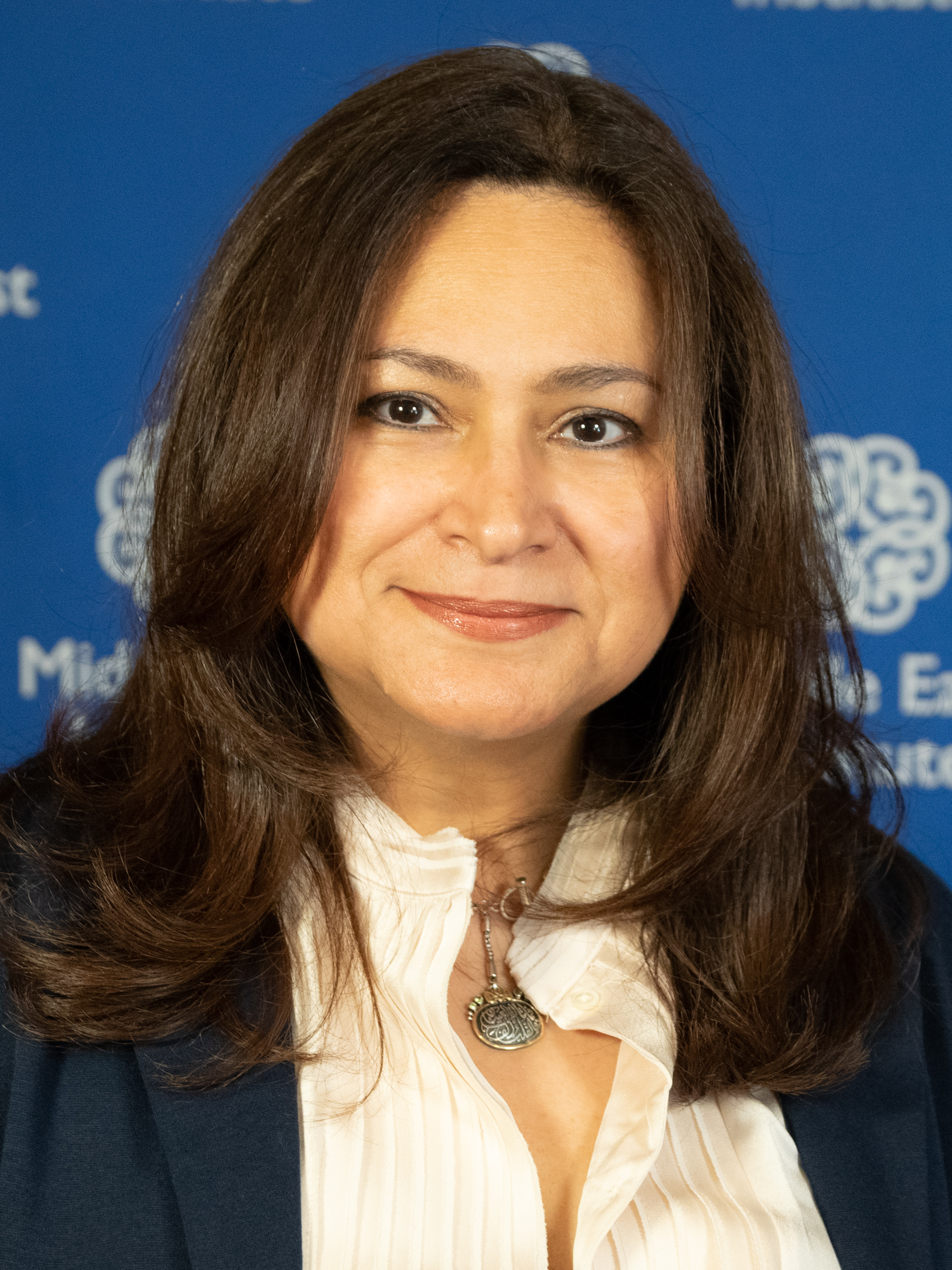
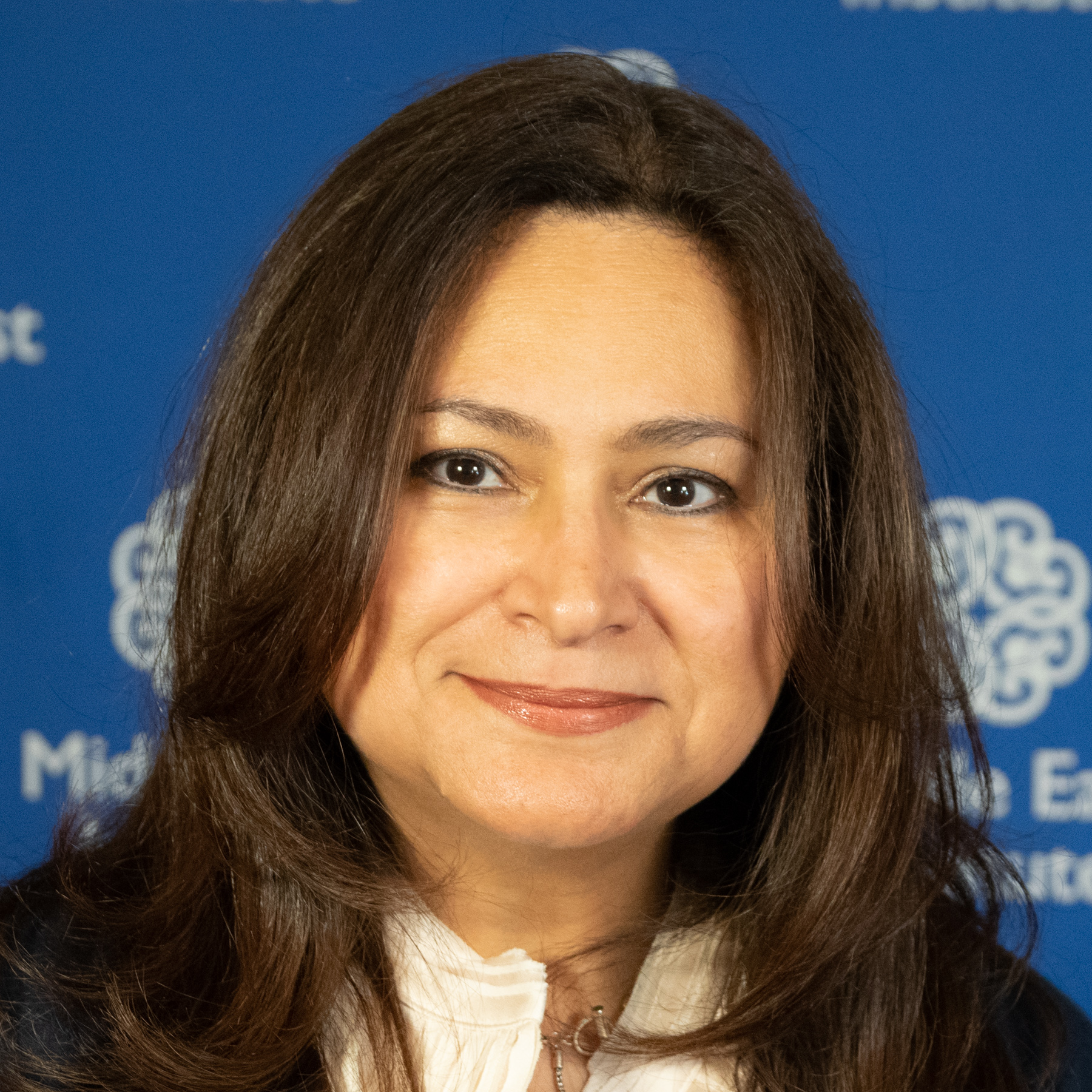
Mirette F. Mabrouk is a senior fellow at the Middle East Institute (MEI), where she focuses on economic development, regional security, and sustainable development issues in the Middle East and North Africa.
Prior to joining MEI, Ms. Mabrouk served as the deputy director and director for research and programs at the Rafik Hariri Center for the Middle East at the Atlantic Council. She was also a fellow at the Project for US Relations with the Middle East at the Brookings Institution and was based in Cairo, where she was the director of communications for the Economic Research Forum (ERF).
Ms. Mabrouk comes from a long career in journalism, including over 20 years in print and television. She is the founding publisher of The Daily Star Egypt (now The Daily News Egypt), the country’s only independent English-language daily newspaper at the time. She also served as the publishing director for IBA Media, which produces the region’s leading English-language magazines.
Her work has appeared in prominent publications such as Foreign Policy, The Hill, and HuffPost, and she has been quoted or appeared on major media outlets including the BBC, VOA, Sky News, and The Wall Street Journal. She is the author of the book chapter “And Now for Something Completely Different: Arab Media’s Own Little Revolution” from Reconstructing the Middle East (Routledge, 2017), as well as the editor of the report Rethinking Egypt’s Economy (Middle East Institute, 2020).
She holds an MA in Broadcast Journalism and a BA in Mass Communication from the American University in Cairo.
Read MEI’s weekly briefing featuring expert analysis of key regional developments for the week ahead.
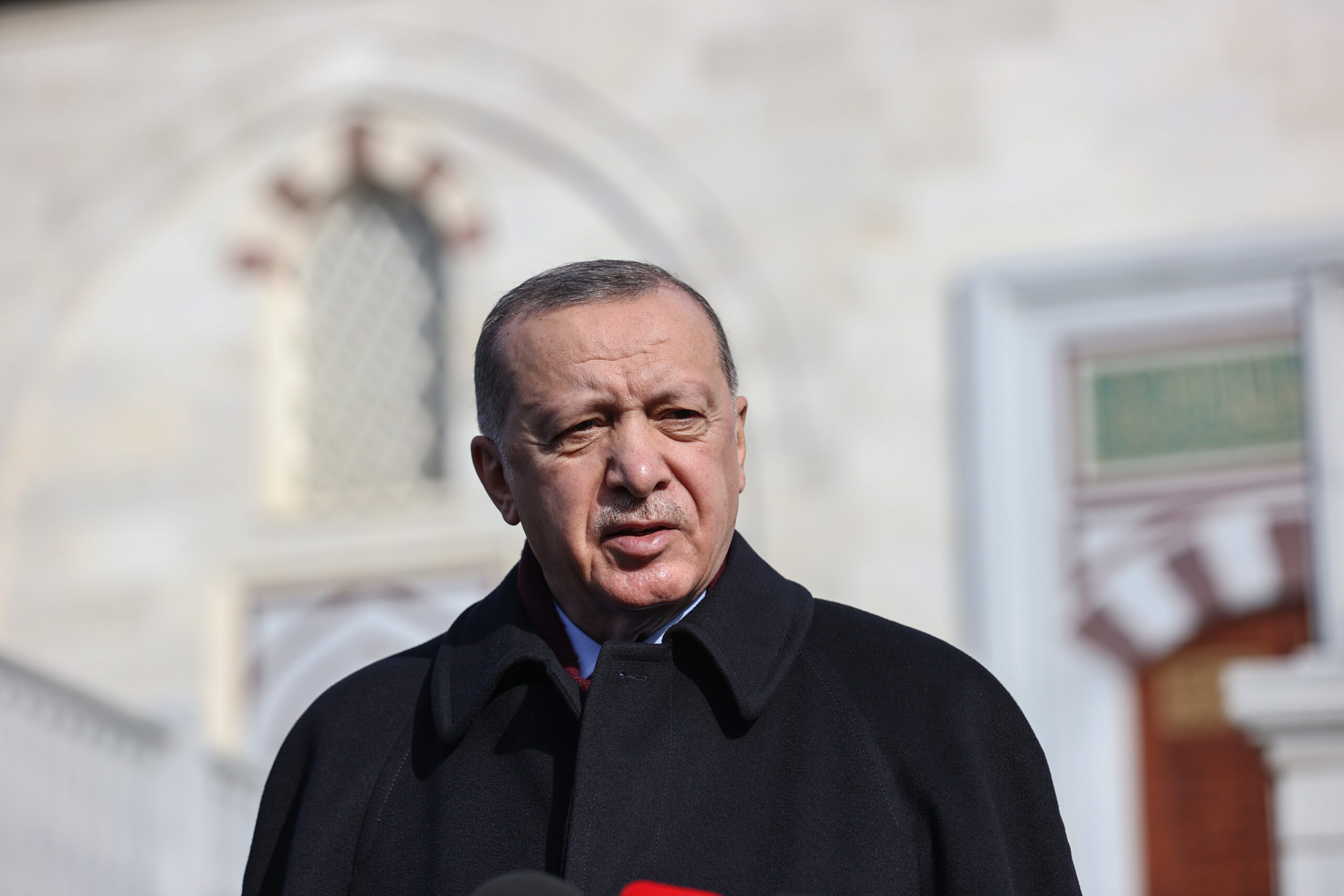
“مصادر دبلوماسية مصرية قالت في تصريحات غير علنية إنها بحاجة لرؤية التزام قوي من تركيا من أجل إجراء أي مصالحة حقيقية”.
Read MEI’s weekly briefing featuring expert analysis of key regional developments for the week ahead.
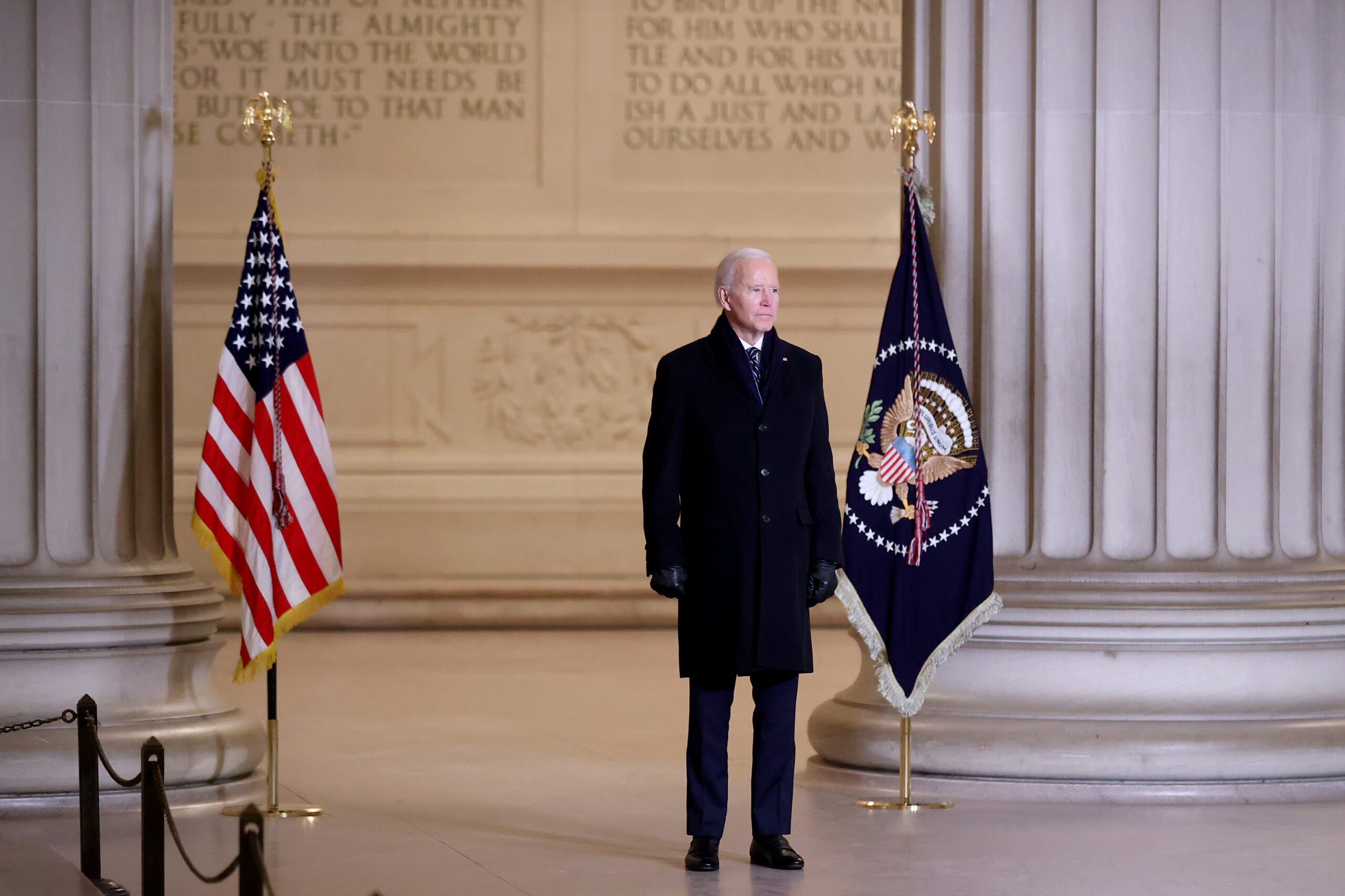
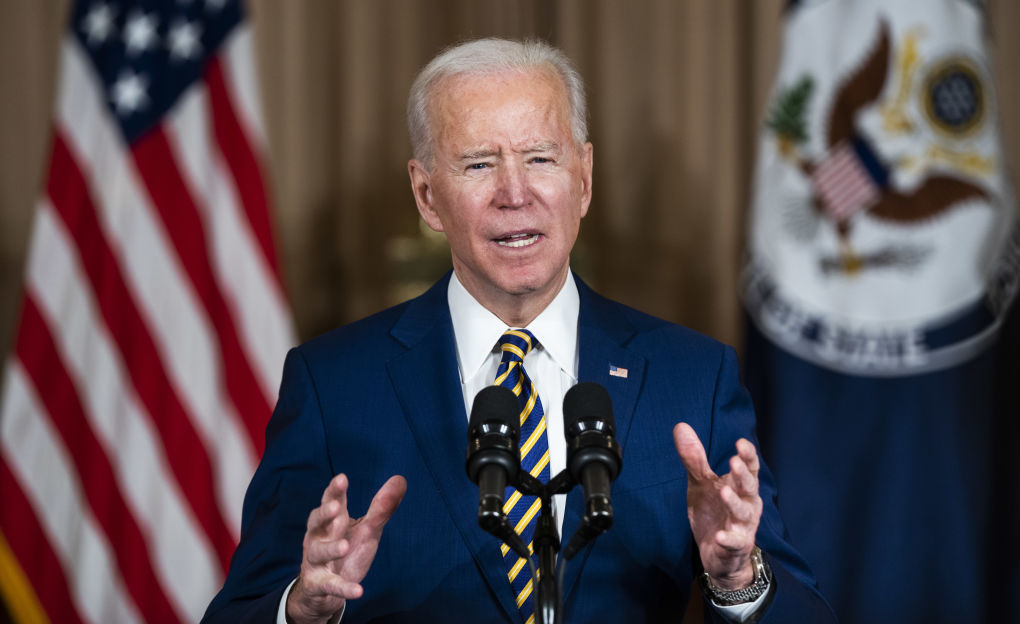
At the end of Joe Biden’s first 100 days as president of the United States, where do things stand when it comes to U.S. policy toward the Middle East and North Africa? We asked experts and scholars from across MEI to weigh in with their thoughts on the changes we’ve seen so far, the new challenges that have emerged, and what we know about the administration’s key priorities for the region.
Read MEI’s weekly briefing featuring expert analysis of key regional developments for the week ahead.
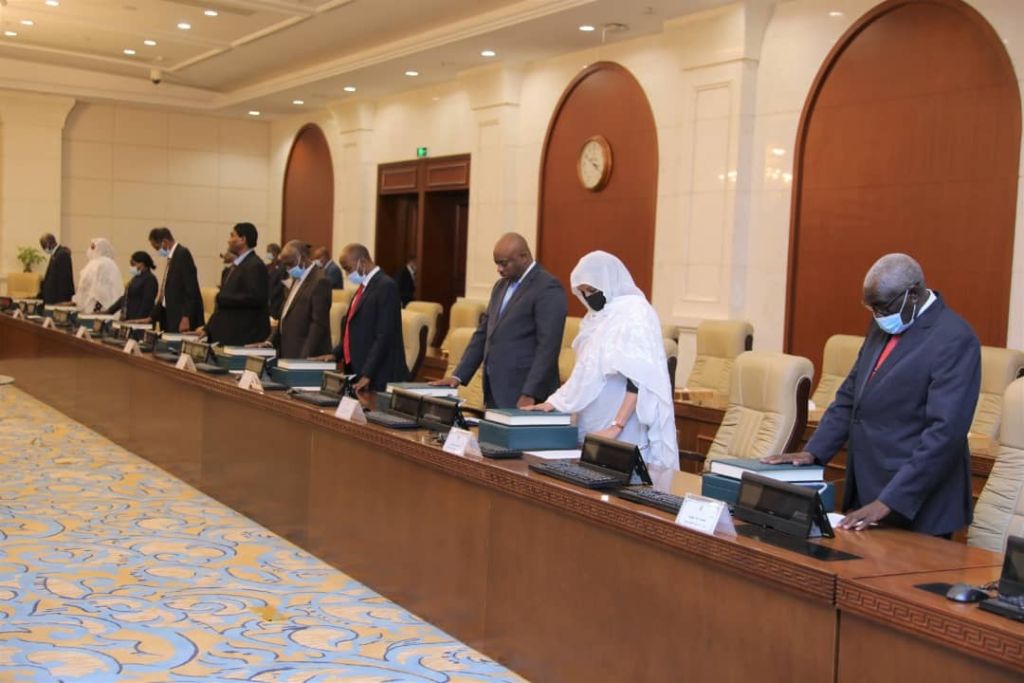
” يشهد السودان بروزًا في صورته الإقليمية، بينما تكثف مصر والسودان تعاونهما على الجبهات الدبلوماسية والاقتصادية والعسكرية”.
Read MEI’s weekly briefing featuring expert analysis of key regional developments for the week ahead.
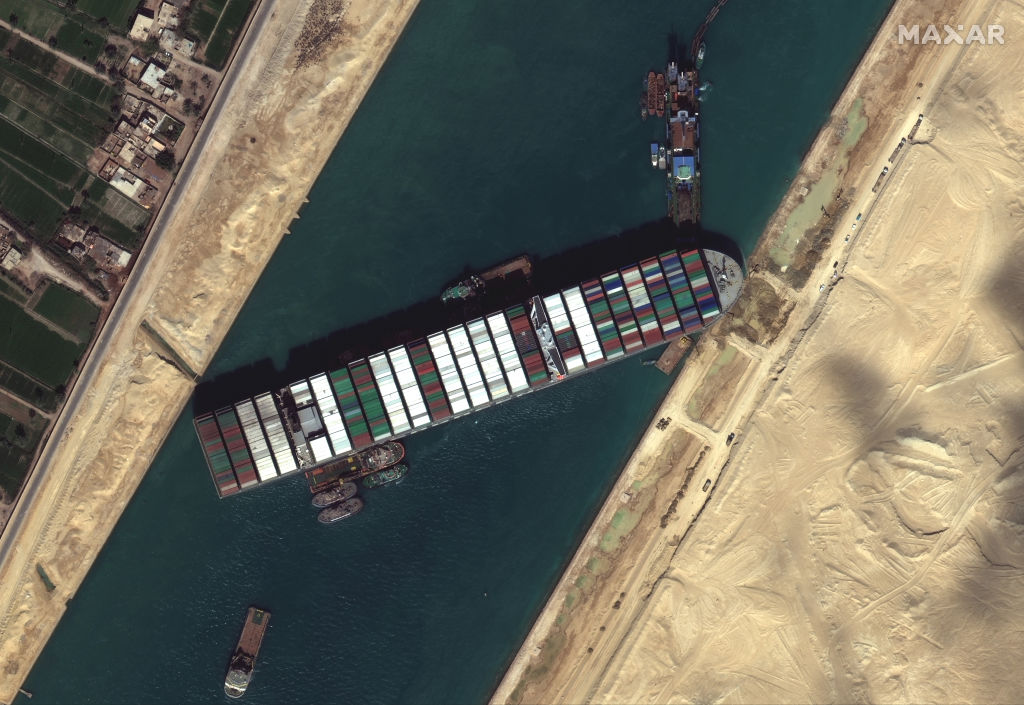
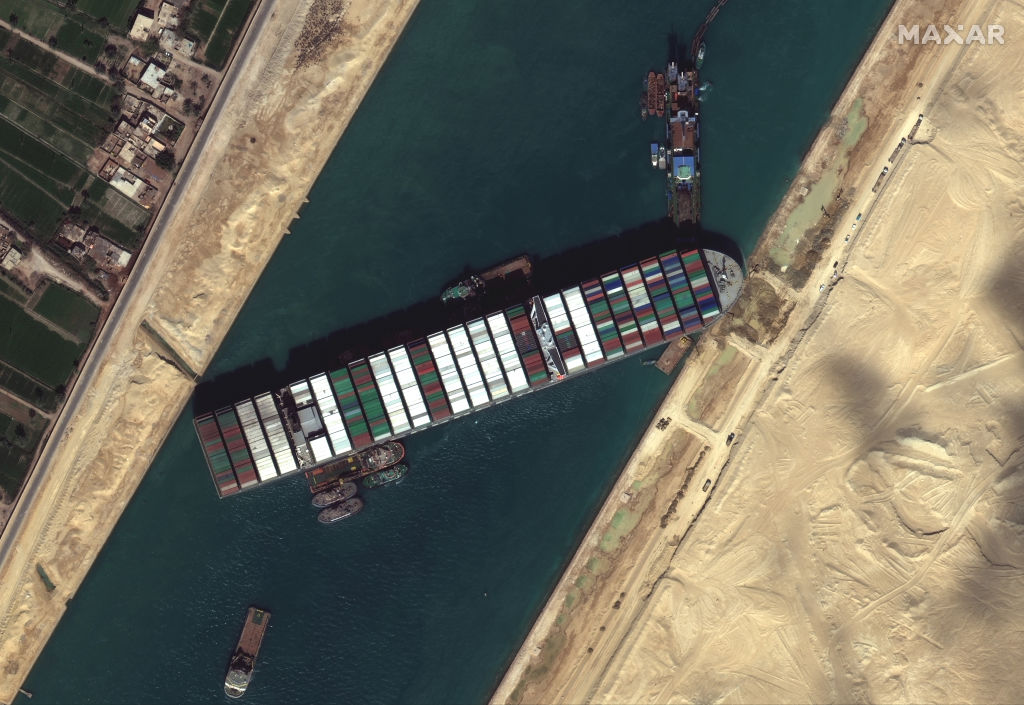
“تقدر تكلفة إغلاق قناة السويس بنحو 6 – 10 مليار دولار يوميًا. بالنسبة لمصر، تقدر الأضرار بحوالي 16 مليون دولار يوميًا والتي لا تستطيع الدولة توفيرها”.
Read MEI’s weekly briefing featuring expert analysis of key regional developments for the week ahead.
“من غير المرجح حدوث تقارب، ما لم ير المصريون تقدمًا فيما يتعلق بالقضايا التي يعتبرونها إشكالية، لا سيما ليبيا وشرق البحر المتوسط”.
Read MEI’s weekly briefing featuring expert analysis of key regional developments for the week ahead.
In a new policy briefing book, entitled The Biden Administration and the Middle East: Policy Recommendations for a Sustainable Way Forward, MEI scholars tackle a large number of country-specific and region-wide issue areas, laying out both the abiding U.S. interests and specific recommendations for Biden administration policies that can further U.S. interests amid a region in turmoil.
Expert regional analysis by MEI scholars and contributors.
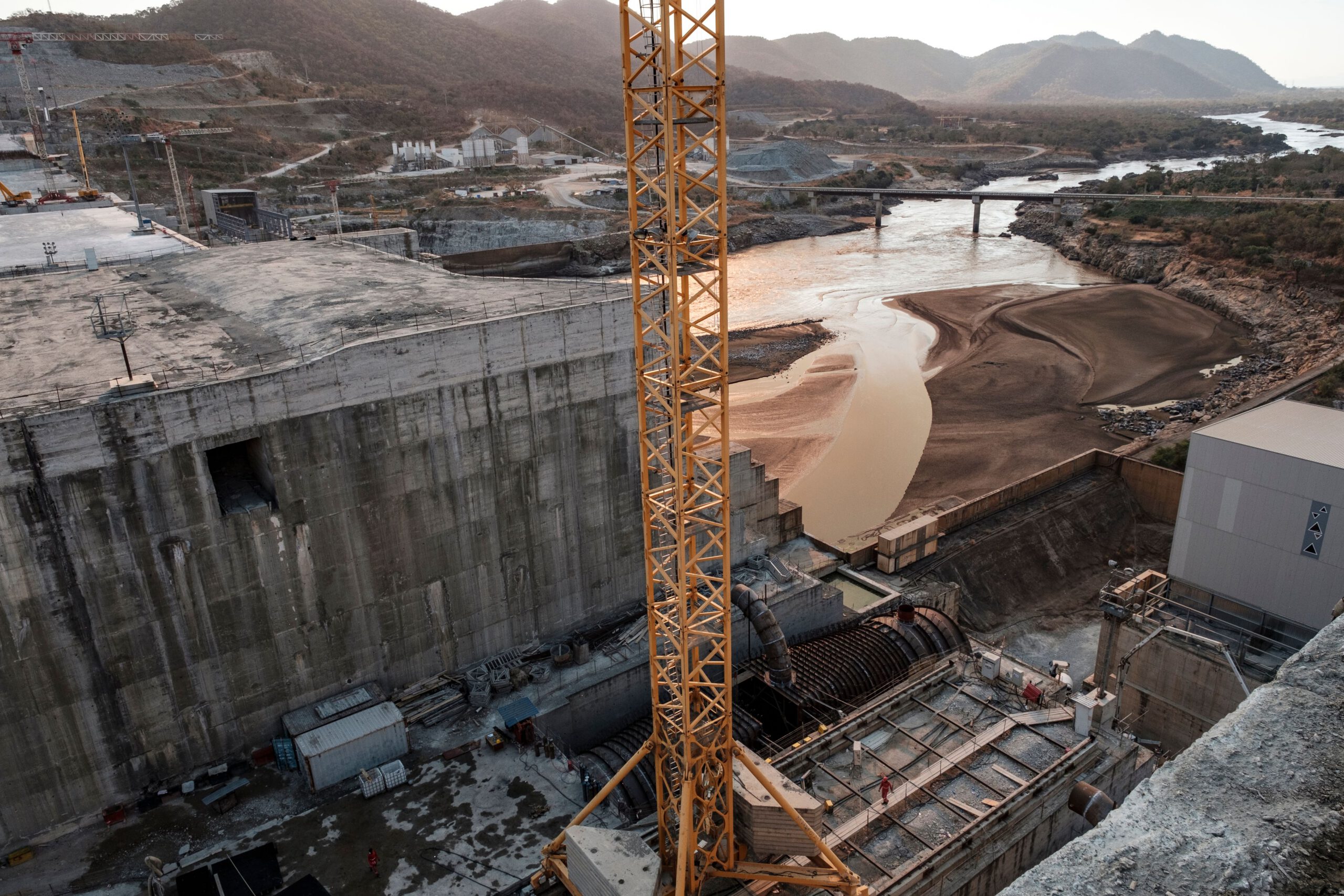
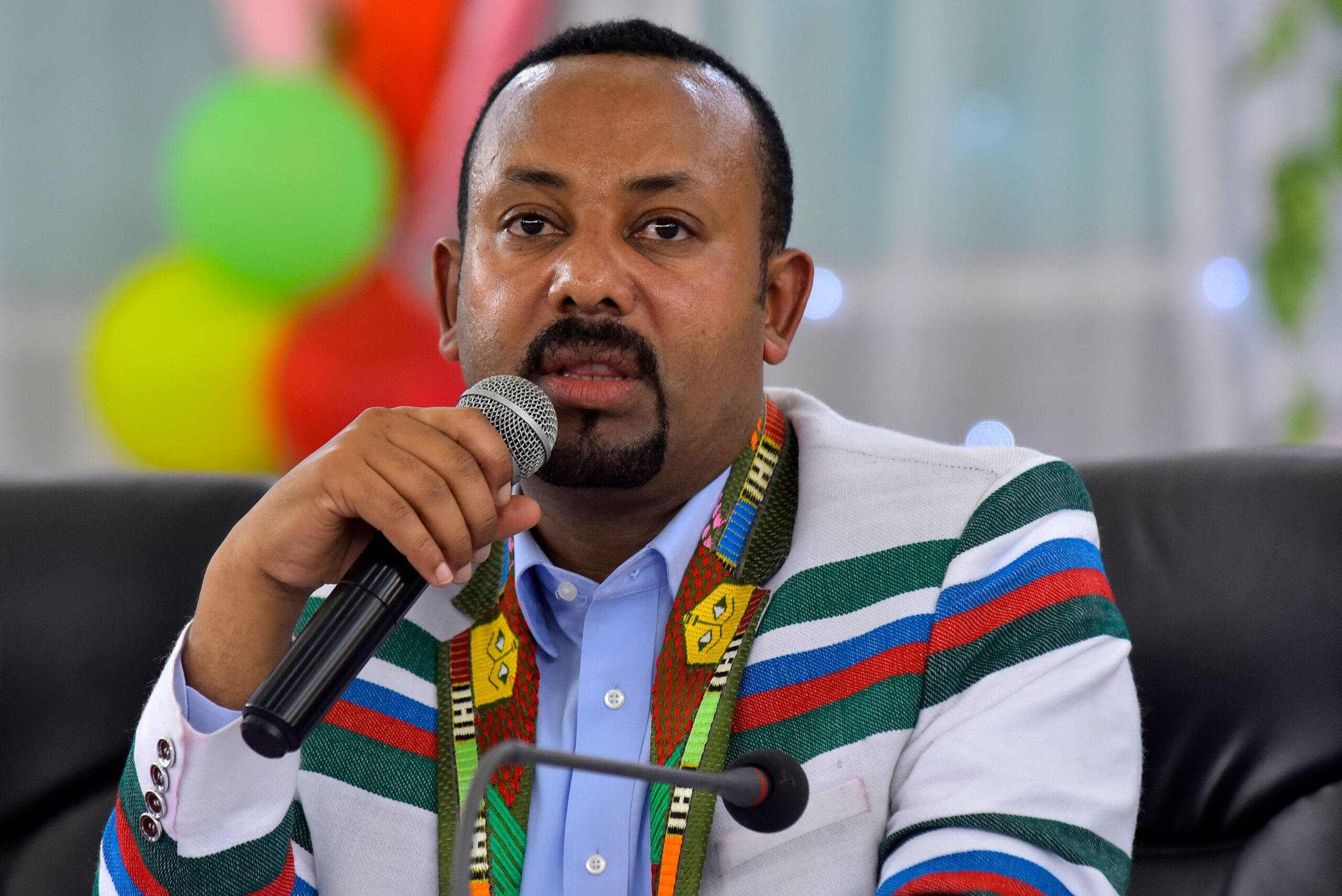
In Egypt, Ethiopia, and Sudan, coverage of negotiations around the Grand Ethiopian Renaissance Dam (GERD) has tended to consistently be in the news over the past few years. The events of the last few weeks, however, have easily pushed GERD talks to the side. On Nov. 4, 2020, Ethiopian federal government forces started pounding the Tigray region, one of 10 semiautonomous regions in the country, after Prime Minister Abiy Ahmed accused the Tigray People’s Liberation Front (TPLF) of attacking a federal base. Relations had been disintegrating after Abiy cancelled elections, due to COVID, that would have marked the end of his term. While most of Ethiopia’s ethnic minorities took umbrage, the TPLF went a step further by holding their own elections, the results of which were declared null and void by the federal government.
Contents: