Skip to Content

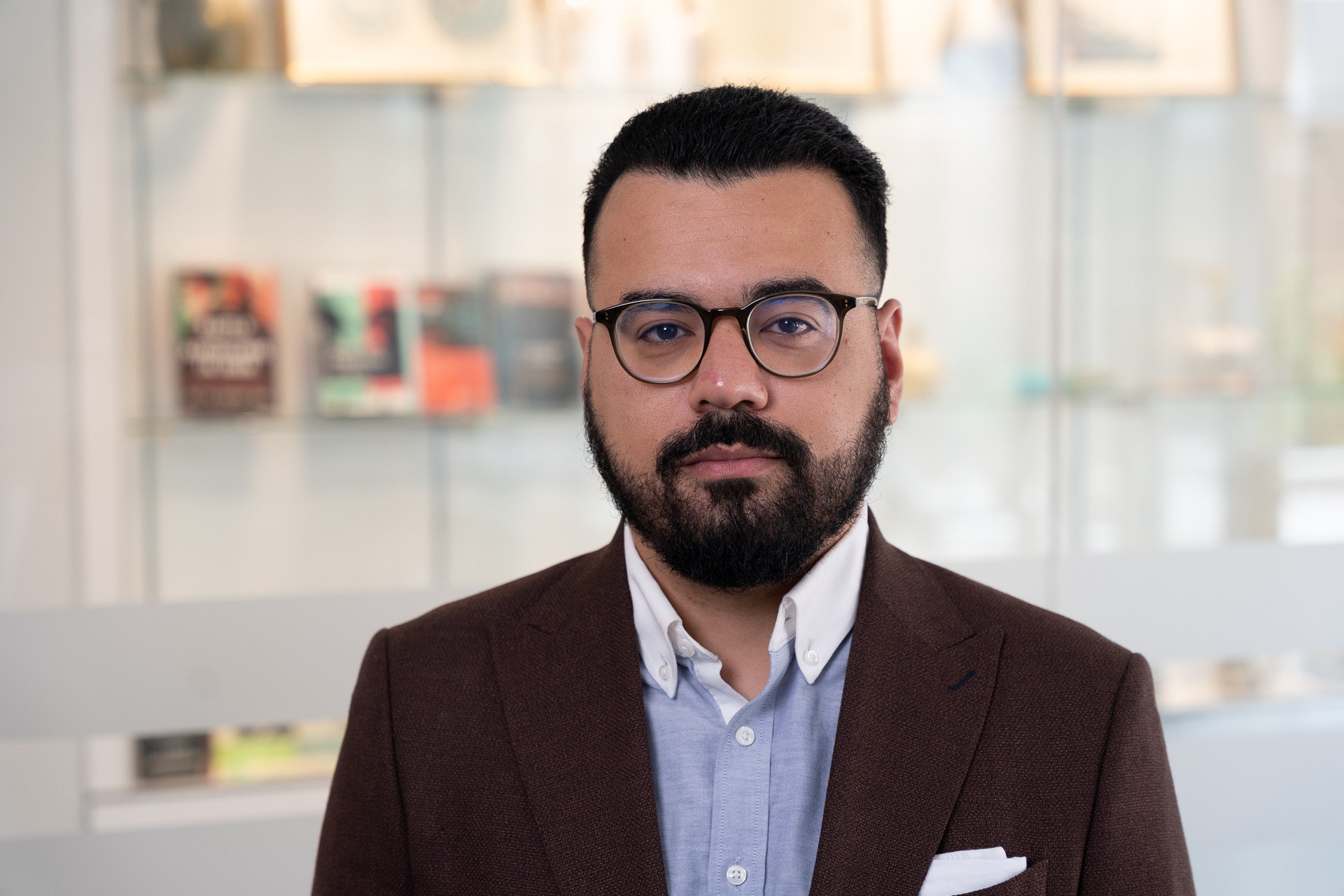
Mohammed Soliman is a senior fellow at the Middle East Institute (MEI), where he focuses on the intersection of technology, geopolitics, and business in the Middle East and other emerging markets. He is the author of the book West Asia: A New American Grand Strategy in the Middle East (Polity Press, January 2026). A trained engineer, he is a director at McLarty Associates, a global advisory firm, where he advises on strategic and policy matters at the intersection of technology, AI, finance, and energy. In addition, he is a non-resident senior fellow at the Foreign Policy Research Institute and a visiting fellow with the National Security Program at Third Way.

Prior to joining MEI, Mr. Soliman held research and policy roles at institutions including the Peace Tech Lab at the US Institute of Peace, as well as Georgetown University’s Institute for the Study of Diplomacy and School of Foreign Service, where he was a Junior Centennial Fellow. He began his career in Cairo as an engineer and consultant, advising both local and international businesses on strategy and operations.

Mr. Soliman is a frequent media commentator, with his work featured in The Financial TimesThe Wall Street JournalThe EconomistForeign PolicyForeign AffairsNewsweek, and USA Today. He has appeared on outlets such as CNN, BBC, France 24, and Deutsche Welle and regularly speaks at international conferences. His scholarly work includes numerous journal articles and book chapters on geopolitics, emerging technologies, and global economic trends.

Mr. Soliman serves on the board of advisors for Ideas Beyond Borders and the Advisory Council of the Indian Society of Artificial Intelligence and Law (ISAIL). He is a member of the Expert Advisory Group of the Global Commission on Responsible Artificial Intelligence in the Military Domain (GC REAIM) and a David Rockefeller Fellow of the Trilateral Commission.

He holds a Master of Science in Foreign Service with distinction from Georgetown University and a Bachelor of Engineering from the Egyptian Aviation Academy.

A native Arabic speaker, he also has reading and speaking knowledge of German, Persian, Spanish, and Turkish.
The Latest from Mohammed Soliman

Filter by
80 Results
The view from Vienna: OPSEC, Iran’s cyberpower, and tech decoupling
Photo by Qilai Shen/Bloomberg via Getty Images
  • Commentary
  • The view from Vienna: OPSEC, Iran’s cyberpower, and tech decoupling

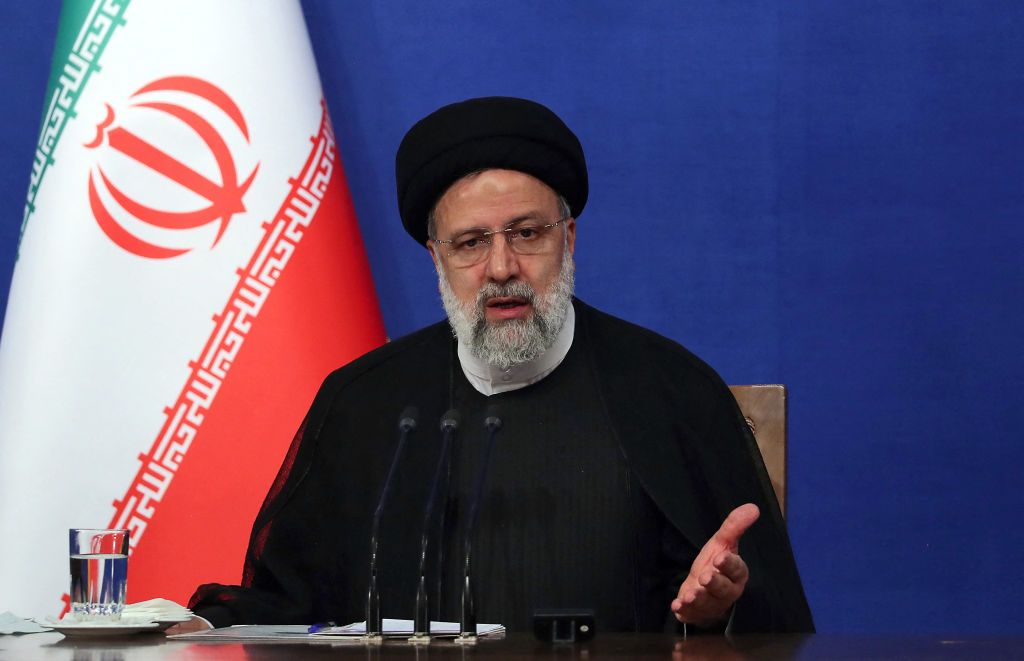
    MEI’s Strategic Technologies and Cyber Security Program participated in both the DeepIntel and DeepSec conferences in Austria this past week. Here are our reflections on the conferences, the conversations we had there, and the overall agenda.

    The I2U2 needs an ambitious tech agenda
    Photo by MENAHEM KAHANA/AFP via Getty Images
  • Analysis
  • The I2U2 needs an ambitious tech agenda

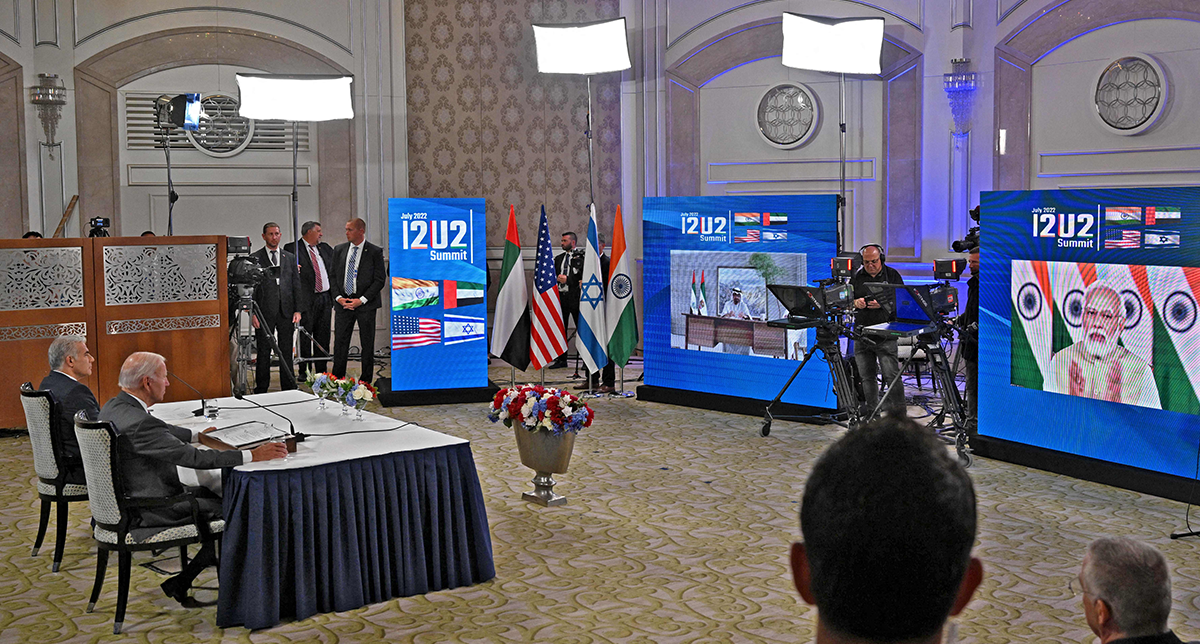
    Technology represents one potentially fruitful area where the I2U2 member states — Israel, India, the U.S. and the UAE — could cooperate together, expand their format to include more countries, deliver tangible results, and avoid agitating other global and regional powers.

    Egypt and India: Time to rebuild relations
    Photo by MONEY SHARMA/AFP via Getty Images
  • Analysis
  • Egypt and India: Time to rebuild relations

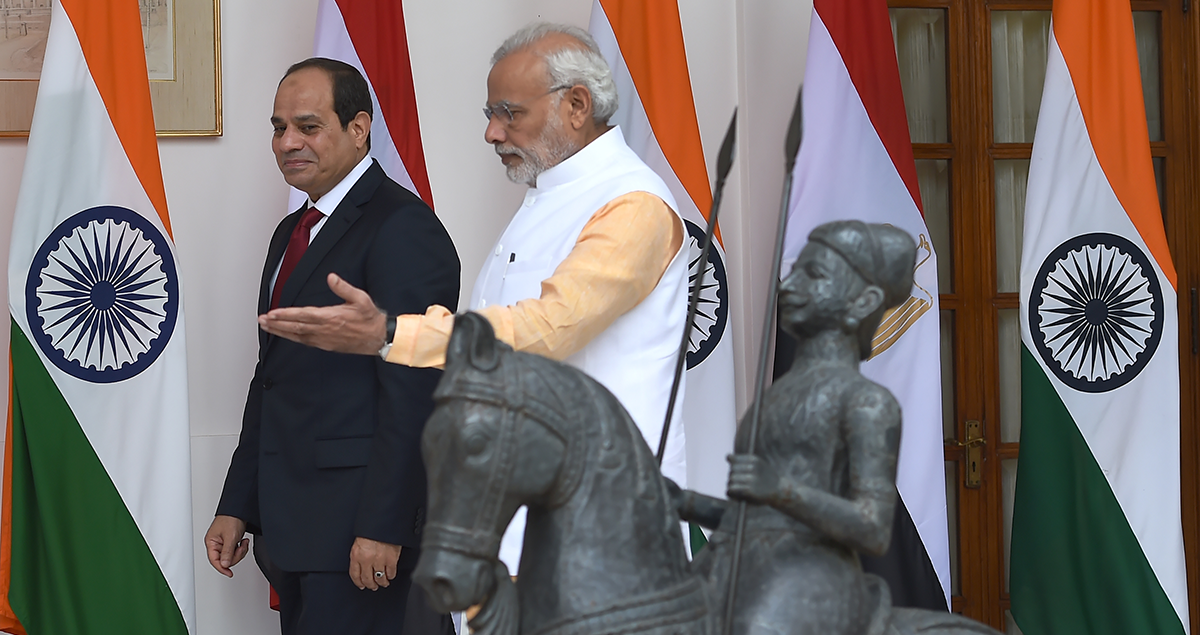
    Asia is undergoing a world-historical geopolitical transformation. The rise of the Indo-Pacific as a coherent geoeconomic and geopolitical system coincides with the rise of the “Indo-Abrahamic,” an emerging transregional order connecting India to West Asia and the eastern Mediterranean. Until now, the geographic vastness of Asia and the legacy of “divide-and-conquer” colonialism have kept the continent politically and economically fragmented. By reshaping their bilateral relations, Cairo and New Delhi can seize the opportunity to link the Indo-Abrahamic with the Indo-Pacific, thus realizing this envisioned West Asian system. 

    Drones are re-engineering the geopolitics of the Middle East
    Photo by Diego Cupolo/NurPhoto via Getty Images
  • Analysis
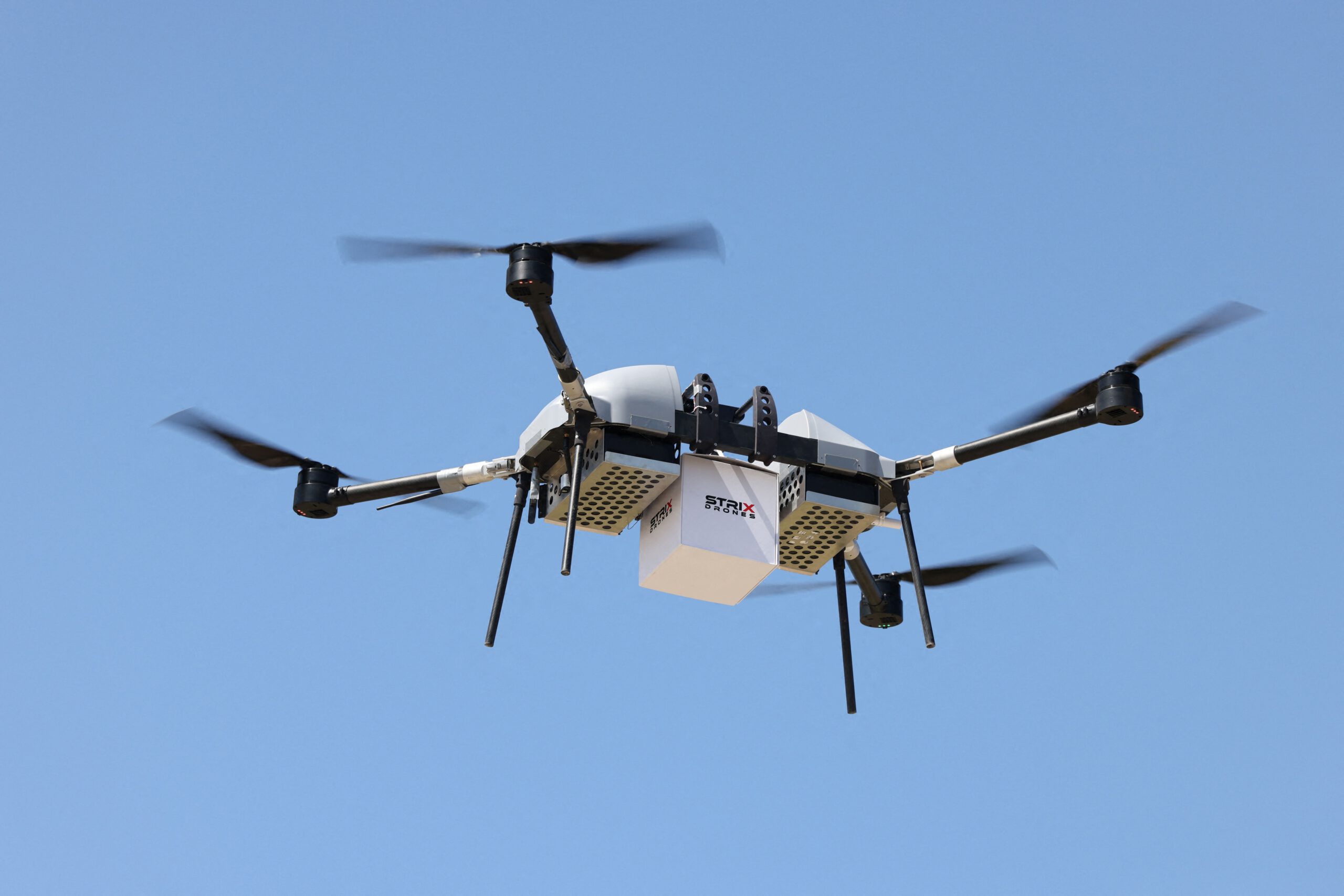
  • Drones are re-engineering the geopolitics of the Middle East

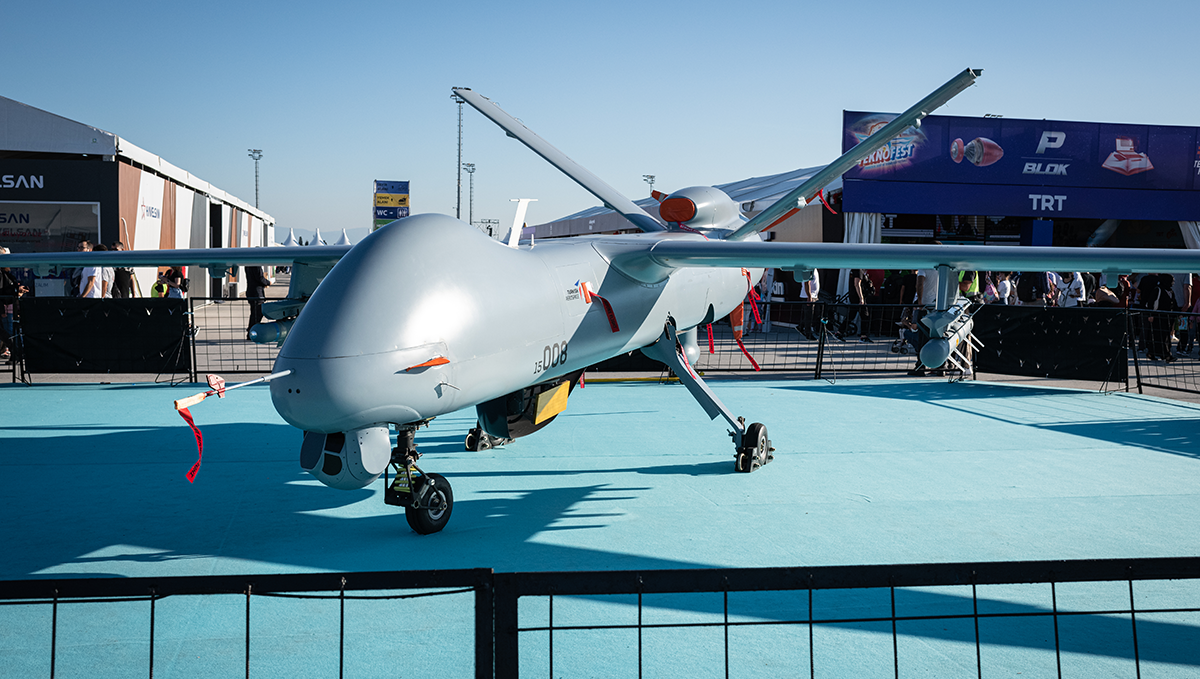
    The Middle East is experiencing a seismic shift in its geopolitics: the dawn of the era of drones. From Syria to Libya and from Yemen to Iraq, UAVs have altered the dynamics on the battlefield. Agile and affordable, drones aren’t just a menace to remote conflict zones, but also to states far removed from theaters of war.

    الخليج لديه معضلة الجيل الخامس والـOpen RAN هو المفتاح لسيادته التقنية
  • Commentary
  • الخليج لديه معضلة الجيل الخامس والـOpen RAN هو المفتاح لسيادته التقنية

    إن التوترات الاقتصادية والسياسية القائمة منذ فترة طويلة بين الولايات المتحدة والصين تستمر في الامتداد إلى قطاع التكنولوجيا، حيث جعلت القوتان العظمتان هذه الصناعة الحيوية أكثر من أي وقت مضى مسرحًا لحرب باردة جديدة. يبدو أن حدة التوتر ستزداد سوءًا في الفترة القادمة، مما قد يؤدي إلى ما وصفه البعض بانشقاق العديد من العُقَد المترابطة فيما يتعلق بتصنيع التكنولوجيا وتطويرها.

    The Gulf has a 5G conundrum and Open RAN is the key to its tech sovereignty
    Photo VCG/VCG via Getty Images
  • Analysis
  • The Gulf has a 5G conundrum and Open RAN is the key to its tech sovereignty

    Long-simmering economic and political tensions between the U.S. and China have continued to spill over into the technology sector, where the two superpowers have made this ever-more vital industry the site of a new Cold War. The acrimony looks poised to only get worse moving forward, potentially leading to a tech decoupling, and 5G is at the heart of it. Some third parties have sought to find a way to navigate this divide and the dilemma is particularly acute for the Gulf states. As they seek to balance their relationships with both Washington and Beijing, several have chosen to stake out their own territory by building an Open Radio Access Network (RAN). This initiative could be a potential solution to the current conundrum that would give states 5G sovereignty in an era of great power competition, with a digital twist.

    The return of the pharaohs: The rise of Egypt’s civilization-state
    Photo by KHALED DESOUKI/AFP via Getty Images
  • Analysis
  • The return of the pharaohs: The rise of Egypt’s civilization-state

    After decades of soul searching to define itself as a state, Egypt is building its own civilization-state and seeks to join an emerging club of nations that center historical and cultural tradition in their policy and governance structures and reject the West’s cultural dominance. The civilization-state is the prism through which Western capitals should view and understand Egypt’s domestic and foreign policy moves. 

    تحالف هندي-إبراهيمي في تصاعد: كيف تنشئ الهند وإسرائيل والإمارات نظامًا جديدًا عابرًا للإقليم
  • Analysis
  • تحالف هندي-إبراهيمي في تصاعد: كيف تنشئ الهند وإسرائيل والإمارات نظامًا جديدًا عابرًا للإقليم

    ثمة تحالف جيوستراتيجي جديد وملحوظ إلى حد ما وهو آخذ في التصاعد. لفترة طويلة، ظلت الهند وإسرائيل والإمارات تتمتع بعلاقات سطحية في مجال المعاملات، غير أن اتفاقيات التطبيع في العام الماضي بين إسرائيل والعديد من الدول العربية – وعلى رأسها الإمارات – جنبًا إلى جنب مع محاولة تركيا العودة كزعيمة للمنظومة الإسلامية والتباعد المتزايد بين الإمارات وباكستان، قد أوجدت تحالفًا غير مسبوق ولعله غير متوقع بين الهند ودول الاتفاقيات الإبراهيمية. هذا الاتفاق متعدد الأطراف قد يملأ الفجوة التي تُخلفها أمريكا في الشرق الأوسط كذا لديه القدرة على تغيير الجغرافيا السياسية والجيواقتصادية في المنطقة.

    An Indo-Abrahamic alliance on the rise: How India, Israel, and the UAE are creating a new transregional order
    Photo by JACK GUEZ/AFP via Getty Images
  • Analysis
  • An Indo-Abrahamic alliance on the rise: How India, Israel, and the UAE are creating a new transregional order

    There is a new and little noticed geostrategic alliance on the rise. India, Israel, and the UAE have had surface-level, transactional relations for a long time. However, last year’s normalization agreements between Israel and several Arab states — chief among them, the UAE — along with Turkey’s bid to return as the leader of a Muslim order and the growing distance between the UAE and Pakistan have created an unlikely and unprecedented “Indo-Abrahamic“ transregional order. This emerging multilateral pact may fill the gap the United States is leaving in the Middle East and has the potential to transform the region’s geopolitics and geoeconomics.