This individual is a guest contributor. MEI is not able to assist with contact requests.
Nabil Mohsen is an Intern at the Middle East Institute’s Oman Library. He is a determined learner who enjoys his studies in politics and is interested in Islamic history, architecture, and ceramics.
Mid-year review: Key regional developments in 2020
MEI’s Paul Salem and Randa Slim join host Alistair Taylor to discuss the main trends and developments across the region over the first half of 2020, and what to watch for in the months ahead.
حلقة 3: الشباب والمجتمع المدني العراقي — مع رشا العقيدي وحيدر الشاكري
ما هو دور المجتمع المدني العراقي اليوم؟ ما هي تحدياته وفرصه؟ أين وصلت مطالب احتجاجات أو ثورة تشرين؟ كيف يمكن أن توفّق المجموعات العراقية بين حاجتها للتمويل الدولي و استجابتها لمطالب محلية؟ كيف يتعاطى الشباب والمجتمع المدني العراقي مع الانقسام الطائفي؟ هل هناك فرق في الأولويات بحسب المناطق كبغداد والموصل؟
New old dynamics at play in the Armenia-Azerbaijan conflict
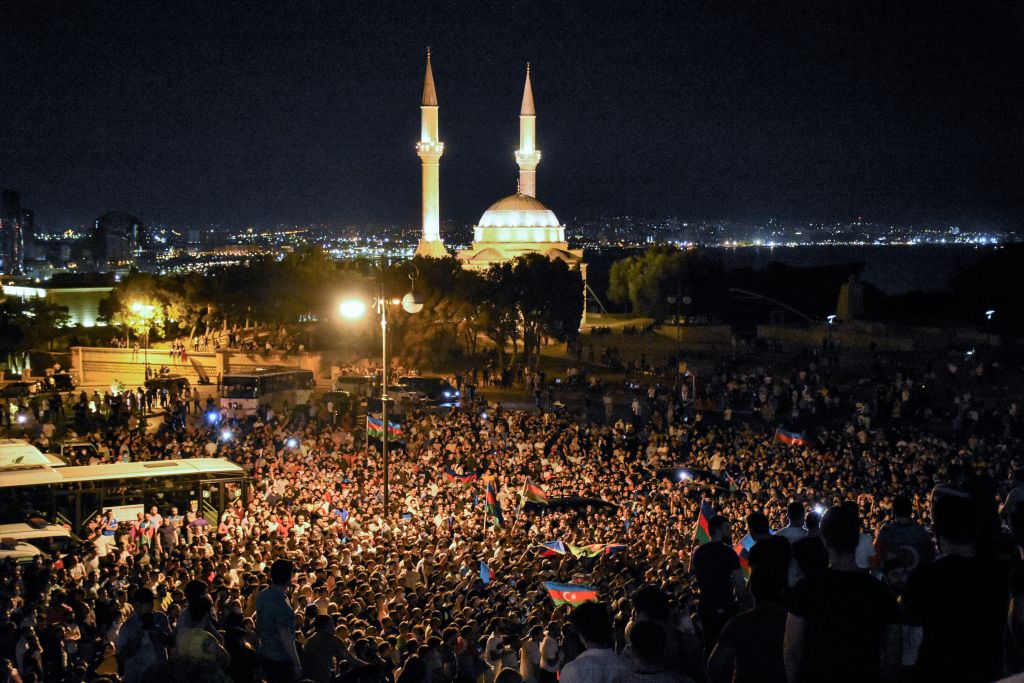
There are two countries in Europe which have been at war with one other for three decades. Last week Armenia and Azerbaijan were fighting again. At least fifteen soldiers, including an Azerbaijani general and one civilian, were killed in clashes across their northern border between the towns of Tavush and Tovuz. After a brief lull, firing from heavy weapons resumed on July 16.
What’s behind the wave of mysterious incidents in Iran?
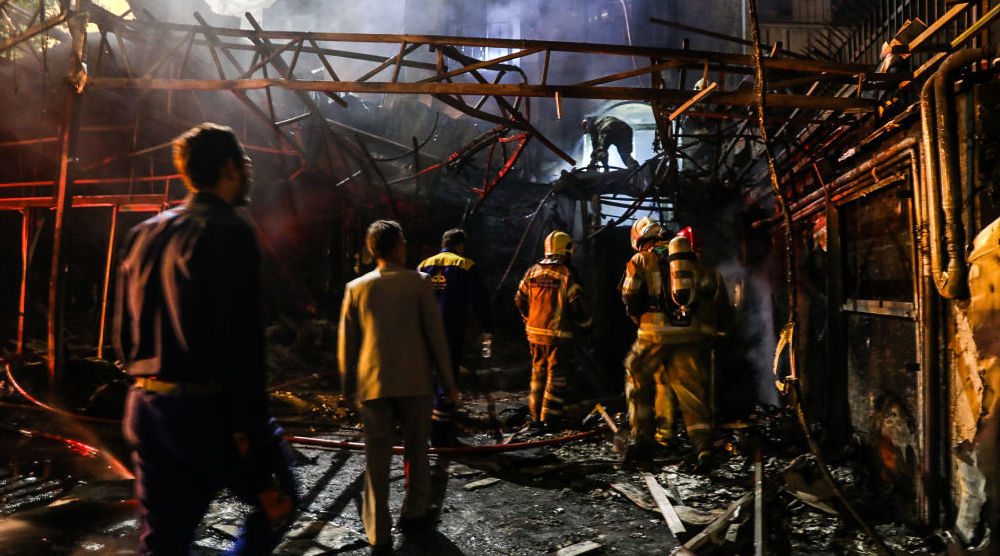
On the 10th anniversary of the discovery of the Stuxnet computer virus, designed by the U.S. and Israel to target Iran’s nuclear program, the Islamic Republic is facing a new wave of unclaimed acts of sabotage.
HTS and al-Qaeda in Syria: Reconciling the irreconcilable
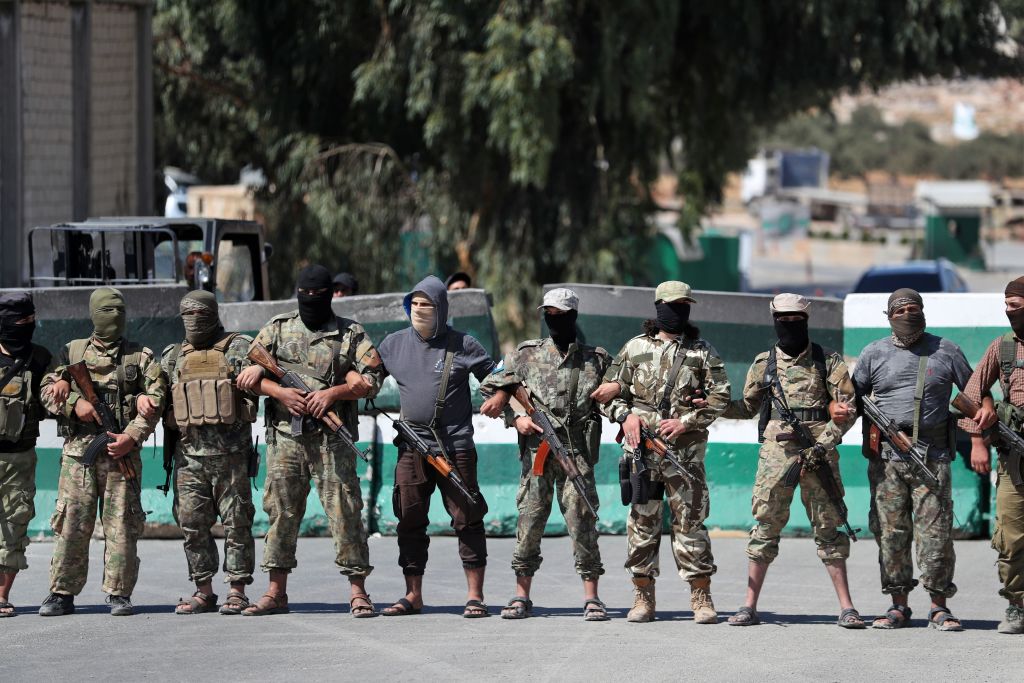
HTS launched multiple raids on SBS, forcing its factions to close their military bases and banning the formation of any new factions or operations rooms. In doing so, it has killed two birds with one stone: demarcating new redlines for its rivals and demonstrating its usefulness to its Turkish “partner” and the international community in their war on terrorism.
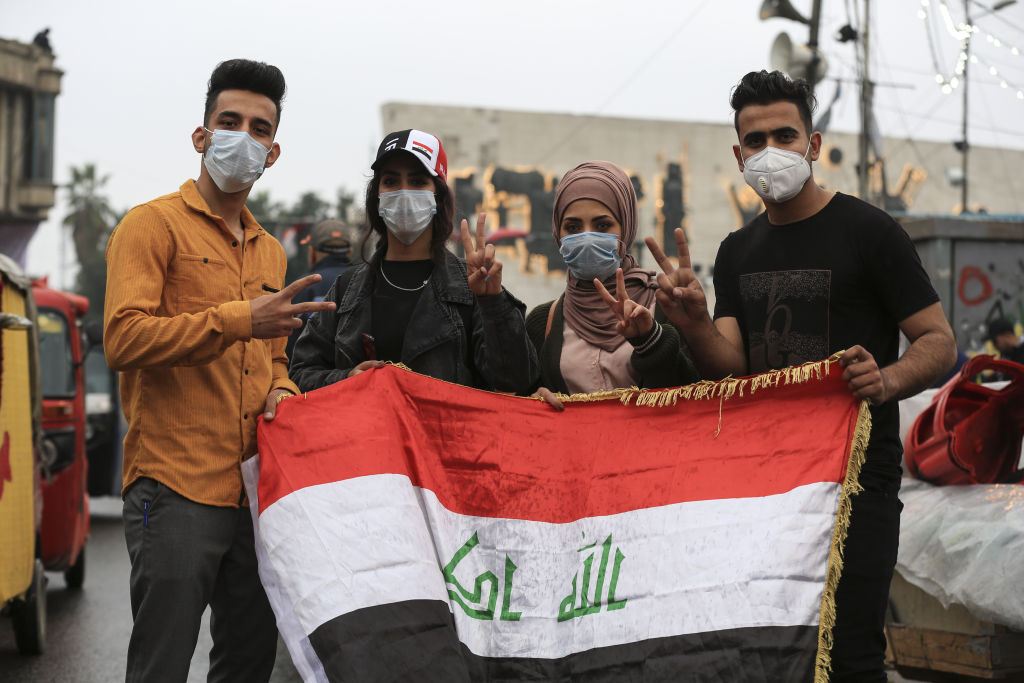
The nationwide protests that erupted in October 2019 shifted the political landscape and paradigm of Iraqi political participation: Led by motivated Iraqi youth in their teens and twenties with no previous civic experience, they signal a rejection of the post-2003 sectarian patronage system, known as muhassasa, that has failed to deliver security, economic development, or basic services. The protest movement’s spontaneity and authenticity are its core strength; no public figure or party directed the waves of protests across central and southern Iraq.
Lebanon is standing on one leg; the US needs to support it
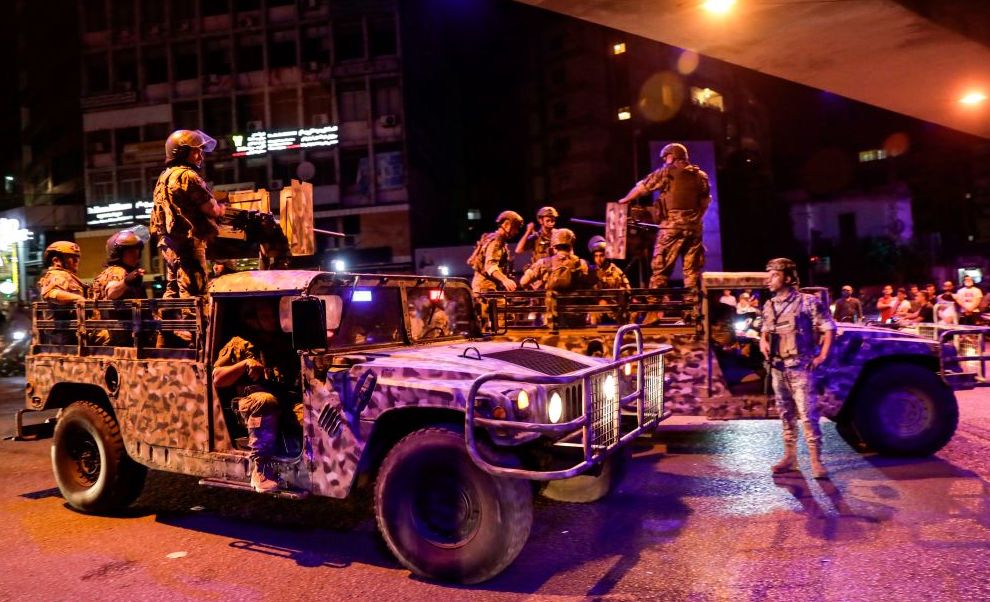
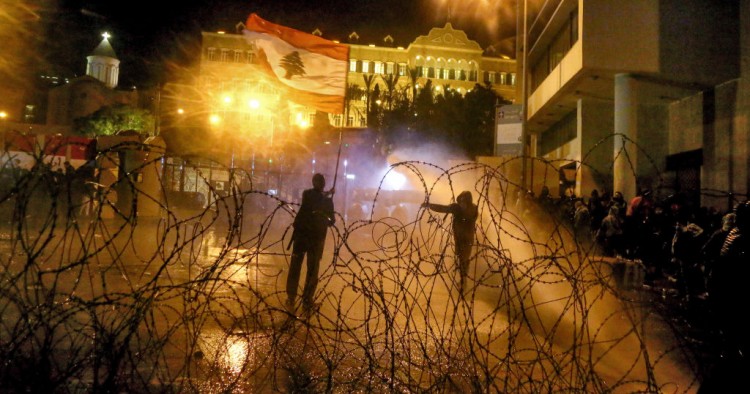
Over the past decade, the two main pillars of Lebanon’s stability have been the country’s army and its banking sector. Today one of those pillars — the banking sector — has all but fallen and Lebanon is standing on one leg: its army.
Washington’s response to counterrevolutionary agendas in Libya
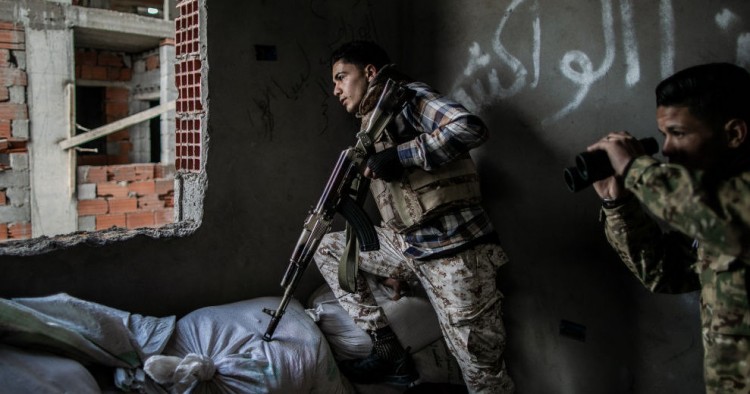
Throughout Donald Trump’s presidency, the U.S. has largely retreated from a leadership role in the MENA region, resulting in Washington mostly outsourcing its Libya foreign policy to Egypt, Russia, and Washington’s partners in NATO and the GCC. Yet the U.S. diplomatic establishment is growing frustrated with the beleaguered North African country’s ongoing turmoil, as Washington increasingly sees Egypt and the UAE as undermining American interests in Libya.
The Chinese Islamic Association in the Arab World: The Use of Islamic Soft Power in Promoting Silence on Xinjiang
This article analyzes the coverage by Arabic-language Chinese state media of the Chinese Islamic Association’s activities following three key dates during Beijing’s increased securitization in Xinjiang. The article sheds light on the three-pronged approach that the state-led Chinese Islamic Association has used to craft the Xinjiang narrative for an Arabic-speaking audience: defending the uniqueness of Chinese Islam and warning of the threat of foreign influence; engaging in “Hajj diplomacy”; and conducting exchanges with Muslim leaders and Islamic institutions.
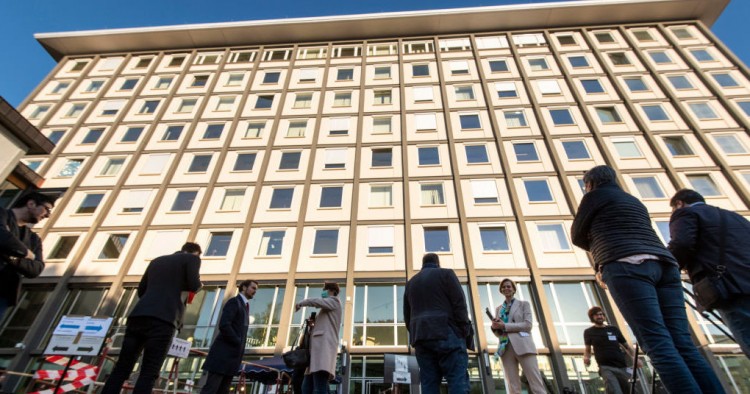
The road to accountability in Syria will undoubtedly be long, difficult, and imperfect. However, in recent years and even months, there have been tangible steps taken toward criminal accountability, particularly in Europe.
Lebanon Policy Paper: Recommendations for a Sustainable Bilateral Relationship
Lebanon is on the brink of collapse due to its domestic economic and political crises, exacerbated by the COVID-19 pandemic. Another failed state in the Middle East would negatively impact strategic U.S. interests in the region. Lebanon requires a thorough reorientation towards stability and renewed socio-economic sustainability which entails fundamental domestic reforms and targeted international support led by the U.S.