This individual is a guest contributor. MEI is not able to assist with contact requests.
Nabil Mohsen is an Intern at the Middle East Institute’s Oman Library. He is a determined learner who enjoys his studies in politics and is interested in Islamic history, architecture, and ceramics.
Prospects for U.S.-Iran Relations on the Nuclear Issue in the Year Ahead
Principal Authors: Allen Keiswetter and Roby Barrett
Contributing MEI Scholars and Guests:
Geneive Abdo, Reza Akbari, Roby Barrett, Charles Dunne,Philip Frayne, George Harris, Mark N. Katz (George Mason University), Allen Keiswetter, David Mack, Melissa Mahle (C&O Resources), Richard Murphy, Greg Myre, Michael Ryan, Paul Scham, Daniel Serwer, Alex Vatanka, Marvin Weinbaum, Wayne White, Philip Wilcox, Molly Williamson
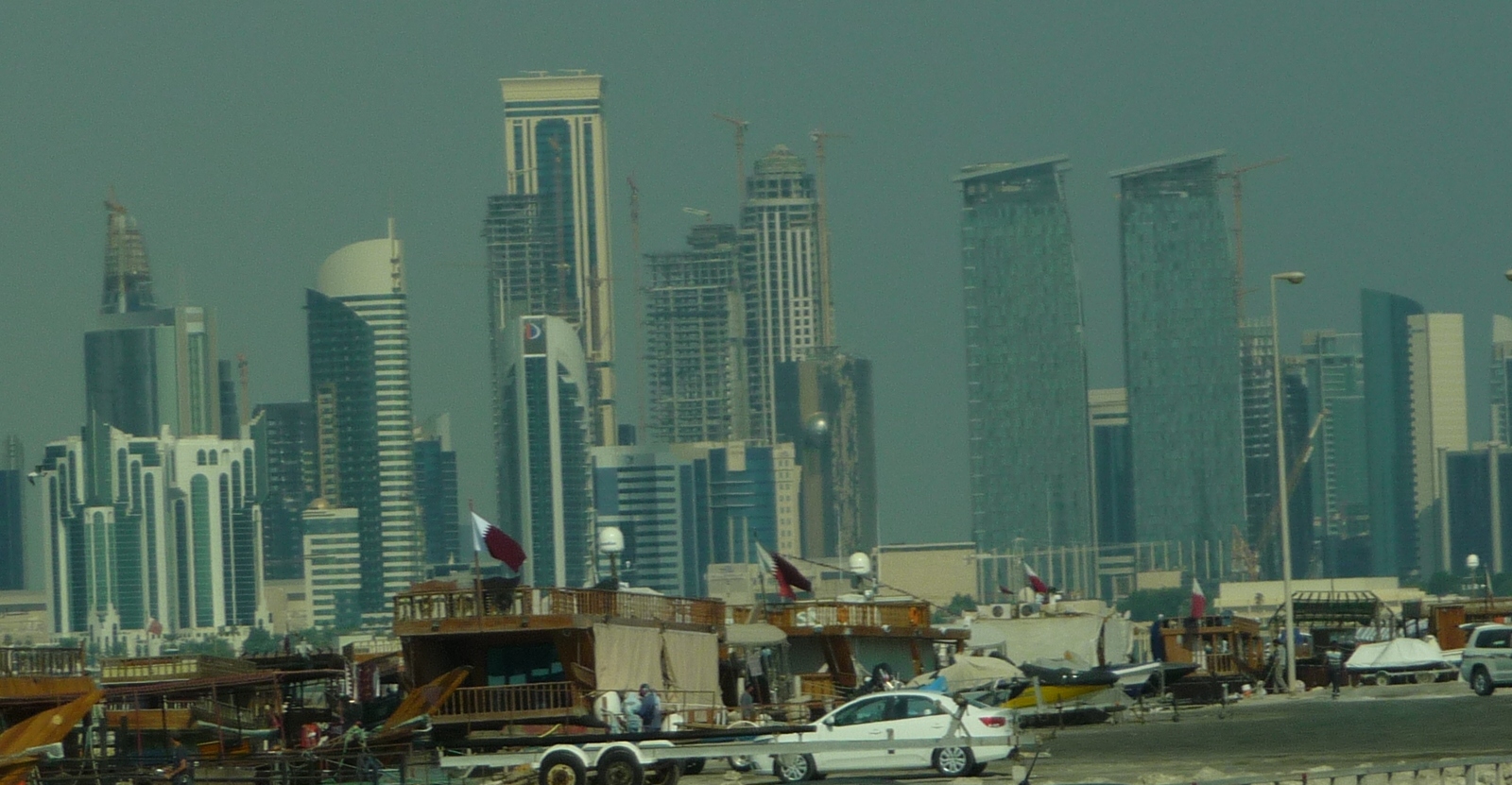
Higher Education Reform in the Arab World: The Model of Qatar
Higher education—and its successful reform—is essential to the long term stability and prosperity of the Arab world. The youth uprisings which triggered the Arab Spring in Tunisia and Egypt have highlighted the urgency of defusing the region’s ticking demographic time bomb: young, growing populations facing uncertain futures. To combat high unemployment and sluggish private sector growth, the Arab world must focus on building a knowledge society quickly in order to create three million more jobs annually than it currently generates, according to World Bank estimates.