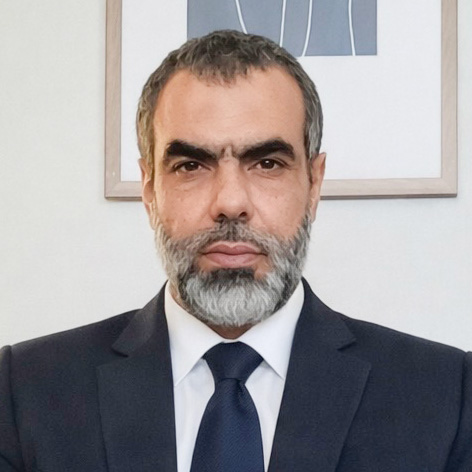
Nabil Mohsen is an Intern at the Middle East Institute’s Oman Library. He is a determined learner who enjoys his studies in politics and is interested in Islamic history, architecture, and ceramics.
The Latest from Nabil Mohsen

The Economic Determinants of Arab Democratization
- Introduction.
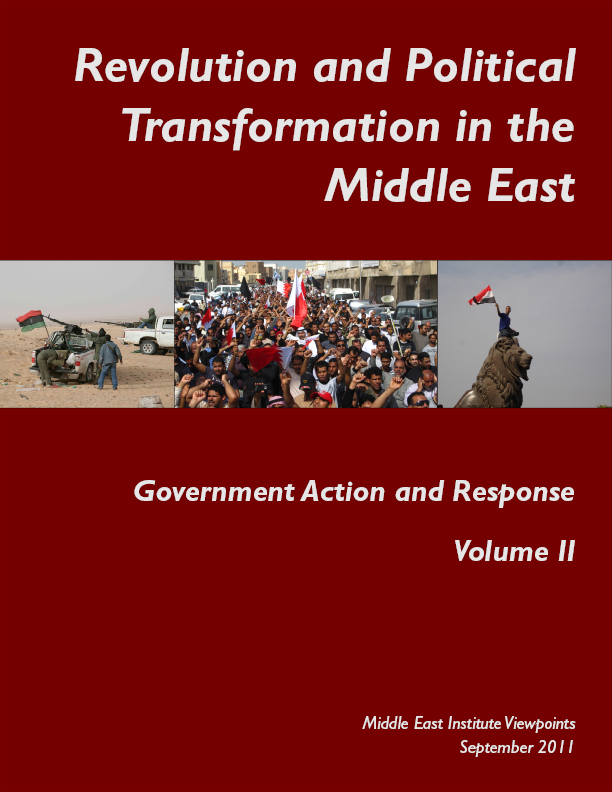
Introduction to Revolution and Political Transformation in the Middle East: Government Action and Response
Originally posted September 2011
On August 21, 2011, rebel forces in Libya rolled into the capital Tripoli, seemingly finishing off months of armed combat and foreign intervention and bringing down yet another Arab head of state. At the same time, sporadic but violent repression of protests in Syria continues, while other states remain calm or have seen their protest movements fizzle. We open this second volume of our series, Revolution and Political Transformation¸ at a time of uncertainty and transition for the region.
The United States and the Arab Pro-Democracy Insurrections
Originally posted September 2011
The Monotony of History
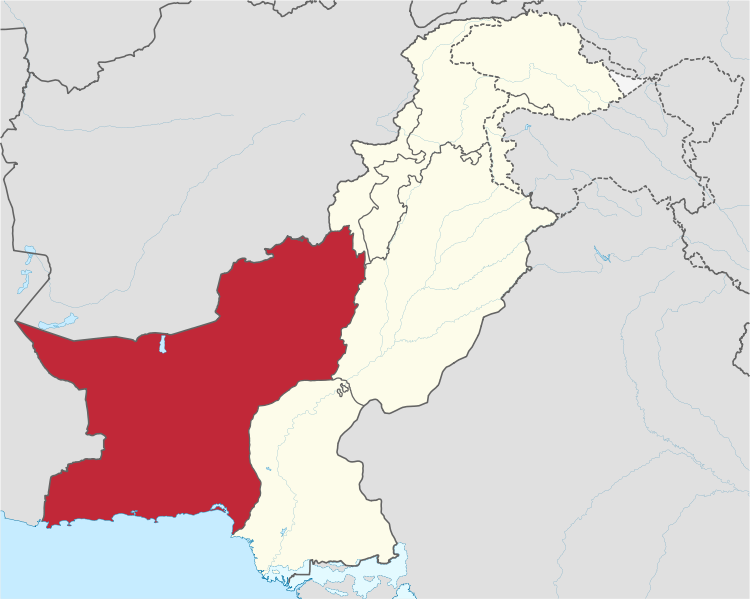
The state of Pakistan seems incapable of learning from its experiences in former East Pakistan (now Bangladesh), and seems therefore doomed to repeat history when it comes to addressing the grievances of Balochistan. Home to nearly ten million of the 180 million-strong population of the country (an estimate at best, since the last census was in 1998), the province has the smallest population in the country but the largest land area.
Insights from Egypt's First Round of Voting
Definitive election results are not yet available, but Stacher and Elmenshawy will analyze early polling data regarding the performance of Egypt's Islamist, liberal and youth parties, as well as examine election turnout and the role of the military. The November 28 poll is the first of three, and marks the first time since a popular uprising ended former President Hosni Mubarak's 30-year rule that millions of Egyptians voted to establish a parliament.
Why War Reporters Go Solo, Despite the Risks
In his article for NPR.com, Middle East Institute scholar Greg Myre examines the new dynamics of war reporting. As the nature of warfare shifts from traditional army-to-army combat to more assymetrical government vs. non-state opposition warfare, journalists are having to embed – alone – with rebels groups in order to get the story. In the wake of multiple journalist deaths in Syria, Myre looks at the increasing risk faced by war correspondents in covering the front lines of conflict.
Reflections on the Role of American Universities in the Middle East
American higher education has been present in the region since 1866, when the American University of Beirut set the precedent for successful localization by planting roots and adapting to local society. Today, Arab governments themselves often direct and fund the cross-cultural educational export process, with far-reaching economic and social goals. For example, Qatar's U.S. branch campuses are an integral part of its broad education reform strategy designed to transform the country into a knowledge producing society. The UAE, in contrast, has adopted a business-model view of U.S.
Alliance with Egypt is Key for U.S.
This Opinion first appeared in Politico on March 1, 2012
Saudi Arabia on the Edge: The Uncertain Future of an American Ally
Of all the countries that are vital to the strategic and economic interests of the United States, Saudi Arabia is the least understood by the American people. Today's Saudis, far better informed than previous generations, are looking for new political institutions that will enable them to be heard, but these aspirations conflict with the kingdom's strict traditions and with the House of Saud's determination to retain power. Meanwhile, the country wishes to remain under the protection of American security but still clings to a system that is antithetical to American values.
No End In Sight: Syria After the UN Vote
Following last week's Russian-Chinese veto of an Arab-backed U.N. resolution, the international community is struggling to find ways to stem the ongoing violence and bloodshed. European states are considering a fresh round of sanctions, while Turkey says it's preparing a new initiative to address the crisis. Nerguizian, Slim and Yacoubian will discuss the international community's options, as well as examine the status of the Syrian opposition and the role of regional players.
The Nexus between Renewable Energy and Power Sector Reform in Abu Dhabi
Introduction
Reflections on Palestinian Unity, the Statehood Bid, and Prospects for Peace
In the wake of the February 6 announcement that Palestinian President Mahmoud Abbas will head an interim unity government there is renewed hope for political cooperation between rival parties Fatah and Hamas. The formation of the unity government however threatens U.S. aid to Palestine, as the United States has said that it refuses to send money to Hamas, which it considers a terrorist organization. The PLO's continued pursuit of statehood recognition in the UN Security Council has also isolated it from the United States even as it earned popular and international support.
Turkey's Other Troublesome Neighbor
This Opinion first appeared in the National on March 5, 2012
Kurdish Issues: Turkey and the Kurdistan Regional Government in a Changing Middle East
The Arab Spring has driven a wedge between Turkey and its once-close allies, Iran and Syria. Ankara's ties with Baghdad are strained, as well. Panelists will address the impact of external upheaval on Turkey's internal Kurdish issue and examine the situation in the context of Turkey's changing relationship with the Kurdistan Regional Government (KRG) of Iraq. Given the realities of the new regional dynamics, what are the prospects for Turkey's "Kurdish Opening?" What impact will increased bilateral Turkey-KRG cooperation have on the security situation?