This individual is a guest contributor. MEI is not able to assist with contact requests.
Nabil Mohsen is an Intern at the Middle East Institute’s Oman Library. He is a determined learner who enjoys his studies in politics and is interested in Islamic history, architecture, and ceramics.
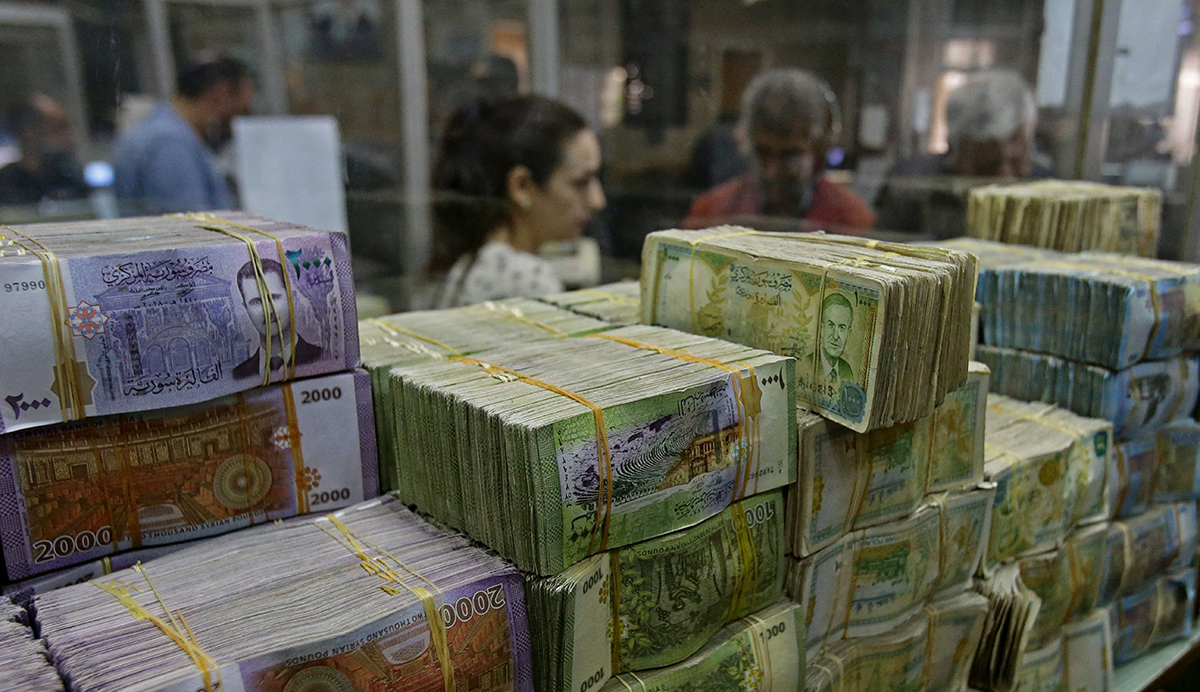
Syria’s economic freefall continues despite Arab League return
Syria’s dramatic readmission into the Arab League in May was perceived as a turning point for the country’s fortunes. Although Damascus may have come in from the cold diplomatically, there has been little change on the economic front, where the situation remains dire. Since the start of May, the Syrian pound has lost over 70% of its value and shows no sign of stabilizing.
Kawkaba: Highlights from the Barjeel Art Foundation, a new exhibition of works by artists from across the Middle East and North Africa that opened recently at Christie’s in London, bears the name of the Arabic word for constellation. Fittingly, it shines a light on the region’s mid-century moment when art was often part of a process of post-colonial nation building. The exhibition is a star-studded journey through the region’s 20th century histories and aesthetics, showcasing lesser-known artists along with the greats.
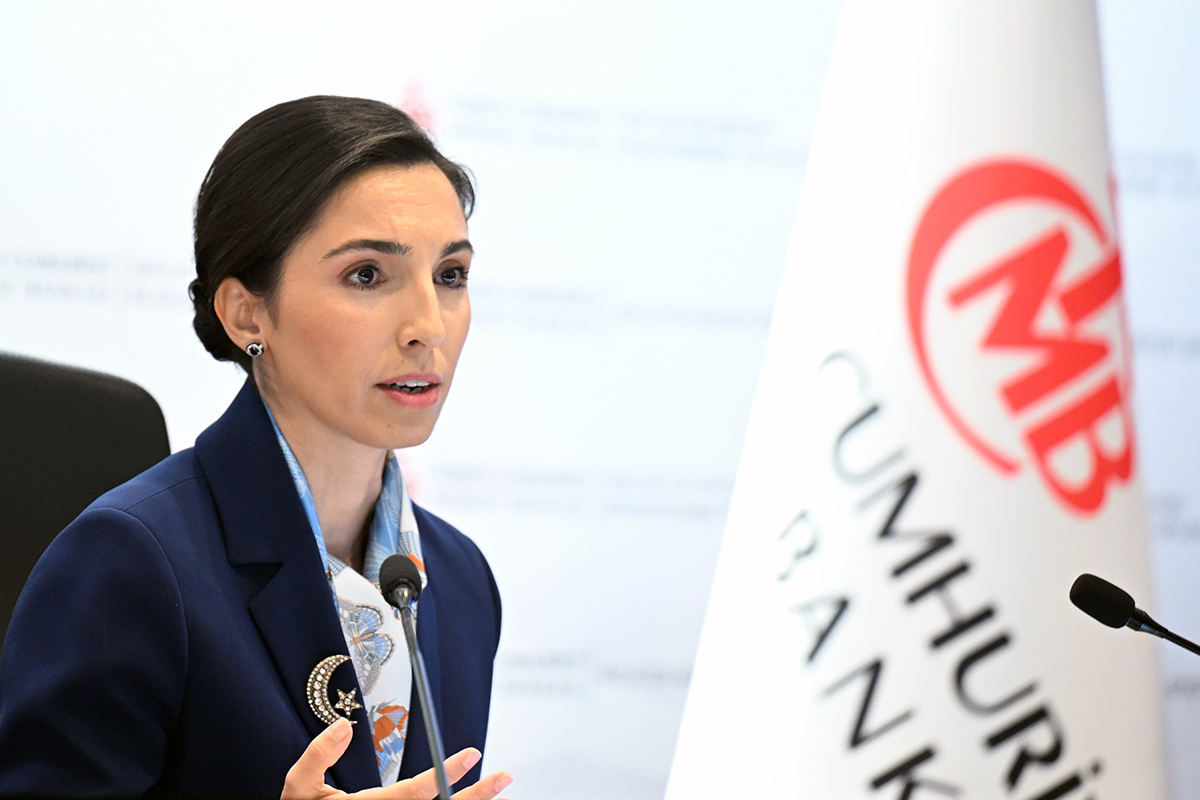
The successes and failures of Turkey’s new economic team
It has been two months since Turkey’s new economic team took over and some progress has been made. Market normalization has begun and the risk of a balance-of-payments crisis has been reduced. At the same time, however, inflation is gaining new momentum, the budget deficit is sharply worsening, and no reform agenda has yet been announced to tackle these threats.
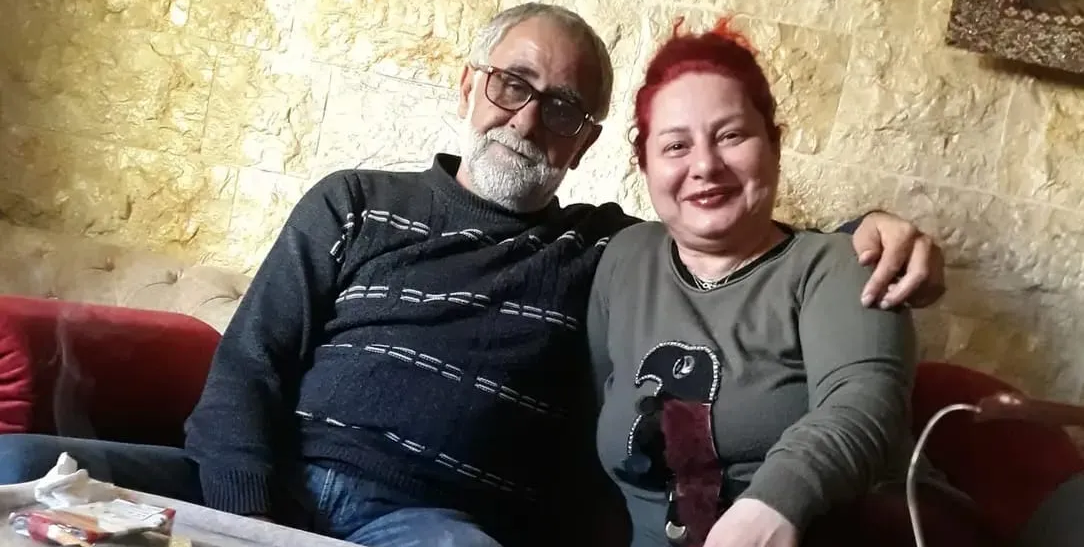
Alawites in Syria breaking silence?: Criticizing the dictatorship from within
Recently, a notable trend has emerged among Alawites in Syria’s Assad regime-held areas, including those from powerful families. Writers, journalists, and rank-and-file Alawites have taken to social media platforms to express their deep frustration with the regime’s economic policies and the centralized nature of the dictatorship under President Bashar al-Assad, as well as his wife Asma al-Assad’s outsized influence and corruption linked to her secretive “economic council.”
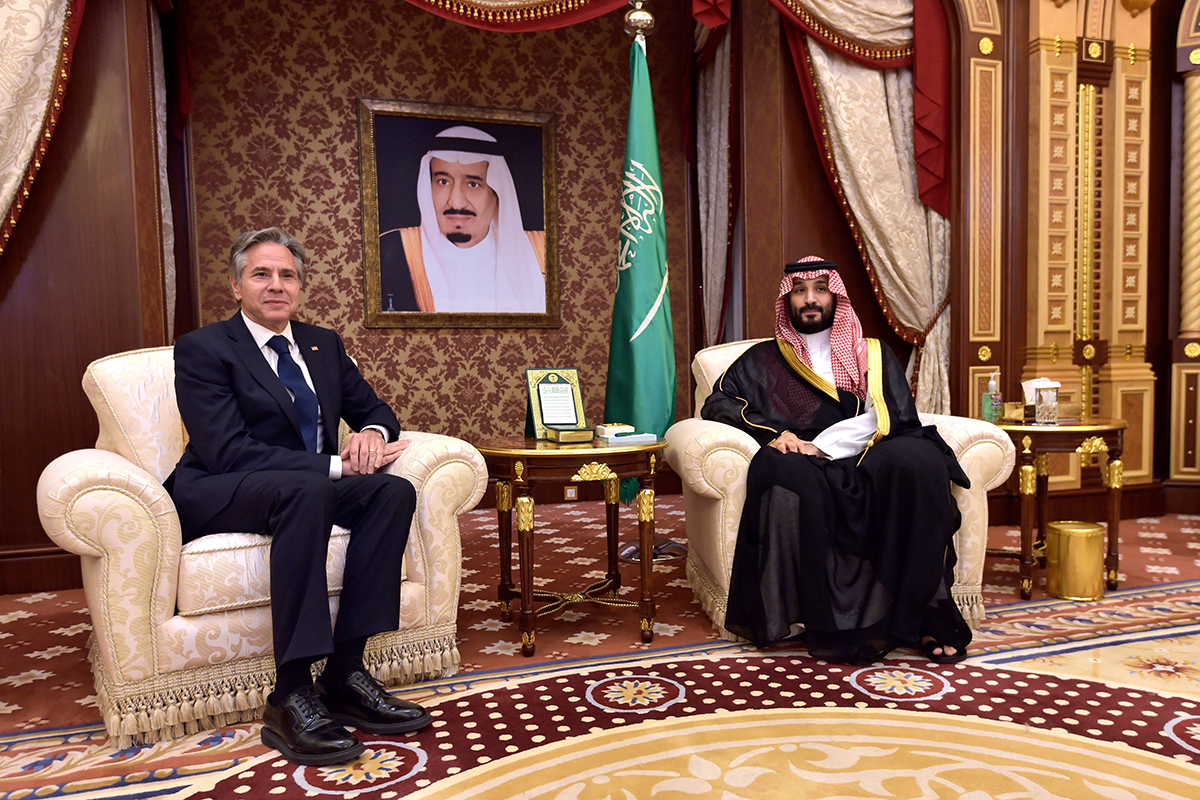
Five factors to watch in US diplomatic efforts on a possible Israel-Saudi deal
Forging a deal establishing open, normal bilateral ties between Saudi Arabia and Israel would be a major feat with plenty of potential perils along the way — the diplomatic equivalent of climbing Mount Everest. If done right, the result would be historic and transformative for the Middle East with positive geopolitical repercussions. Here are five factors to watch as the Biden administration continues its efforts to produce a major diplomatic breakthrough in the region.
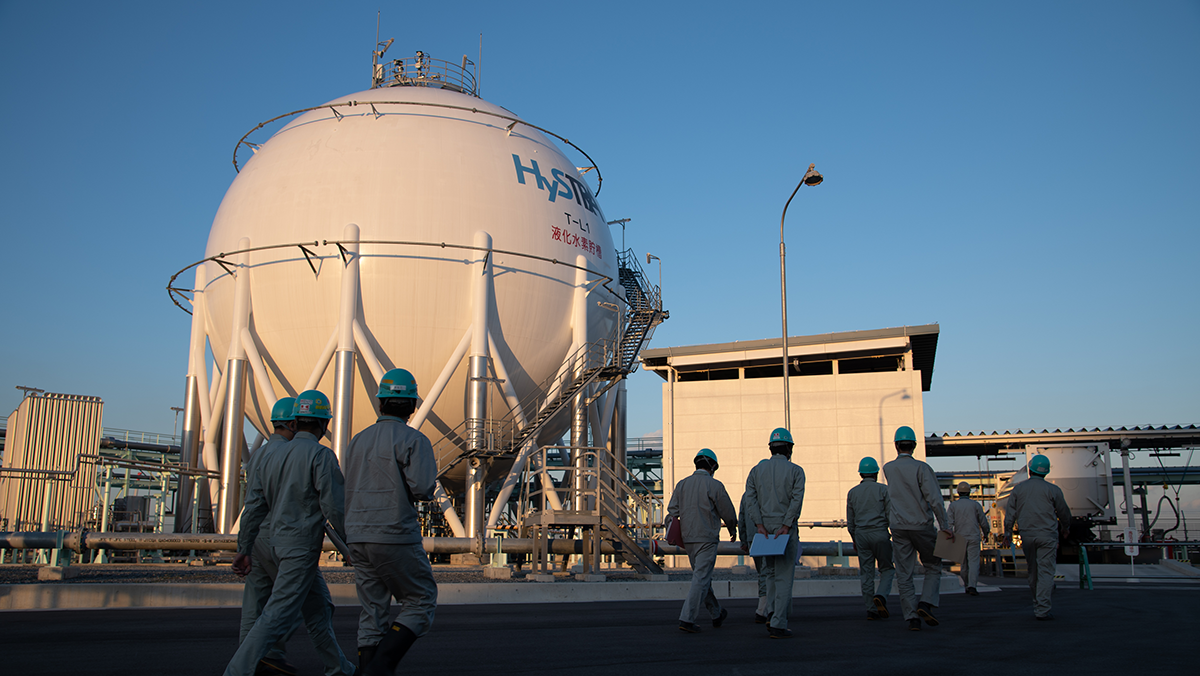
Japan looks to the Gulf as it bets big on hydrogen
As a trailblazer in hydrogen diplomacy, Japan is seeking to develop a new pattern of energy interdependence with its longstanding partners, the Gulf Arab states — countries that are promising production bases for and exporters of green hydrogen and ammonia, and whose leaders have come to regard the development of clean hydrogen as an attractive way to diversify their economies.
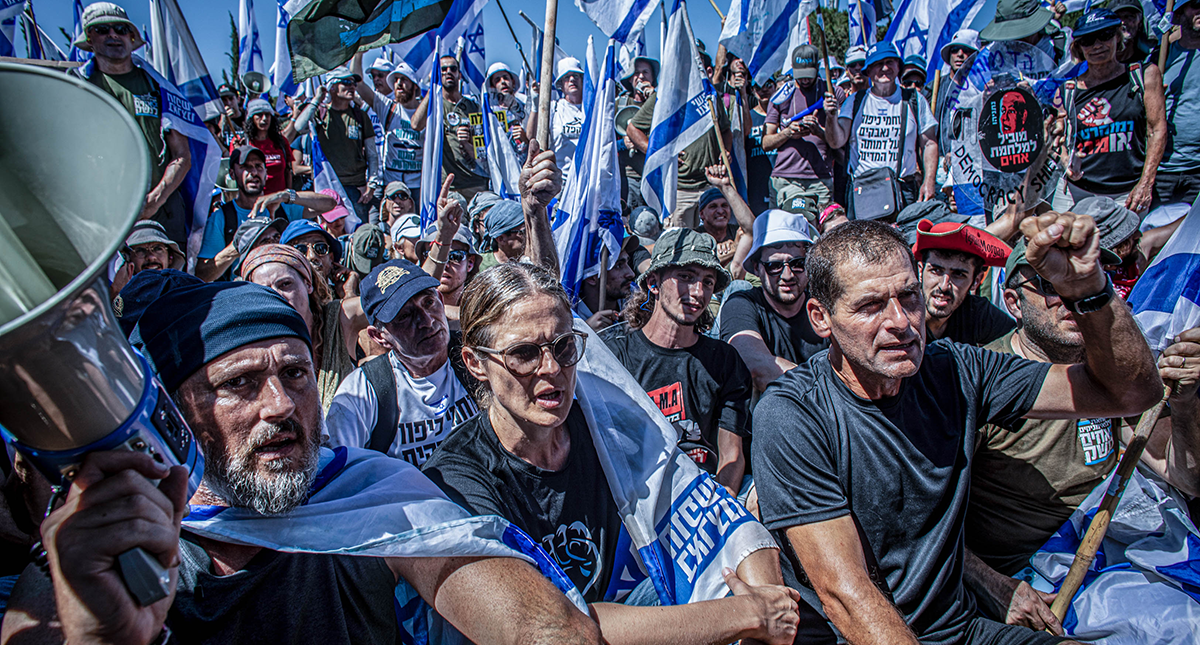
Amid a long, hot summer, Israel finds itself in uncharted territory
It’s been a long, hot summer in Israel, not only because of the multiple heat waves, but also due to the domestic political developments that have been heating up throughout 2023 and are now reaching a boiling point. With the Supreme Court gearing up to make highly consequential decisions in September and the Knesset in recess until mid-October, it is a good time to look back at all that Israel has gone through since the beginning of the year. For some on the Israeli right, it is a midsummer night’s dream come true, but for a large number of Israelis, it seems like more of a nightmare.
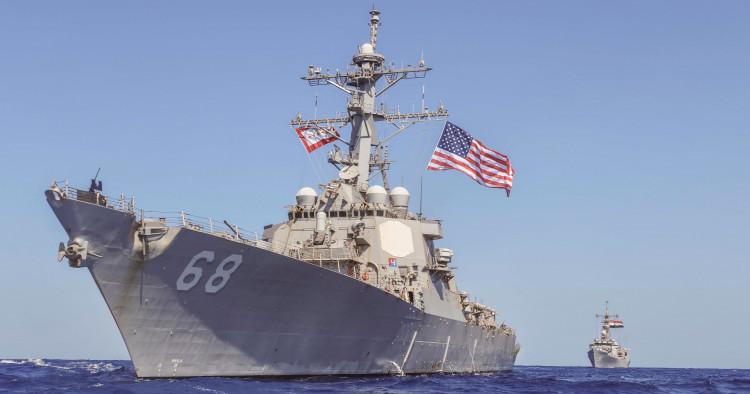
The future of America's Middle East posture is now
With its strategic prioritization of the Indo-Pacific and European theatres, the United States has had to significantly adjust its defense posture in the Middle East through new concepts and procedures to safeguard collective security interests.
The result is at least the beginning of a more dynamic and flexible approach to military deployment in the US Central Command (CENTCOM)’s Area of Responsibility. Instead of emphasising large and permanent basing, the United States will surge assets and resources from other locations depending on threats and needs.
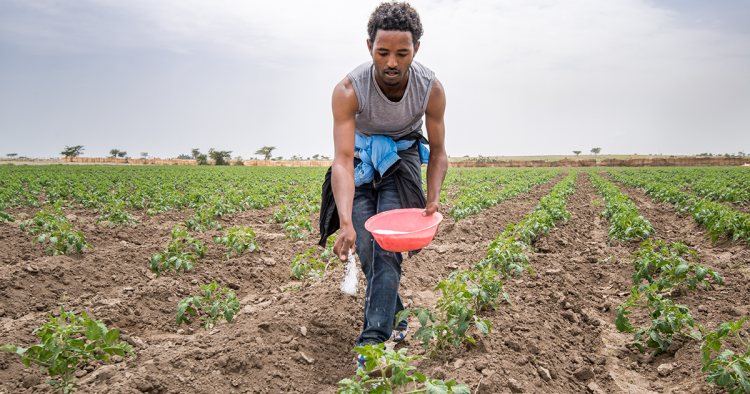
It is Niger's food crisis that requires international intervention
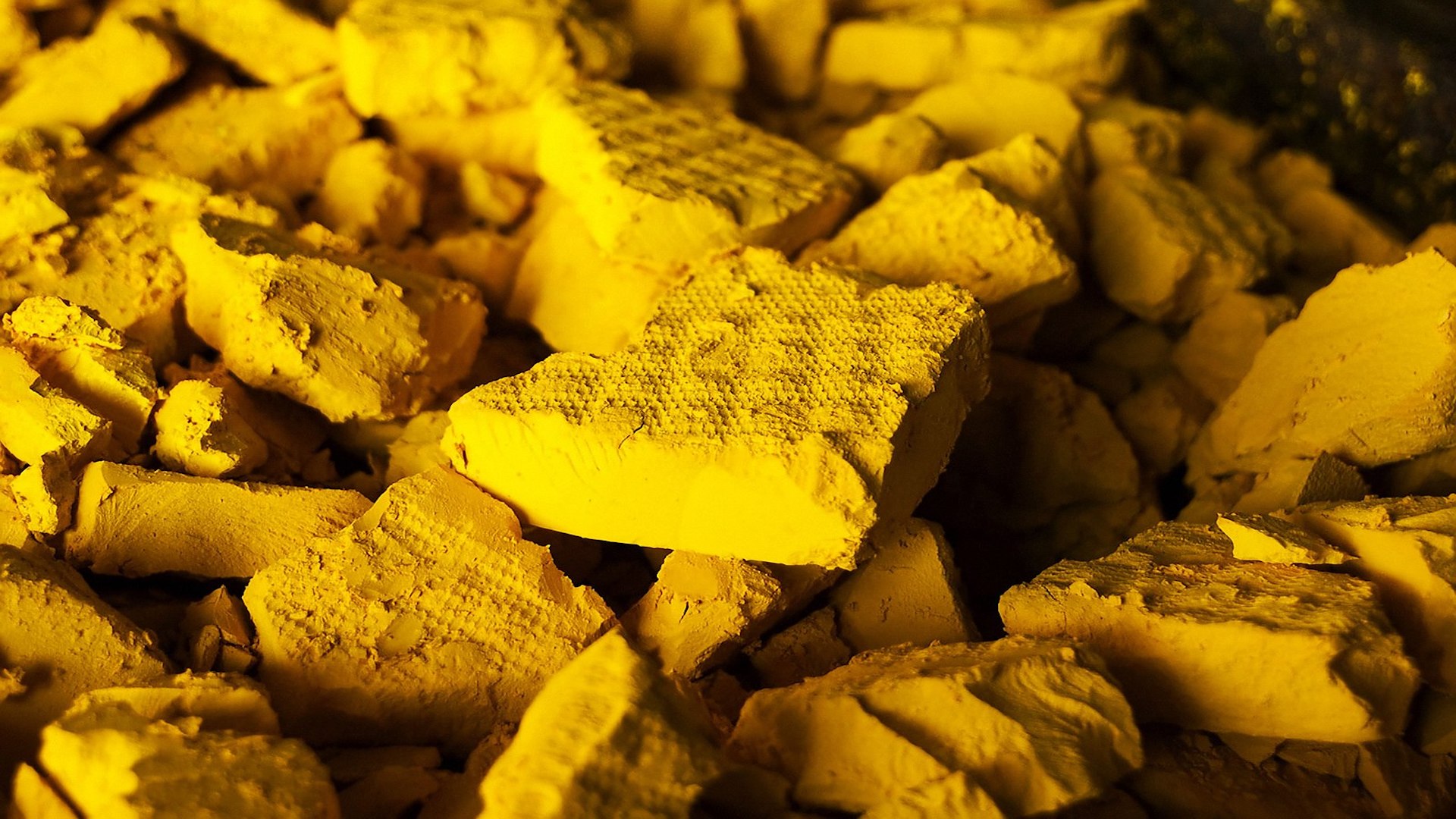
Niger’s new junta may be days away from facing an intervention force from its neighbours, as the Economic Community of West African States, or Ecowas, backed by France and other western nations, seeks to restore Niger’s ousted President, Mohamed Bazoum.
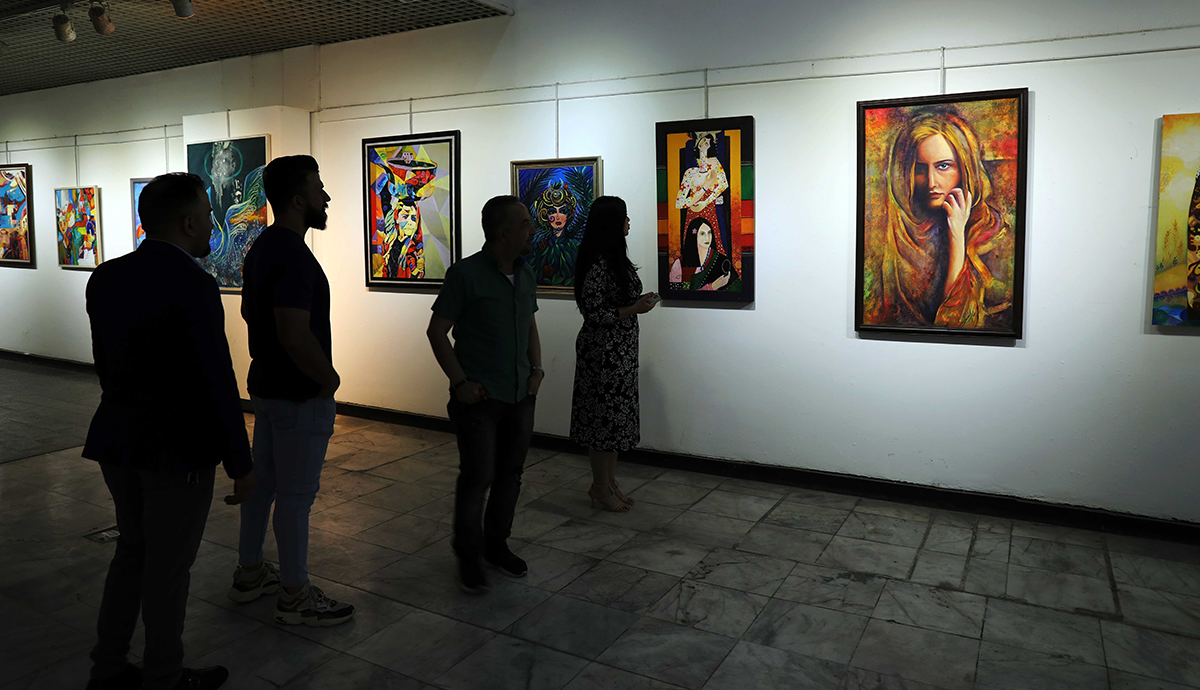
Two decades on, Iraq’s ongoing, if fragile, cultural revival
Although it has fallen off the international news cycle, Baghdad is booming, high on rising oil prices and full, once again, of neo-Abbasid, petroleum-fueled aspirations. Thanks to new anti-money laundering legislation, funds are being funneled not only into hotels and real estate but also into new cultural enterprises. So what does culture in Iraq look like in 2023?
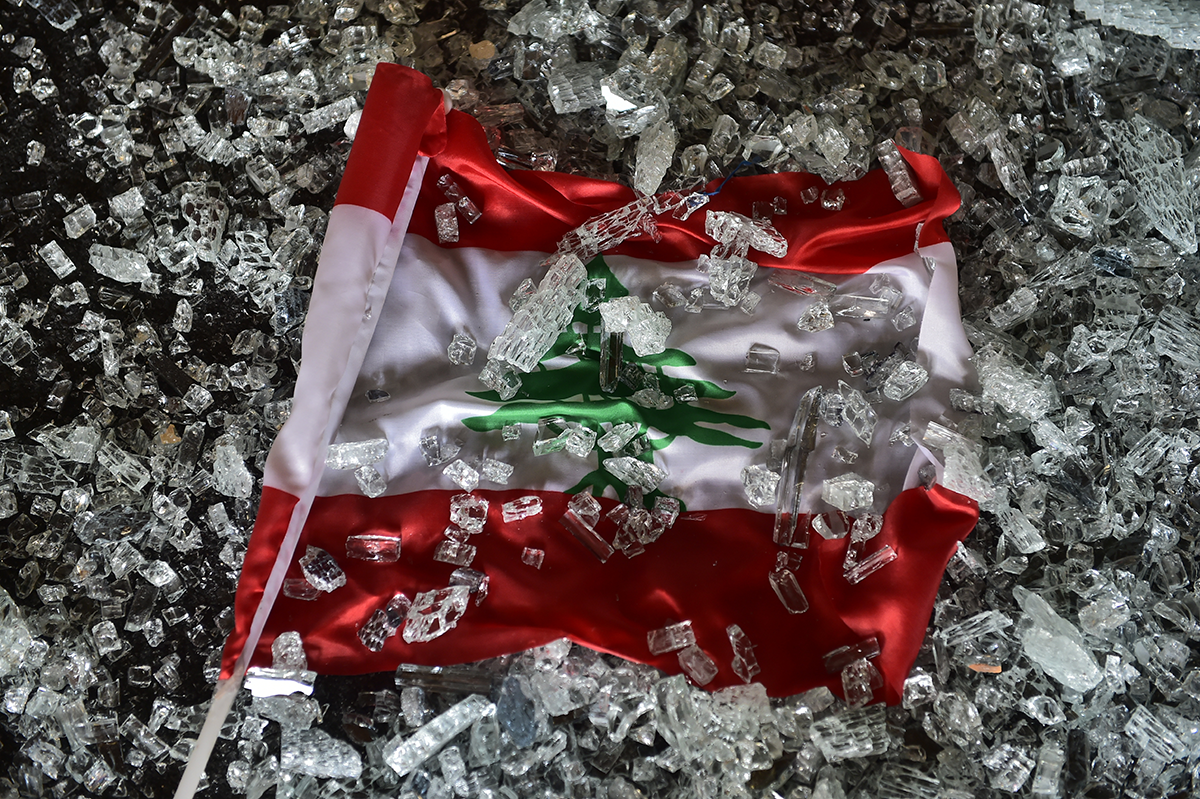
The Beirut blast three years on: The case for international accountability
Three years on from the Beirut port blast, Hezbollah, with the support of Lebanon’s political elite, has managed to obstruct and even quash the domestic judicial process for holding those responsible for the explosion accountable and delivering justice to both victims and a battered nation. The international community must uphold its responsibility toward the Lebanese people by enabling a U.N. fact-finding mission to investigate the blast, sanctioning those responsible for obstructing justice, and making ending impunity the centerpiece of international mediation on the Lebanese crisis.