Ragui Assaad is Professor at the Humphrey Institute of Public Affairs at the University of Minnesota. He has written extensively on labor market and youth issues in the Middle East and North Africa. The author acknowledges the able research assistance of Stefan Johansson in the preparation of this essay.
The Latest from Ragui Assaad
Defense Rapid Reaction: US and Israel strike Iran
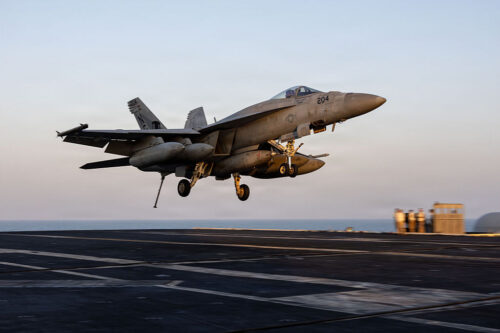
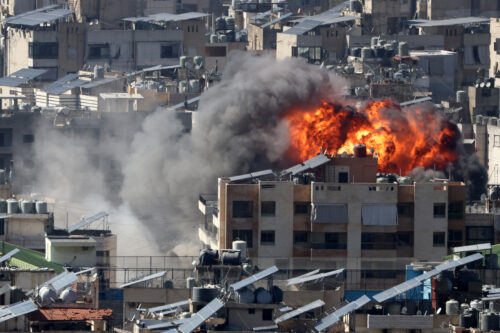
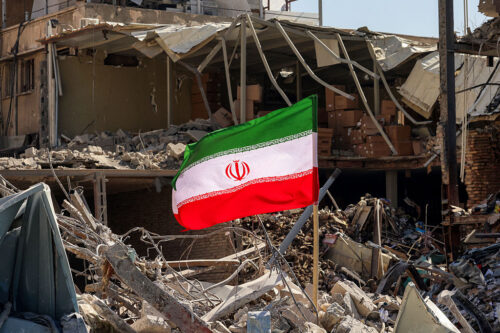
On February 28, the US and Israel launched coordinated military strikes on Iran. MEI defense experts weigh in on the military and regional consequences.
From Negotiations to Strikes: The US-Israel Operation in Iran
Tehran Has Discovered Moscow Is a Fair-Weather Friend
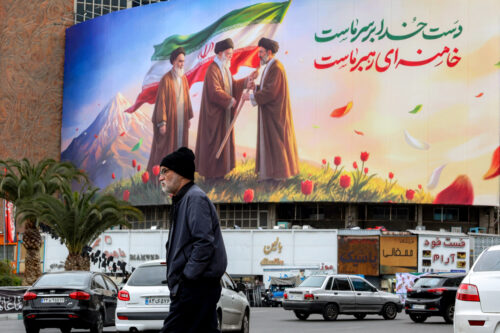
The latest cycle of U.S.-Iran escalation has followed a familiar script: sharpened rhetoric from the United States, calibrated military signaling by Iran in the Persian Gulf, indirect diplomacy through Oman, and Israeli warnings that remain deliberately ambiguous but unmistakably real. Yet beneath this choreography lies a more consequential development inside Tehran. The current crisis is forcing Iran’s political class to reassess its central foreign-policy wager of the past decade: that deepening alignment with Russia and China would provide strategic insulation against Western coercion.
Is the Regime Doomed? Iran on the Eve of War
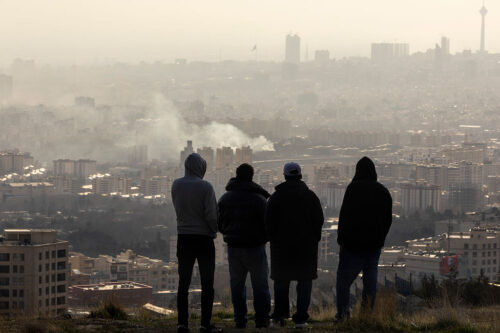
Against the backdrop of one of the largest US military deployments to the Middle East since 2003, MEI Senior Fellow Alex Vatanka joins hosts Alistair Taylor and Matthew Czekaj to assess the situation inside Iran on the eve of potential war. Weeks after the Islamic Republic’s brutal crackdown on anti-government protesters and as negotiations with the US fail to find common ground, Donald Trump is reportedly weighing options for military action against Iran. Vatanka breaks down the regime’s strategic calculus, the current dynamics of Iran’s opposition movement, and the likely domestic political consequences of a military strike.
How Iran, China, and Russia Use the Shadow Fleet to Evade US Sanctions
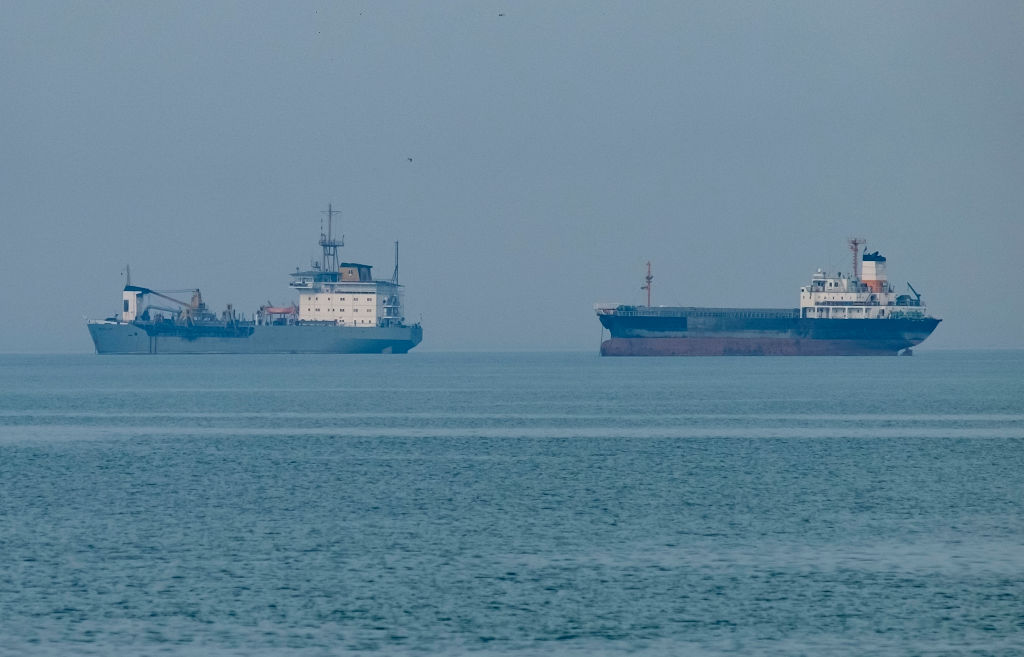
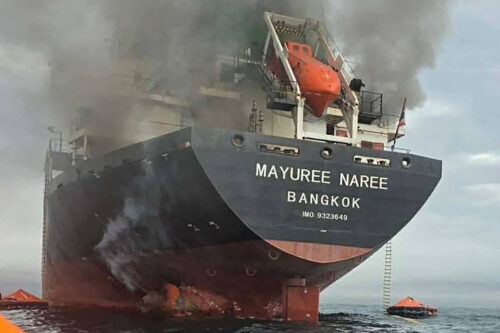
Crude oil legally sanctioned by the United States and its allies today makes up an estimated 18% of global tanker capacity, or 6-7% of total unrefined petroleum flows — shares that have been growing. Increased pressure on Russian exports and US intervention in Venezuela have further constrained Russian flows and temporarily removed Venezuela, the smallest sanctioned producer, from the market. Iranian exports, however, remain largely untouched.
AI, the Gulf, and the US: A Primer
The Gulf states are betting big on artificial intelligence (AI). Their motive is simple: While hydrocarbons will remain part of the energy mix for the foreseeable future, the revenue and influence tied to crude are already beginning to diminish. AI is not just about technology; it is a hedge, and potentially a new foundation for sustaining and even increasing their power in the rapidly shifting world order.
Riyadh takes the helm in Yemen
Saudi Arabia has stepped up its efforts to unify and restructure Yemen’s anti-Houthi forces after the rapid expansion and sudden implosion of the United Arab Emirates-backed secessionist Southern Transitional Council following Abu Dhabi’s military withdrawal from the country.
The International Relations of the Two-State Solution
Iran looms large over Trump’s address to the nation
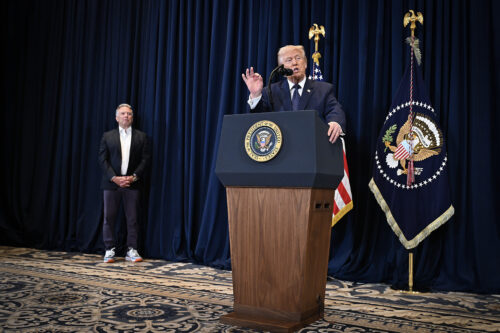
US President Donald Trump takes to the podium tonight to deliver the first State of the Union address of his second term.
“It’s going to be a long speech because we have a lot to talk about,” Trump said ahead of the address. The State of the Union—an annual speech delivered by the US president to Congress—typically focuses heavily on domestic policy issues, and that’s likely to be the case with tonight’s speech as well. Concerns about the health of America’s economy and growing public controversy about the Trump administration’s immigration policies are two of the domestic policy issues Trump will likely address.
The first year of Trump’s second term in the Middle East: The case for qualified optimism
While it may not have been perfect, the Trump administration achieved a considerable amount in the first year of its second term, and there is reason to be optimistic that additional dividends will accrue in 2026.
Iran considers its response to potential renewed US-Israeli strikes
The United States’ rapid military buildup across the Gulf has triggered a familiar anxiety in Tehran, but the Iranians’ reading of American intentions has grown sharper and more layered than at any point in recent years.
Board of Peace Meets as Storm Clouds Gather for Another Possible Middle East War
US President Donald Trump hosted an idiosyncratic gathering of global representatives in Washington on February 19 that included some key Middle East figures meeting under the banner of peace to discuss the next steps in Gaza just as the US was sending more military forces to the region to pressure and possibly target Iran.
Bibi’s Hail Mary on Iran
Hosts Alistair Taylor and Matthew Czekaj are joined by MEI Senior Fellow Natan Sachs to discuss Israeli Prime Minister Benjamin Netanyahu’s February 11 visit to the White House, Israel’s anxieties surrounding the ongoing US-Iran talks, and the domestic political dynamics Netanyahu is operating under. Taylor, Czekaj, and Sachs unpack what Netanyahu hoped to achieve during the visit, particularly regarding Iran, and what his relationship with President Donald Trump can tell us about the relative coordination and policy alignment between the US and Israel. They also examine Netanyahu’s political standing at home, two and half years since the October 7 attacks, as the 2026 election campaign begins in Israel. Finally, Sachs assesses what lies ahead for Israeli politics.