This individual is a guest contributor. MEI is not able to assist with contact requests.
Ragui Assaad is Professor at the Humphrey Institute of Public Affairs at the University of Minnesota. He has written extensively on labor market and youth issues in the Middle East and North Africa. The author acknowledges the able research assistance of Stefan Johansson in the preparation of this essay.
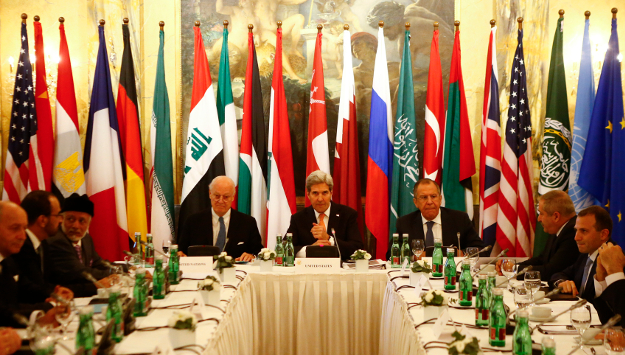
We were together in Beirut as part of a group of experts, ambassadors, and possibly even former intelligence officers, representing nations “implicated” in the Syria crisis.
Syria was the subject of our discussions over two days, along with the disastrous situation in the Middle East, both presently and the situation to be expected in the future.
The United States Should Prevent an Egyptian Shift to Russia
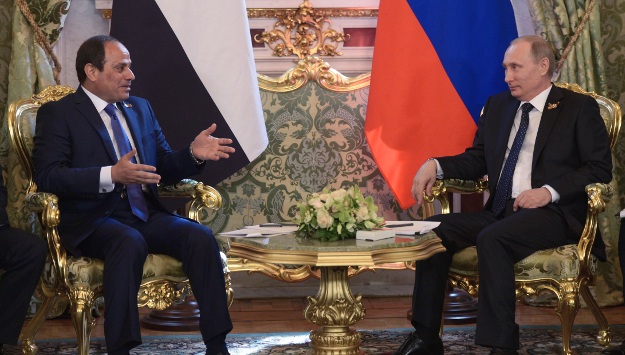
Roughly five decades since the Soviet foray into the Middle East vis-à-vis the Czech arms deal with Egypt in September 1955, Russia is reasserting its influence in Egypt. The deal marked the beginning of a brief period that saw Moscow serve as the primary military supplier for a number of regional countries that formed an ‘anti-imperialist front’, such as Egypt, Iraq, and Syria.
The impact of civic associations on urban governance in Iran may be limited as they do not possess an official capacity in a highly bureaucratic and centralized system, and have been suspected of advocating a liberal political agenda. Nevertheless, they have, among other things, succeeded in democratizing the urban agenda.
“Order” in “Disorder”: An Alternative Understanding of Violence and Criminality in Karachi
This essay argues that the conversation about Karachi needs to shift from viewing high levels of criminality as spawning ungoverned urban pockets to understanding how criminality, violence, and informality are shaping its political order. In this order, the state is not a passive player; it bestows and withdraws patronage to non-state actors in pursuing its larger interests. It purposely deregulates public services for some parts of the city and sections of the population. It also possesses the sovereign power to legitimize certain practices and actors, while delegitimizing others. The relationships between state and non-state actors are not driven solely by corruption. They are deeply political in nature, and have evolved over the years in the political, historical, institutional, and economic contexts of Karachi.
U.S. Forces in Sinai Ripe Pickings for Islamic State
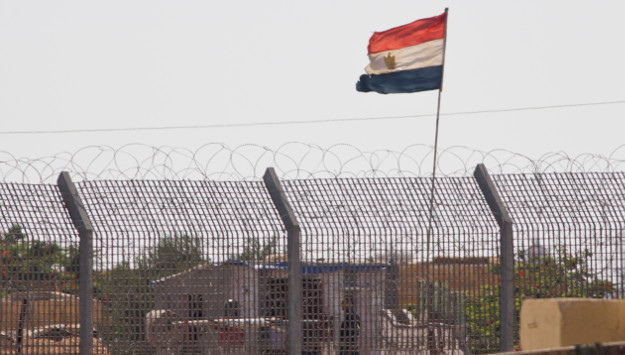
Despite its preferences, the United States is quietly increasing and modifying its military deployment in Egypt’s Sinai Peninsula in response to the growing threat posed by ISIS.
America has long served as a powerful role model for the world, based largely on its commitment to its core principles of freedom, equality, and respect for diversity of opinion and religion. The recent call by Donald Trump to ban all Muslims from entering the United States is an affront to these values, and a threat to America’s domestic tranquility and its standing in the world. In an age where words travel instantaneously across the globe, hate speech can have the same force as actions and policies in shaping opinions abroad. It cannot be ignored.
Protest against Industrial Air Pollution: A Case from Hangzhou City, China
Air pollution has become one of the biggest environment problems in China, causing severe health risks. Residents, especially those living in big cities, are battling air pollution. Their demands for clean air have forced authorities in many Chinese cities to make a decision—shut down the industrial plants responsible for the pollution, or permit them to continue operating to sustain GDP growth. This essay seeks to shed light on how community residents take action to ensure healthy urban habitats through examining the “Warm Home” community’s protest against industrial air pollution in the city of Hangzhou.
On Syrian Talks and Ceasefires: An Open Letter to Secretary Kerry
Mr. Secretary,
No one has worked harder than you to find a way to bring all sides together to stop the Syrian civil war and muster more international action against the Islamic State. But as a former colleague, let me caution that without some major adjustments in its approach to the Syrian peace talks in Vienna, the Obama administration is headed down another dead end.
Filling the Gap or Digging a Void? The Role of NGO-initiated CBOs in Service Delivery in Dhaka, Bangladesh
This essay offers preliminary observations from nine months of fieldwork in Dhaka. It focuses in particular on one organization, a collection of NGO-initiated CBOs across Dhaka—Nogor Bostibashi Unnyan Sangstha (NBUS), or Urban Slum Development Agency—to highlight the complexities of NGO-initiated CBO service provision and encourage debate about how to move forward.
This article was first published in The Hoover Institution’s The Caravan.
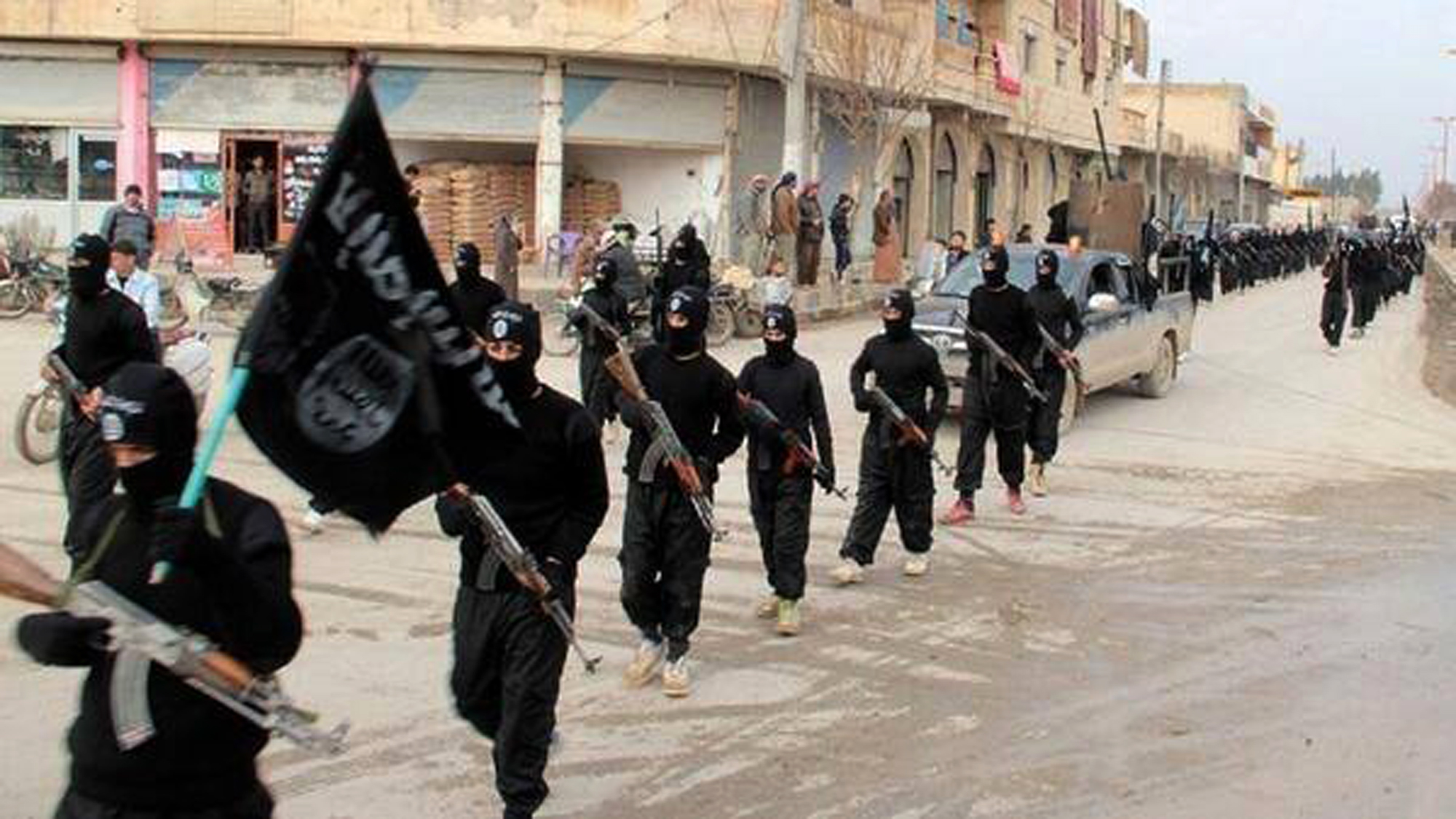
Daesh or ISIS does not represent an existential threat to any state except Syria and Iraq. It occupies and controls ungoverned space in the region between Iraq and Syria and in parts of northern Africa; and its self-proclaimed Caliphate has benefited from the seizure of some income producing assets in these areas. Daesh depends on the dynamism of success and expansion, both of which have been in short supply of late.
In 2009 the State Council approved the city’s urban-rural master plan, which includes housing projects that can integrate rural-urban migrants with the urban-registered population, in line with the plan to increase China’s urban population and its domestic consumer market. Minxin Jiayuan (MX) was the first of 21 planned public-rental housing projects in Chongqing to be built. This essay discusses the system of governance and ‘self-management’ that obtains in this complex and others.