This individual is a guest contributor. MEI is not able to assist with contact requests.
Randa Slim is a non-resident fellow at the Johns Hopkins University School of Advanced and International Studies (SAIS) Foreign Policy Institute and was formerly director of the Conflict Resolution and Track II Dialogues Program at the Middle East Institute. A former vice president of the International Institute for Sustained Dialogue, Slim has been a senior program advisor at the Rockefeller Brothers Fund, a guest scholar at the United States Institute of Peace, a program director at Resolve, Inc, and a program officer at the Kettering Foundation. A long-term practitioner of Track II dialogue and peace-building processes in the Middle East and Central Asia, she is the author of several studies, book chapters, and articles on conflict management, post-conflict peace-building, and Middle East politics.
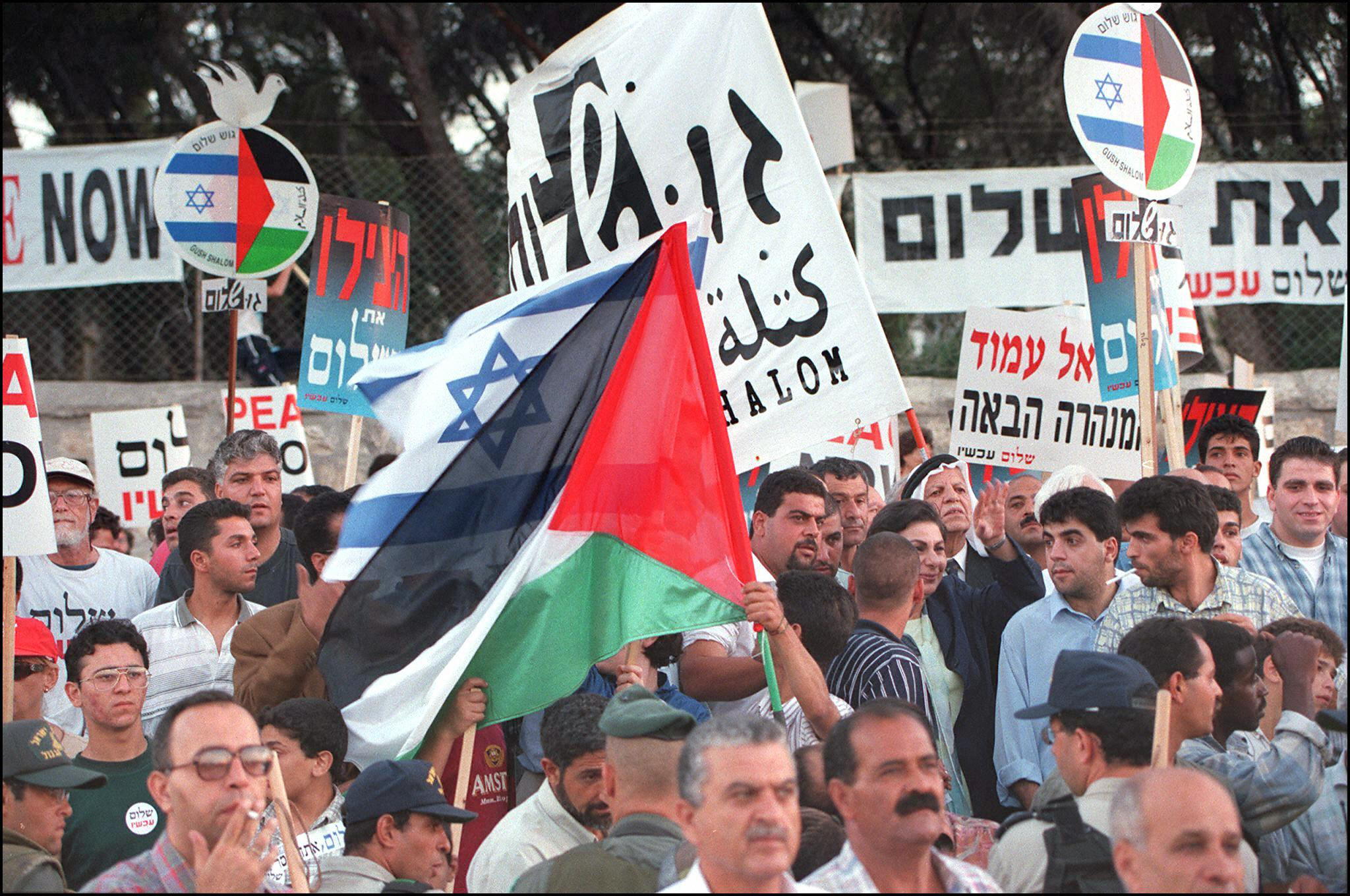
Expert Views: How do we restart the Middle East peace process?
What would it take to start a new Israeli-Palestinian peace process that could actually have the prospect for enduring success? MEI has asked a group of regional and U.S. experts to weigh in.
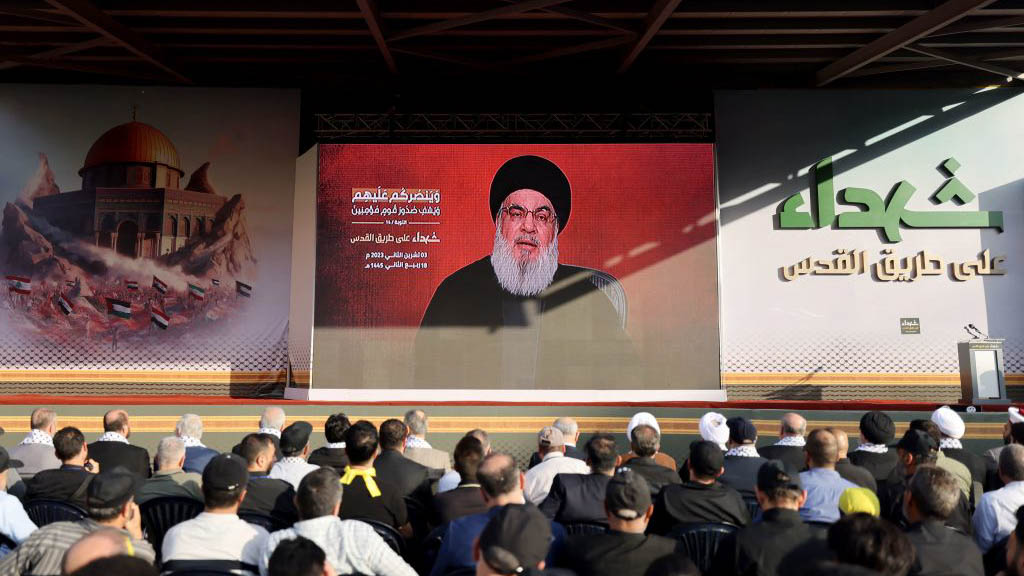
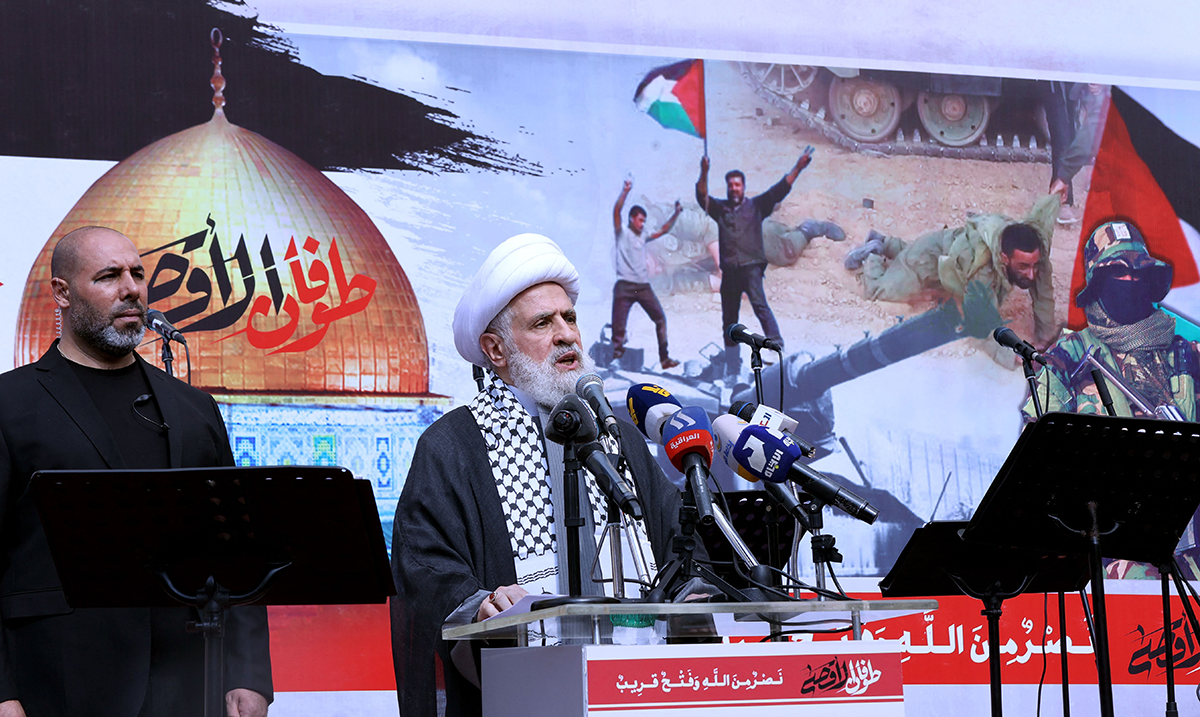
Hezbollah’s calculations on opening a second front against Israel
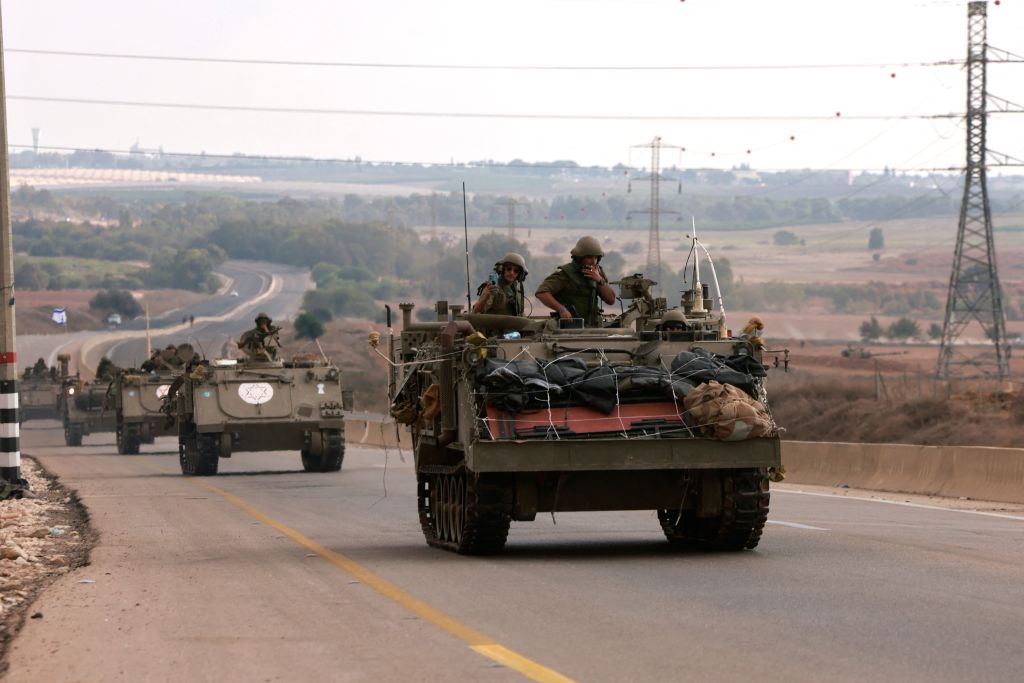
Since the Hamas attack on Oct. 7, regional and extra-regional actors have been working to prevent an expansion of the conflict beyond the Gaza-Israel theater, focusing particularly on the Lebanese-Israeli border. A decision by Hezbollah to enter the ongoing war would open a second front and bring into the fight their large arsenal of rockets and precision-guided missiles capable of hitting critical Israeli infrastructure. It would also bring destruction to Lebanon while the country reels from a severe economic crisis.
Putting Diplomacy First in the Middle East: Creating Incentives for De-Escalation
The Middle East is undergoing a historic transformation with unprecedented opportunities to build new relationships, de-escalate tensions, and foster conditions for stronger integration. At the same time, the region remains on edge because of ongoing tensions in Yemen, Syria, Iraq, and other conflict zones, a civil war that broke out recently in Sudan, along with the overarching challenges presented by fraught relations between Iran, Israel, and several Arab Gulf countries — with the longer-term implications of the still-fragile Iranian-Saudi rapprochement yet to be fully assessed.