This individual is a guest contributor. MEI is not able to assist with contact requests.
Rebecca Anne Proctor is an independent journalist, editor, author, and broadcaster based in Dubai and Rome, from where she covers the Middle East and North Africa. She is the former editor-in-chief of Harper’s Bazaar Art and Harper’s Bazaar Interiors.
North Africa and the Sahel Program Director Intissar Fakir speaks to Alberto Rizzi – pan-European fellow at the Rome Office of the European Council on Foreign Relations – about existing and future energy partnerships between the European Union and the Maghreb. In the wake of energy market disruption caused by the conflict in Ukraine, what alternative fuel sources are the EU looking towards – and how does this align with current production capacities in Maghreb countries?
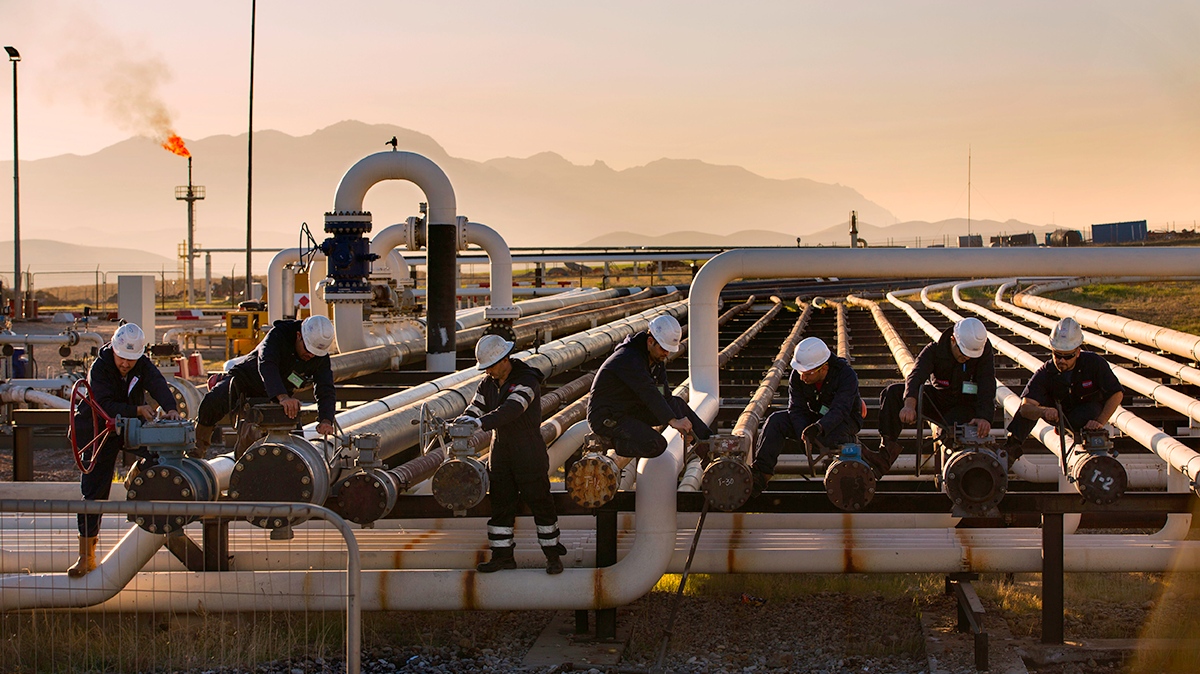
The issue of diversification is difficult but urgent, given increasingly tight global climate policies, the advances of non-fossil technologies, and the limited lifespan of the KRI’s oil resources. Harnessing the region’s natural gas productively is the first step to a cleaner and more diversified economy.
The French cultural center shuttered: What does cultural isolation mean for Iranians?
The general policy of the Islamic Republic is to constrain, as much as possible, its citizens’ exposure to foreign cultures and prevent their engagement with the outside world, which explains why cultural ties, even with neighboring or friendly countries, are so limited.
A new momentum: Recalibrating Germany's foreign policy toward the Gulf monarchies
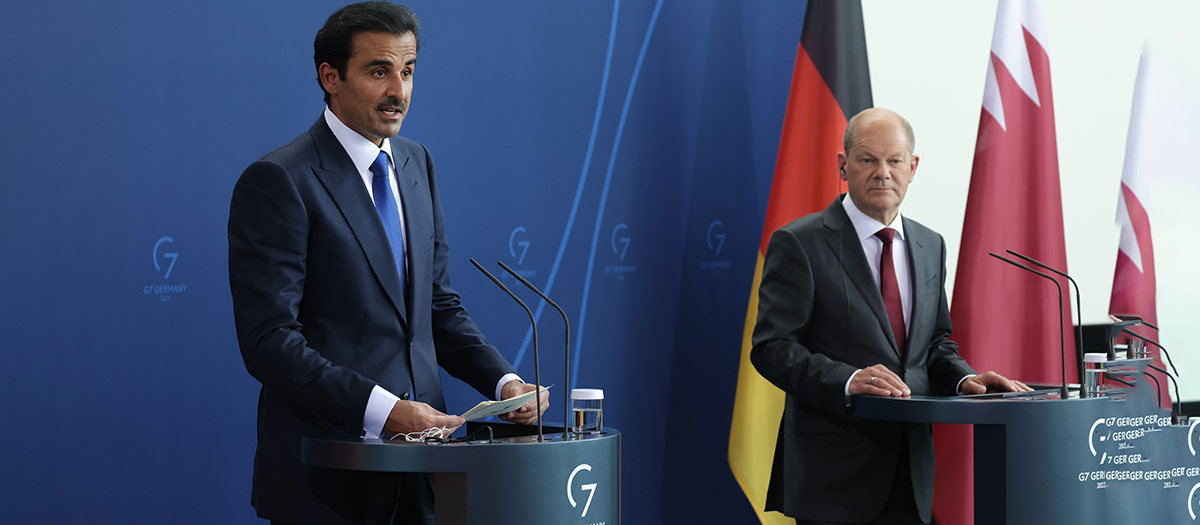
Facing the profound challenge of trying to diversify its energy supply while a destabilizing war rages on in Ukraine, Germany has looked to several Gulf monarchies to forge new energy partnerships. Notwithstanding heated domestic debates over controversial topics such as their human rights record, Berlin should consider a more comprehensive strategic approach toward the Gulf monarchies that encompasses issues beyond energy supply, such as joint efforts in regional integration and development.
Israelis’ evolving pushback to democratic erosion under Netanyahu
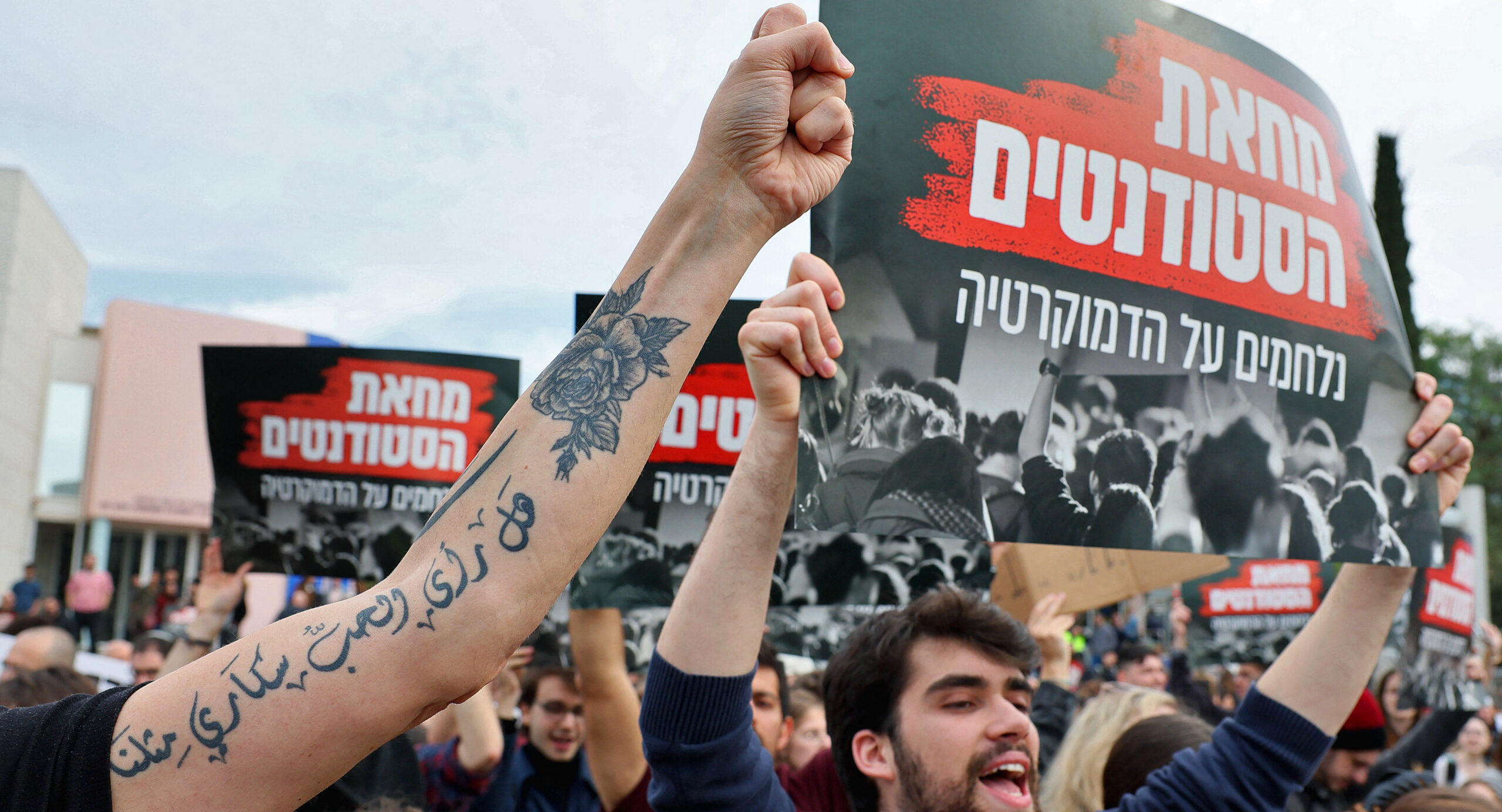
A movement of Israelis who resist the new Netanyahu government is crystallizing and taking initial steps to push back against democratic erosion. It will need to evolve quickly and effectively to make an impact and could benefit from some international helping hands along the way.
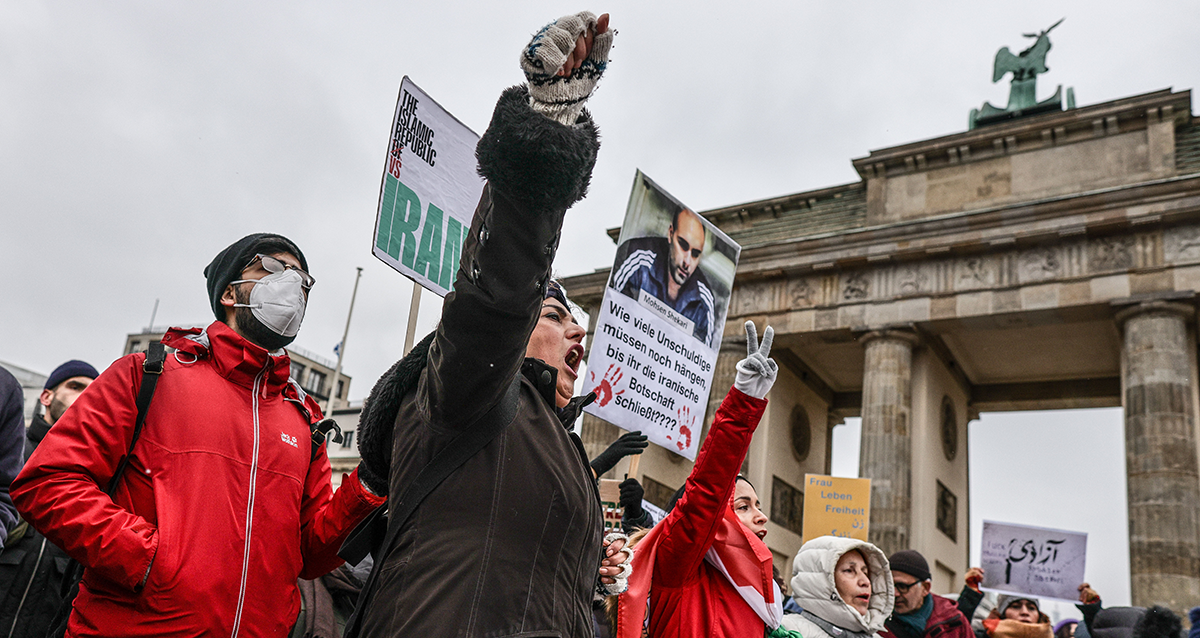
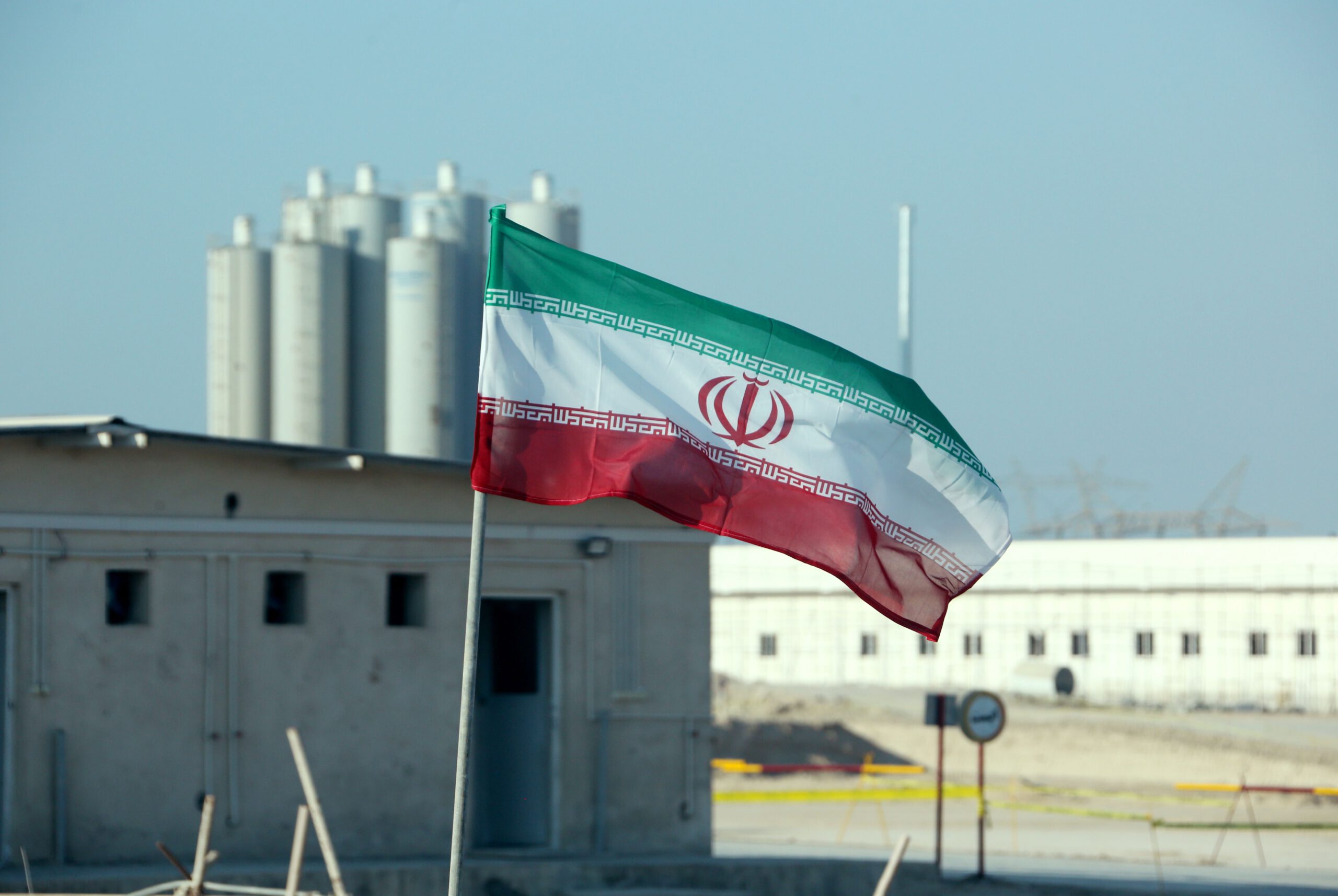
The Iran protests and US policy on Tehran’s nuclear program
When the Iranian government faces intense Western criticism, such as over its brutal suppression of the protest movement and its recent executions, it frequently resorts to specific actions, one of which is hostage-taking. Nevertheless, perhaps the most important “hostage” Tehran counts on to influence the positions of Western powers is not their imprisoned citizens, but rather Iran’s nuclear program.
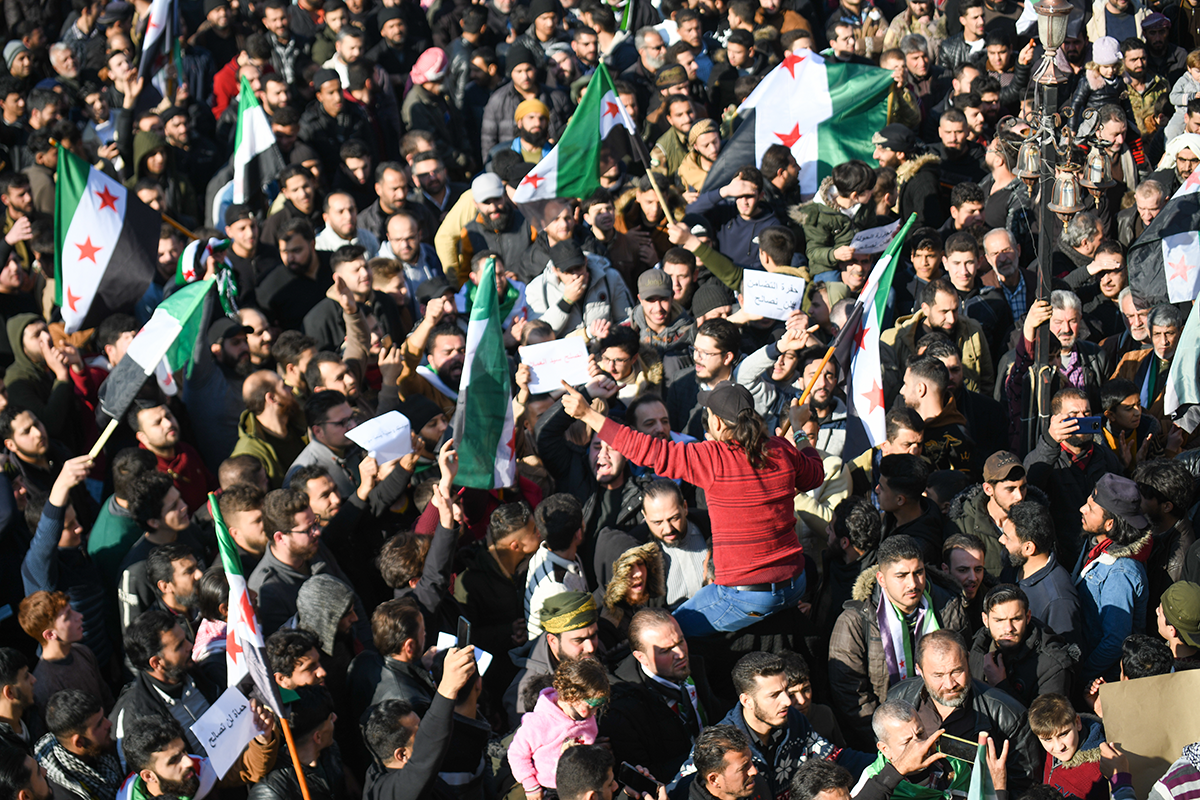
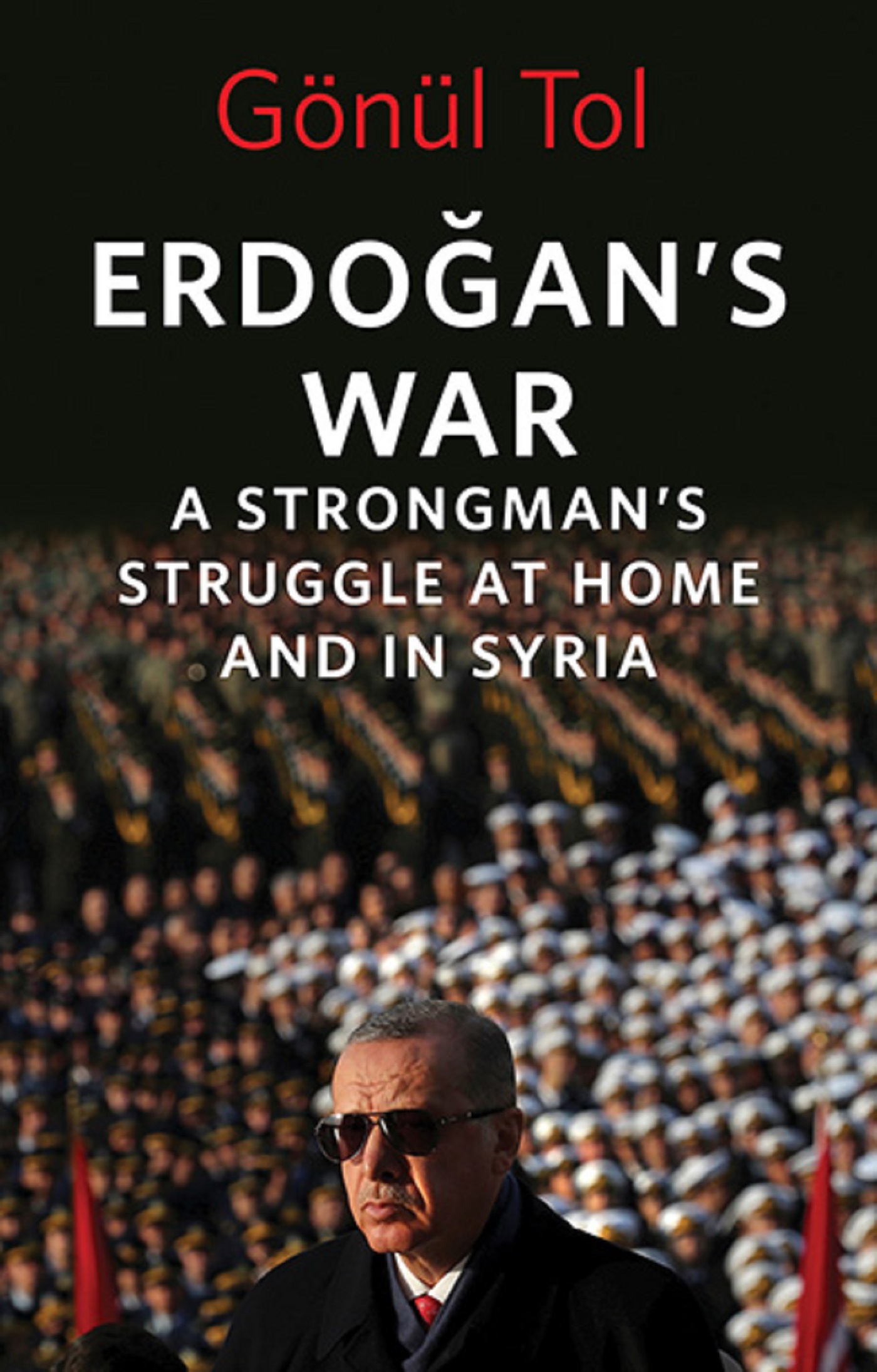
Turkish-Syrian Re-engagement: Drivers, Limitations, and US Policy Implications
A little over two weeks ago, the defense and intelligence chiefs of Turkey and Syria met face-to-face in Moscow — the first such meeting in over a decade. On the surface, this latest flurry of engagement with Assad’s regime is a major development. Were Turkey to decisively shift its Syria policy, the effects would be dramatic. Beyond the hype and speculation, Turkey’s decision to participate in the Moscow meetings is not altogether surprising and it does not represent a wholesale policy reversal. What has changed more recently is Turkey’s impending elections — and with them Erdoğan’s political calculations.
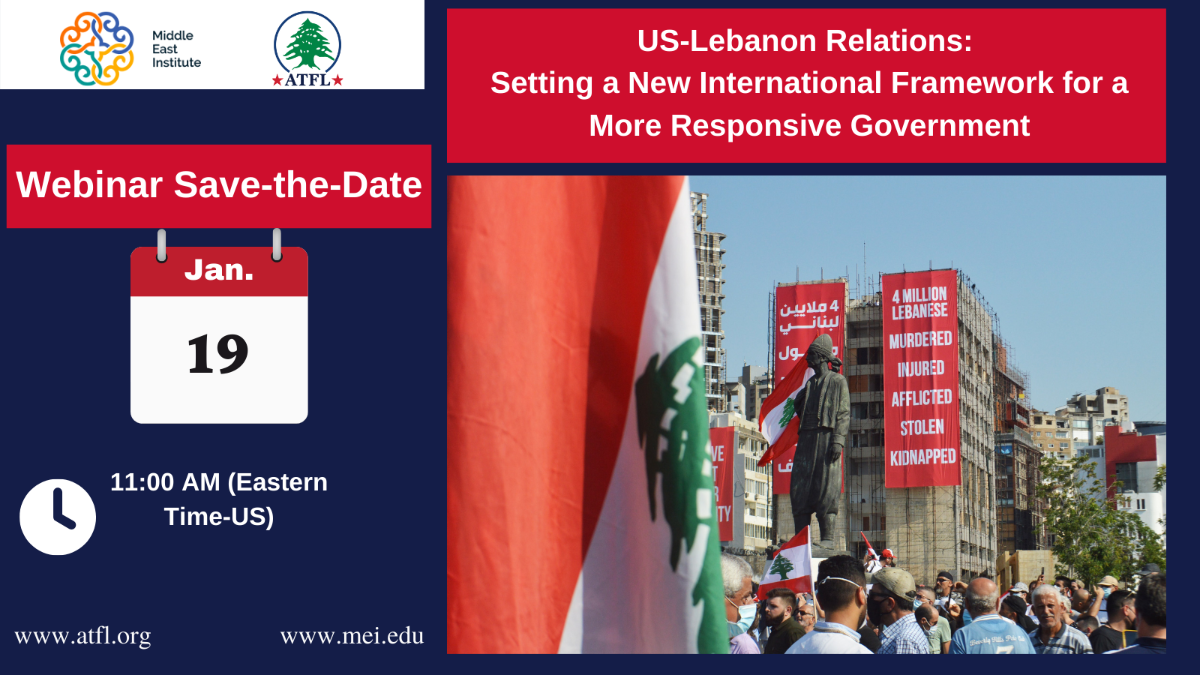
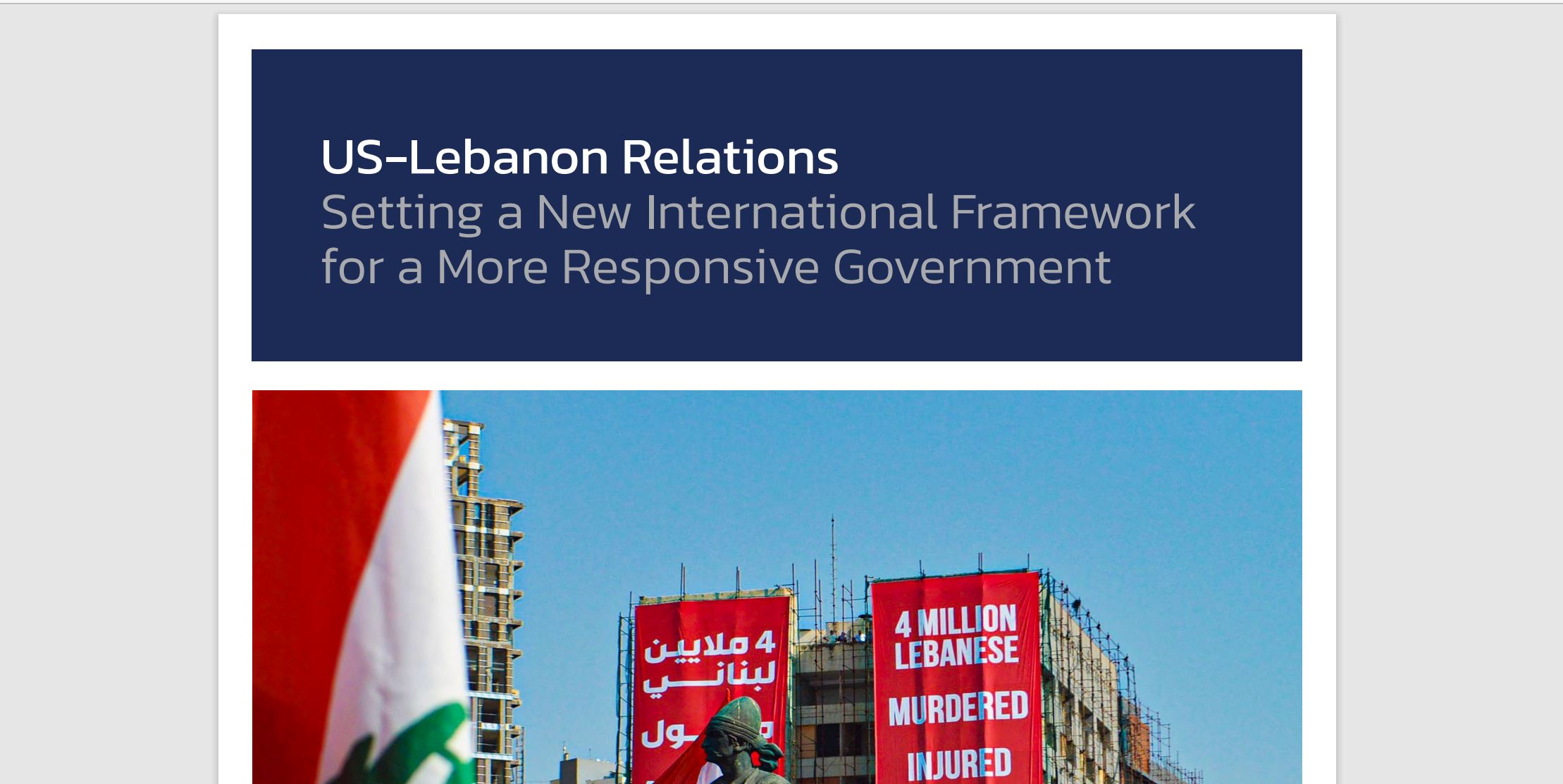
US-Lebanon Relations: Setting a New International Framework for a More Responsive Government
Lebanon is on a tragic trajectory, never before seen in its history. The next few months, with or without needed reforms, will shape its path for years to come.
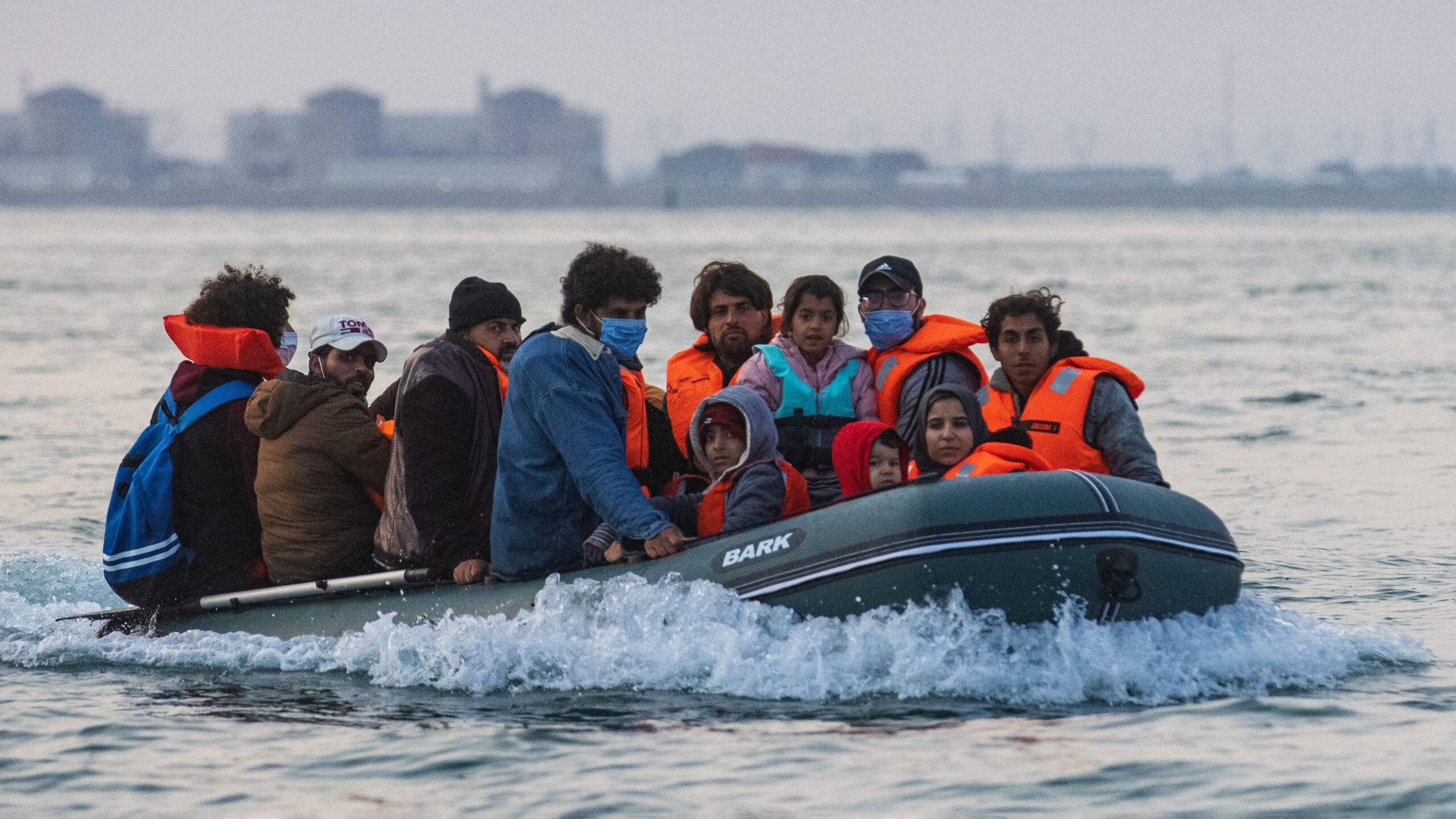
Climate-induced migration in the GCC states: A looming challenge
Gulf states are collectively investing billions of dollars in developing renewable energy. Yet climate change patterns in neighboring regions, combined with rising average temperatures, could eventually trigger more serious climate migration problems for the Gulf countries themselves.
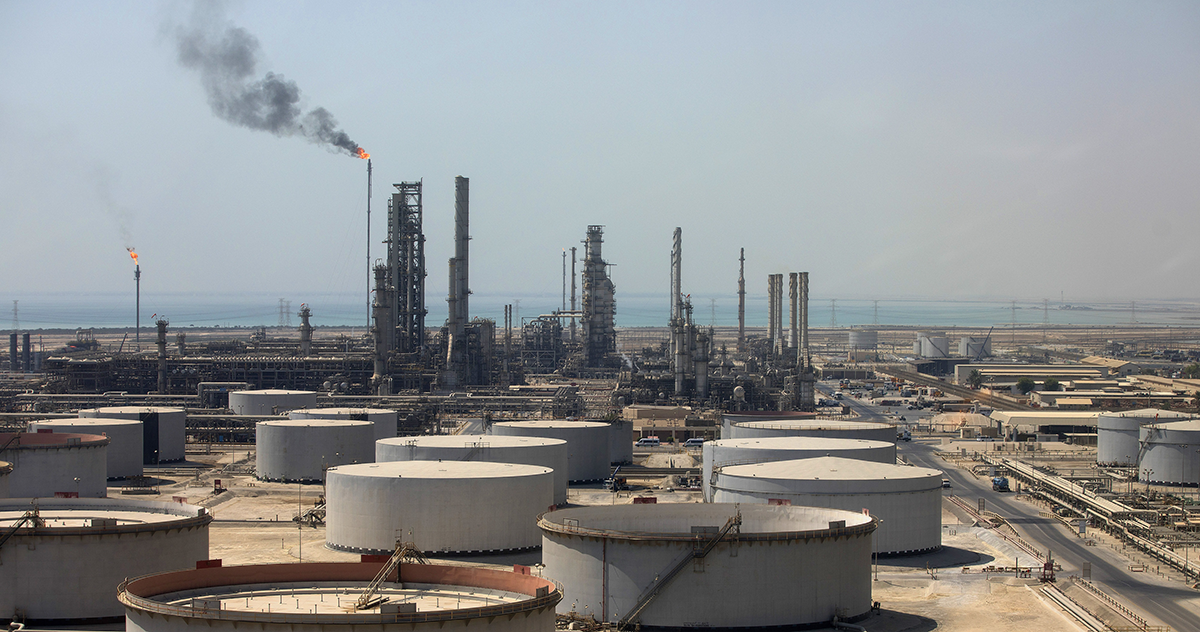
The Gulf states: Beneficiaries of the Russia-Europe energy war?
The Gulf states are often overlooked as indirect beneficiaries of the Russia-Europe energy war. In what ways and to what extent have they leveraged it? Are these benefits sustainable?