This individual is a guest contributor. MEI is not able to assist with contact requests.
Rebecca Anne Proctor is an independent journalist, editor, author, and broadcaster based in Dubai and Rome, from where she covers the Middle East and North Africa. She is the former editor-in-chief of Harper’s Bazaar Art and Harper’s Bazaar Interiors.
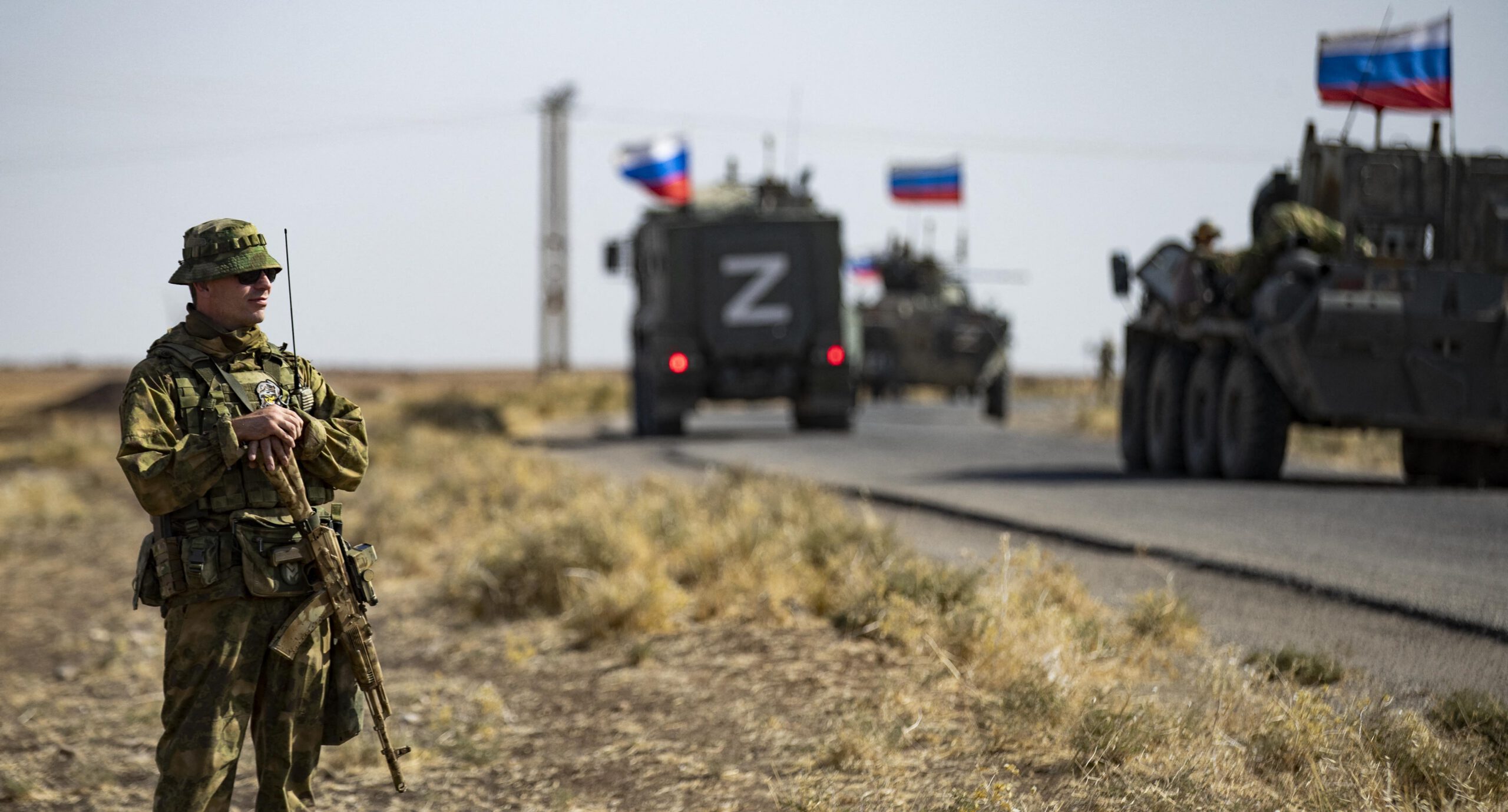
Keeping up appearances: The Ukraine war’s effect on Russian deployments in Syria
As Russia’s 2022 invasion of Ukraine turned into protracted positional and attrition warfare, often speculative reports emerged about the imminent reduction of the Russian military presence in Syria. Several factors may explain the changes in the Russian military presence in Syria and its future.
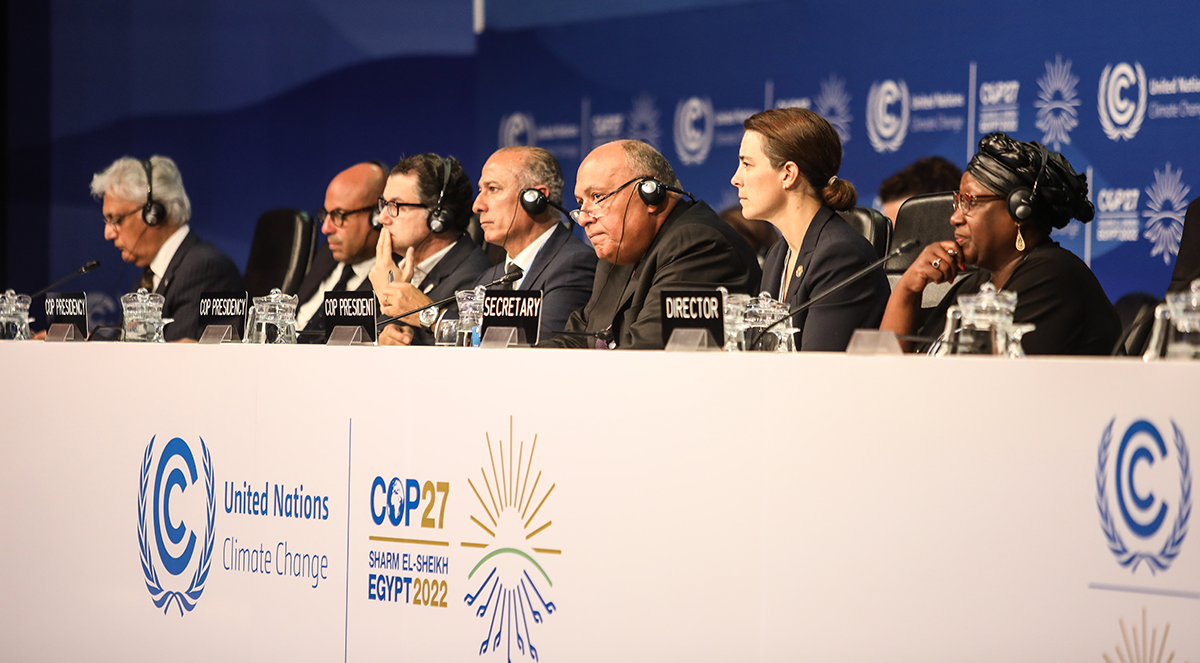
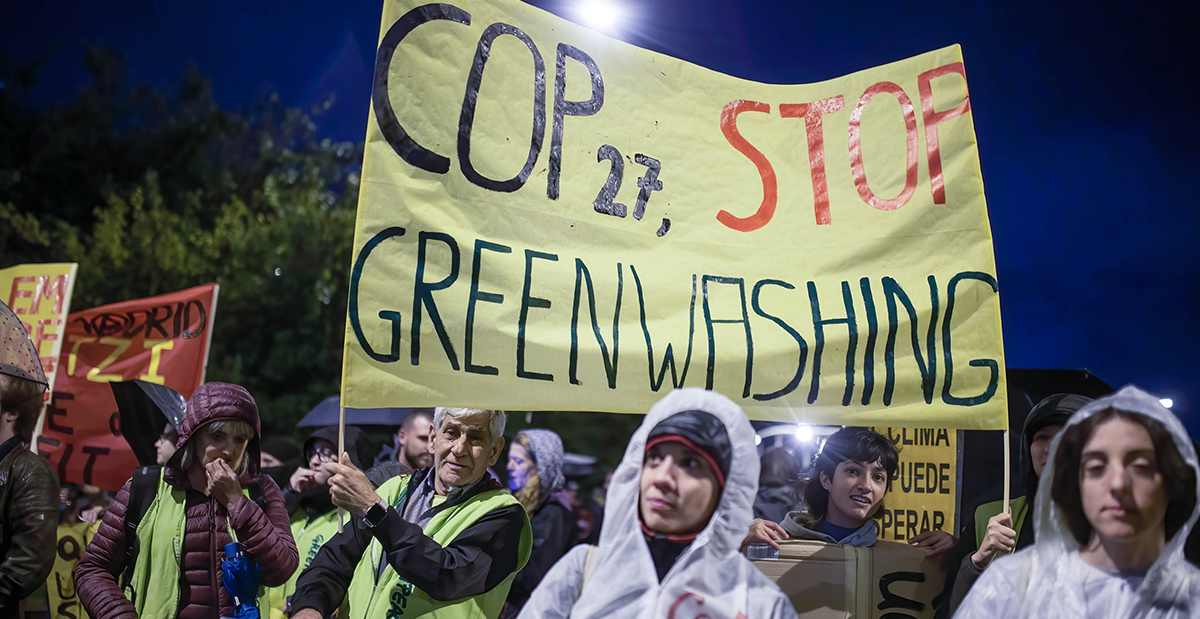
With COP27 concluded, we asked experts from across MEI, some of whom attended the meeting, to offer their perspectives on the developments that came out of the conference and what it means moving forward, especially for the Middle East and North Africa.
Russia’s new military: The rise of Prigozhin and the Wagner Group
Kremlin-linked oligarch Yevgeny Prigozhin, founder of the notorious Wagner Group PMC, is taking power away from the traditional Russian military establishment and fostering President Putin’s dependence on his resources and advice. This trend will undoubtedly propel the escalation of the war in Ukraine and possibly inflict irrevocable damage to the future utility of the Russian Armed Forces.
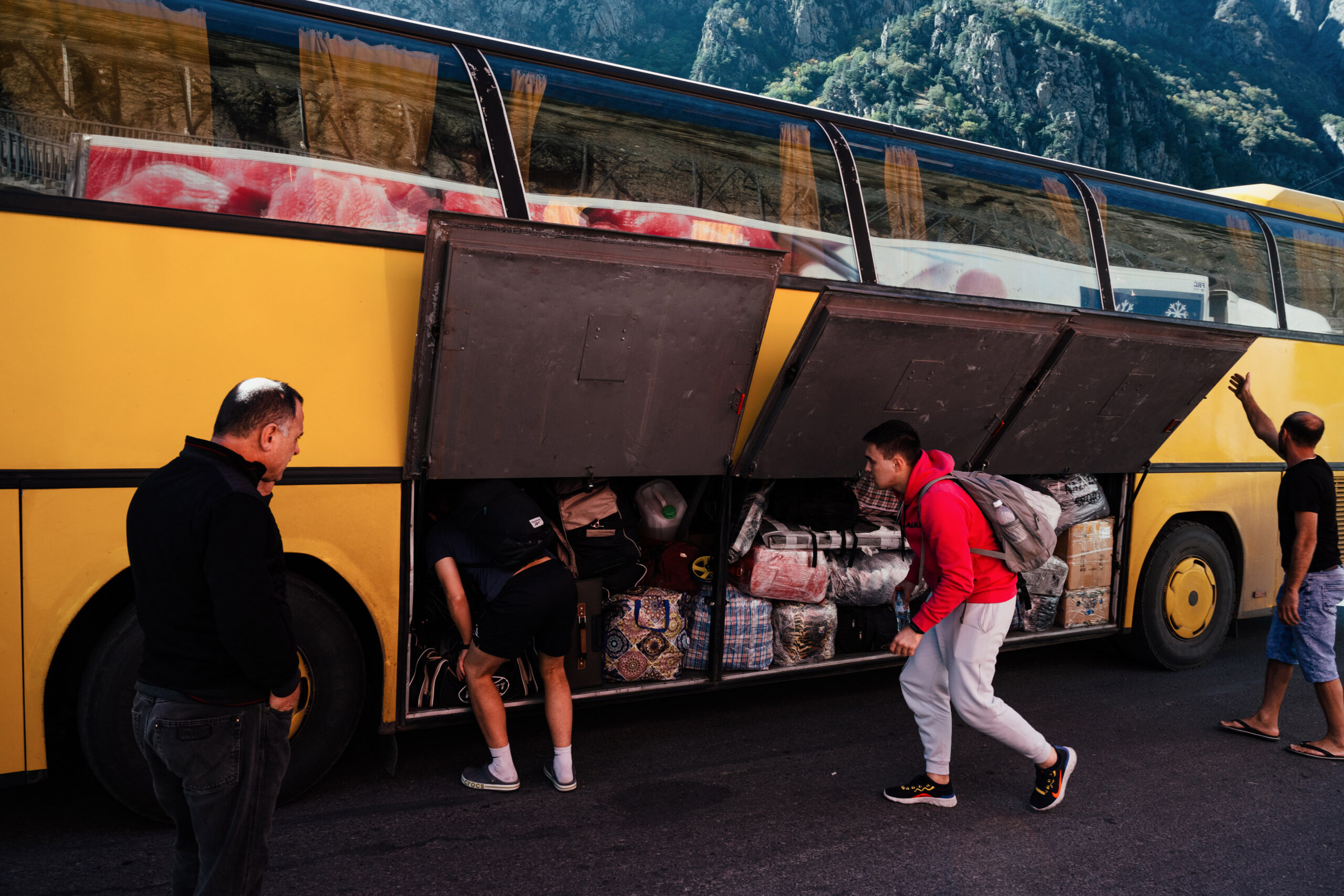
Tensions in Tbilisi: Is there a Russian migrant crisis?
Competition for jobs was high in Georgia even prior to the influx of Russians. So the arrival of tens of thousands of working-age, often high-skilled individuals from an antagonistic country could, if it has not already, lead to further frustration among Georgians.
Deterring by detection: A cheap, successful way to deter Iran
A vital part of Iran’s long-running grey zone warfare strategy is plausible deniability, as they most often work through proxies in the Middle East. And so the easiest way to keep Iran from taking action is to make sure the Islamic Republic knows the spotlight is on them.
Many big polluters around the world, including in the Middle East and North Africa, use “greenwashing” to cover up their environmentally detrimental practices by claiming they are sustainable, eco-friendly, and low carbon in an effort to deceive people about climate action. This creates the false impression that everything has changed without actually changing anything at all.
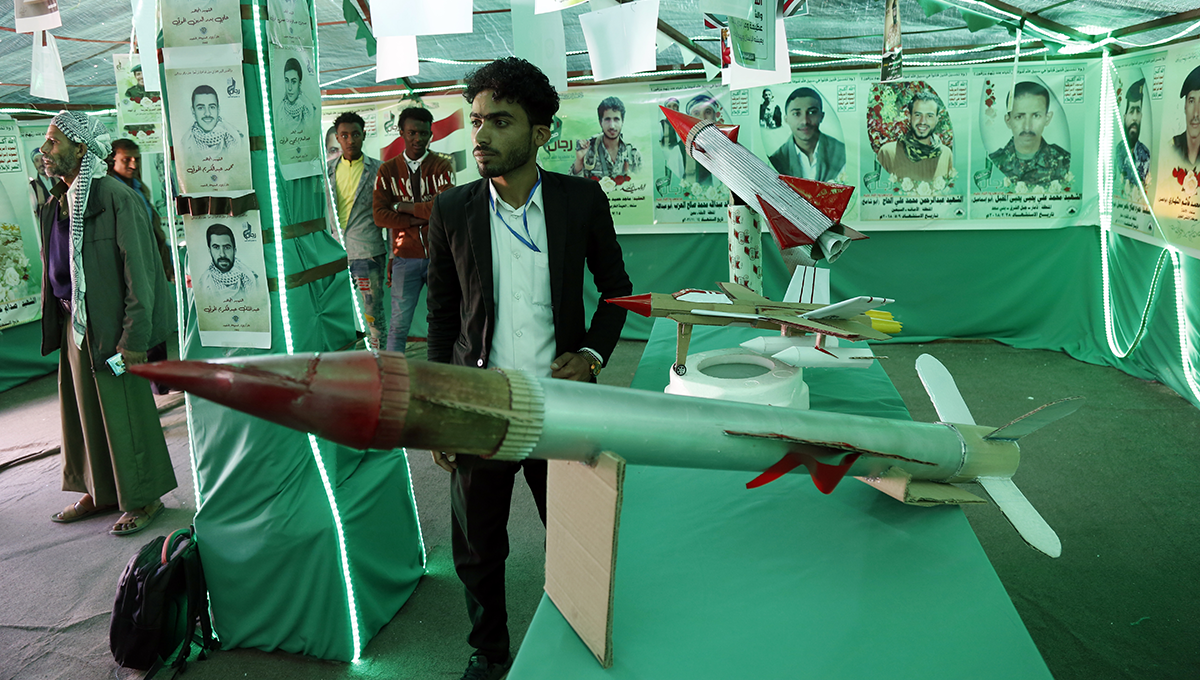
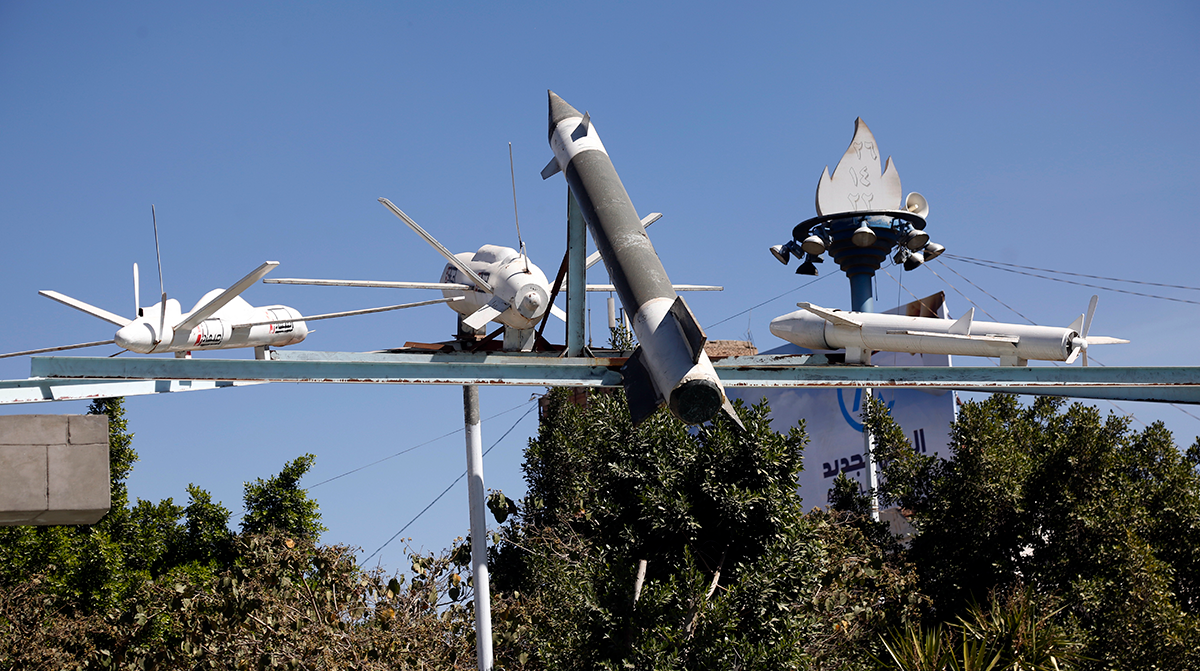
On Nov. 21, the Iranian-backed Houthi militia launched a drone attack against the Dhabba Oil Terminal in Yemen’s Hadramawt Governorate. The threat of further attacks on oil ports and military targets remains high as the militant group tests the tolerance and response of Yemen’s government and the international community while increasing its demands.
The spider of Khanasir and the rising star of Syria’s Hussam Luka
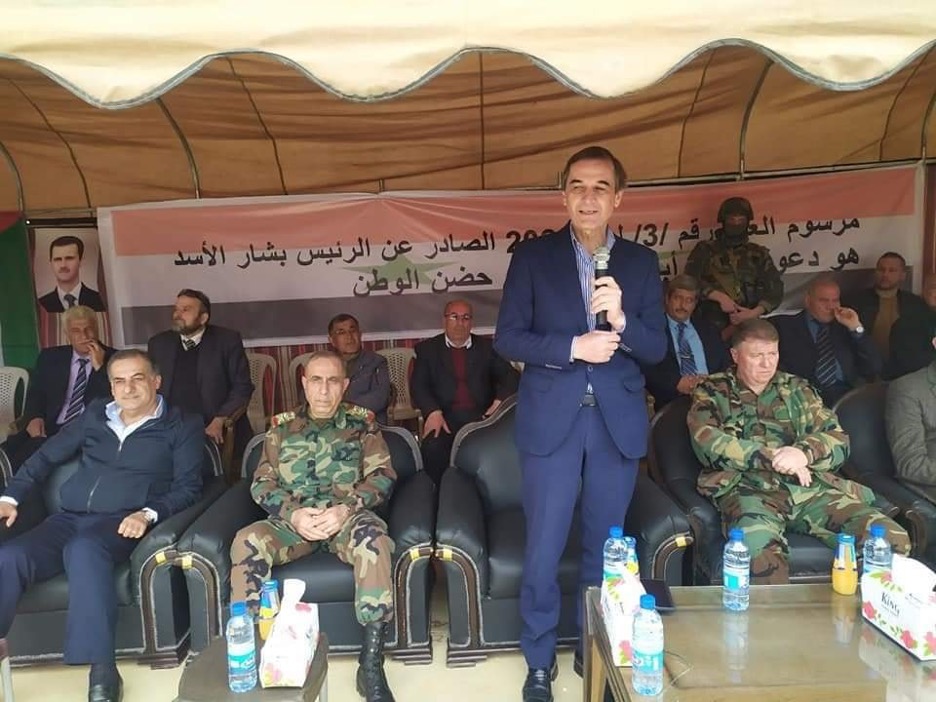
Despite his rural Sunni roots, one general has managed to play a part in nearly every step of the regime’s counter-revolution, all while building a web of networks across much of Syria as he worked his way up the complex internal ladders of the mukhabarat: Maj. Gen. Hussam Luka.
How international women’s organizations are supporting Iran’s protest movement
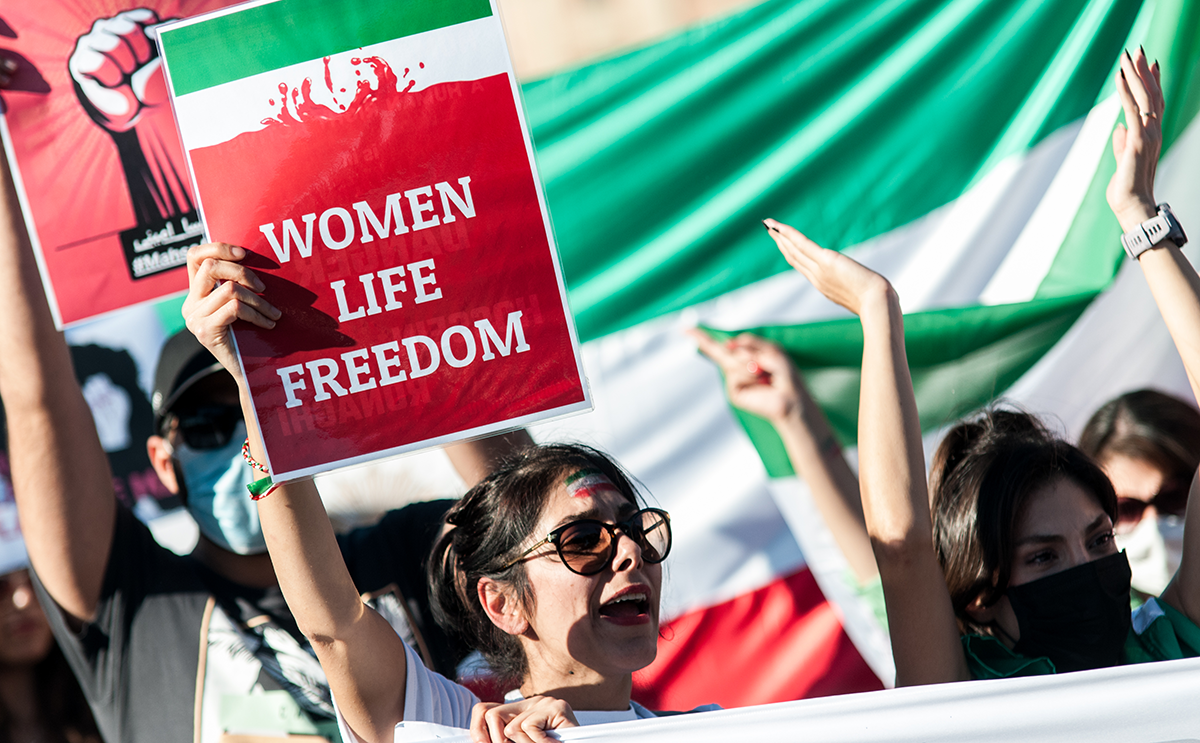
Over the past three months, there has been a massive outpouring of support around the world for the people of Iran, and especially Iranian women, amid the ongoing nationwide protests. International women’s organizations have played a central role in this effort, backing the protests, condemning the harsh government crackdown and Iran’s discriminatory laws, and pushing for the expansion of rights for women and all Iranians. Here are four things women and women’s organizations around the world have been doing to help.
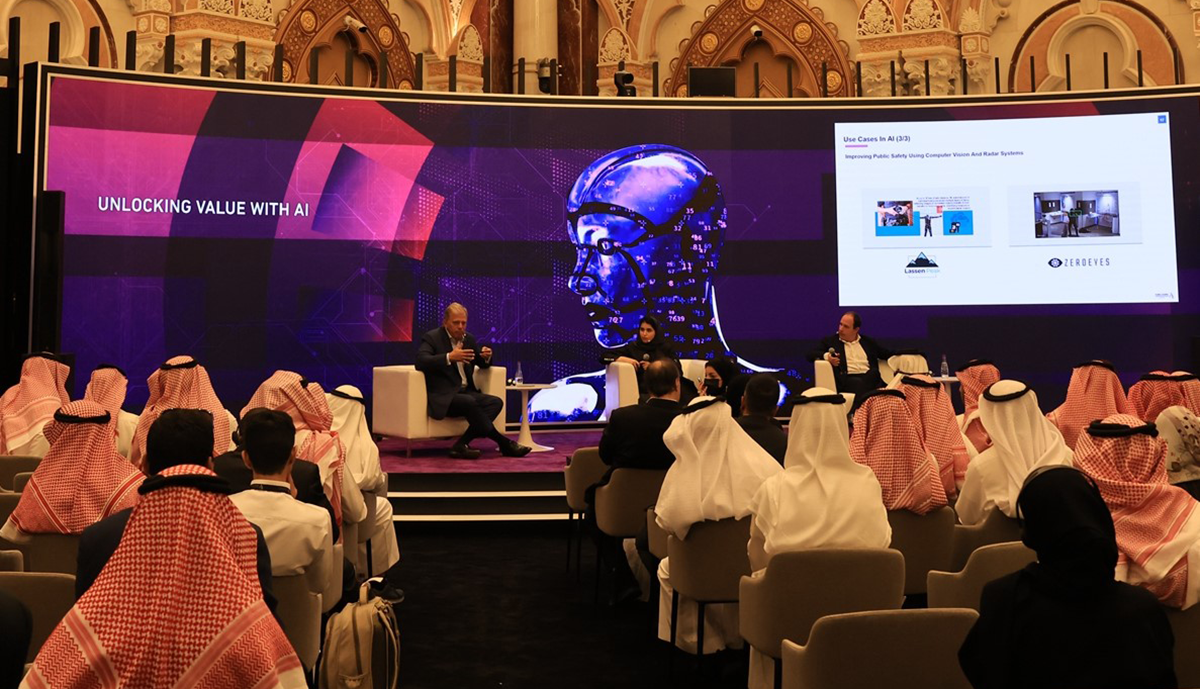
Artificial intelligence is expected to significantly impact humanity’s progress, to the extent that Google CEO Sundar Pichai compares AI-induced advancement to being on par with that ushered in by fire and electricity. There are plenty of skeptics, however, like world-renowned scientist Stephen Hawking, who have raised doubts about whether it can be controlled in the long term and speculated that its development could even spell the end of the human race.
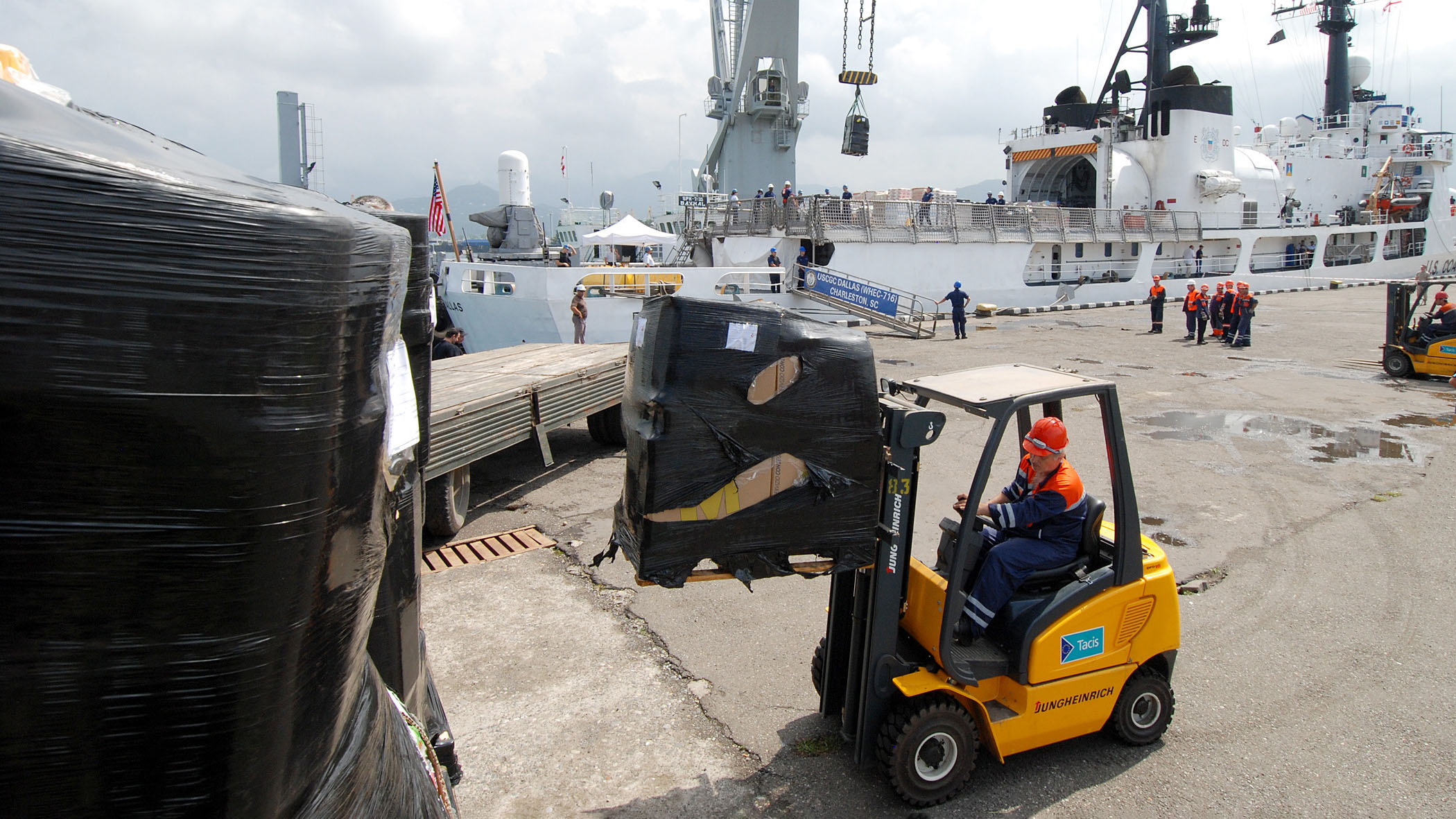
Georgia’s major seaports form a vital link in the transit of commerce via the Black Sea, but they are threatened by local and transnational involvement in illicit seaborne trade motivated by high income inequality, poverty, and population displacement. Enhancing maritime security in this geostrategic South Caucasus transit state aligns with the strategic interests of the U.S. and NATO.